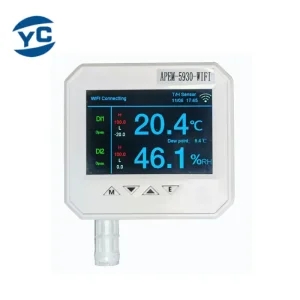
Explore our premium grade hardware optimized for high-density server parks, smart grids, and critical chemical manufacturing processes.
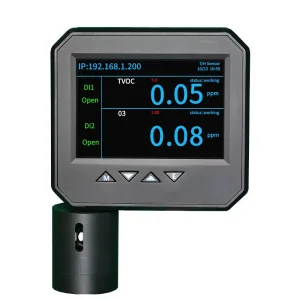
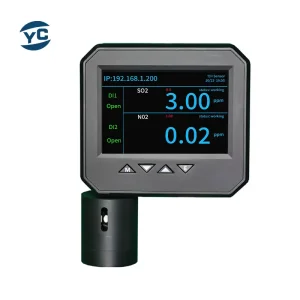
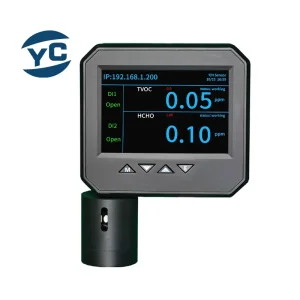
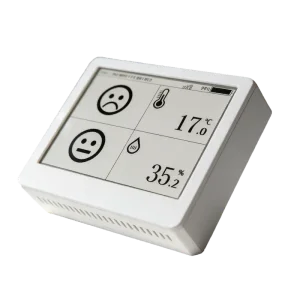
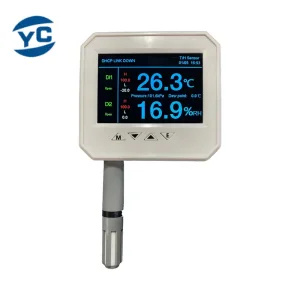
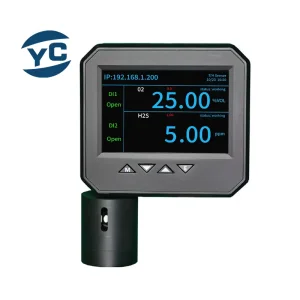
Established in 2007 • Over 1,500m² R&D and Manufacturing Base in Beijing • ISO9001, CE, FCC, RoHS Certified
Yingchuanglihe (YCLI) is a premier high-tech enterprise pioneering in the development of environmental monitoring sensors, network-integrated instruments, and industrial-grade automation controllers. Our engineering expertise leverages premium imported sensing elements from Germany and Switzerland to supply ruggedized temperature, humidity, atmospheric pressure, and multivariant gas transmitters for mission-critical operations.
In modern industrial automation, the transitions from traditional analog loop configurations (such as 4-20mA or RTD PT100 field wiring) to native digital communications have highlighted the role of **Industrial Ethernet Temperature and Humidity Sensors**. Driven by Industry 4.0 paradigms, standard communication layers such as Modbus TCP, SNMP, and EtherNet/IP are replacing legacy point-to-point buses. Deploying Ethernet-based sensors eliminates the signal losses common to analog conversions, delivering direct, high-resolution measurements directly to Edge controllers, SCADA platforms, and Cloud analytics engines.
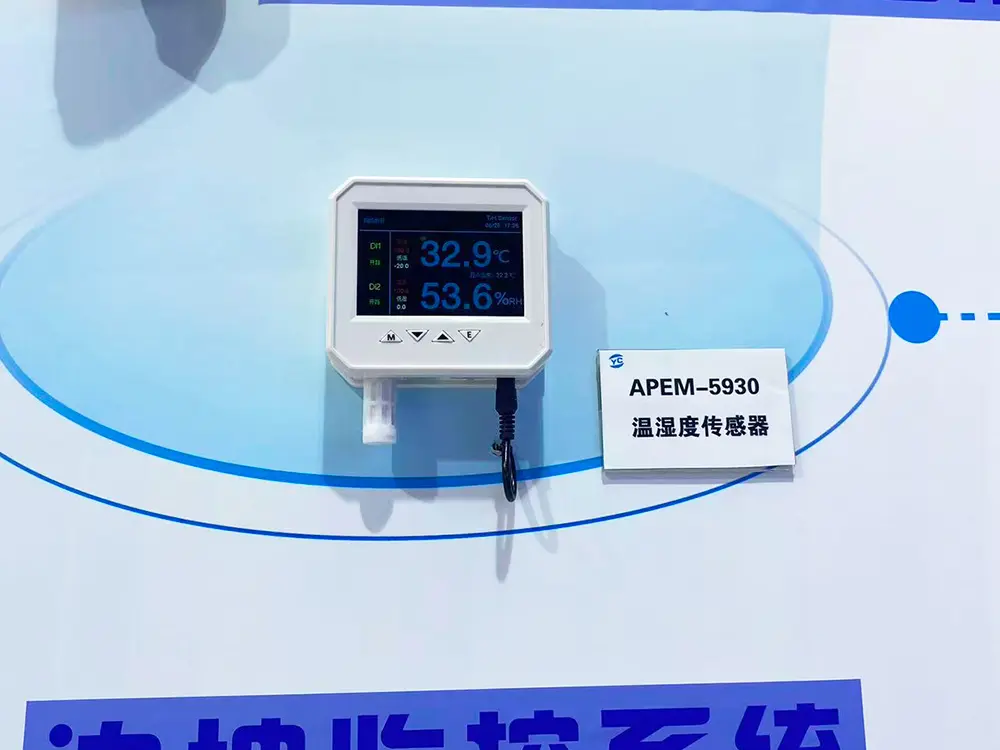
Yingchuanglihe's flagship lines, including the APEM-5930 series, integrate robust Power over Ethernet technology. By combining power delivery and bidirectional high-speed data transmission over a single Category 5e/6 copper patch cord, operational deployment budgets are cut significantly. System engineers no longer need to run separate high-voltage conduit lines to remote sensor points, simplifying cabling design across data centers and production floors.
To guarantee accuracy over extended lifecycles, our hardware utilizes high-performance MEMS semiconductor components sourced from leading fabricators in Switzerland and Germany. These digital sensor chips feature laser-trimmed capacitance relative humidity elements and bandgap temperature sensors integrated with custom ASIC processors. This design achieves standard temperature accuracy profiles of up to ±0.2°C (range dependent) and relative humidity precision up to ±1.8% RH.
| Parameters | Sensing Element Origin | Measurement Range | Standard Accuracy | Supported Protocols |
|---|---|---|---|---|
| Temperature | Switzerland / Germany (MEMS) | -40°C to +80°C (Extended) | ±0.2°C (0-60°C core range) | Modbus TCP, SNMP v1/v2c/v3, MQTT |
| Relative Humidity | Switzerland (Polymer Capacitive) | 0% to 100% RH | ±1.8% RH (10% to 90% RH) | Modbus TCP, HTTP JSON, REST API |
| Atmospheric Pressure | Germany (Piezoresistive MEMS) | 300 to 1100 hPa | ±0.12 hPa (equivalent to ±1m) | Modbus TCP, SNMP, TCP/IP Socket |
| Toxic/Hazardous Gases | UK/Germany (Electrochemical) | Gas-dependent (e.g. CO, H2S, SO2) | ±5% Full Scale | Modbus TCP, SNMP, MQTT |
Across the global manufacturing landscape, real-time climate telemetry acts as an essential defensive line against equipment failure, process drift, and occupational health hazards. Regulatory compliance, such as the EU GMP Annex 11 guidelines for pharmaceutical manufacturing and ASHRAE TC 9.9 thermal regulations for hyper-scale computing environments, mandates strict logging and alarming parameters. Historically, deployment environments were limited by local analog wiring constraints. Our industrial Ethernet solutions bridge this gap by enabling remote device configuration, automated firmware updates, and simple API integration across global operating units.
From high-speed rail networks to intelligent autonomous driving systems, our technology is deployed across demanding environments.


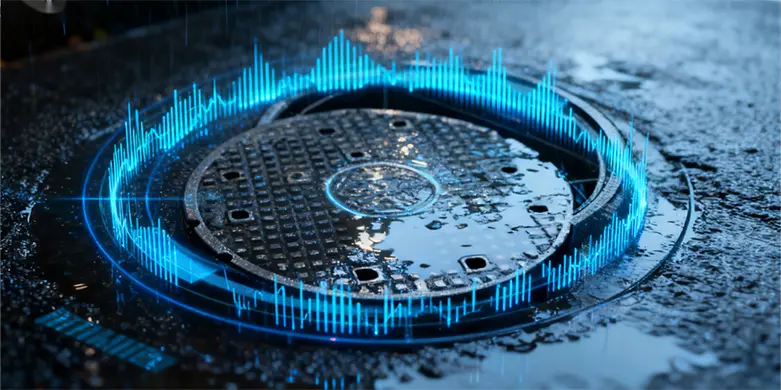



18 years of continuous R&D, engineering milestones, and strategic industry partnerships.
Leverage our advanced Beijing factory lines and R&D divisions to design customized telemetry hardware.
Modify sensor probe geometries, cable lengths (up to 30 meters), outer enclosures (ABS, stainless steel sinter, high-temp fluoroplastic), and measurement ranges to suit unique process requirements.
We configure our systems to match your software requirements. Get custom Modbus registers, specific SNMP MIB profiles, MQTT payload formats, HTTP REST endpoints, and custom JSON structures written directly to the firmware.
Every custom production run undergoes environmental chamber testing and precision NIST-traceable wind tunnel calibration. Devices are shipped with CE, FCC, and RoHS compliant documentation.
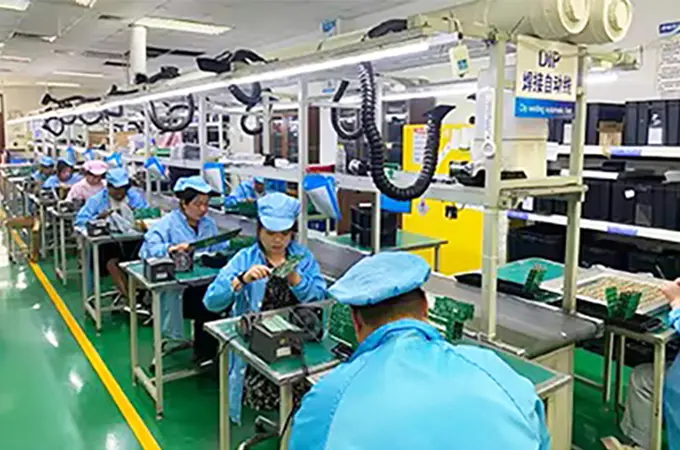
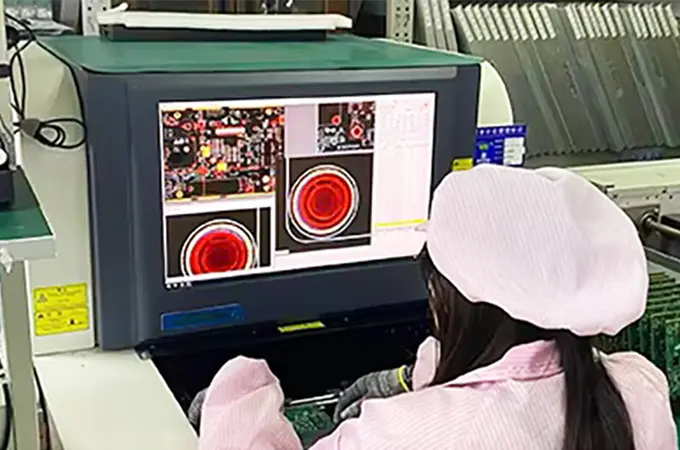
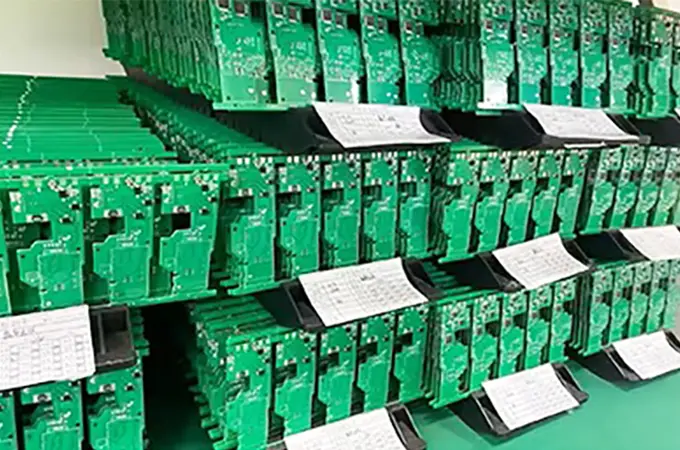
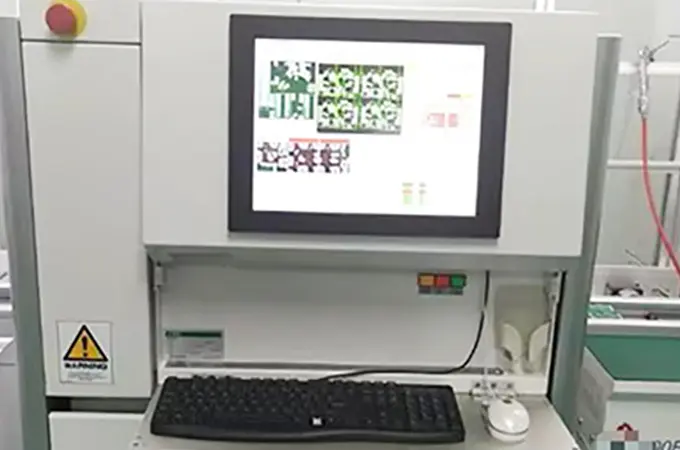
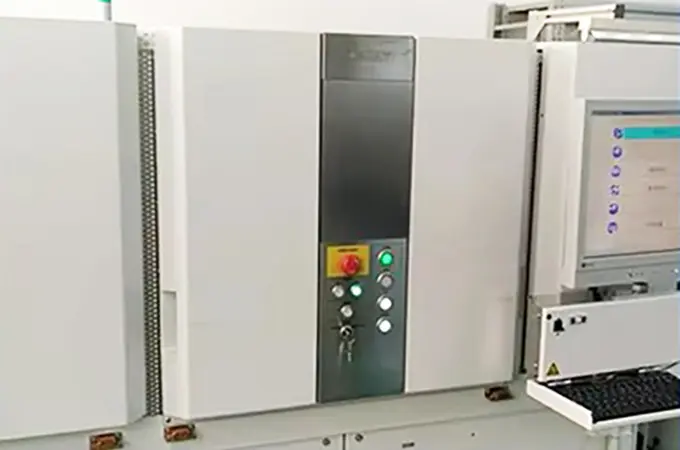
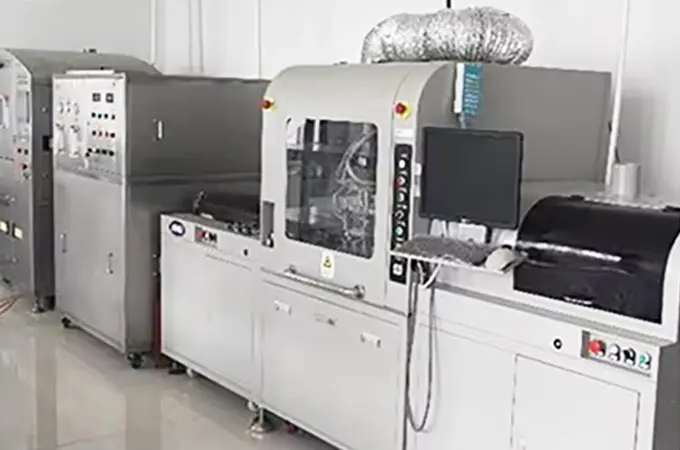
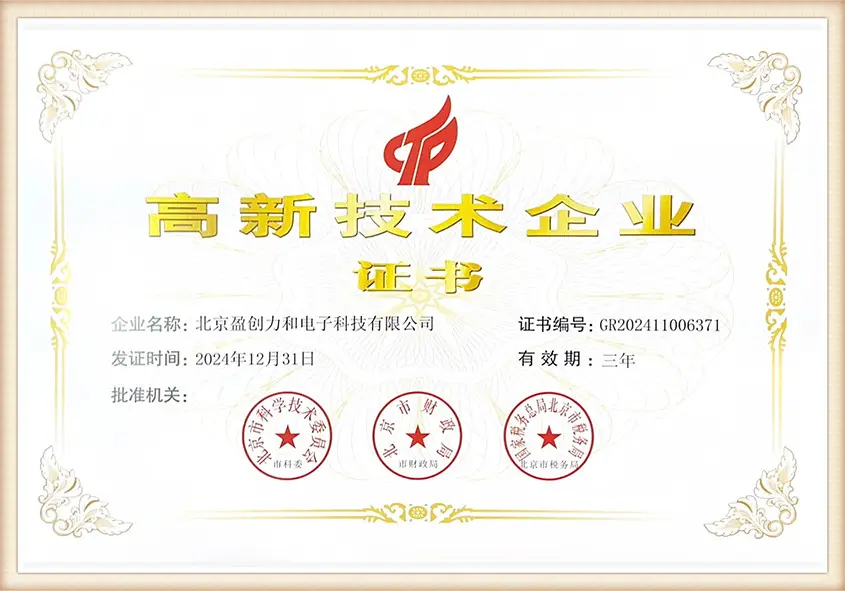
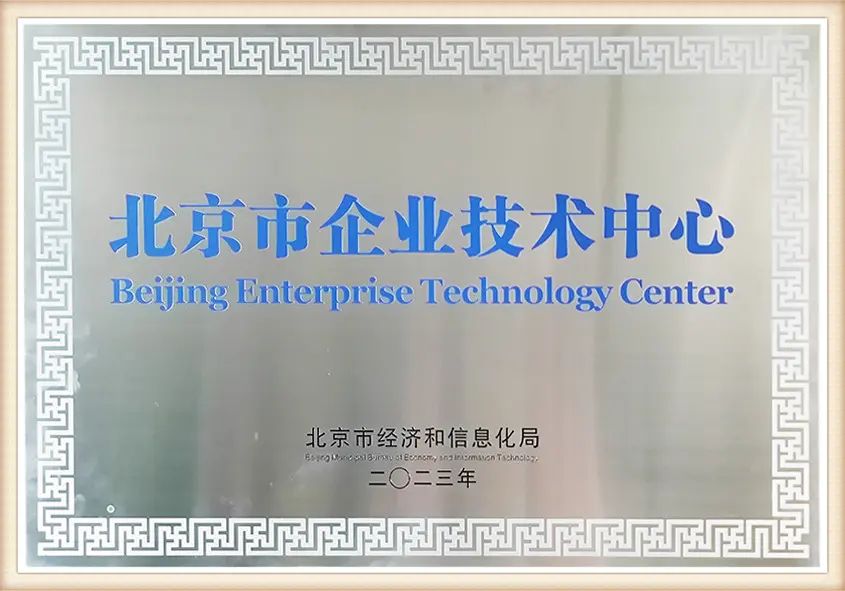
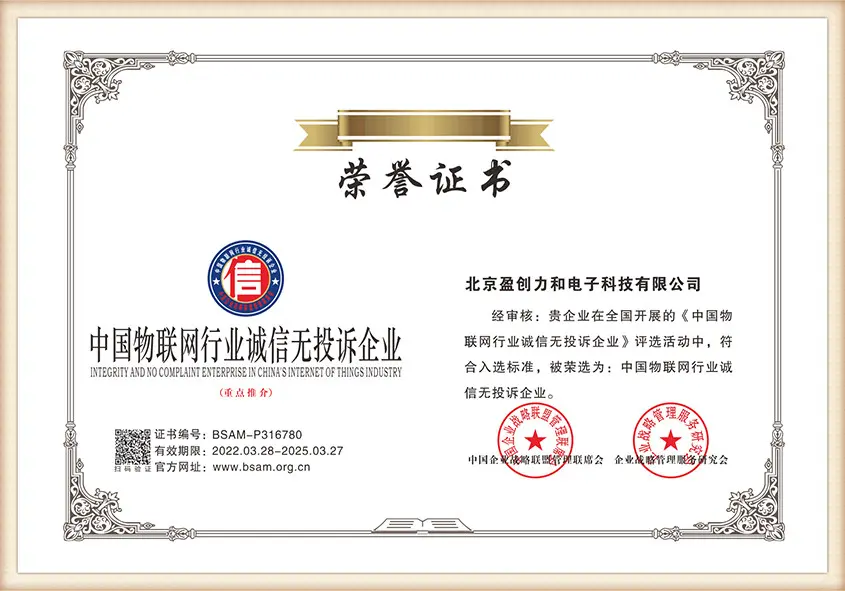
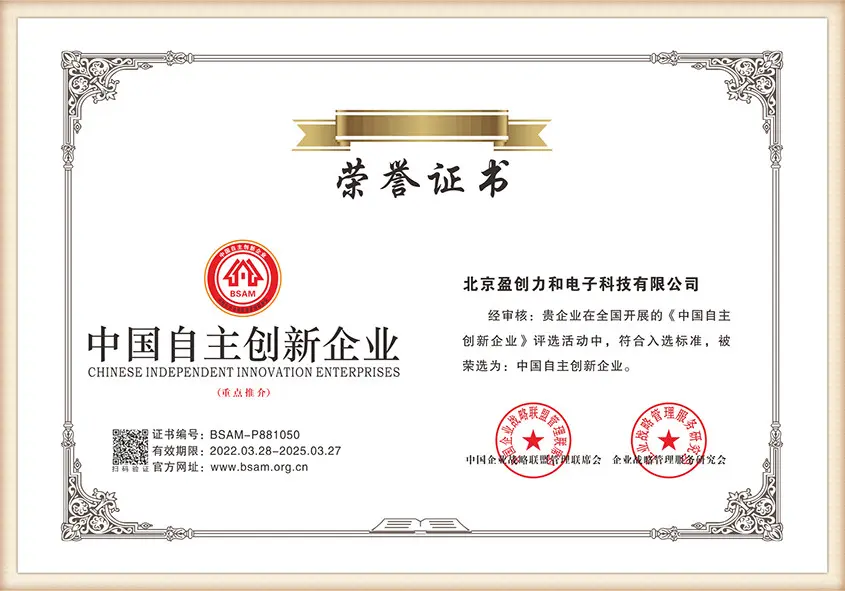
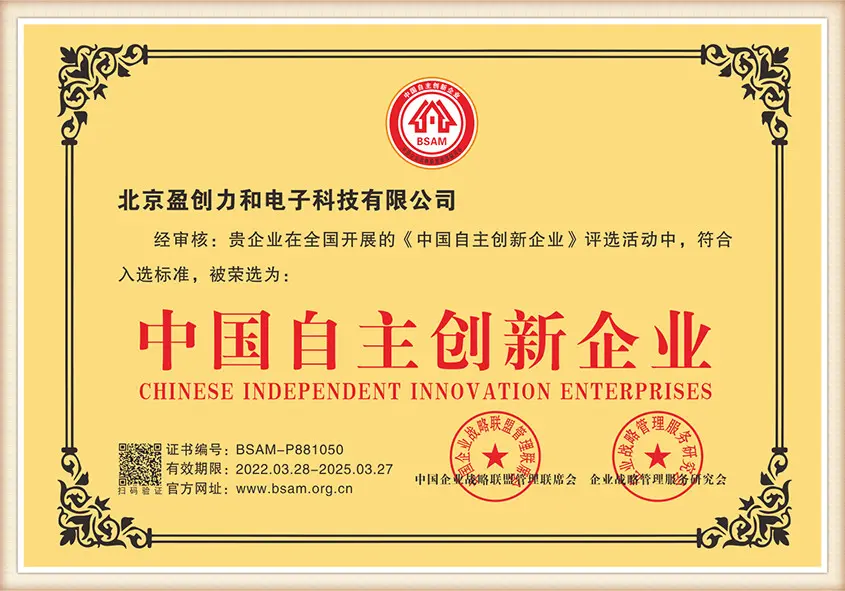
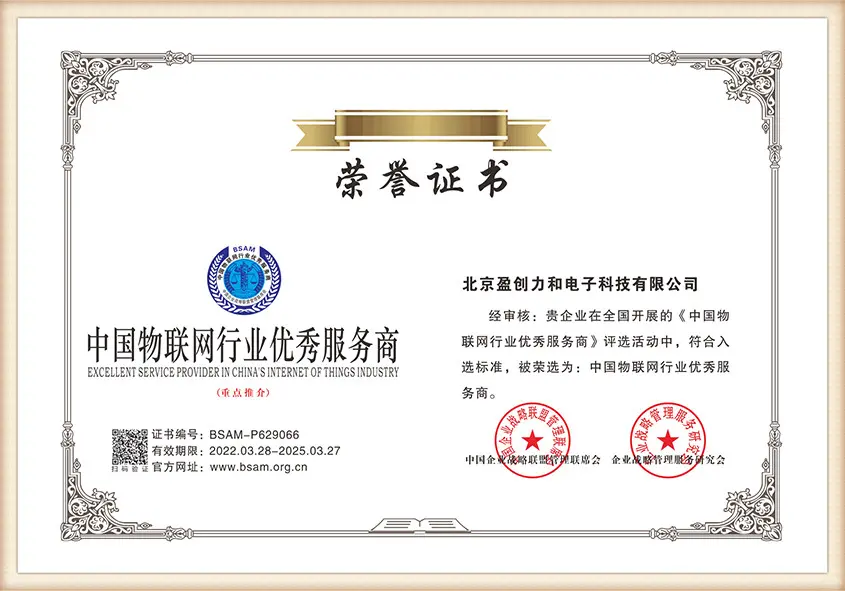
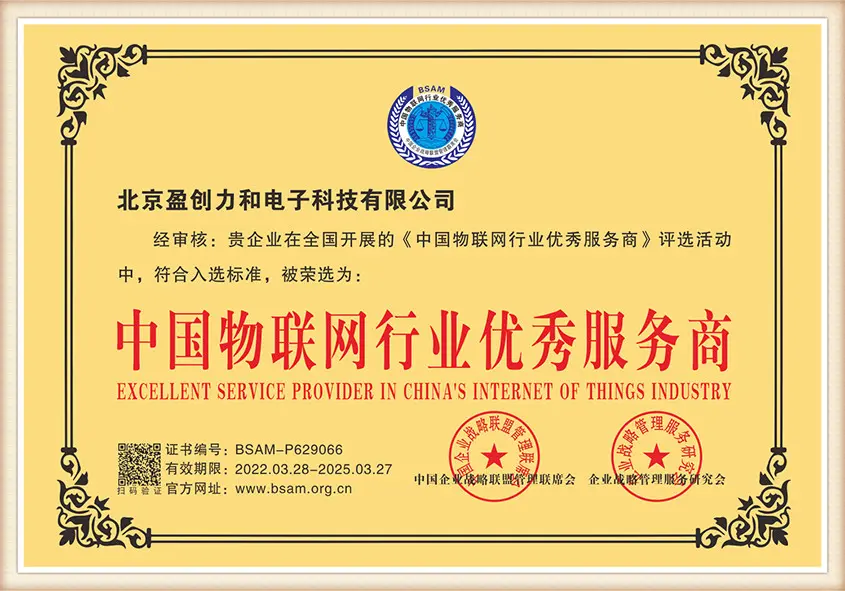
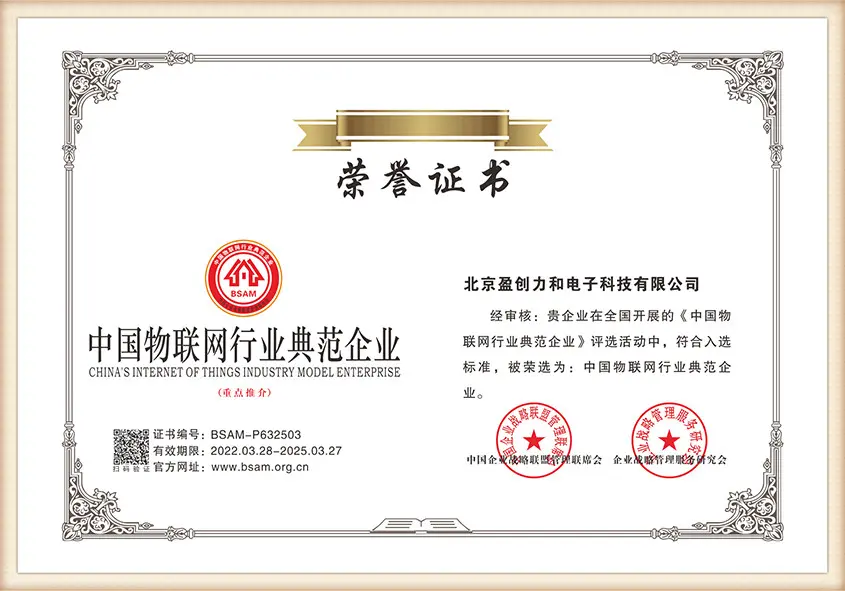
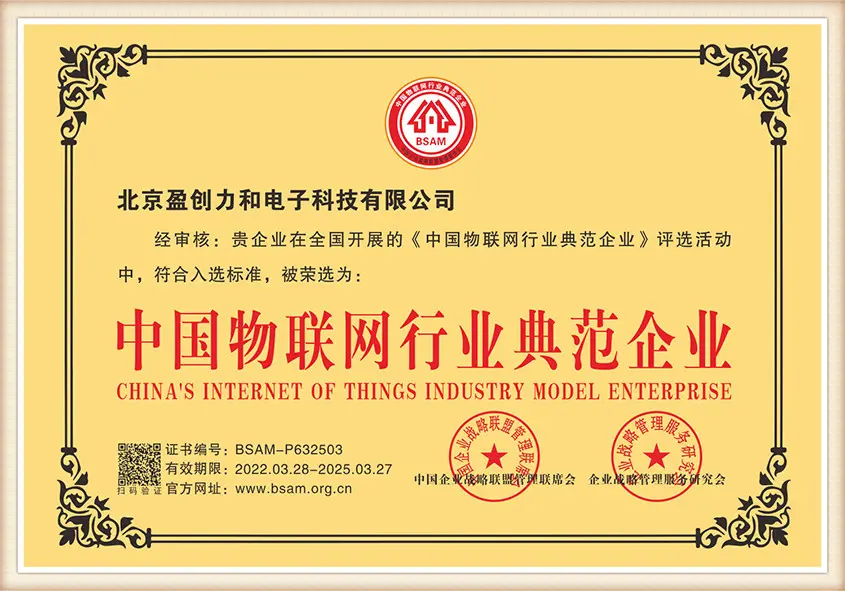
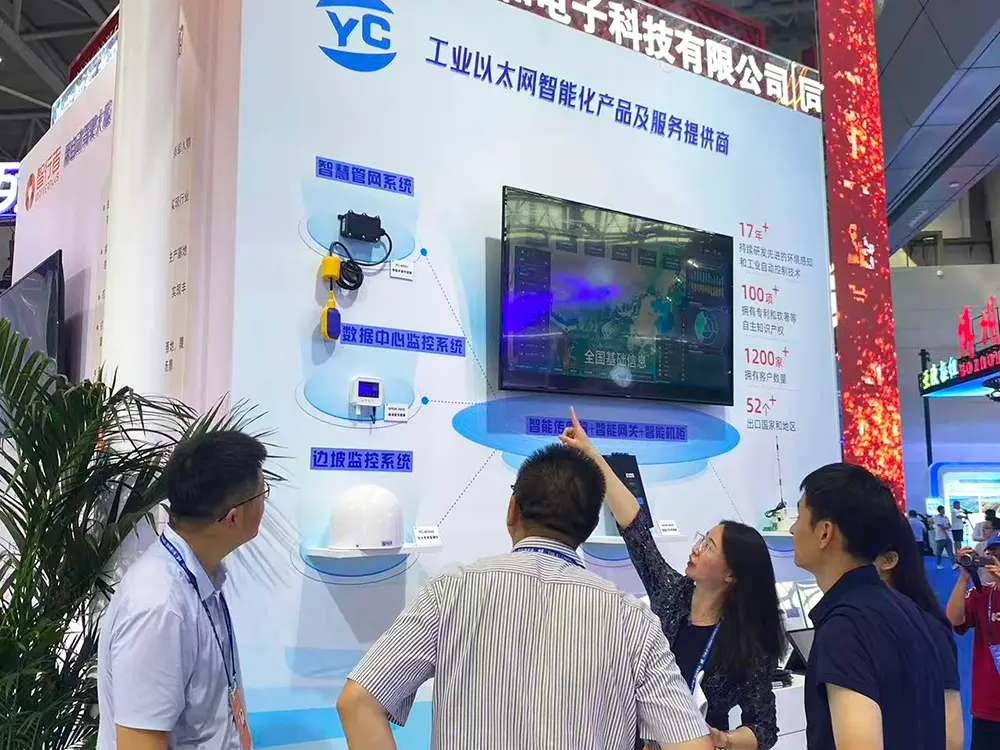
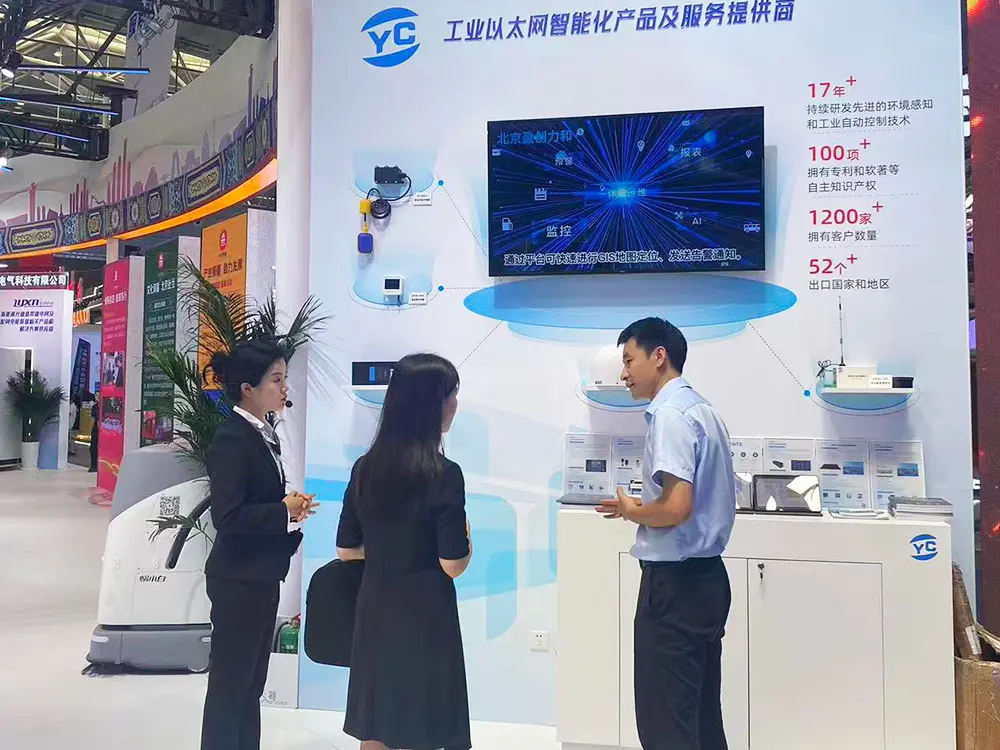
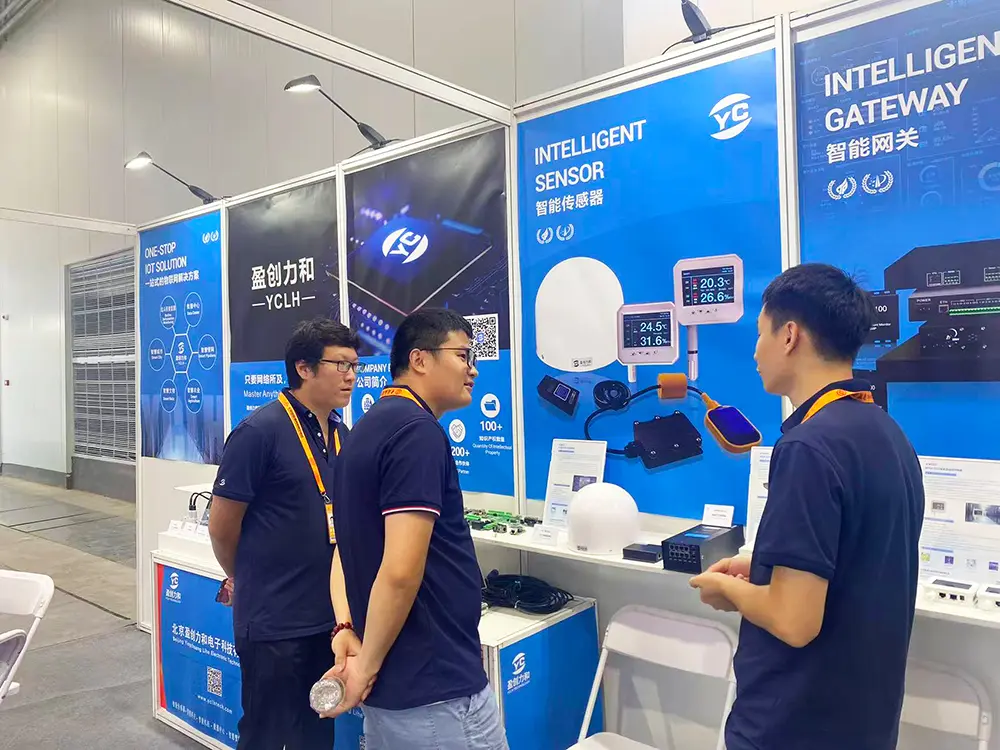
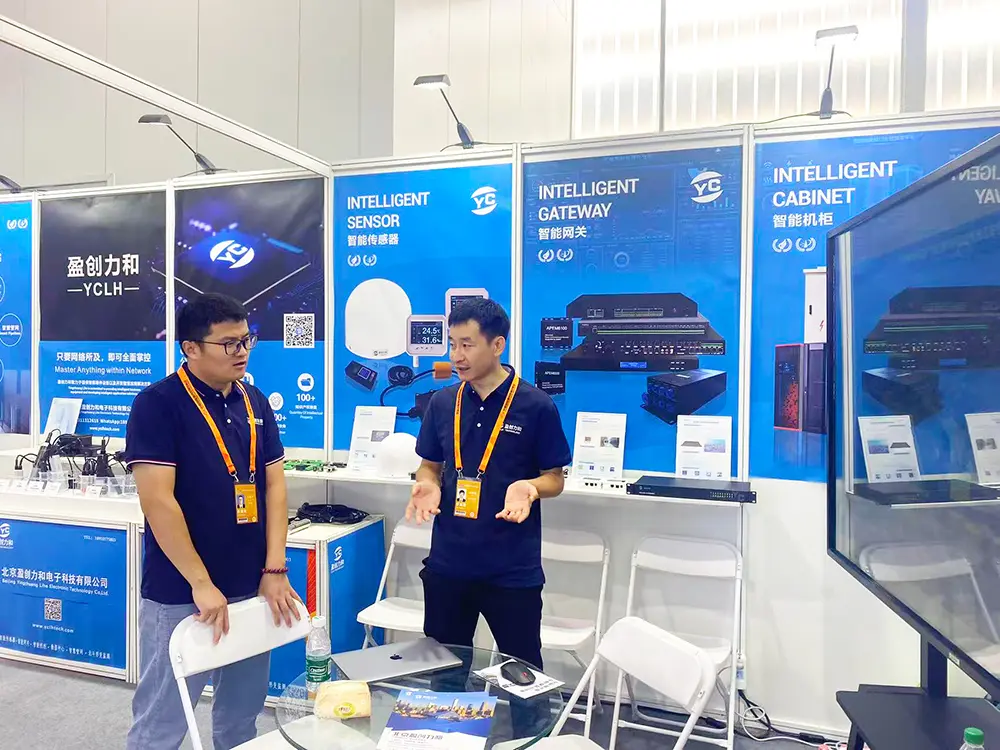
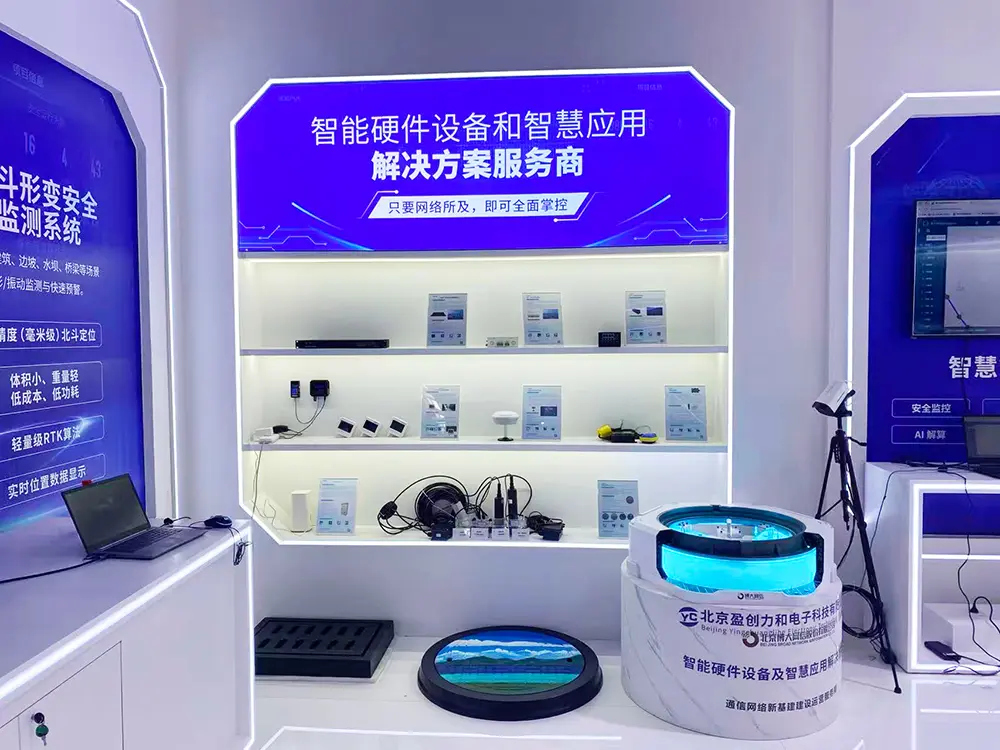
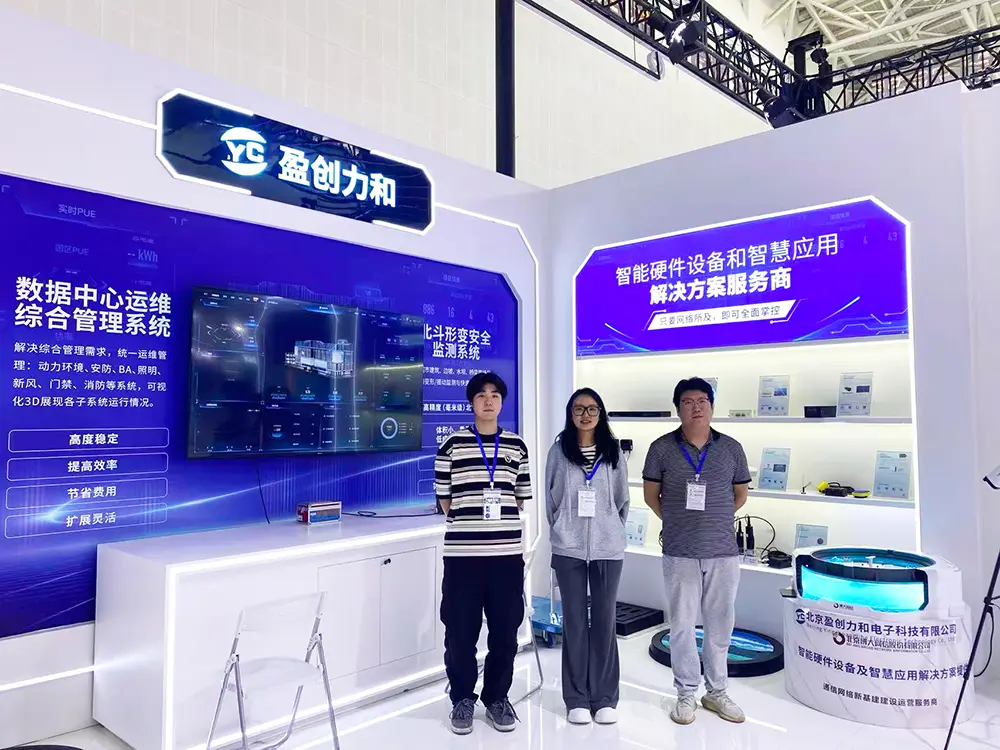
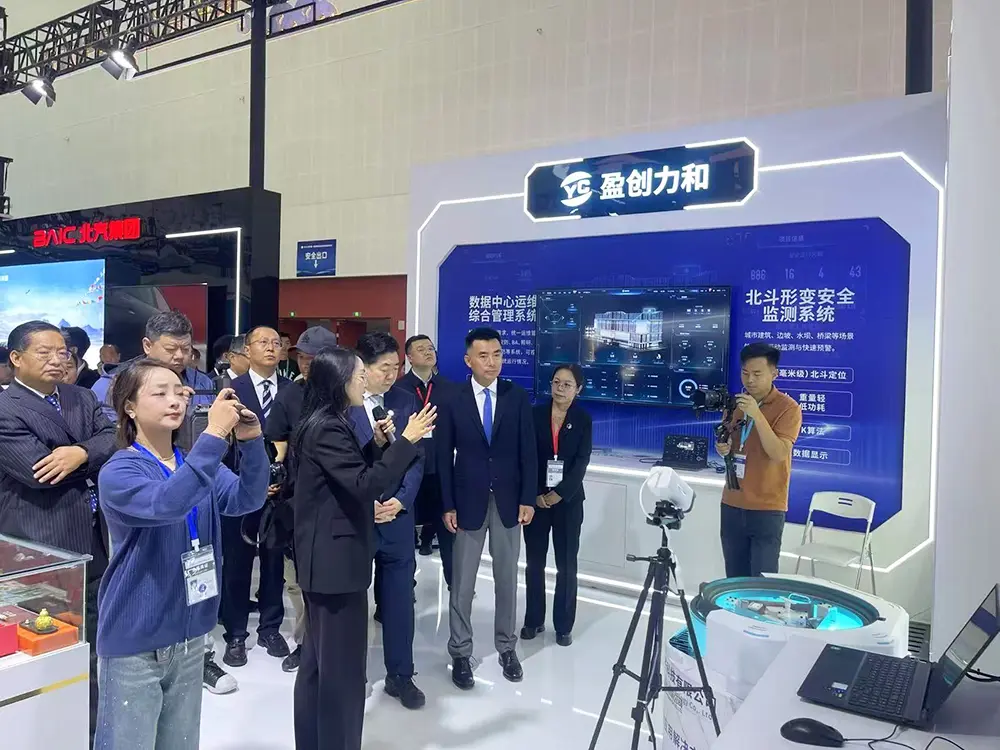
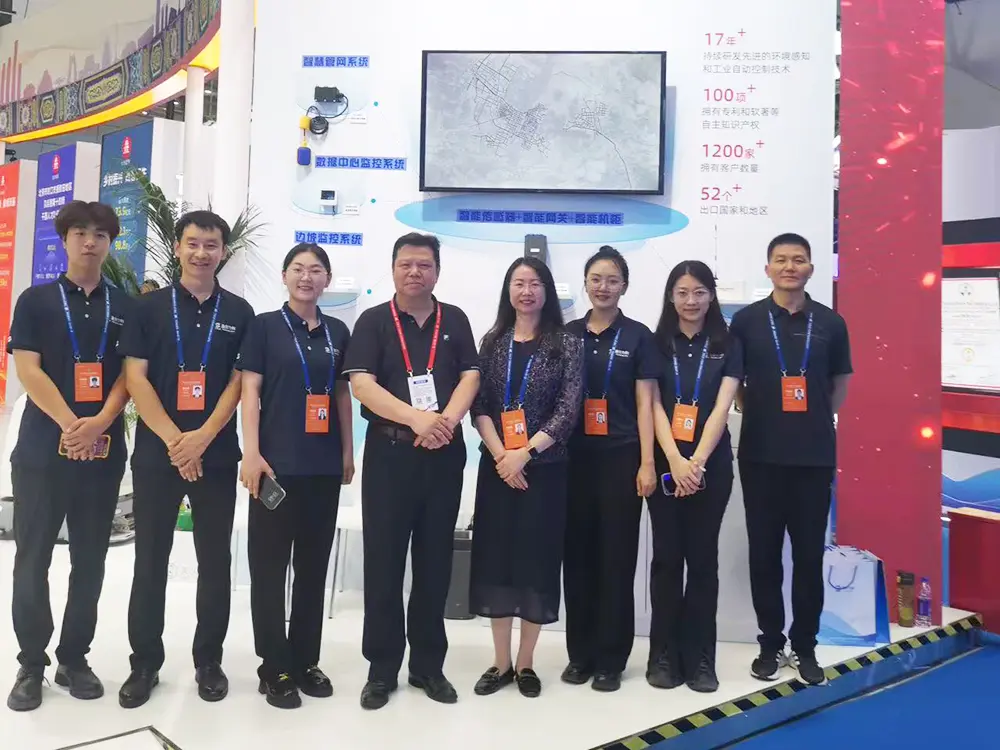
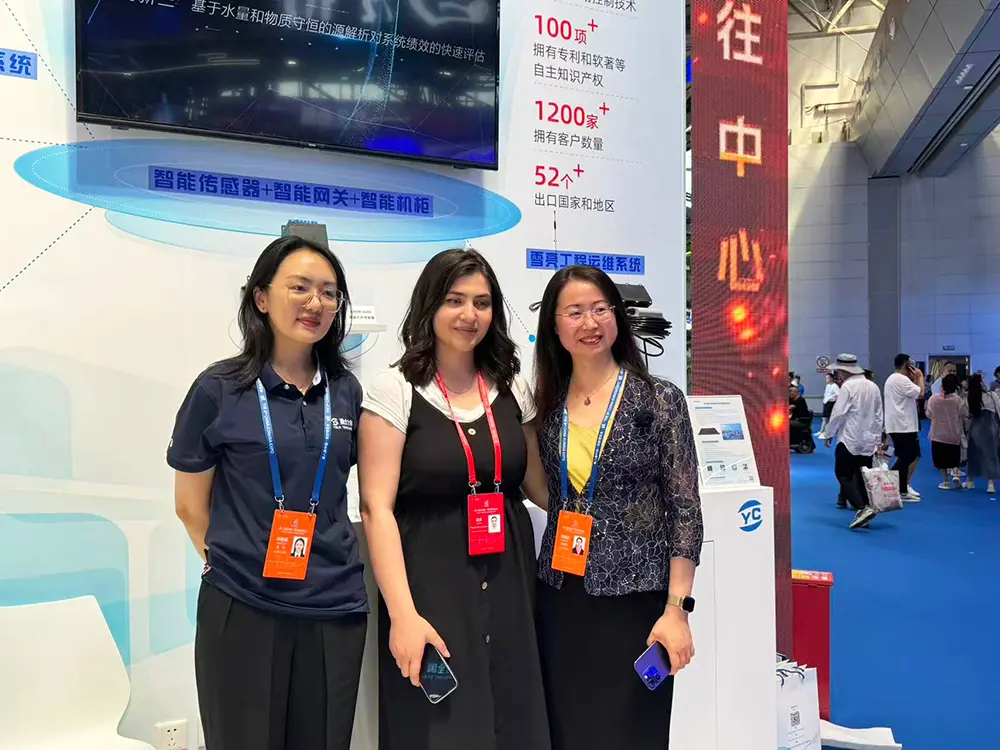
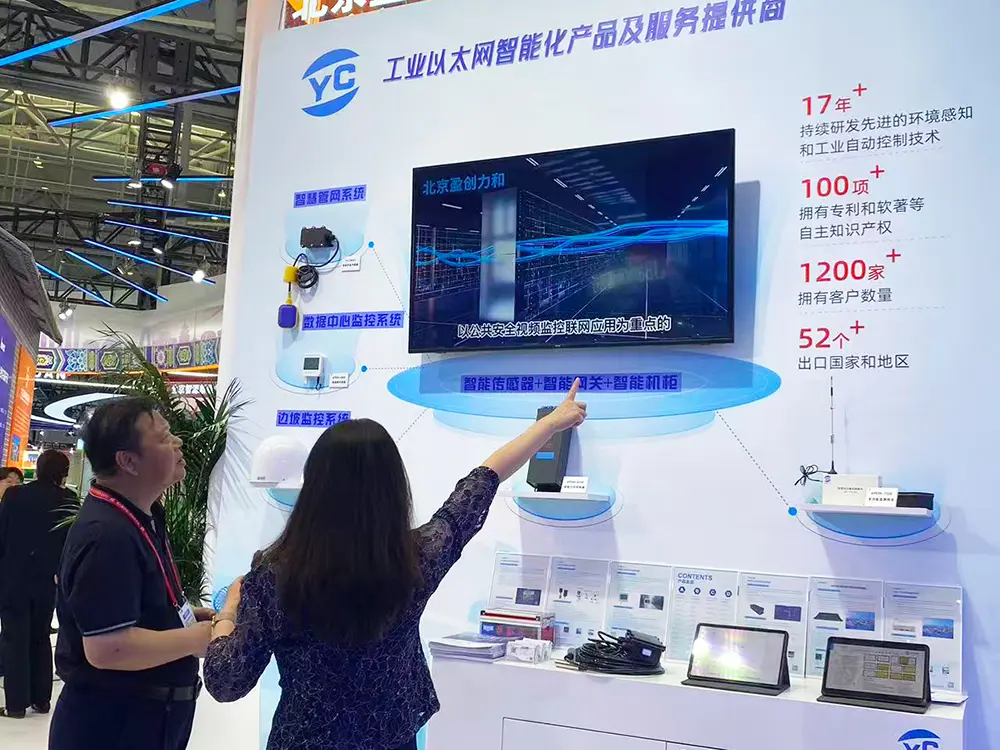
A transparent look inside our Beijing assembly lines, testing chambers, domestic exhibitions, and quality standard certificates.
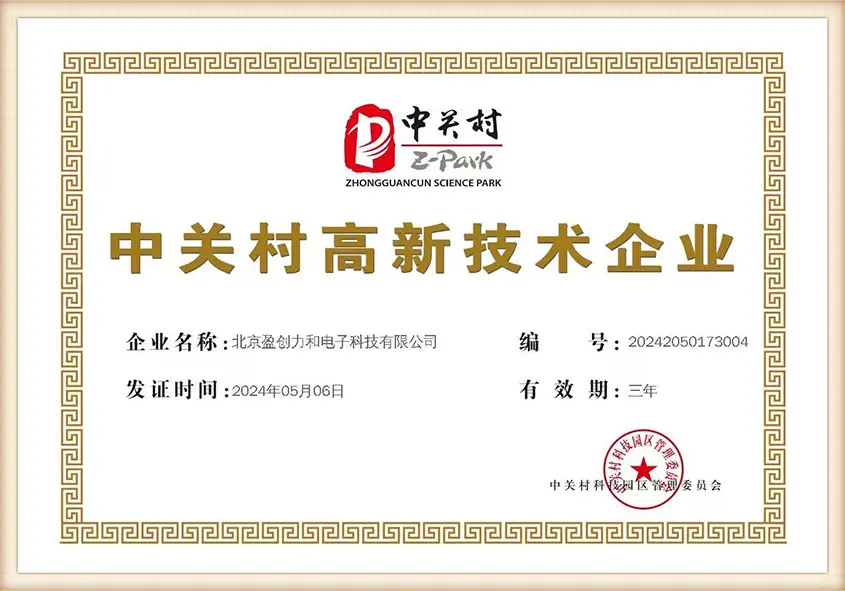
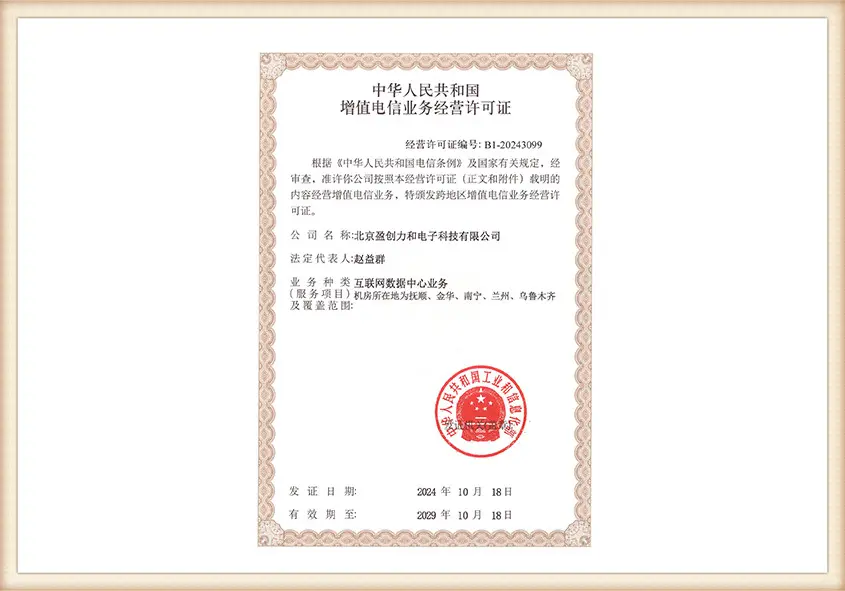
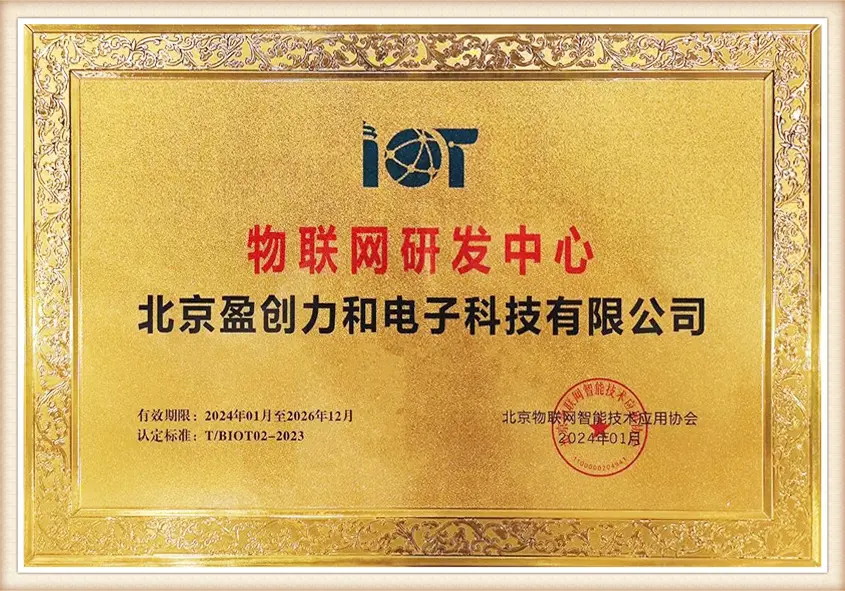
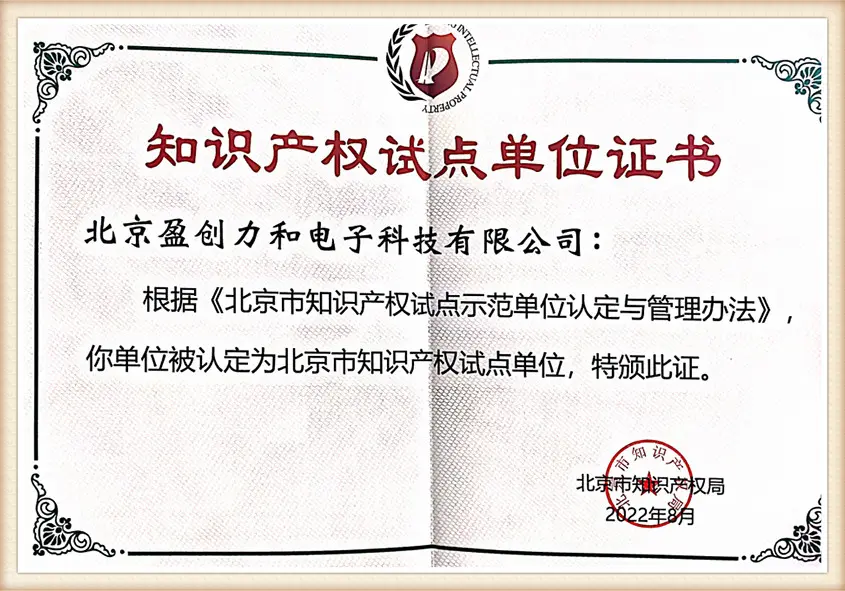
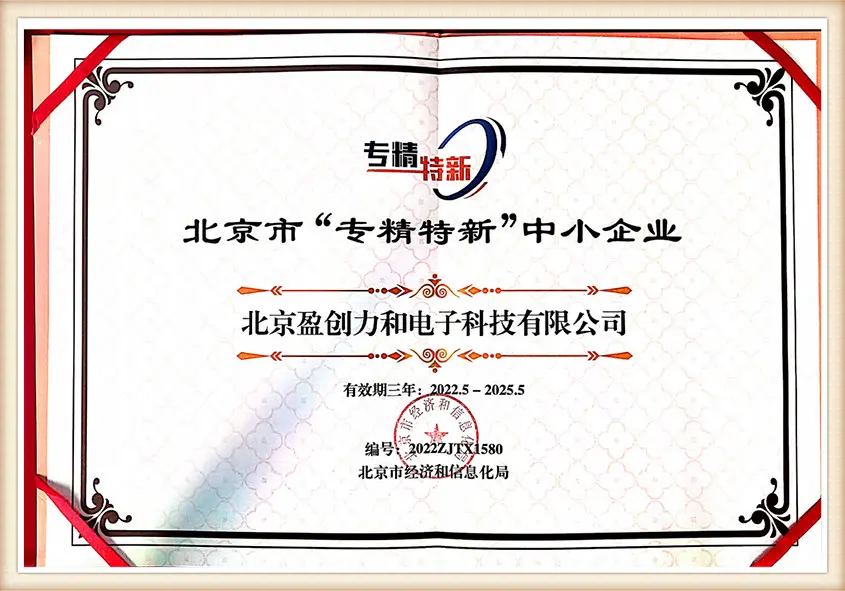
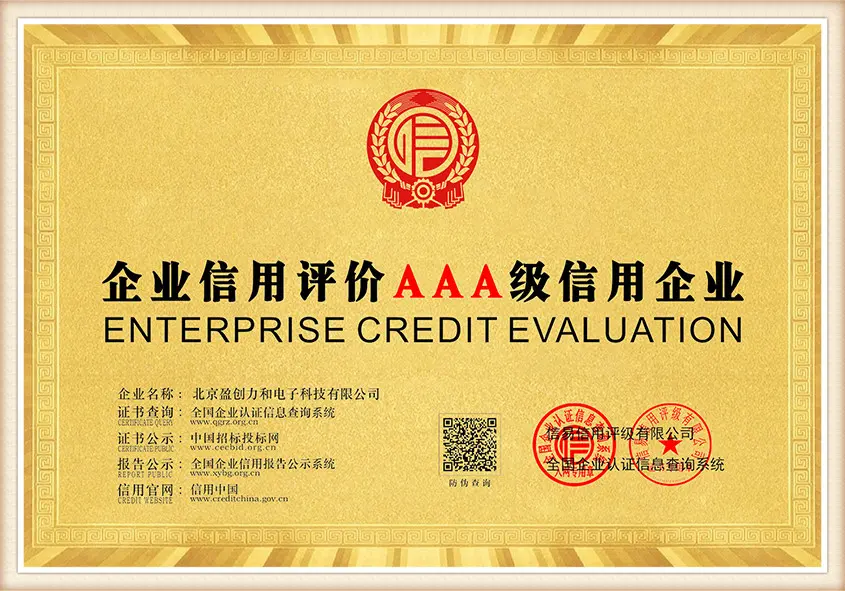
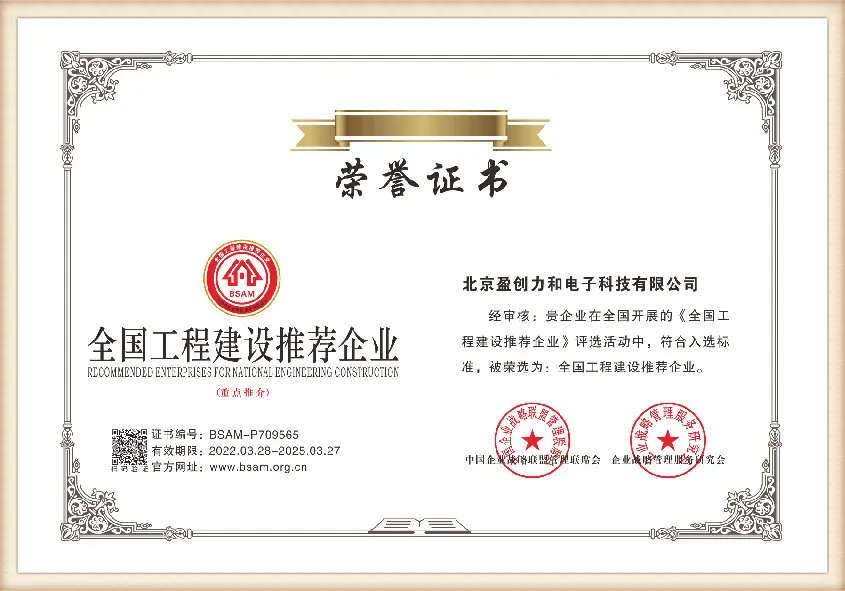
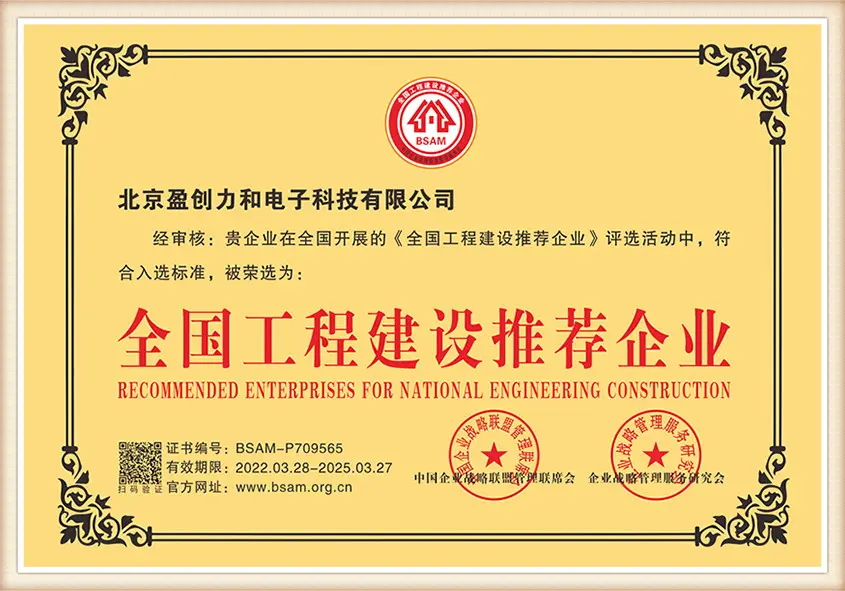

Explore the engineering directives defining Yingchuanglihe's R&D focus over the coming decade.
We are incorporating neural drift compensation models directly onto our core microcontrollers. These algorithms analyze dynamic ambient profiles to auto-calibrate sensing components without system shutdowns.
Our upcoming modules combine wired Ethernet connectivity with LoRaWAN wireless failovers, backed by solid-state battery systems. This ensures data acquisition continues even during complete site power loss.
To secure critical infrastructure networks, our next-generation transmitters feature TPM (Trusted Platform Module) chips. These chips encrypt outbound MQTT/HTTPS traffic directly at the sensor level, preventing data injection or spoofing.
Comprehensive guide to deploying, integrating, and maintaining Industrial Ethernet Sensors.
Our standard APEM-5930 range supports Power over Ethernet compliant with IEEE 802.3af (Class 1 devices). Their average power draw is less than 1.5 Watts, keeping heat generation low and minimizing local temperature offsets.
Our hardware supports concurrent network protocols. For instance, a sensor can deliver real-time data to a SCADA network using Modbus TCP over port 502, update IT monitoring systems via SNMP over port 161, and push data to a cloud platform via MQTT over port 1883.
In standard data center or office environment applications, we recommend checking calibration metrics every 24 months. For harsher industrial settings (high humidity, chemical vapor presence, high particulates), we suggest an annual calibration schedule to maintain optimal accuracy.
Yes. Our sensors operate on open standards, making them compatible with popular network monitoring and SCADA suites, including PRTG Network Monitor, Zabbix, Nagios, Ignition SCADA, Wonderware, and node-red interfaces.
Review our specialized sensor line containing electrochemical gas monitors, air quality modules, and wireless LoRa interfaces.
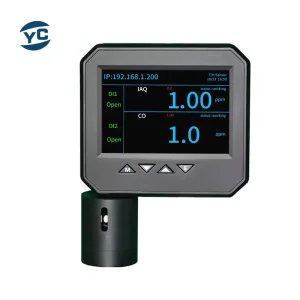
 YCLH Sensor