Explore our cutting-edge network sensors, industrial loggers, and environmental monitoring equipment
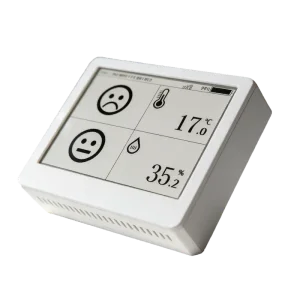
Ultra-low power wireless sensor with long range LoRaWAN architecture, robust built-in battery, and high stability for remote locations.
Learn More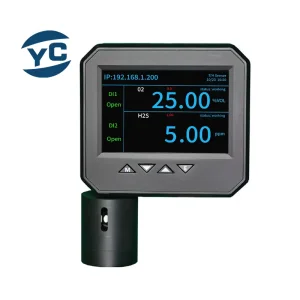
Comprehensive industrial gas data acquisition hub with built-in Oxygen and Hydrogen Sulfide monitoring via standard Ethernet protocols.
Learn More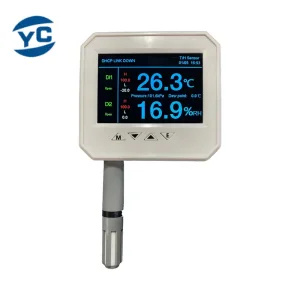
Precision environmental tracking unit incorporating atmospheric pressure, relative humidity, and temperature sensors.
Learn More
All-in-one atmospheric tracking array built for safety control systems and real-time environment integration.
Learn More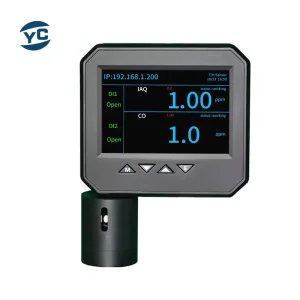
Indoor air quality (IAQ) and Carbon Monoxide safety specialist with integrated temperature and humidity data reporting.
Learn More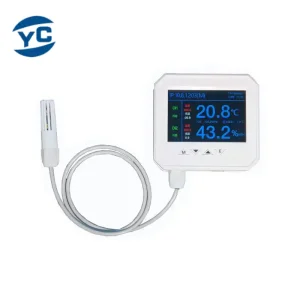
Advanced remote measurement module supporting optional extension probes for specialized, tight space sensing.
Learn More
Highly customizable dual gas tracking gateway with active relays and multi-protocol software configurations.
Learn More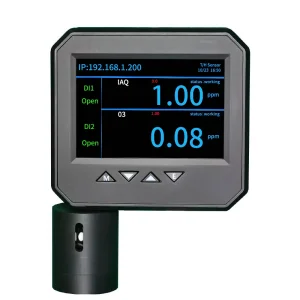
Specifically tuned ozone (O₃) gas monitor for sanitation verification, food storage safety, and occupational hygiene.
Learn MoreHarnessing Edge Intelligence and Multivariable Data Integration for Next-Gen Infrastructures
In the contemporary landscape of Industry 4.0, the necessity for robust, scalable, and secure data logging frameworks has transcended conventional sensor infrastructure. Modern operations command data acquisition gateways capable of processing multiple physical and chemical parameters in real time. Standard analog relays are rapidly giving way to edge-computing-enabled Ethernet, WiFi, and LoRaWAN gateways. These devices serve not just as data pipes, but as intelligent boundary nodes that reduce network traffic, perform local threshold diagnostics, and guarantee data continuity under severe structural disruptions.
Global commercial facilities—from ultra-scale data centers running complex artificial intelligence workloads to heavy chemical processing complexes—face intense pressure to optimize environments. Driving variables such as volatile energy prices, strict environmental sustainability mandates (such as Net-Zero commitments and ESG disclosures), and rigorous safety guidelines require persistent environmental tracking. A single unmitigated spike in humidity, or undetected buildup of hazardous compounds like hydrogen sulfide (H₂S) or nitrogen dioxide (NO₂), can lead to catastrophic hardware failure, production shutdowns, or worker endangerment.
Moving from reactive alarms to predictive analysis requires sub-second data logging of parameters like temperature, differential pressure, and air quality index (AQI) values to construct precise environmental trends.
Flexible field integration relies on native hardware communication stacks. Our systems translate raw sensor signals directly into Modbus-TCP, MQTT, SNMP, and HTTP RESTful APIs at the gateway interface.
Targeted electrochemical detection arrays monitor safety limits of Oxygen (O₂), Hydrogen Sulfide (H₂S), Sulfur Dioxide (SO₂), Formaldehyde (HCHO), and Ozone (O₃) in hazardous processing zones.
A Deep Heritage in Environmental Sensor Design and High-Tech Systems Integration
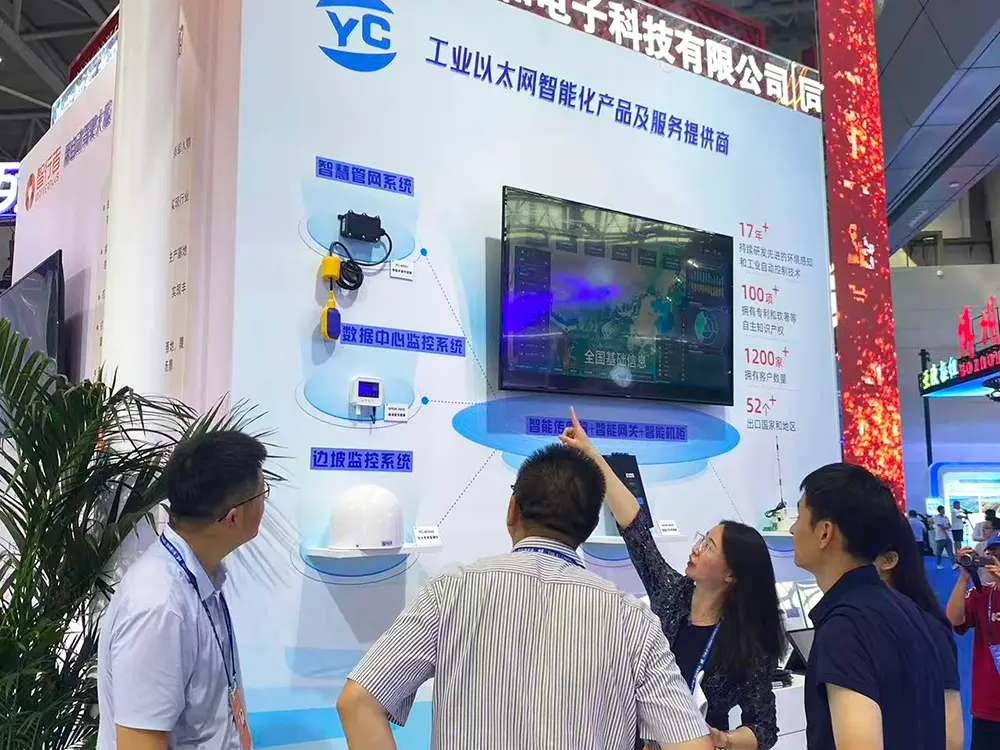
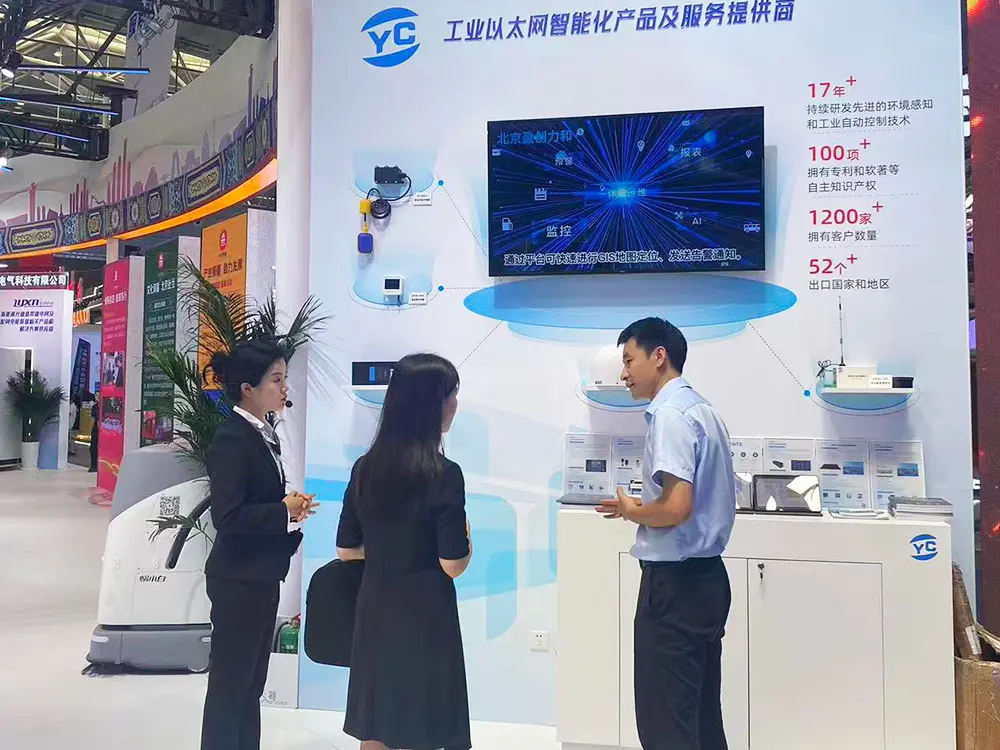
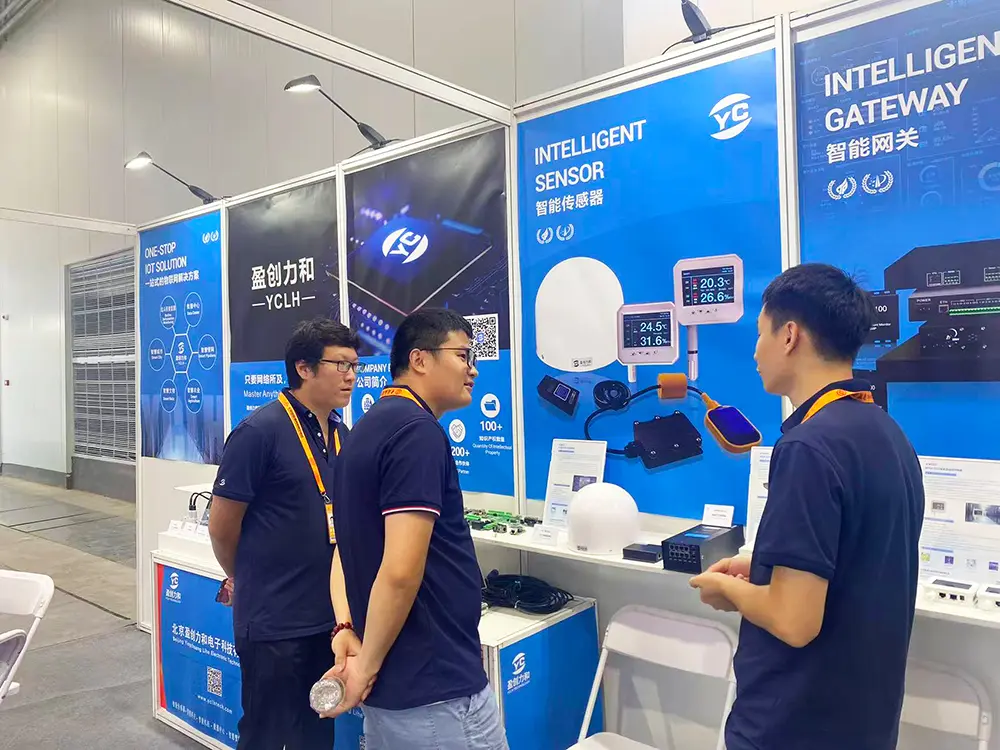
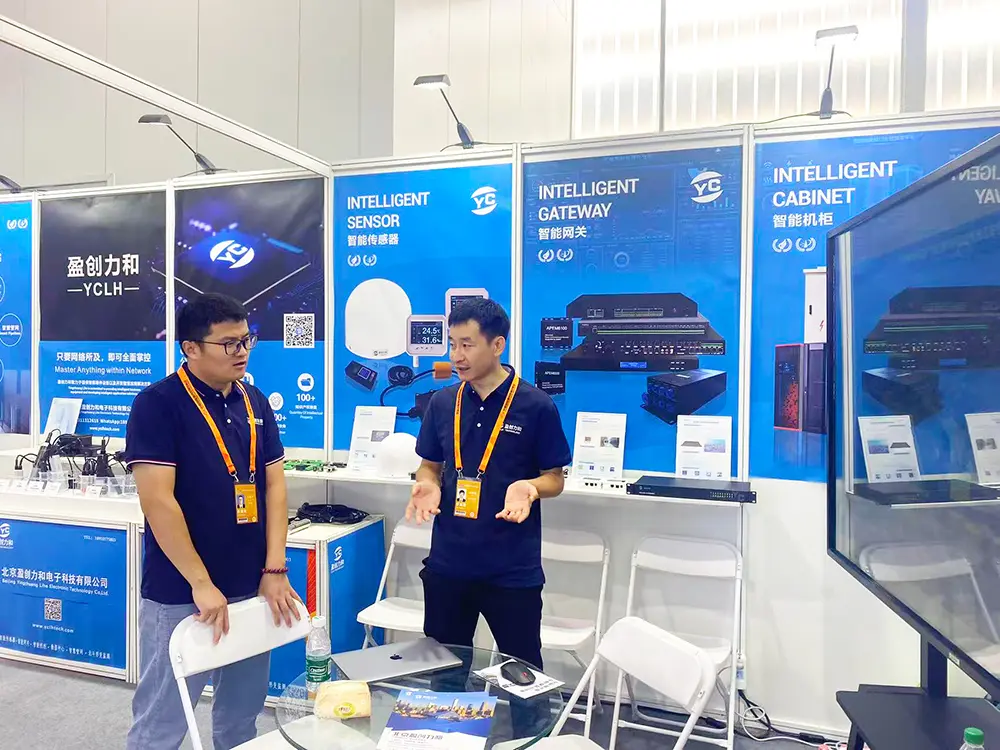
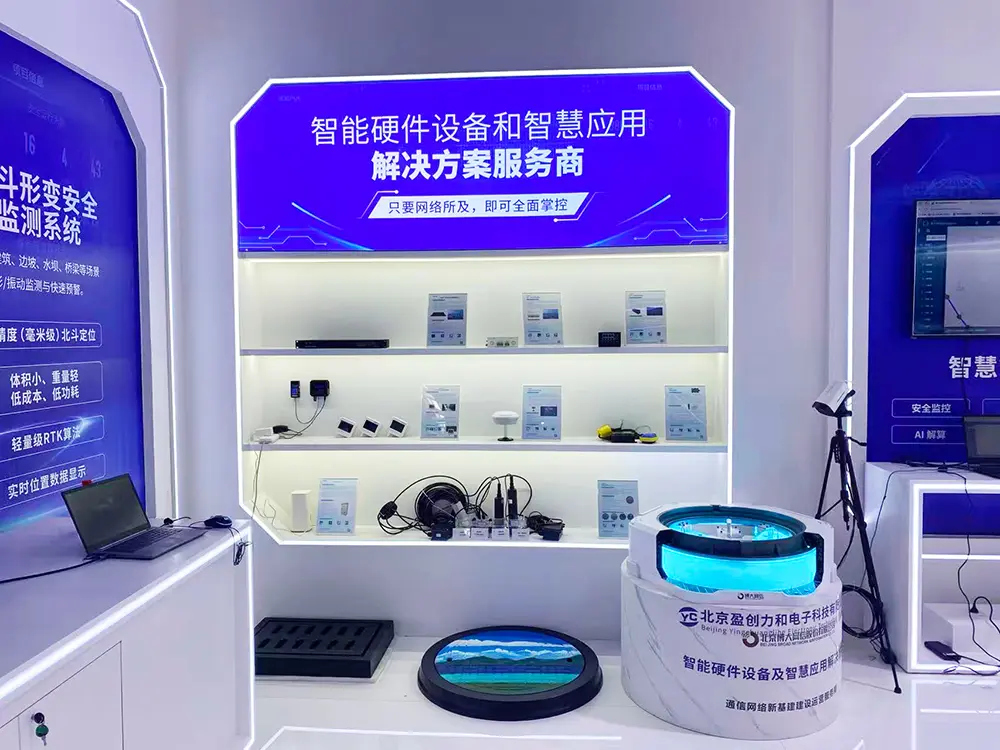
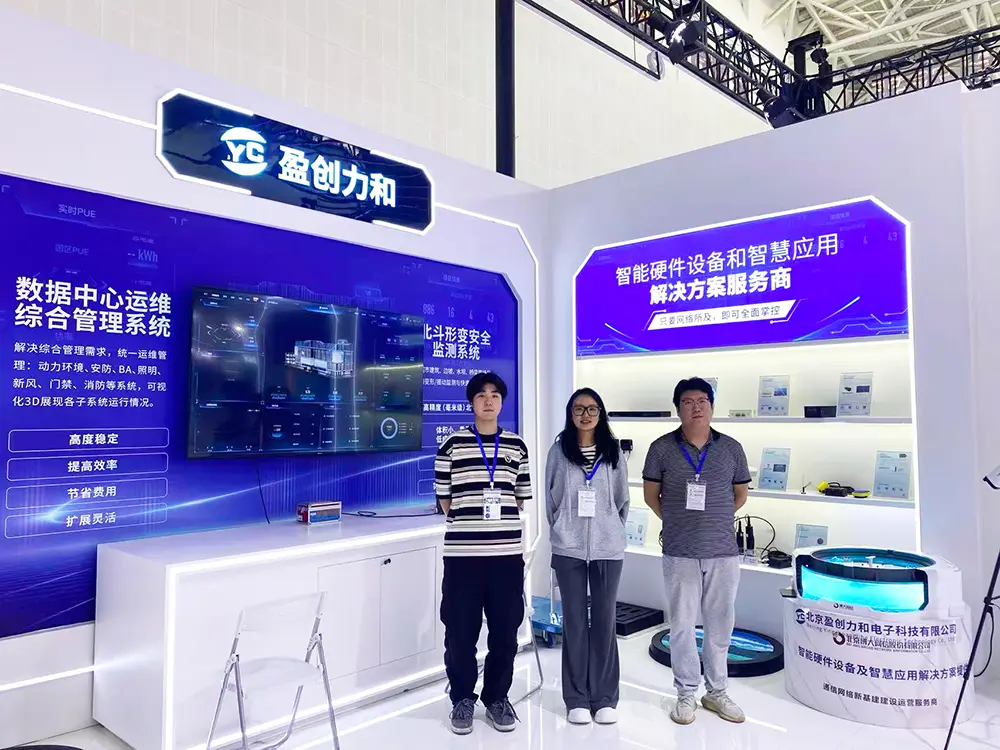
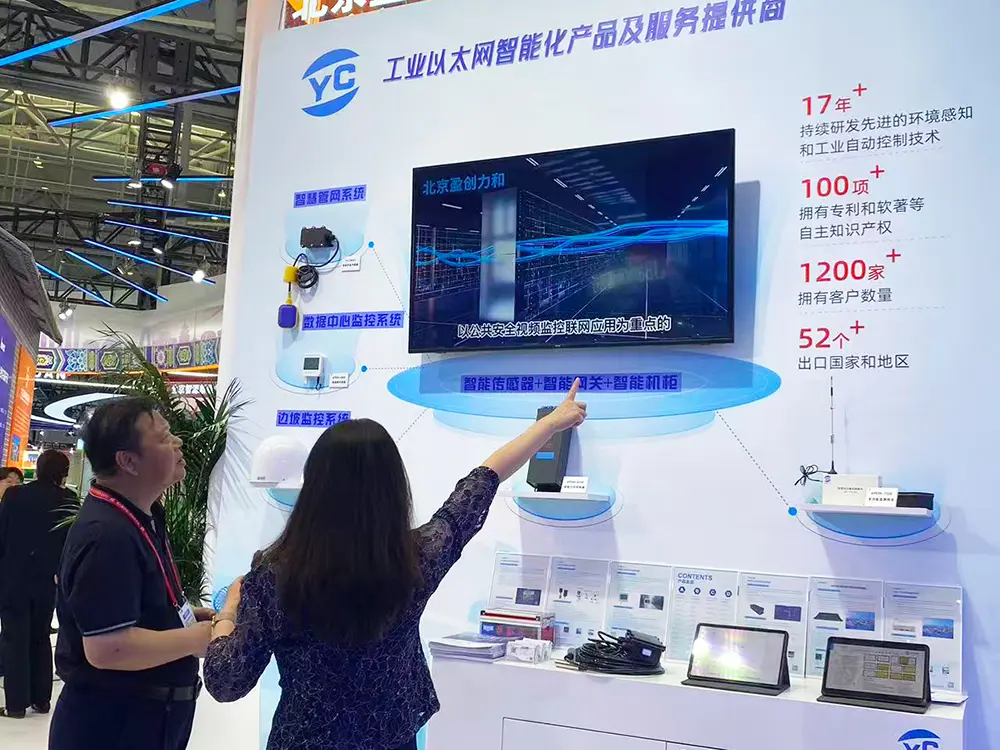
Founded in 2007, Beijing Yingchuanglihe Electronic Technology Co., Ltd. has established itself as an industry leader in designing and manufacturing environmental sensors and gateway data acquisition systems. From our headquarters in Beijing, we operate a state-of-the-art production base exceeding 1,500 square meters. Our team of over 100 professionals integrates R&D, quality engineering, and global logistics, enabling us to deliver highly customized sensor systems to major corporate partners worldwide.
We source our sensing components from premium Swiss and German semiconductor manufacturers. This selection ensures long-term calibration stability, minimal drift, and extreme accuracy across wide temperature and pressure ranges.
Our experienced R&D team handles tailored hardware designs, bespoke enclosures, customized firmware communication blocks, and specialized probe designs to meet unique installation needs.
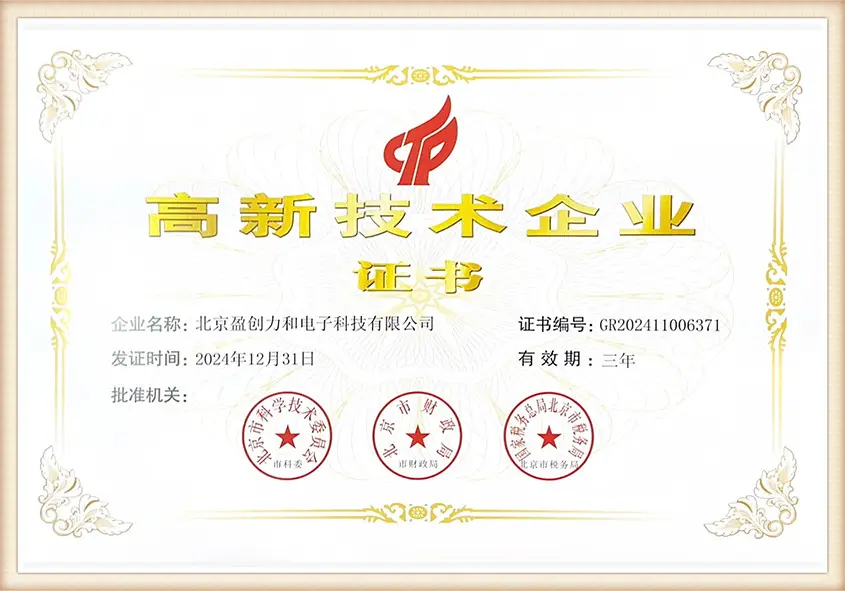
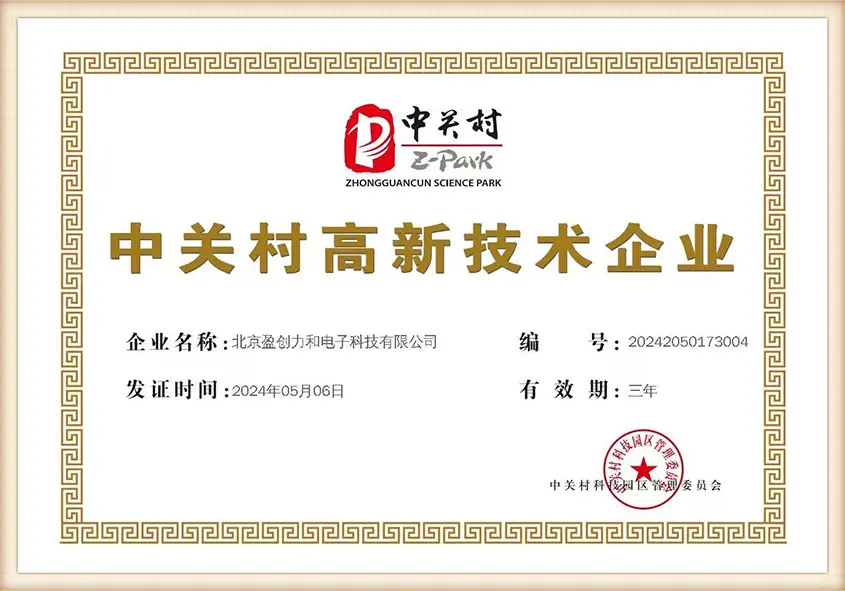
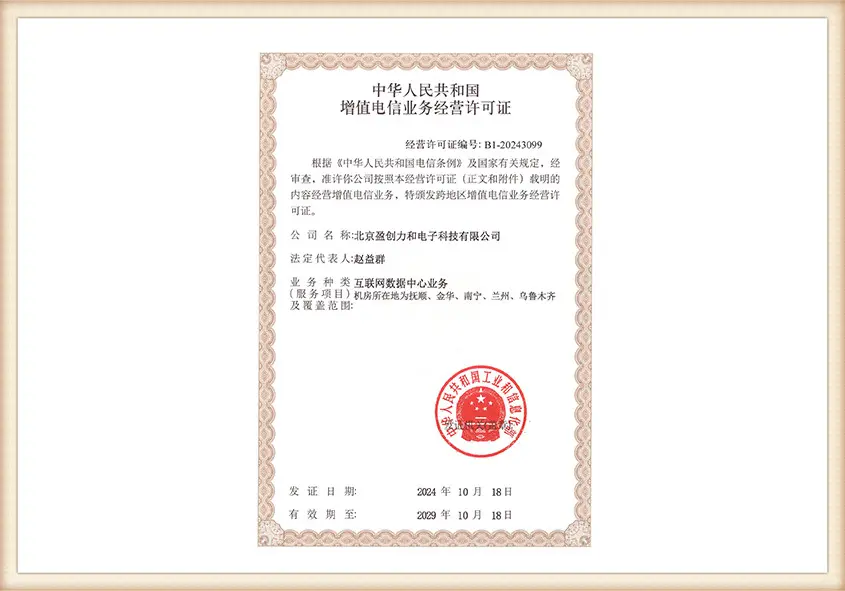
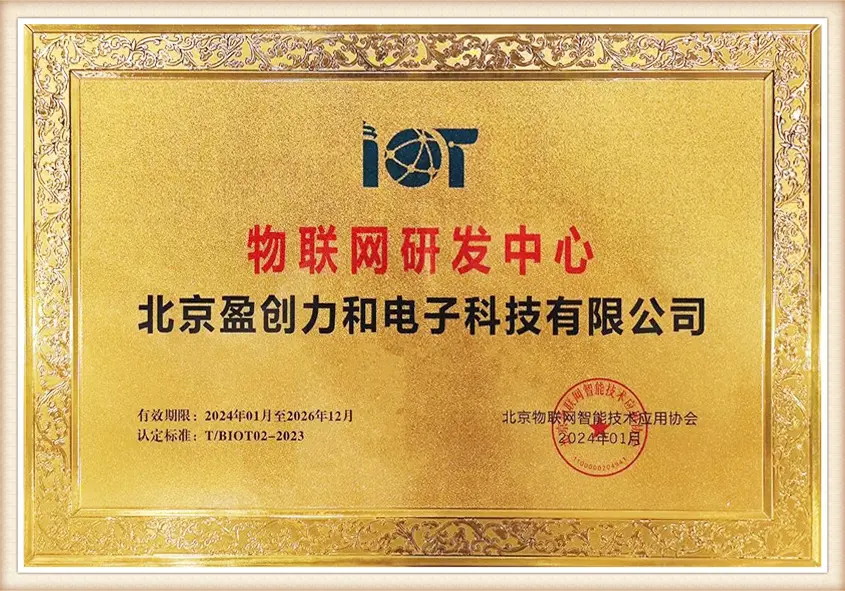
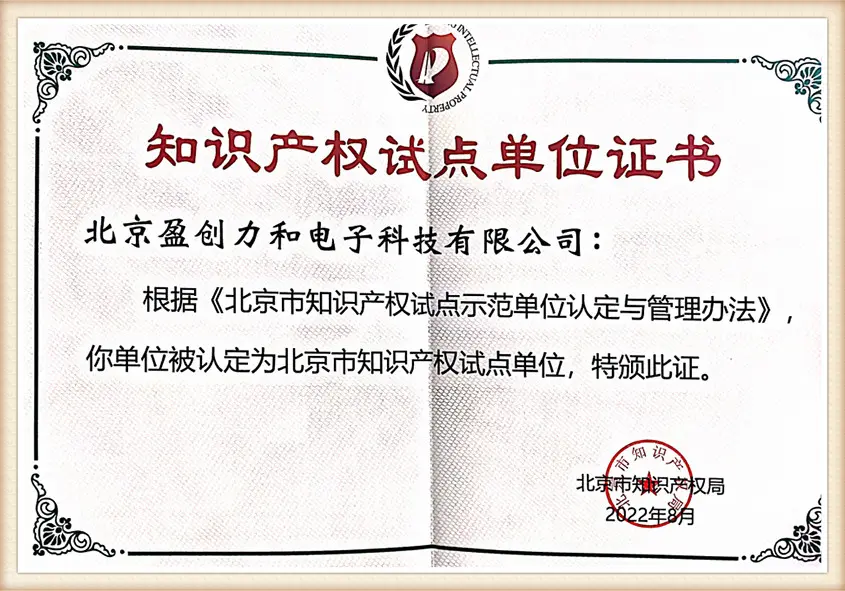
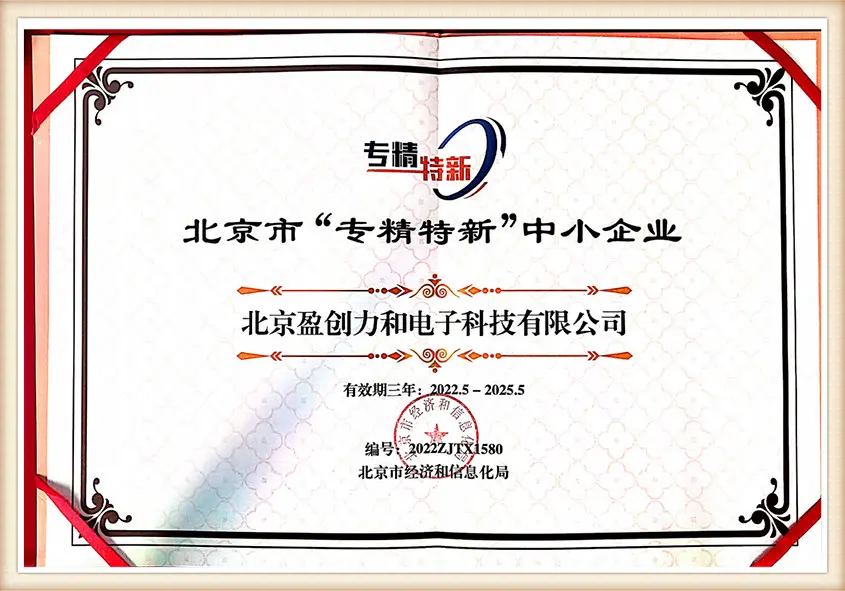
Every product is built in accordance with modern environmental standards. We hold CE, FCC, and RoHS certifications, ensuring compliance with global import and deployment regulations.
Providing Actionable Insights for Diverse and High-Risk Environments
Our intelligent gateways monitor micro-environmental conditions at the server-rack level. In partnership with Baidu's Yangquan Data Center, we deployed high-precision Ethernet sensors to track heat indexes and relative humidity. By using SNMP and Modbus-TCP communication protocols, these sensors helped prevent electrostatic buildup and cooling system over-provisioning.
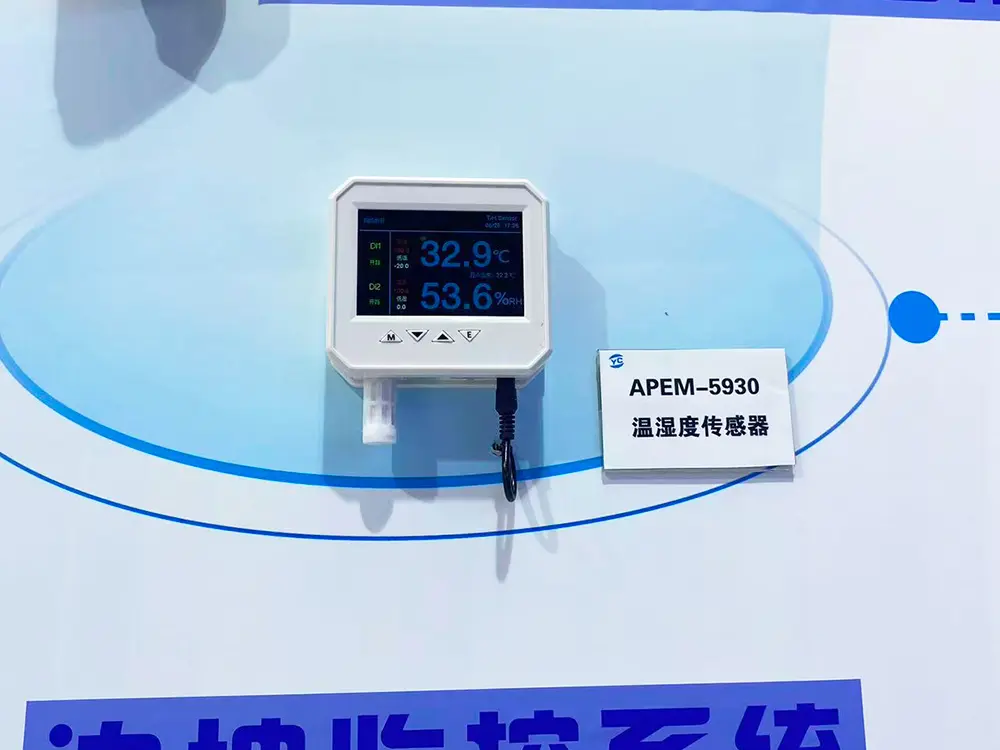
Cleanrooms require strict micro-environmental controls. The APEM-5930P measures temperature, humidity, dew point, and atmospheric pressure. Monitoring air pressure differences is critical to preventing outside dust and chemical contaminants from infiltrating cleanrooms, keeping clean room classifications secure.
Partnering with Beijing Enterprises Water Group, we designed IP68-rated monitoring nodes for underground chambers and utility manholes. These custom gateway nodes track toxic gas emissions (H₂S, CO) alongside relative humidity. This setup helps prevent corrosion and alerts utility crews to dangerous atmospheric conditions before they enter.
In massive grain storage and distribution warehouses, maintaining uniform temperature and humidity profiles prevents mold growth. Our LoRaWAN APEM-5736 systems provide multi-mile wireless connectivity, piercing structural barriers and relaying data directly back to automated HVAC control systems.
We designed roadside edge integration boxes for autonomous driving test zones in Beijing. These boxes house critical networking and computing hardware. The integrated environmental sensors help ensure optimal thermal conditions, preventing failure in high-load computing nodes.
Preserving fragile historical artifacts requires tight control of micro-environmental conditions. High-sensitivity TVOC and formaldehyde detection prevents biochemical deterioration of materials. Meanwhile, localized relative humidity tracking keeps paper and organic fibers stable.
Charting the Path for Next-Generation Edge Sensing Systems
Our technical development focuses on integration, edge intelligence, and durability. As we transition from traditional wired networks, our engineering roadmap prioritizes hybrid configurations. This design ensures backup communication channels remain active, preserving vital data logging functions even during network disruptions.
| Feature Set | Legacy Sensors (Pre-2015) | Current Generation (APEM-5930 Series) | Next-Generation (2025 Roadmap) |
|---|---|---|---|
| Primary Interface | Analog RS485 / Modbus RTU | Fast Ethernet / PoE (802.3af) / Dual WiFi | Edge Computing / Gigabit Ethernet / 5G / Beidou |
| Parameter Range | Single Parameter Temp or Hum | Multi-Parameter (Temp, Hum, Pressure, Gases) | AI-driven air quality prediction & chemical profiling |
| Processing Node | Raw signal transmission | Local alarm processing, threshold relays | Local AI anomaly detection & direct cloud sync |
| Device Architecture | Standard PCB assembly | Integrated modular sensor arrays | Self-calibrating, hot-swappable sensor modules |
In our forward development pipeline, the integration of Beidou High-Precision Deformation Monitoring and Smart Pipeline Net Monitoring is a top priority. Moving beyond simple environmental statistics, next-generation gateways will combine spatial displacement metrics with structural load statistics and ambient data. This unified approach will help create comprehensive early warning systems for critical public infrastructure, underground systems, and industrial plants.
Leveraging Beijing's Technology Ecosystem for Global Operations
Our manufacturing facility in Beijing utilizes China's advanced industrial supply chain network. By sourcing specialized microchips from premium Swiss and German suppliers, and pairing them with high-efficiency domestic electronics packaging, we achieve a balance of precision, speed, and cost efficiency. Our five automated production lines are designed to handle both large wholesale orders and specialized OEM runs, keeping delivery times consistent and predictable.
Our proximity to key component suppliers allows us to source raw materials and premium sensors quickly. This layout reduces lead times and minimizes production bottlenecks.
We implement a strict quality control workflow across our assembly lines. Each gateway undergoes environmental stress testing, calibration verification, and network endurance testing before leaving the factory.
Our technical support team is structured to respond to customer inquiries within 8 hours. We assist throughout the design cycle, from initial customization requests to final installation and integration support.
A History of Continuous Innovation and Industry Collaboration
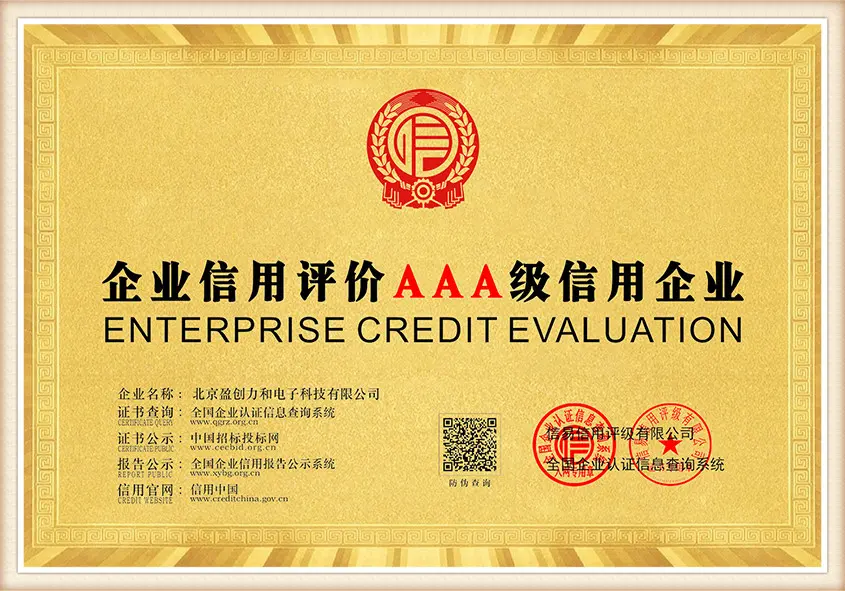
Validated by International Regulatory Standards and Global Industry Presence
In-Depth Technical Insights for Engineers, Integration Managers, and Procurement Specialists
Our sensors utilize high-grade sensing chips sourced directly from Switzerland and Germany, providing high accuracy, low thermal drift, and long-term calibration stability. Our units function as edge data acquisition gateways, supporting protocols like Modbus-TCP, SNMP, and MQTT directly out of the box. This design allows integration into server frameworks and building automation systems without needing extra conversion hardware.
PoE (conforming to IEEE 802.3af standards) combines power delivery and data transmission into a single standard Cat5e/Cat6 network cable. This simplifies wiring, lowers installation costs, and reduces potential failure points. In critical installations, PoE allows systems to draw backup power directly from uninterruptible power supplies (UPS) located in centralized server rooms.
Yes. Our APEM-5930G platform can be configured to monitor specific target gases, including Oxygen (O₂), Hydrogen Sulfide (H₂S), Sulfur Dioxide (SO₂), Nitrogen Dioxide (NO₂), Ozone (O₃), Formaldehyde (HCHO), and TVOC. Customers can specify measurement ranges, trigger thresholds for external relays, and opt for separate, cable-extended probes (typically 1 to 3 meters) for tight space installations.
For optimal precision in industrial safety applications, we recommend calibrating the electrochemical sensors every 12 months. Our modular designs allow for convenient field swapping or recalibration, minimizing system downtime.
Explore our highly-specialized TVOC, Ozone, and Multi-Gas data loggers
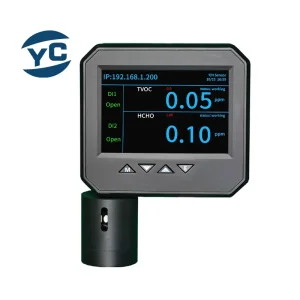
Designed for smart buildings and health compliance, checking volatile organics and formaldehyde levels over Ethernet.
Learn More
Long-range wireless transmitter with a high-contrast E-Ink display, providing easy-to-read local readings and low power consumption.
Learn More
Heavy-duty industrial environmental monitor built to withstand tough conditions while tracking critical gas levels.
Learn More
Integrated air quality sensor designed for public facilities, HVAC automation systems, and cleanroom verification.
Learn More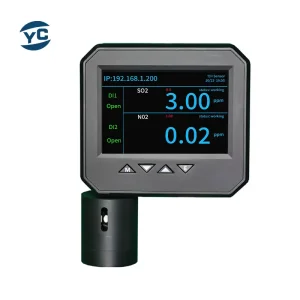
Designed for heavy industrial environments, tracking corrosive SO₂ and NO₂ emissions with high precision.
Learn More
A tailored multi-gas detection platform with configurable relay parameters, designed for manufacturing facilities.
Learn More
Split-unit hardware configuration separating the sensing element from the network transmitter module.
Learn More
High-precision ozone and indoor air quality transmitter designed to meet industrial safety and health compliance standards.
Learn More YCLH Sensor