Explore our top industrial-grade solutions featuring Power over Ethernet (PoE), wireless LoRaWAN, and multi-gas detection capabilities.
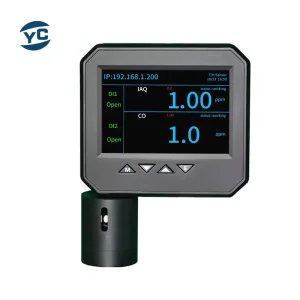
Custom Ethernet IAQ & CO Data Logger for high-performance temperature, humidity, carbon monoxide, and cleanroom monitoring.
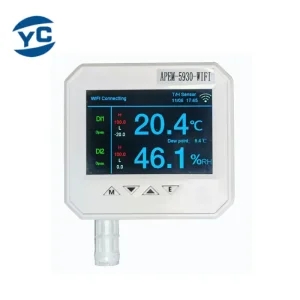
OEM Ethernet Temperature Humidity Sensor. A reliable smart buildings sensor with integrated dual wired-wireless failover support.
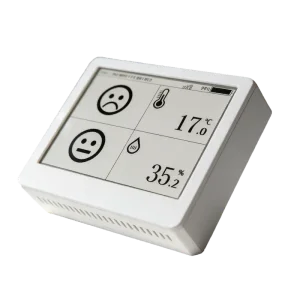
Wholesale long-range low-power sensor designed for warehouse management and smart agriculture installations.
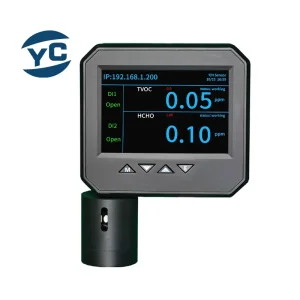
High-precision Total Volatile Organic Compounds and Formaldehyde measurement with built-in data logging capability.
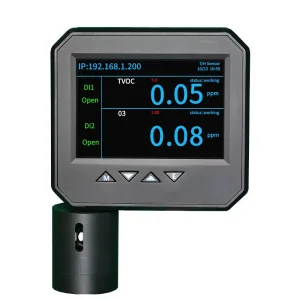
Ethernet-connected multi-parameter sensor measuring TVOC, O₃, temperature, and relative humidity for comprehensive industrial safety.
Reliable long-range IoT environment monitoring solution with rugged, weather-resistant enclosure specifications.
Equipped with a high-contrast long-range E-Ink display screen for real-time visualization at site endpoints.
Wireless ultra-low power consumption module designed for scale deployments in smart municipal buildings and logistics hubs.
Unlocking industrial reliability and ESG compliance through multi-parameter telemetry platforms.
In the current paradigm of automated operations, IoT Environmental Sensors serve as the primary sensory organs for industrial automation, cloud-managed infrastructures, and intelligent public facilities. High-density server facilities, commercial real estate portfolios, and advanced pharmaceutical laboratories all depend heavily on continuous microclimate telemetry. Beyond simple temperature tracking, modern systems require simultaneous collection of barometric pressure differentials, total volatile organic compounds (TVOCs), ozone (O₃), sulfur dioxide (SO₂), nitrogen dioxide (NO₂), and combustible gas hazards. This complex data integration acts as a crucial safeguard against system failures and ensures compliance with global occupational safety standards.
From an enterprise level, the adoption of networked physical sensors aligns directly with environmental, social, and governance (ESG) reporting requirements. By monitoring ambient air quality parameters and cooling loop efficiency, operators can run mechanical ventilation systems dynamically rather than continuously. This demand-controlled ventilation (DCV) strategy directly translates to significant energy savings and reduced operational costs. At the same time, maintaining precise indoor climate parameters prevents raw material oxidation, electronic component degradation, and structural corrosion, extending the lifecycle of valuable enterprise assets.
A look inside our ISO-certified facilities and engineering capabilities.
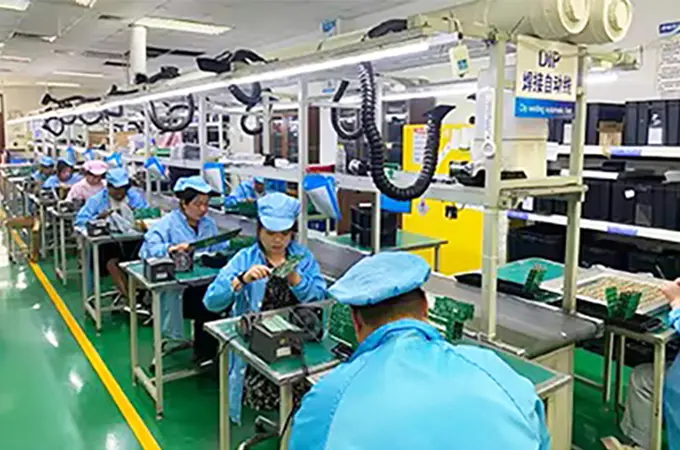
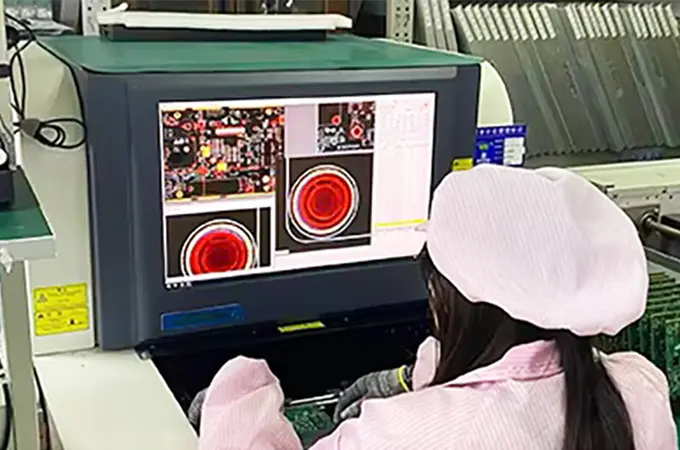
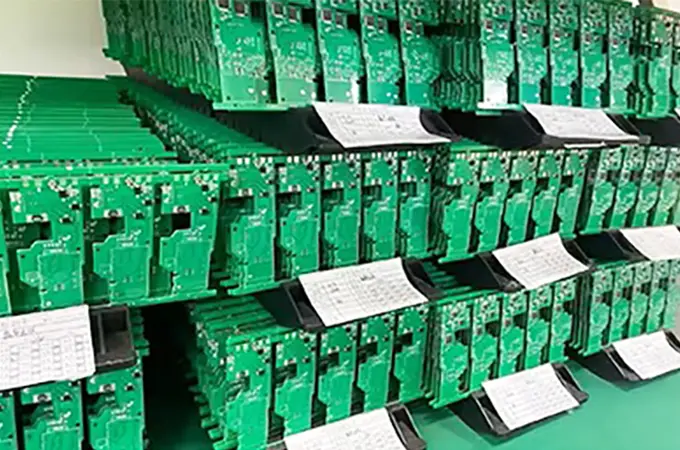
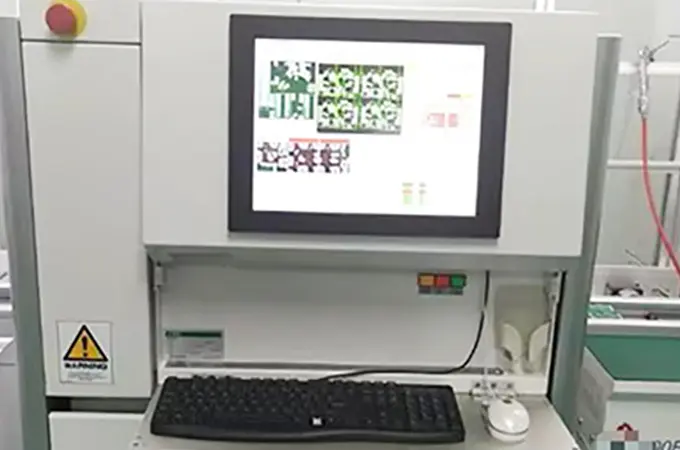
Founded in 2007, Beijing Yingchuanglihe Electronic Technology Co., Ltd. stands as a premier manufacturer of commercial and industrial-grade environmental monitoring equipment. Operating a highly specialized 1,500 square meter factory in Beijing, we maintain 5 automated production lines and employ over 100 dedicated technical staff. Over the past 18 years, our development has integrated advanced R&D with strict manufacturing processes. This approach ensures all products, including our Power over Ethernet (PoE) gateways and LoRaWAN long-range transceivers, comply fully with CE, FCC, and RoHS standards.
Our supply chain resilience is rooted in deep partnerships with key component manufacturers. We build our sensors around imported high-precision microchips from leading Swiss and German semiconductor brands. This configuration delivers exceptional stability and minimal drift over years of active operation. By keeping critical manufacturing processes—such as multi-stage thermal calibration, sensor testing, and final firmware validation—in-house, we protect our production cycles from external disruptions. Inquiry tickets are answered within 8 hours, and we provide reliable lead times even for highly customized OEM/ODM projects.
ISO 9001
CE Compliance
RoHS Certificate
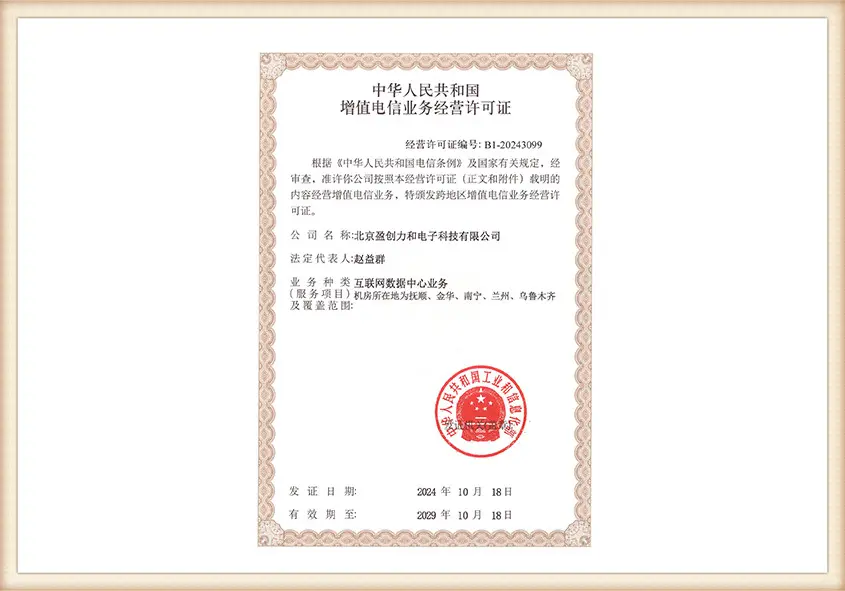
FCC Approved
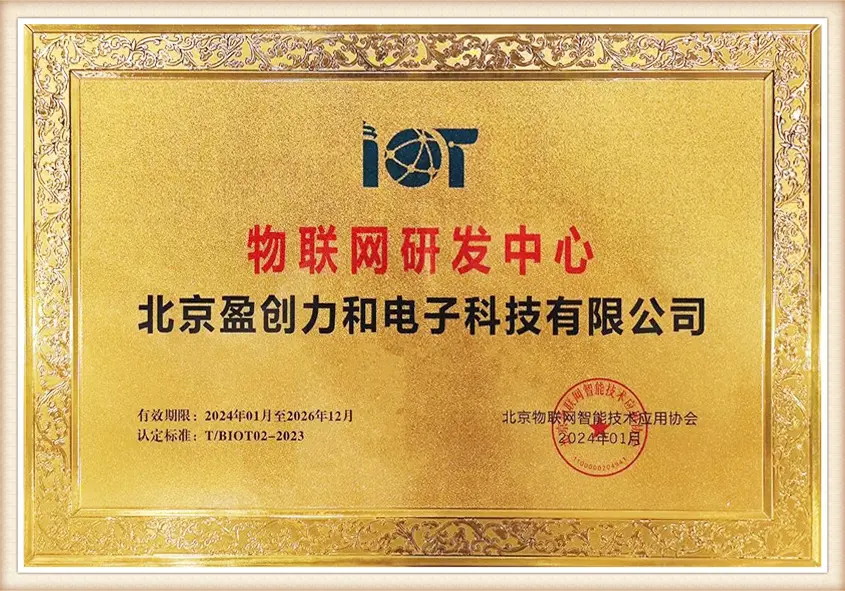
R&D Certificate
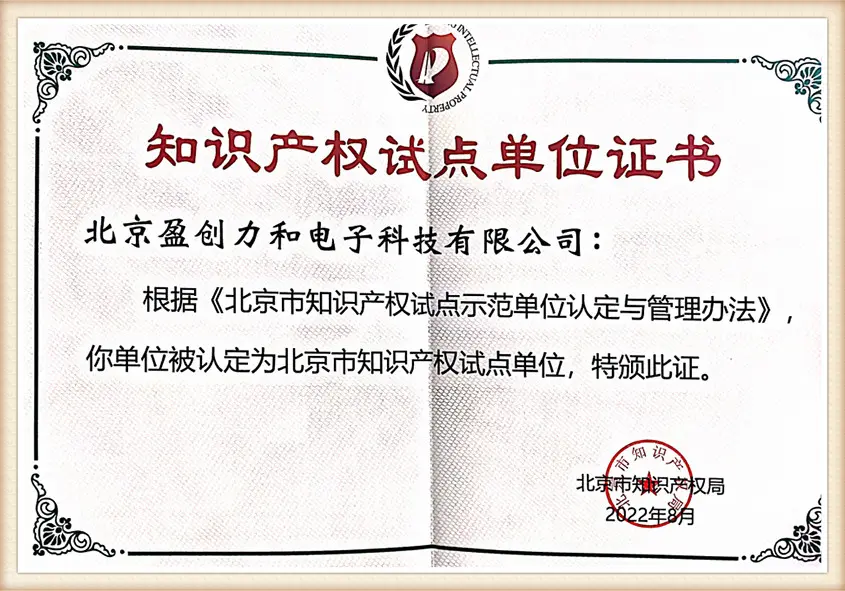
IP65 Waterproof
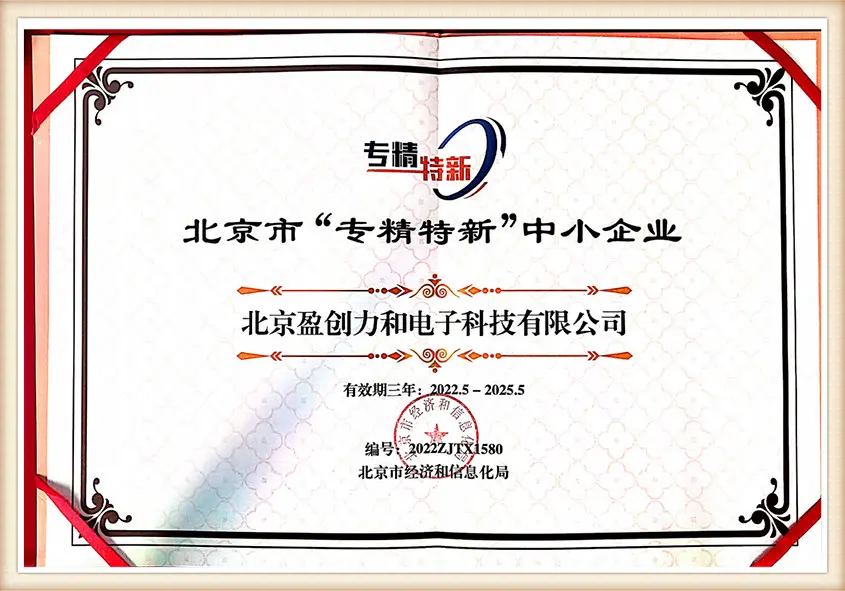
High-Tech Credential
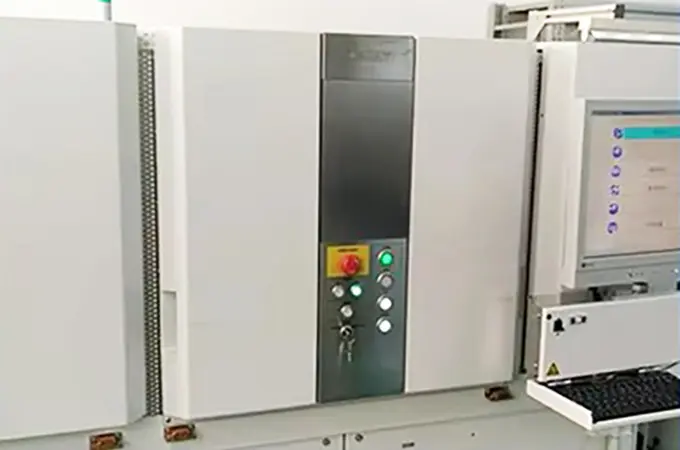
How our multi-parameter devices adapt to demanding real-world industrial environments.
Deploying APEM-5930 Power over Ethernet units across server cabinets to track relative humidity and dew points, preventing static discharge or water condensation.
Using the APEM-5930P to monitor ambient temperature, humidity, and barometric pressure differentials, maintaining sterile environments and protecting chemical processes.
Integrating specialized gateways for Beidou-enhanced deformation tracking and smart utility pipeline networks across municipal systems.
A timeline of innovation and development in the environmental telemetry market.
Helping system integrators and distributors deploy custom telemetry systems globally.
Our engineering architecture is designed for quick adaptation and easy integration. Our R&D team works with system integrators to build custom sensor variations. This includes modifying probe lengths, updating firmware parameters, adding local E-ink display interfaces, and integrating multi-parameter modules into a single device. By supporting common protocols like Modbus TCP/RTU, SNMP, and MQTT, our sensors interface smoothly with existing SCADA, DCIM, and building management systems (BMS).
Looking ahead, our technical roadmap focuses on developing autonomous edge-processing capabilities. Next-generation sensors will perform onboard diagnostics and localized baseline drift compensation. These upgrades will reduce the need for manual calibration cycles while improving overall accuracy. Additionally, we are optimizing our ultra-low-power wireless designs to extend battery life for outdoor LoRaWAN devices and remote telemetry units.
We build on two decades of experience to deliver reliable, long-term performance across our entire product line.
We adjust enclosure specifications, connection types, and protocols to meet the needs of specialized projects.
From basic temperature sensors to complex multi-gas telemetry units, we offer solutions for diverse environmental requirements.
We support our global distributors with competitive pricing, regional territory protection, and direct access to our engineers.
Detailed answers to common questions about our IoT sensors and installation options.
We build our environmental sensors around high-grade Swiss and German transducers. Each sensor undergoes a multi-stage thermal and humidity calibration process during manufacturing. Our firmware also includes built-in temperature compensation algorithms to maintain accurate readings across varying operating temperatures.
PoE simplifies installation by carrying both power and network data over a single Ethernet cable. This reduces wiring complexity, eliminates the need for local power outlets, and allows for centralized power management through UPS-backed PoE switches.
Yes. Our sensors support common industry protocols, including Modbus TCP/RTU, SNMP (v1, v2c, v3), and MQTT. This compatibility allows for straightforward integration with most industrial management systems, building automation platforms, and cloud databases.
Our LoRaWAN models (such as the APEM-5736 series) are designed for long-range, battery-powered deployments where running network cables is impractical, such as in large warehouses or outdoor sites. Our Ethernet models (like the APEM-5930 series) provide continuous, high-bandwidth data transmission, making them ideal for critical facilities like cleanrooms and data centers.
The APEM-5930G uses multi-parameter sensor technology alongside advanced calibration algorithms to reduce cross-sensitivity between TVOCs, formaldehyde, and other background gases. This design helps ensure reliable target gas readings even in changing indoor air conditions.
Yes, we offer comprehensive OEM and ODM services. We can customize physical enclosures, extend sensor probe lengths, adapt communication protocols, and combine multiple gas and environmental parameters into custom configurations to meet your project requirements.
Select from our specialized line of environmental transmitters and multi-gas logging units.

Custom sensor variant designed for real-time monitoring of sulfur dioxide and nitrogen dioxide levels in heavy industrial environments.
An Ethernet-based temperature and humidity sensor designed for integration into smart offices and building management networks.
Combines TVOC, Ozone (O₃), temperature, and humidity sensors into a single integrated monitoring device.
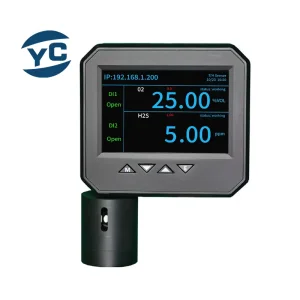
An industrial-grade data logger designed for continuous oxygen and hydrogen sulfide monitoring in confined work spaces.
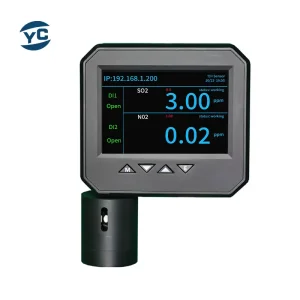
Designed for environmental safety monitoring, this unit tracks SO₂, NO₂, temperature, and humidity over Ethernet networks.
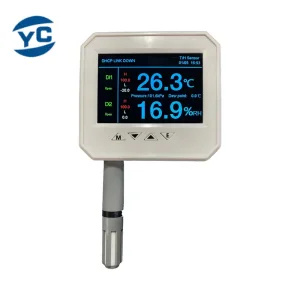
Monitors atmospheric pressure, temperature, and relative humidity over Ethernet for cleanrooms and laboratories.
A multi-gas transmitter designed to track volatile organic compounds and ozone levels in commercial buildings.
Monitors sulfur dioxide and nitrogen dioxide levels in real time to help ensure industrial safety and compliance.
 YCLH Sensor