Explore our premium range of industrial Ethernet, PoE, and LoRa wireless monitoring hardware. Direct-from-factory solutions engineered with Swiss and German semiconductor precision.
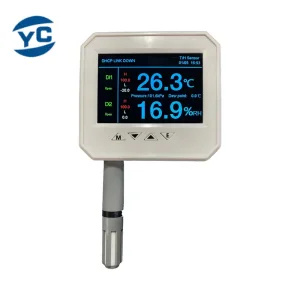
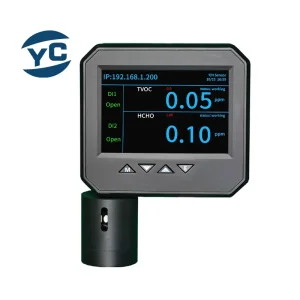
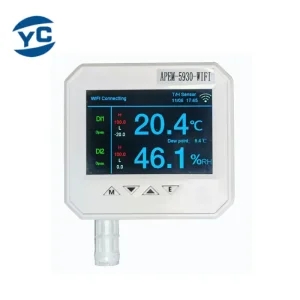
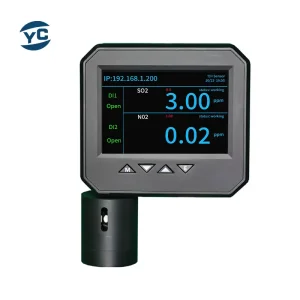
The global shift toward high-tech manufacturing, hyperscale computing facilities, and strict regulatory frameworks has altered the baseline requirements for environment monitoring hardware. Today's commercial and industrial enterprises cannot rely on non-compliant, loose-tolerance equipment. A single miscalibrated node in a semiconductor fab, pharmaceutical warehouse, or remote server room can lead to hundreds of thousands of dollars in spoiled product, equipment oxidation, or infrastructure downtime.
Our research and development program addresses these strict modern standards. Holding full CE Certification, FCC approvals, and RoHS alignment, Yingchuanglihe sensors offer reliable global operational safety. When deploying environmental hardware inside European borders or integrating them into advanced North American automation systems, compliance certifications ensure that critical networks meet electromagnetic safety directives and hazardous substances constraints.
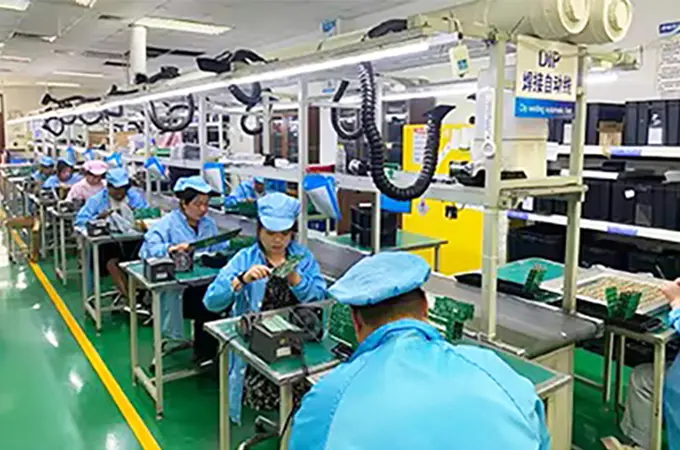
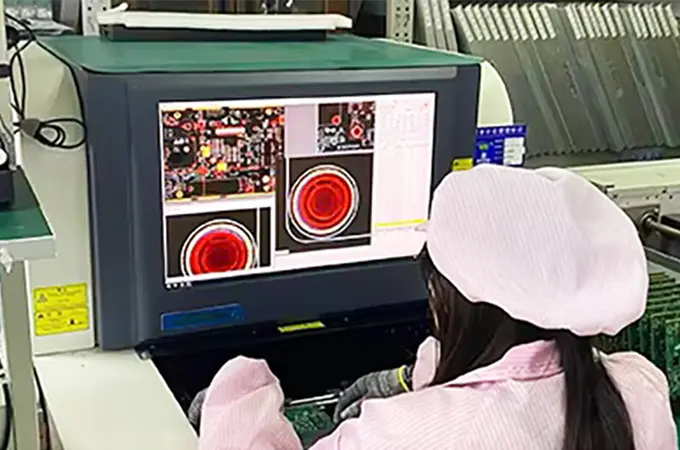
Combining 18+ years of field experience with high-tech automated SMT production. Our micro-sensor technologies support multi-protocol, zero-configuration network installations.
Equipped with industry-leading capacitive humidity polymers and MEMS thermo-resistance sensors imported directly from Switzerland and Germany, ensuring high measurement precision and decades of continuous drift-free calibration stability.
Our network platforms integrate natively with existing infrastructure. Standard hardware protocols include Modbus TCP/RTU, SNMP (v1, v2c, v3 with custom MIB files), HTTP, JSON, and TCP/IP, ensuring barrier-free integration into third-party industrial platforms.
With an independent 1,500㎡ Beijing manufacturing facility, we offer comprehensive tailoring from PCB-level changes and enclosure redesigns to custom wireless protocols (LoRaWAN, Private Sub-GHz) and specialized probe extensions for challenging chemical environments.
A technical overview of the APEM series design, sensor array architectures, and data communications.
For any automated control system, measurement accuracy must remain stable over time. Traditional resistive temperature and humidity sensors degrade rapidly in industrial settings. The APEM series uses capacitive polymer humidity sensors and band-gap band-pass semiconductor temperature elements, paired with on-chip EEPROM data correction. This ensures that even under rapid temperature cycling or elevated ambient conditions, sensor response remains linear and predictable.
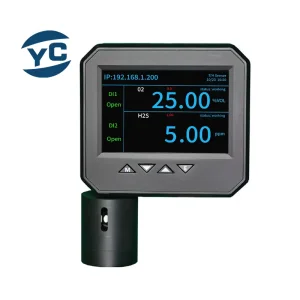
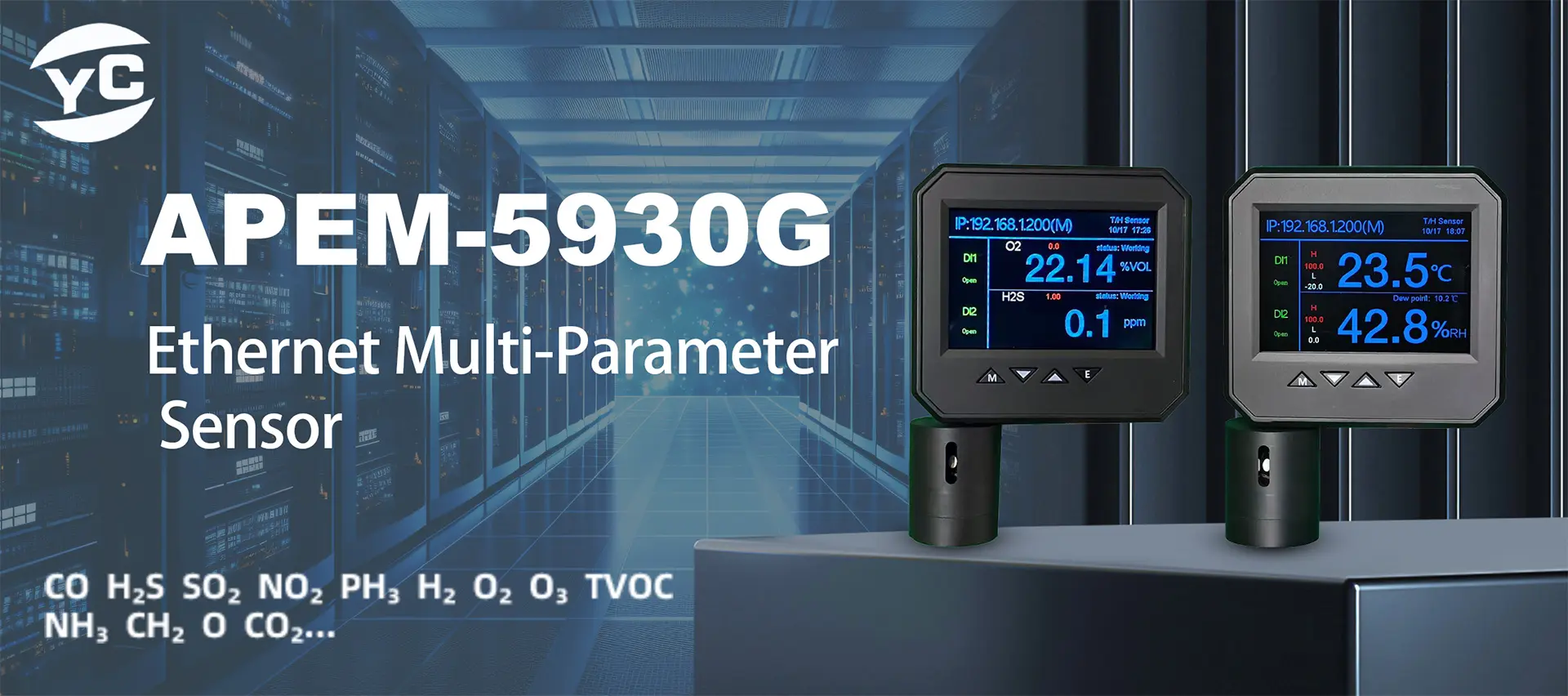
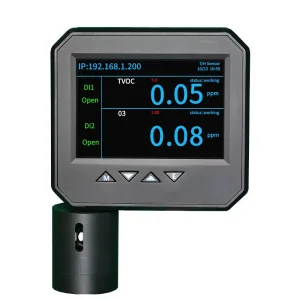
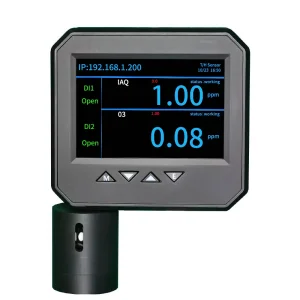
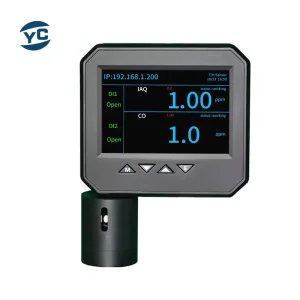
In our multi-gas configurations (such as the APEM-5930G series), we use electrochemical and Nondispersive Infrared (NDIR) sensing arrays. These modules feature localized temperature compensation, preventing drift in high-humidity smart agricultural wells or fluctuating factory production floors. On-board microcontrollers convert raw physical changes into calibrated 16-bit registers, accessible via standardized communications.
Power over Ethernet (PoE) 802.3af integration allows installers to run power and data over a single Cat5e/Cat6 cable. This design simplifies wiring requirements, reduces electrical interference risks, and provides reliable communication lines for real-time facility monitoring.
Our hardware platforms operate as independent edge nodes, hosting a complete TCP/IP stack that supports simultaneous connections across several critical standards:
Over 17 years of technical milestones, high-level project executions, and industry partnerships.
Beijing Yingchuanglihe Electronic Technology Co., Ltd. was founded in Beijing. Developed an intelligent environmental monitoring terminal based on the TCP/IP network protocol. Launched the initial version of our enterprise environmental monitoring software.
Partnered with Mocha Software, a domestic leader in network management software, to design and deploy the SNMP protocol-supported TH-5939 environmental sensor line.
Collaborated with Switzerland's COMLAB to introduce the robust TH-5869 Ethernet monitoring device. The hardware was successfully installed across major high-speed rail lines, including the Beijing-Kowloon, Beijing-Shanghai, and Wuhan-Guangzhou railway networks.
In partnership with Founder Technology, we developed and launched the APEM-6100. This unit was among the industry's early adopters of Power over Ethernet (PoE 802.3af) technology for environmental monitoring.
Established a collaboration with Foxconn. Driven by strict requirements across their high-density SMT workshops, our systems were adopted as the internal environmental monitoring standard for automated production facilities.
Cooperated with Baidu to launch the next-generation APEM-5900 intelligent monitoring terminal. The series was deployed at Baidu's Yangquan Data Center to safeguard high-density cloud infrastructure. The core environmental software was upgraded to support multi-parameter tracking.
Released a smart solutions system to support diverse project scenarios. Deployed horizontally across several applications, starting with smart data centers and high-density computing infrastructure.
Launched our integrated outdoor cabinet monitoring system. The line was selected and deployed in global infrastructure projects, including Huawei smart systems and China Merchants Huaruan ETC expressways.
Actively participated in the research, design, and manufacturing of Beijing's high-level autonomous driving road-test integrated boxes. Developed edge-computing gateway communication modules designed for harsh roadside physical environments.
Supported the construction of modern AI intelligent computing centers, supplying critical environmental monitoring hardware and local edge systems to secure high-performance GPU arrays.
Established joint environmental engineering divisions with Beijing Enterprises Water Group, and co-founded a specialized Beidou positioning/deformation business division with Beijing University of Civil Engineering and Architecture. Achieved critical technological breakthroughs in smart pipeline networks and high-precision deformation tracking, while obtaining official Internet Data Center (IDC) operating qualifications.
Engineered for high reliability, certified by international standards, and trusted in global exhibitions.
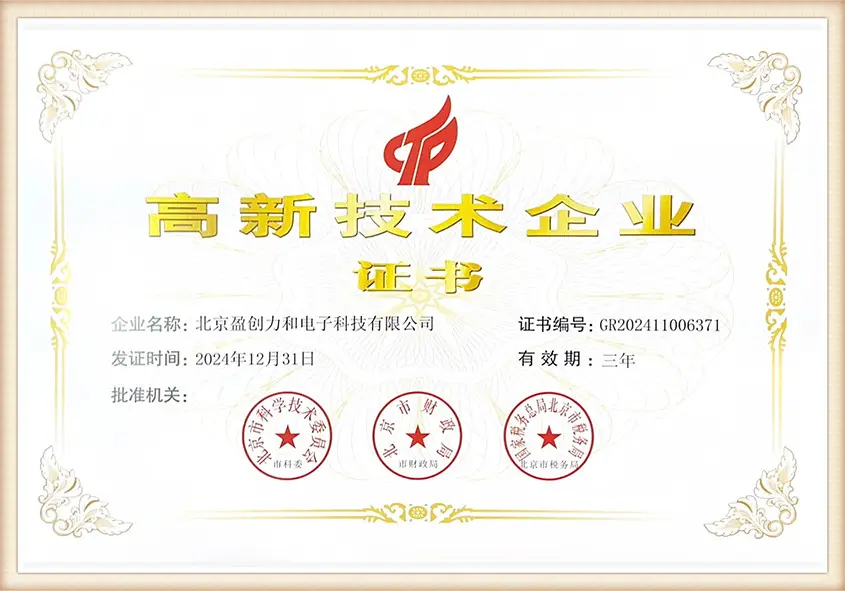
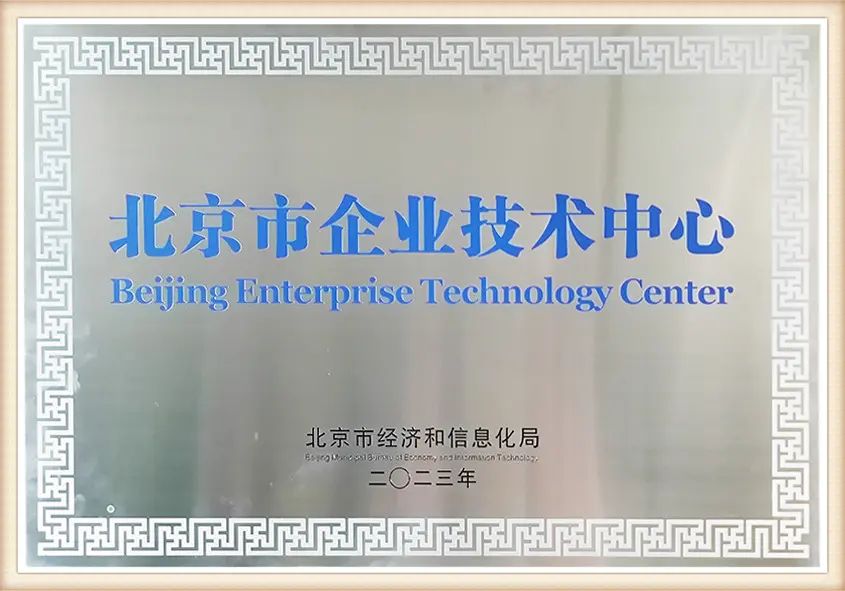
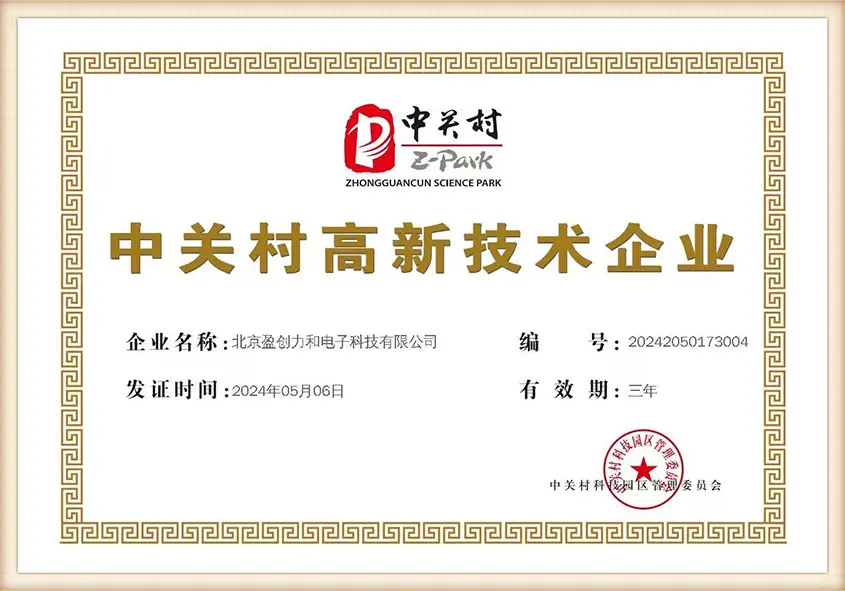
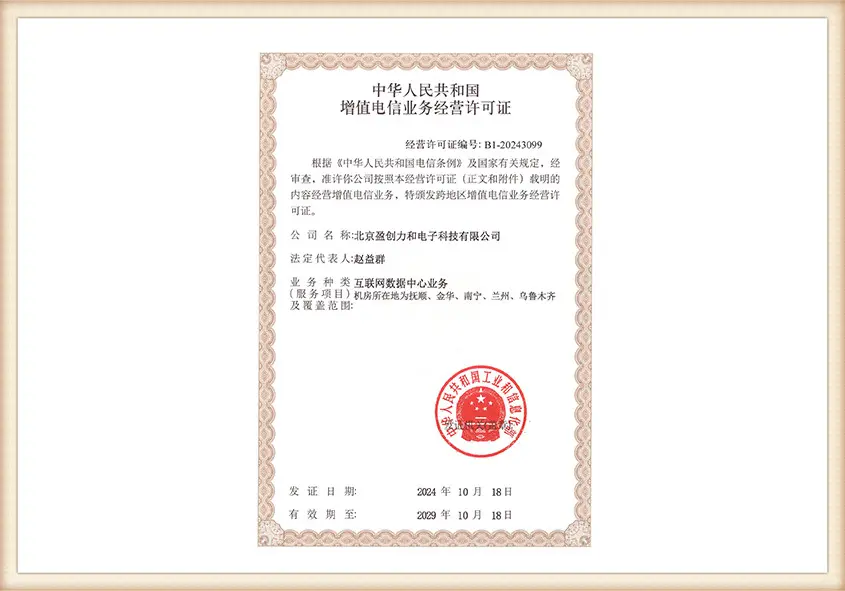
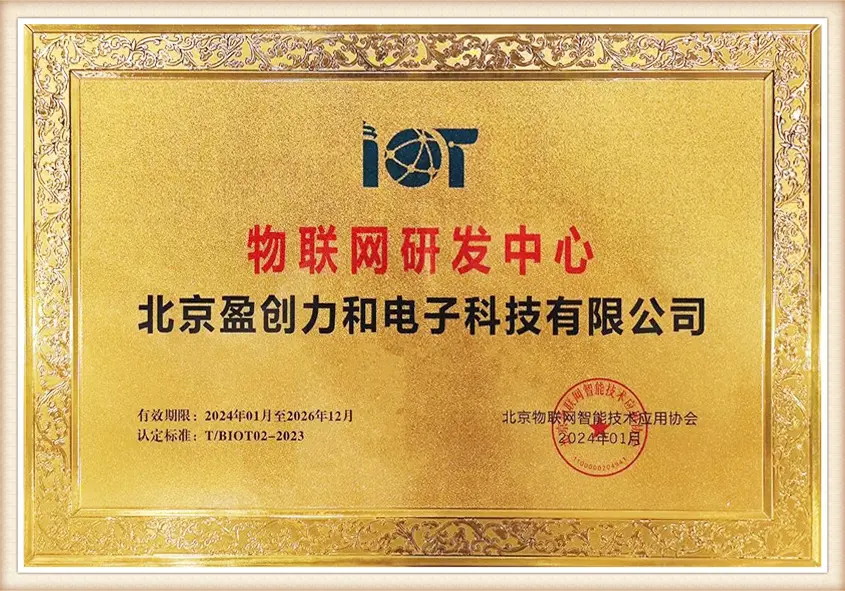
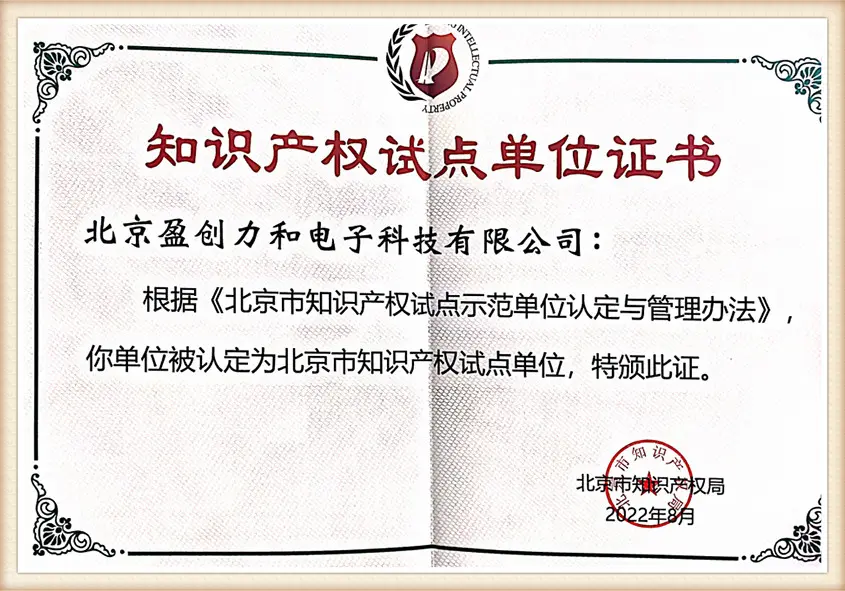
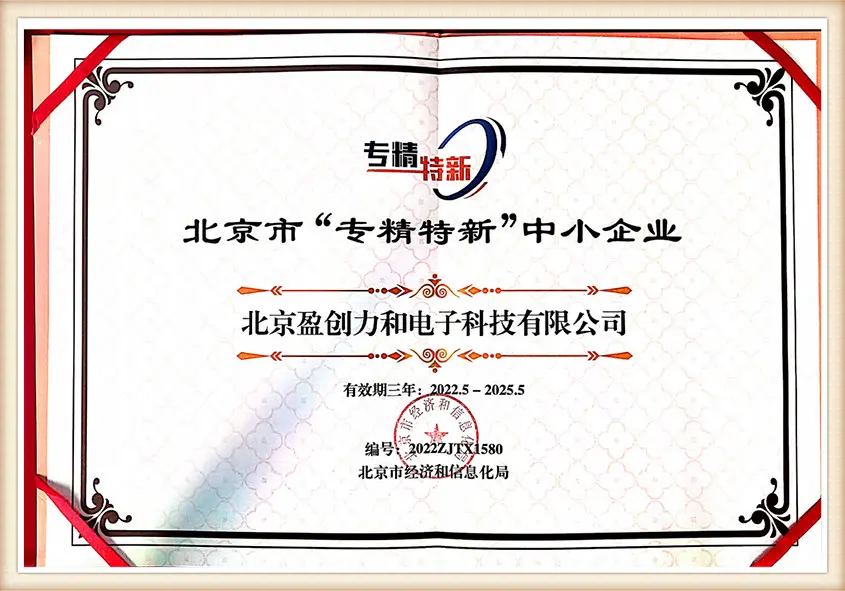
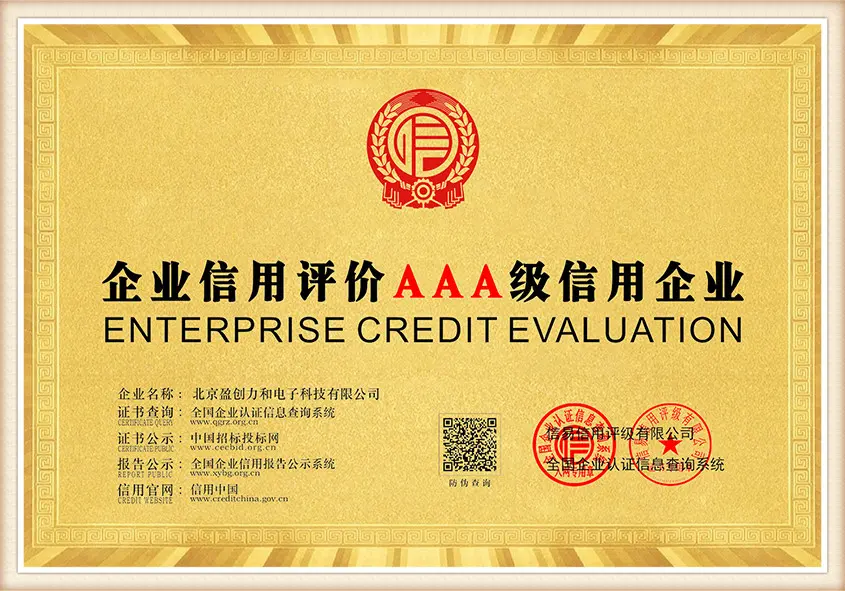
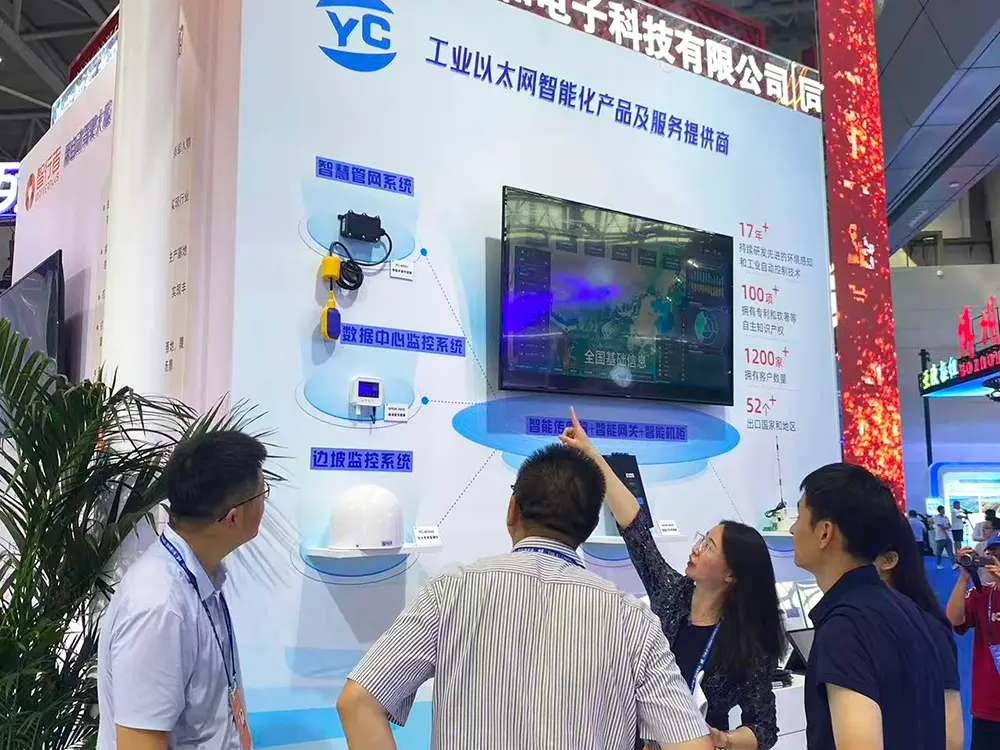
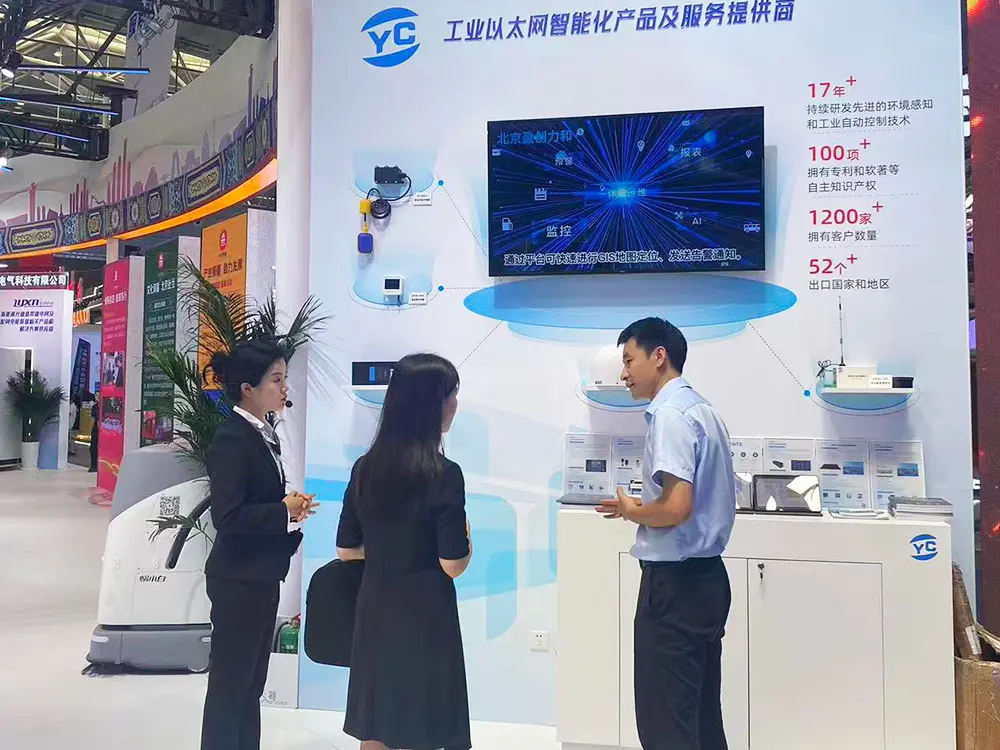
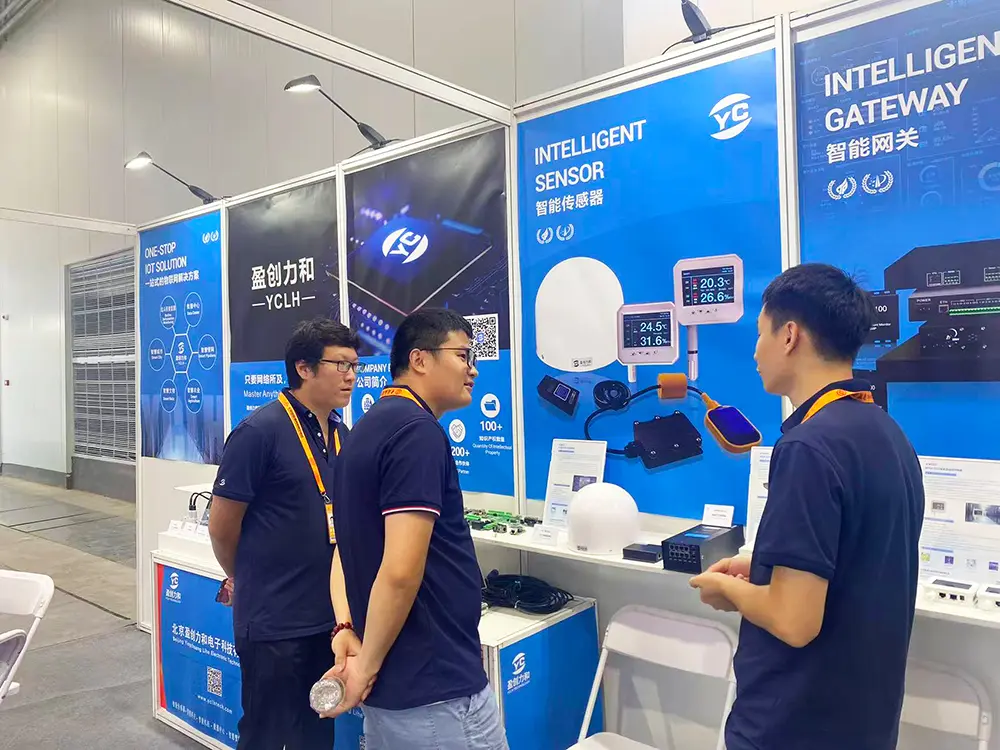
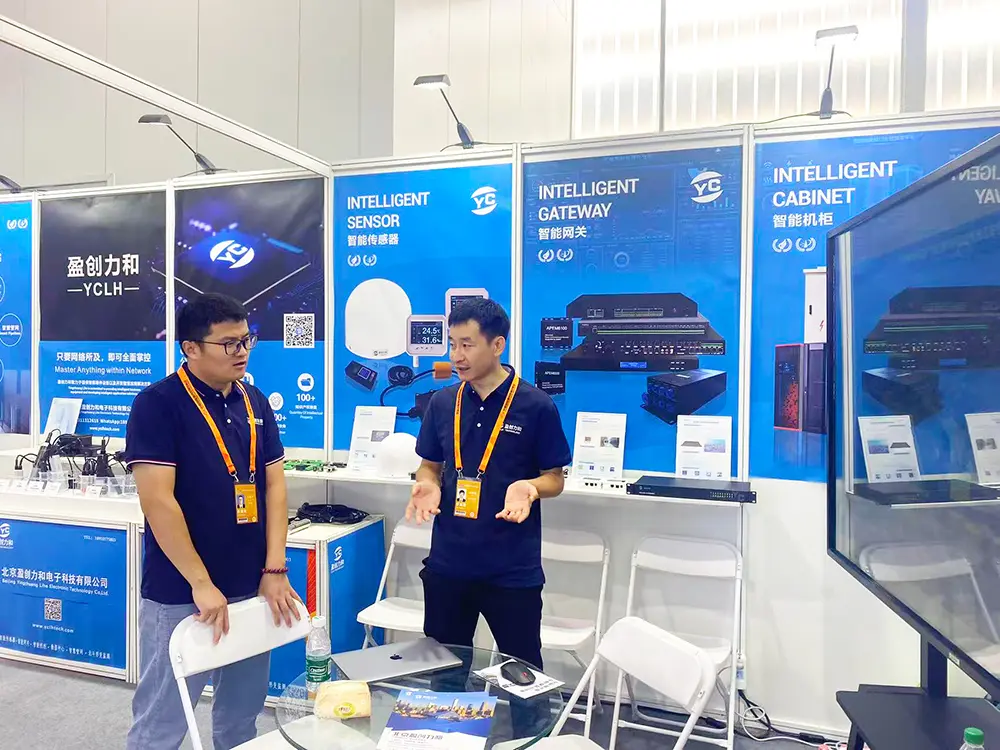
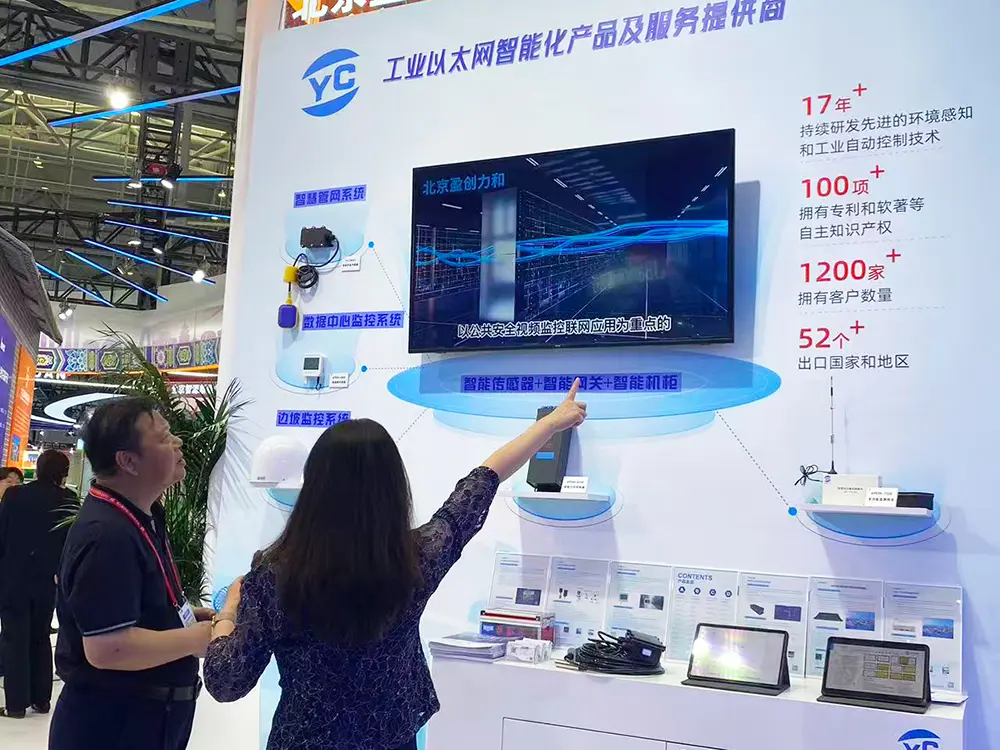
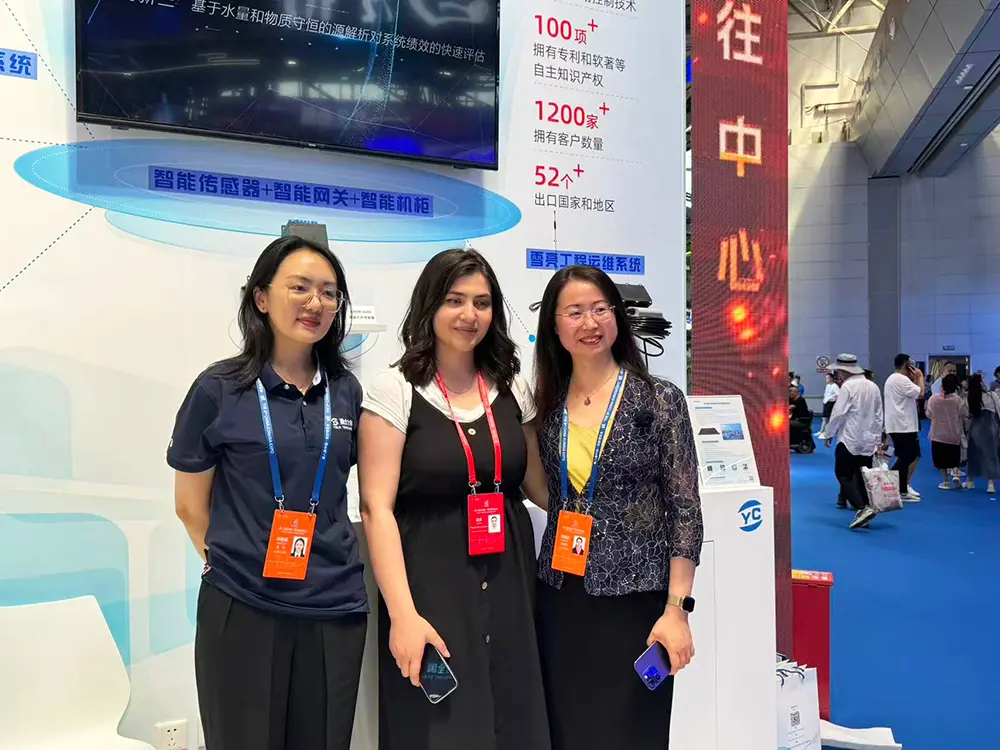
Yingchuanglihe hardware is deployed globally across challenging industrial sectors and municipal infrastructure projects.
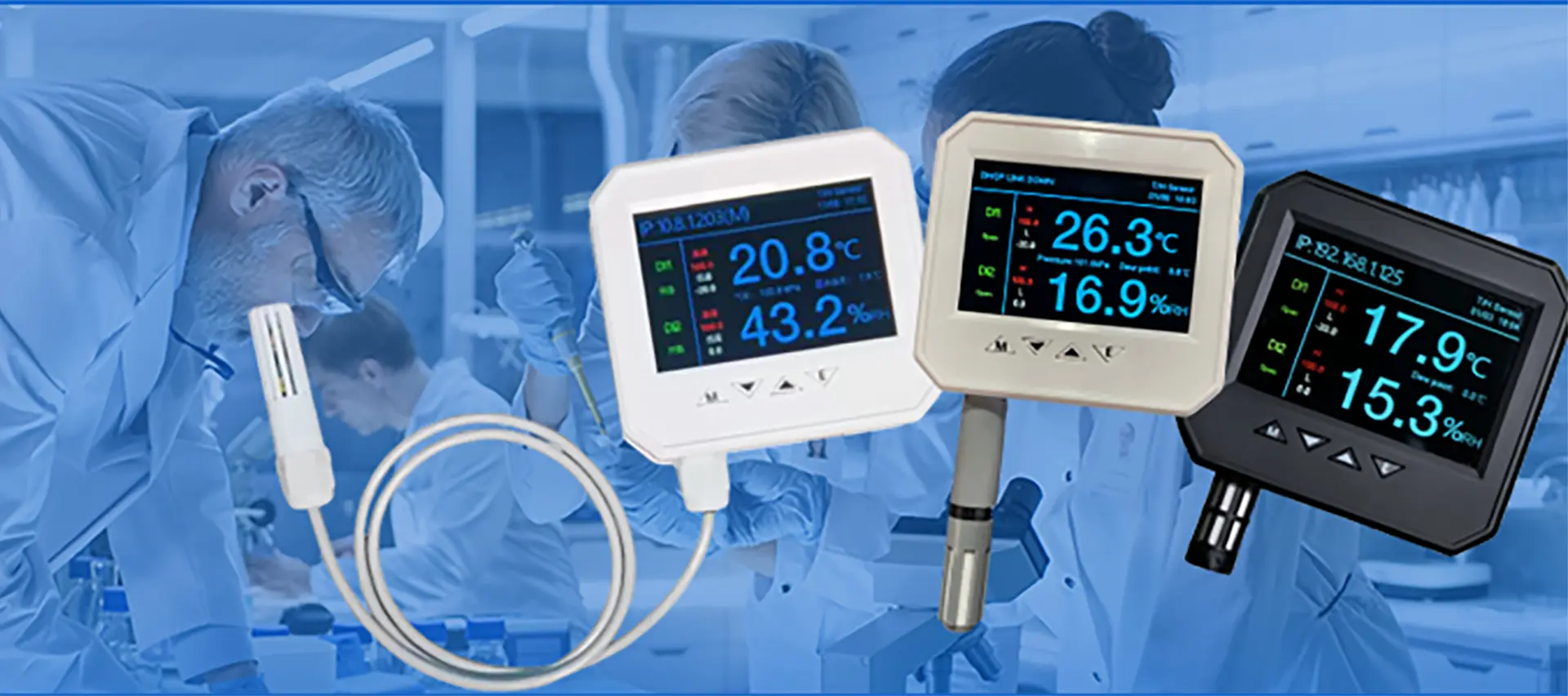
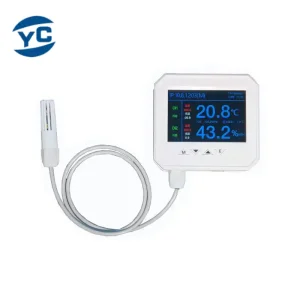
Strict temperature, relative humidity, and dew point management prevent thermal runaway and condensation hazards on logic boards. The APEM-5930P series is widely deployed to monitor real-time static air pressure across raised-floor plenums, optimizing CRAC cooling efficiency and reducing PUE.
Pharmaceutical compounding and microelectronic SMT manufacturing require stable environmental monitoring. Our multisensor arrays monitor atmospheric pressure, TVOCs, and ambient air quality to ensure GMP compliance and protect wafer manufacturing lines from organic contamination.
Underground infrastructure is prone to toxic gas accumulation and low oxygen levels. Deployed within heavy-duty sealed systems, the APEM-5930G-O₂-H₂S monitoring gateway tracks toxic gases (H₂S) and oxygen levels in real time to ensure field maintenance worker safety.
As industrial automation demands shift toward decentralized decision-making, our technical roadmap focuses on introducing localized edge intelligence into our environmental sensor ranges. Simple data collection is transitioning to proactive predictive analysis. Future versions of the APEM platform will feature localized machine learning models directly integrated into our on-board microprocessors.
These advanced nodes can establish baseline environment profiles for individual facilities. By recognizing subtle anomalies in gas concentrations, pressure changes, or humidity spikes, they can predict equipment failures or air filtration breakthrough points days before typical systems would trigger a simple high-limit alarm.
We are also expanding our low-power WAN offerings. By integrating Beidou high-precision physical deformation sensing with sub-GHz LoRaWAN data transmission, Yingchuanglihe is developing smart structural and environmental monitoring solutions for municipal pipelines, tunnels, and railway bridges.
Integrating localized data-anomaly filtering to reduce network load, enabling local edge alarm handling during network outages.
Integrating dual-channel redundant LoRaWAN mesh communication protocols to ensure stable data transmission across challenging structural environments.
Deploying tinyML models directly to on-chip memory arrays, allowing local hardware nodes to automatically predict chemical and particulate filter degradation.
Expert insights on regulatory compliance, hardware protocols, customization, and deployment details.
CE Certification ensures our sensors comply with European Union industrial health, safety, and environmental protection standards. This guarantees that our PoE systems and multi-gas data loggers operate safely, maintain high electromagnetic compatibility (EMC) standards, resist ambient electrical interference, and are manufactured using hazardous-free materials (RoHS), making them suitable for deployment in mission-critical networks.
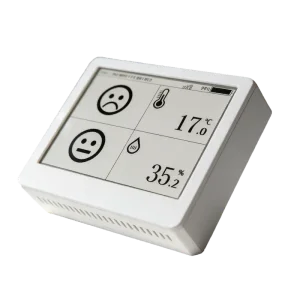
Under standard operational conditions within laboratories, data centers, and commercial offices, our integrated Swiss and German temperature, humidity, and atmospheric pressure sensing chips offer long-term stability with negligible drift (typically less than <0.03°C per year and <0.25% RH per year). We recommend a simple software calibration check every 12 to 24 months for regulated GMP facilities.
Yes. Our sensors are designed for open system architectures. Supporting standard Modbus TCP/RTU protocols, SNMP (v1/v2c/v3), HTTP REST APIs with JSON payloads, and basic TCP/IP transport layers, our sensors integrate seamlessly with SCADA packages, Building Management Systems (BMS), and IT network tools such as PRTG, Zabbix, or SolarWinds.
Yes. As an independent factory and research-driven developer, we support deep hardware and software customization. This includes custom cable lengths, external probe designs, unique multi-gas sensing configurations, client-specific housing molds, custom communication protocols, and brand-specific labeling for global system integrators.
Explore our specialized range of multi-gas configurations, extended probe structures, and dual-mode wireless systems designed for heavy industrial use cases.
 YCLH Sensor