Immediate digital network integration featuring modular gas, temperature, humidity, and VOC telemetry.
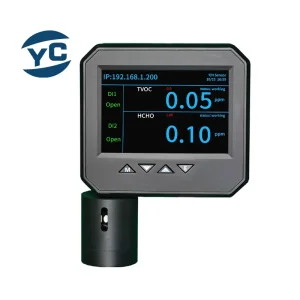
High-accuracy indoor environmental monitor combining TVOC, Formaldehyde, relative temperature, and humidity tracking via standard RJ45 connections. Designed for precision laboratory safety.
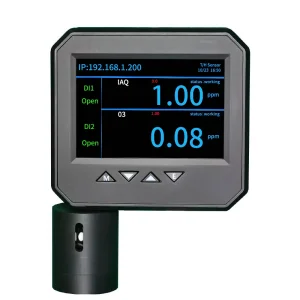
Measures trace ambient Ozone (O₃) concentrations alongside relative humidity and temperature. Crucial for advanced ventilation control in semiconductor and public transport hubs.
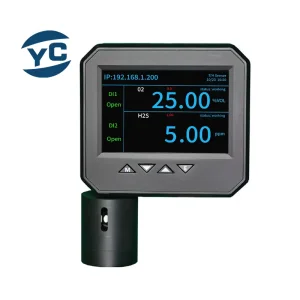
Dual protective industrial sensor detecting Oxygen deficiency and hazardous Hydrogen Sulfide gas levels. Perfect for infrastructure maintenance vaults and chemical plants.
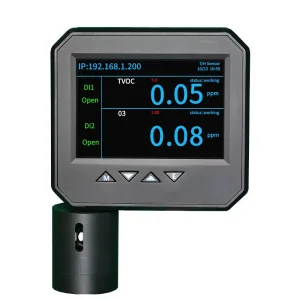
All-in-one digital probe tracking micro-level chemical pollutants and oxidation hazards, communicating directly with control frameworks via Modbus TCP protocols.
A comprehensive analysis of real-time environmental monitoring within the Kansai economic zone.
Osaka has long stood as a powerhouse of the Japanese economy, hosting global giants in electronics, pharmaceuticals, chemical manufacturing, and heavy machinery. As the region navigates the era of Society 5.0 and prepares for massive infrastructure developments, the traditional industrial facilities of Sakai-Senboku and Yodogawa are rapidly digitizing. Smart factories are transitioning from localized, manually gathered data to integrated, cloud-native operational ecosystems.
In this transformation, the monitoring of environmental variables—temperature, humidity, atmospheric pressure, and trace gases—is no longer a passive maintenance checklist. It is a critical operational dynamic. For instance, in the historic pharmaceutical hub of Doshomachi, strict compliance with updated PMDA (Pharmaceuticals and Medical Devices Agency) standards mandates rigorous cleanroom stability.
Historically, factories ran individual sensor arrays connected via RS-485 Modbus networks, requiring dedicated power lines, serial-to-USB convertors, and complex local wiring topologies. This legacy setup creates immense integration friction and high maintenance costs. The modern IoT landscape has shifted towards Power over Ethernet (PoE), where a single Cat5e or Cat6 cable delivers both stable power and high-speed data transmission.
By integrating multiple sensors—such as volatile organic compounds (VOCs), formaldehyde, atmospheric pressure, and ozone—into a single modular enclosure (the All-in-One Sensor model), enterprises achieve a massive footprint reduction. Deployment times drop, data latency drops to milliseconds, and single-point-of-failure risks are significantly minimized.
While wireless protocols like Wi-Fi, LoRaWAN, and Zigbee offer flexibility, they present fundamental vulnerabilities in heavy industrial and precision environments:
| Parameters | PoE / Ethernet Sensors (e.g., APEM-5930 Series) | Wireless Sensors (Wi-Fi / LoRa / Bluetooth) |
|---|---|---|
| Signal Integrity & Interference | 100% immune to electromagnetic fields generated by heavy motors, robotic arms, and structural shielding. | Highly prone to drops, multipath propagation issues, and metallic structural shielding blockages. |
| Power Source Reliability | Continuous power via PoE switch ports. No battery degradation, reducing physical maintenance overheads. | Relies on rechargeable or disposable batteries. Periodic replacement causes downtime and maintenance cost. |
| Data Bandwidth & Protocols | High-bandwidth capability supporting simultaneous TCP/IP, Modbus TCP, SNMP, and direct HTTP/JSON API requests. | Limited bandwidth. Often constrained to proprietary payloads or low-frequency MQTT updates. |
| Security Architecture | Fully controlled internal physical networks. Can be isolated within enterprise VLANs with strict firewalls. | Vulnerable to over-the-air packet interception, protocol spoofing, and wireless signal jamming. |
Sourcing industrial-grade hardware from Beijing Yingchuanglihe Electronic Technology Co., Ltd. presents distinct economic and engineering advantages for Kansai system integrators:
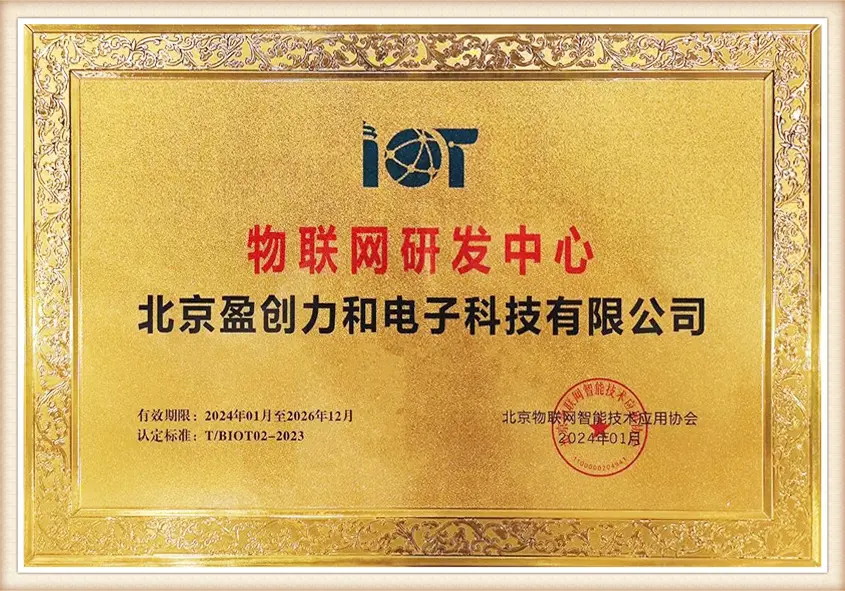
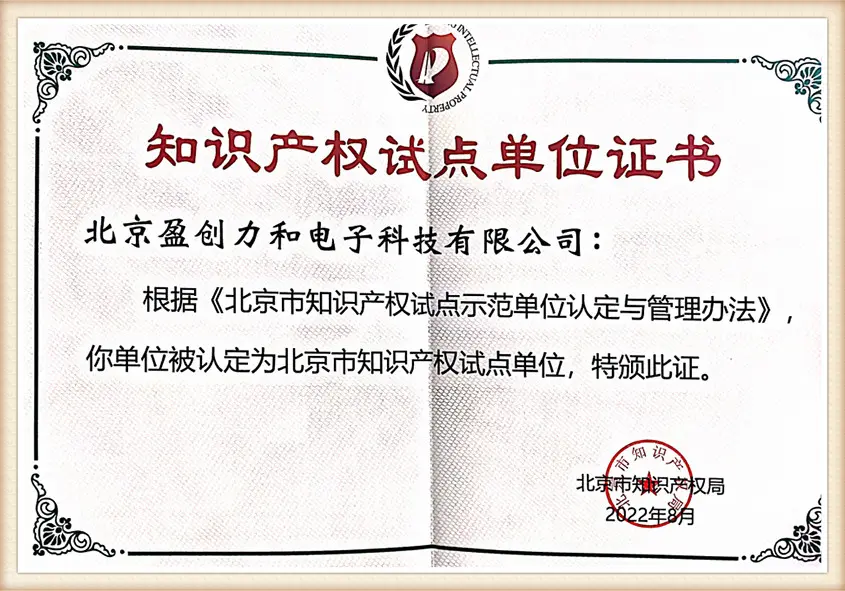
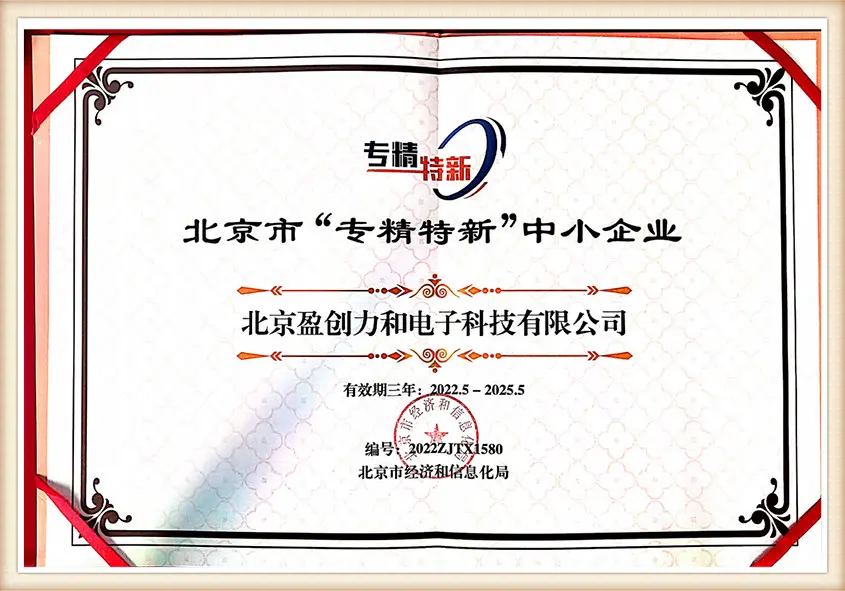
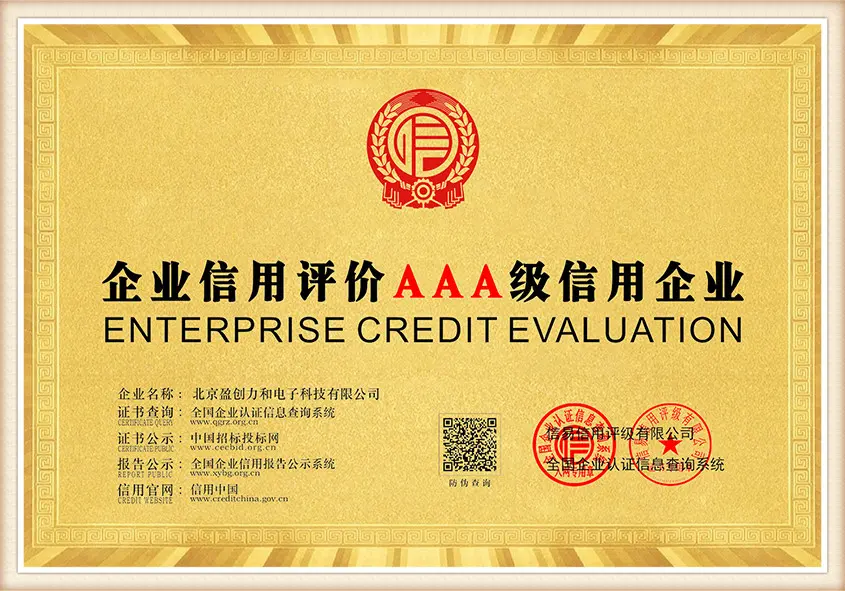
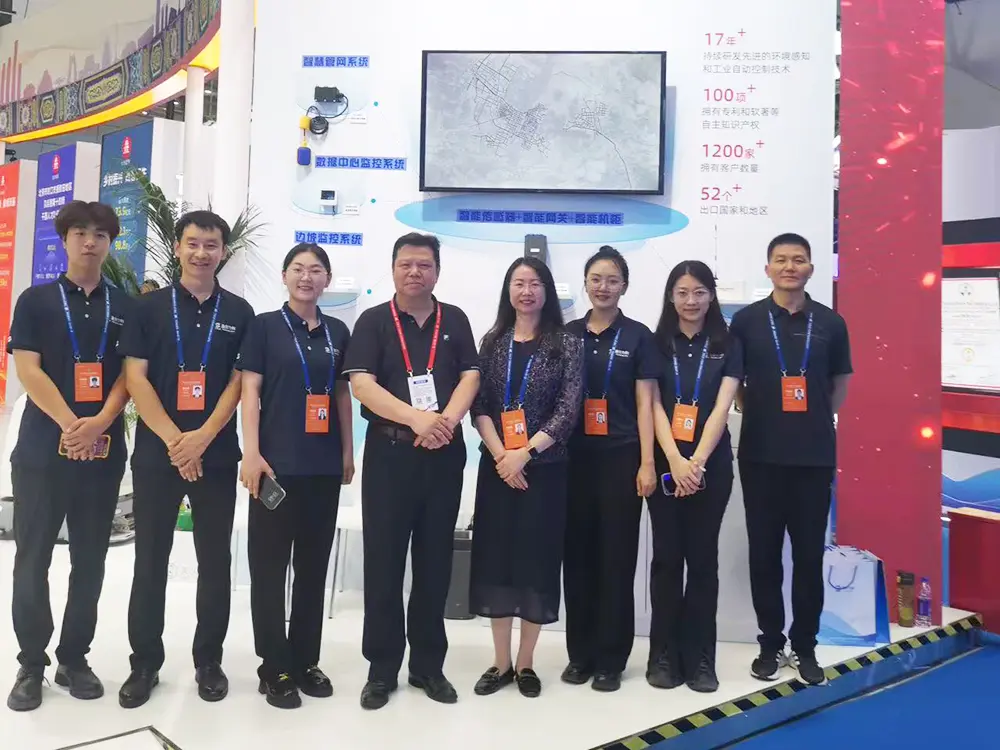
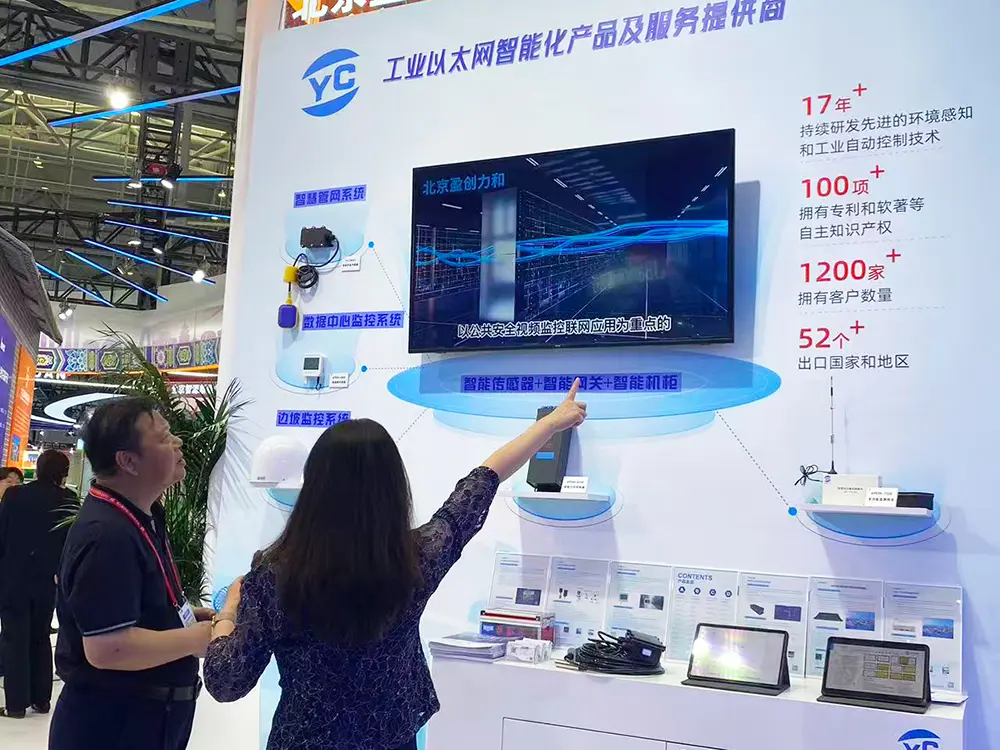
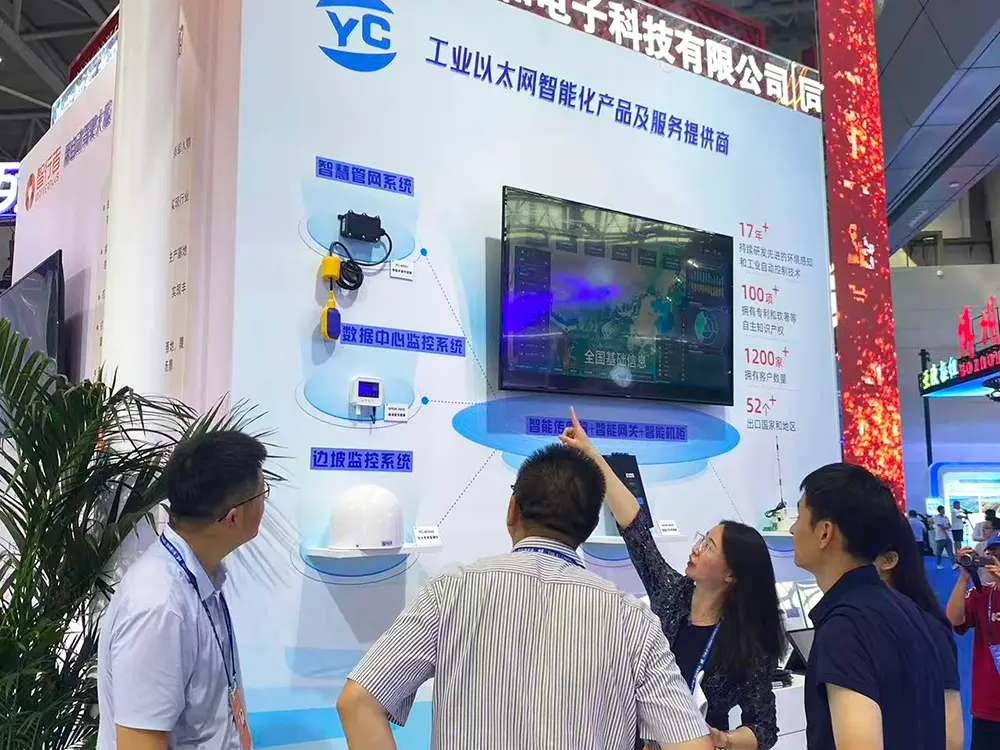
Beijing Yingchuanglihe Electronic Technology Co., Ltd. is a leading high-tech manufacturer specializing in state-of-the-art environmental monitoring sensors and data acquisition systems. Since 2007, we have focused on providing the industrial and commercial sectors with highly reliable, multi-parameter environmental sensing devices that serve as the foundation of modern automation.
Our products undergo stringent quality control and hold CE, FCC, and RoHS certifications. By utilizing high-end imported sensing components and adhering to international manufacturing standards, we deliver robust solutions that excel in even the most challenging conditions.
We source core components from Switzerland and Germany, ensuring excellent long-term stability and minimal measurement drift.
Supports Modbus RTU/TCP, SNMP, MQTT, and wireless extensions, integrating seamlessly into existing SCADA or cloud databases.
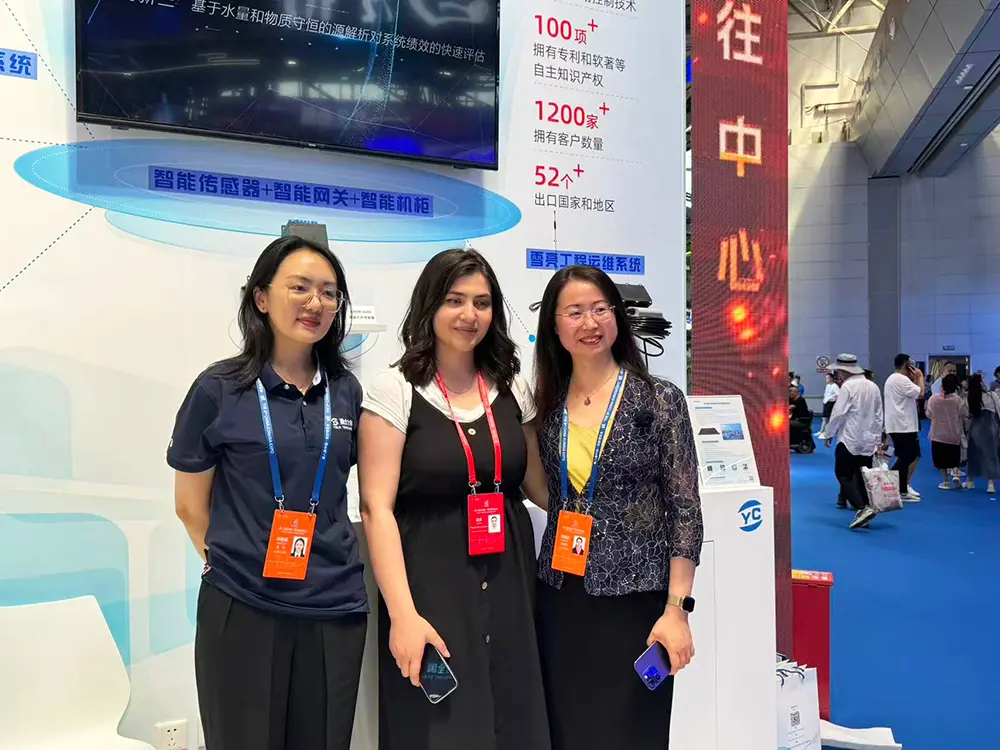
A showcase of our strict conformity to international standards and global technological participation.
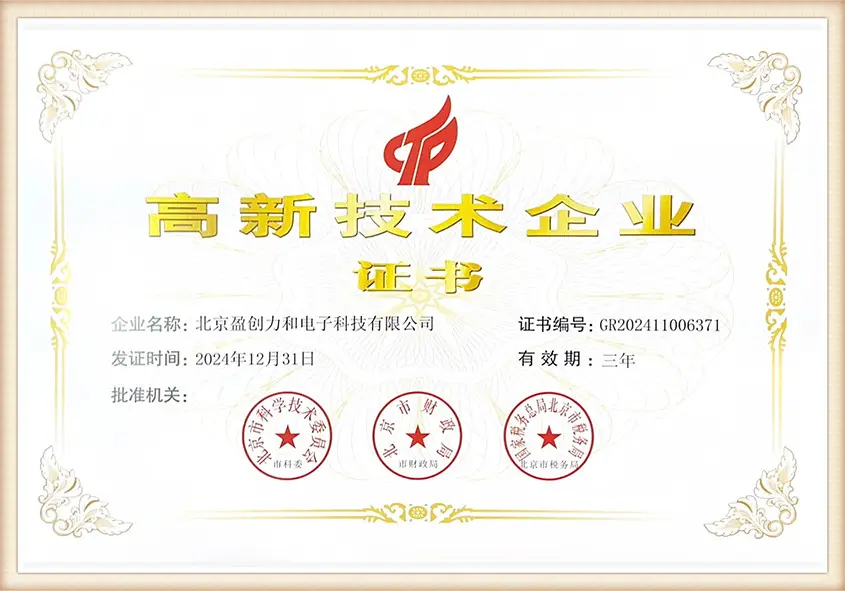
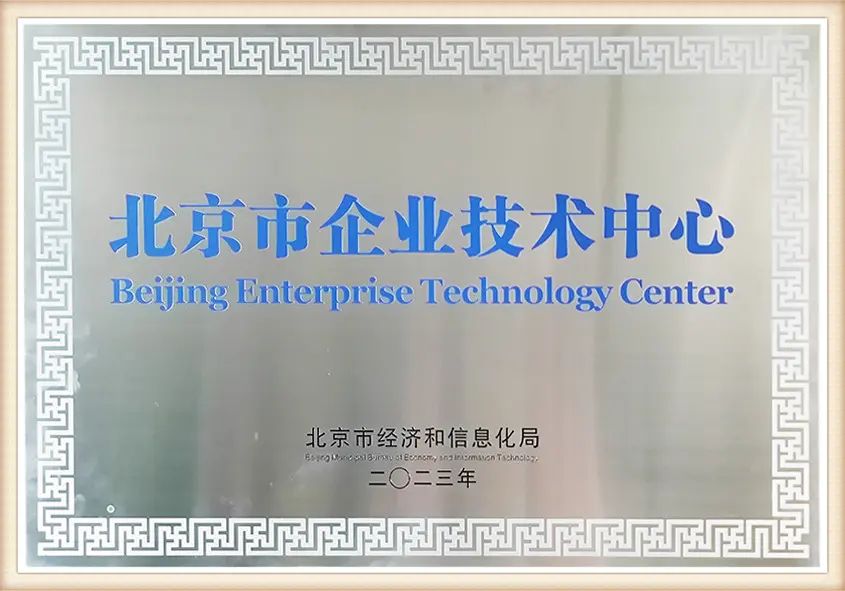
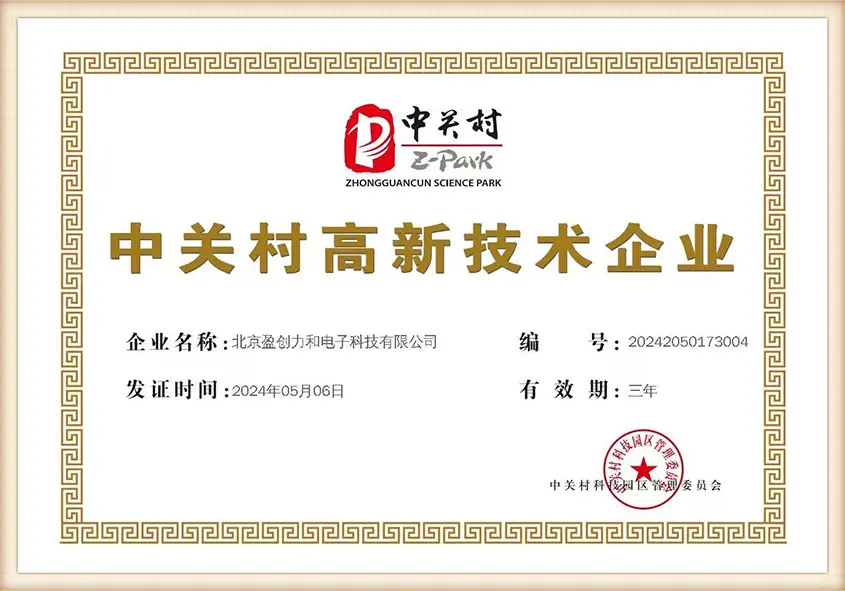
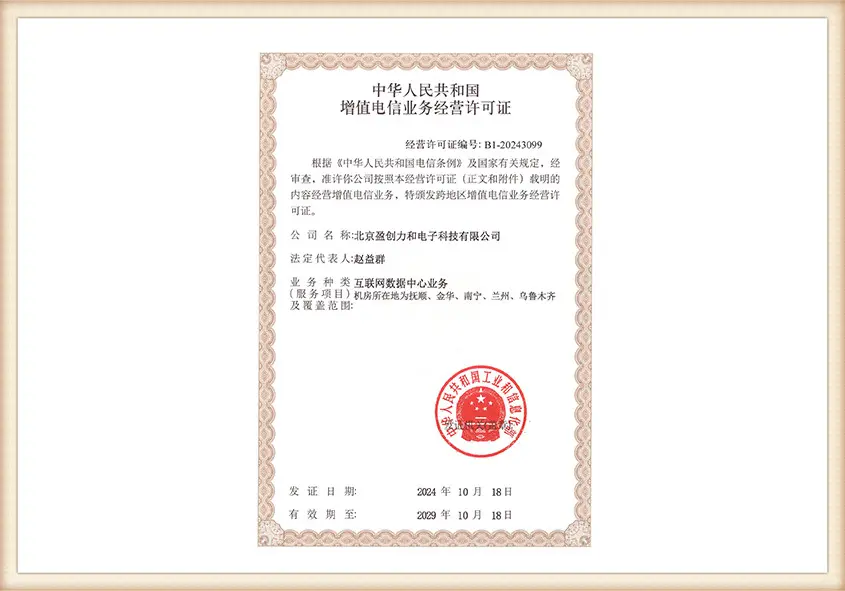
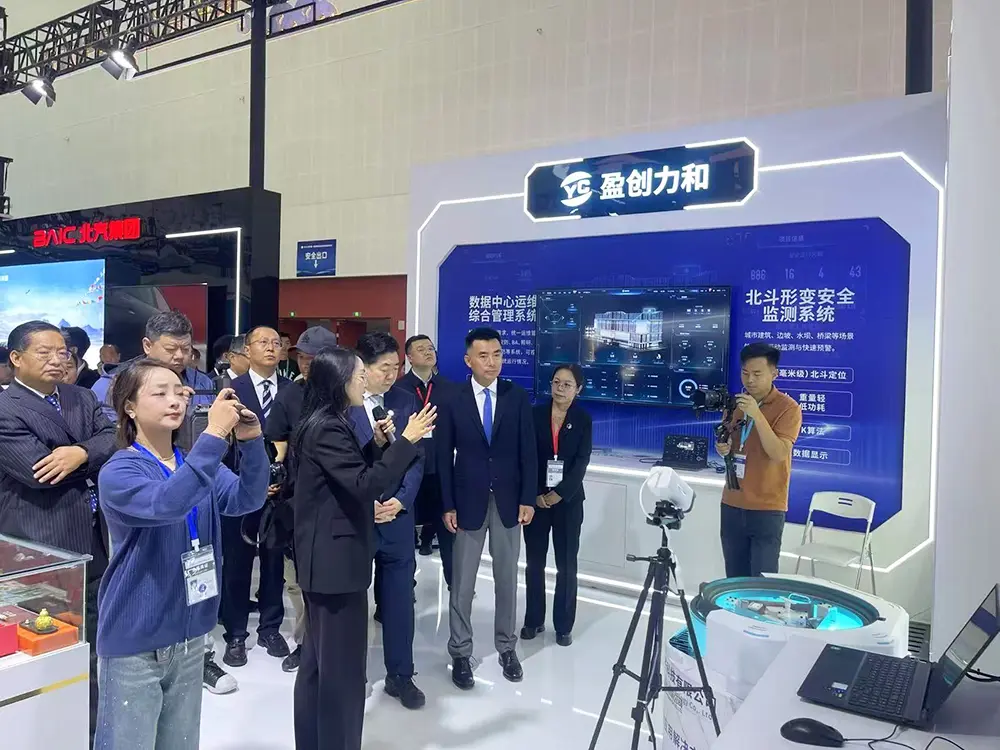
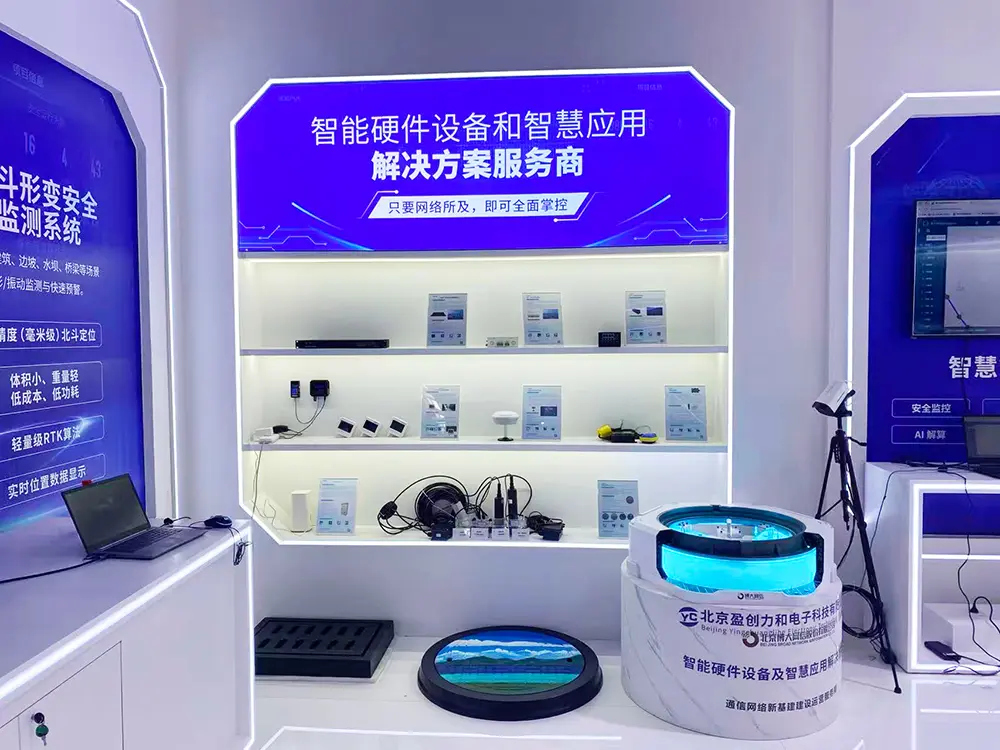
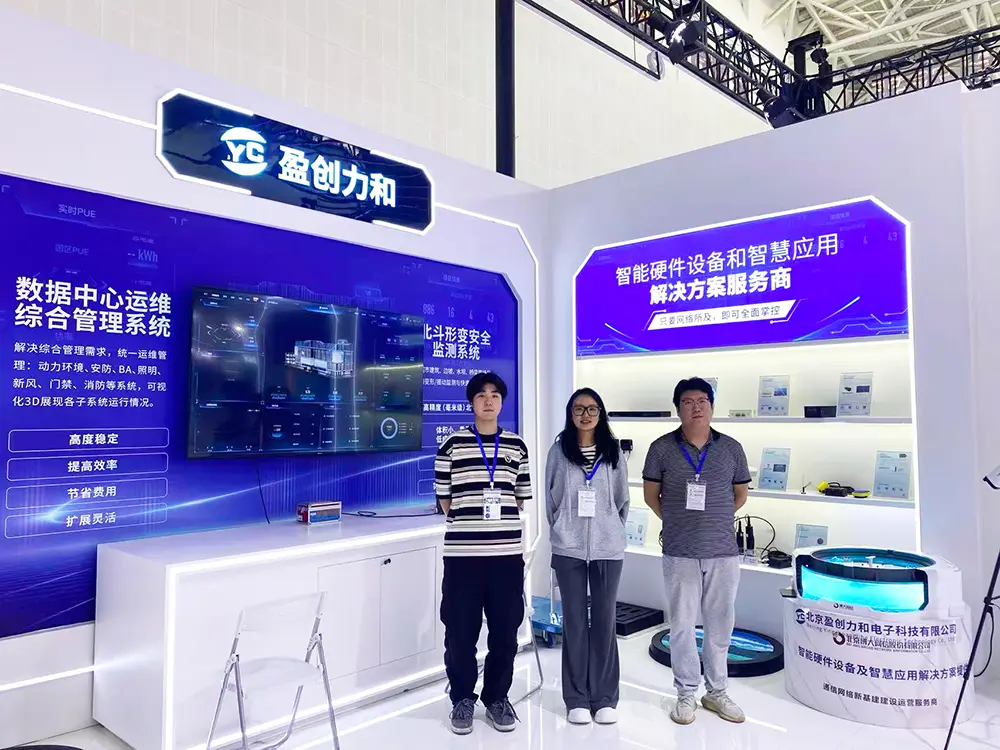
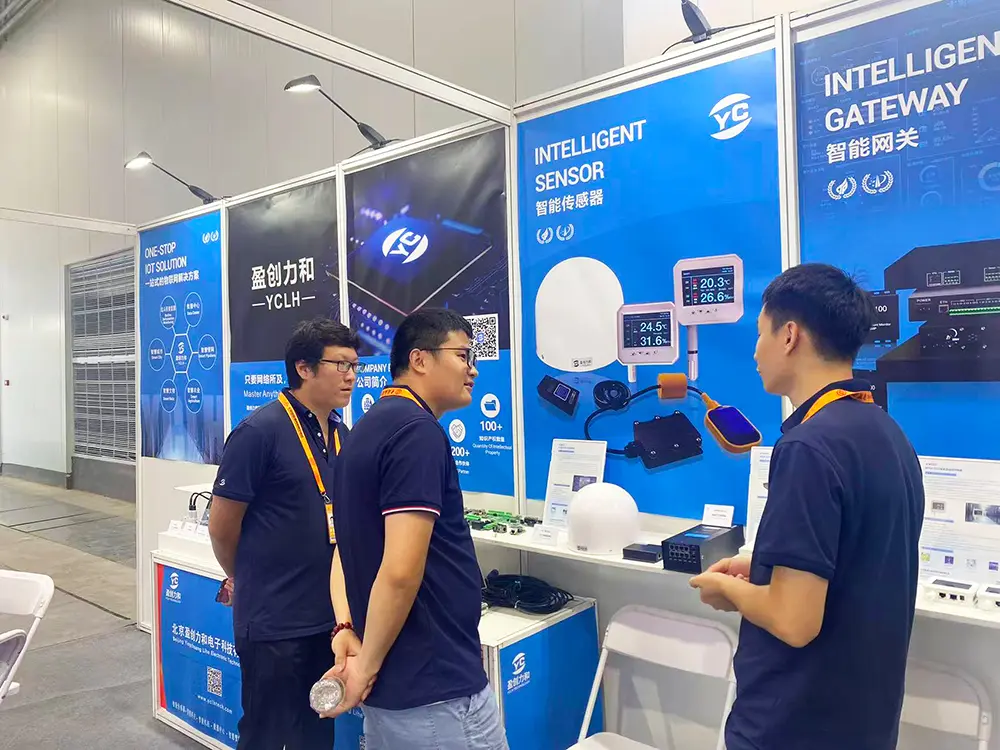
Engineered for high reliability, easy industrial scaling, and seamless building automation.
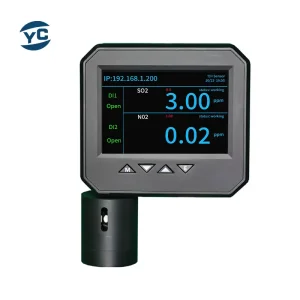
Designed for factory emissions tracking and environmental protection monitoring. Tracks SO₂ and NO₂ with high chemical resolution.
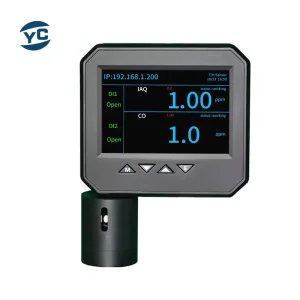
Tracks general Indoor Air Quality alongside Carbon Monoxide safety limits. Features local digital outputs for system alerts.
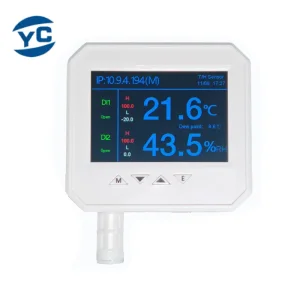
Cost-effective high-accuracy temperature and relative humidity transmitter featuring stable Power over Ethernet.
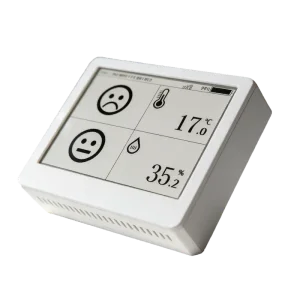
Long-range wireless RF transmitter tailored for sprawling agricultural greenhouses and older retrofitted facilities.
A chemical monitoring device designed for atmospheric warning safety in production facilities. Excellent corrosion protection.
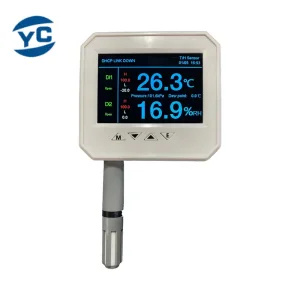
Integrates micro-barometric monitoring alongside temperature and dew point. Perfect for cleanrooms requiring precise pressure control.
High-performance monitor providing stable data transmission. Perfect for tunnels, parking facilities, and chemical warehouses.
Leverages high-penetration LoRaWAN signaling for tracking warehouse parameters over large, complex distances.
Technical requirements, manufacturing guidelines, and trade compliance for Osaka industrial buyers.
Any sensor deployed in Japanese automated lines must conform to CE, FCC, and RoHS directives. RoHS compliance prevents toxic elements in waste streams, while CE mark verifies robust electromagnetic immunity. This ensures our sensors will not fault when mounted adjacent to high-voltage inverters or relays.
To fit into existing IoT pipelines, devices must offer flexible protocol stacks. Our sensors support Modbus TCP for PLCs (Mitsubishi, Omron), SNMP for IT rack monitoring, and direct JSON parsing via HTTP protocols for web dashboards. This ensures seamless integration without proprietary vendor lock-in.
Industrial operations require easy recalibration routines. Yingchuanglihe sensors use high-grade Swiss Sensirion chips that feature minimal drift. When calibration is needed, modular probe housings allow field technicians to swap sensor heads without dismantling the entire network gateway, saving valuable time.
Detailed answers for instrumentation engineers and procurement directors regarding Ethernet sensor integration.
 YCLH Sensor