 YCLH Sensor
Industrial LoRaWAN & Smart IoT Sensing Technology
Architecting robust, low-power, long-range tracking and environmental telemetry systems for smart infrastructure, data centers, and advanced manufacturing environments.
Introduction: Paradigm Shift in Industrial Environmental Telemetry
In the modern era of Industry 4.0, the capacity to acquire highly precise, real-time, and stable ambient metrics is no longer merely a regulatory requirement; it is a critical competitive differentiator. The transition from legacy wired loop configurations (such as standard 4-20mA analog signals) to digital networks has progressed to a new paradigm: Wireless Low-Power Wide-Area Networks (LPWAN), dominated by the open-standard LoRaWAN protocol.
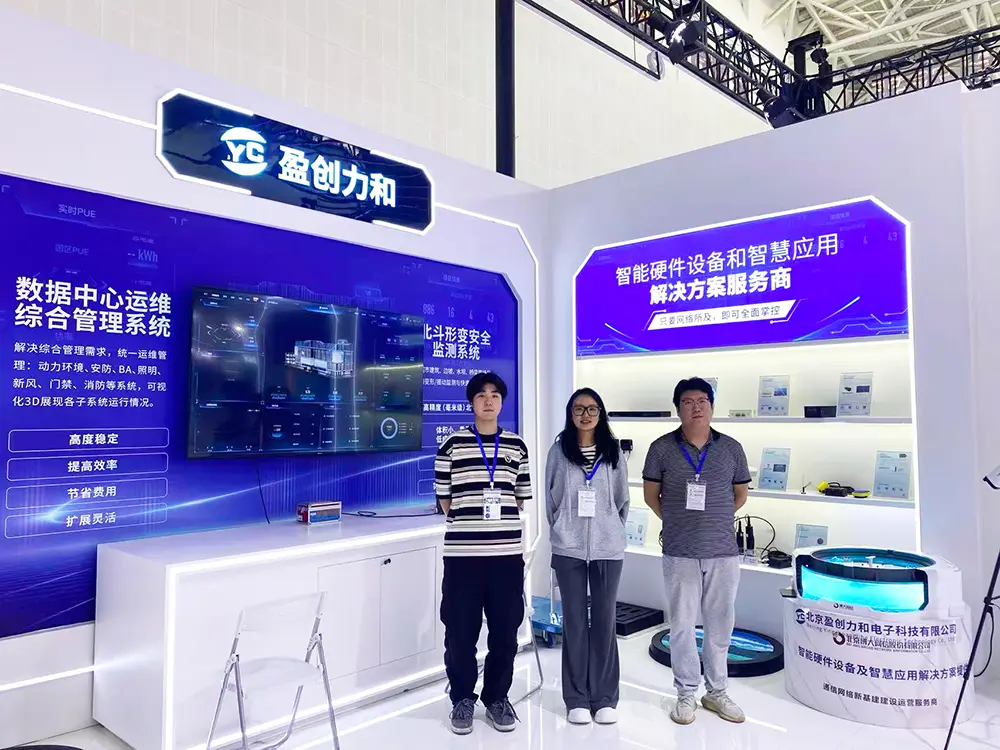
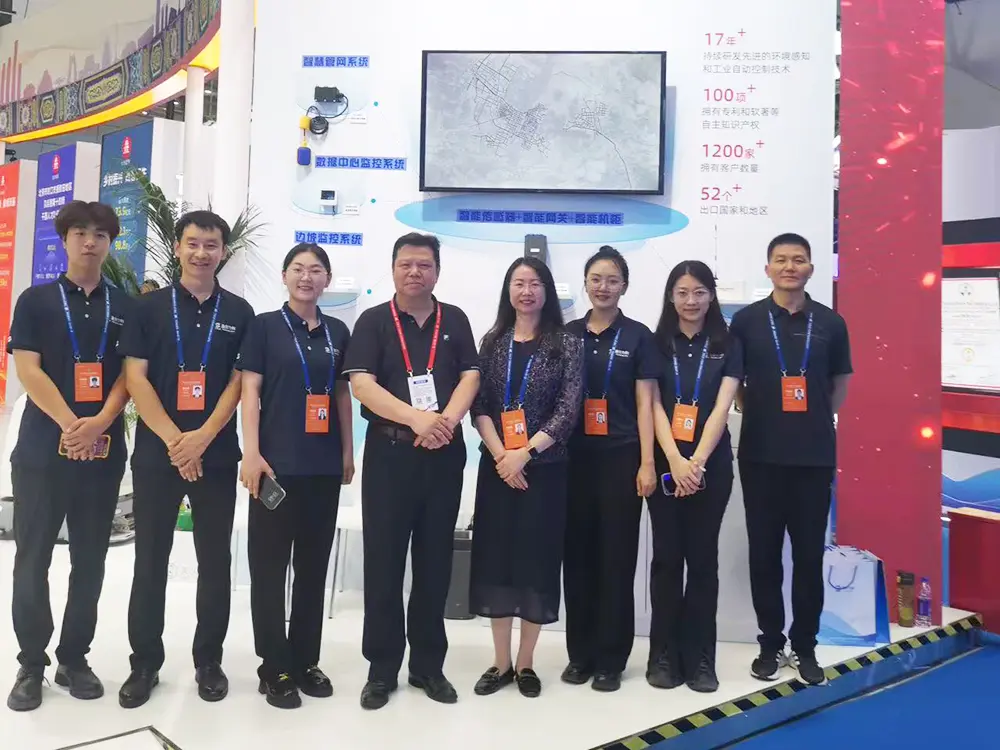
As a premier manufacturer of environmental monitoring instruments, Beijing Yingchuanglihe Electronic Technology Co., Ltd. (established in 2007) has spent nearly two decades refining high-precision telemetry devices. By integrating standard networking protocols (TCP/IP, PoE, Modbus TCP, SNMP) and wireless protocols (WiFi, LoRa, LoRaWAN), we address the specific requirements of heavy industry, research laboratories, cleanrooms, and municipal utilities globally.
The Structural Advantage of Chinese Sensor Manufacturers & Factories
For global enterprise procurement teams and large-scale IoT system integrators, selecting the right manufacturing base is essential. Chinese factories, particularly high-tech developers based in Beijing's key industrial zones, offer significant advantages:
- End-to-End Supply Chain Integration: From sourcing premium semiconductor sensing dies (utilizing Swiss and German high-accuracy modules) to local high-yield PCBA assembly, the entire lifecycle is streamlined for reduced turnaround times.
- Unmatched OEM/ODM Flexibility: Our localized production lines are optimized for rapid tooling modifications. Whether your application requires custom enclosure modifications (e.g., DIN-rail mounts, IP67-rated waterproof shells), altered wireless configurations, or custom communication protocols (e.g., custom JSON headers, proprietary SNMP MIB files), our R&D engineering divisions can construct prototypes rapidly.
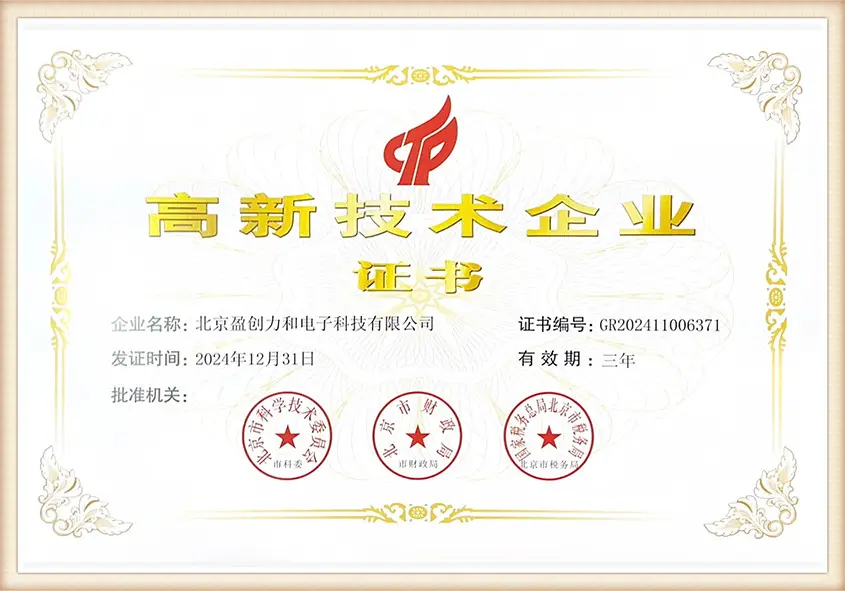
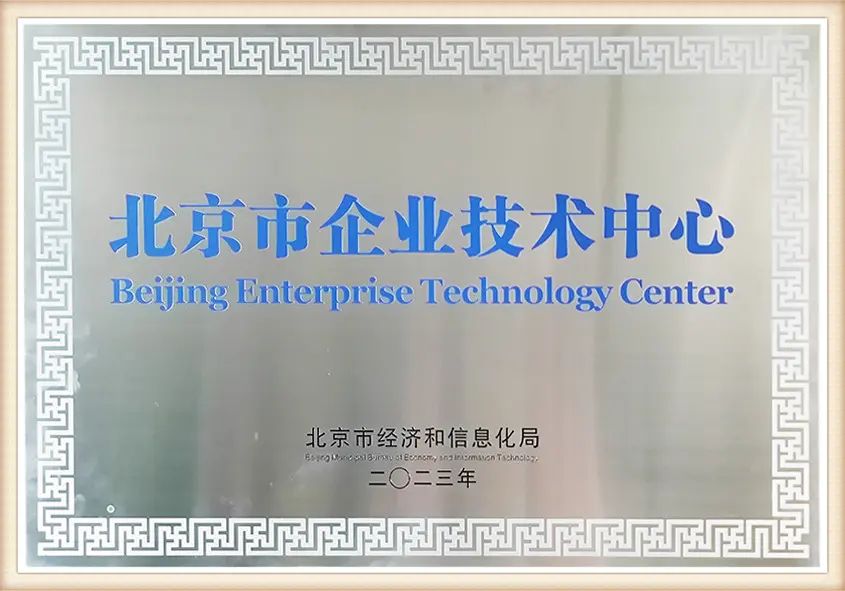
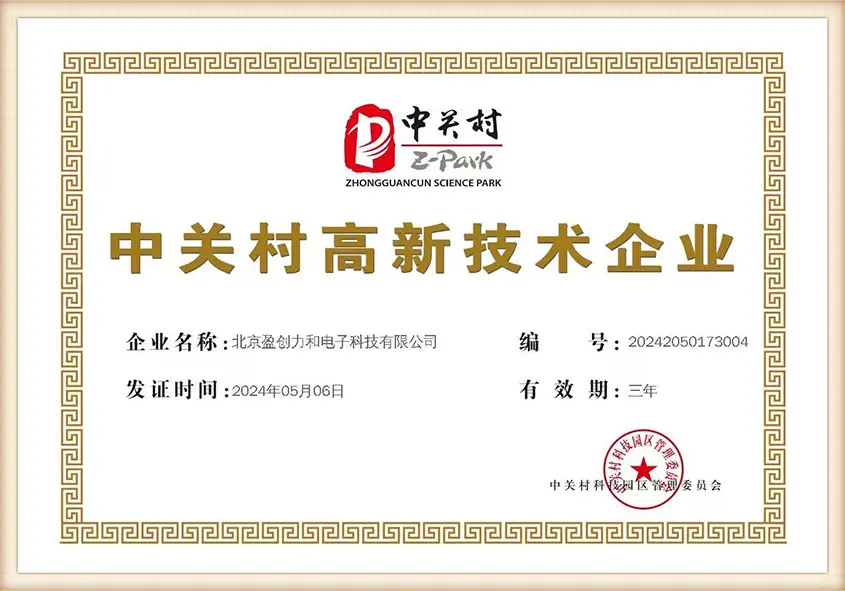
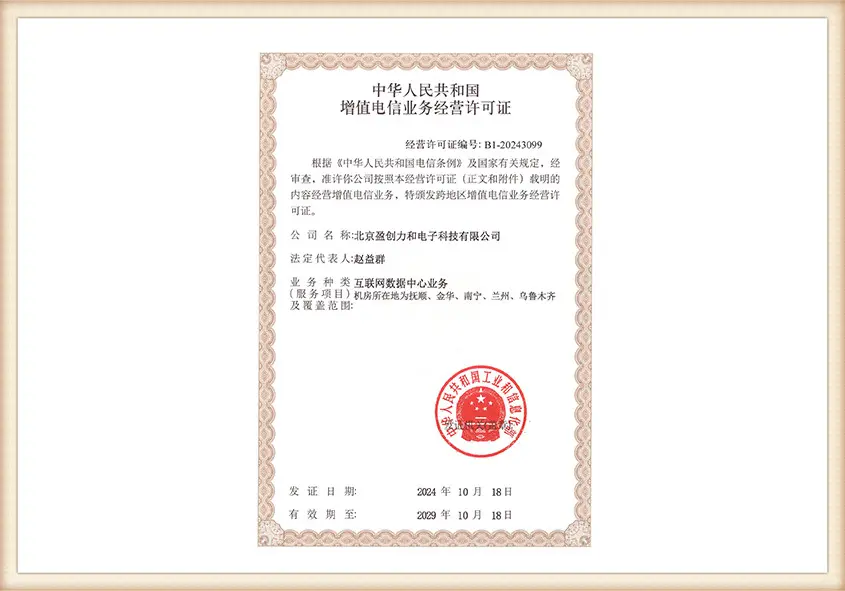
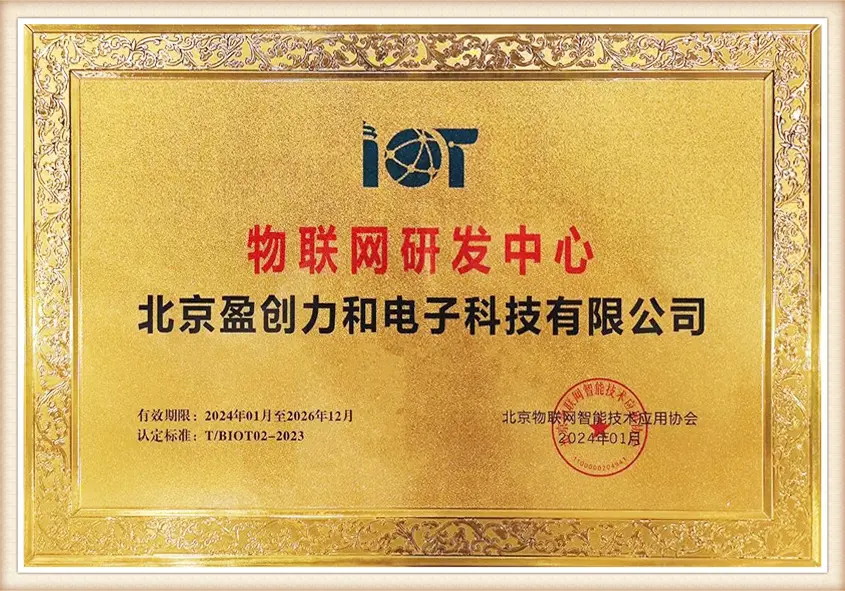
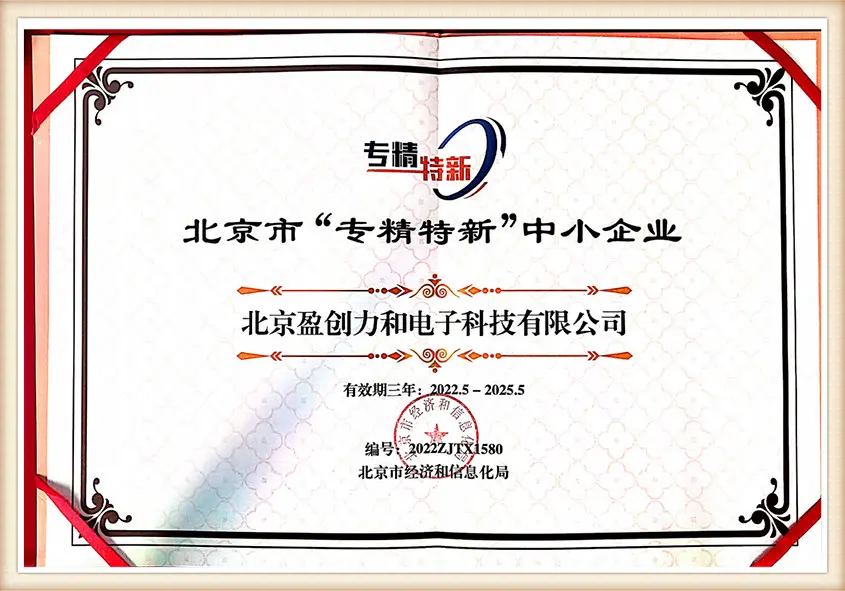
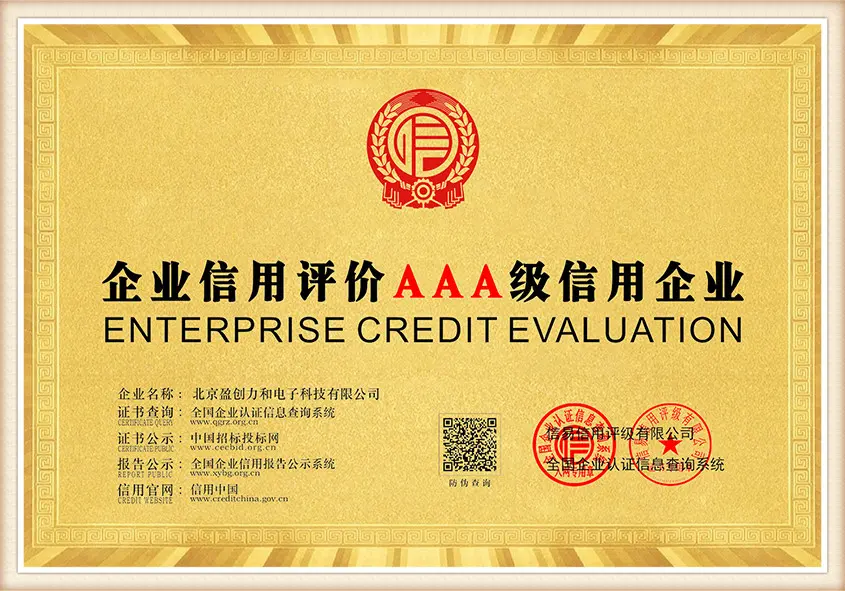
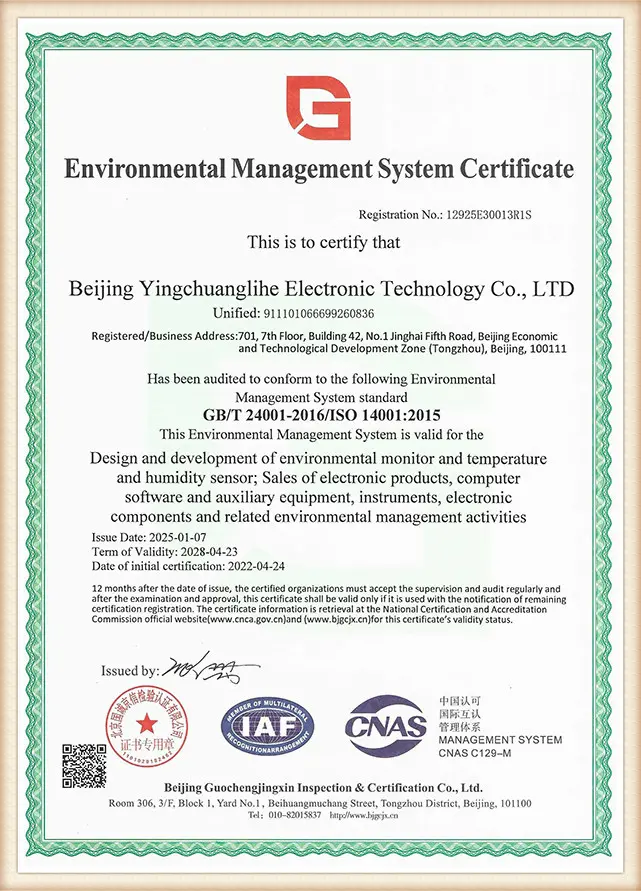
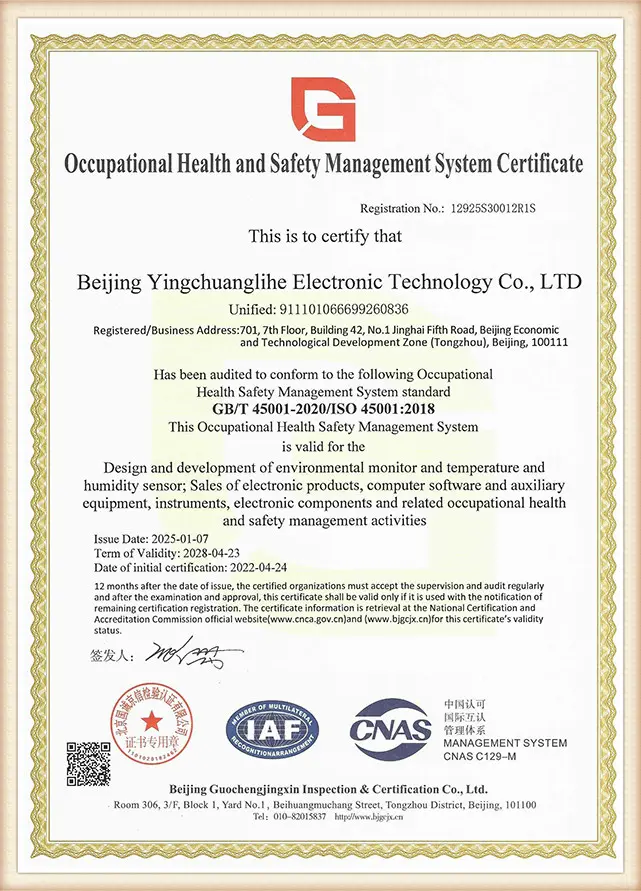
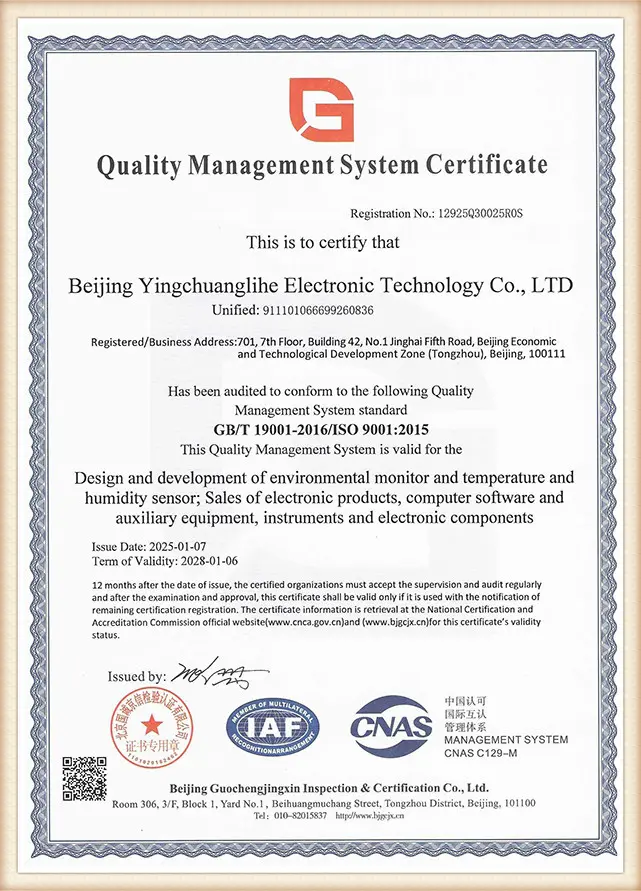
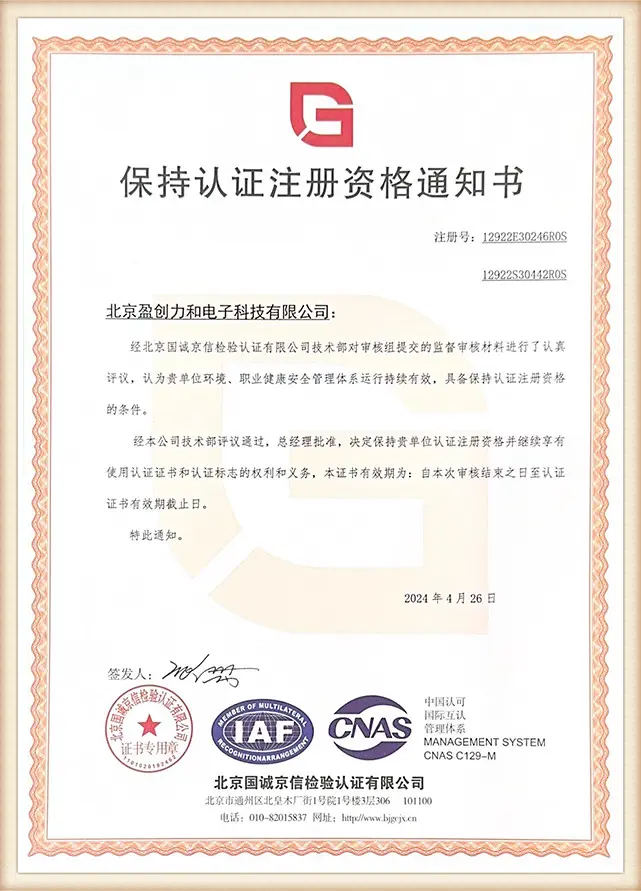
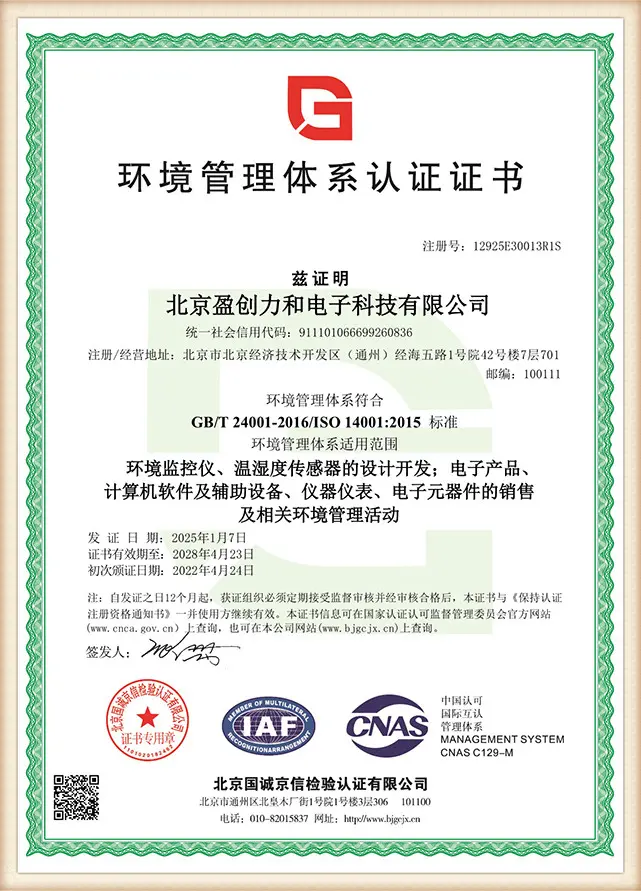
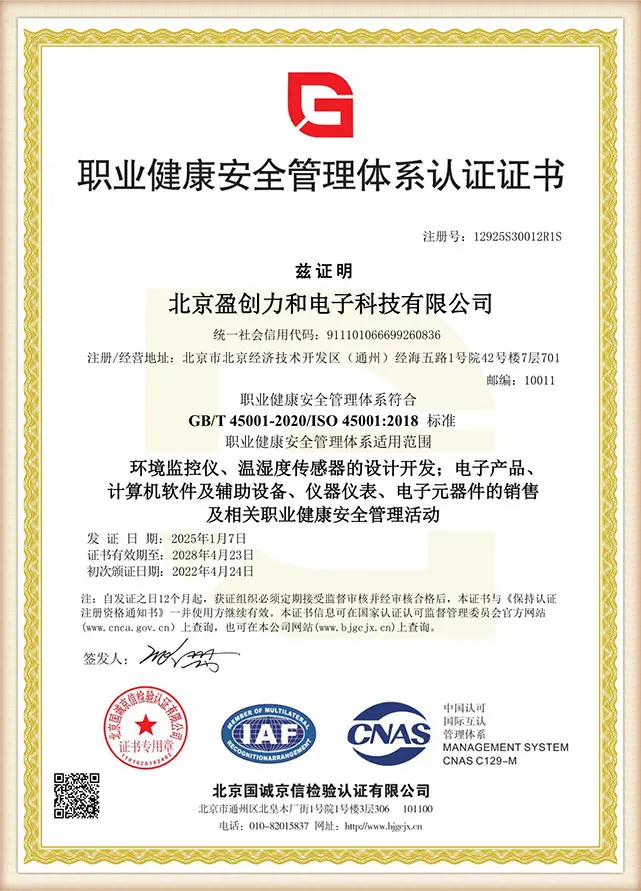
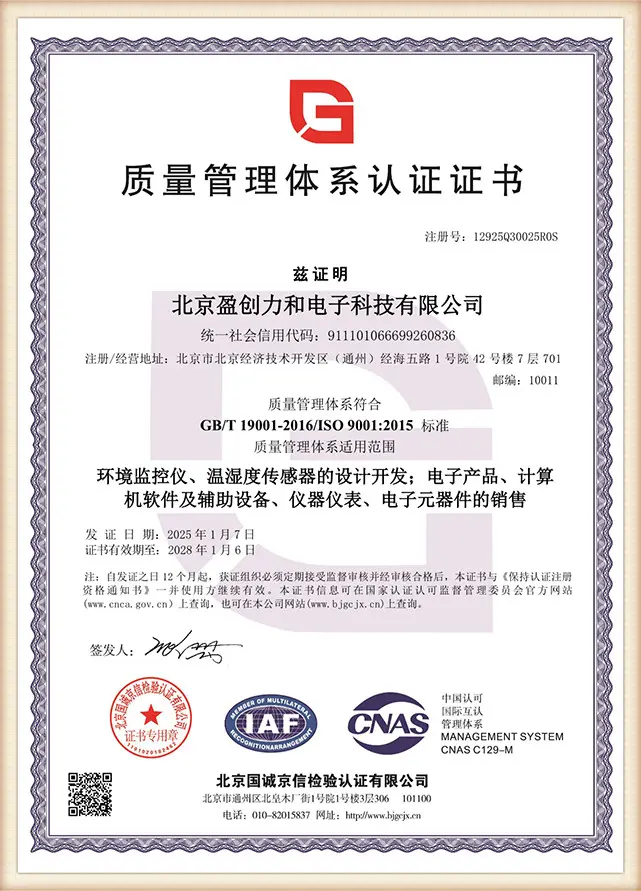
- Strict Global Standards & Certifications: Beijing Yingchuanglihe ensures all industrial telemetry devices pass strict quality assessments. Our products hold full CE, FCC, and RoHS certifications, ensuring seamless customs clearance and compatibility with European and North American enterprise IT infrastructures.
- Advanced Calibration Frameworks: Each unit undergoes multi-point calibration in controlled environmental chambers to verify precision across its full operating spectrum, preventing baseline drift over time.
Industrial Wireless Trends: Moving Towards Hybrid LoRaWAN & PoE Topologies
The global IIoT (Industrial Internet of Things) landscape is evolving away from single-protocol systems. Today's facilities require a hybrid deployment strategy:
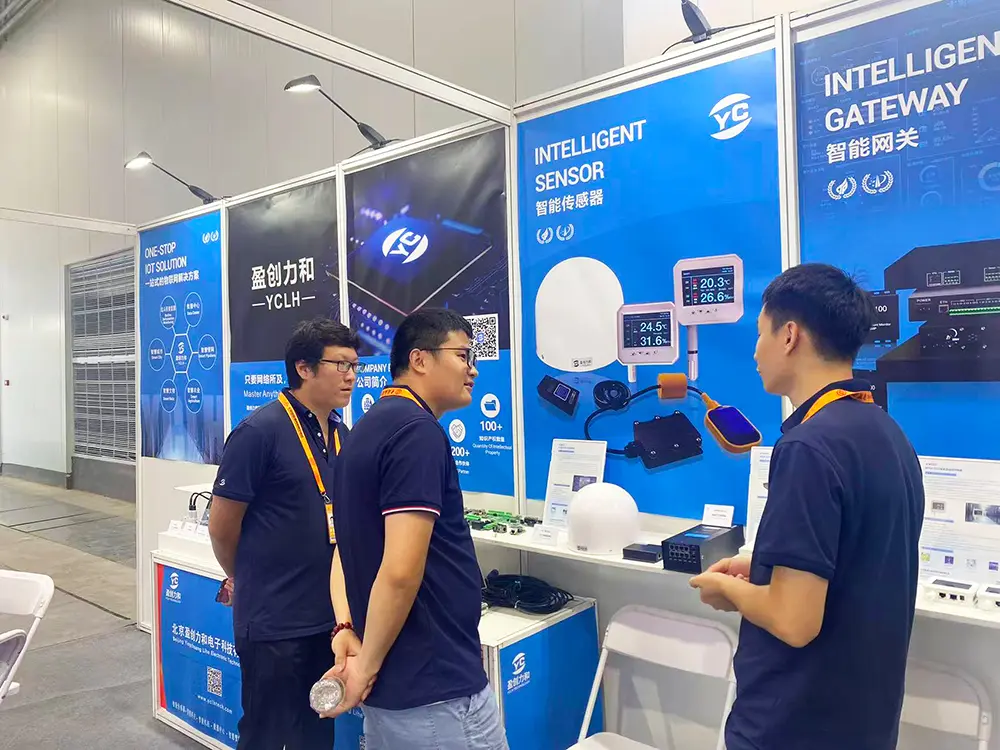
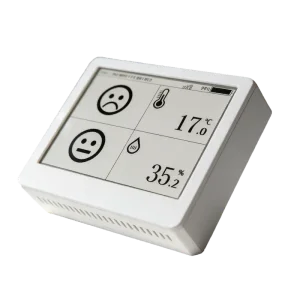
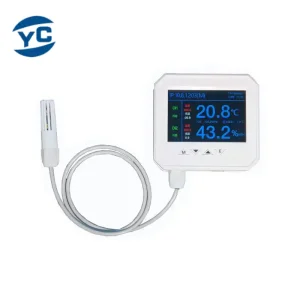
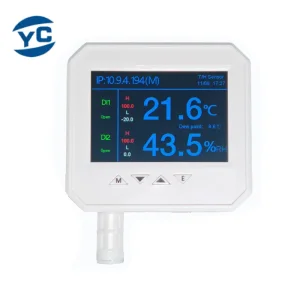
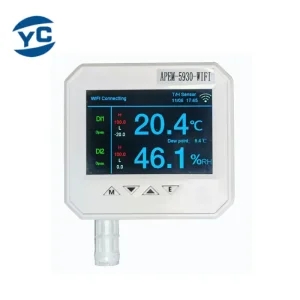
Power over Ethernet (PoE) for Dense Infrastructure: Models such as the APEM-5930 series use existing CAT5e/CAT6 network backbones. They retrieve power and transmit data simultaneously, which is ideal for data center server cabinets, telecom racks, and cleanrooms where wireless signals can be blocked by metal enclosures.
LoRaWAN for Remote and Deep-Building Telemetry: For wide areas where cabling is too expensive, wireless LoRaWAN (such as our APEM-5736 and APEM-5616 Pro series) provides unmatched signal penetration. Operating on sub-GHz ISM bands (such as US915, EU868, AS923), LoRaWAN provides communication over distances up to 15km in line-of-sight environments and handles complex multi-story building geometries with minimal signal loss.
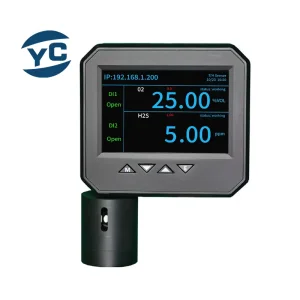
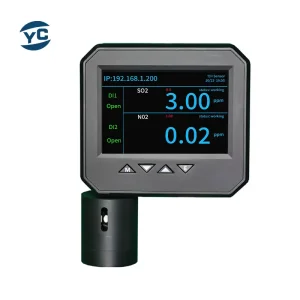
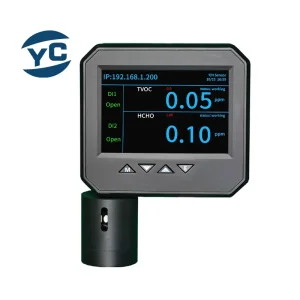
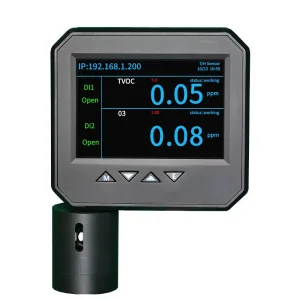
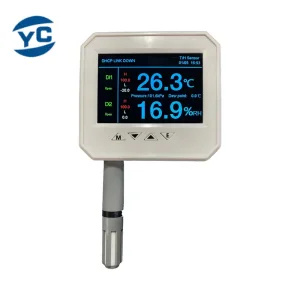
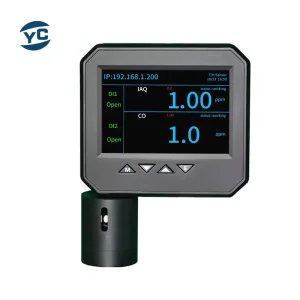
Multi-Parameter Environmental Loggers: The market is moving toward single-point, multi-parameter instruments. Our APEM-5930G series combines temperature, humidity, dew point, atmospheric pressure, and hazardous gases (such as TVOC, Ozone O₃, Carbon Monoxide CO, Formaldehyde HCHO, Sulfur Dioxide SO₂, Nitrogen Dioxide NO₂, Oxygen O₂, and Hydrogen Sulfide H₂S) in a single integrated sensor. This design minimizes installation complexity, reduces network node counts, and lowers total cost of ownership (TCO).