High-precision, certified hardware engineered for safety and absolute reliability.
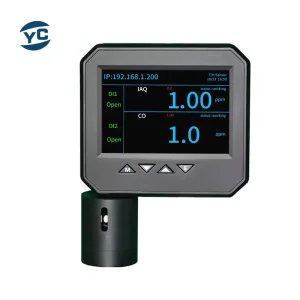
High-Performance China Supplier & Factory for Temperature and Humidity Monitoring Manufacturer, Manufacturers
View Product Detail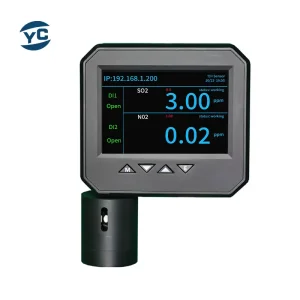
Reliable China Suppliers & Factory Solutions Manufacturer, Factories
View Product Detail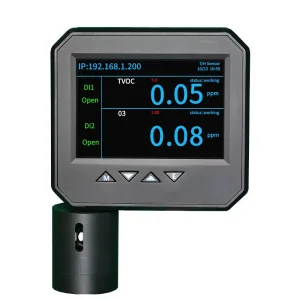
China Suppliers & Factory Solution Suppliers, Factories
View Product Detail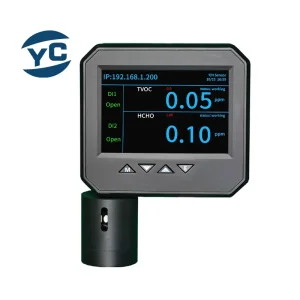
Factory Supplier for Temperature & Humidity Monitoring Supplier, Factory
View Product Detail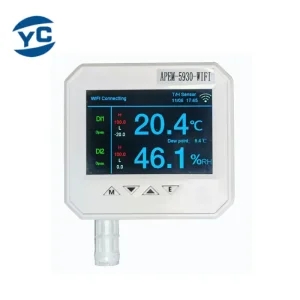
High-quality industrial standard WiFi and wired dual connectivity configuration.
View Product Detail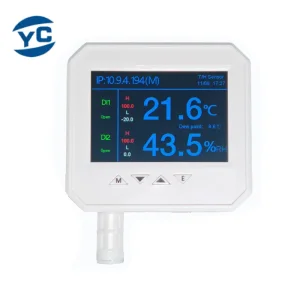
Reliable Factory Solutions Supplier, Factories
View Product Detail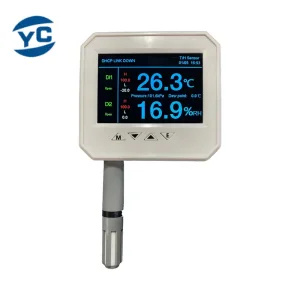
Ideal for Factories and Labs Manufacturer, Manufacturers
View Product Detail
China Suppliers and Factory Solutions Manufacturers, Supplier
View Product DetailEthylene Oxide (EtO/EO), chemically designated as C₂H₄O, is a highly versatile yet toxic volatile organic chemical compound used extensively in industrial sterilization and raw material chemical production. As a colorless, highly flammable gas with a sweet ether-like odor, it remains one of the most critical elements in medical device sterilization worldwide. Over 50% of all single-use medical devices in the global market are processed using gaseous Ethylene Oxide, ensuring sterile conditions for surgical tools, catheters, and implantable devices. However, this high biological efficacy also renders the gas dangerous to human health.
At room temperature, Ethylene Oxide represents a profound occupational safety risk. It is classified as a Class 1 Human Carcinogen by the International Agency for Research on Cancer (IARC). Chronic exposure to even minute concentrations can cause mutagenic damage, neurological disorders, and lymphatic cancers. Consequently, facility managers must maintain strict environmental monitoring systems capable of detecting sub-ppm concentrations of the gas in real-time. Designing a safety architecture around gas detection demands specialized, robust sensor technology featuring low cross-sensitivity and highly stable long-term drift characteristics.
Important Industry Perspective: A reliable Ethylene Oxide gas detector is not merely a piece of regulatory compliance hardware; it is a life-safety critical monitoring system that demands precision engineering, premium electrochemical cells, and multi-layered network integration.
Furthermore, because Ethylene Oxide has lower and upper explosive limits (LEL of 3.0% and UEL of 100% by volume in air), detectors must function both within the micro-exposure workspace monitoring range (0-10 ppm or 0-50 ppm for occupational health) and the macro-level process leak-detection range. Standard electrochemical sensing cells, often designed with Swiss and German high-precision internal components, offer the fast response time (T90 < 30s) and minimal resolution deviation required to trigger automated evacuation systems and HVAC ventilation overrides before ambient concentrations escalate to hazardous thresholds.
Integrated electrochemical gas sensing elements utilizing catalytic oxidation methods, producing high selectivity and reliable micro-ppm resolution output.
Full support for TCP/IP, Modbus TCP, and Power over Ethernet (PoE), allowing direct data logging and telemetry to remote SCADA networks.
Simultaneously integrate atmospheric pressure, temperature, dew point, and humidity to cross-reference and calibrate environmental fluctuations.
Operating an industrial Ethylene Oxide sterilization facility requires compliance with stringent regulatory frameworks that vary by geographic region. For instance, the United States Occupational Safety and Health Administration (OSHA) mandates a Permissible Exposure Limit (PEL) of 1 ppm over an 8-hour Time-Weighted Average (TWA), with an Action Level of 0.5 ppm. Furthermore, the National Institute for Occupational Safety and Health (NIOSH) recommends a REL (Recommended Exposure Limit) of 0.1 ppm. Designing compliance architectures in these jurisdictions requires gas monitoring stations capable of logging continuous data at low-detection thresholds with verifiable auditing capabilities.
In Europe, Directive 2004/37/EC on the protection of workers from the risks related to exposure to carcinogens or mutagens at work enforces strict occupational exposure limits (OELs). In addition, EN 1422 outlines safety and performance requirements for medical sterilizers utilizing EtO. In these markets, detectors must feature CE certification, RoHS compliance, and often ATEX or IECEx explosion-proof ratings to safely operate in Zone 1 or Zone 2 hazardous areas. Our products are fully tested to meet CE, FCC, and RoHS certifications, offering safety and compliance for cross-border operations.
We provide localization support to ensure systems match local protocols. For instance, our Ethernet-based monitors support remote firmware configurations, localized language outputs, and customized alarm setpoints tailored to regional legislative mandates. Whether your facility operates under the US EPA's Clean Air Act NESHAP rules or the European Union's EH40 limits, our integrated sensors deliver the telemetry, data logging, and reliability necessary to maintain audit readiness during official inspections.
Beijing Yingchuanglihe Electronic Technology Co., Ltd. is a professional manufacturer of environmental monitoring sensors. Since its establishment in 2007, it has been committed to providing customers with a full range of temperature, humidity, pressure, and multi-parameter gas sensors. Our primary mission is to offer accurate, stable, and reliable data support for intelligent environmental monitoring in all industries. The company is located in Beijing, with a modern production base covering over 1,500 square meters and more than 100 employees. We are a recognized high-tech enterprise integrating R&D, production, and sales.
With nearly two decades of research and development, Yingchuanglihe has established an industry-leading position in multi-parameter sensor technology. Our design philosophy relies on sourcing high-precision sensors utilizing imported chips from Switzerland and Germany, guaranteeing long-term stability and minimal sensor drift. Furthermore, our five automated production lines and robust Quality Management Systems ensure consistent, reliable delivery cycles. Our dedicated technical support team responds to global customer inquiries within 8 hours, ensuring comprehensive OEM/ODM customization services to match unique project parameters.
Founded in Beijing; developed intelligent environmental monitoring terminals based on the TCP/IP network protocol and released the first version of our monitoring software.
Partnered with Mocha Software to launch the TH-5939 series of environmental monitoring products, fully supporting the SNMP protocol.
In partnership with COMLAB (Switzerland), launched the TH-5869 protective Ethernet device, successfully applied on the Beijing-Kowloon, Beijing-Shanghai, and Wuhan-Guangzhou high-speed rail lines.
Cooperated with Founder Technology to launch the APEM-6100, marking one of the earliest integrations of Power over Ethernet (PoE) technology in environmental monitoring.
Established collaboration with Foxconn, solidifying company products as standard environmental monitoring parameters in high-precision electronics workshops.
Partnered with Baidu to deploy the next-gen APEM-5900 intelligent terminals in the Yangquan Data Center, alongside updating our multi-parameter software suite.
Released smart solutions systems for horizontal multi-scenario applications, followed by integrated outdoor cabinet monitoring systems deployed for Huawei and China Merchants Huaruan ETC expressways.
Co-developed road-test integrated boxes and edge computing gateways for Beijing's high-level autonomous driving initiatives.
Contributed key infrastructure tech for large intelligent computing centers. Established joint divisions with Beijing Enterprises Water Group and co-founded the Beidou division with BUCEA, gaining IDC business qualifications.
Direct photographic evidence of our global trade participation and operational expertise.
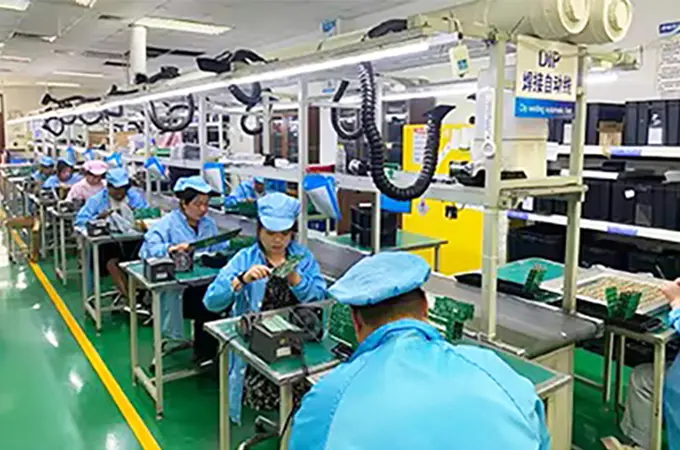
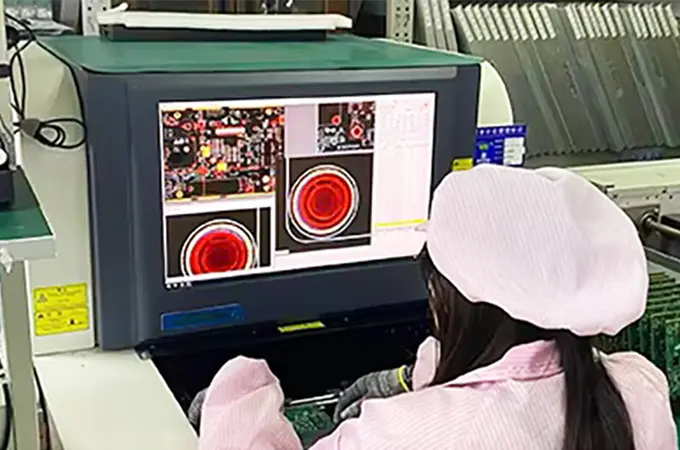
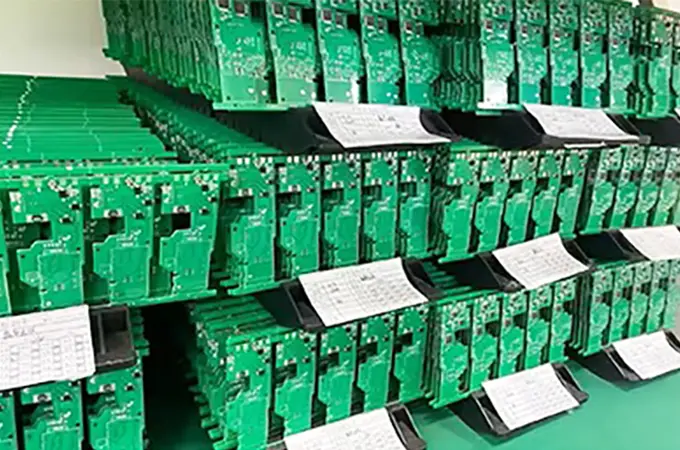
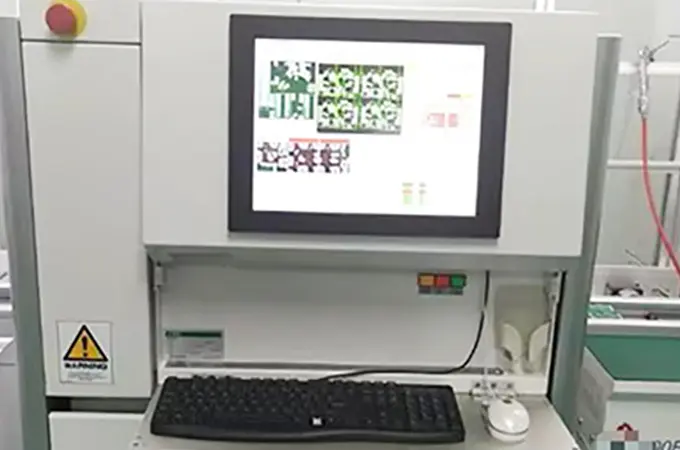
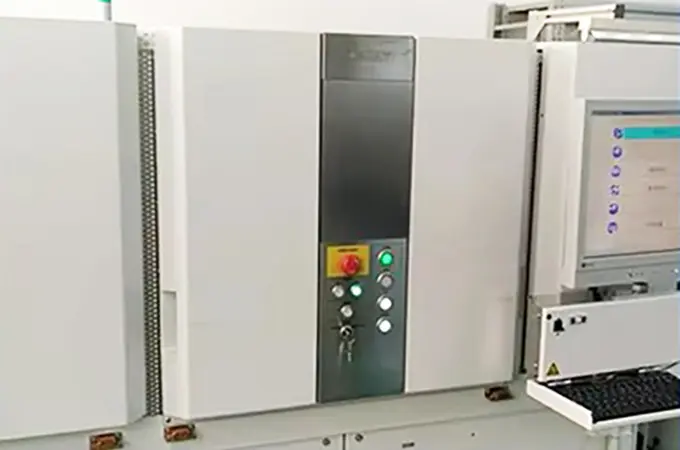
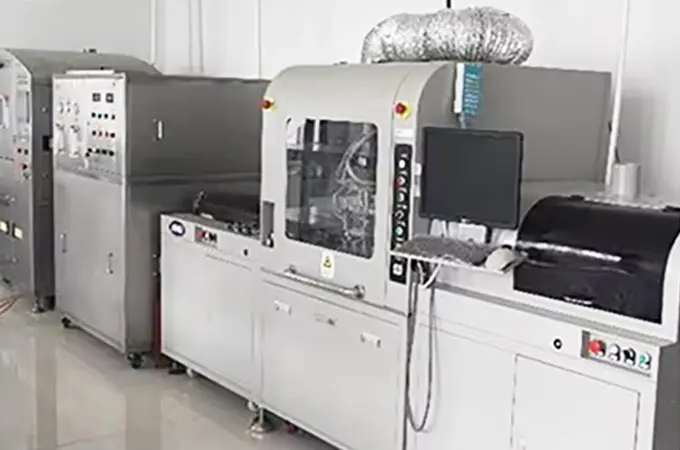
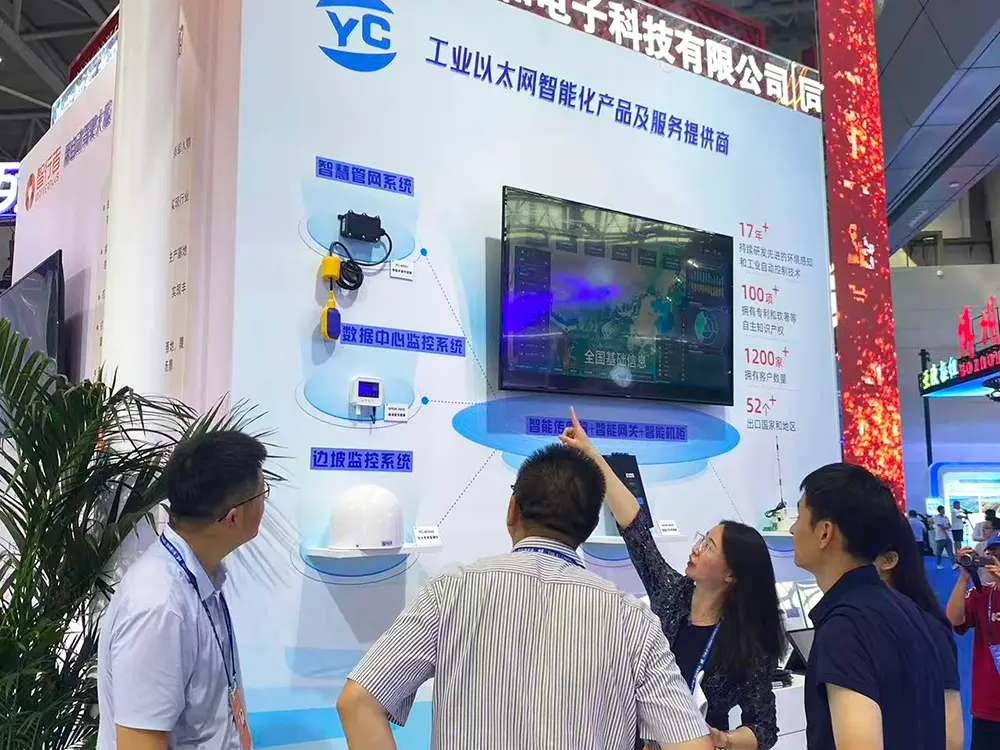
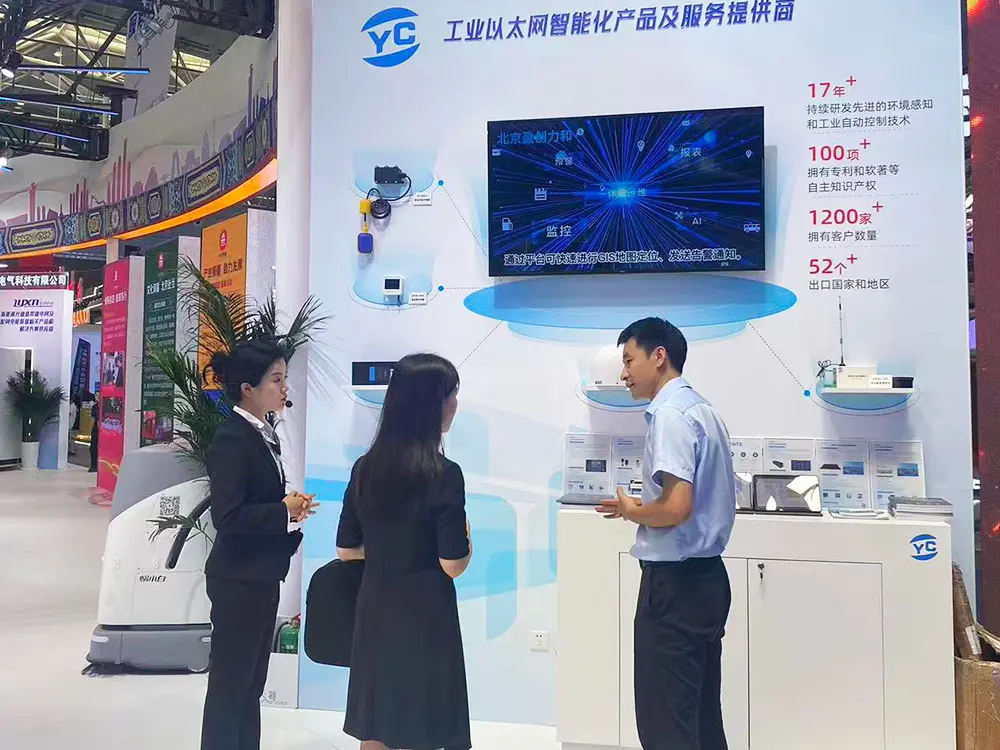
Purchasing gas detection hardware directly from a qualified Chinese manufacturer provides global buyers with a competitive edge, combining cost-effectiveness, production scale, and technical adaptability. Located in the technology hub of Beijing, Yingchuanglihe leverages China's industrial clusters. This integration minimizes material sourcing lead times and reduces the manufacturing cost of advanced gas monitoring systems without sacrificing performance.
A key component of our supply chain advantage is our ability to balance global component integration with highly efficient local assembly. We import critical sensing chips directly from industry leaders in Switzerland and Germany. These high-precision chips are then integrated onto our proprietary PCB architectures and calibrated within our state-of-the-art laboratory chambers. This combination of imported sensor chemistry and local production efficiency ensures that every unit matches the performance of premium Western brands at wholesale pricing.
Furthermore, our supply chain is designed for international logistics. We package and pre-configure all devices to simplify installation. From initial design modifications to automated final testing, our vertical integration supports custom requirements. Our technical support team coordinates directly with international procurement divisions to align deliveries with project milestones.
Modern industrial plants require gas detectors that integrate into existing digital networks rather than functioning as standalone alarm boxes. Today's facility engineers prioritize monitoring systems that connect with programmable logic controllers (PLCs), distributed control systems (DCS), supervisory control and data acquisition (SCADA) platforms, and building management systems (BMS). This requires digital output options, including Modbus RTU (over RS485), Modbus TCP (over Ethernet), and wireless IoT topologies like WiFi and LoRaWAN.
Yingchuanglihe's APEM series supports these integration requirements. By utilizing standard RJ45 Ethernet ports with Power over Ethernet (PoE) compliance, our monitors transmit real-time data and draw power over a single Cat5e or Cat6 cable. This design simplifies installation in ceiling cavities and utility runs. It eliminates the need for localized AC-DC power converters or dedicated electrical conduit runs, reducing installation labor costs by up to 50%.
Technical Note: Power over Ethernet (PoE) configurations enable centralized power backups. In the event of a facility-wide power failure, the core network switches run on Uninterruptible Power Supplies (UPS), ensuring continuous gas monitoring when safety risks are elevated.
In addition, our dual-mode wireless systems (WiFi + Wired Ethernet) provide redundant backup connectivity. If a physical network connection is interrupted, the device automatically falls back to local WiFi networks to prevent data loss. This level of system redundancy is critical for high-consequence industries such as pharmaceutical cleanrooms, medical device sterilization plants, and hazardous chemical warehouses.
Environmental and gas monitoring systems must adapt to the unique requirements of their operating environment. Different applications present distinct temperature, pressure, humidity, and chemical conditions that can impact sensor accuracy. Below are the key scenarios where our multi-parameter sensor technologies are deployed:

Precise temperature, relative humidity, and dew point monitoring prevent condensation and static electricity on server racks. Real-time logging avoids equipment failures and optimizes cooling efficiency.

Pharmaceutical processing and chemical laboratories require strict environmental parameters. Multi-gas (EtO, CO, O₃) and pressure sensors manage differential airflow to prevent cross-contamination.
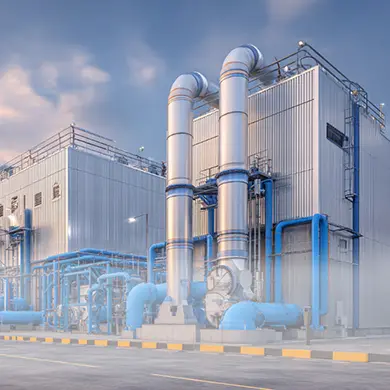
Detects leaks in chemical storage facilities handling toxic compounds like Ethylene Oxide. The monitoring systems interface with local alarms and ventilation controls to mitigate chemical hazards.
The gas detection industry is transitioning from reactive hardware to intelligent, proactive environmental nodes. Historically, detectors functioned as isolated units, alerting personnel only when gases reached dangerous concentrations. Today, the integration of IoT technology, cloud analytics, and machine learning models enables predictive safety systems. These systems identify micro-leaks before they become hazardous by analyzing trends in temperature, humidity, pressure, and gas concentration.
Another major trend is the development of multi-gas, multi-parameter sensor arrays. Rather than installing individual sensors for temperature, humidity, atmospheric pressure, and specific gases, industrial facilities choose single integrated units like the APEM-5930G series. These devices monitor multiple environmental parameters simultaneously, reducing system complexity, communication address requirements, and maintenance costs.
Additionally, the adoption of open protocols (such as MQTT, OPC UA, and BACnet IP) is replacing closed proprietary systems. This transition allows organizations to integrate sensor networks with third-party software, improving data visibility and compliance reporting. As industries prioritize sustainability and worker safety, continuous monitoring networks with digital logging will become the standard for modern facility management.
Electrochemical EtO sensors generally have an operational lifespan of 2 to 3 years under typical environmental conditions. Factors such as exposure to background gases, high temperatures, extreme humidity levels, or prolonged contact with high concentrations of EtO can accelerate sensor degradation. We recommend annual recalibrations to verify accuracy and detect sensor wear.
PoE technology combines power and data transmission into a single Ethernet cable (RJ45). This simplifies installation in complex locations, reduces wiring costs, and allows for centralized power management. If a power outage occurs, a central UPS backup on the Ethernet switch keeps the safety detectors operational.
Yes. Our environmental monitors support standard open communication protocols, including Modbus RTU (RS485), Modbus TCP (Ethernet), TCP/IP, and WiFi. This allows direct integration with most industrial PLC, DCS, SCADA, and building management systems without requiring proprietary software bridges.
Switzerland and Germany are leaders in micro-sensor fabrication. Their chips feature tight tolerances, advanced temperature compensation, and drift correction algorithms. Integrating these components into our sensors ensures reliable data, even in environments with fluctuating temperature and humidity.
Yes. Yingchuanglihe offers comprehensive OEM/ODM customization services. We can customize casing designs, branding, sensor integration (e.g., adding specific gas or pressure sensors), firmware protocols, and cable configurations to meet your project specifications.
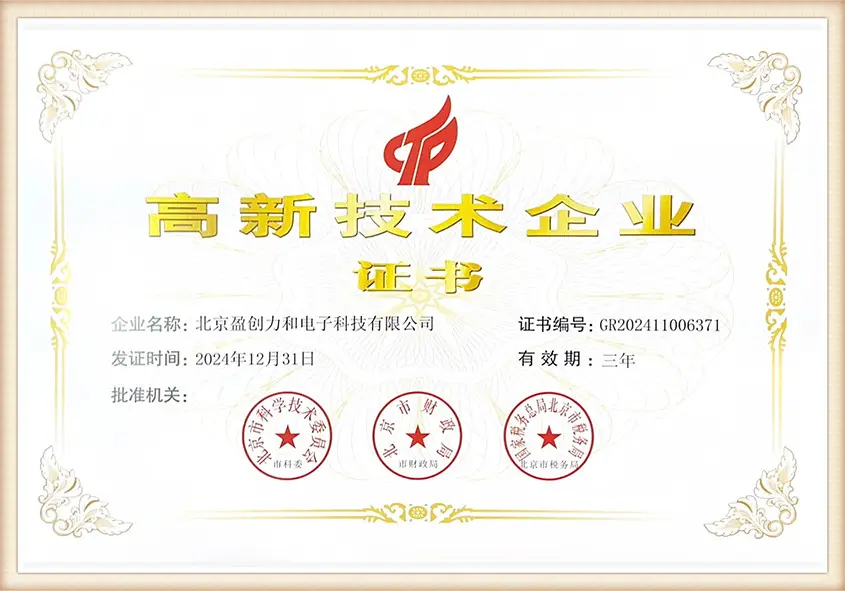
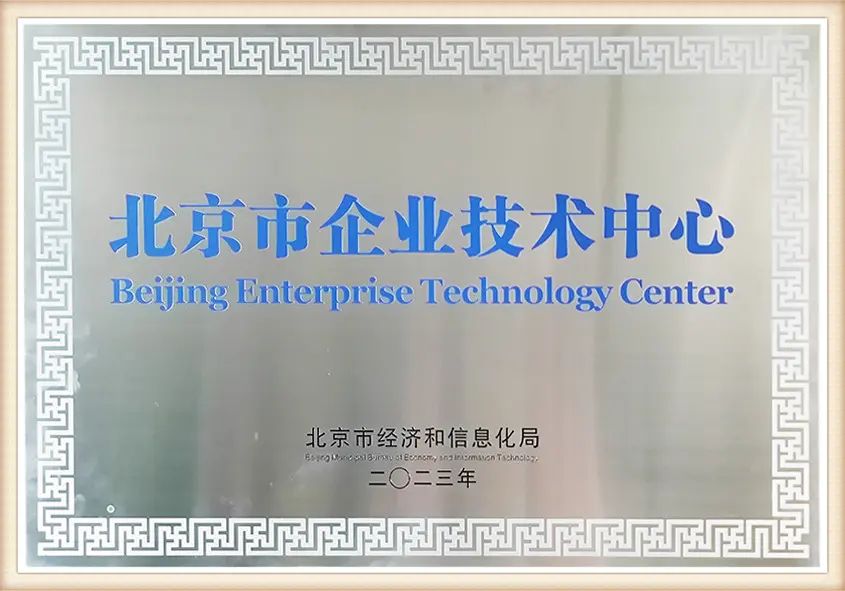
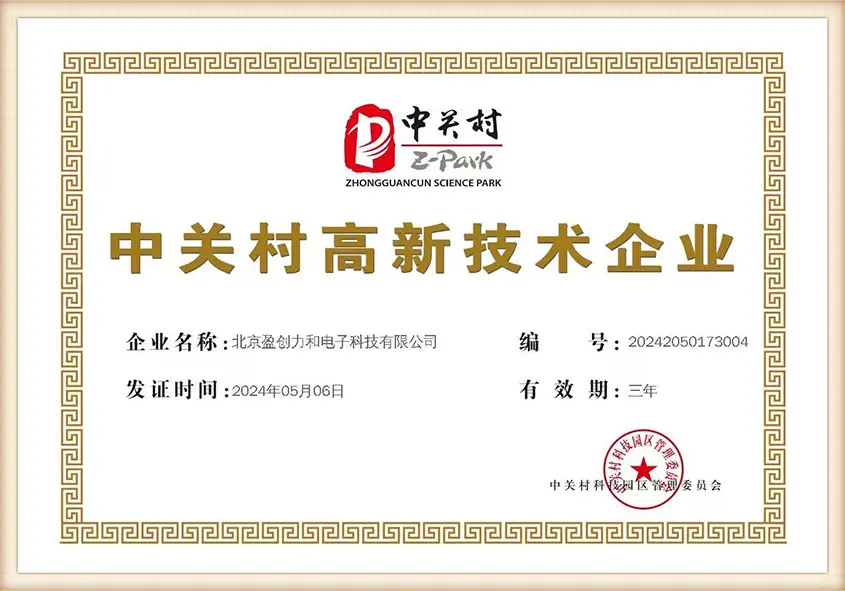
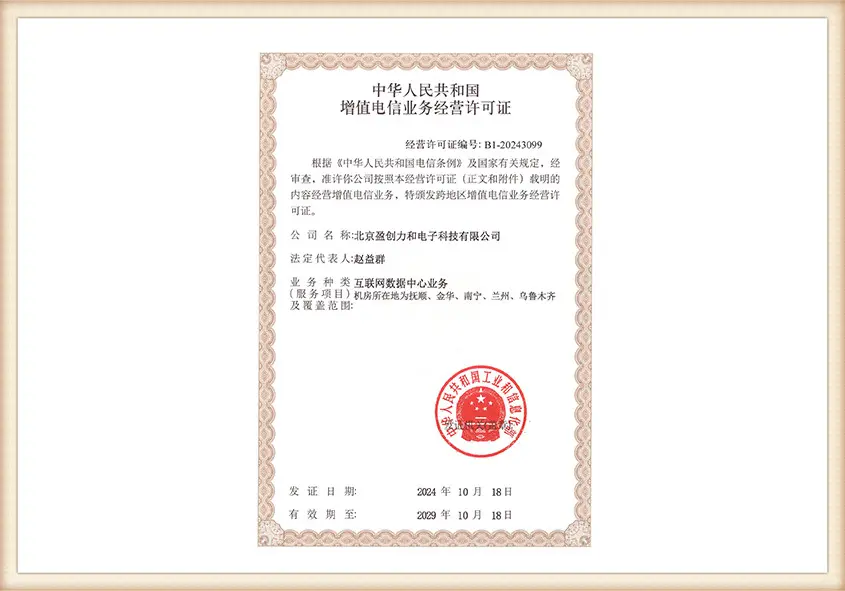
Our production processes and sensor designs are fully certified to international standards.
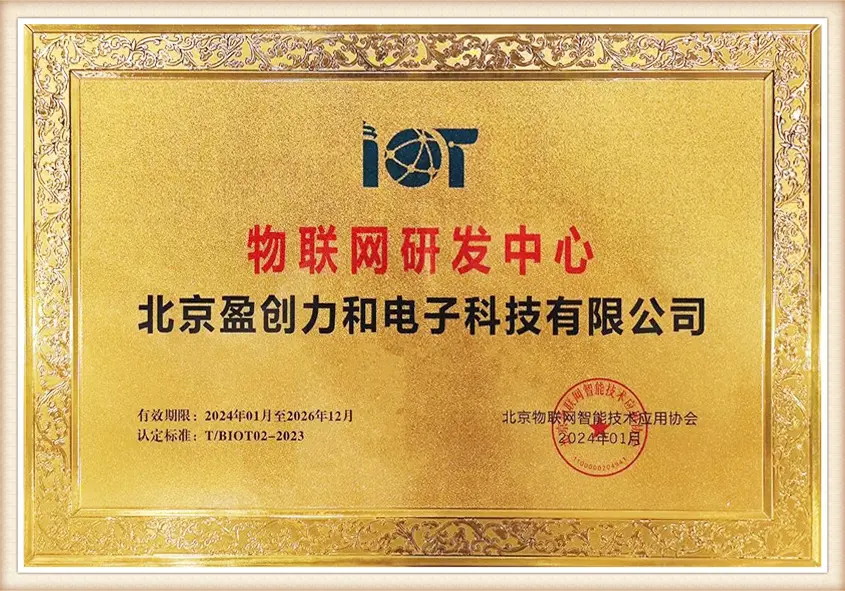
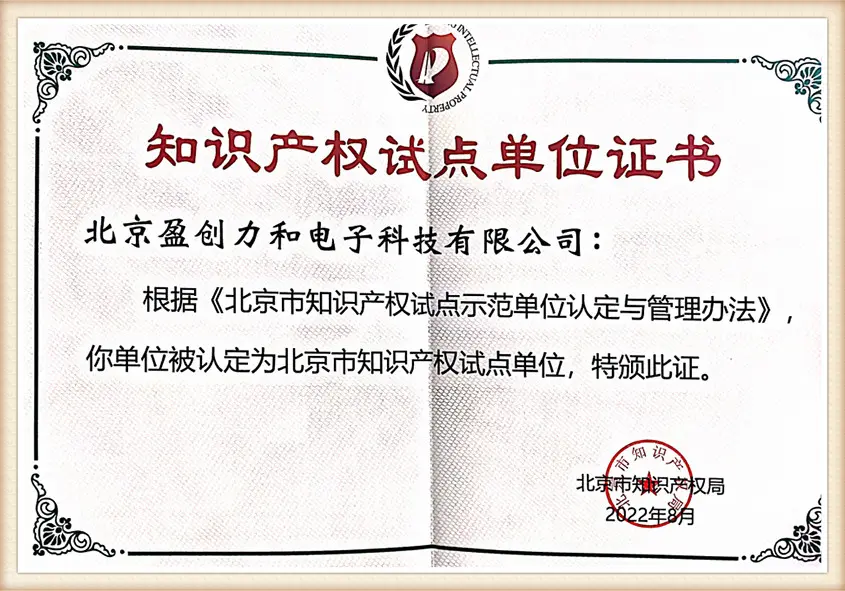
Expand your monitoring infrastructure with our highly integrated sensor catalog.
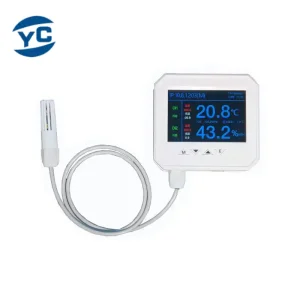
China Suppliers and Factory with Optional Probes Manufacturer, Factories
View Product Detail
Reliable and responsive multi-gas detection setup designed for tough industrial environments.
View Product Detail
China Suppliers & Factory Suppliers, Factory
View Product Detail
With Optional Probes - China Suppliers and Factory Direct Pricing Factory, Factories
View Product Detail
China Suppliers & Factory Solutions Manufacturer, Factory
View Product Detail
Reliable China Suppliers & Factory Solutions Manufacturers, Suppliers
View Product Detail
Fully certified and audit-ready hardware for cleanroom and pressure-differential configurations.
View Product Detail
China Suppliers & Factory for Temperature and Humidity Monitoring Supplier, Factory
View Product Detail YCLH Sensor