Explore our leading selection of enterprise-grade atmospheric, chemical, and environmental monitoring transceivers equipped with multi-protocol interfaces.
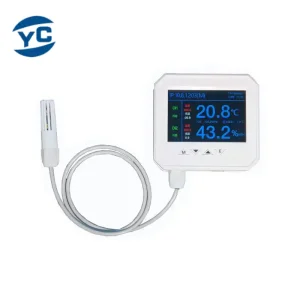
Industrial-grade temperature and humidity sensor supporting secondary remote probes via extension cabling. Perfect for cleanrooms and tight spaces.
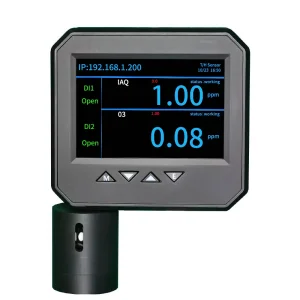
Simultaneous assessment of O₃, temperature, and relative humidity. Designed for real-time monitoring and occupant safety compliance.
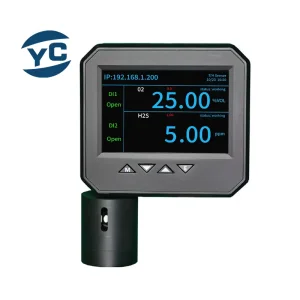
Highly sensitive gas detector built for occupational health and safety monitoring in petrochemical facilities, sewers, and deep wells.
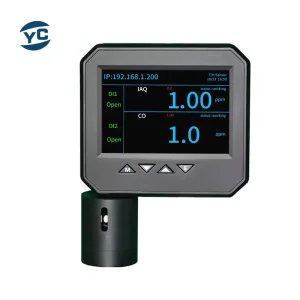
Integrated CO monitoring for warehouses, parking structures, and mechanical rooms. Ensures rapid response early warnings.
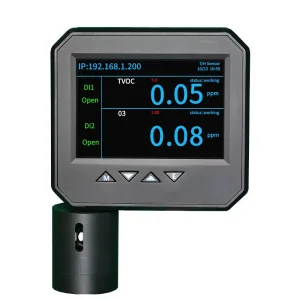
Designed for chemical storage, labs, and clean manufacturing centers needing active measurement of organic compounds and ozone.
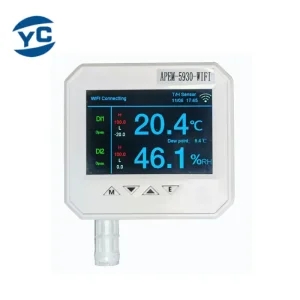
Flexible dual-path connectivity options with automated fallbacks to keep critical temperature and humidity logs uninterrupted.
Complies with rigorous European safety standards. Excellent long-term drift stability for data centers and healthcare environments.
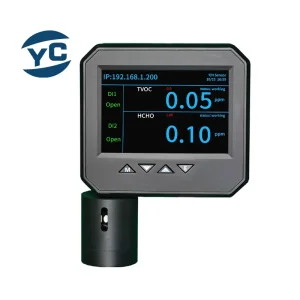
Active detection of harmful building outgassings. Ideal for smart buildings, green certifications, and workspace wellness metrics.
Despite the exponential rise of wireless networks, the RS-485 physical interface remains the undisputed backbone of industrial automation, building management systems (BMS), and remote data acquisition setups. Utilizing differential signaling, RS-485 provides exceptional noise immunity over distances reaching up to 1,200 meters (4,000 feet) and handles transmission speeds from 9600 bps up to 10 Mbps. By implementing the Modbus RTU protocol, operators can coordinate up to 247 slave devices over a single twisted-pair bus.
For system integrators, understanding the physical architecture is key to preventing communication breakdown. A single poorly wired device or a missing termination resistor can disrupt the entire communication loop, leading to intermittent CRC checksum errors or complete bus failure. This guide explains how to properly design, wire, and troubleshoot RS485 systems, ensuring your environmental arrays operate with zero latency and high precision.
The standard RS485 network relies on a half-duplex 2-wire scheme consisting of Data A (+), Data B (-), and a common Reference Ground (GND). While it is often marketed as a "simple two-wire network", omitting the common reference ground wire is one of the most frequent mistakes in field integration.
Differential transceivers determine logic levels by measuring the relative voltage differential between the A and B lines. The transceiver can tolerate a common-mode voltage range of -7V to +12V. If nodes are grounded at different locations with varying local earth potentials, the potential difference can exceed these safety margins, causing signal corruption or transceiver failure. A dedicated reference ground conductor (often a third wire or a drain wire inside the shield) is required to equalize ground potentials across all nodes.
Unlike standard electrical wiring, RS485 networks require a linear, point-to-point daisy-chain arrangement. The master node connects to Slave 1, which loops directly to Slave 2, and so on. Star, tree, or random loop topologies must be avoided. Branch lines, or "stubs," off the main backbone line cause signal reflections that corrupt transmission packets. If stubs are unavoidable, their maximum length must be restricted to less than 30 cm at common baud rates like 9600 bps.
Globally, industrial automation requires reliable, low-cost sensor integration. While Ethernet and PoE (Power over Ethernet) have established strong footprints in cleanrooms, server racks, and high-speed data acquisition loops, RS485 Modbus RTU continues to be the preferred choice for legacy system upgrades, long-distance outdoor installations, and remote field deployments.
In regions such as North America, Europe, and East Asia, smart factories are standardizing on hybrid structures. Here, a central Ethernet backbone interfaces with local RS485 daisy-chained segments via Modbus Gateways. This approach offers a balanced blend of speed, cost-effectiveness, and noise immunity, allowing enterprises to monitor sub-environmental conditions, pipe networks, and atmospheric pressures without excessive wiring costs.
As the Industrial Internet of Things (IIoT) matures, the sensor manufacturing industry is shifting towards smarter endpoints. Legacy RS485 transceivers are receiving updates to support auto-baud detection, self-diagnostics for line polarity inversion, and integrated fail-safe biasing. Furthermore, edge processing allows sensors to calculate dew points, detect VOC trends, and filter noise locally before transmitting data packages back to PLCs or cloud SCADA platforms.
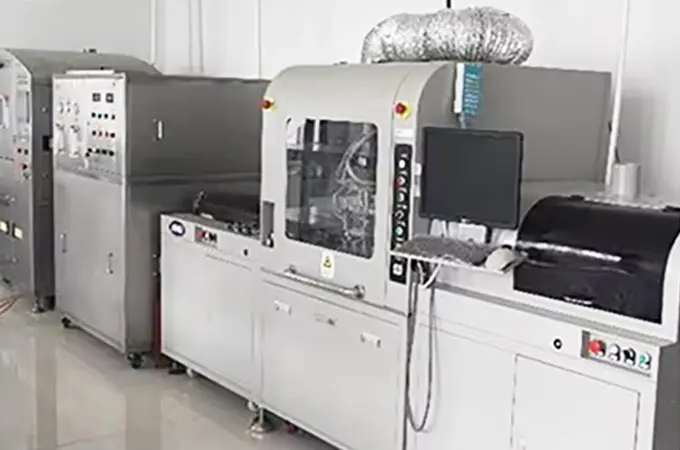
Founded in 2007, Beijing Yingchuanglihe Electronic Technology Co., Ltd. is a high-tech manufacturer specializing in environmental monitoring sensors and integration systems. Operating a modern, ISO-compliant production facility of more than 1,500 square meters in Beijing, we design and manufacture precise temperature, relative humidity, atmospheric pressure, and multi-parameter gas sensor arrays. Our team of over 100 dedicated engineers and technicians develops hardware solutions that help businesses secure their critical infrastructure globally.
Over 18 years of technical evolution, scaling from local environmental monitor modules to high-precision autonomous vehicle infrastructure and intelligent computing networks.
The company was founded and developed its initial intelligent environmental monitoring terminal based on the TCP/IP network protocol. The first generation of monitoring software was released.
Collaborated with Mocha Software to introduce SNMP-supported monitoring units. Later joined forces with Switzerland's COMLAB to implement protected Ethernet monitoring setups for China's high-speed rail lines.
Partnered with Founder Technology to launch early Power over Ethernet (PoE) devices. Collaborated with Foxconn to establish our environmental sensor lines as standards for modern electronic production workshops.
Partnered with Baidu to deploy the next-generation APEM-5900 terminal at Baidu's Yangquan Data Center. Expanded monitoring software capabilities horizontally to support multi-parameter smart data centers.
Launched integrated outdoor cabinet systems for Huawei and China Merchants Huaruan. Designed and engineered high-level autonomous driving road test boxes and edge computing gateways in Beijing.
Contributed to intelligent computing center structures. Formed strategic business divisions with Beijing Enterprises Water Group and Beijing University of Civil Engineering to develop smart pipeline networks and Beidou deformation monitoring systems.
We engage with global partners at major international electronics, automation, and industrial IoT exhibitions.
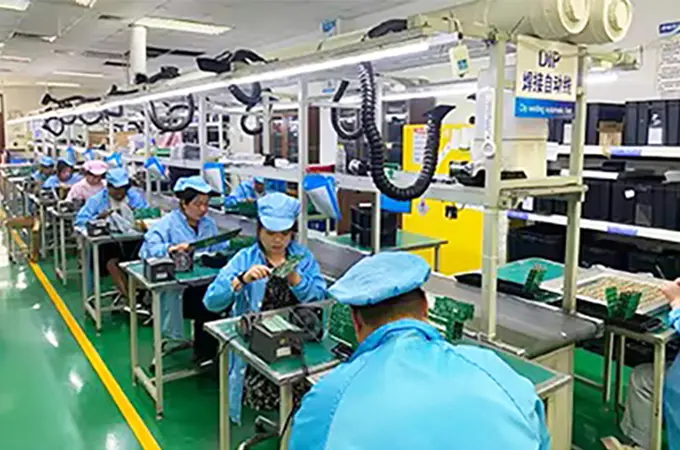
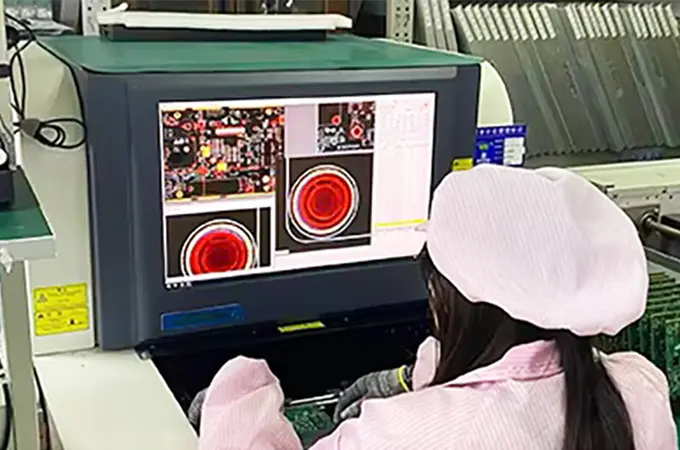
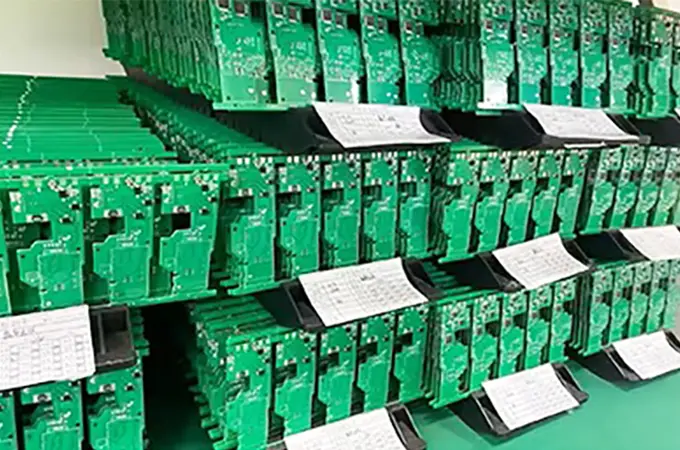
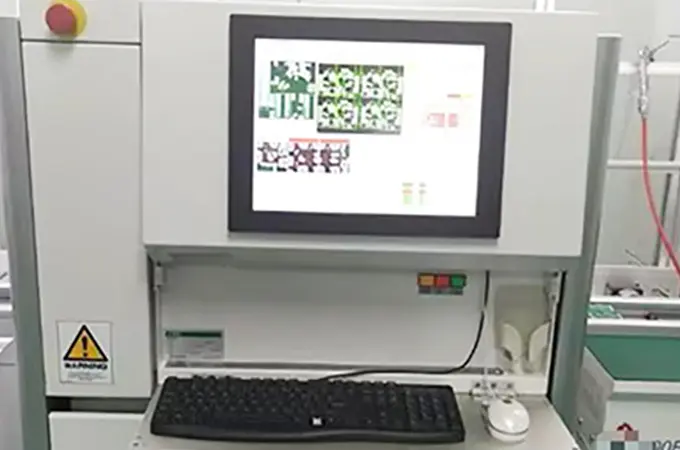
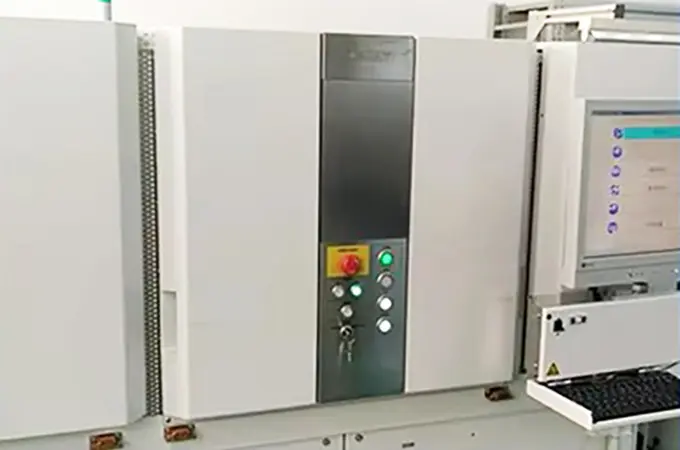
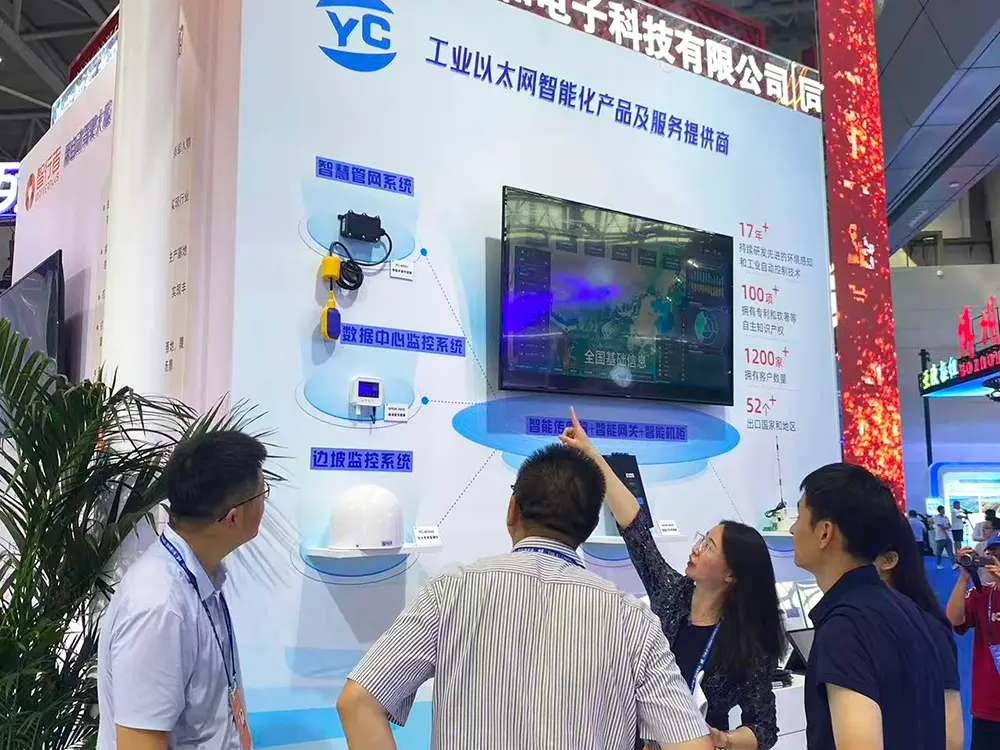
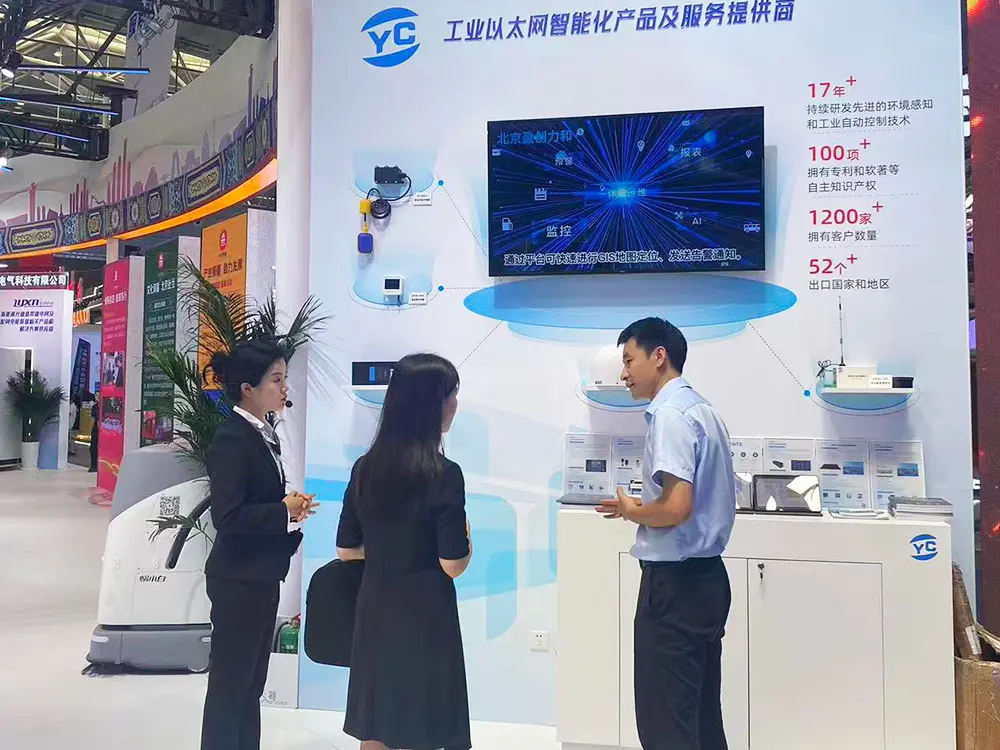
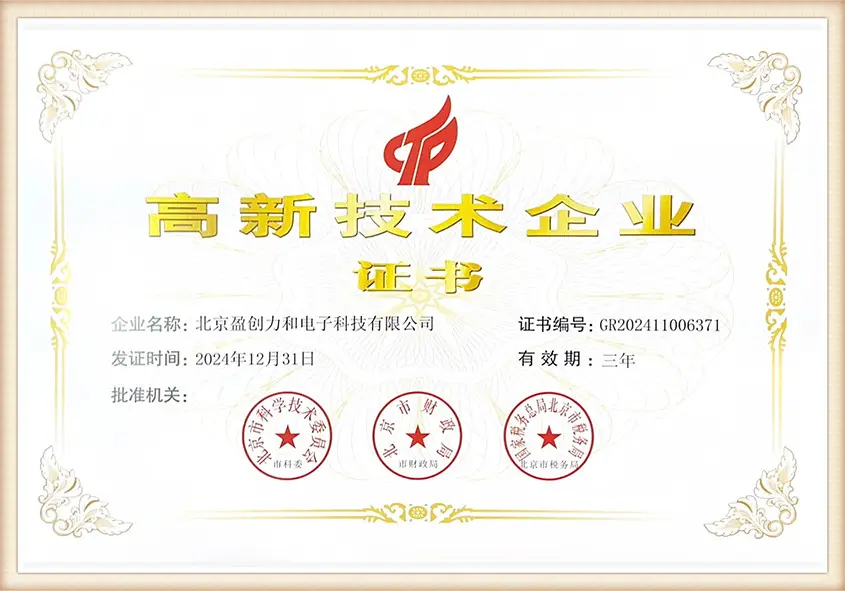
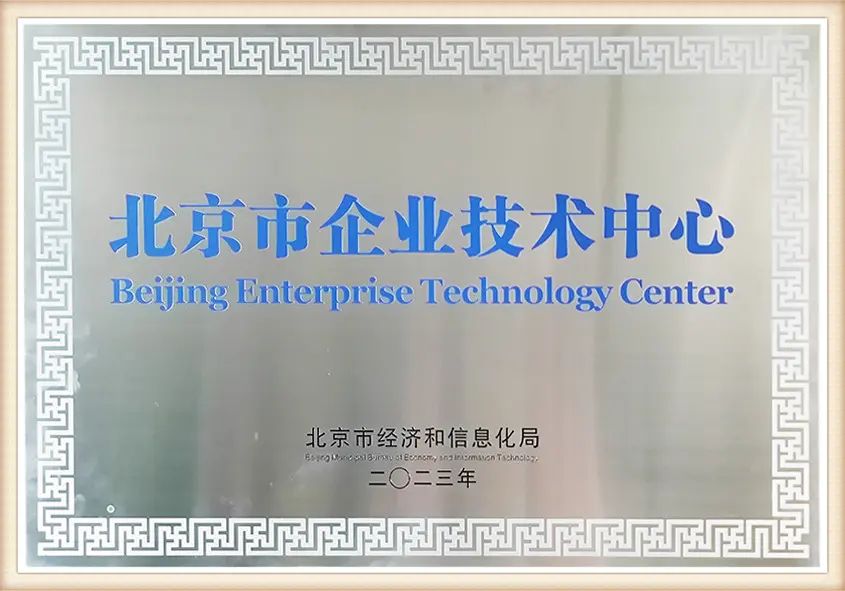
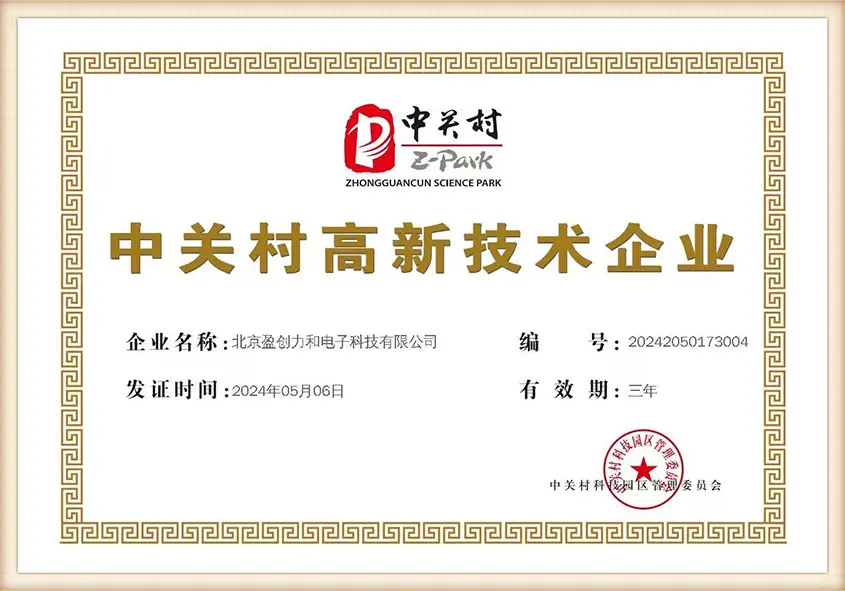
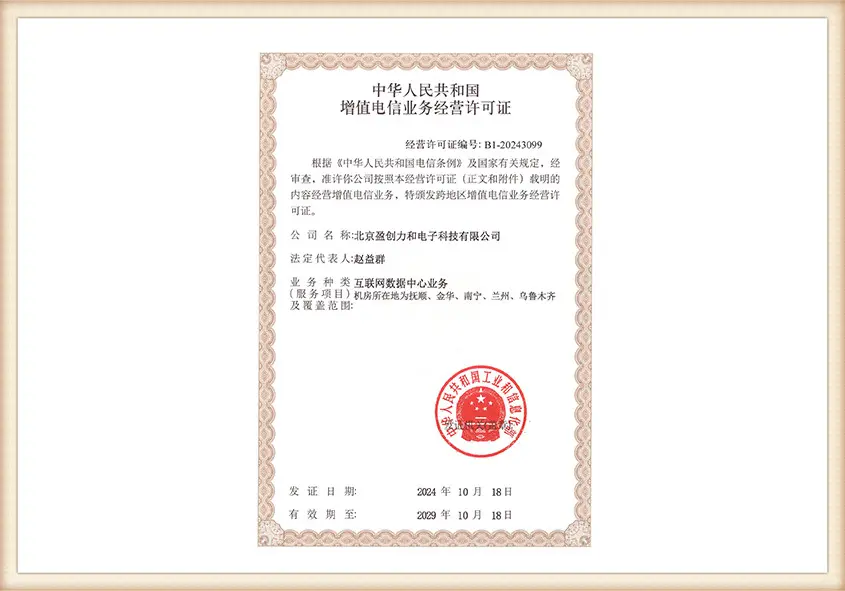
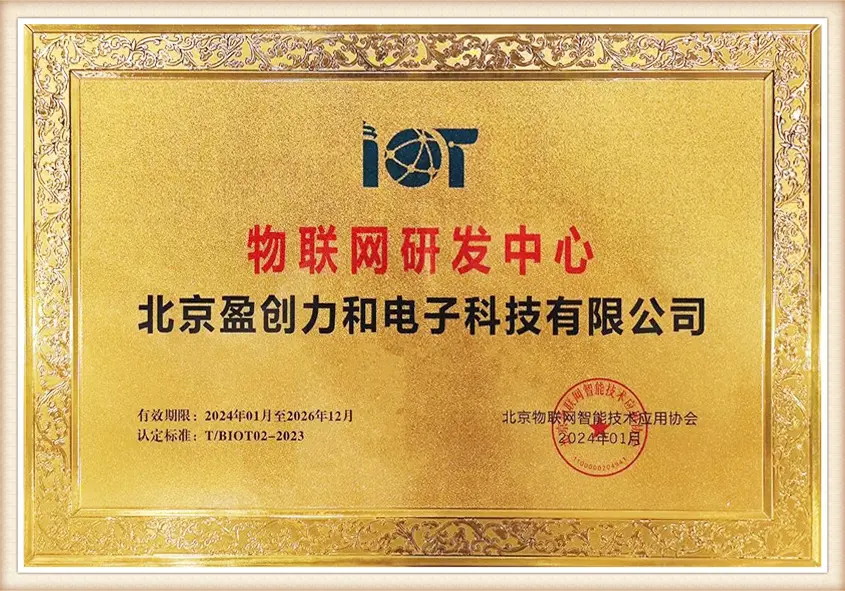
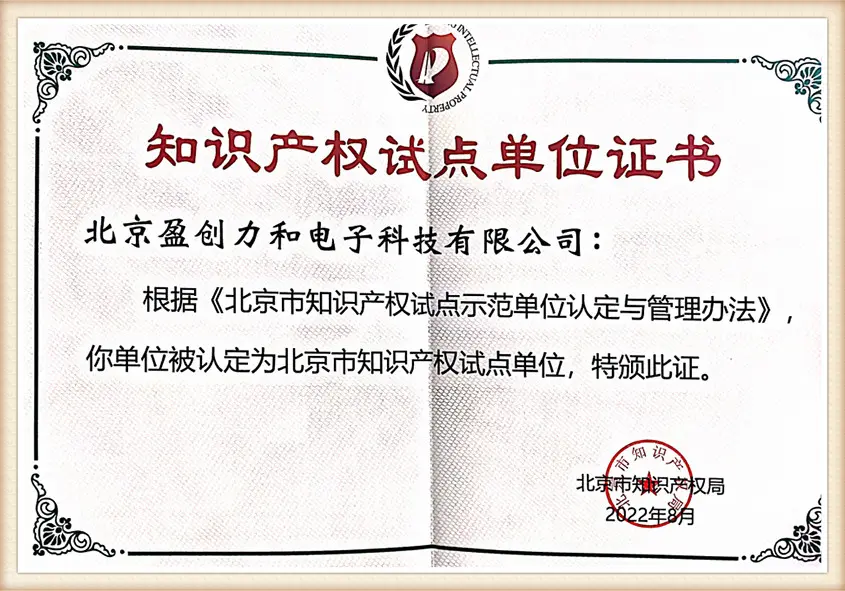
Our commitment to E-E-A-T and reliable manufacturing is backed by third-party testing, ISO compliance audits, CE certificates, and utility model patents.
Modern enterprises require integrated environmental data pipelines rather than isolated sensor readouts. Yingchuanglihe delivers end-to-end macro environmental monitoring frameworks specifically designed for modern industrial verticals:
Data centers generate significant heat and require strict control over relative humidity levels to prevent electrostatic discharge or condensation. Our multi-parameter Ethernet and RS485 sensor arrays link directly with data center management systems (DCIM) via Modbus TCP and SNMP protocols, providing real-time data to dynamic cooling systems. This helps reduce power usage effectiveness (PUE) while ensuring continuous operations.
Semiconductor manufacturing and pharmaceutical formulation require strict cleanroom controls. The APEM-5930P series monitors micro-differences in air pressure to prevent external air contaminants from entering clean workspaces. Our units utilize imported Swiss humidity chips, delivering 1.5% RH accuracy to meet strict regulatory standards.
Underground municipal infrastructure is prone to hazardous gas accumulation and water infiltration. Our robust, IP65-rated multi-gas sensor gateways monitor relative oxygen (O₂) depletion and trace hydrogen sulfide (H₂S) levels, ensuring safety before maintenance crews enter municipal systems. These units can be combined with LoRaWAN wireless bridges for areas where routing physical cables is impractical.
Technical answers to help engineers debug RS485 systems, optimize termination, and resolve ground loops.
Select our customized solutions to meet specific site requirements, featuring dual-mode networks, pressure monitoring, and wireless integration.
Reliable TVOC and Formaldehyde monitoring with integrated temperature and relative humidity sensors. Designed for cleanroom installations.
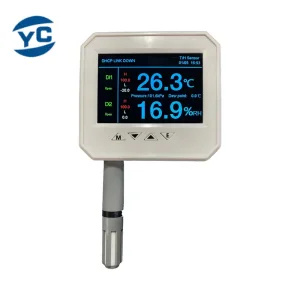
Monitors barometric pressure variations alongside relative humidity and temperature. Useful for cleanrooms and weather stations.
Monitors environmental gas safety in harsh environments. Features relays and RS485 pass-through interfaces.
High-reliability unit that calculates dew points locally. Excellent for compressed air lines and industrial drying facilities.
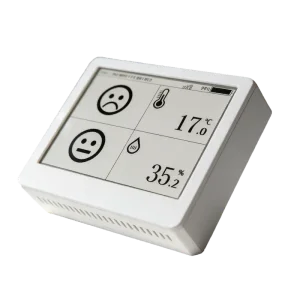
Long-range wireless environmental monitoring. Perfect for smart agriculture, historical archives, and remote warehouses.
Bulk configurations designed for large-scale utility, chemical plant, or water infrastructure monitoring systems.
Integrates temperature and relative humidity measurements into commercial building automation networks using local WiFi or Ethernet.
Combines temperature, humidity, CO, and indoor air quality metrics into a single device. Ideal for garages and offices.
 YCLH Sensor