Explore our leading Ethernet, WiFi, and long-range LoRaWAN monitoring modules engineered for robust real-time microclimate metrics and industrial process control.
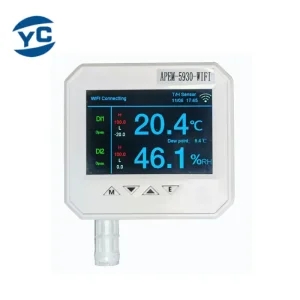
WiFi & Wired dual-mode environmental monitoring device designed as a robust China supplier and factory solution for industrial spaces.
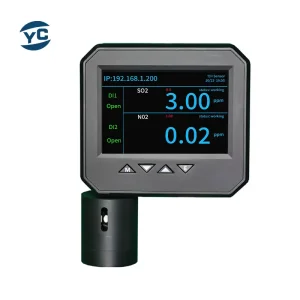
Comprehensive chemical-specific monitoring solution combining precision gas telemetry with temperature and humidity logging.
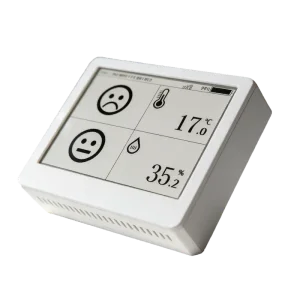
Reliable long-range sub-GHz transmitter featuring a high-contrast E-Ink display ideal for microclimate tracking in fields and facilities.
Intelligent, highly redundant network device ensuring dual-path WiFi and wired Ethernet connectivity for fail-safe data collection.
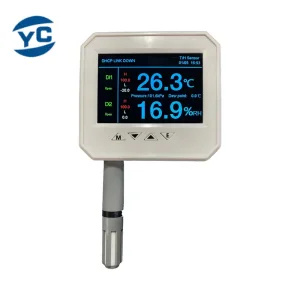
Integrated multi-parameter atmospheric pressure monitoring node with PoE options, ideal for cleanrooms, laboratories, and high-altitude fields.
Optimized cost-effective bulk telemetry modules for wide-area deployment across agricultural greenhouses and smart farms.
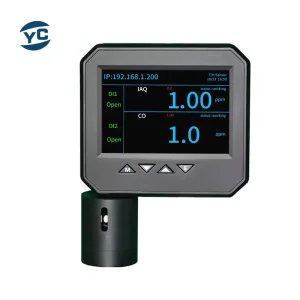
All-in-one indoor environmental quality monitor supporting precise CO detection, temperature profiling, and data logging capabilities.
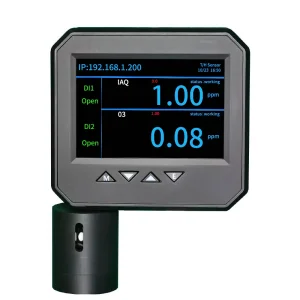
Certified high-performance industrial telemetry node capturing volatile organic gases, ozone levels, temperature, and humidity metrics.
An Industrial Guide to Deploying Low-Power Wide-Area Environmental Sensor Architectures in Harsh Microclimates
In modern agronomical operations, monitoring environmental variations at high spatial and temporal resolutions is no longer a luxury—it is a critical foundation for yield stability and resource optimization. Traditional communication architectures like Wi-Fi or cellular networks often fall short when deployed across vast agricultural fields due to propagation losses, high operational expenditures, and severe power requirements. Cellular systems present recurring SIM subscription costs and drain battery configurations within months, while Wi-Fi bands attenuate rapidly through dense crop canopies and are limited by short transmission ranges.
This is where LoRaWAN (Low Power Wide Area Network) excels. Operating on license-free sub-gigahertz frequency bands (such as EU868, US915, and AS923), LoRaWAN balances communication distance with power consumption. By implementing CSS (Chirp Spread Spectrum) modulation, a single gateway can receive telemetry signals from sensors positioned up to 15 kilometers away in clear line-of-sight environments, or 2 to 5 kilometers in heavy foliage conditions. The technology achieves a remarkable link budget of up to 148 dB, enabling signals to penetrate dense crops, topsoil, and even subterranean equipment pits.
Standard off-the-shelf sensors rarely survive the demanding environments of commercial farms, commercial greenhouses, or industrial storage zones. Agricultural sensors are exposed to extreme diurnal temperature swings, intense UV exposure, humidity saturation, and corrosive chemicals like fertilizers (nitrogen, phosphorus, potassium complexes) and pesticides. As a specialized OEM/ODM manufacturer, Beijing Yingchuanglihe Electronic Technology Co., Ltd. builds customized hardware designed to withstand these specific chemical and physical stressors.
Our ODM development pipeline covers all major hardware layers:
Empowering industrial-grade environmental monitoring since 2007 through precision, scale, and reliable design.
Beijing Yingchuanglihe Electronic Technology Co., Ltd. is a leading high-tech manufacturer specializing in environmental monitoring sensors. Since our foundation in 2007, we have developed a broad portfolio of temperature, humidity, atmospheric pressure, and multi-parameter air quality sensors. Headquartered in Beijing, China, our advanced 1,500-square-meter facility supports high-precision production lines, automated calibration systems, and robust quality control operations. This infrastructure enables us to provide high-quality data collection devices to industrial, agricultural, and commercial sectors globally.
Nearly 20 years of experience designing embedded platforms, network telemetry boards, and custom hardware. We specialize in building reliable OEM/ODM solutions tailored to your application's unique needs.
We source high-accuracy chips from top Swiss and German suppliers, guaranteeing long-term sensor stability, minimal measurement drift, and high data reliability in the field.
Our entire manufacturing line follows rigorous standard operating procedures. Our products carry CE, FCC, and RoHS certifications, meeting international entry and compliance guidelines.
A journey of continuous innovation, strategic partnerships, and technological breakthroughs over two decades.
Company founded. Developed an intelligent environmental monitoring terminal based on the TCP/IP network protocol and released the first-generation monitoring software.
Collaborated with Mocha Software to launch the TH-5939 series of environmental monitoring products supporting the SNMP protocol.
Partnered with COMLAB (Switzerland) to launch the TH-5869 protective environmental monitoring device, successfully deployed along major Chinese high-speed railway projects.
Collaborated with Founder Technology to launch the APEM-6100, one of the earliest environmental monitoring devices featuring Power over Ethernet (PoE) technology.
Collaborated with Foxconn, establishing Yingchuanglihe's products as a standard solution for cleanrooms and high-precision production workshops.
Partnered with Baidu to design and launch the APEM-5900 intelligent environmental monitoring terminal, successfully deployed in Baidu's Yangquan Data Center.
Introduced our multi-scenario smart solutions system, expanding our hardware footprint across smart data centers and modern warehouses.
Launched integrated outdoor cabinet monitoring solutions, widely implemented in highway management and telecommunications infrastructure.
Participated in Beijing's autonomous driving road-test program, supplying custom environmental sensor integration boards for edge computing road units.
Supplied environmental telemetry platforms to support critical microclimate controls inside several smart computing centers.
Formed joint divisions with Beijing Enterprises Water Group and Beijing University of Civil Engineering and Architecture. Achieved IDC qualification status.
Analyzing Chinese manufacturing benefits and global localization integration patterns for large scale enterprise telemetry systems
The concentration of electronics manufacturing in China creates major advantages for global IoT buyers, including lower component costs, faster prototyping, and flexible production scaling. From raw material sourcing to precise surface mount technology (SMT) operations and automated calibration equipment, all production stages benefit from localized supply chains. At Yingchuanglihe, our factory leverage these local advantages: we access specialized chip markets, custom plastic molds, and metal stamping suppliers in days rather than weeks.
Our location in Beijing allows us to combine regional high-tech research and development talent with efficient manufacturing ecosystems. With 5 automated production lines and specialized environmental test chambers, our factory maintains rapid turnarounds from initial Gerber file reviews and firmware compilations to final packaging. For global companies, this means we can quickly develop custom LoRaWAN sensor prototypes, adjust antenna designs, test battery lifespans, and ramp up to high-volume production with consistent quality and competitive pricing.
Deploying LoRaWAN hardware globally requires strict adherence to localized radio regulatory requirements. Different regions utilize different parts of the sub-GHz spectrum to prevent interference with public communication lines. Yingchuanglihe manufactures its telemetry modules to align with regional radio frequency profiles, ensuring compliant operations out of the box:
| Region | Standard Frequency Band | Regulatory Authority | Typical Channel Allocation & Parameters |
|---|---|---|---|
| North America | US915 - US928 MHz | FCC (Federal Communications Commission) | 64 channels, 125 kHz bandwidth, uplink power up to +30 dBm. High-power output required to penetrate structures. |
| Europe | EU863 - EU870 MHz | CE / ETSI (European Telecom Standards Institute) | Duty cycle limits (typically 1% or 0.1%), maximum output power restricted to +14 dBm (25 mW). |
| Asia Pacific | AS923 MHz | TELEC, IMDA, etc. | Varies by territory (e.g. Japan, Singapore). Dynamic dwell-time restrictions and strict power output limits apply. |
| Australia / South America | AU915 - AU928 MHz | ACMA / ANATEL | Uses sub-band divisions aligned with regional cellular interference maps. Includes specific channel masking. |
Additionally, all electrical designs conform to RoHS (Restriction of Hazardous Substances), ensuring no lead, cadmium, or mercury contaminants are introduced into agricultural soils or food-processing facilities. Our CE and FCC-certified products simplify local customs clearance and licensing processes, reducing time-to-market for international system integrators.
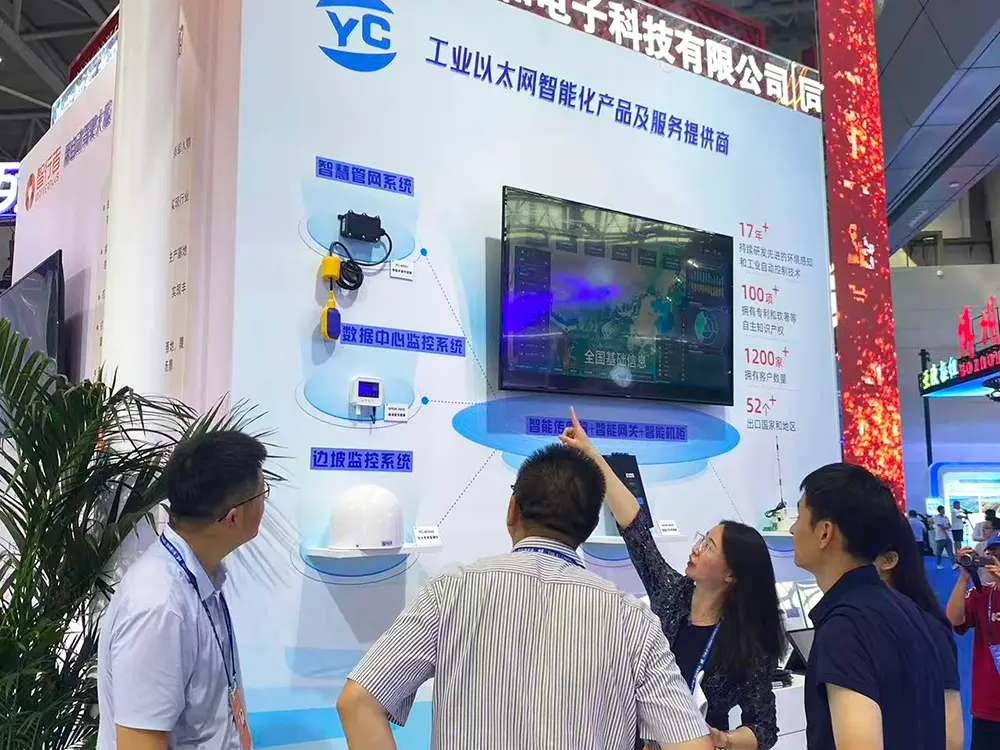
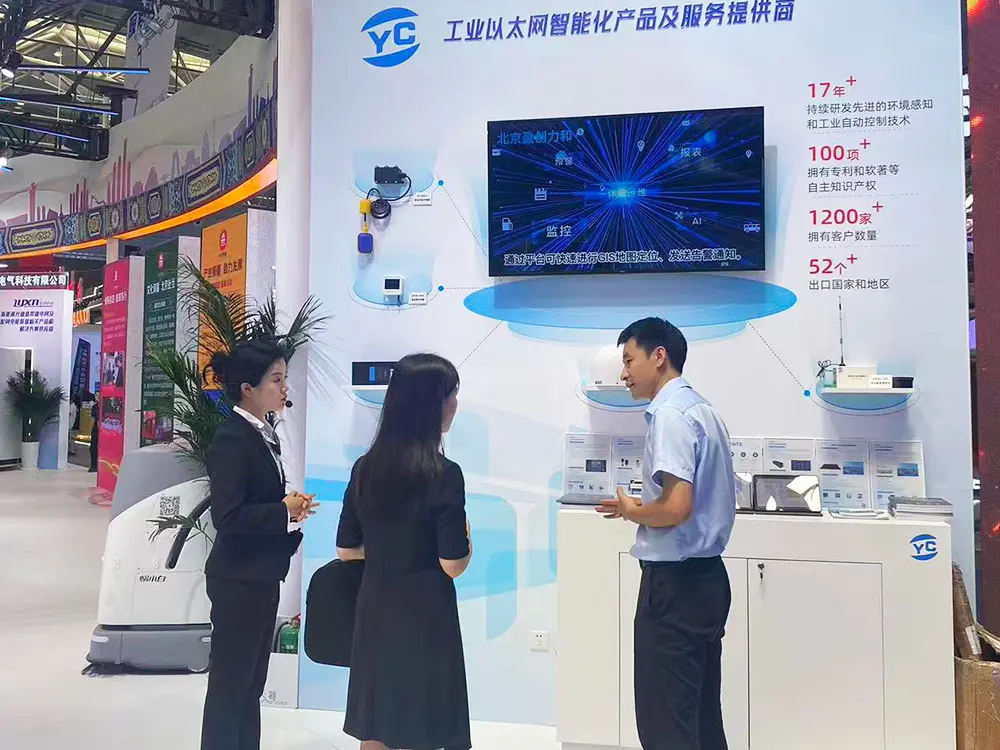
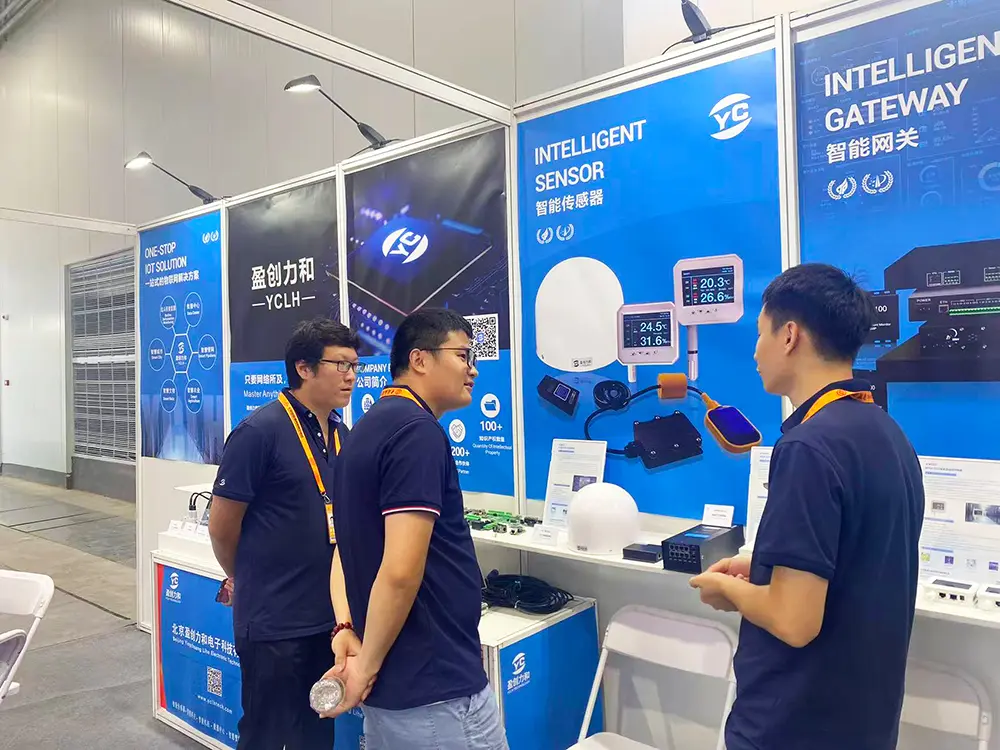
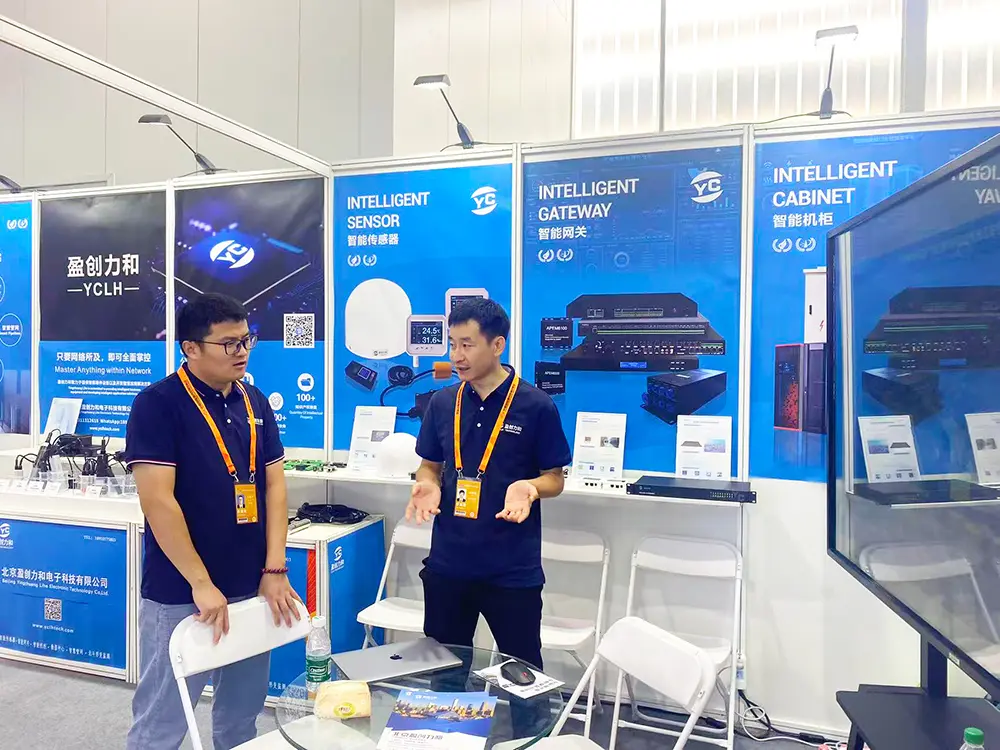
Behind the scenes at our advanced manufacturing facilities, international technology exhibitions, and certified testing labs.
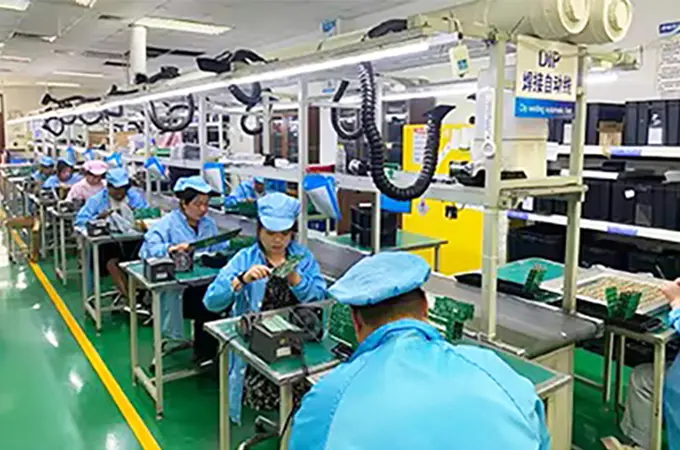
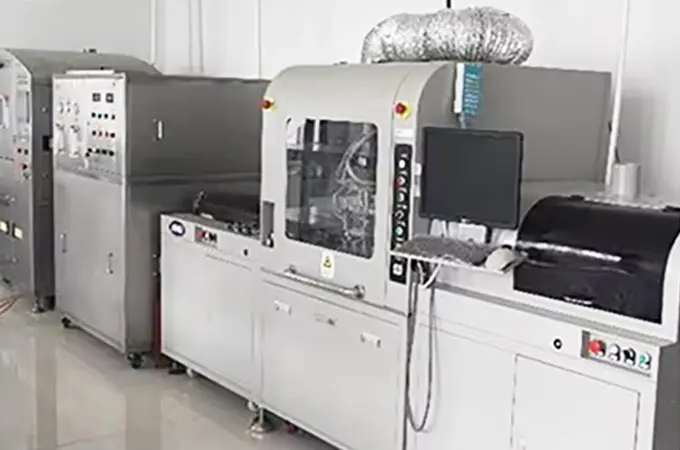
Advanced Calibration Laboratory
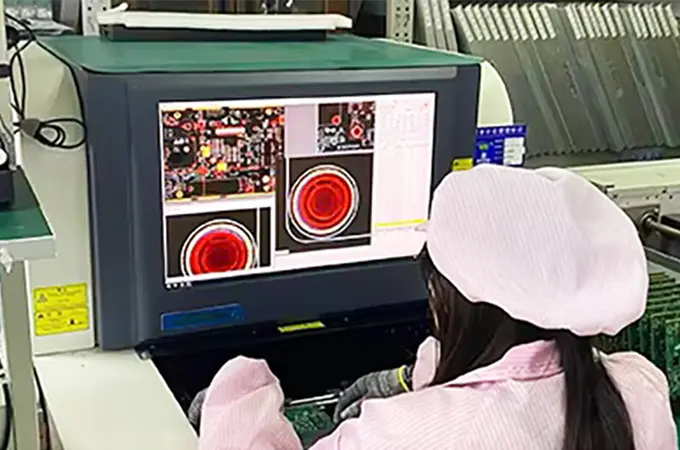
High Precision SMT Production
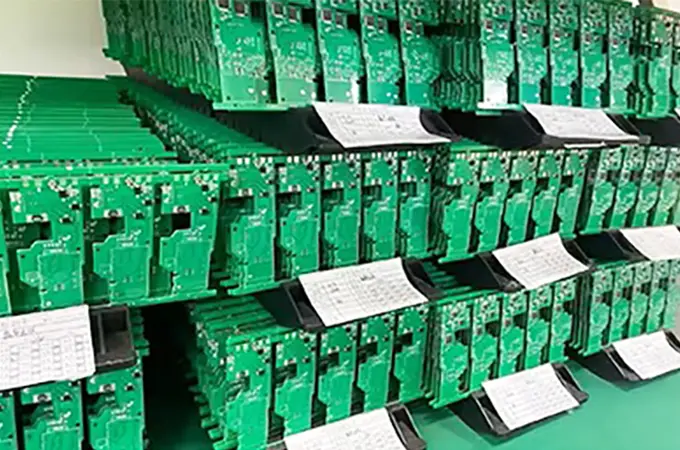
Automated Assembly Lines
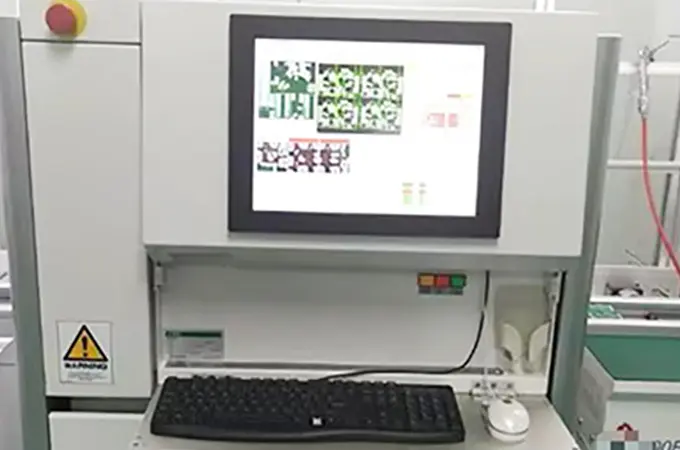
Quality Control Testing Zone
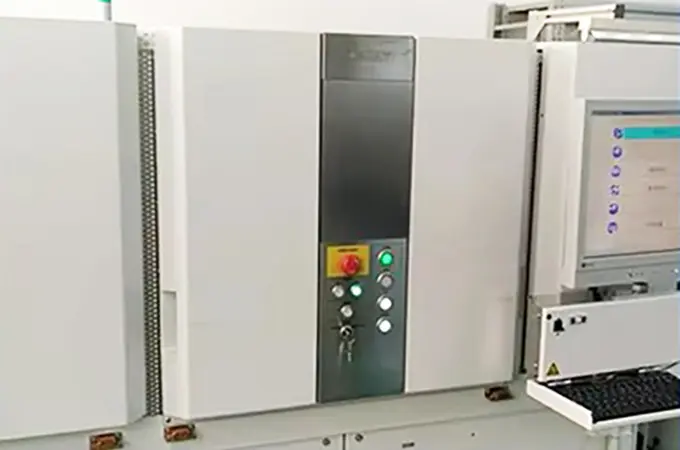
Final Product Packing Area
Logistics & Global Dispatch
Evaluating real-world telemetry applications and next-generation advancements in LPWAN sensor engineering
Our sensor systems support critical environmental monitoring needs across diverse industries and applications:
The IoT sensor market is evolving from basic data transmission to local processing and edge intelligence. Modern sensors are increasingly designed to process raw data at the hardware level, filtering noise and verifying readings before transmitting them over the network. This approach reduces payload sizes and conserves valuable network bandwidth.
In addition, smart agricultural systems are integrating AI models to move from simple thresholds to predictive diagnostics. Instead of triggering alerts only when temperature limits are breached, edge-capable devices analyze trends in humidity, air pressure, and ambient light. This allows systems to forecast issues like frost, heat stress, or favorable conditions for crop diseases before they impact yields, helping farmers take preventive action.
Our commitment to rigorous quality control, verified certifications, and active engagement with international industry partners.
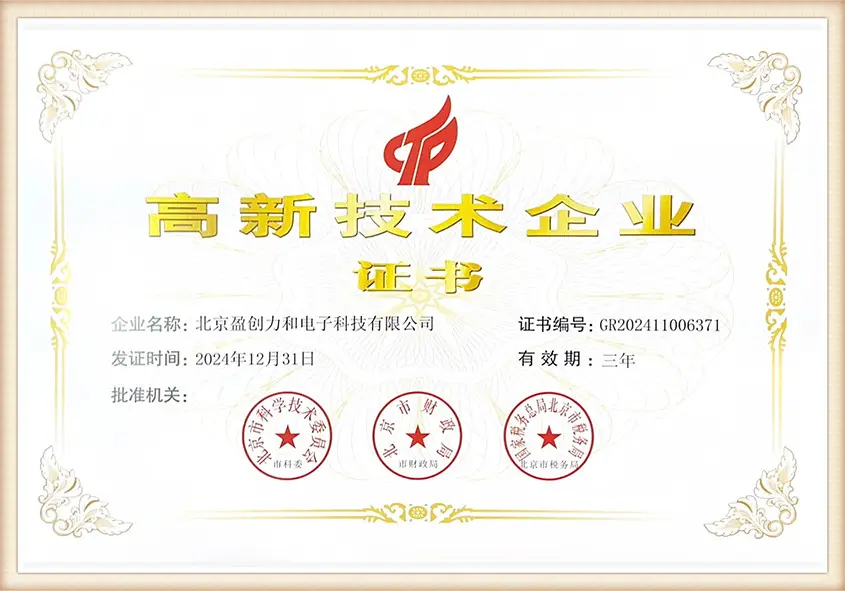
ISO9001 Quality System
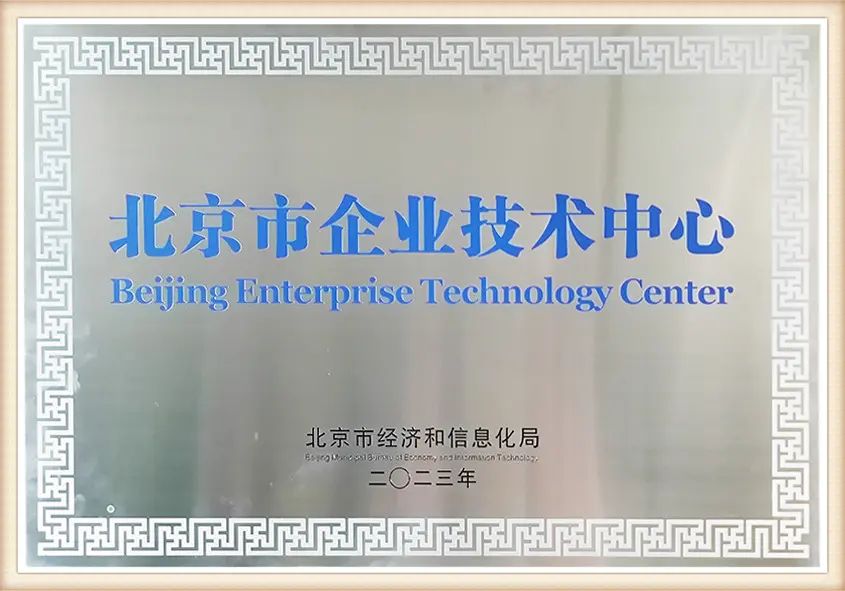
CE Compliance Certificate
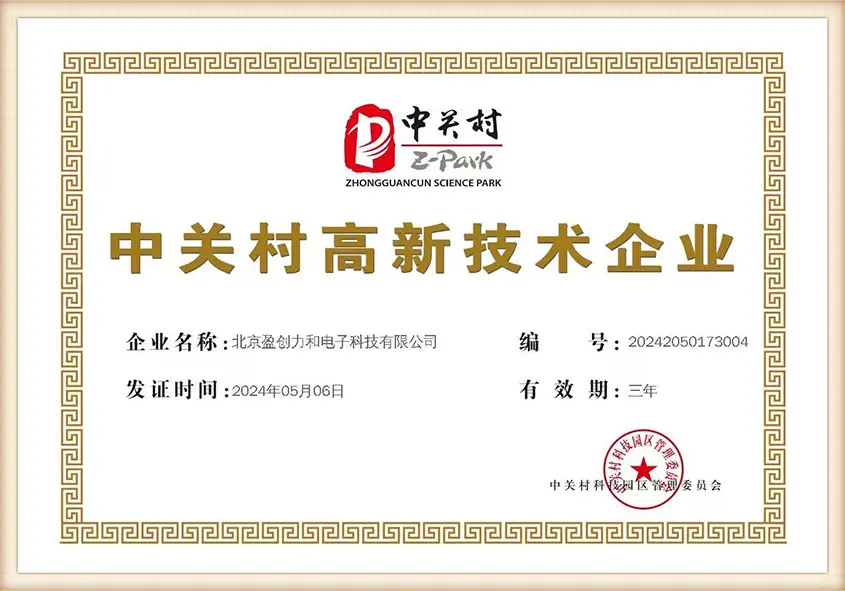
FCC Telemetry Standard
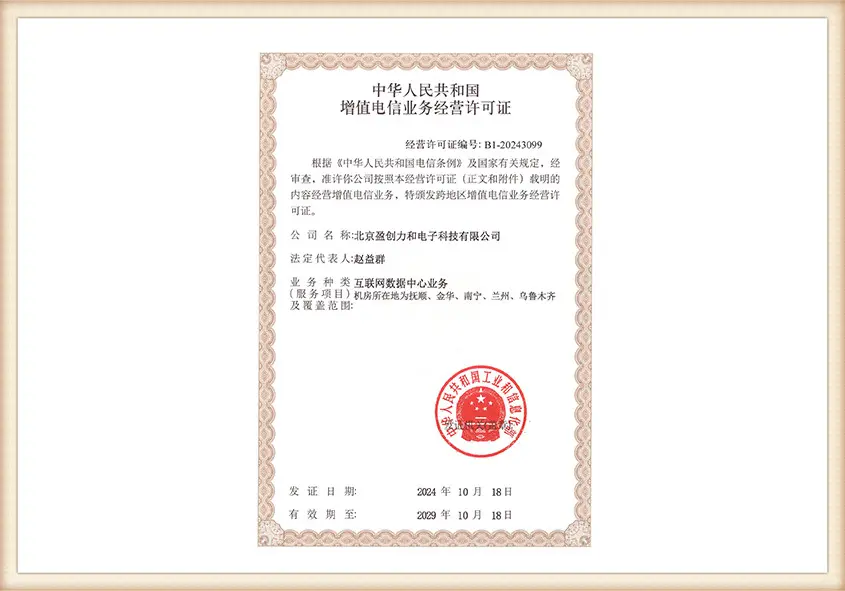
RoHS Environmental Certification
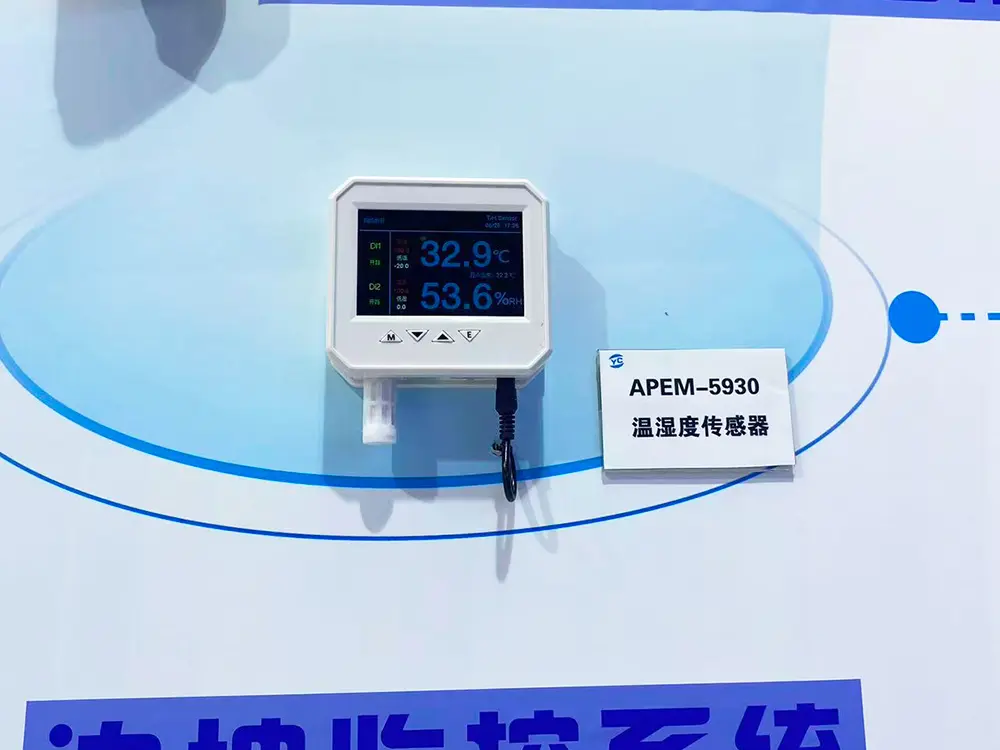
Understanding sensor specifications, communication protocols, and OEM procurement options
Our standard LoRaWAN agricultural sensors utilize low-power design architectures. Depending on the configured transmission interval (e.g., transmitting environmental data once every 30 minutes) and local network quality (Spreading Factor SF7 vs SF12), our devices typically operate on a single 3.6V Li-SOCl2 battery for 5 to 10 years. Low power consumption is achieved by putting the RF transmitter and sensor ICs into deep-sleep modes, drawing less than 5uA of current when not transmitting.
Yes. Our LoRaWAN sensors follow standard LoRaWAN Alliance specifications (supporting Class A and Class C protocols). They can connect with any compliant LNS, including ChirpStack, Helium, The Things Network (TTN), Senet, and AWS IoT Core. We provide comprehensive payload decoders (Javascript/Python based) for clean parsing of temperature, humidity, atmospheric pressure, and battery status metrics.
We provide full customization flexibility. This includes frequency band adjustments (US915, EU868, AS923, AU915), specific enclosure branding, custom probe cabling lengths (from 1m to 10m), battery type variations, and integration of extra sensors (such as soil NPK, EC, pH, leaf wetness, or dissolved oxygen). We also support custom firmware features, including specialized local threshold alarms and customized Modbus register layouts.
We source high-performance, factory-calibrated transducer elements from premium European suppliers. Our facility calibrates every finished sensor using specialized environmental chambers, ensuring performance traceabilities. The sensors are built to withstand high relative humidity and dust levels, maintaining stability and reducing the need for frequent recalibration.
For standard product configurations with custom labeling or packaging, the MOQ starts at 50 units. For fully customized hardware modifications (such as custom PCB designs or enclosure molds), MOQ requirements depend on design complexity and component sourcing needs. Please contact our engineering sales team with your specifications for a detailed quote.
Explore our highly integrated Modbus, Ethernet, and Lora environmental datalogging modules engineered for precision monitoring.
High-performance temperature & humidity telemetry module with integrated carbon monoxide detection from reliable China suppliers.
Designed for laboratories, cleanrooms, and warehouses requiring precise atmospheric pressure, temperature, and humidity tracking.
High-reliability wired Ethernet environmental monitor providing real-time data integration for SCADA and building automation systems.
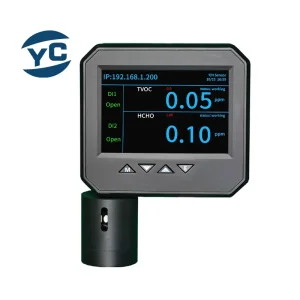
All-in-one indoor air quality data logger tracking volatile organic compounds, formaldehyde, temperature, and relative humidity.
Industrial-grade wall-mount telemetry node designed for reliable temperature, humidity, and carbon monoxide monitoring.
Precision environmental tracking device built to log and report organic chemical concentrations and microclimate data over Ethernet.
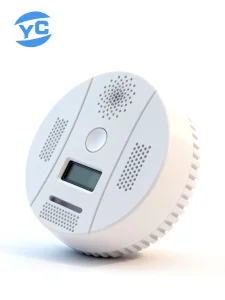
High-performance indoor environmental monitoring sensor featuring long-range wireless telemetry and low-power operations.
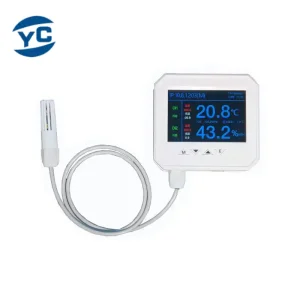
Flexible telemetry node supporting external measurement probes, designed for soil, water, and deep-chamber microclimate tracking.
 YCLH Sensor