Explore our core industrial Ethernet and long-range environmental telemetry products.
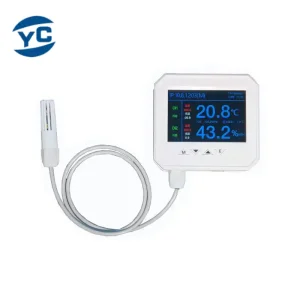
Advanced monitoring solutions manufacturer and supplier for smart environments, featuring modular extensions.
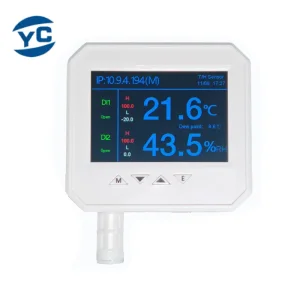
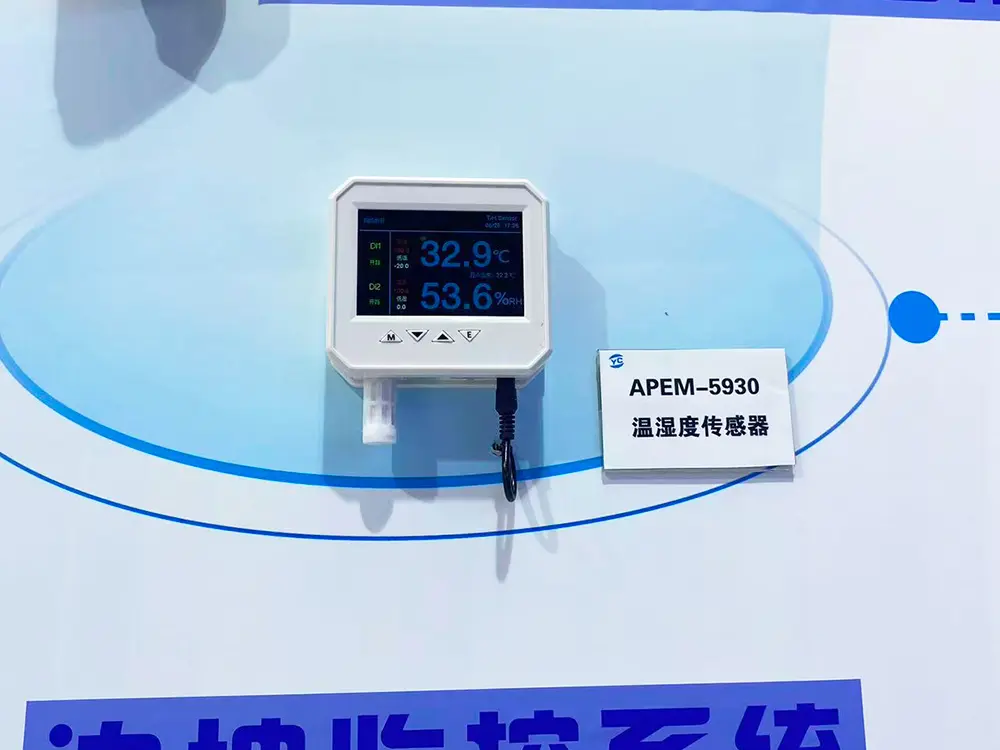
High reliability Power over Ethernet sensor designed for data centers and server rack environmental monitoring.
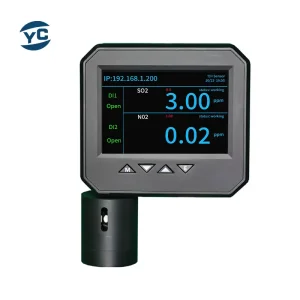
Multi-gas monitoring solutions integrating sulfur dioxide, nitrogen dioxide, humidity, and temperature.
China factory suppliers for advanced gas and environmental telemetry in demanding chemical processing sites.
Features external split probes for high heat, low accessibility, and chemical environments monitoring.
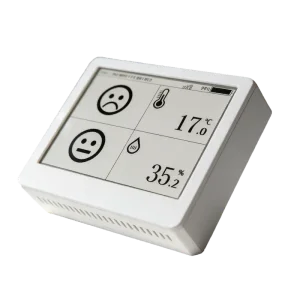
Ultra-low power wireless sensor for smart building networks, agricultural monitoring, and logistics.
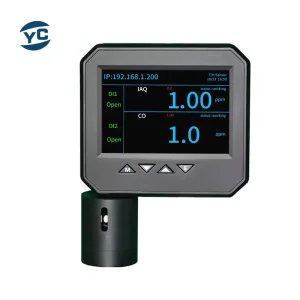
High-performance indoor air quality monitoring integrating carbon monoxide and temperature metrics.
Cost-efficient, robust PoE sensor providing enterprise network stability and native protocol integration.
A technical white paper on design engineering, industrial applications, and geopolitical supply chain optimization for enterprise LPWAN deployments.
As the global industrial landscape transitions rapidly from legacy instrumentation loops to distributed Internet of Things (IoT) ecosystems, the demand for ruggedized, long-range telemetry has surged. Specifically, custom waterproof LoRaWAN sensors have emerged as a critical architectural component in bridging physical environmental phenomena with cloud analytics. Operating in the sub-gigahertz RF spectrum, LoRaWAN (Long Range Wide Area Network) offers unmatched penetration through concrete, soil, and metal barriers, making it the de facto choice for smart utilities, agricultural asset management, and urban wastewater infrastructures.
However, deploying wireless IoT nodes in unconditioned, damp, or submerged environments presents formidable hardware engineering challenges. Corrosion, galvanic decay, and moisture ingress are constant threats to telemetry reliability. This paper explores the core structural, electrical, and network design paradigms required to construct reliable, industrial-grade waterproof sensors, alongside a strategic evaluation of Chinese manufacturing integration to secure global supply chains.
Achieving a true IP67 or IP68 rating in environmental sensors involves far more than simply sealing a plastic enclosure with generic rubber gaskets. Industrial deployments require the selection of specialized polymers such as Polycarbonate (PC) or Acrylonitrile Butadiene Styrene (ABS) blended with UV stabilizers to prevent structural degradation under continuous solar exposure.
For sub-surface or wastewater deployments, the engineering must account for chemical resistivity against volatile organic compounds (VOCs), hydrogen sulfide (H₂S), and high saline concentrations. The integration of double-shot injection molding and custom-engineered silicone O-rings provides the primary mechanical barrier. Furthermore, to prevent atmospheric pressure differentials—caused by localized thermal cycles—from sucking moisture past the seals, engineers utilize hydrophobic venting membranes (such as expanded Polytetrafluoroethylene or ePTFE) that allow gas molecules to equalize while completely blocking liquid ingress.
Enables pressure equalization without compromising structural IP68 integrity. Prevents vacuum-induced moisture ingress during rapid cooling phases.
Multi-layer PCB assemblies are coated with moisture-resistant acrylics or silicones to prevent localized oxidation in high humidity.
Utilization of Lithium Thionyl Chloride (Li-SOCl2) chemistry, ensuring operation from -40°C to +85°C with self-discharge rates under 1% annually.
For global procurement executives, sourcing IoT telemetry devices involves balancing regulatory mandates with bottom-line feasibility. System integrators face three major bottlenecks:
Why manufacturing partnerships in high-tech hubs like Beijing leverage unmatched components ecosystems.
The concept of "China Factory 4.0" is not merely about cheap manual labor; it represents a highly integrated ecosystem of component suppliers, testing laboratories, and rapid prototyping workflows. Operating from our advanced manufacturing base in Beijing, Yingchuanglihe Electronic Technology Co., Ltd. leverages this direct access to optimize the entire lifecycle of environmental sensors.
By using premium imported components—such as digital humidity and temperature chips from Sensirion (Switzerland) and atmospheric pressure elements from Bosch (Germany)—we merge global innovation with domestic assembly efficiency. Our SMT (Surface Mount Technology) assembly lines are fully automated, utilizing AOI (Automated Optical Inspection) and X-ray analysis to check solder joint integrity on multi-layer PCBs, ensuring long-term thermal stability. Furthermore, China's robust rare-earth magnetics and lithium battery supply chains allow us to negotiate volume pricing on long-life industrial batteries, translating directly to cost savings for our global distribution network.
We provide multi-point temperature and humidity calibration in environmental chambers, matching national laboratory metrology standards prior to shipping.
Need custom probe lengths, alternative enclosure designs, or integrated multi-gas (CO, SO2, O3) sensors? Our Beijing R&D division delivers working prototypes in weeks, not months.
All customized hardware runs through pre-compliance chambers for CE, FCC, and RoHS verification, removing regulatory bottlenecks for Western market insertion.
From local network telemetry pioneers to global multi-parameter IoT sensing providers.
The company was founded and developed an intelligent environmental monitoring terminal based on the TCP/IP network protocol. In the same year, the initial version of environmental monitoring software was developed.
In collaboration with Mocha Software, a leading domestic network management software company, a series of SNMP protocol-supported environmental monitoring products, TH-5939, were launched.
In partnership with Switzerland's COMLAB, the TH-5869 protective Ethernet environmental monitoring device was introduced, successfully applied in high-speed rail projects such as the Beijing-Kowloon Line, Beijing-Shanghai Line, and Wuhan-Guangzhou Line.
Cooperating with Founder Technology, the APEM-6100 Ethernet environmental monitoring device was launched. This product was among the early environmental monitoring devices to adopt Power over Ethernet (PoE) technology.
Collaboration with Taiwan's Foxconn, combined with the influence of clients in the industry, established the company's products as one of the industry standards for environmental monitoring in production workshops.
In partnership with Baidu, the next-generation APEM-5900 Ethernet intelligent environmental monitoring terminal was launched, successfully deployed at Baidu's Yangquan Data Center. The environmental monitoring software was also upgraded that year to support a multi-parameter environmental monitoring system.
A smart solutions system was introduced, adopting and implementing multi-scenario project cases. The monitoring system expanded horizontally, starting with smart data centers.
An integrated outdoor cabinet monitoring system was launched, successfully applied in projects such as Huawei and China Merchants Huaruan ETC expressway initiatives.
Deep involvement in the research, design, and development of Beijing's high-level autonomous driving road test integrated boxes and edge computing gateways, providing highly reliable road test equipment solutions.
Participation in the construction of intelligent computing center projects, providing key technical support in core areas such as the establishment of intelligent computing infrastructure.
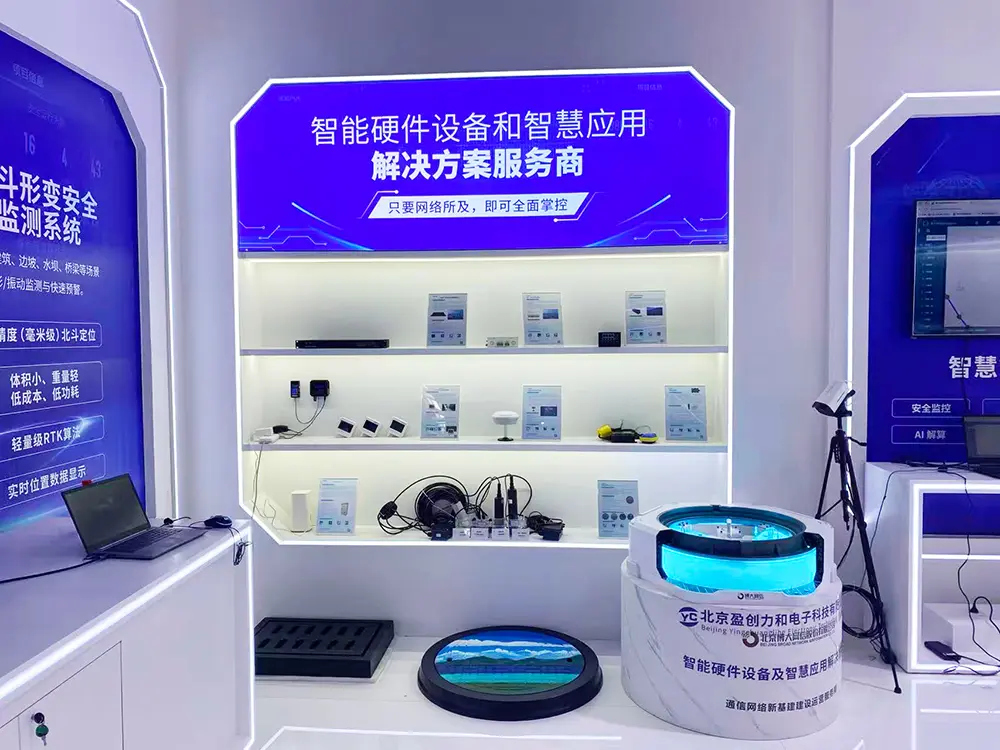
Established joint business divisions with Beijing Enterprises Water Group and co-founded a Beidou business division with Beijing University of Civil Engineering and Architecture. Technological breakthroughs were achieved in smart pipeline network monitoring and high-precision deformation monitoring. Obtained Internet Data Center (IDC) business qualifications.
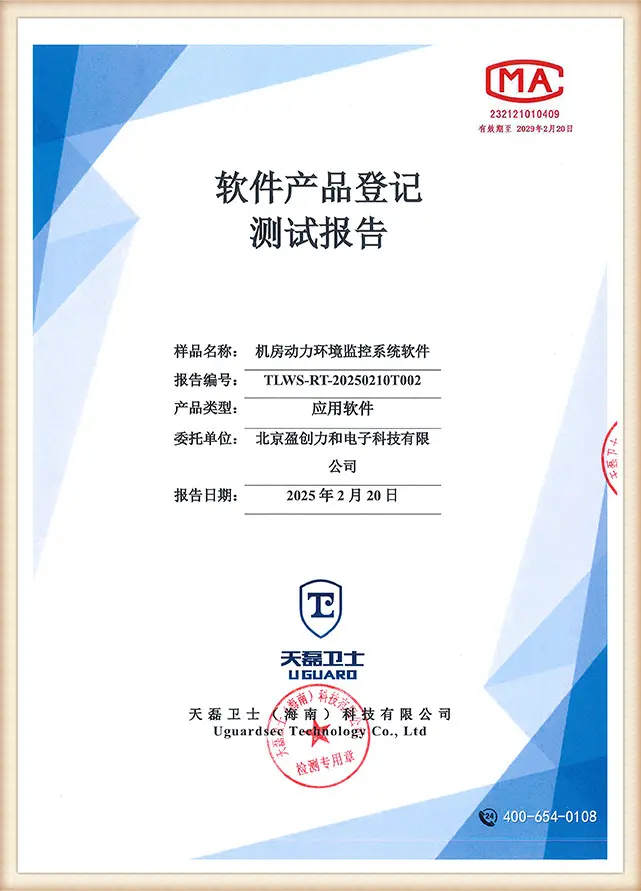
Yingchuanglihe maintains ISO9001 quality management, CE, FCC, and RoHS certifications across our primary sensor products, guaranteeing global interoperability and environmental compliance.
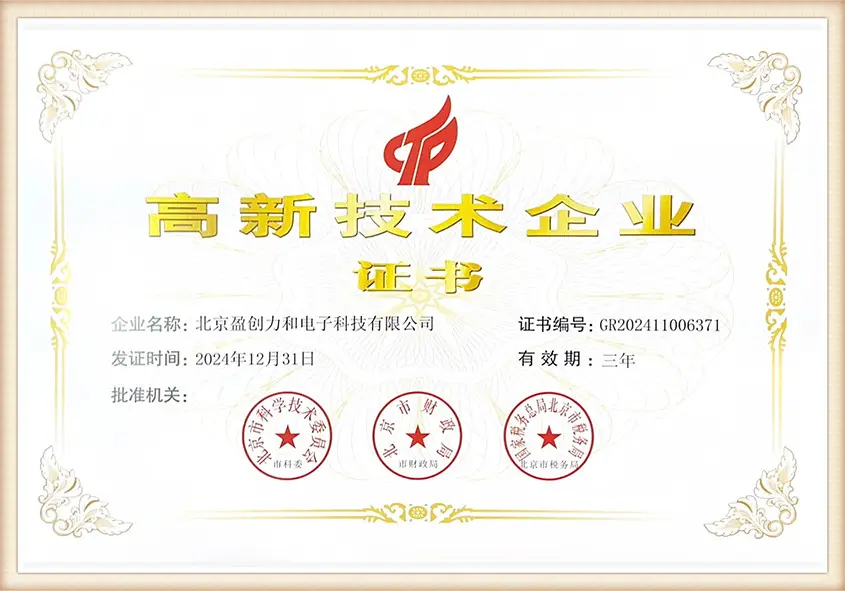
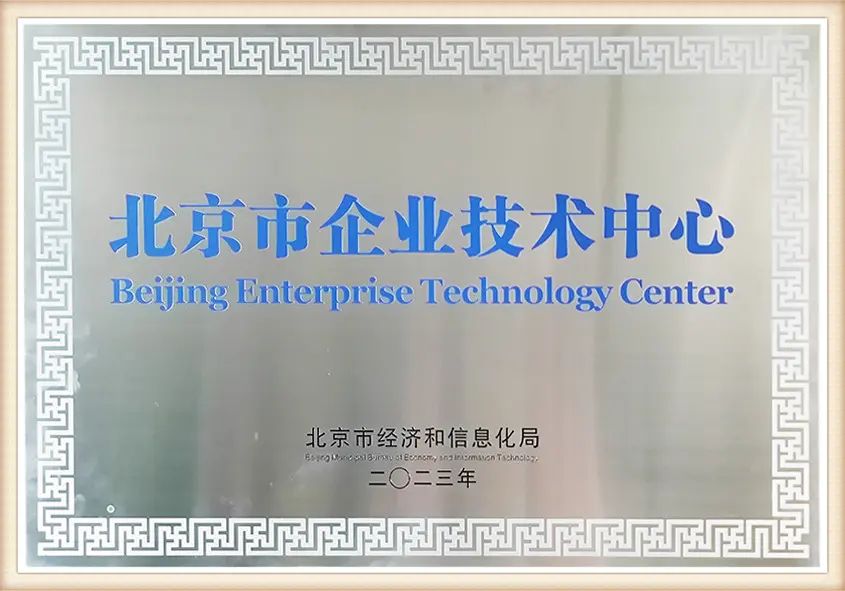
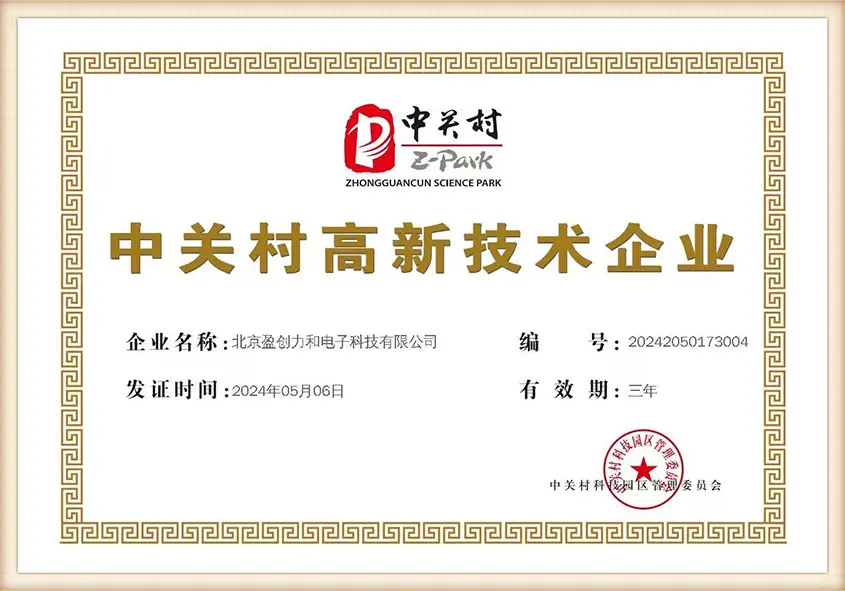
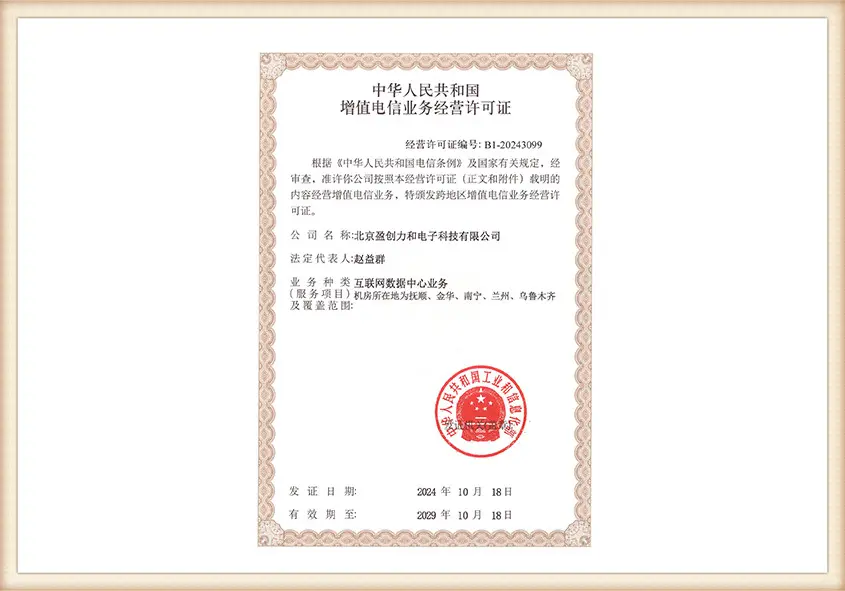
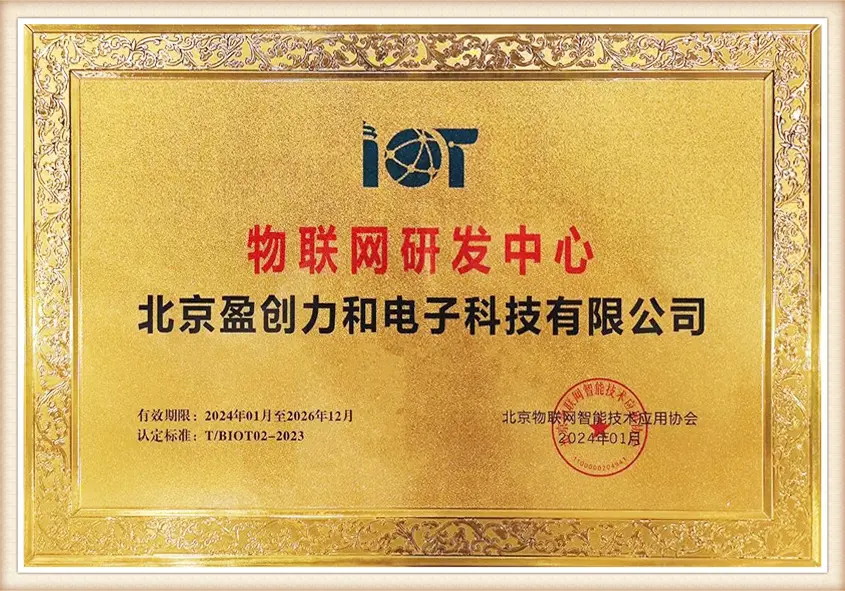
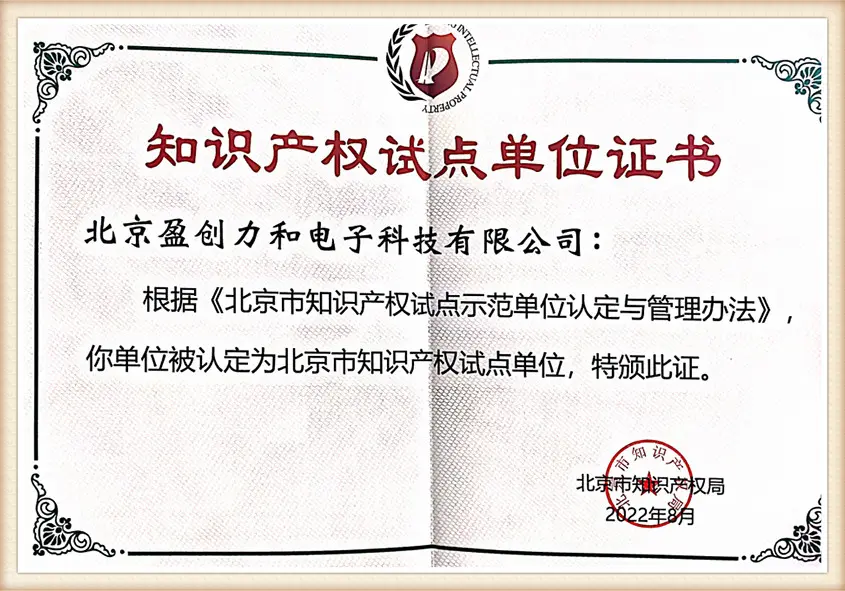
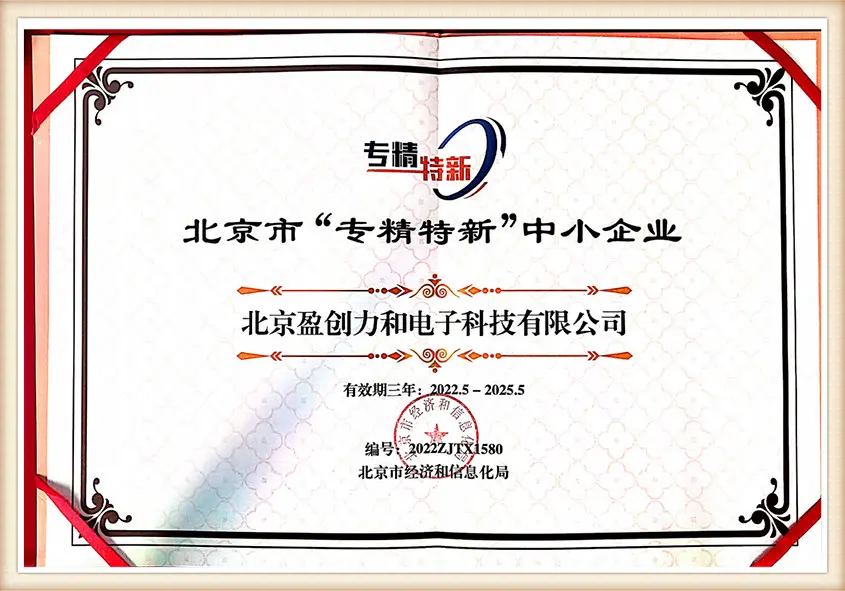
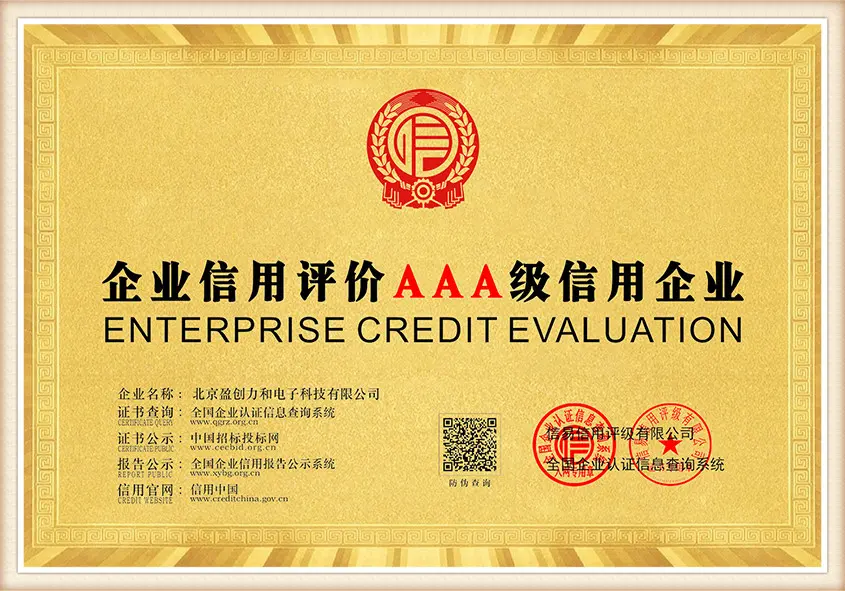
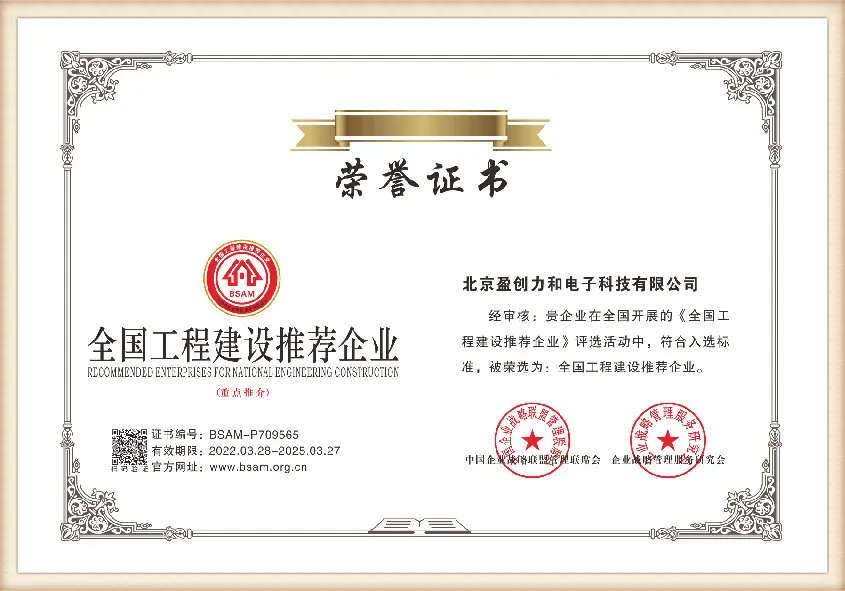
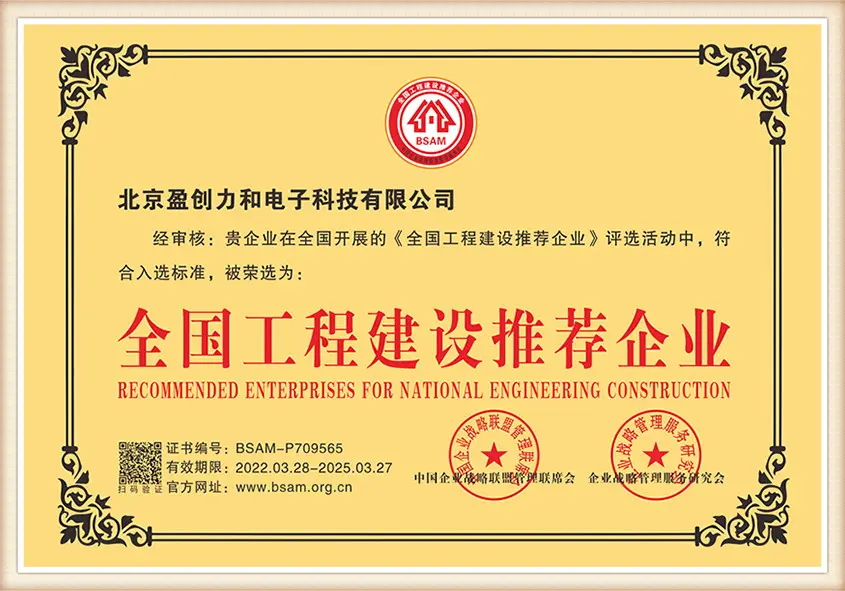
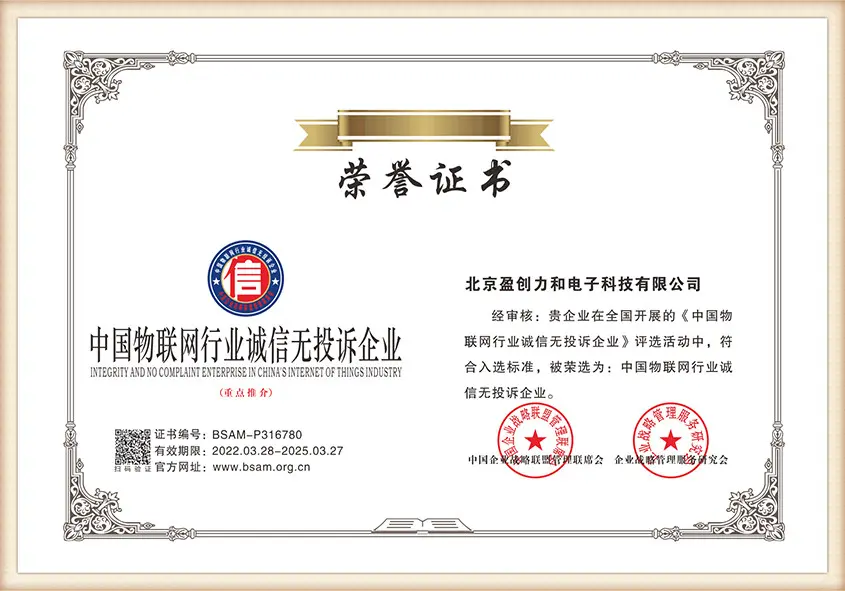
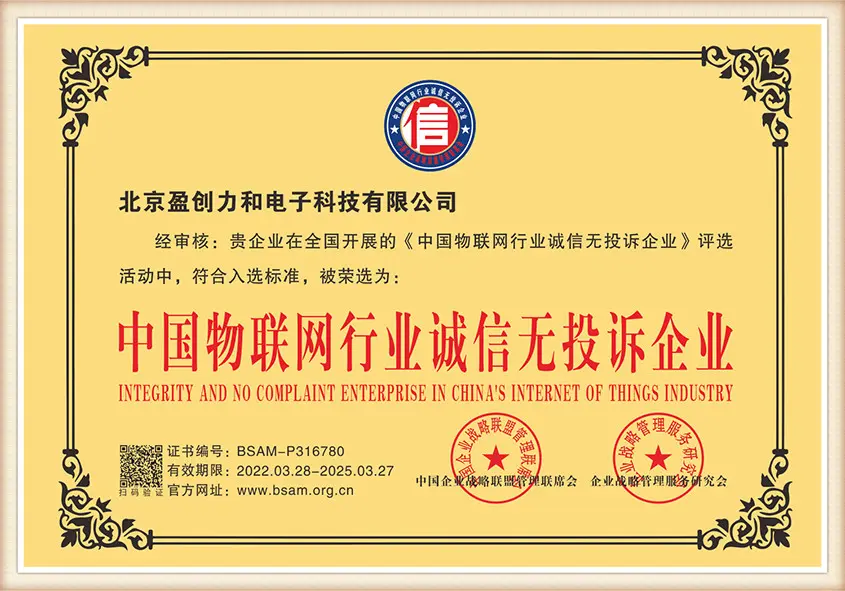
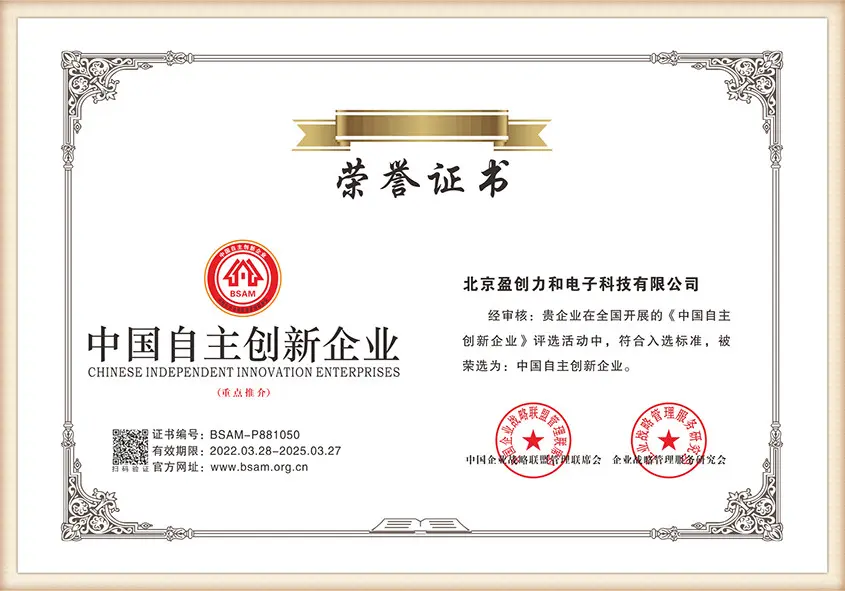
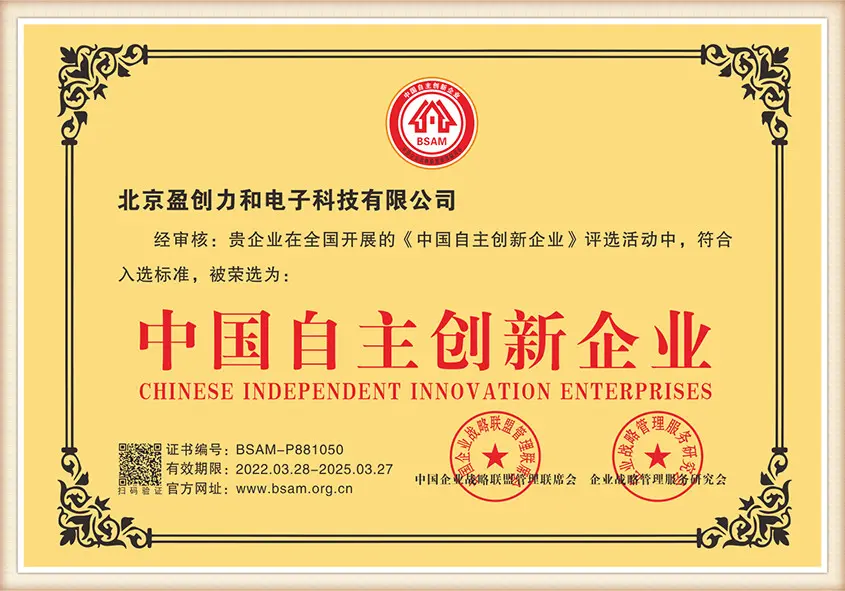
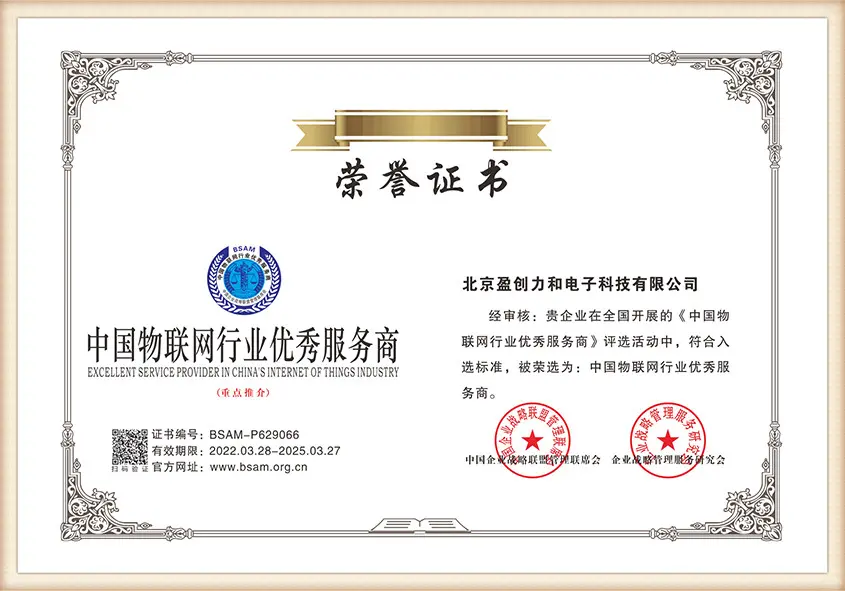
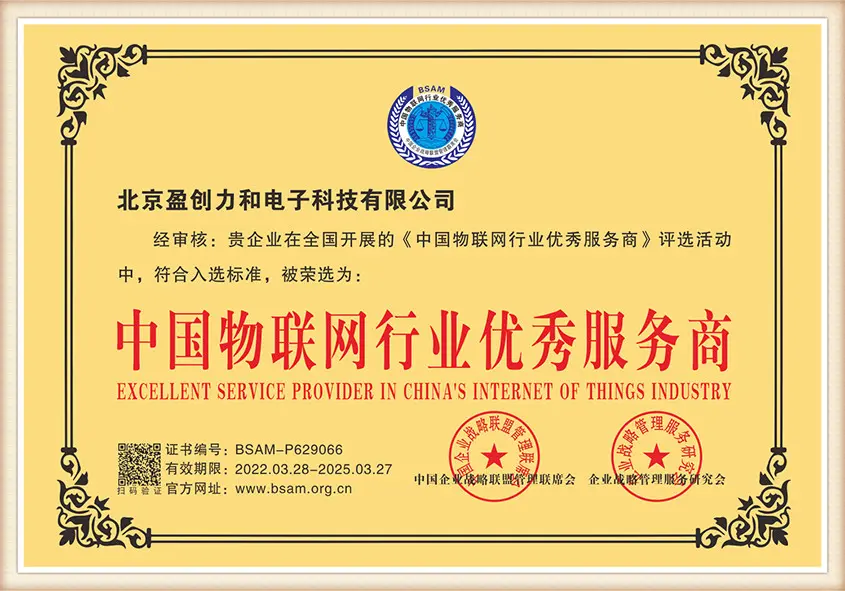
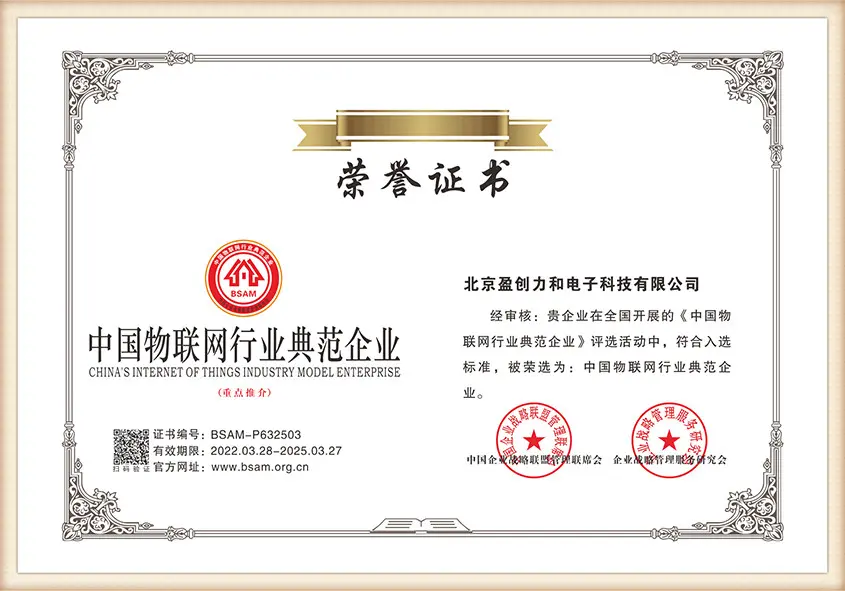
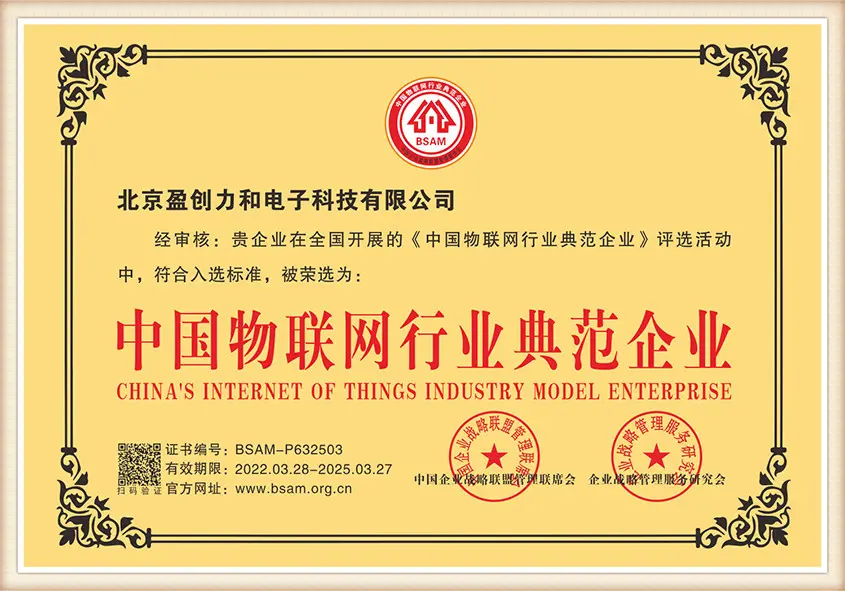
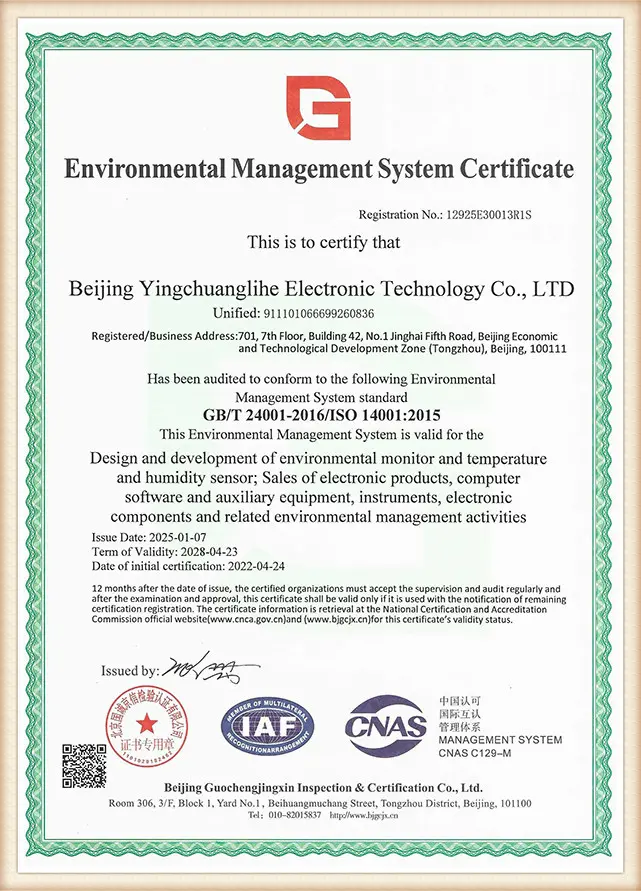
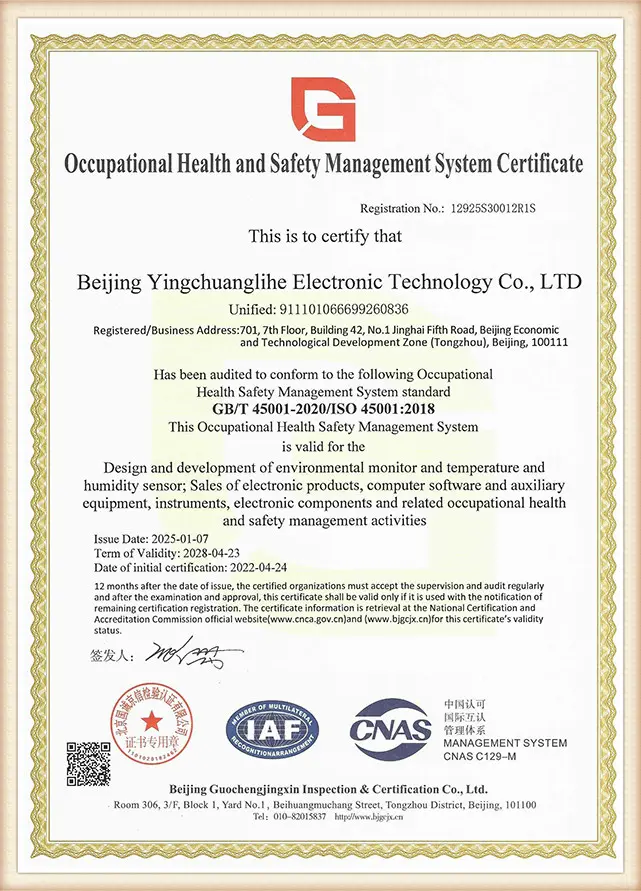
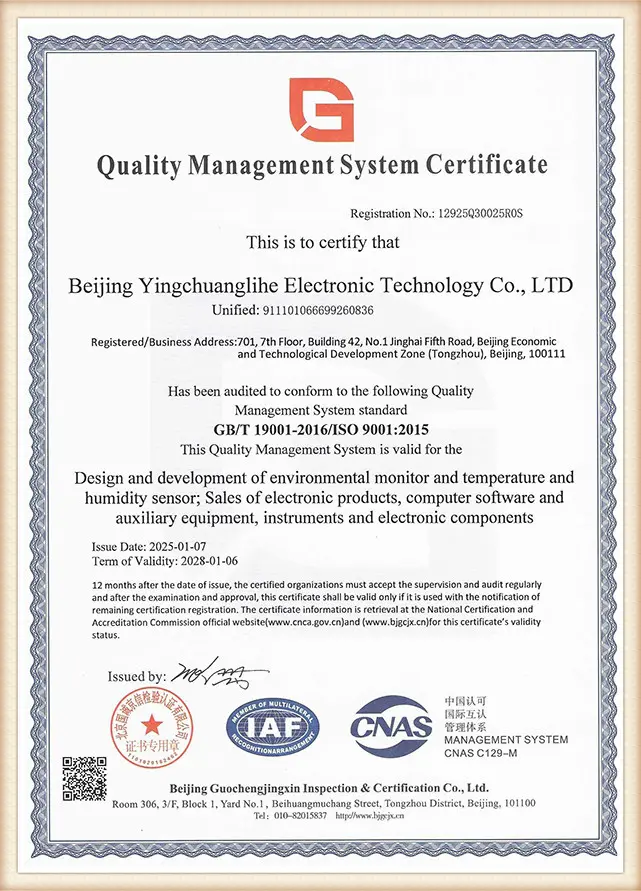
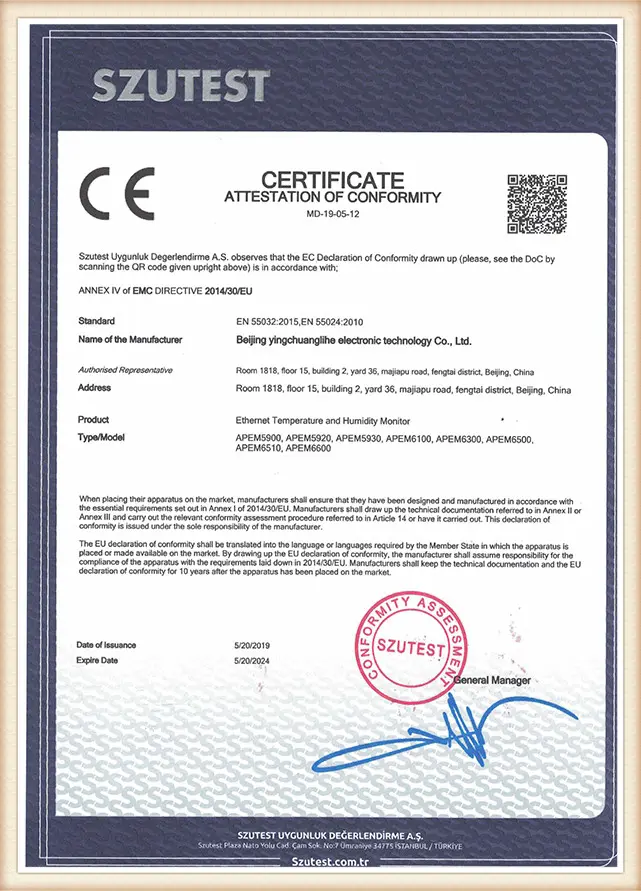
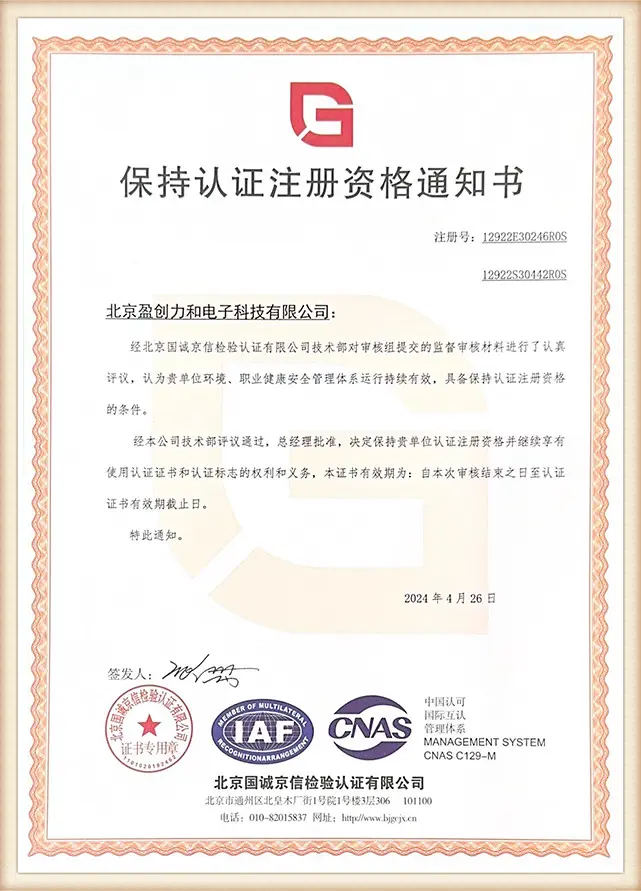
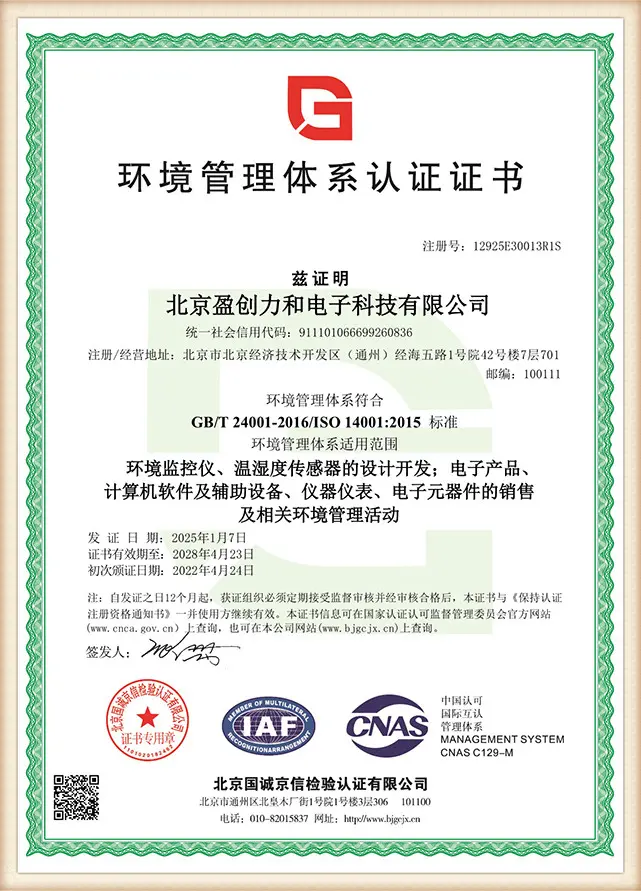
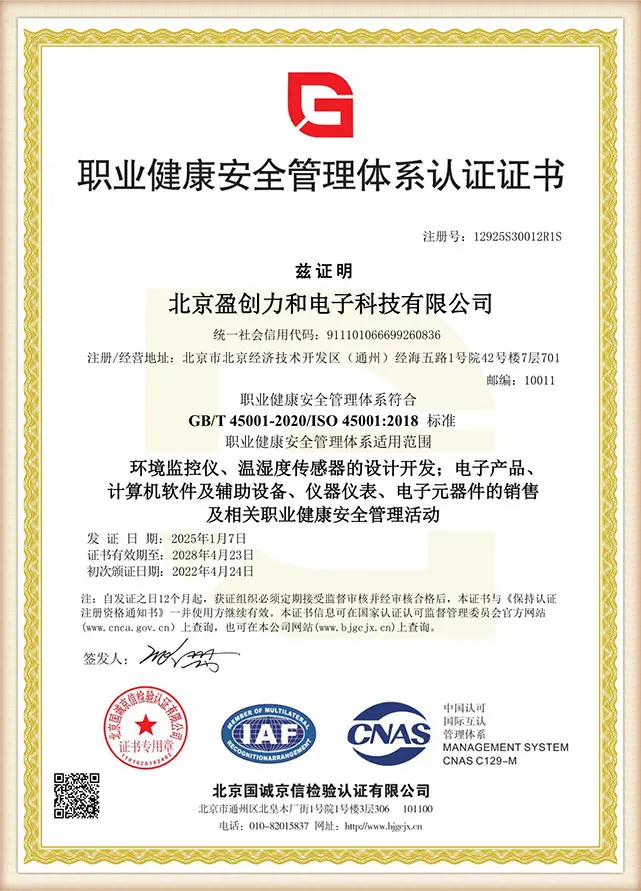
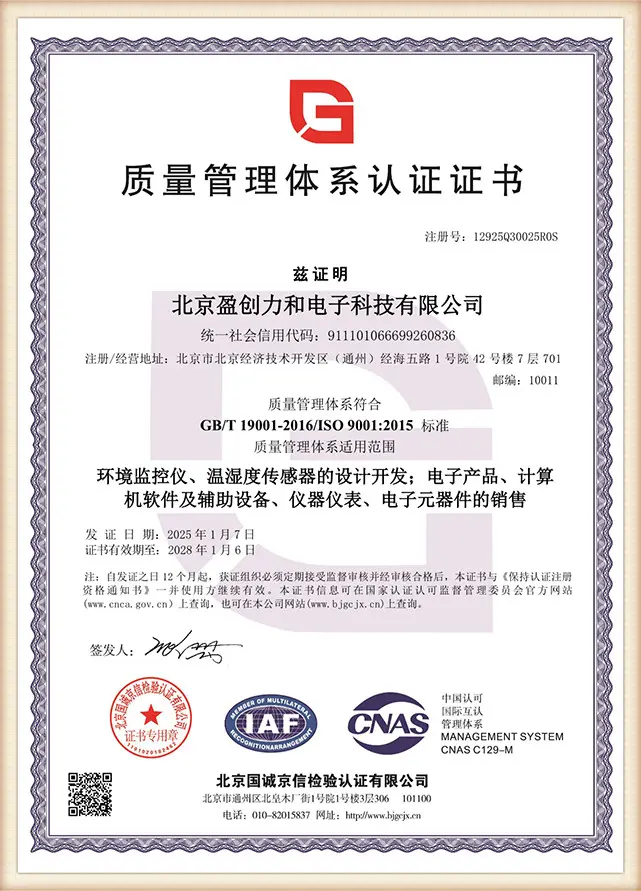
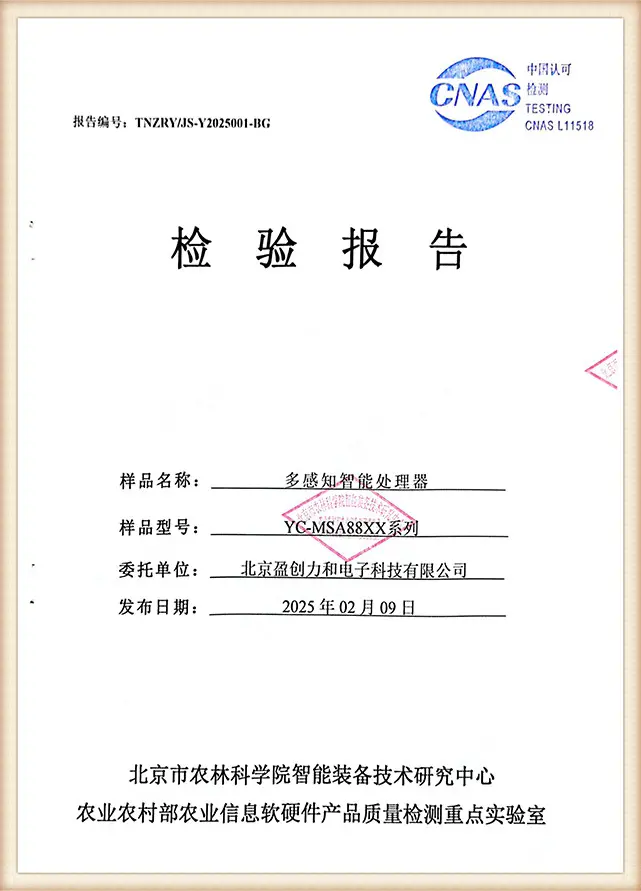
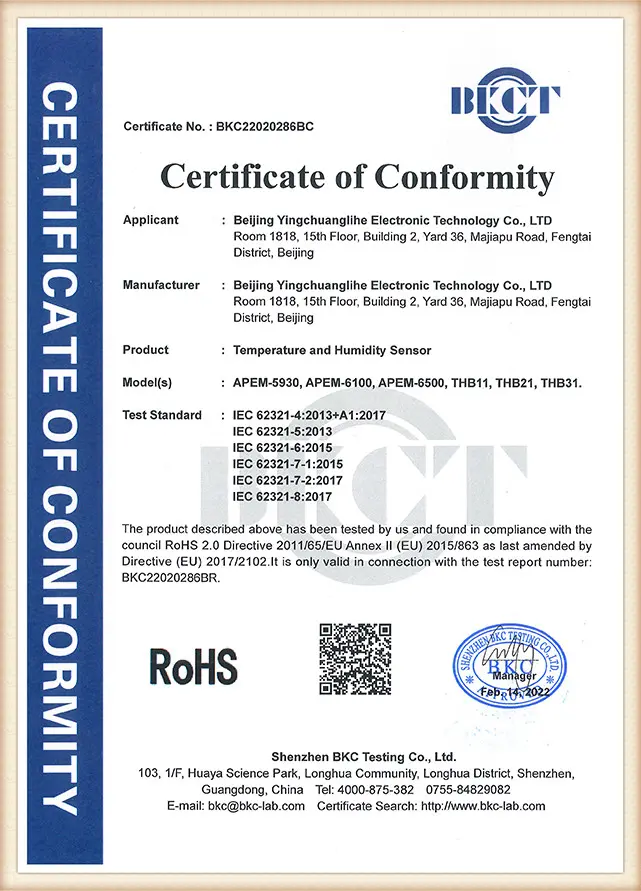
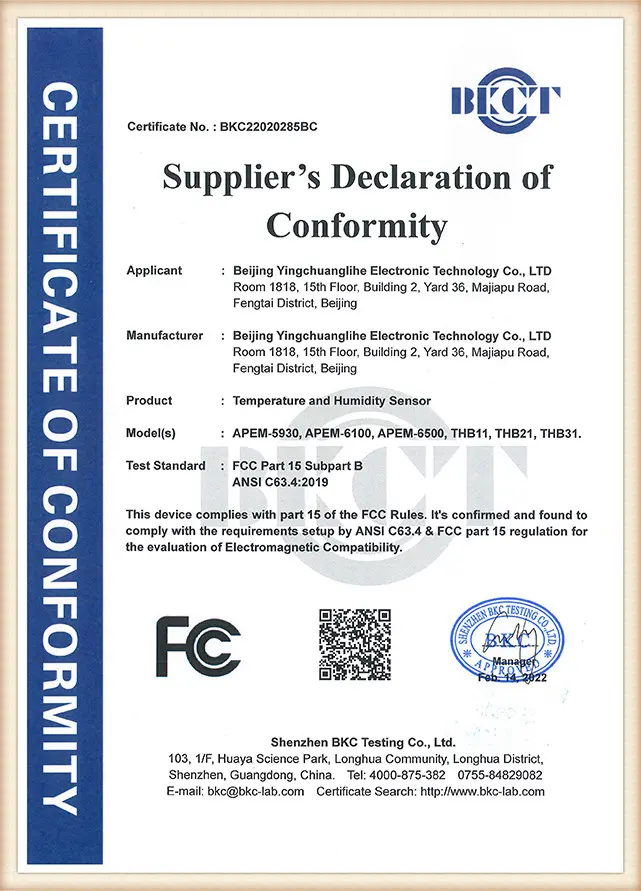
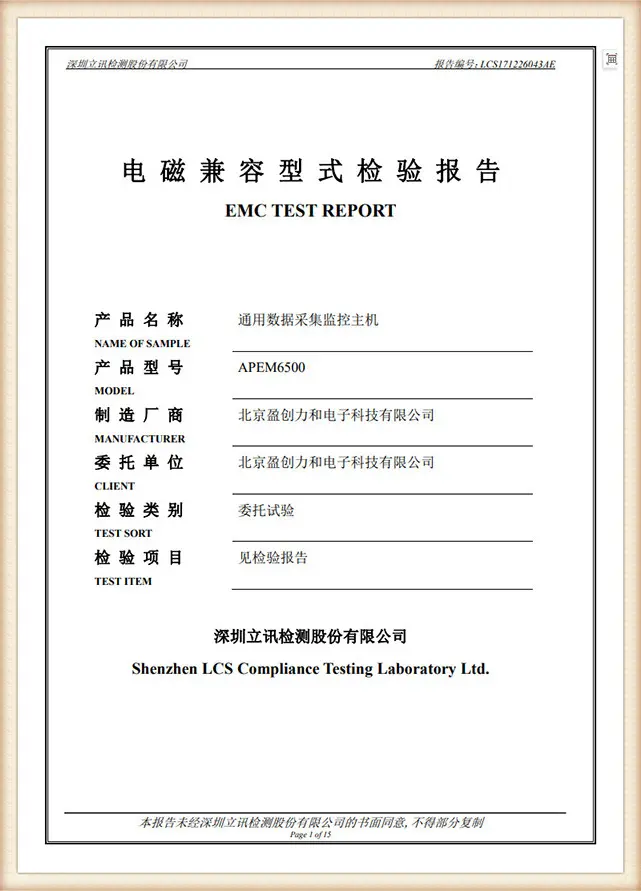
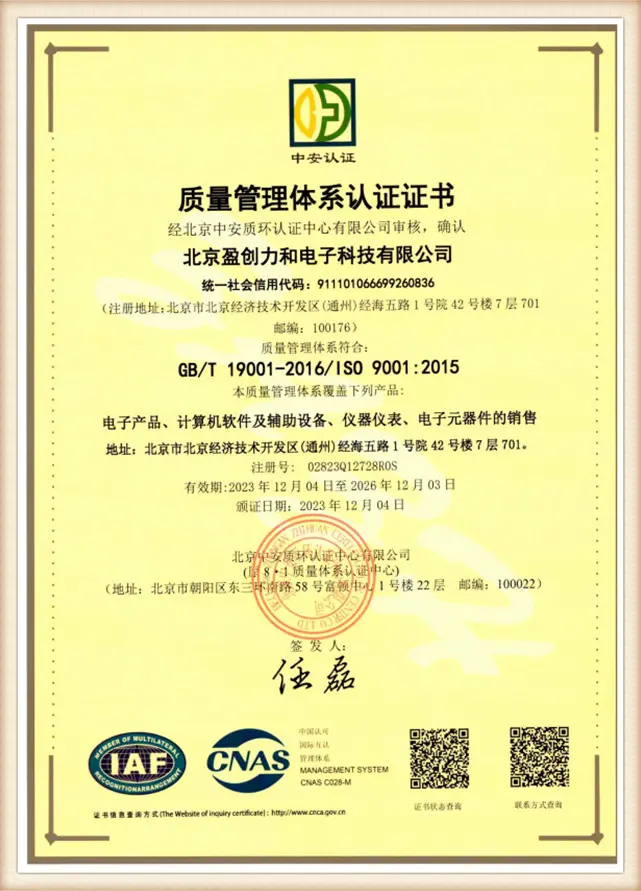
Yingchuanglihe actively showcases new hardware and custom solutions globally. From IoT World to industrial automation expos, our teams present robust physical proof of concept designs.
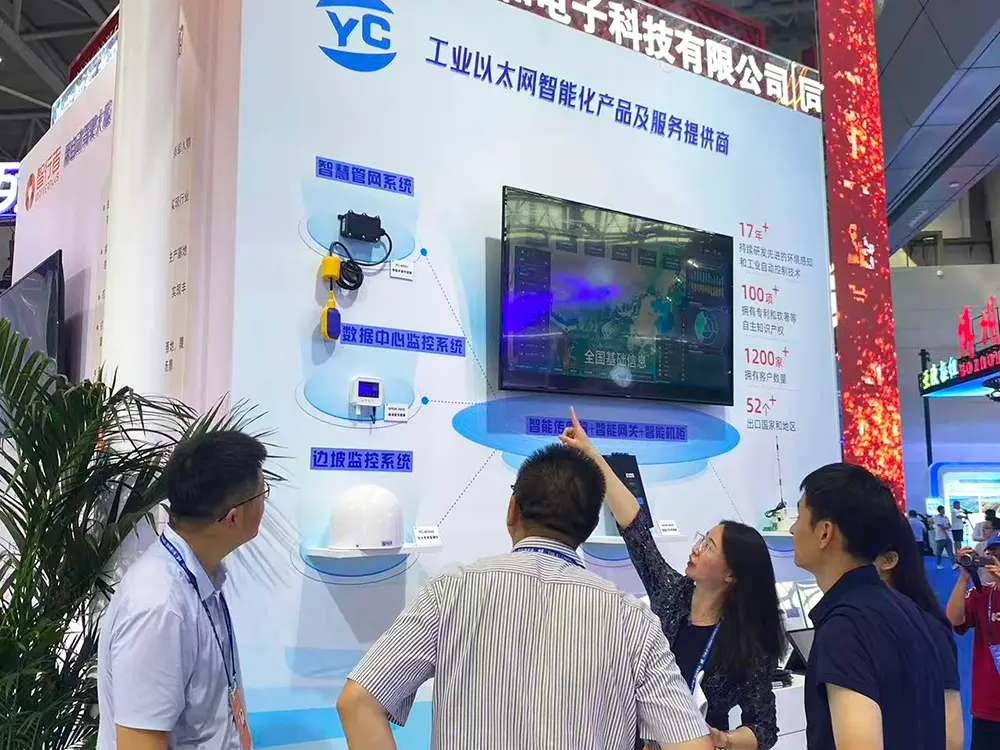
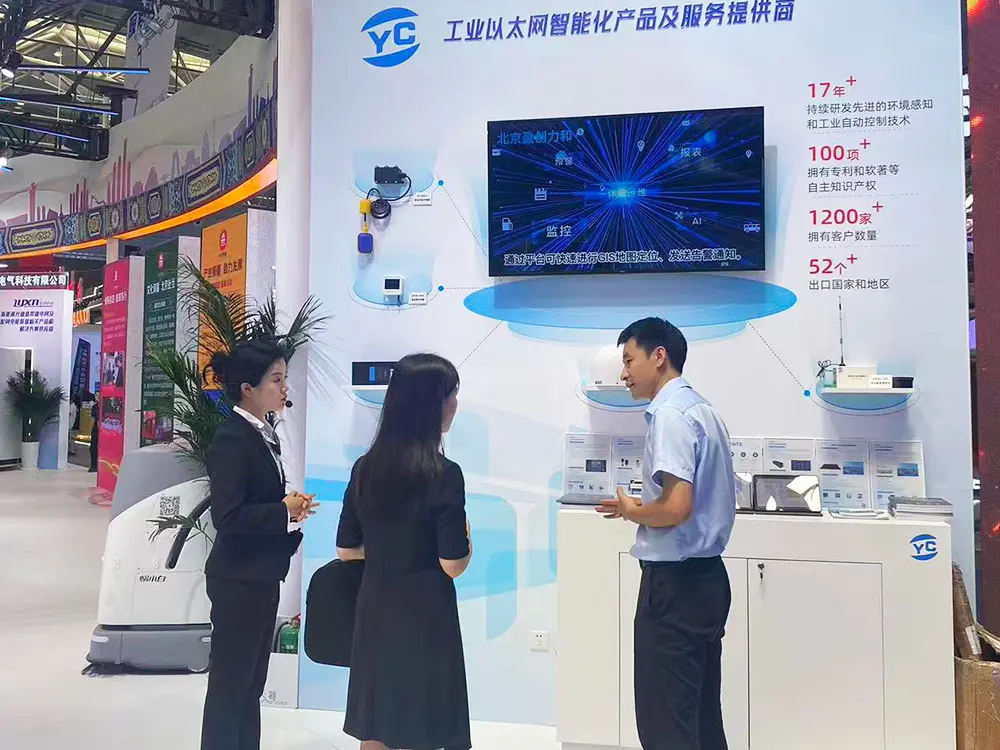
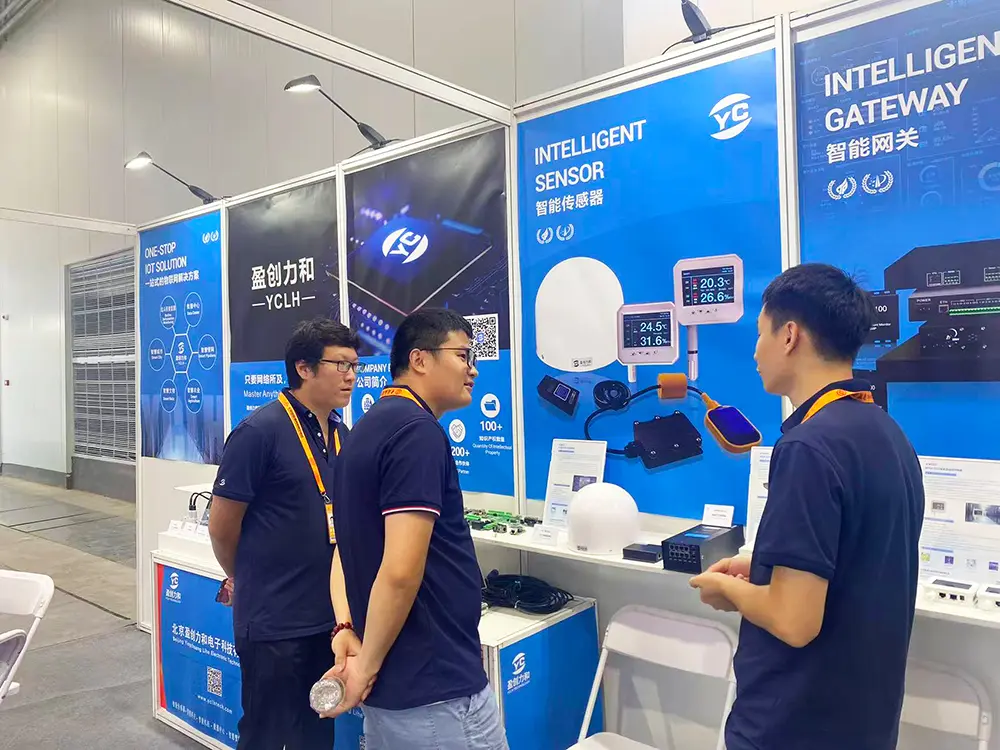
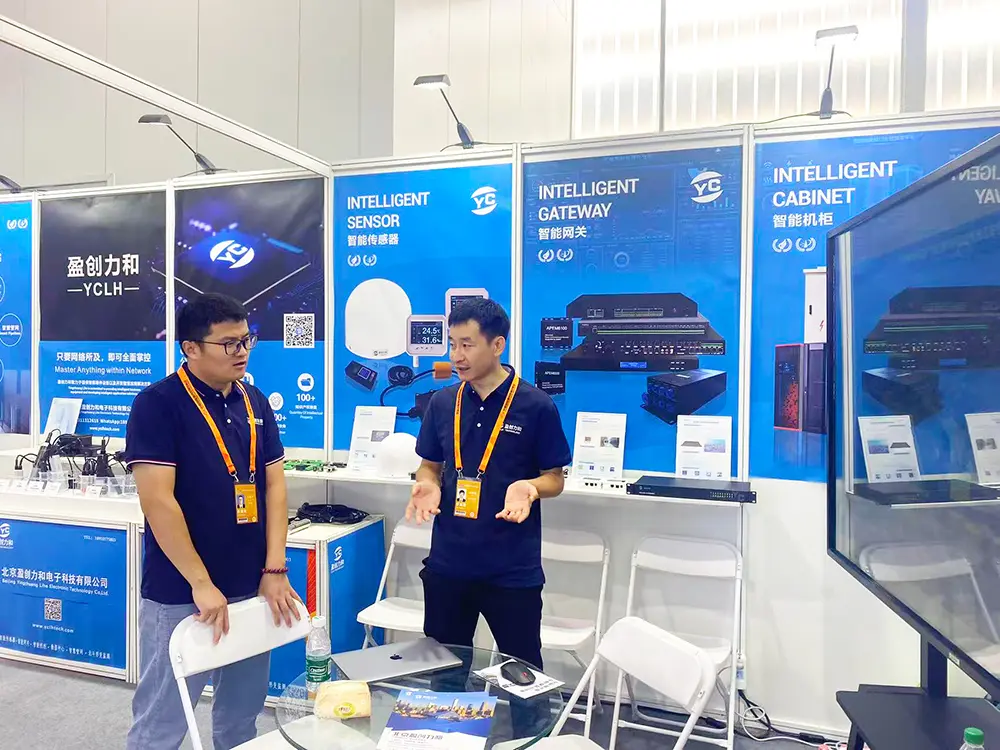
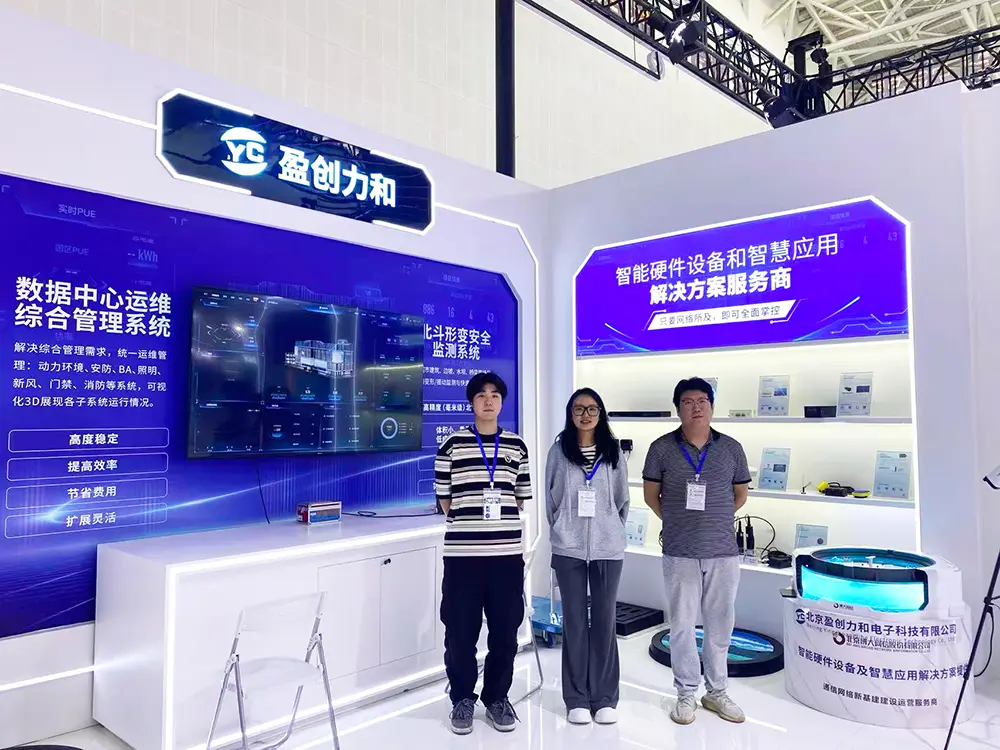
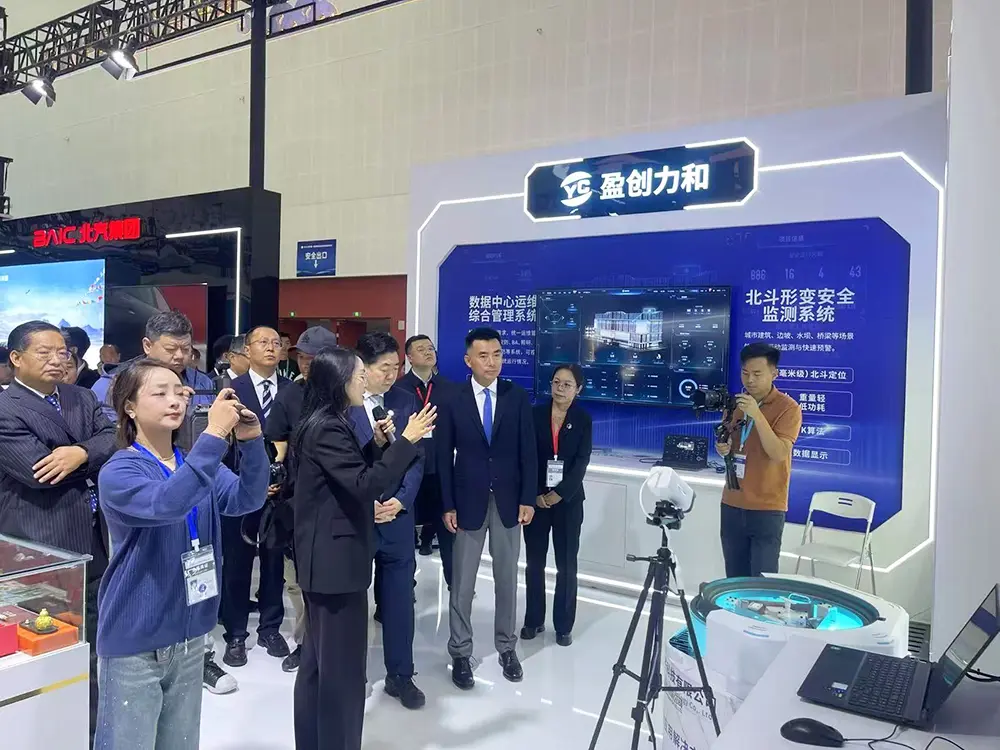
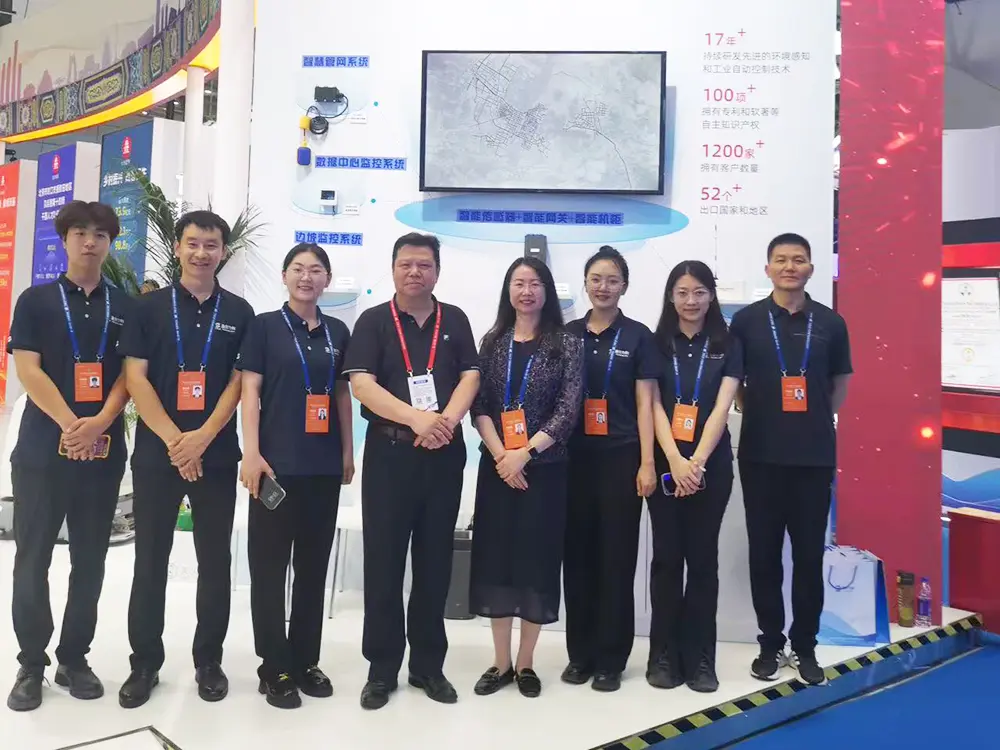
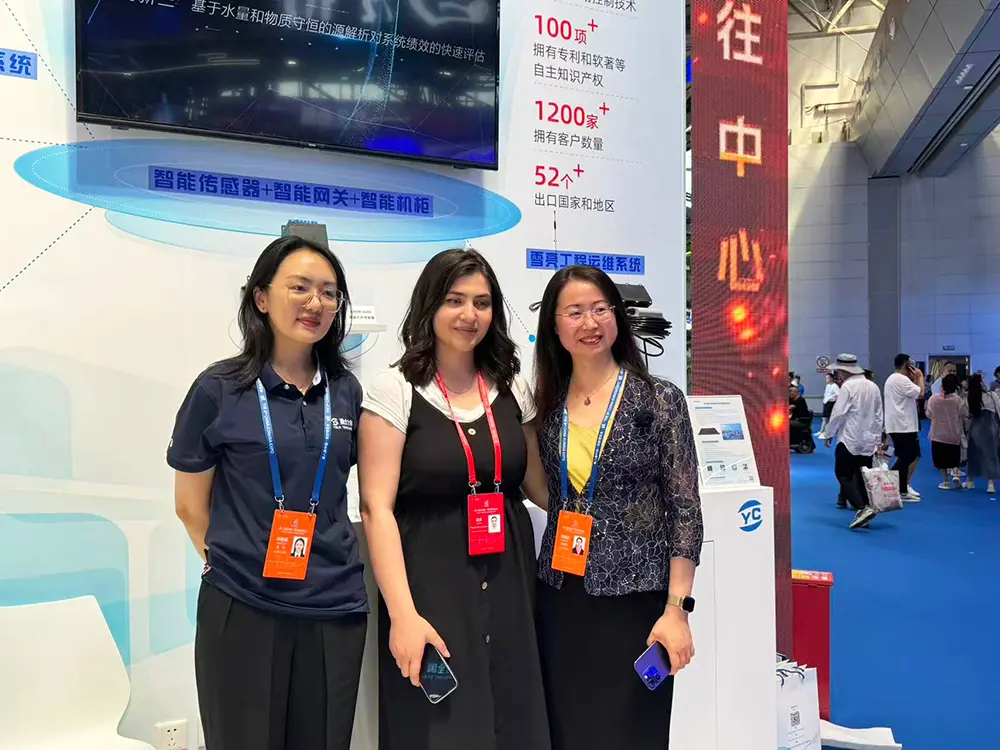
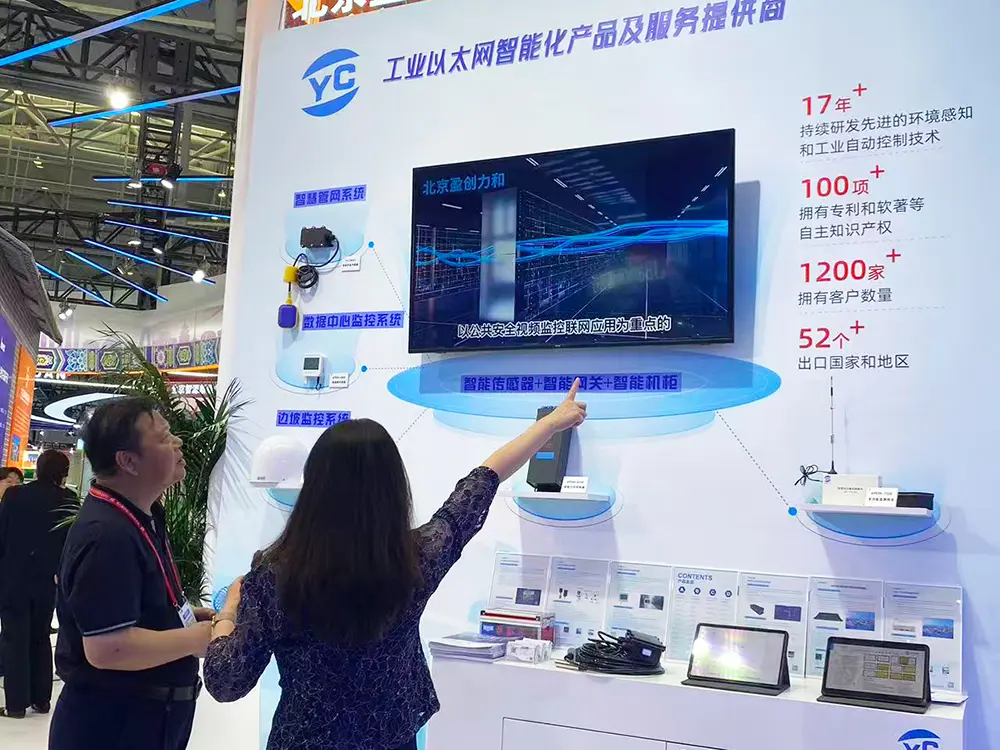
From agricultural fields to municipal drainage: where waterproof LPWAN sensors establish critical telemetry.
In high-density computing spaces, micro-condensations or water loop leaks present high operational risk. Our sensors track sub-floor humidity and water leakage, protecting server assets from catastrophic shorts.
Pharmaceutical and semiconductor manufacturing require strict ambient differential control. Multi-parameter ethernet and wireless sensors monitor temperature, relative humidity, and pressure variations with certified long-term stability.
Underground municipal water networks suffer from high relative humidity and flooding risks. Our IP68 rated enclosures withstand complete temporary submersion while transmitting sub-surface water temperature, air pressure, and ambient metrics.
Resolving architectural, deployment, and configuration inquiries concerning waterproof LoRaWAN sensors.
High precision multi-gas data loggers, TVOC probes, and wireless LoRa networks.
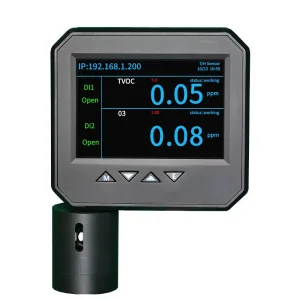
Comprehensive ozone and organic compound monitoring designed for strict environmental control.
Industrial-grade logging module designed for commercial office blocks and HVAC ventilation systems.
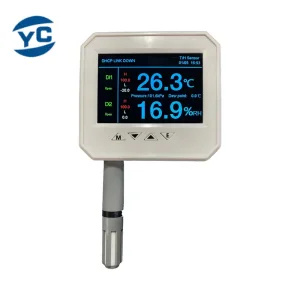
Accurate ambient pressure monitoring with dual ethernet interface capabilities for cleanrooms.
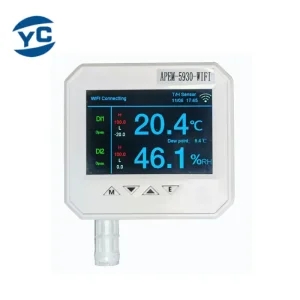
Reliable China factory sensors supporting mixed Wi-Fi and wired environments.
Dual-mode monitoring device with automatic failover redundancy for continuous uptime.
Four-in-one multi-parameter environmental node for commercial properties and smart green buildings.
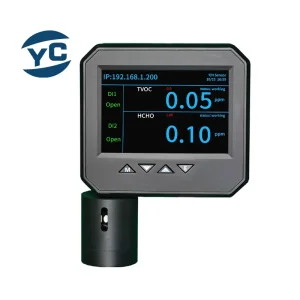
Monitors hazardous chemical vapors, including formaldehyde, in manufacturing zones.
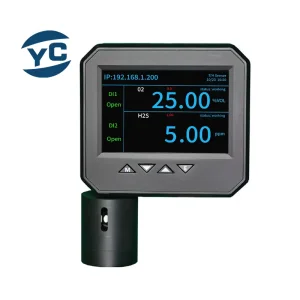
Engineered for wastewater utilities and confined spaces, preventing exposure to hydrogen sulfide.
 YCLH Sensor