Deploy industry-grade microclimate measurement equipment with integrated networks. Explore our top 8 hardware solutions engineered for high performance.
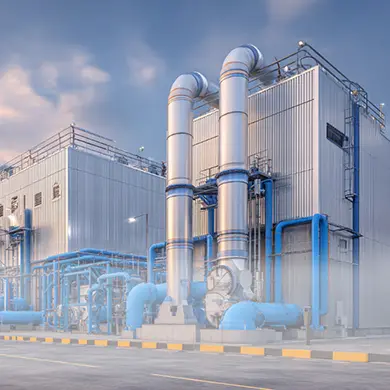
In the landscape of modern industrial automation, precision environmental monitoring is no longer a peripheral utility; it is a foundational driver of operational reliability, structural integrity, and regulatory compliance. As manufacturing tolerances shrink and digital infrastructures grow denser, the management of microclimates within data centers, cleanrooms, defense depots, and automated chemical warehouses has evolved into a highly specialized discipline.
Deploying custom temperature and humidity wireless sensors enables companies to transcend manual audit logs and wired fieldbus limitations. Modern wireless telemetry frameworks leverage low-power wide-area networks (LPWAN) such as LoRaWAN alongside legacy infrastructures like Power over Ethernet (PoE) and high-speed enterprise Wi-Fi to establish self-healing sensor topologies. These networks transmit real-time telemetry from isolated, hazardous, or dynamically changing environments straight to building management systems (BMS) and predictive maintenance suites.
By measuring key microclimatic parameters—including dry-bulb temperature, relative humidity (RH), calculated dew point ($T_d$), and barometric pressure—facilities can systematically mitigate risk vectors such as electrostatic discharge (ESD), surface condensation, organic degradation, and thermal runaway. Sourcing custom hardware from established, vertically integrated manufacturers ensures that sensor configurations precisely align with the physical constraints, structural barriers, and electrical topologies of the end-use installation.
Beijing Yingchuanglihe Electronic Technology Co., Ltd. is a professional high-tech manufacturer of environmental monitoring sensors, delivering accurate data support across industries globally.
Since its establishment in 2007, Beijing Yingchuanglihe Electronic Technology Co., Ltd. has committed to designing, engineering, and manufacturing high-precision environmental sensors. Operating from a modern production facility in Beijing spanning more than 1,500 square meters, our company integrates R&D, mass manufacturing, calibration, and global sales. We integrate Swiss and German sensor components to guarantee minimal long-term drift, high repeatability, and robust performance in aggressive industrial environments.
Our technological milestones mirror the development of the IoT market, transforming from early serial data transmission methods to modern multi-protocol IP-based gateways and long-range wireless networks.
Company founded. Developed an intelligent environmental monitoring terminal based on the TCP/IP network protocol, accompanied by the initial release of environmental monitoring software.
Partnered with Mocha Software to launch the TH-5939 series of environmental monitoring products, fully supporting the SNMP network protocol.
Collaborated with COMLAB (Switzerland) to launch the TH-5869 protective Ethernet monitoring device, deployed in major high-speed rail lines including Beijing-Kowloon and Beijing-Shanghai.
Cooperated with Founder Technology to launch the APEM-6100, marking the company's early integration of Power over Ethernet (PoE) technology into environmental sensors.
Established standard-setting partnerships with Foxconn, integrating our sensors into electronic assembly and production cleanroom monitoring frameworks.
Partnered with Baidu to launch the next-generation APEM-5900 Ethernet smart monitoring terminal, successfully deployed in Baidu's Yangquan Data Center. Upgraded software to support multi-parameter tracking.
Introduced the smart solutions system, executing multi-scenario deployments and horizontally expanding our environmental footprint outward from central data centers.
Launched an integrated outdoor cabinet monitoring system, deployed in highway projects with Huawei and China Merchants Huaruan for ETC expressway initiatives.
Participated in Beijing's autonomous driving road test initiative, designing integrated boxes and edge computing gateways for outdoor roadside infrastructure.
Supported core intelligent computing center construction projects, delivering critical environmental parameters and hardware integrations.
Formed business units with Beijing Enterprises Water Group and co-founded a Beidou division with Beijing University of Civil Engineering and Architecture. Obtained IDC business qualifications.
The geopolitical cluster of industrial IoT and sensor design in Beijing provides global procurement teams with distinct technical, logical, and financial advantages.
By combining imported Swiss capacitive humidity polymer elements and German solid-state temperature chips with highly optimized local SMT engineering, we deliver instruments with ±0.1°C accuracy and minimal long-term drift.
Every custom wireless sensor undergoes multi-point environmental chamber calibration. Our QA workflows are verified by CE, FCC, and RoHS audits, certifying high performance under extreme industrial conditions.
Unlike fixed western catalog suppliers, our Beijing engineering group facilitates hardware variations, from unique enclosure designs and specific probe lengths to custom firmware, Modbus maps, and wireless protocol variations.
Our environmental measurement networks are engineered for demanding applications, from sensitive server rooms to public infrastructure.
In modern enterprise data centers, managing microclimates directly prevents hardware failures and optimizes power usage effectiveness (PUE). High-density computing racks demand real-time telemetry to locate hot spots and identify humidity variances that could trigger electrostatic discharge (ESD) or moisture condensation. Working directly with Baidu at the Yangquan Data Center, Yingchuanglihe deployed PoE-powered APEM-5930 sensors inside rack air intakes. Operating over wired Modbus TCP networks with SNMP compliance, our units deliver instant climate data, enabling dynamically adjusted cooling cycles and protecting delicate server components.
Outdoor electronic enclosures, highway tolling hardware, and trackside train systems are exposed to harsh weather conditions. To maintain functionality, these deployments require robust sensors with high ingress protection. Partnering with Huawei and China Merchants Huaruan, Yingchuanglihe integrated custom temperature and humidity sensors into expressway ETC roadside cabinets. These sensors run under extreme temperature fluctuations, monitoring internal cabinet humidity to activate heating elements before condensation damages high-frequency transmission modules.
High-level autonomous driving relies on edge computing nodes installed along roadways to coordinate vehicle networks. Yingchuanglihe has actively engineered integrated sensor systems for roadside computing cabinets in test zones. These sensors continuously monitor temperature, moisture level, and dew point, helping prevent thermal overload in high-speed processors and protecting the wireless communications vital for autonomous vehicle operations.





Review the mechanical configurations, communication protocols, and physical dimensions of our primary environmental sensors.
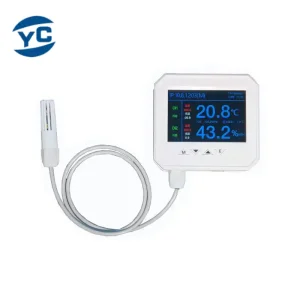
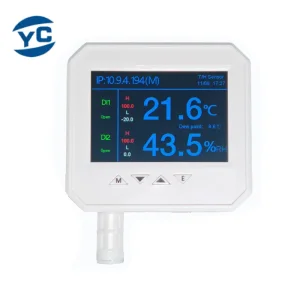
A standard PoE sensor integrating temperature, humidity, and calculated dew point monitoring. It operates on a wide DC12~48V range and supports POE IEEE 802.3af power delivery, making it ideal for standard IT rack structures.
Separates the measuring element from the main communication module via a 1-3 meter shielded cable. This setup isolates the sensing element from internal processor heat, ensuring clean measurements in chambers, ducts, and incubators.
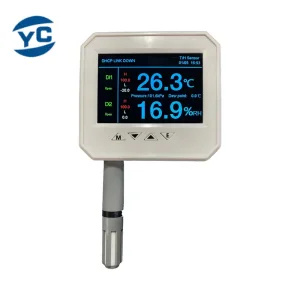
Expands standard microclimate monitoring by measuring atmospheric pressure. This allows facilities to track pressure differentials across containment zones, preventing cross-contamination in cleanrooms and laboratories.
Features a dual-mode communication bridge. It uses wired RJ45 Ethernet as the primary link and falls back to wireless Wi-Fi (802.11 b/g/n) during network faults, ensuring uninterrupted telemetry.
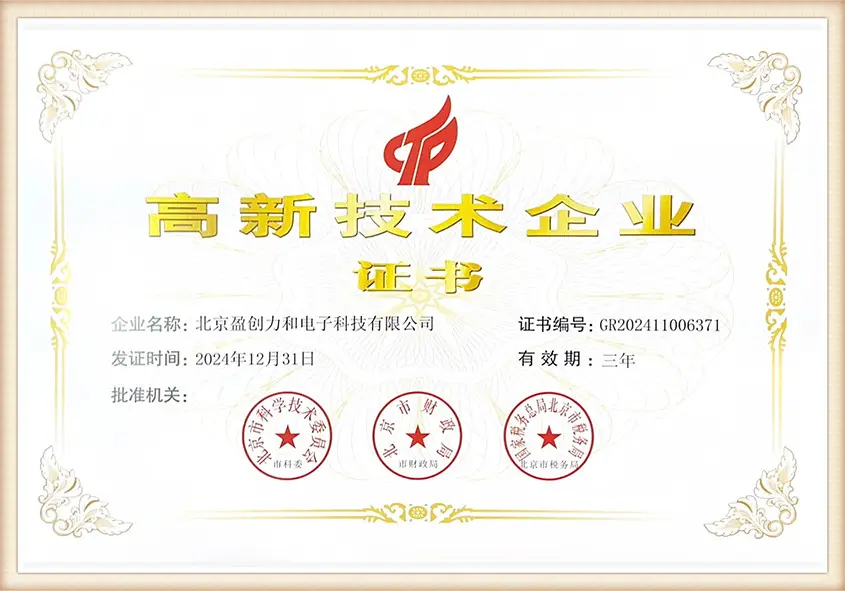
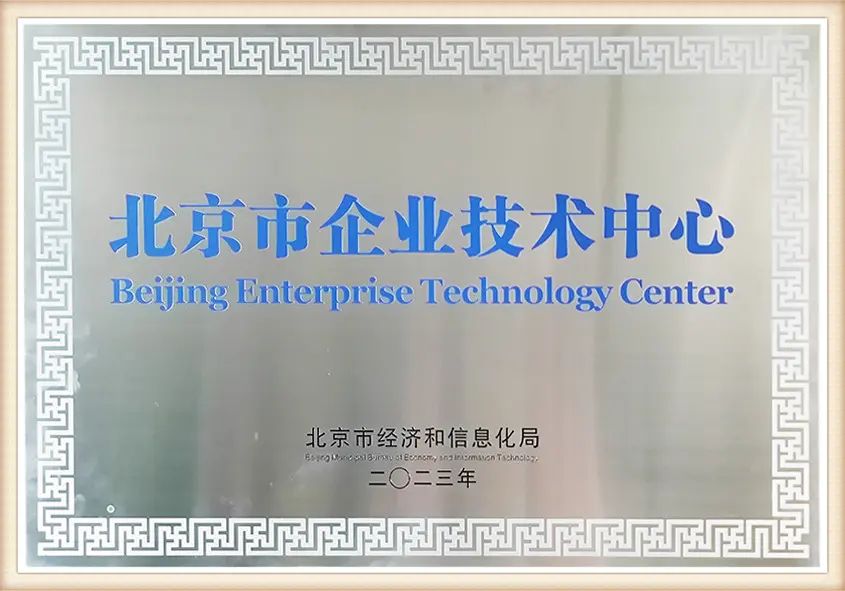
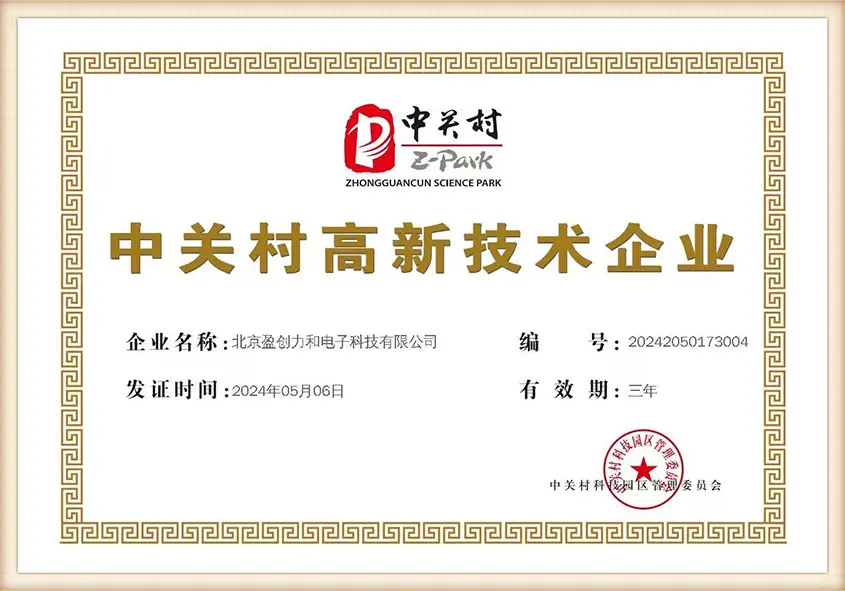
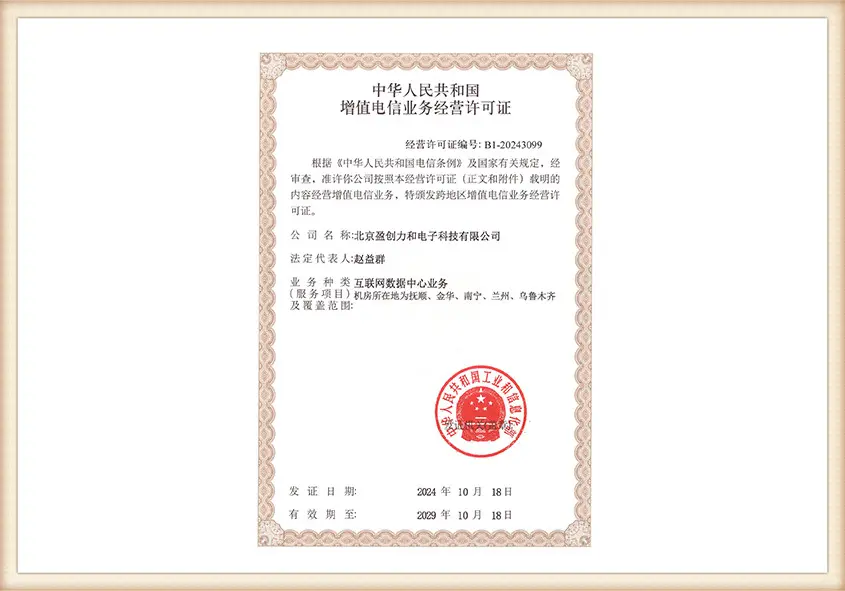
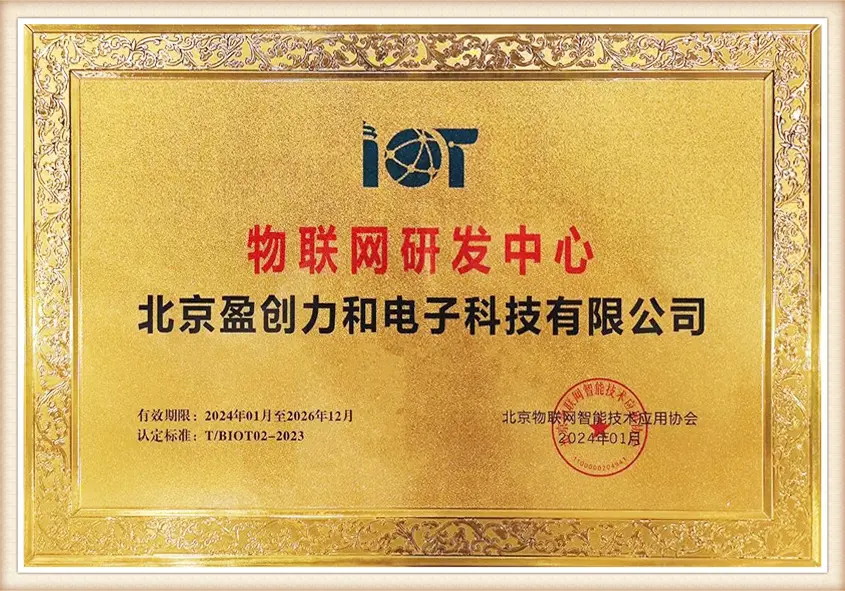
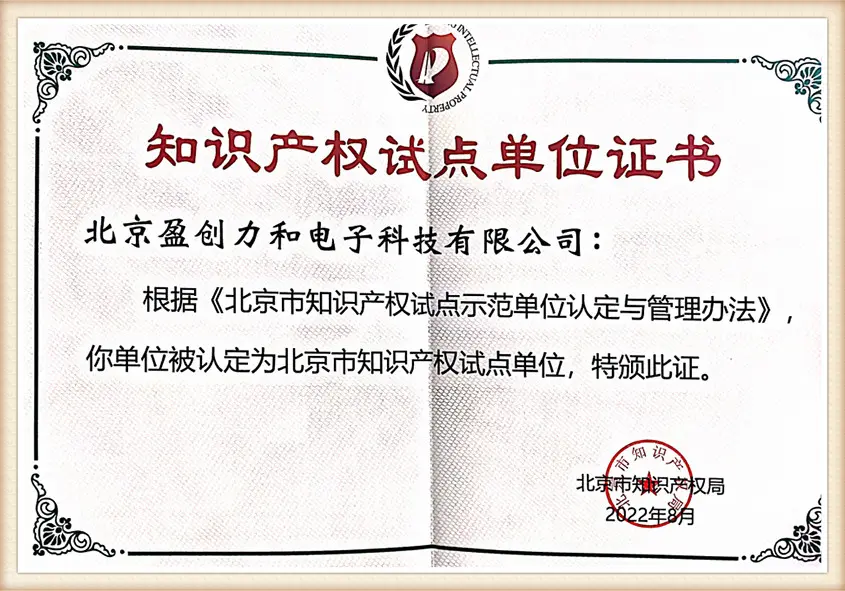
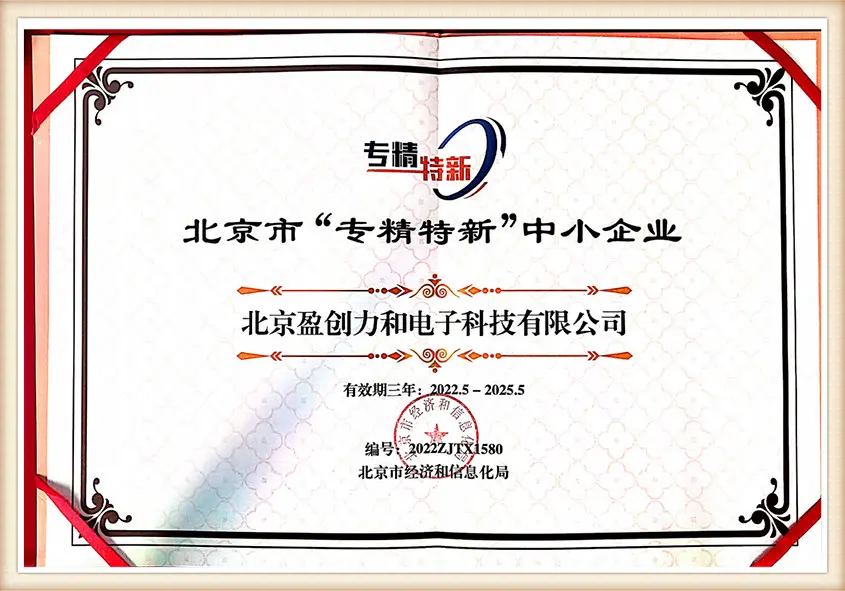
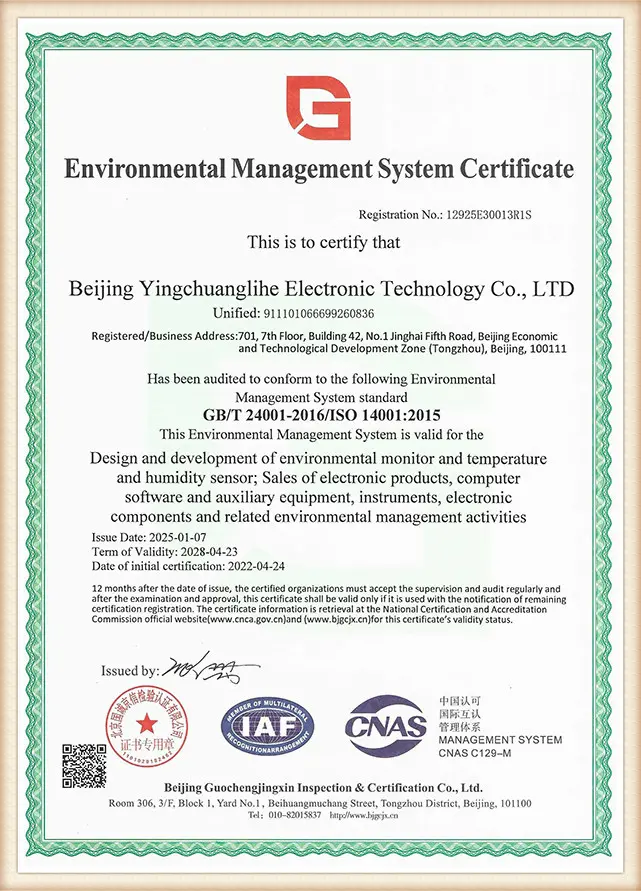
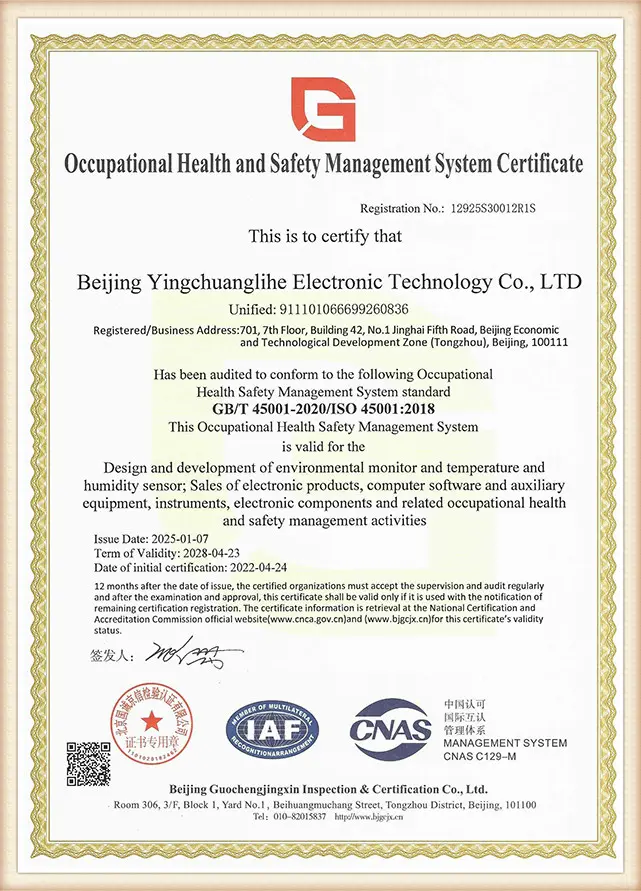
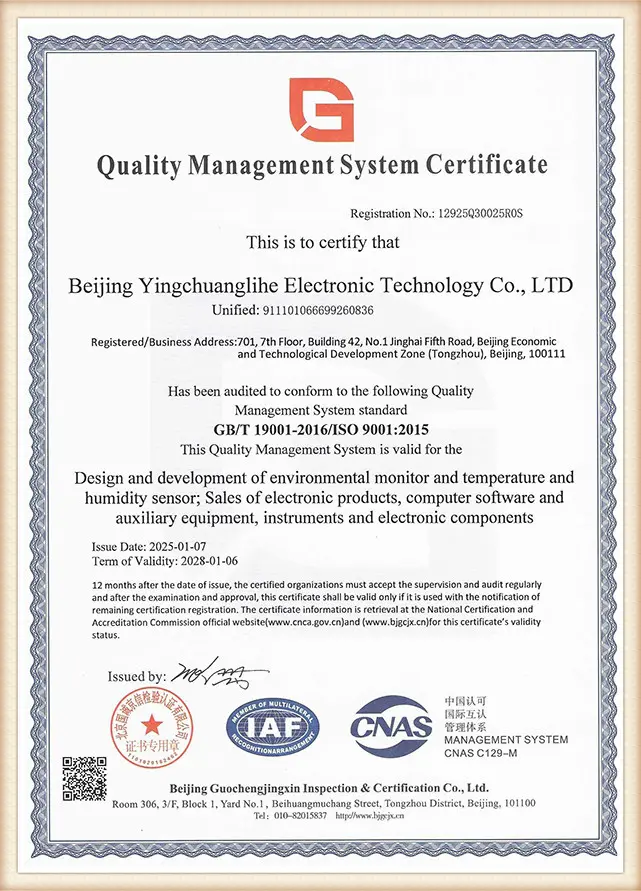
Our engineering and manufacturing quality controls meet international standards, verified by external testing organizations.

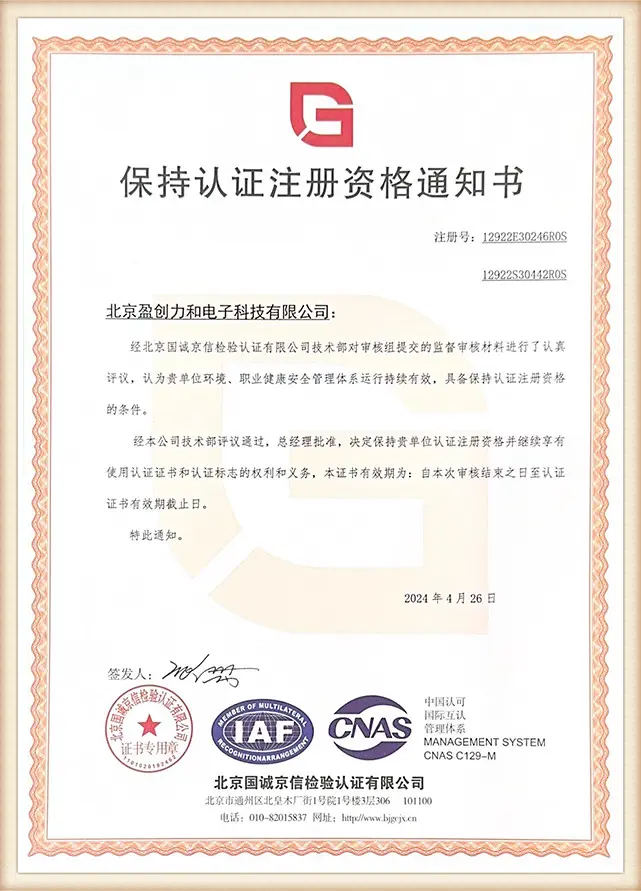
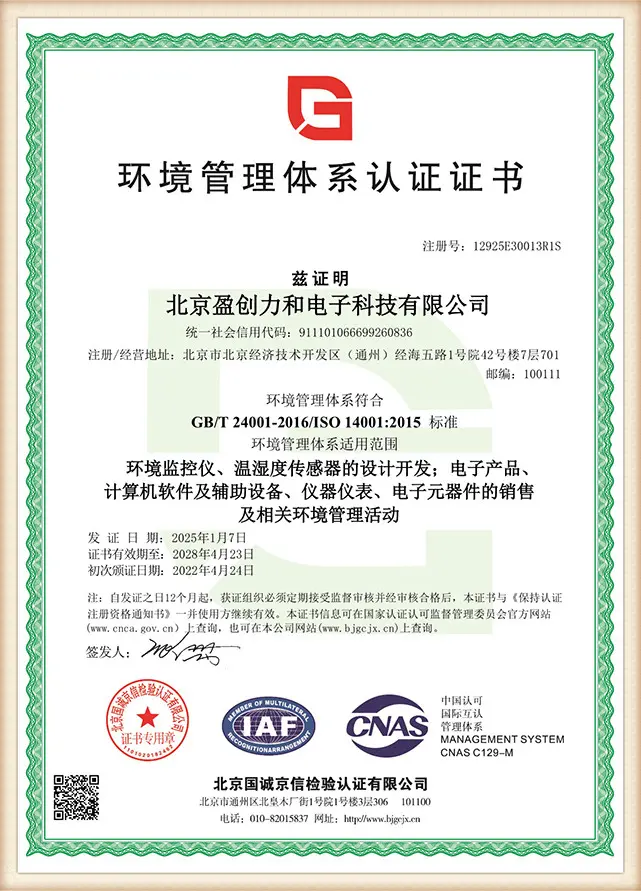
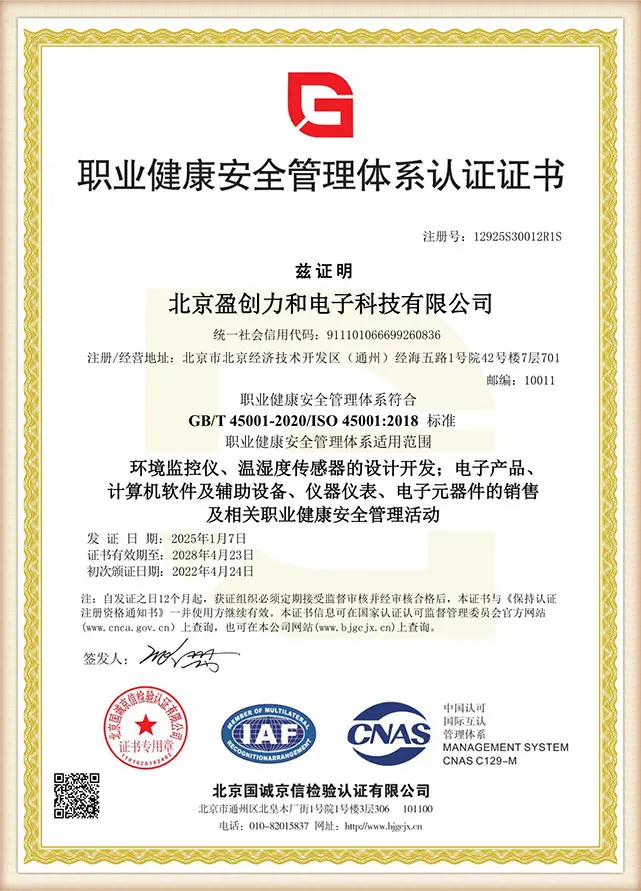
Keep up with evolving technology to choose the right custom sensor setup for your project.
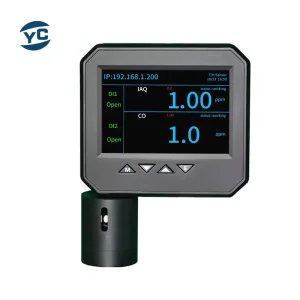
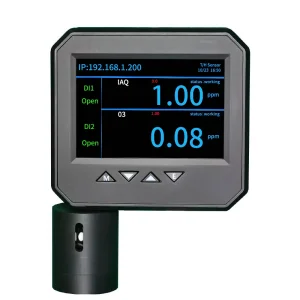
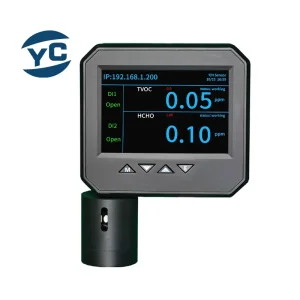
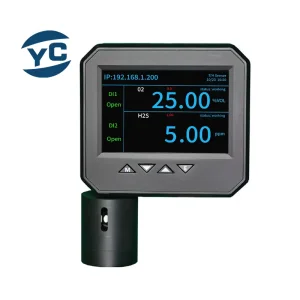
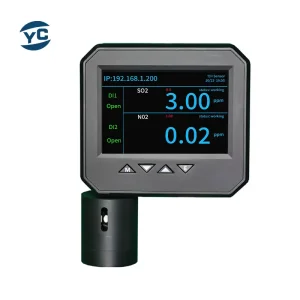
Industrial facility managers are moving away from single-parameter sensors in favor of multi-parameter environmental gateways. Modern safety protocols call for tracking volatile organic compounds (TVOCs), formaldehyde (HCHO), carbon monoxide (CO), ozone (O₃), sulfur dioxide (SO₂), nitrogen dioxide (NO₂), and hydrogen sulfide (H₂S) alongside standard temperature and relative humidity. Combining these measurements into a single network node reduces installation overhead, simplifies API loops, and provides a clearer view of air quality and chemical safety in cleanrooms and chemical warehouses.
Selecting the right network technology requires balancing physical constraints, power limits, and data frequency requirements. LoRaWAN is best for long-range, battery-powered installations, transmitting through concrete walls over several kilometers to a central gateway. However, it operates on a duty cycle with lower bandwidth. Wi-Fi supports high-frequency data transmission and easily integrates with existing wireless networks, but it has higher power demands. Wired Ethernet (PoE) remains the benchmark for reliability, delivering both power and high-speed, secure data transmission directly to server systems.
All humidity sensors degrade over time when exposed to chemical vapors and high humidity. High-quality systems counter this with integrated heating elements that periodically bake off chemical contaminants from the polymer membrane, along with firmware adjustments that account for sensor aging. These features keep measurements stable over years of operation, extending calibration cycles and reducing maintenance costs.
Answers to common technical questions about specifying, installing, and maintaining wireless sensors in industrial environments.
From single points of measurement to multi-point networks, our sensors deliver reliable, real-time data to help you manage your environment.
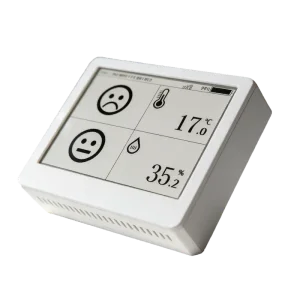
 YCLH Sensor