High-performance telemetry transceivers, IoT loggers, and localized multi-sensor solutions designed for mission-critical industrial integration.
Pioneering industrial telemetry technology with high-precision fabrication plants in Beijing.
In modern meteorological observation, smart agricultural automation, and industrial outdoor monitoring, environment data measurement acts as the nervous system. The main design challenge for temperature and humidity tracking in outdoor environments lies in physical degradation caused by temperature variations, solar radiation, moisture, dust, and electrical interference. Standard digital protocols like I2C, SPI, or direct analog lines face signal loss over long distances.
RS485 Modbus RTU is the industry standard for outdoor installations. Using differential signaling across twisted-pair copper wiring, RS485 offers balanced noise rejection. This enables transmission distances of up to 1,200 meters (4,000 feet) without active signal boosters. This long-distance capability is vital for large physical installations such as highway monitoring nodes, solar farms, reservoirs, and automated agricultural fields.
Unlike single-ended communication systems where signals are referenced against a common ground, RS485 uses two complementary signal lines (designated 'A' and 'B'). The receiver reads the voltage difference between these lines. Common-mode noise—such as electromagnetic interference (EMI) from heavy machinery, high-voltage lines, or lightning strikes—affects both lines equally. Because the voltage difference remains constant, the system filters out the noise, ensuring high data integrity.
Engineering an outdoor RS485 temperature and humidity sensor requires addressing several design factors:
Review our precision APEM series. Custom calibrations, protocol conversions, and specialty multi-gas options are available directly from our engineering team.
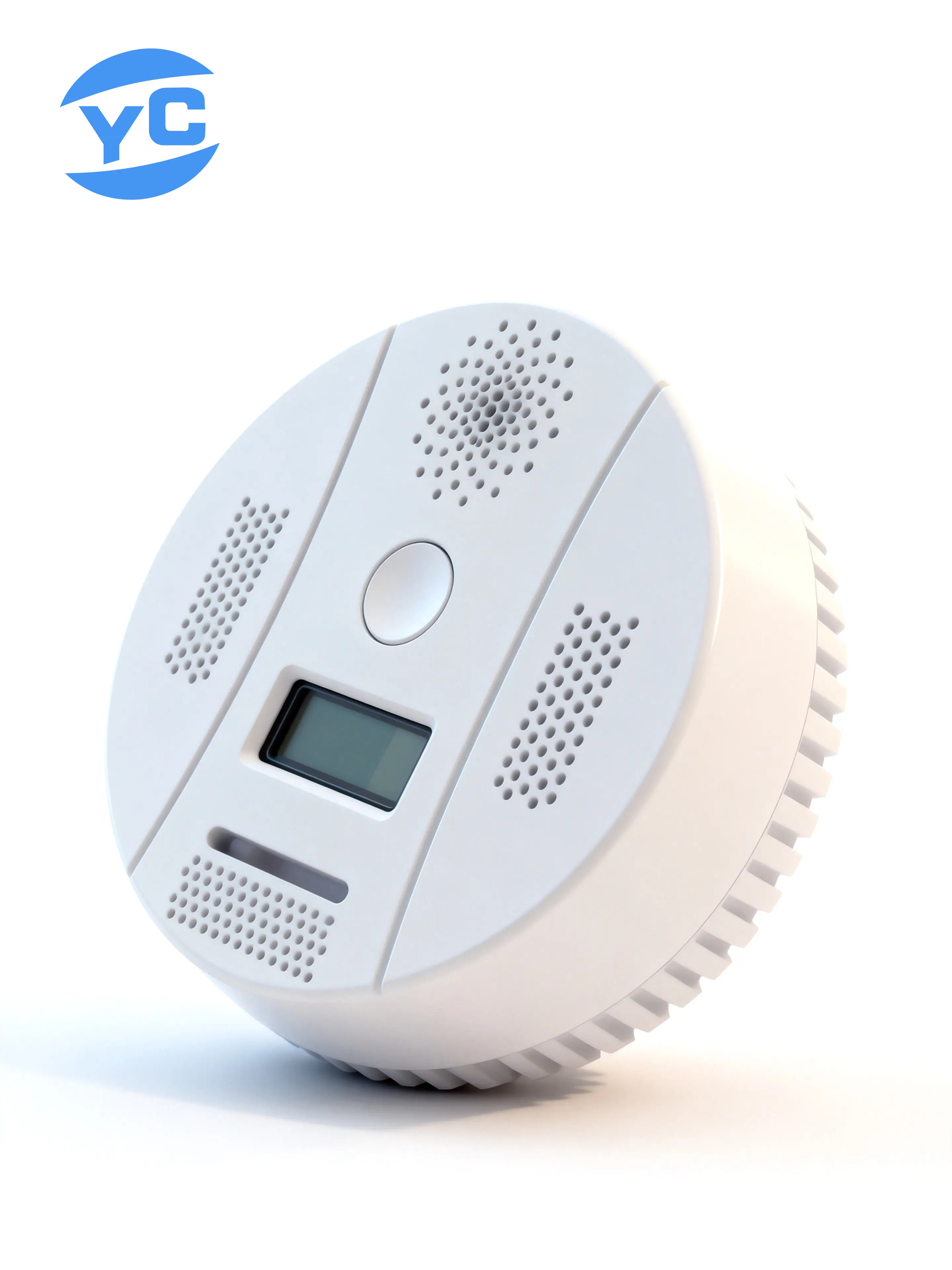
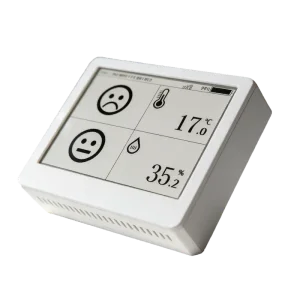
Wireless Range: Up to 10km (line of sight)
Parameters: Temp, Humidity, Indoor Air Quality
Power Option: Battery-powered or external USB backup
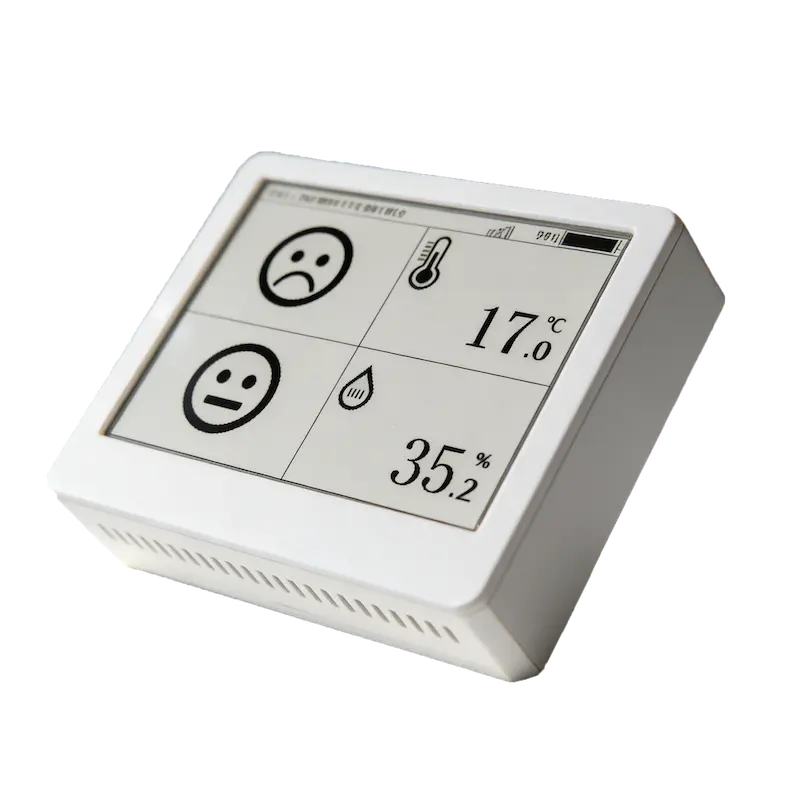
Power Input: DC 12V~48V + POE Capability
Protocol: Modbus RTU / LORAWAN compatible
Enclosure: Industrial dust-proof design
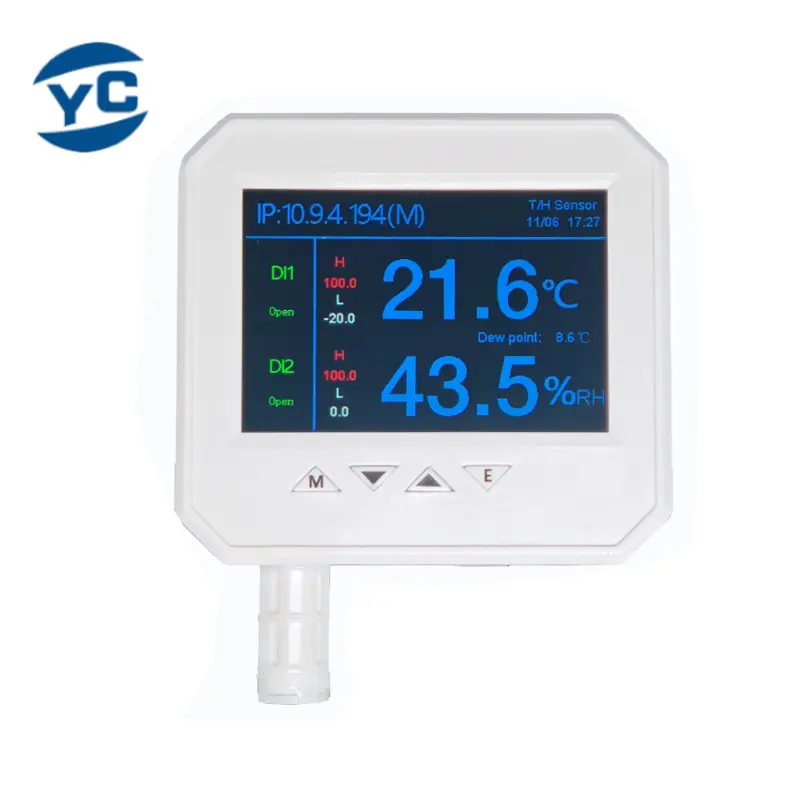
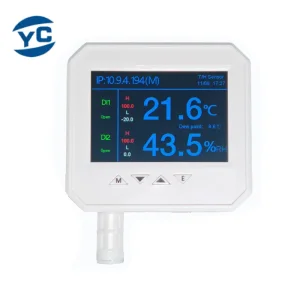
Interface: RJ45 Ethernet, POE (802.3af)
Calculation: Temperature, Humidity, Dew Point
Power: DC 12~48V dual backup support
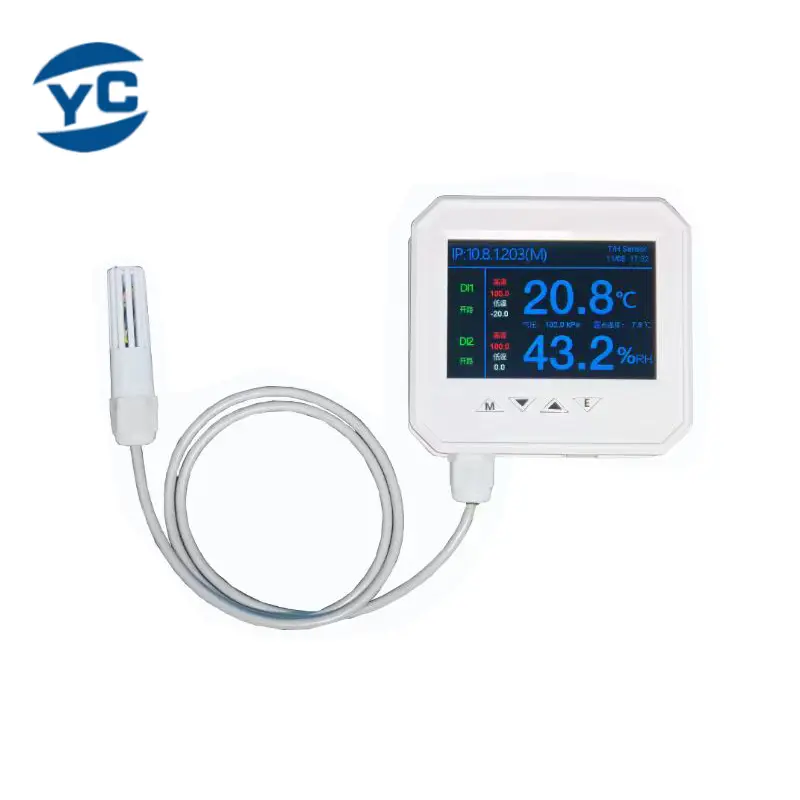
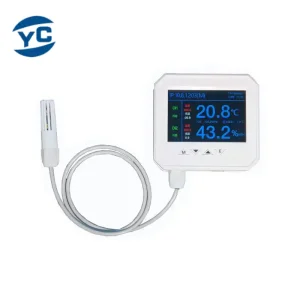
Probe Style: External split cable (1-3m options)
Mounting: Remote probe for high-temp/humidity zones
Output: Modbus TCP/IP, SNMP, HTTP APIs
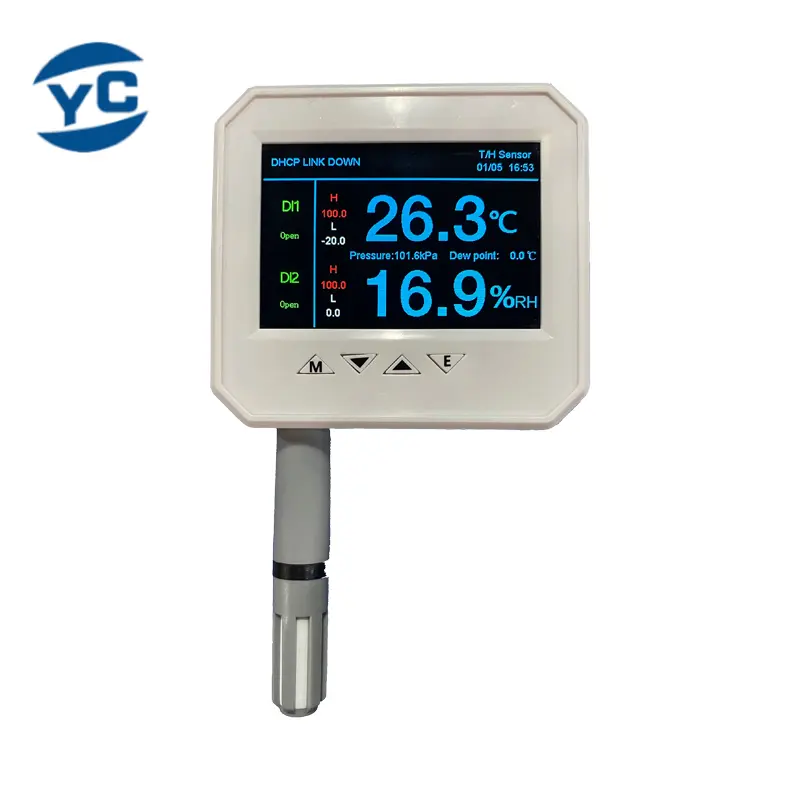
Additional Parameter: Atmospheric Barometric Pressure
Application: Airflow assessment and pressure differentials
Accuracy: Pressure resolution down to ±0.12hPa
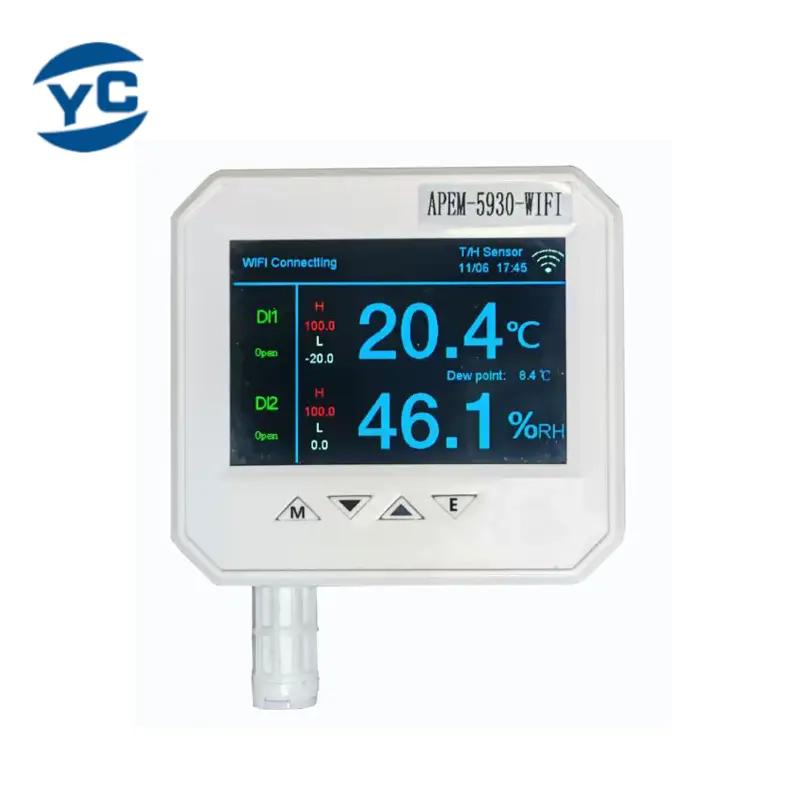
Primary Link: Wired RJ45 Ethernet
Redundancy: 2.4G WiFi auto-failover
Alerting: Built-in web hook/e-mail alarm triggers
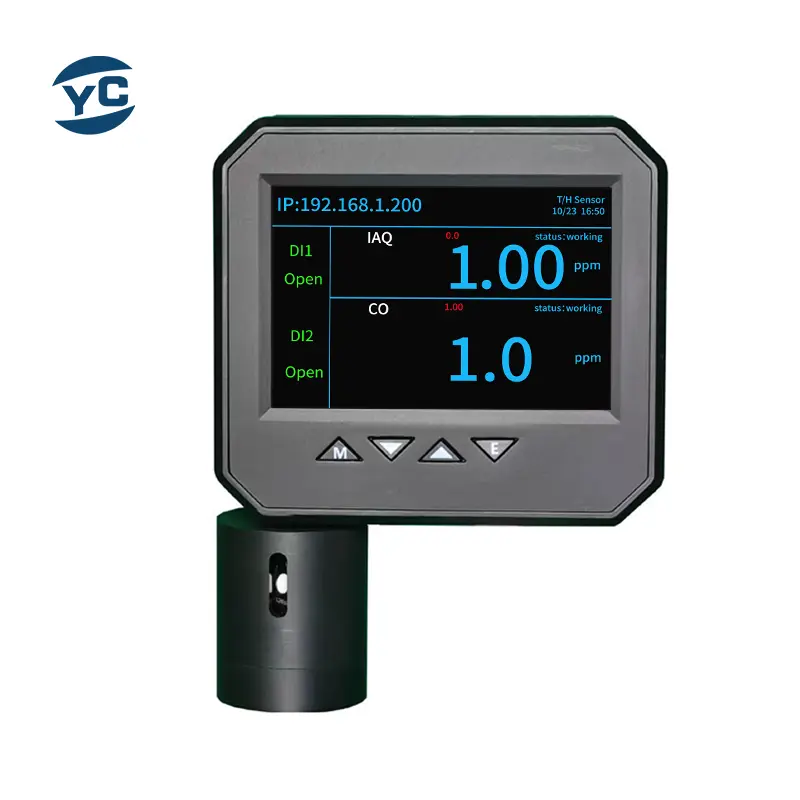
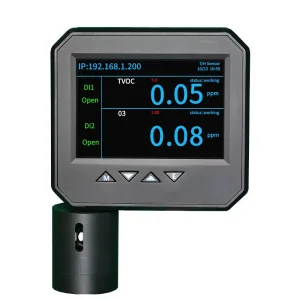
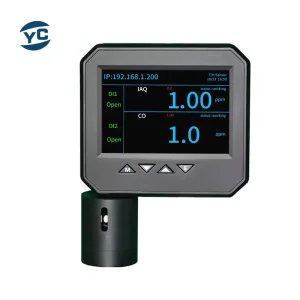
Integrated Gases: CO, TVOC, General Indoor Air Quality
Interface: Ethernet RJ45 + RS485 Daisy Chain
Enclosure: Shielded high-durability polymer case
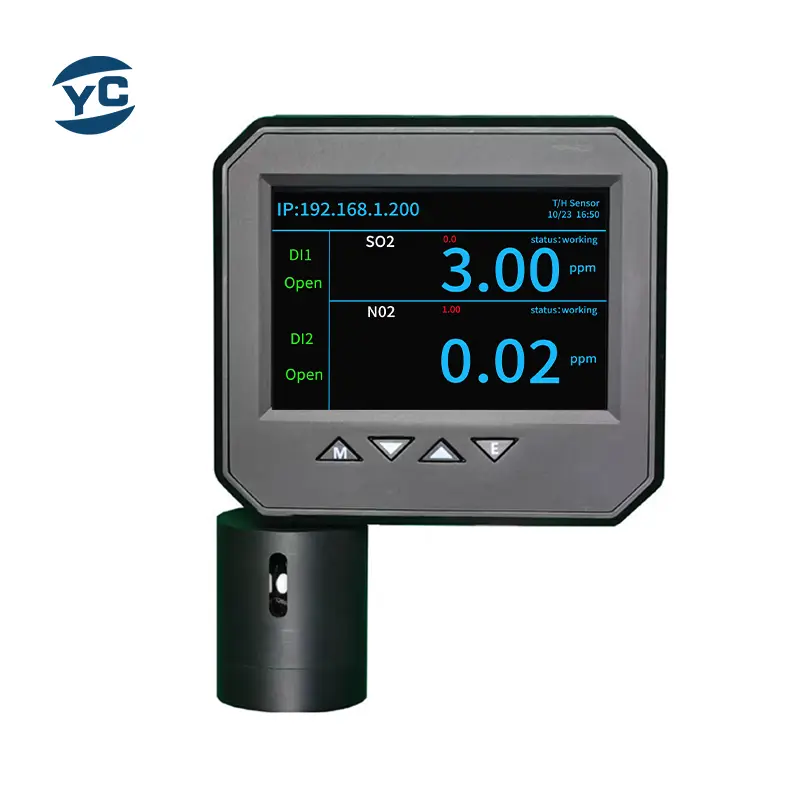
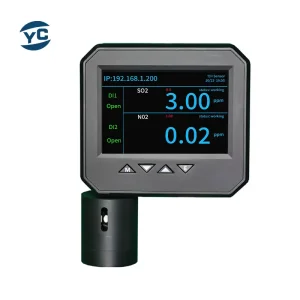
Target Gases: Sulfur Dioxide (SO₂), Nitrogen Dioxide (NO₂)
Safety: Real-time environmental warning system
Integration: Modbus RTU/TCP register mapping
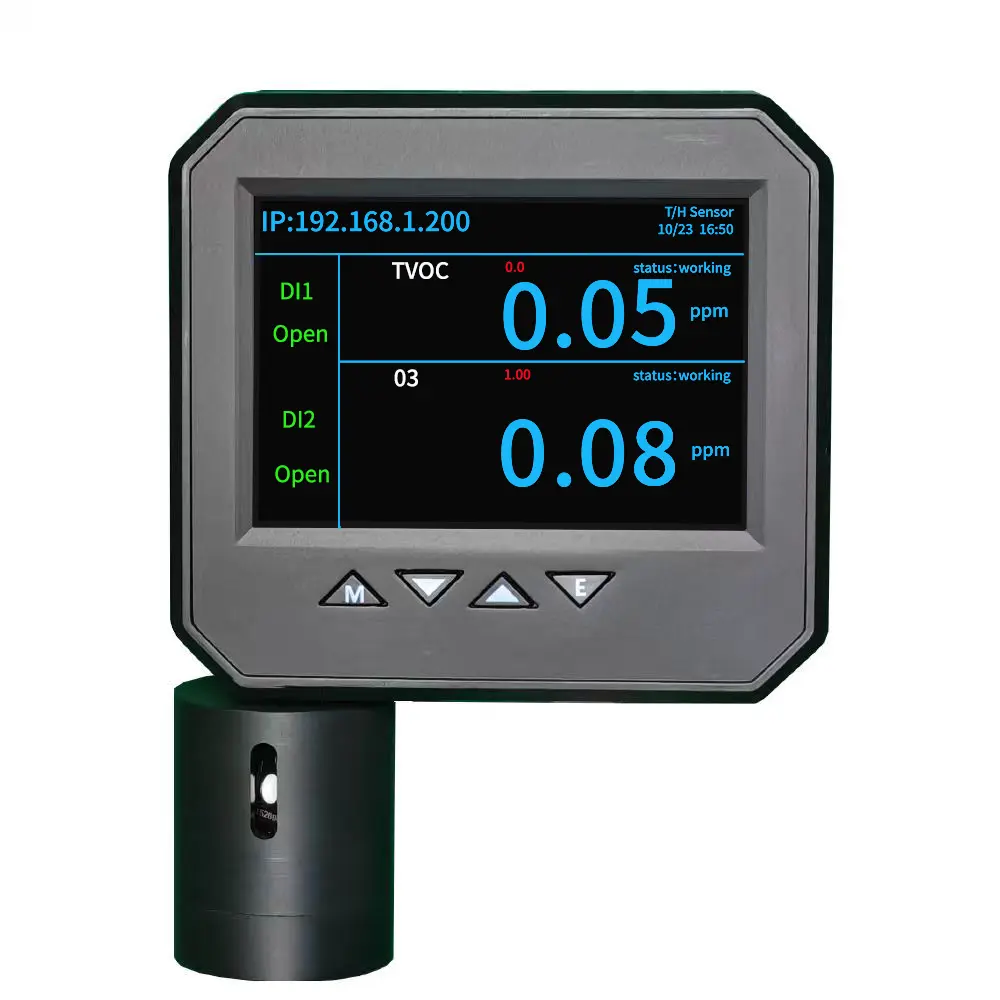
Target Gases: TVOC, Ozone (O₃), Temp, Relative Humidity
Protection: Anti-interference circuitry
Applications: Cleanrooms, chemical storage, warehouses
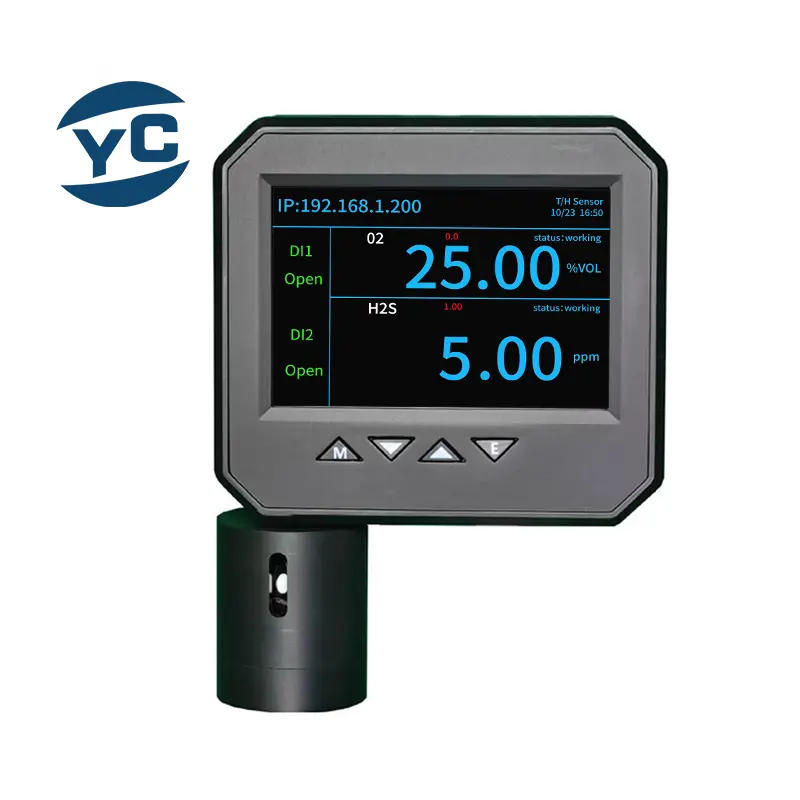
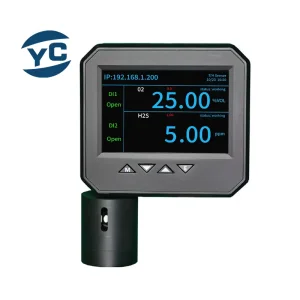
Sensors: Oxygen (O₂), Hydrogen Sulfide (H₂S)
I/O Port: 2-channel Digital Input, 1-channel Relay Output
Bridge: RS-485 to Ethernet routing protocol
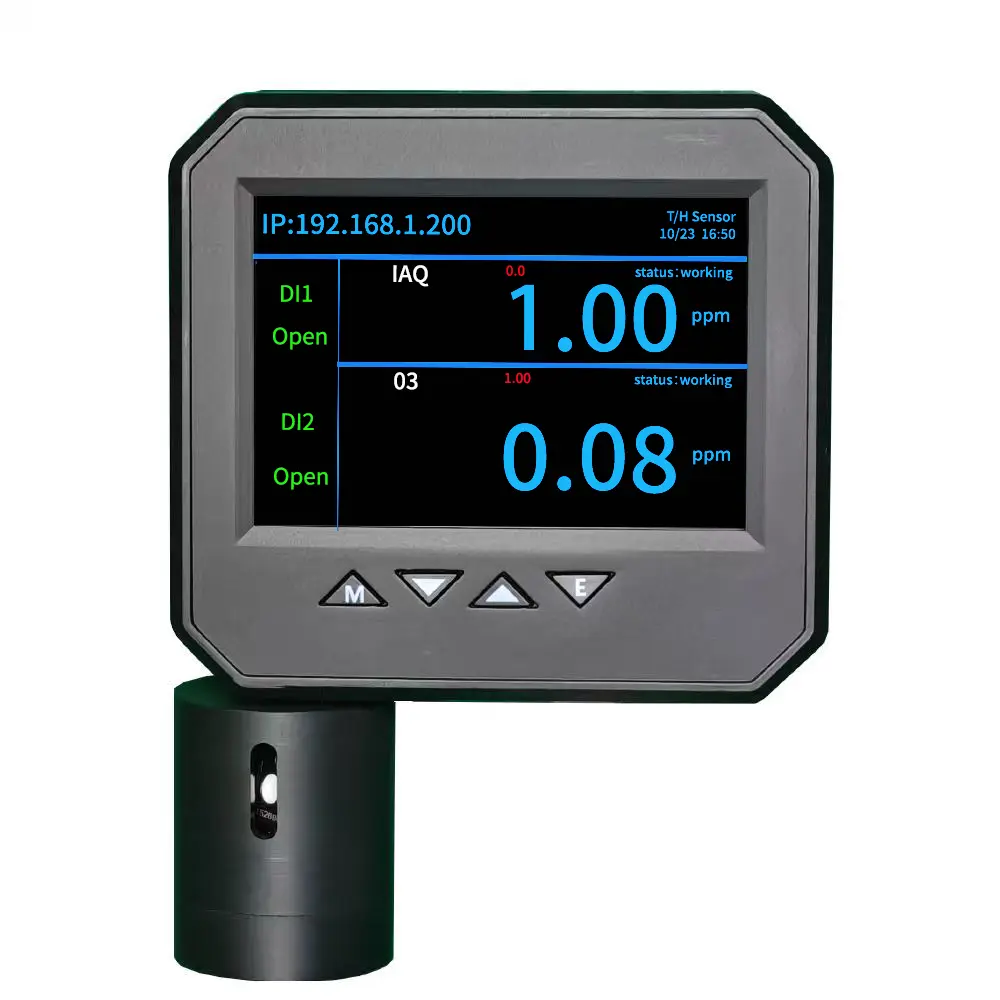
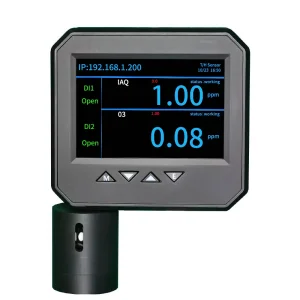
Features: Comprehensive IAQ evaluation + ozone analysis
Deployment: Standard DIN Rail or Wall Mount
Networking: PoE with backup power inputs
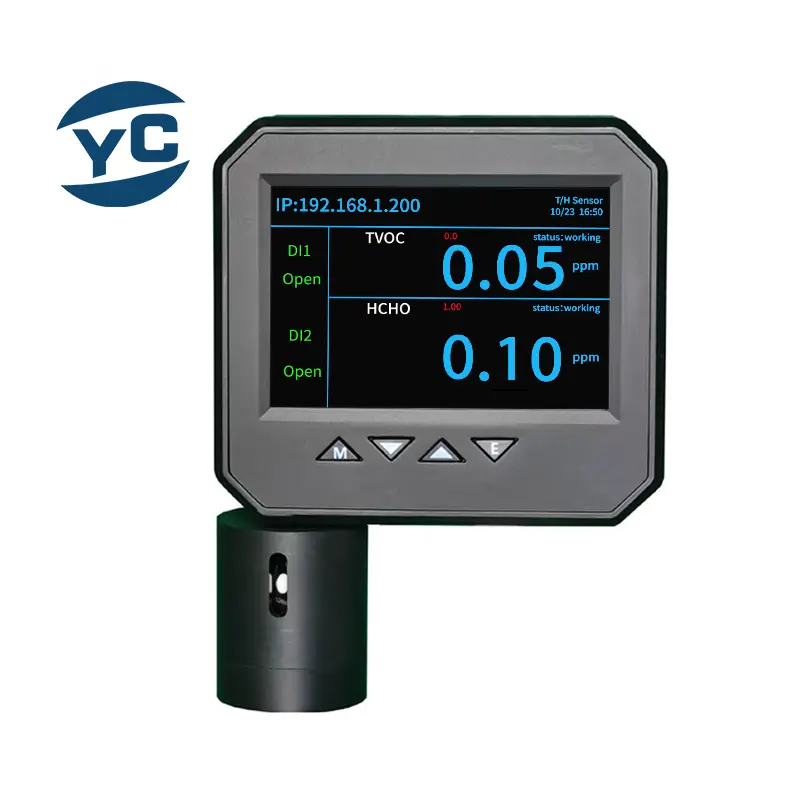
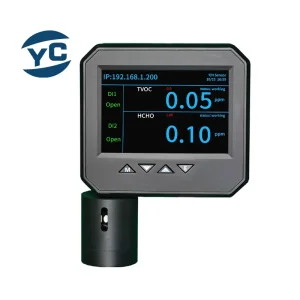
Gases: TVOC, Formaldehyde (HCHO) analysis
Resolution: High resolution for chemical tracking
Protocols: HTTP Post, MQTT for direct cloud data storage
Manufacturing precision meteorological and telemetry sensors requires an integrated industrial ecosystem. Beijing Yingchuanglihe Electronic Technology Co., Ltd. operates in the capital's tech corridor. This location provides access to localized research institutions, high-speed circuit design resources, and advanced raw materials.
China's component supply chain allows us to optimize manufacturing cost structures while maintaining high performance. Component sourcing, high-speed SMT assembly, automated calibration systems, and quality control are consolidated under one operational structure. This level of integration helps us control lead times and cost:
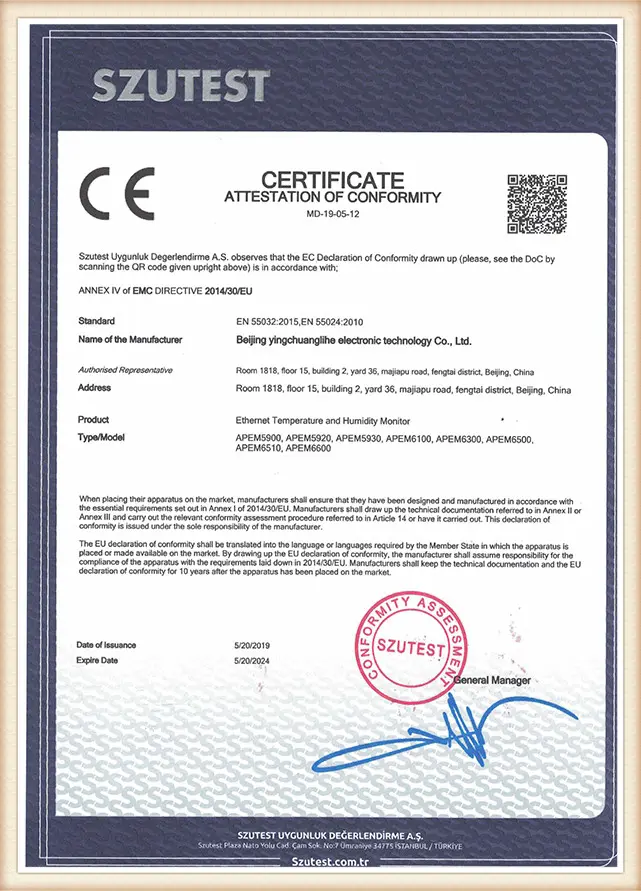
Industrial environmental equipment must meet diverse localized regulatory and electrical standards. Whether installing sensors in the European Union, the United States, or Asia, compliance with EMC (Electromagnetic Compatibility), safety, and materials standards is mandatory.
Our entire product line is certified under CE, FCC, and RoHS. This certification verifies that our devices do not generate excessive electromagnetic noise, are protected against external surges, and are manufactured without hazardous substances like lead, cadmium, or mercury.
Additionally, software integration determines a system's long-term utility. Yingchuanglihe sensors support multiple industrial protocols out of the box, including Modbus RTU over RS485, Modbus TCP, SNMP, MQTT, and HTTP Rest APIs. This compatibility allows our devices to integrate directly with existing SCADA systems, industrial PLCs, agricultural automation hubs, and cloud-hosted data aggregation platforms.
Since 2007, Beijing Yingchuanglihe has pioneered environmental telemetry solutions. Here is our history of innovation and growth.
Founded and launched our first intelligent environmental monitoring terminal based on TCP/IP protocol. In the same year, the initial version of our environmental monitoring software was released.
Collaborated with Mocha Software to launch the TH-5939 series of environmental monitoring products supporting the SNMP protocol, widely adopted in telecommunications sectors.
Partnered with Switzerland's COMLAB to develop the TH-5869 protective Ethernet monitoring system, deployed in key high-speed rail lines like the Beijing-Kowloon and Wuhan-Guangzhou systems.
Launched the APEM-6100 with Founder Technology, one of the earliest environmental telemetry devices to use Power over Ethernet (PoE) technology for commercial buildings.
Collaborated with Foxconn, establishing our sensors as a benchmark standard for cleanroom and precision workshop climate monitoring.
Cooperated with Baidu to deploy our next-generation APEM-5900 intelligent network monitoring terminal at the Baidu Yangquan Data Center. Upgraded software to support complex multi-parameter monitoring.
Introduced a smart solutions system to support multi-scenario projects, expanding our telemetry offerings beyond traditional data centers.
Developed and launched an integrated outdoor cabinet monitoring system. The system was deployed in expressway ETC cabinet monitoring projects with Huawei and China Merchants Huaruan.
Designed and manufactured road-test integrated boxes and edge computing gateways for Beijing's high-level autonomous driving pilot zones.
Participated in the design and construction of national intelligent computing centers, supplying environmental monitoring solutions for high-density computing infrastructure.
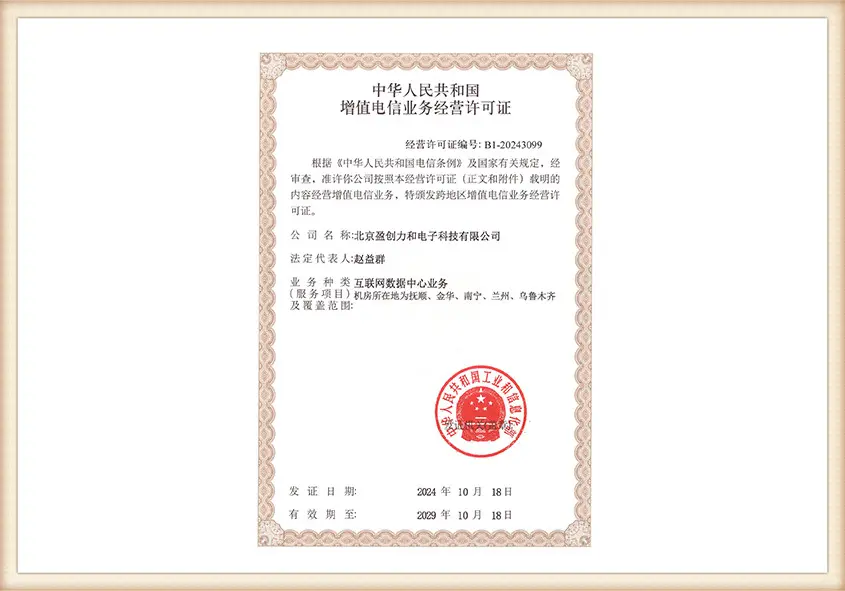
Formed joint business divisions with Beijing Enterprises Water Group and Beijing University of Civil Engineering and Architecture to integrate Beidou high-precision monitoring. Obtained our official Internet Data Center (IDC) operator license.
Our RS485, Ethernet, and wireless systems are engineered for high reliability across a range of challenging environments.
Providing ruggedized roadside sensor arrays and integration modules to monitor real-time road surface temperatures, humidity levels, and dew point hazards.

Deploying high-precision PoE temperature/humidity units inside server cabinet rows. This supports real-time micro-climate tracking to prevent thermal hotspots.

Supporting pharmaceutical, biotech, and silicon chip fabrication with cleanroom monitoring systems, featuring gas detection and atmospheric pressure tracking.

Supplying specialized waterproof sensors with protective casings to track sub-surface soil conditions, municipal water mains, and underground utilities.

Providing integrated security solutions, combining environmental monitoring sensors with automated smart locks inside remote utility cabinets.

Supporting heavy manufacturing, petrochemical processing, and logistics storage facilities with real-time temperature, humidity, and gas detection networks.

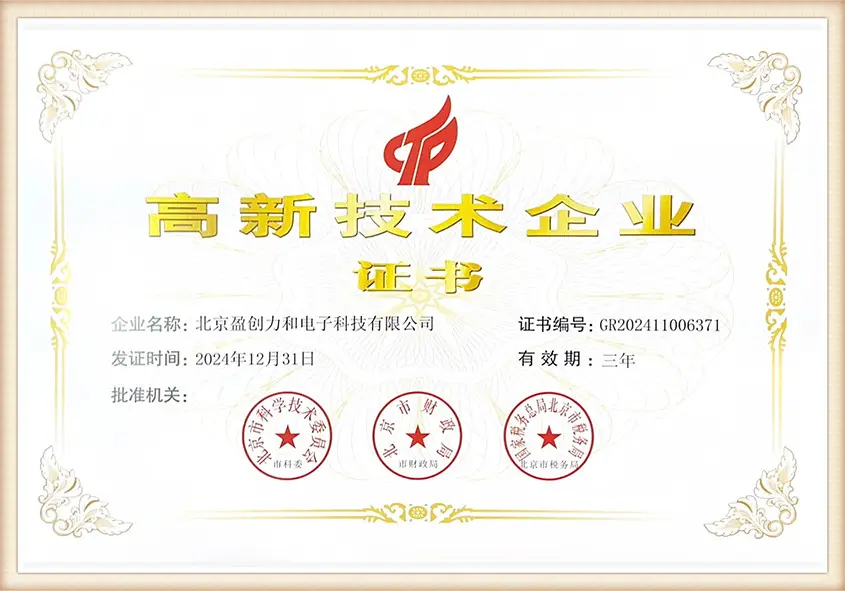
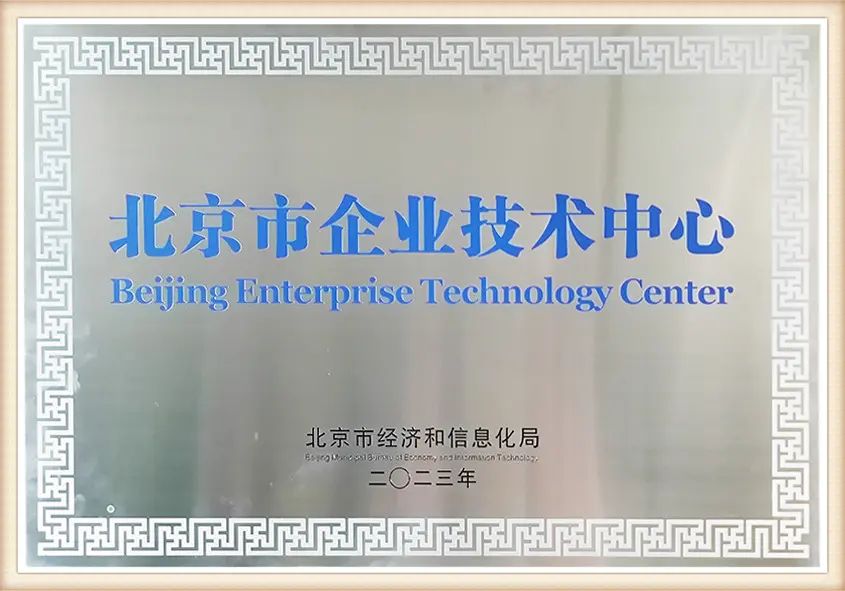
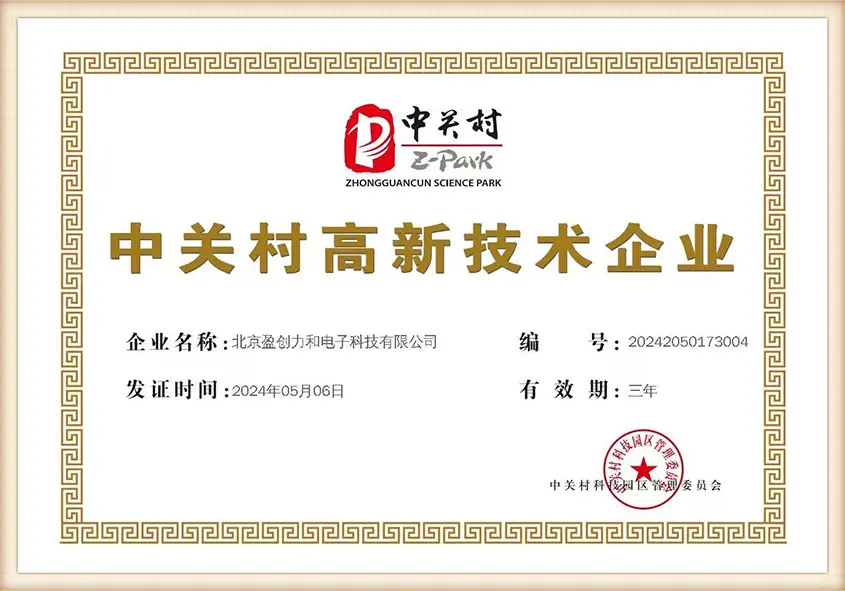
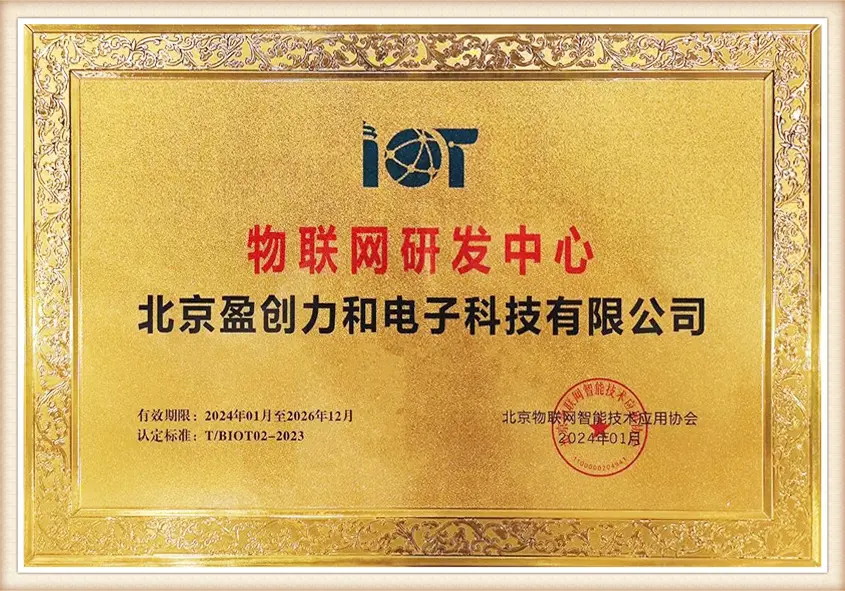
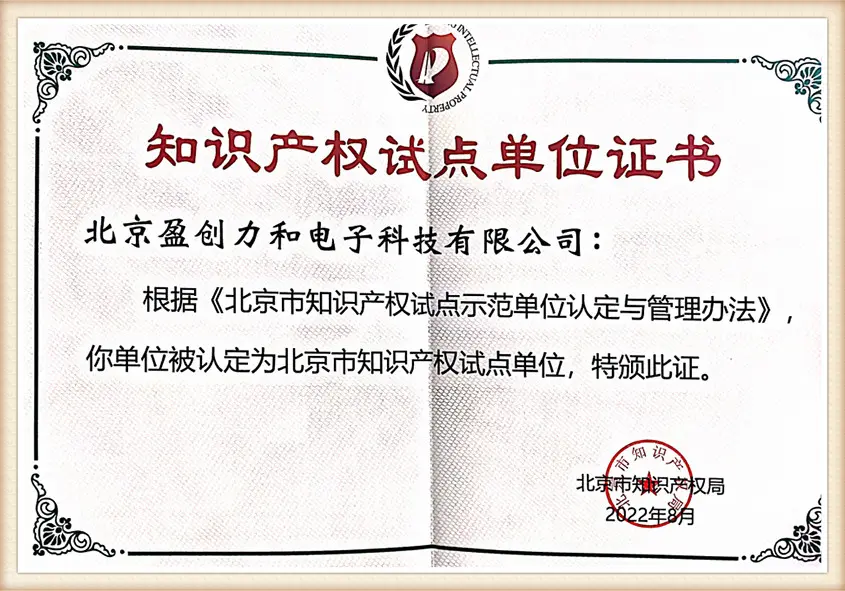
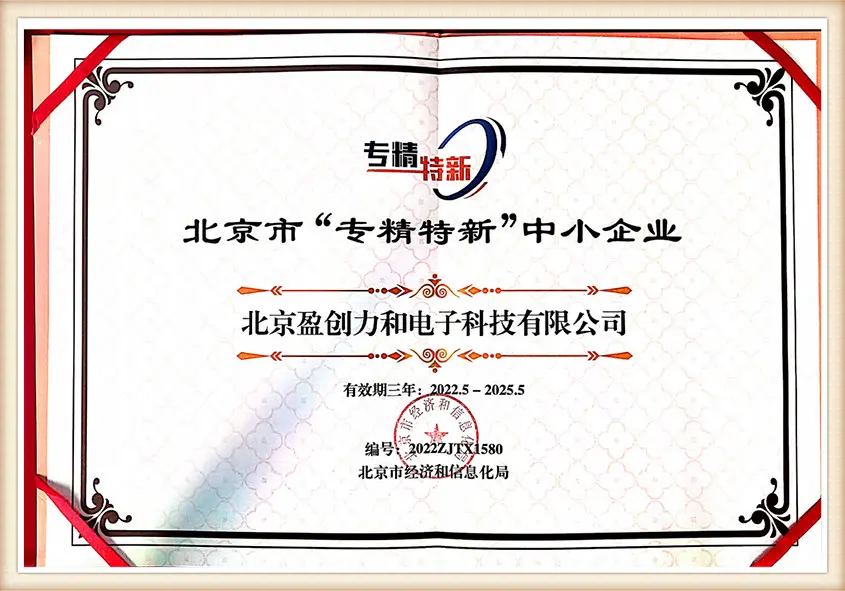
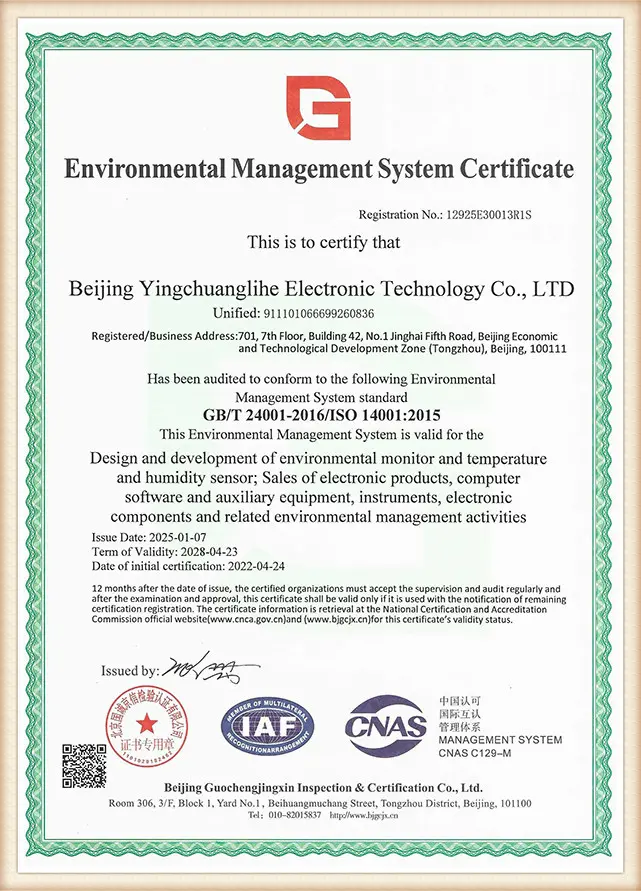
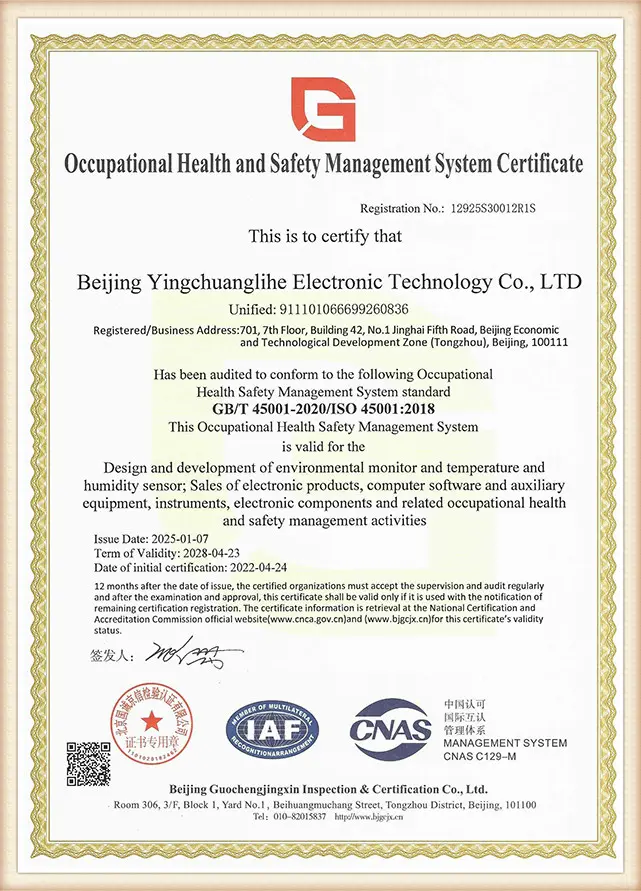
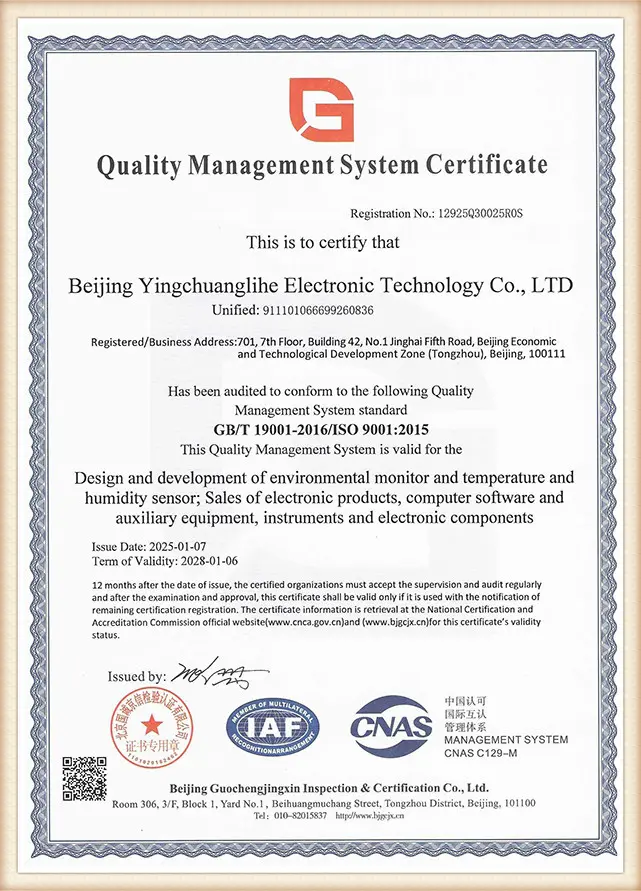
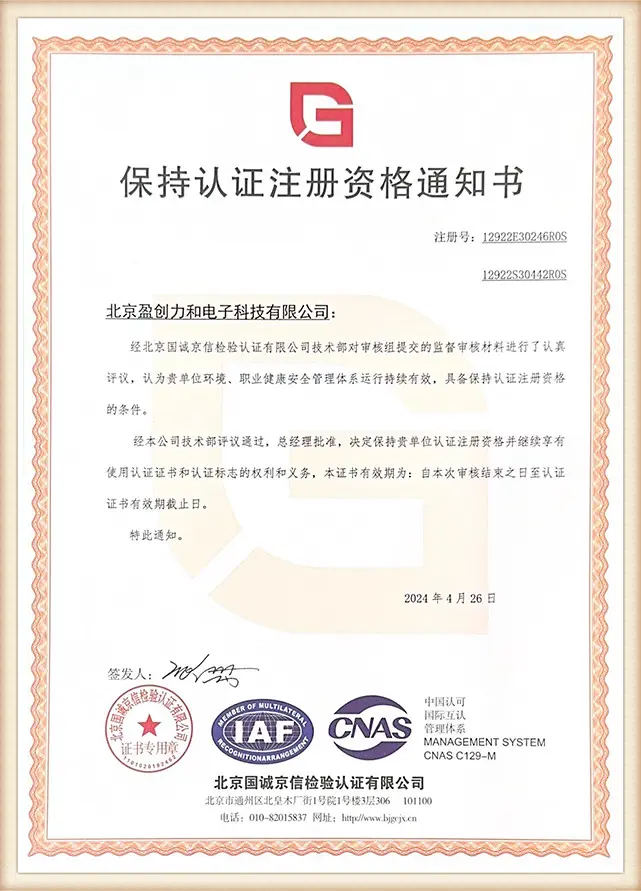
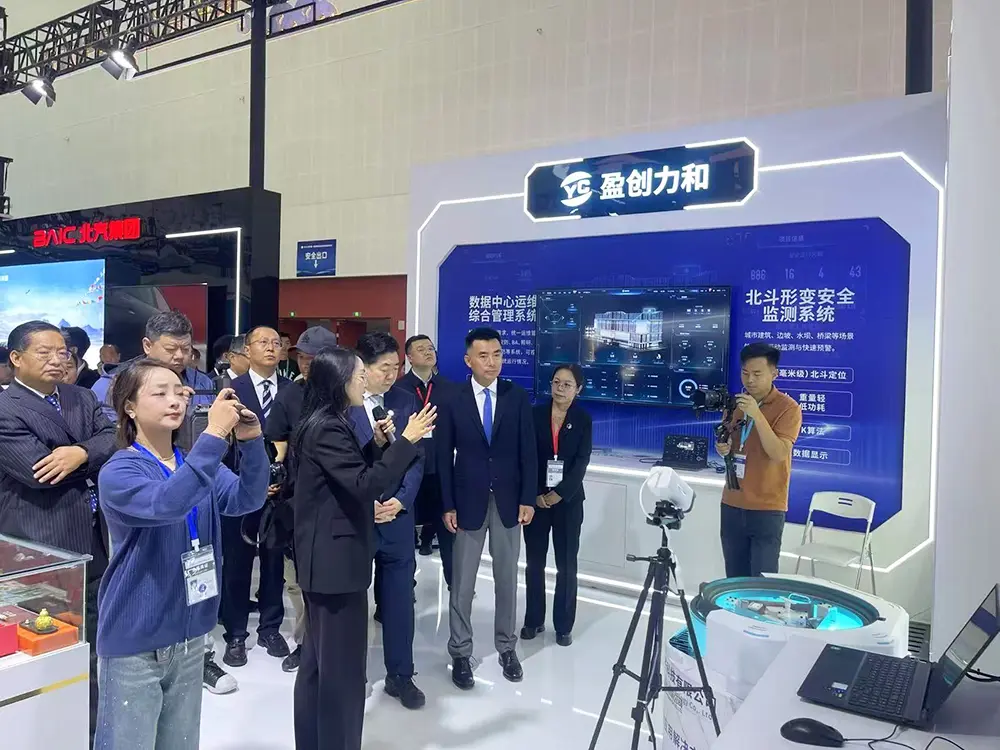
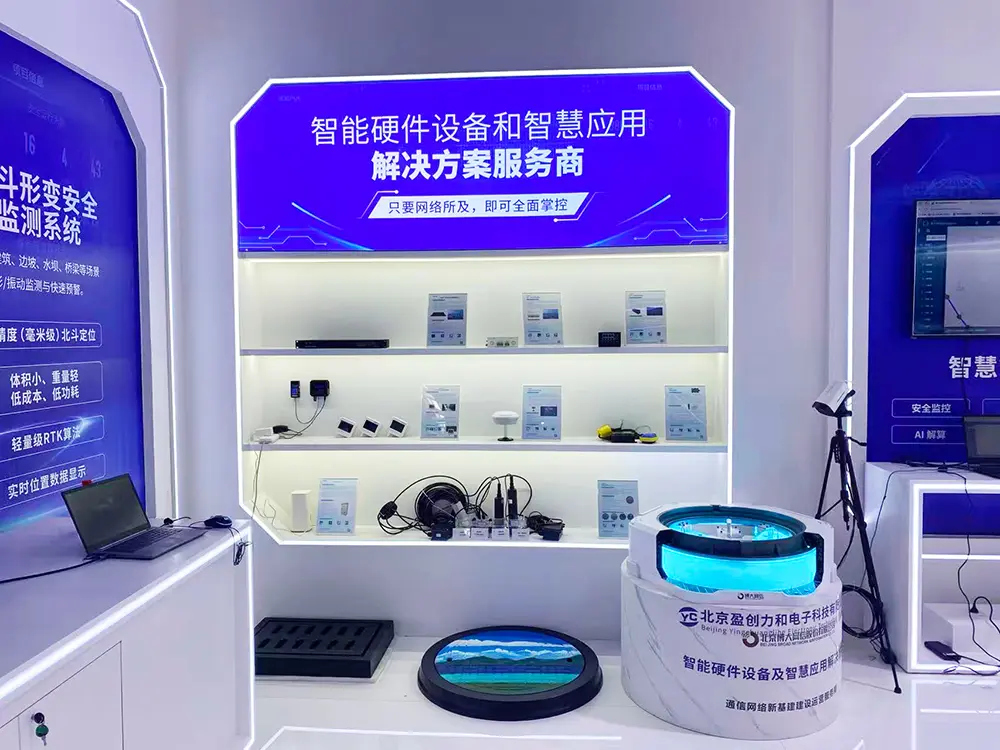
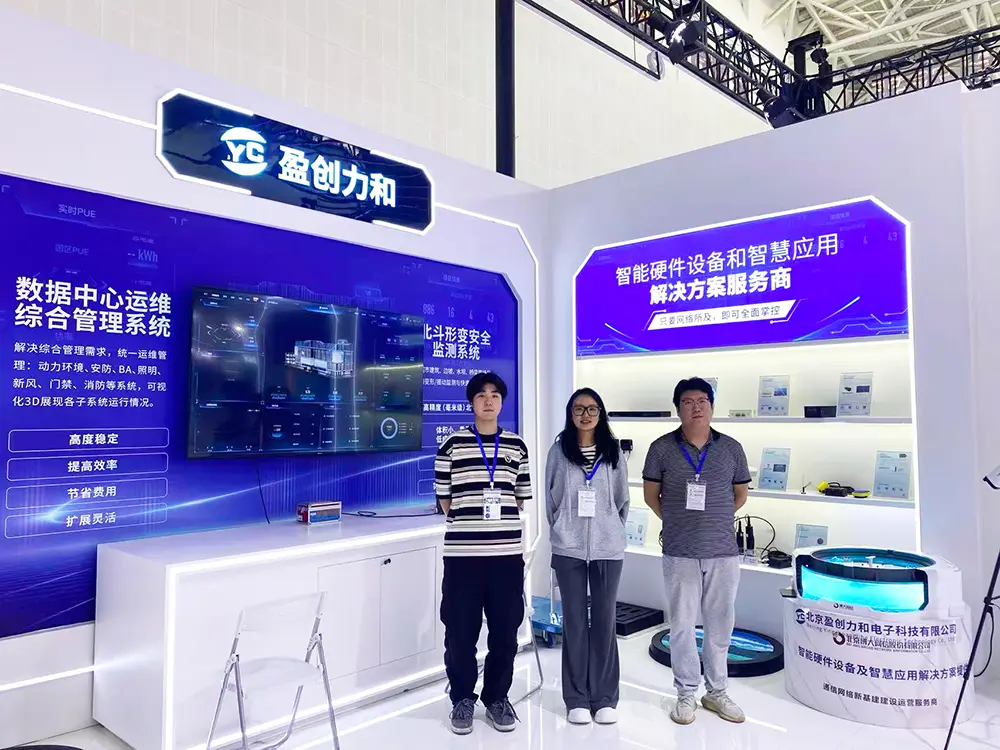
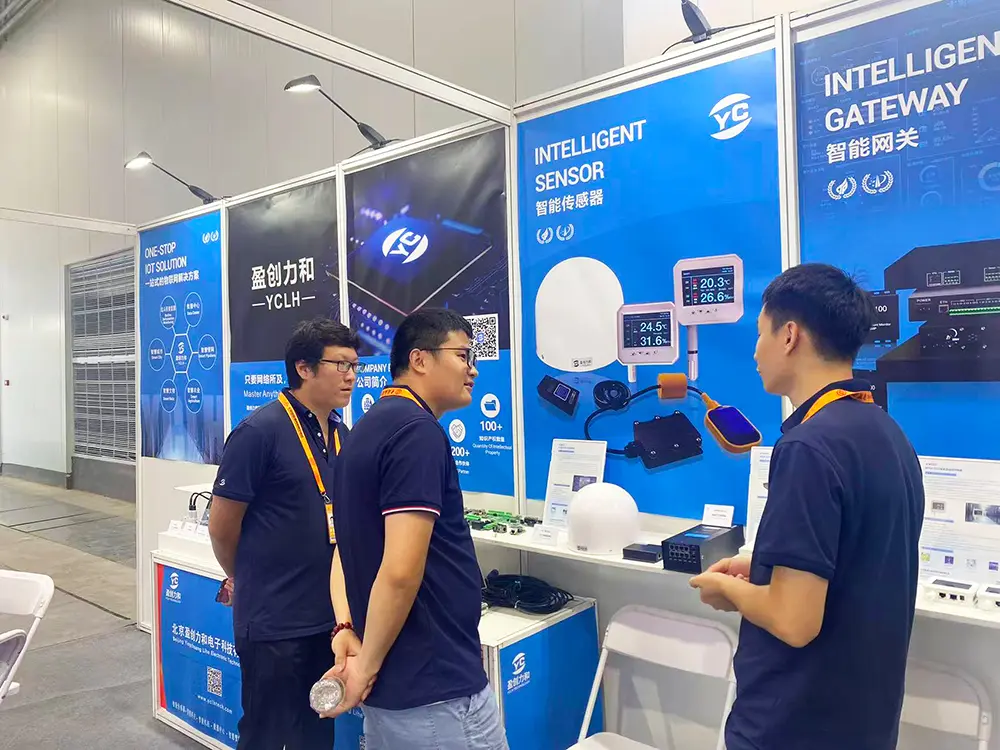
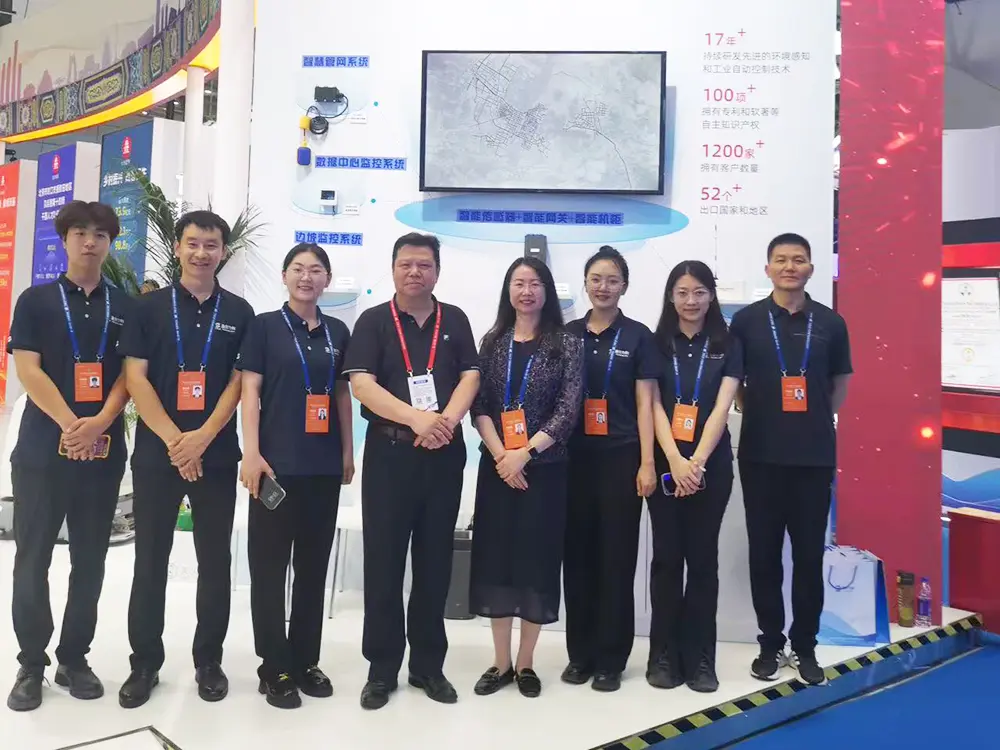
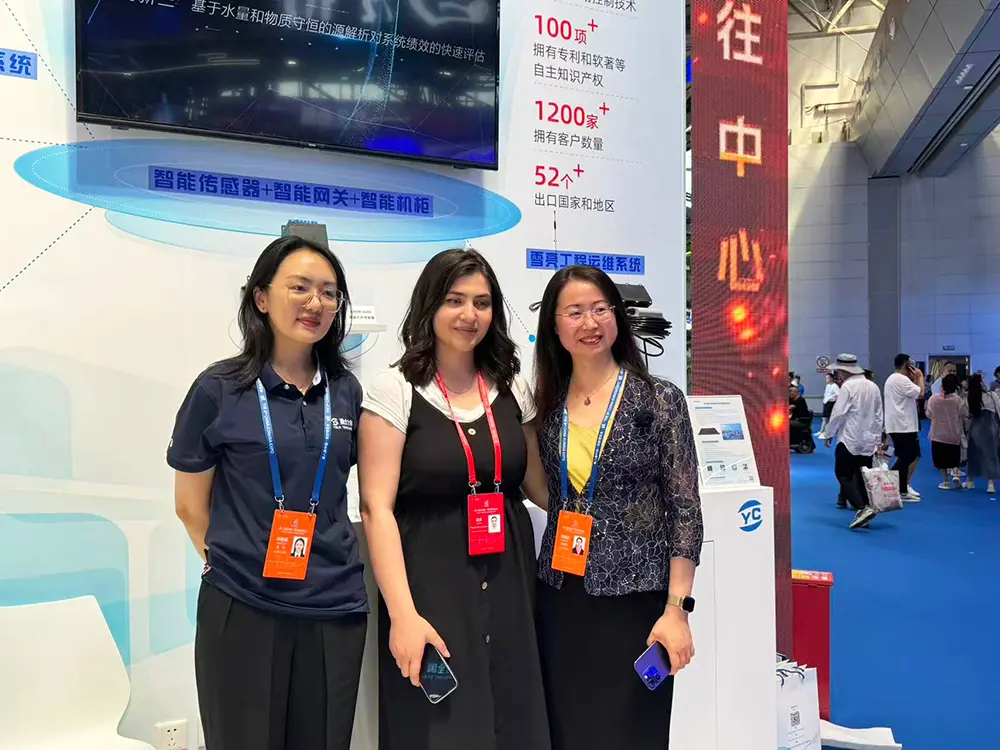
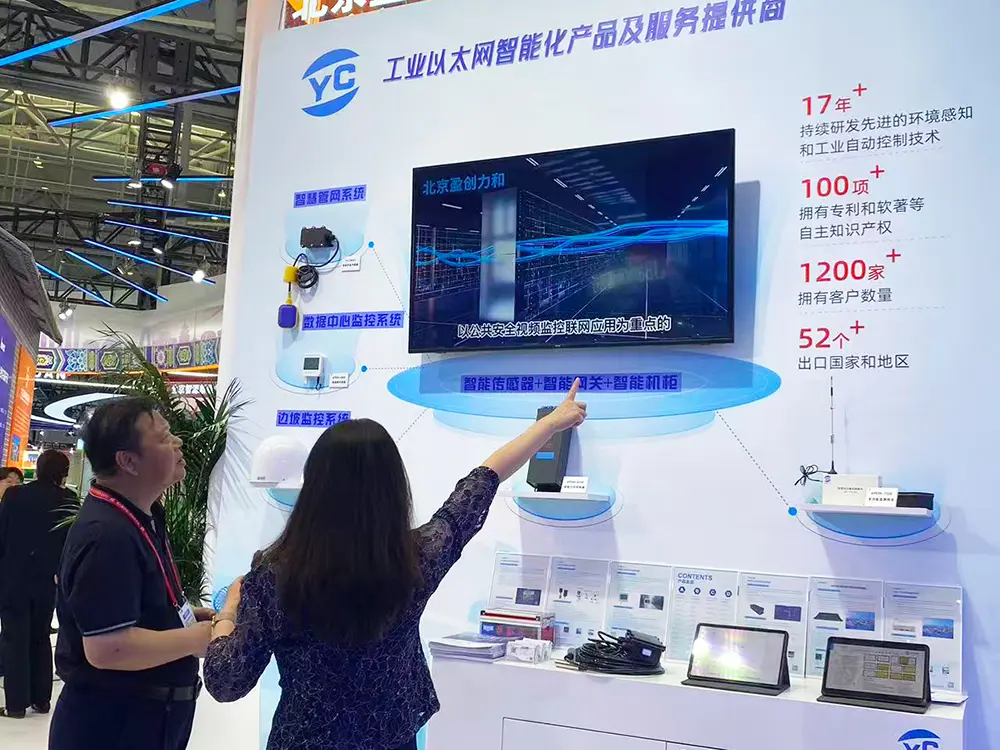
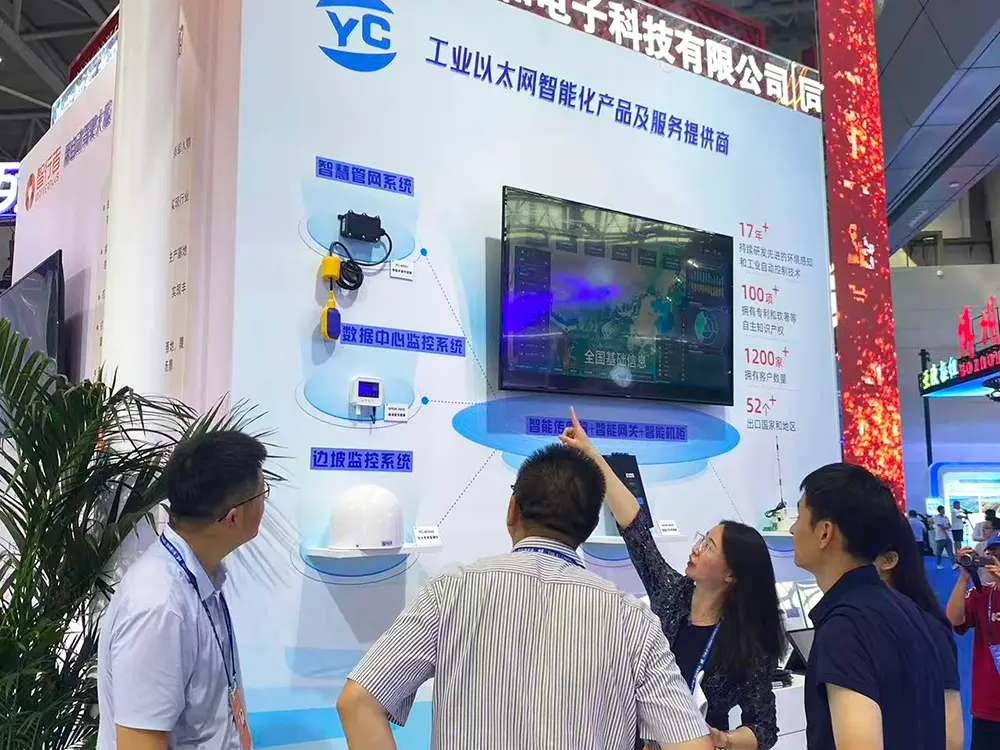
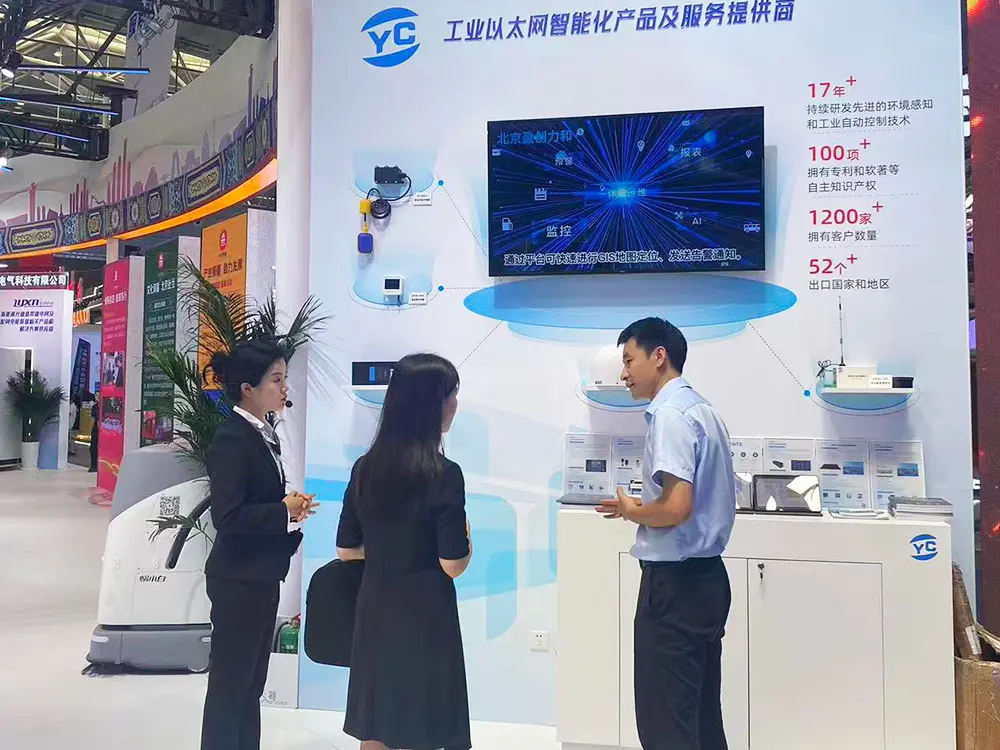
Our commitment to international quality standards. We regularly present our innovations at global technology events and industrial expos.
Answers to common engineering and installation questions regarding our outdoor RS485 sensors.
Explore our range of multi-gas, Ethernet, and Modbus-compatible environmental monitoring systems.
 YCLH Sensor