Direct from our manufacturing base in China: Swiss-core sensors with native TCP/IP, PoE, and Modbus protocol capability.
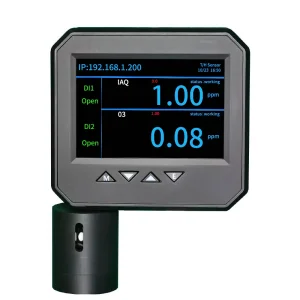
Monitors IAQ, O3, Temp & Humidity. Ideal for chemical verification and sterile space diagnostics.
Detail & Inquiry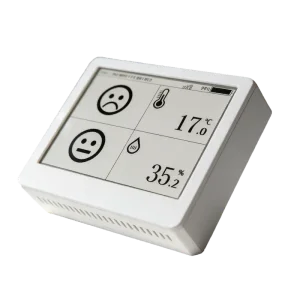
Low-power long-range wireless sensor. Customizable configurations for agricultural clusters and distribution hubs.
Detail & Inquiry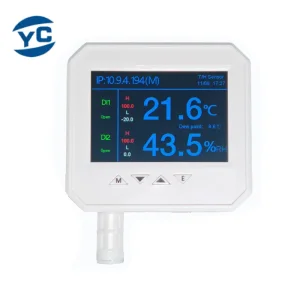
Standard PoE (802.3af) powered transmitter. Integrated web server, SNMP, and Modbus TCP support.
Detail & Inquiry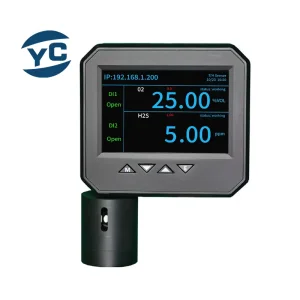
Rugged gas and environmental monitoring gateway designed for toxic pipelines, industrial cellars, and mines.
Detail & Inquiry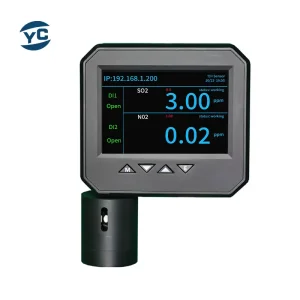
Combined ambient environmental monitoring solution optimized for chemical workshops and municipal grids.
Detail & Inquiry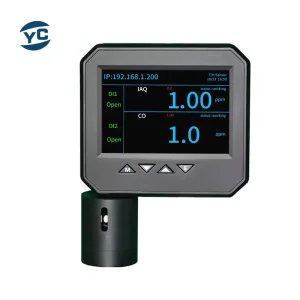
Precision environmental tracking with built-in carbon monoxide alarm outputs and automatic ventilation triggers.
Detail & Inquiry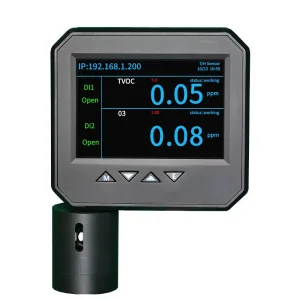
Advanced organic compound sensing alongside dry/wet indicators for health assessment.
Detail & Inquiry
Designed for factory chimneys, exhaust loops, and atmospheric weather station deployment.
Detail & InquiryEstablishing Industrial Environmental Standards Since 2007
Beijing Yingchuanglihe Electronic Technology Co., Ltd. is a high-tech pioneer specializing in environmental monitoring sensors. Since our foundation in 2007, we have remained committed to providing high-accuracy temperature, humidity, atmospheric pressure, and multi-gas sensors designed to supply stable and accurate data for automated infrastructure across the globe.
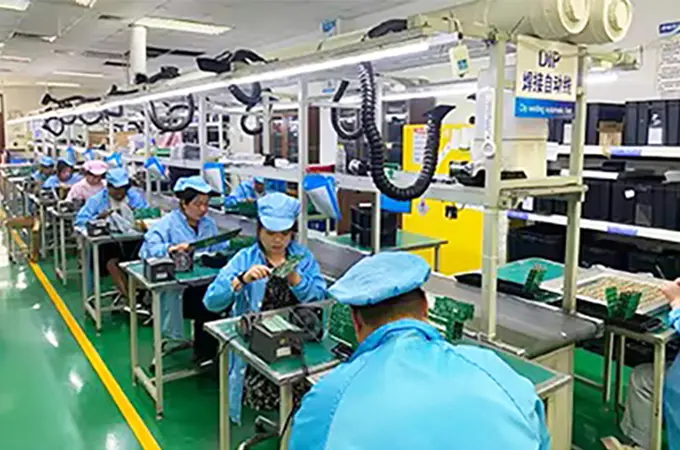
Headquartered in Beijing, China, we operate a modern production facility of over 1,500 square meters. Integrating research, design, production, and distribution, our sensors rely on state-of-the-art sensitive chips imported from Switzerland and Germany, achieving outstanding long-term calibration stability. Our complete product lines are certified under CE, FCC, and RoHS standards.
20 years of proven sensor expertise. Advanced cleanroom calibrators guarantee minimal measurement drift over years of usage.
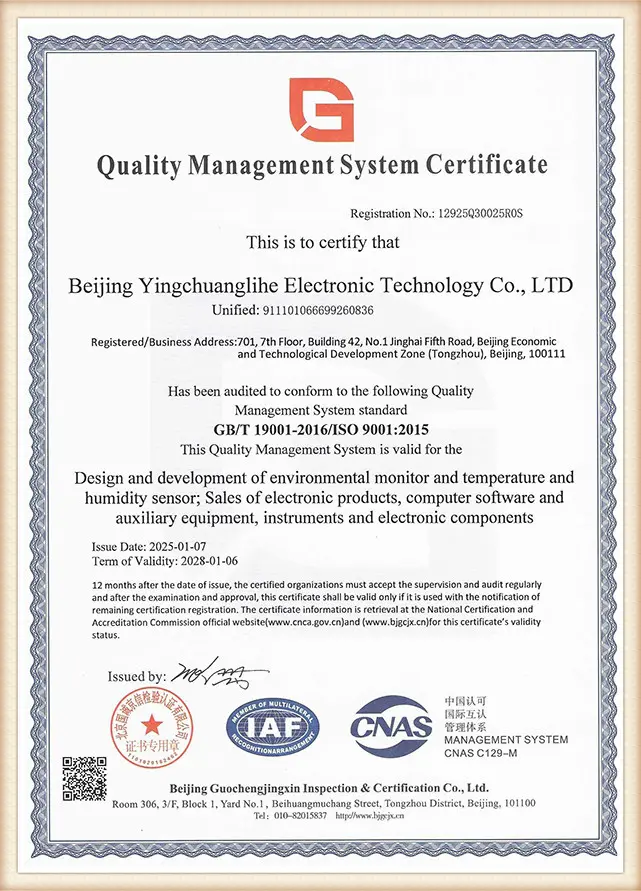
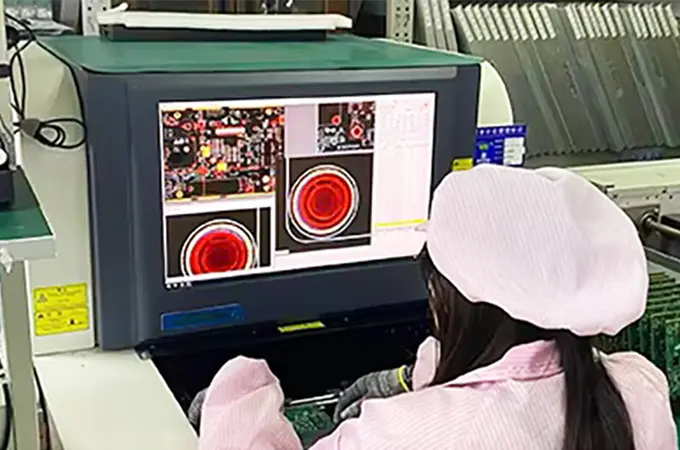
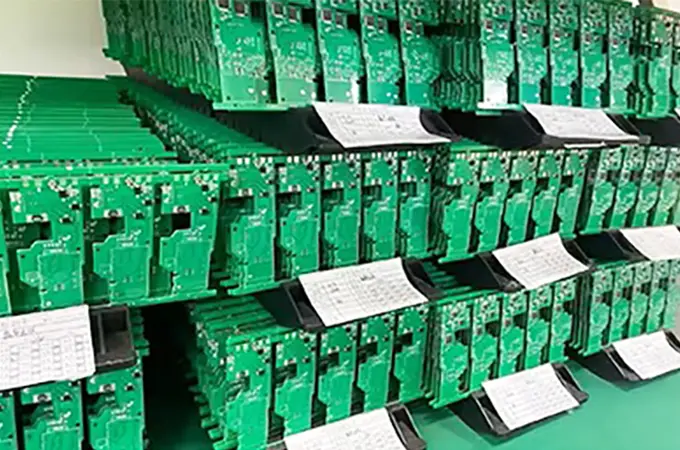
Five automated assembly lines running under strict ISO9001 guidelines to assure fast delivery times.
Deploying reliable Ethernet environmental sensing nodes across multi-industry topologies.
Modern high-density data centers require thermal stability to optimize PUE (Power Usage Effectiveness) and prevent structural downtime. Our PoE-enabled sensors monitor real-time hot/cold aisle temperatures, relative humidity, and dew points, feeding data straight to building management platforms through SNMP and Modbus TCP protocols. This setup helps prevent condensation and static buildup on processing units.
Compliance with FDA 21 CFR Part 11 and EU GMP Annex 1 guidelines demands constant environmental recording. APEM-5930P monitors atmospheric pressure differentials to prevent cross-contamination while tracking humidity and TVOC limits. The secure wired Ethernet infrastructure avoids the RF interference risks found with standard wireless setups, ensuring reliable data delivery.
Automated climate control in greenhouses depends on fast sensor arrays. APEM series transmitters utilize external probe configurations (APEM-5930E) to separate the sensing head from the network housing. This design protects the core electronics from high-moisture environments, allowing for continuous dew point and temperature tracking to help prevent crop diseases.
Evaluating the growth of IoT environmental monitoring and the shift towards Ethernet architectures.
Industrial environmental monitoring has moved beyond manual data loggers and legacy RS485 systems. In modern industrial setups, systems demand high availability, direct network integration, and minimal maintenance overhead. Native Ethernet sensors (supporting PoE) allow users to run power and data over a single cable, reducing wiring costs by up to 40% and eliminating battery replacement needs.
The global demand for high-end electronic sensors is shifting toward multi-parameter detection. Industrial complexes no longer just look at temperature and humidity; they need to keep tabs on environmental criteria like TVOC, HCHO, ozone (O3), carbon monoxide (CO), sulfur dioxide (SO2), and nitrogen dioxide (NO2). This multi-sensor approach allows a single PoE network port to act as a comprehensive environmental monitoring station, simplifying hardware footprints across the board.
| Transmission Route | Integration Cost | Power Delivery | Latency / Reliability | Optimal Environment |
|---|---|---|---|---|
| PoE Ethernet (APEM-5930) | Medium (Standard CAT5/6 cabling) | DC 12-48V via PoE (802.3af) | < 5ms / Excellent stability | Data Centers, Cleanrooms, High-EMI Industrial Facilities |
| Dual-Mode WiFi (APEM-5930W) | Low (Uses existing WiFi routers) | External DC Power Adapter | < 50ms / Medium stability | Historic Buildings, Retrospective Labs, Warehouses |
| LoRaWAN (APEM-5736) | High (Needs specialized gateway) | Ultra-low-power battery run | < 2s / High transmission range | Open Agriculture fields, Sub-grade utility shafts |
Meeting Global Compliance Benchmarks and Regional Calibration Standards.
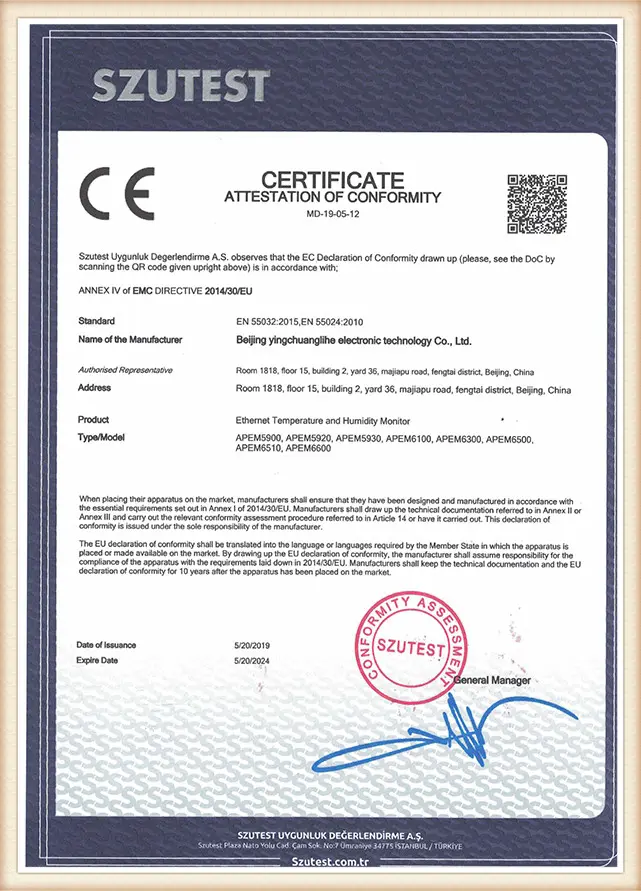
Our complete device catalog is built and verified to meet international standards including CE, FCC, and RoHS. This compliance guarantees that our Ethernet transmitters limit electromagnetic emissions, ensuring they don't disrupt adjacent communication equipment in high-density rack cabinets.
Each unit leaves the factory calibrated against NIST-traceable standards. Using Swiss-engineered Sensirion chips, they achieve long-term drift profiles below <0.03°C/year and <0.25% RH/year, reducing the need for frequent manual recalibrations.
To help integrate with existing SCADA and Building Management Systems (BMS), our firmware supports protocols like Modbus TCP, SNMP (v1/v2c), MQTT, and direct JSON packet broadcasts. This allows for straightforward setup without requiring proprietary middleware.
Over a decade and a half of engineering development and industrial partnerships.
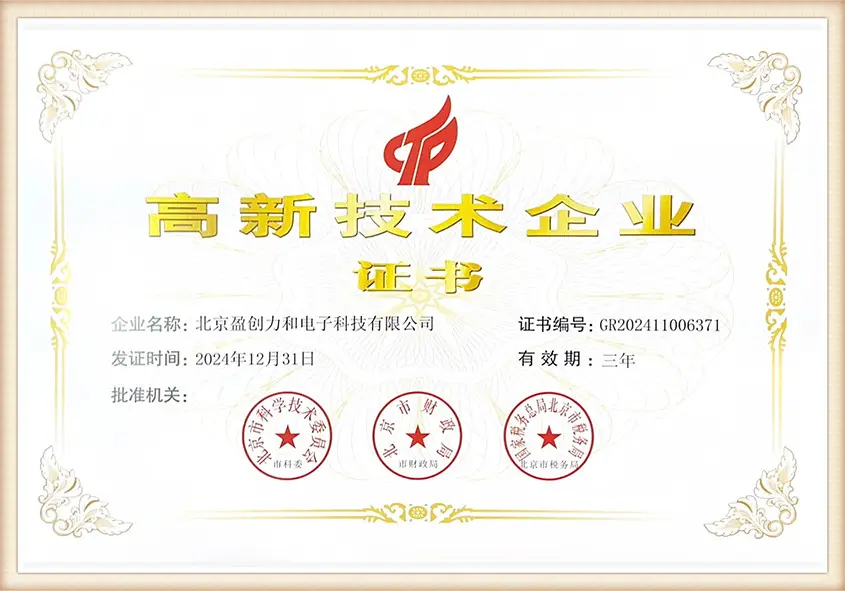
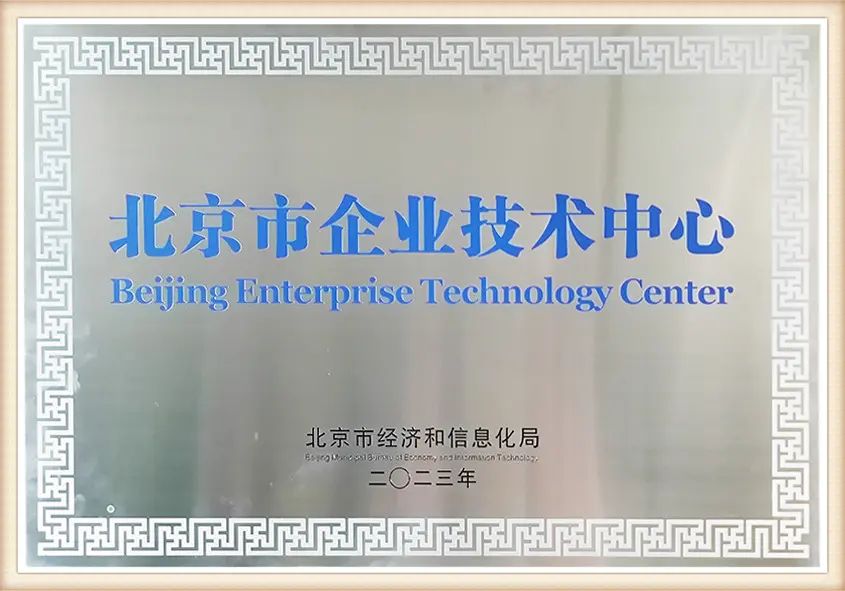
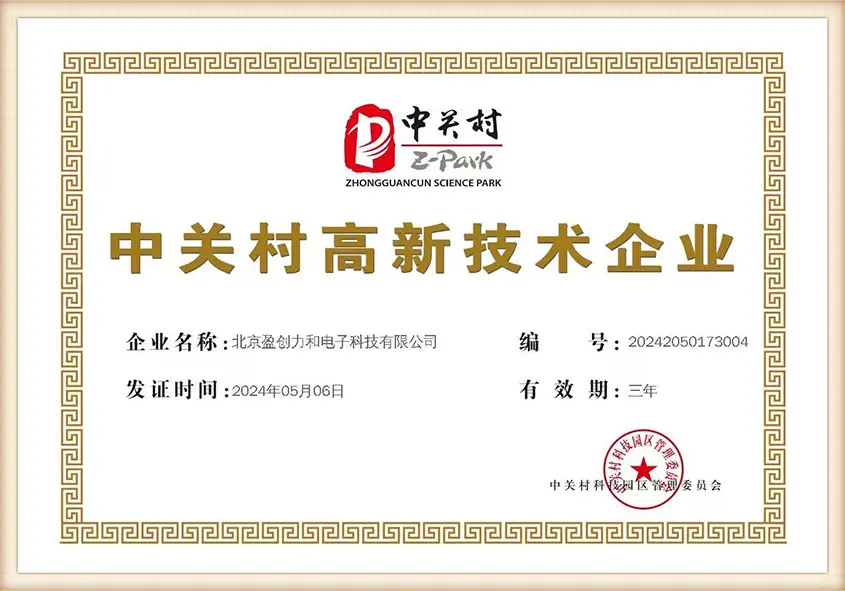
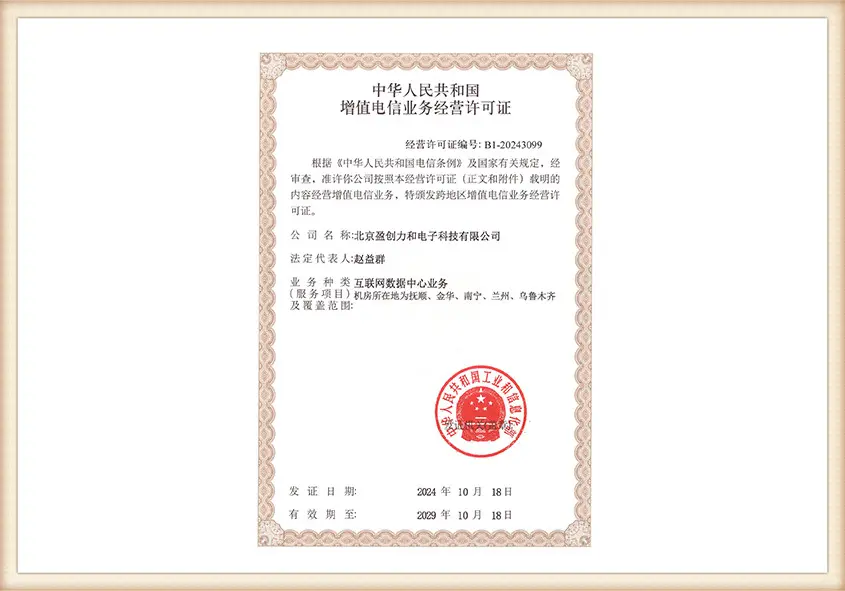
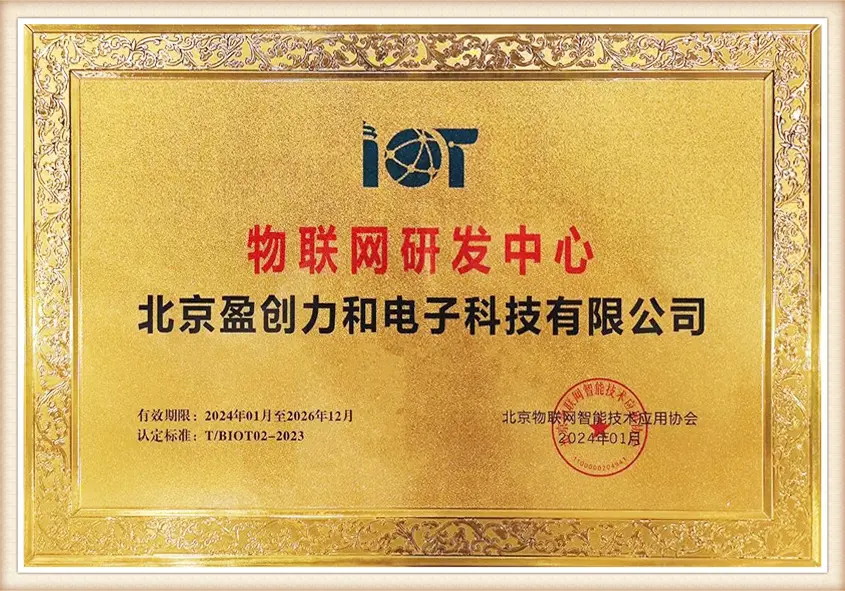
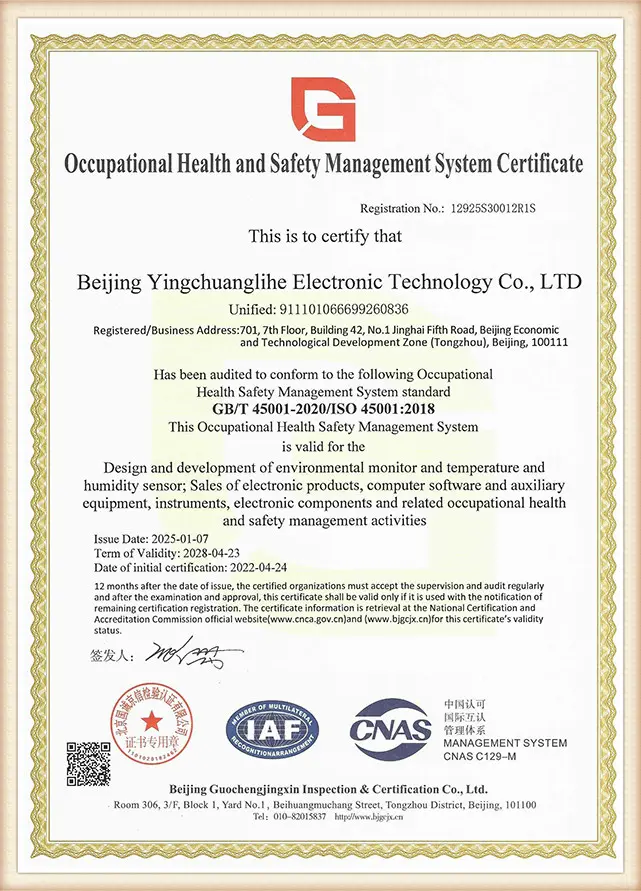
Review our official ISO and product compliance certifications, alongside highlights from international industrial events.
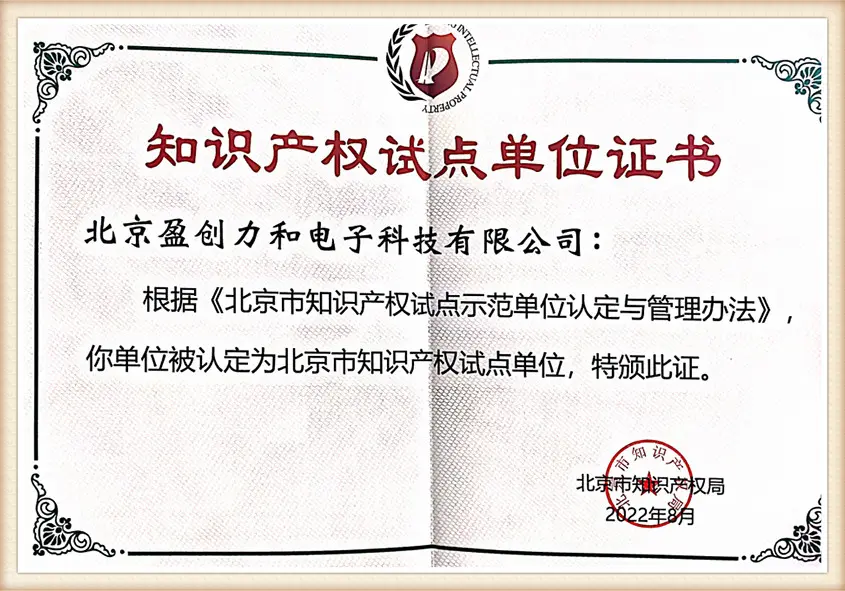
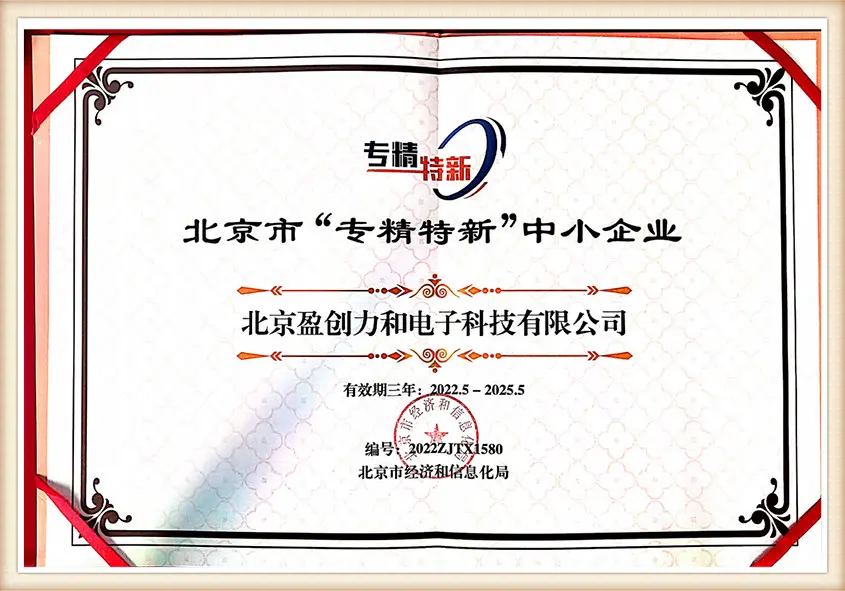
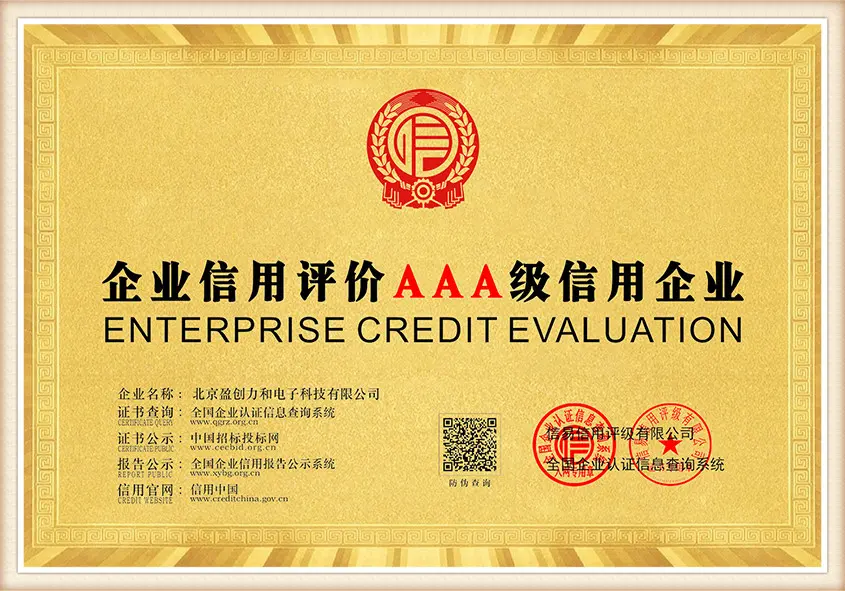
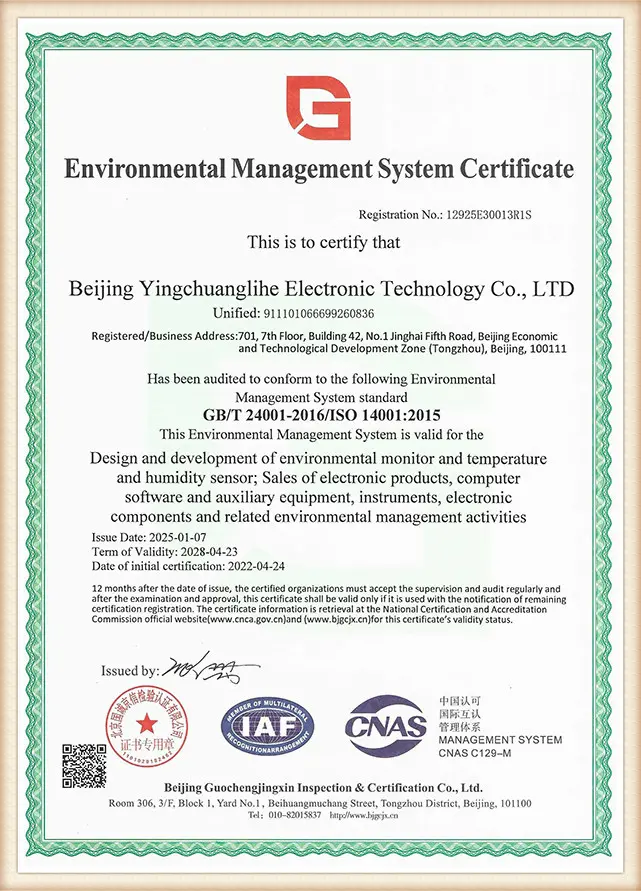
Aligning with Beidou Precision Systems and AI-Driven Environmental Diagnostics.
As industrial automation demands smarter data, Yingchuanglihe's technical roadmap focuses on integrating environmental sensors with advanced edge computing. The legacy model of simple data routing is evolving; future sensor nodes must pre-process variables locally, detect sensor drift, and send only key diagnostic reports to central platforms. This approach reduces overall network load and improves system reliability.
Through our co-founded division with the Beijing University of Civil Engineering and Architecture, we are combining Beidou high-precision location and deformation data with environmental metrics. By correlating sub-millimeter displacement warnings with soil humidity, pressure, and temperature data, we help provide structural health diagnostics for dams, bridges, and high-speed rail embankments.
We are also working to integrate machine learning drift calibration directly into our firmware. Sensors deployed in harsh environments can suffer from chemical contamination. Our upcoming firmware releases will monitor baseline deviations and apply automatic corrections, helping extend the intervals between physical calibration visits.
Technical guidance and application insights from our sensor engineering team.
PoE (IEEE 802.3af standard) lets you run power and data over a single Ethernet cable, which simplifies installation and cuts down on wiring costs. Unlike wireless alternatives, PoE provides a stable, interference-free connection without the need to replace batteries, making it a reliable choice for critical applications like server rooms and labs.
Ethernet modules can generate heat, which can affect temperature readings. Our transmitters use physical isolation chambers to separate the sensor element from the network board, or they utilize external probe cables (like the APEM-5930E). This physical separation helps keep measurements accurate even during continuous PoE operations.
Our sensors natively support Modbus TCP/IP, Modbus RTU (via RS485), SNMP (v1/v2c), and HTTP JSON polling. They can integrate directly with major Building Management Systems (BMS), SCADA setups, and IoT platforms like Home Assistant, PRTG, and Zabbix without needing specialized drivers.
The APEM-5930P measures absolute atmospheric pressure alongside temperature and relative humidity. To monitor relative pressure differences between adjacent cleanrooms, our engineers can customize the design with dual-chamber reference ports. Please contact our support team to discuss your specific cleanroom requirements.
Explore our multi-parameter environmental loggers, designed for long-term reliability and compliance integration.
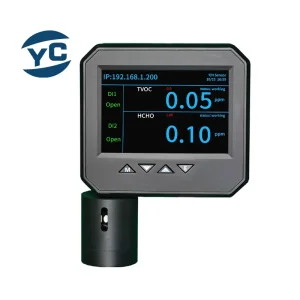
Designed for smart ventilation systems, monitoring both gaseous pollutants and humidity levels.
Detail & Inquiry
Provides real-time ozone monitoring, helping protect personnel in water treatment and sanitization sites.
Detail & Inquiry
An integrated sensor for tracking indoor air safety parameters, featuring configurable alarm outputs.
Detail & Inquiry
Industrial-grade device for ambient air monitoring, built with electrochemical detection modules.
Detail & Inquiry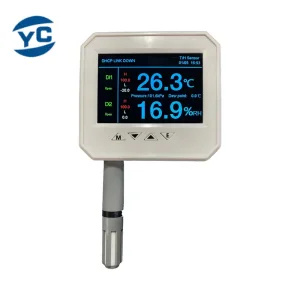
Simultaneously measures atmospheric pressure, dew point, temperature, and relative humidity.
Detail & Inquiry
Designed for laboratories, featuring quick-mount capabilities and integrated web interface diagnostic tools.
Detail & Inquiry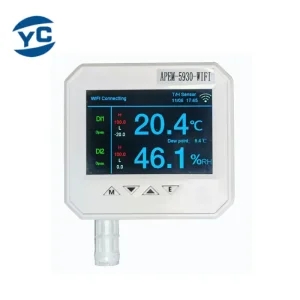
Features dual-mode connectivity: wired RJ45 connection with automated WiFi failover protection.
Detail & Inquiry
Designed for testing IAQ and ozone levels in cleanrooms, complete with CE compliance documentation.
Detail & Inquiry YCLH Sensor