Explore our leading WiFi, PoE, and Multi-Parameter Environmental Transmitters
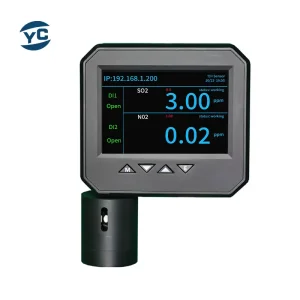
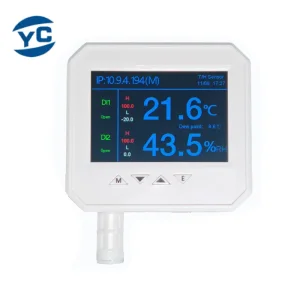
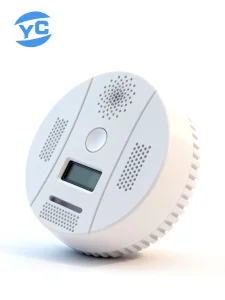
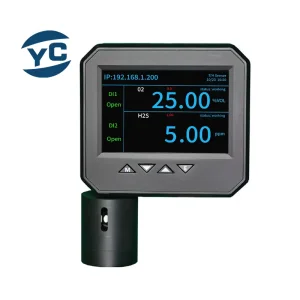
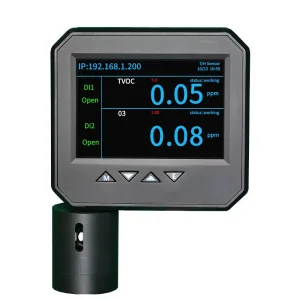
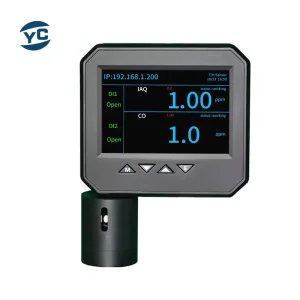
In modern industrial automation, ambient climate conditions are no longer secondary metrics. The demand for CE Certified WiFi Temperature and Humidity Sensors has pivoted from simple standalone datalogging to deeply integrated, semantic-driven network telemetry. Enterprise operators require continuous, high-fidelity readings to preserve asset value, comply with regulatory mandates, and optimize Power Usage Effectiveness (PUE) in computational nodes.
As a global manufacturer, Beijing Yingchuanglihe Electronic Technology Co., Ltd. spearheads this transition by integrating multi-sensor arrays—measuring Temperature, Relative Humidity, Dew Point, Atmospheric Pressure, and volatile organic gases—into unified IoT transmitters. Operating with Switzerland-imported sensor chips, these platforms utilize edge computation to deliver calibrated real-time data directly to cloud dashboards via dual-mode WiFi/wired architectures.
According to the Google Search Quality Rater Guidelines, E-E-A-T (Experience, Expertise, Authoritativeness, and Trustworthiness) is the benchmark of high-gain information. In the scope of sensor supply chains, E-E-A-T translate directly to raw, verifiable manufacturing precision: automated environmental test chamber validation, strict conformity to European CE directives (LVD, EMC, RED), and real-world deployment records across critical infrastructures like Baidu’s Yangquan Data Center and Beijing's autonomous driving test zones.
Established in 2007, Beijing Yingchuanglihe integrates professional R&D with advanced automation
Our structural engineering utilizes imported high-precision chips from Germany and Switzerland, delivering industry-leading temperature accuracy (±0.2°C) and long-term drift-free stability.
We provide full-stack custom engineering from PCB layout modification and firmware customization to industrial enclosure injection molding, assuring tailored solutions for bespoke client bids.
Our manufacturing and assembly protocols are fully compliant with ISO 9001, CE, FCC, and RoHS certifications, offering seamless quality assurance across highly regulated global markets.
Deploying WiFi Temperature and Humidity Sensors across demanding environments
PUE Management: In computational facilities like Baidu's Yangquan Data Center, WiFi and PoE sensor arrays are positioned near server rack air intakes. Real-time monitoring of temperature, relative humidity, and dew point prevents electrostatic buildup and sub-cooling condensation, reducing operational HVAC energy overheads by up to 14%.
Pharmaceutical & Vaccine Depots: Cold logistics centers utilize WiFi sensors to construct highly redundant networks. Supported by built-in flash storage capabilities, these units log values locally during WiFi handovers or network brownouts, transmitting backlogged data upon link recovery to satisfy GDP compliance requirements.
High-Humidity Tolerance: Designed with IP65-grade breathable protective caps, our sensor probes withstand saturating humidity levels in commercial vertical farms. The remote-probe design separates the sensing elements from the main transmitter shell, extending electronics life cycles under high chemical fertilizer exposure.
Differential Airflow & Chemistry: Incorporating air pressure sensors along with gas monitoring (SO₂, NO₂, Ozone) ensures zero cross-contamination. Integrated atmospheric sensors measure fine pressure variances (APEM-5930P series) to keep cleanrooms pressurized relative to surrounding utility corridors.
Aesthetic Preservation: Continuous tracking of ambient conditions protects organic historical manuscripts. Dual-mode WiFi/Ethernet connectivity prevents structural interventions, allowing sensors to be placed non-invasively inside glass display cabinets without running data cables.
Aligning hardware innovations with the next wave of Edge AI and wireless networking standards
We are transitioning our core modules to Wi-Fi 6 (802.11ax) and Wi-Fi 7 IoT protocols. Utilizing Target Wake Time (TWT) protocols, our next-generation battery-supported industrial transmitters will see energy draw drop by up to 60%, drastically expanding deployment cycles in remote zones.
Our technical roadmap integrates tinyML anomaly prediction directly onto the sensor's microcontrollers. Instead of relying solely on server-side rules, sensors will flag abnormal temperature rises or humidity drops locally, bypassing packet transmission overheads to trigger alarms within milliseconds.
Building on our Beidou division collaborations, we are developing hybrid geolocation/environment telemetry units for transit monitoring. These combine high-precision GPS/Beidou positioning data with ambient logs to secure chain-of-custody validity for intercontinental cargo fleets.
Leveraging Beijing's advanced high-tech industrial cluster to guarantee swift, zero-latency supply
Located in the heart of Beijing’s electronics manufacturing zone, Yingchuanglihe coordinates direct supply links with premium components suppliers. By maintaining a buffered raw materials inventory—especially the critical Swiss-imported digital temperature/humidity chips and ARM-Cortex microcontrollers—we neutralize international component shortages. Our five automated SMT production lines feature optimized stencil printers, high-speed pick-and-place systems, and multi-zone reflow ovens, ensuring daily output metrics match high-volume overseas supply demands.
Calibration is the benchmark of our credibility. Each APEM-series sensor undergoes automated multi-point thermal and moisture chamber calibration. Every device is tested against high-precision dew point generators and secondary standard references. This calibration cycle is integrated directly into our ERP system, enabling individual serial tracking. Before dispatch, units undergo rigorous burn-in tests and RF stability evaluations under real-world WiFi traffic loads, ensuring out-of-box reliability.
18 years of continuous R&D, structural growth, and strategic partnerships
Founded company in Beijing. Launched first-generation environmental monitoring terminal utilizing TCP/IP protocols and proprietary dashboard platform.
Partnered with Mocha Software to design the TH-5939 series SNMP environmental monitoring range, serving early domestic data centers.
Partnered with Switzerland's COMLAB to design the protective TH-5869 Ethernet environmental sensor, deployed along the Beijing-Kowloon high-speed rail lines.
Collaborated with Founder Technology to pioneer Power over Ethernet (PoE) sensor integration with the launch of the APEM-6100.
Established strategic manufacturing standard partnerships with Foxconn Taiwan to monitor temperature/humidity profiles in heavy cleanroom complexes.
Collaborated with Baidu to deploy the APEM-5900 intelligent ambient monitoring terminal inside the Yangquan Data Center cluster.
Developed full-scope vertical smart monitoring structures, launching integrated cloud management systems across multiple industrial sectors.
Engineered unified outdoor cabinet environmental modules for highway monitoring schemes in partnership with Huawei and China Merchants Huaruan.
Deep involvement in research, design, and deployment of roadside edge gateways and autonomous driving road test sensor arrays in Beijing.
Supported intelligent computing centers by deploying temperature, humidity, and airflow monitoring solutions for high-density compute rigs.
Co-founded Beidou High-Precision division, partnered with Beijing Enterprises Water Group for smart pipeline networks, and secured official IDC operational status.
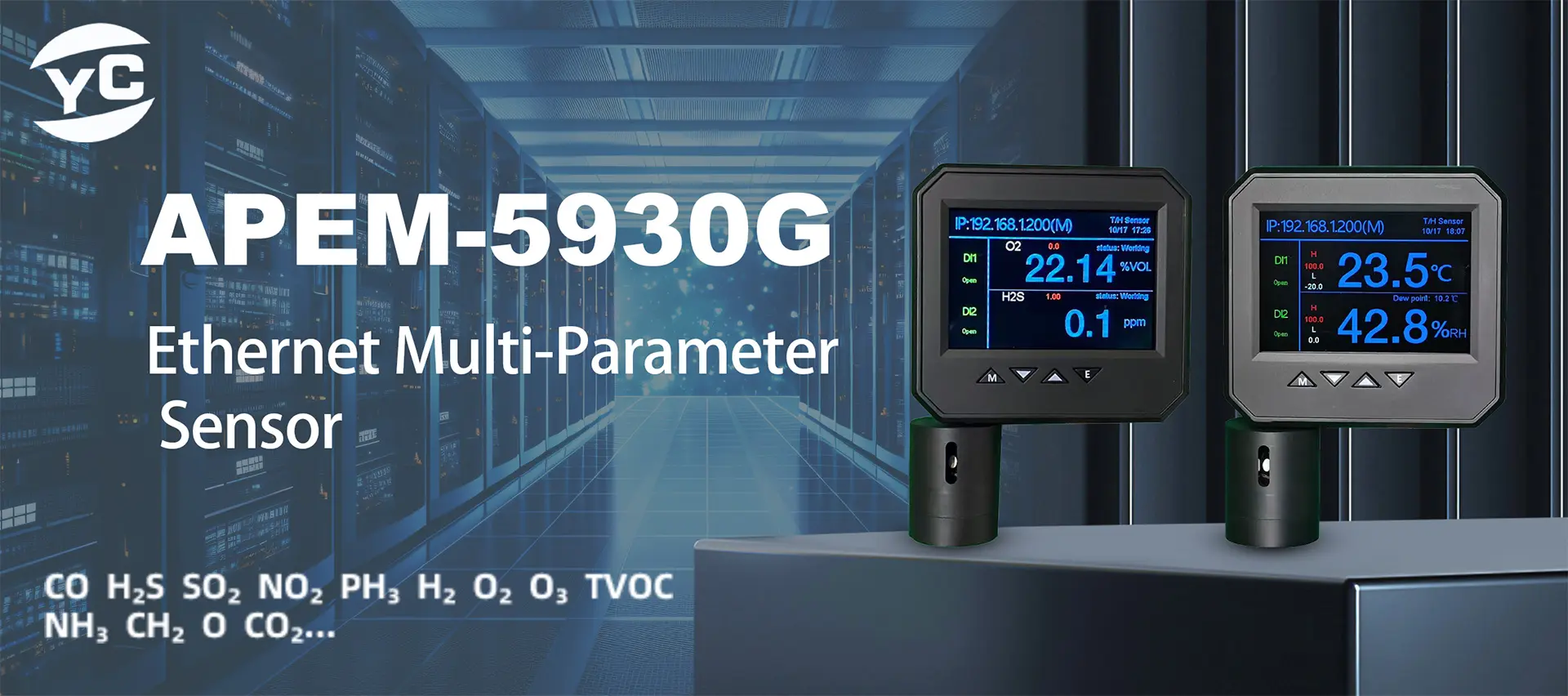
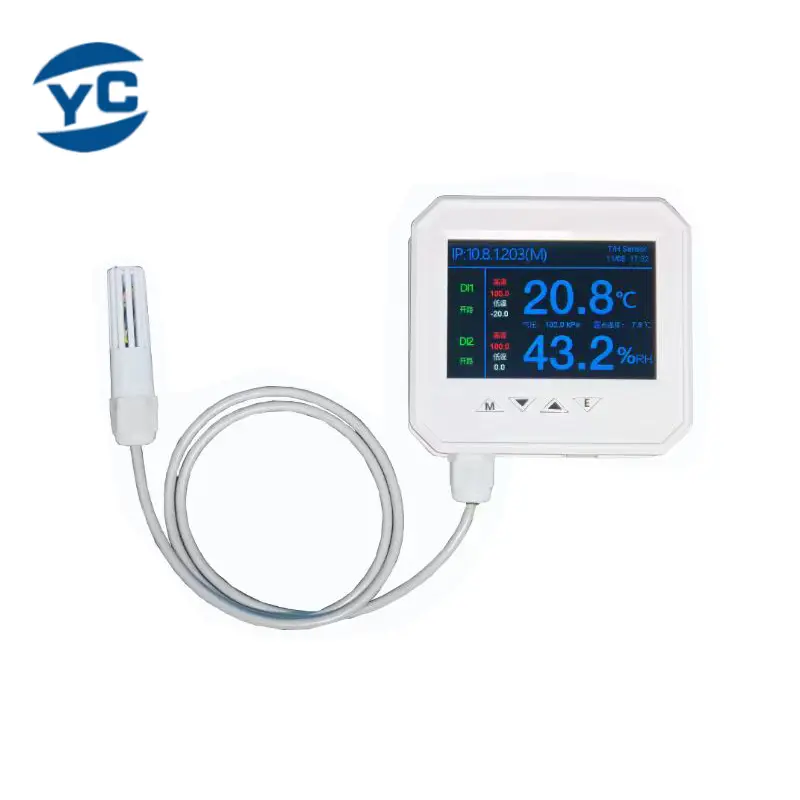
Original manufacturing catalog showcasing advanced structural configurations
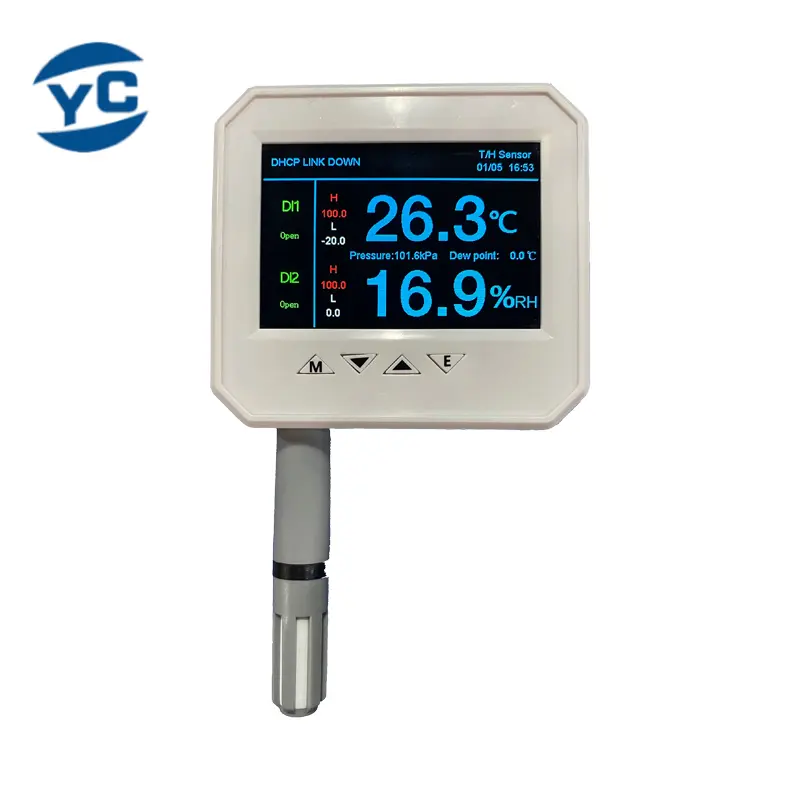
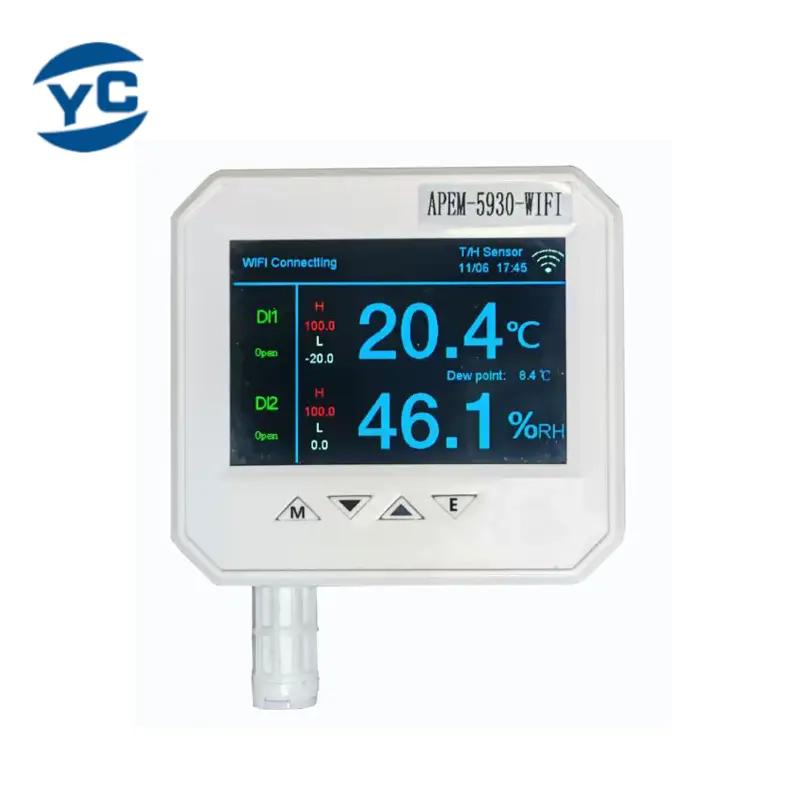
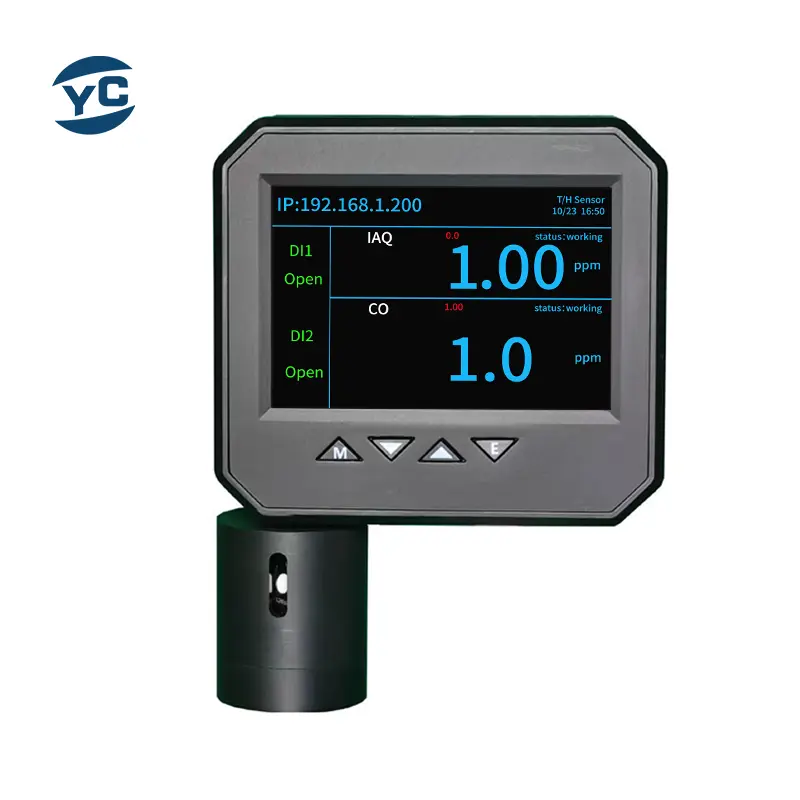
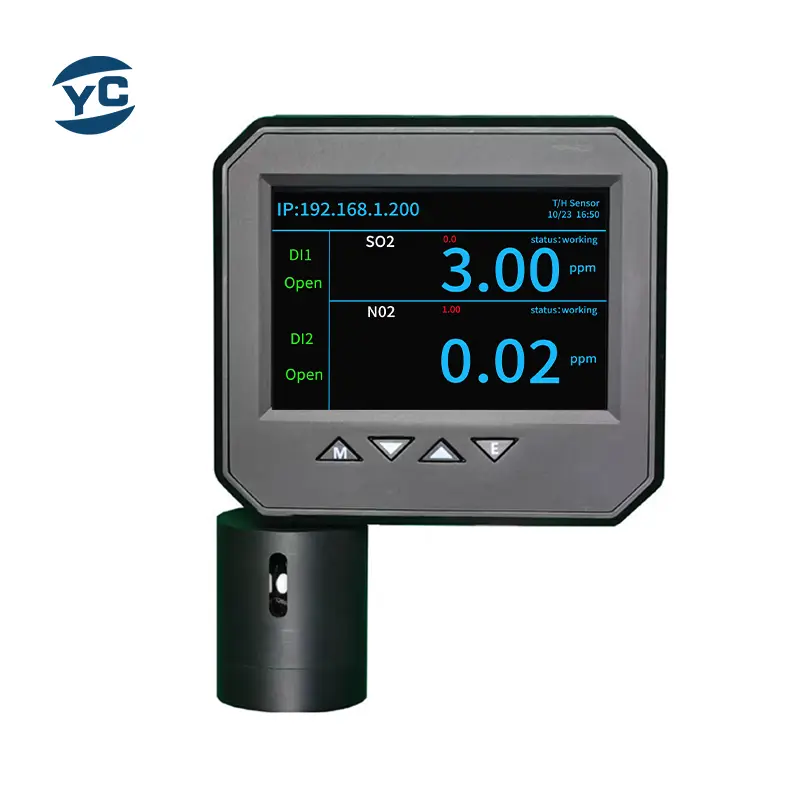
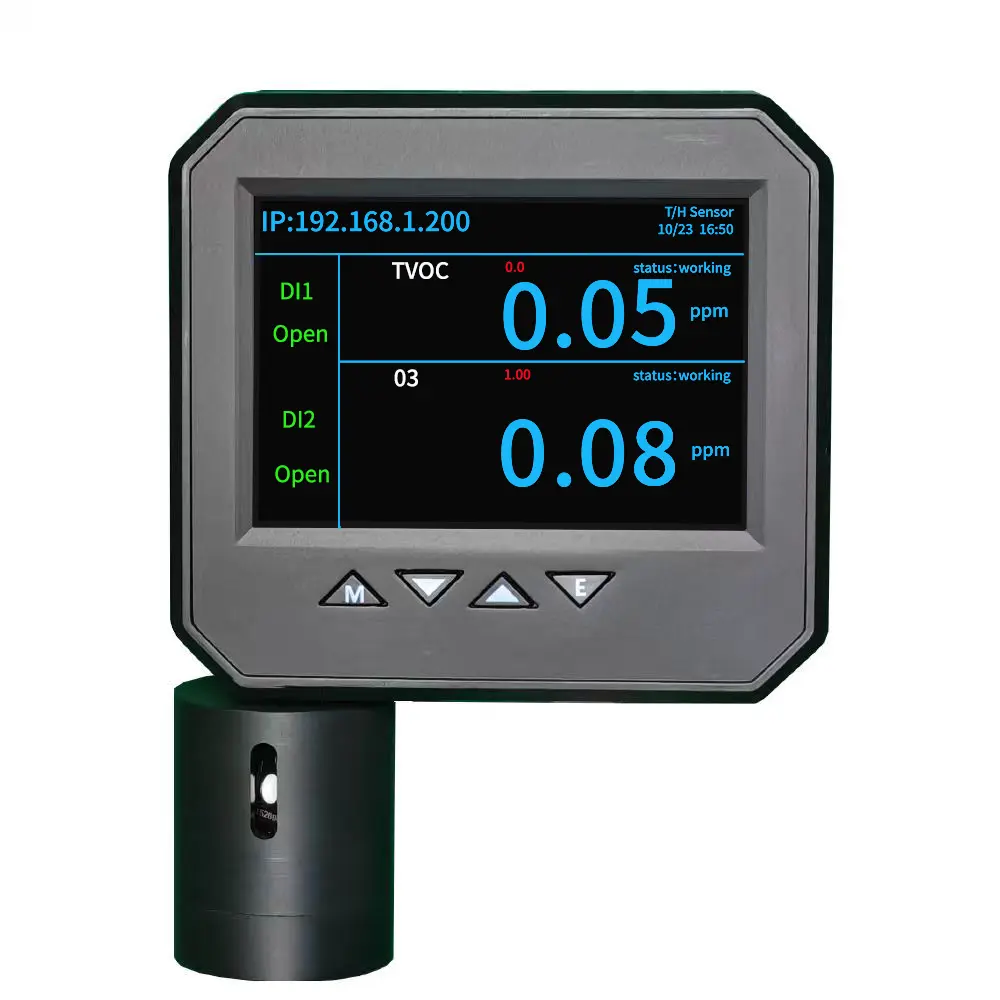
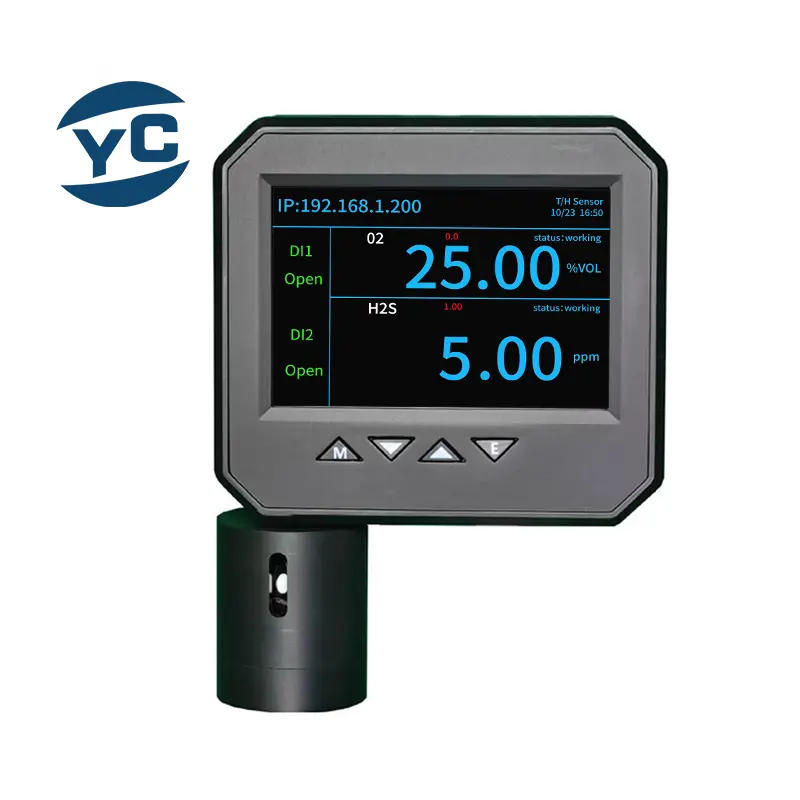
Ensuring complete regulatory conformity and technical backing for global projects
Our WiFi temperature and humidity sensors hold full CE, FCC, and RoHS certifications. To comply with EU market mandates, our equipment undergoes intensive laboratory evaluations:
Electromagnetic Compatibility (EMC): Verifies that the 2.4GHz WiFi transmitter does not interfere with surrounding industrial instrumentation and is resilient to electrostatic discharges (ESD) up to 8kV.
Low Voltage Directive (LVD): Assures electrical safety standards, protecting installers during high-voltage PoE fluctuations.
Radio Equipment Directive (RED): Confirms radio frequency output matches EU-specified radiation profiles, protecting local network bandwidth integrity.
We provide comprehensive customer service, including:
8-Hour Inquiry SLA: Our technical team responds to global inquiries within 8 hours, resolving system integration queries across time zones.
API Integration Assistance: Our software engineers assist third-party system developers, providing sample JSON and Modbus register maps to facilitate rapid platform mapping.
Protected Territories: We support global distributors with protected territories and specialized marketing materials, promoting mutual business growth.
Addressing core technical questions from instrumentation engineers and operations managers
Our sensors utilize Swiss-imported SHT CMOSens capacitive polymer sensing technology. The capacitive humidity sensor structure is resilient to chemical contaminants and drifting. We calibrate each module across an environmental matrix before dispatch. Under standard operating conditions, drift is less than 0.03°C per year for temperature and less than 0.25% RH per year for humidity, eliminating the need for frequent field recalibration.
Our CE certification covers the Radio Equipment Directive (RED 2014/53/EU), the Electromagnetic Compatibility Directive (EMC 2014/30/EU), and the Low Voltage Directive (LVD 2014/35/EU). Testing protocols conform to EN 300 328 (wideband transmission systems operating in the 2.4 GHz ISM band), EN 301 489-1/-17 (EMC standards for radio equipment), and EN 62368-1 (audio/video, information and communication technology equipment safety), ensuring full compliance in European markets.
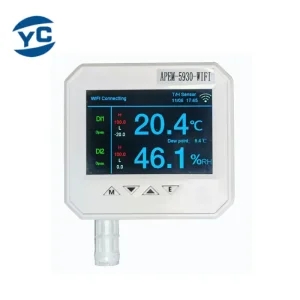
For critical dual-mode systems like the APEM-5930W, the onboard flash memory acts as a local data buffer when network signals drop. The unit logs data locally at defined intervals (e.g., every 10 seconds). Once the WiFi or Ethernet connection is restored, the transmitter auto-synchronizes and uploads the buffered logs via MQTT or TCP protocols, preventing data loss during network disruptions.
Yes, all APEM series transmitters are designed with open communications architectures. They support native industrial protocols, including Modbus TCP over port 502, SNMP (v1/v2c/v3) for network management suites like PRTG and Zabbix, MQTT for cloud telemetry, and HTTP/HTTPS RESTful APIs returning JSON payloads. This eliminates the need for proprietary gateways or middleware.
Integrated units expose the transmitter circuitry to the measured ambient conditions. If you need to monitor high-temperature ovens, cryo-vaults, or vacuum chambers, localizing the electronics within that space can cause components to degrade. The APEM-5930E decouples the sensor element from the transmitter with an extension cable, allowing you to position the probe in the monitored environment while keeping the transmitter chassis in a standard operational area.
Our R&D team provides comprehensive customization services. We can adjust the hardware configuration (such as adding gas sensors for TVOC, O₃, CO, or H₂S), customize the enclosure (colors, laser-etched branding, mounting brackets), adapt the firmware (custom telemetry parameters, proprietary protocols), or design bespoke PCB configurations to meet specific space constraints in third-party equipment cabinets.
Direct supply options for network integrations and international industrial projects
 YCLH Sensor