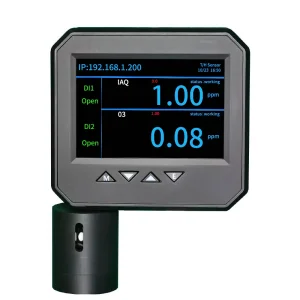
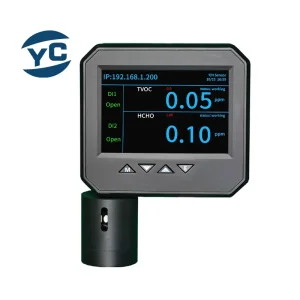
In modern industrial and commercial operations, maintaining strict control over ambient parameters is no longer merely a regulatory requirement; it is a critical safeguard for multi-million-dollar assets. From pharmaceutical pharmaceutical storage requiring compliance with GAMP5 standards to highly dense hyperscale data centers facing micro-climate hot spots, thermal telemetry demands absolute reliability.
Traditional wired infrastructures, while reliable, incur massive capital expenditure (CAPEX) in deployment, modification, and spatial scaling. Wireless protocols like standard Wi-Fi, BLE, and Zigbee often suffer from deep signal attenuation in reinforced concrete or metallic high-density storage environments, coupled with severe power efficiency limitations. This is where LoRaWAN (Long Range Wide Area Network) establishes its technological dominance.
The LoRa Advantage: Operating on Sub-GHz license-free radio bands (868 MHz in Europe, 915 MHz in North America), LoRaWAN uses Chirp Spread Spectrum (CSS) modulation to achieve an immense link budget of up to 157 dB. This allows wireless signals to penetrate deep underground wells, thick concrete walls, and massive industrial warehouse structures without repeater devices.
For global deployments, a CE marking indicates compliance with EU harmonized directives regarding radio spectrum utilization (Radio Equipment Directive 2014/53/EU), electromagnetic compatibility (EMC), and low voltage electrical safety (EN 62368-1). Buying certified equipment ensures zero legal risks and absolute reliability on site.
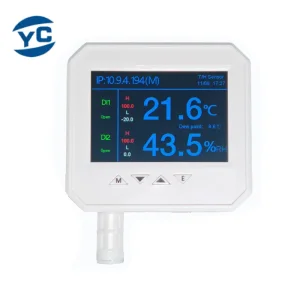
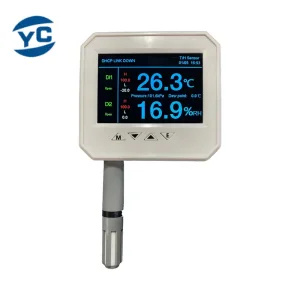
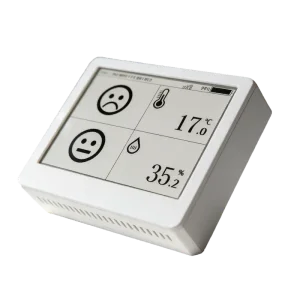
Our LoRa and Ethernet temperature/humidity sensors integrate imported, ultra-precise chips from Switzerland and Germany. This provides exceptional long-term stability with a typical drift rate of less than 0.03°C per year, eliminating the need for frequent recalibrations.
The international smart sensor market is undergoing an unprecedented expansion driven by three macro-economic forces: ESG Mandates, Pharma Regulatory Compliance, and Edge Computing Proliferation.
Optimizing HVAC (Heating, Ventilation, and Air Conditioning) in commercial structures via continuous real-time temperature telemetry can reduce facility energy overheads by up to 25%, directly aligning with corporate net-zero targets.
Biopharmaceutical storage is legally bound to strict thermal tracking. CE-certified LoRa sensors supply the unalterable, high-resolution audit trails required to defend storage security during strict international regulatory reviews.
IoT sensor grids feed precise micro-climate parameters directly into advanced neural-network-driven facility automation systems, allowing real-time airflow modifications and prevent costly structural equipment damage.
Before the arrival of LPWAN (Low Power Wide Area Network) architectures, facilities managers were forced to choose between the high bandwidth but highly localized coverage of Wi-Fi, or the high operational costs of cellular network contracts. CE-certified LoRaWAN temperature sensors bypass this issue. Operable on a single, long-life industrial-grade battery for up to 5-10 years (utilizing Class A deep sleep profiles), these endpoints communicate with a central local gateway situated miles away. This structural autonomy lowers the Total Cost of Ownership (TCO) to a fraction of traditional cellular or wired alternatives.
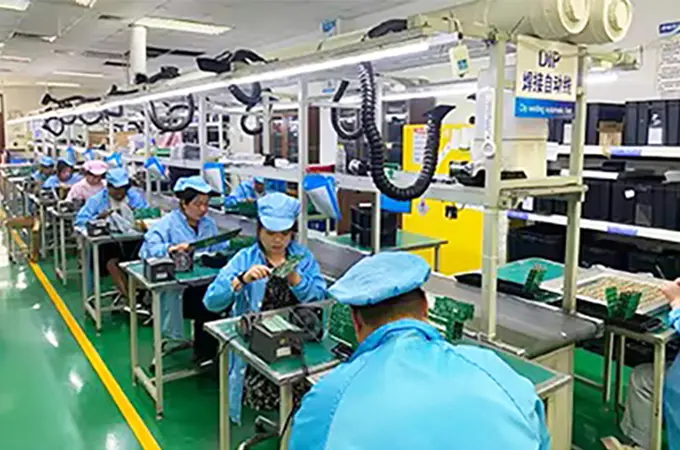
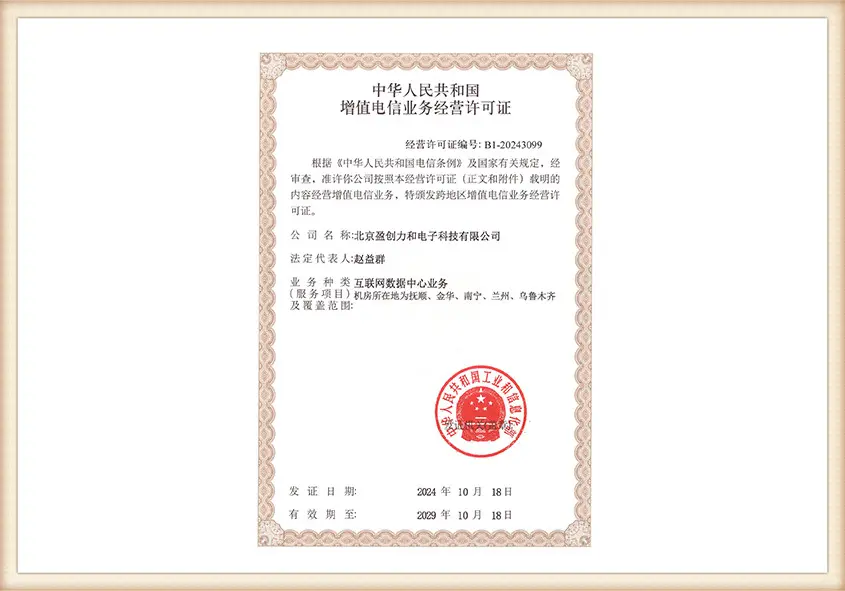
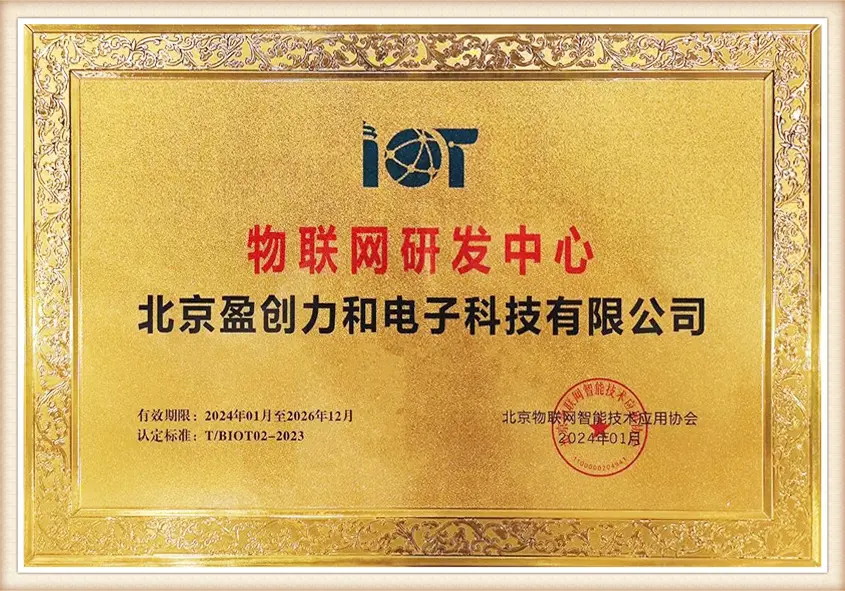
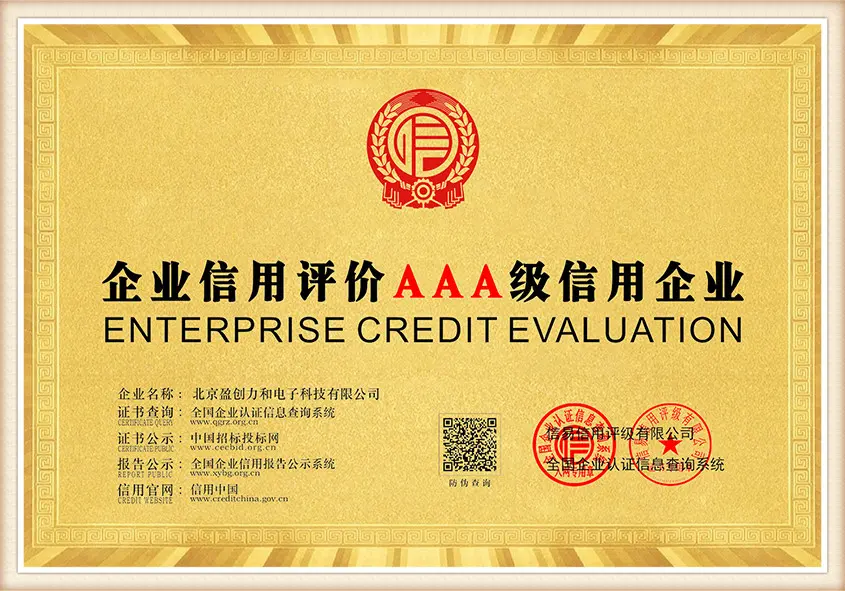
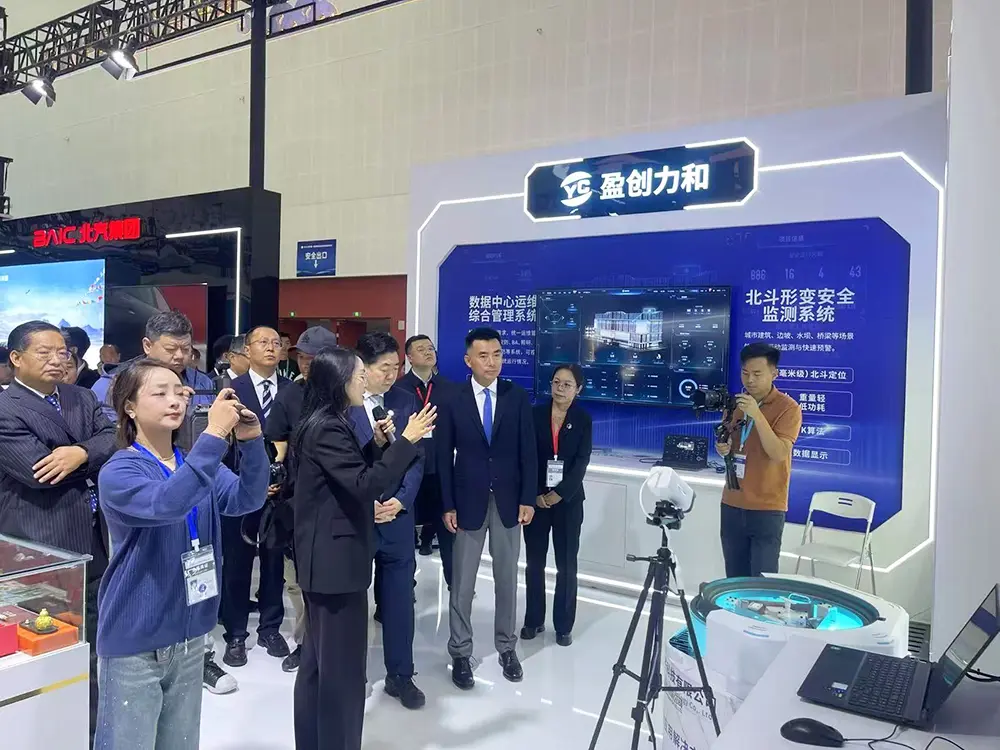
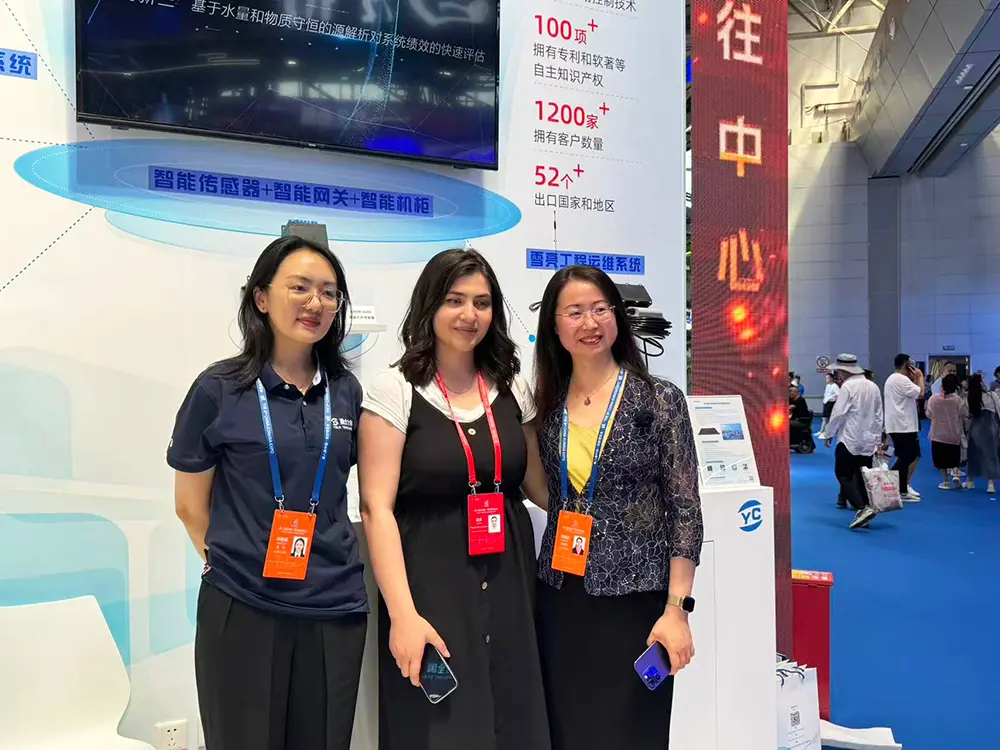
Since its inception in 2007, Beijing Yingchuanglihe Electronic Technology Co., Ltd. has established itself as an elite, high-technology manufacturer of environmental monitoring hardware. Spanning a modern production base of over 1,500 square meters, utilizing five automated high-speed production lines, and supported by over 100 dedicated technical staff, the company stands at the forefront of the global industrial telemetry landscape.
Inside our 1,500m² manufacturing facility, every high-precision circuit board is calibrated, thermally-tested, and certified to operate flawlessly in extreme temperatures ranging from -40°C to +85°C.
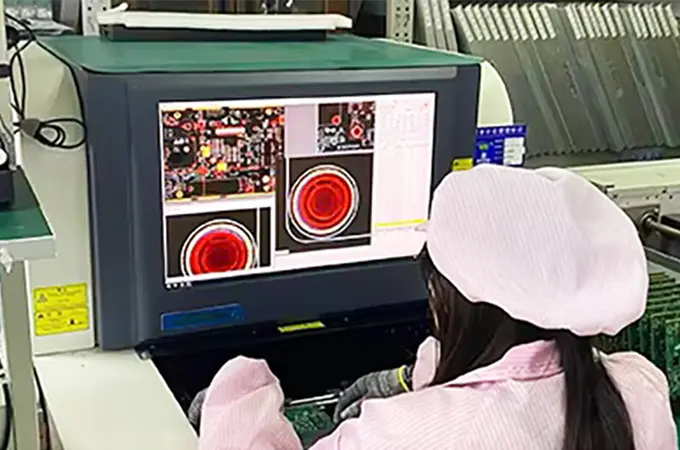
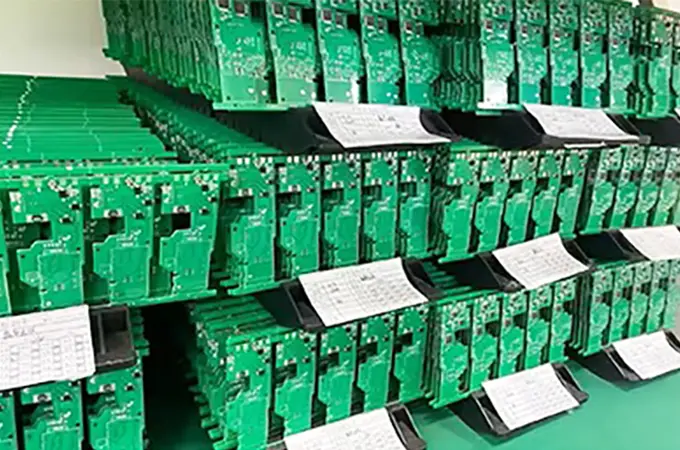
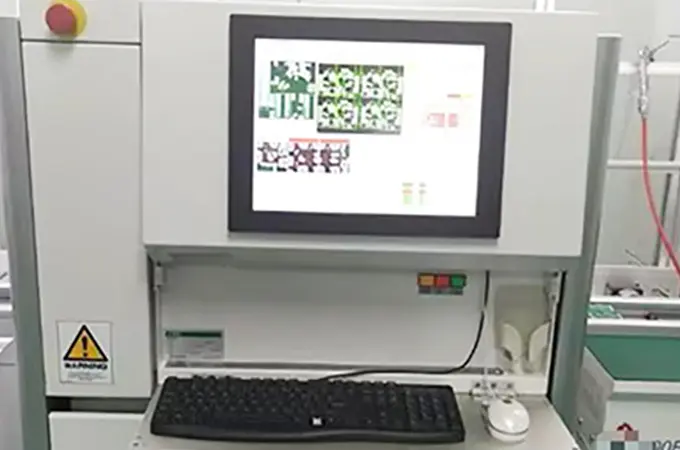
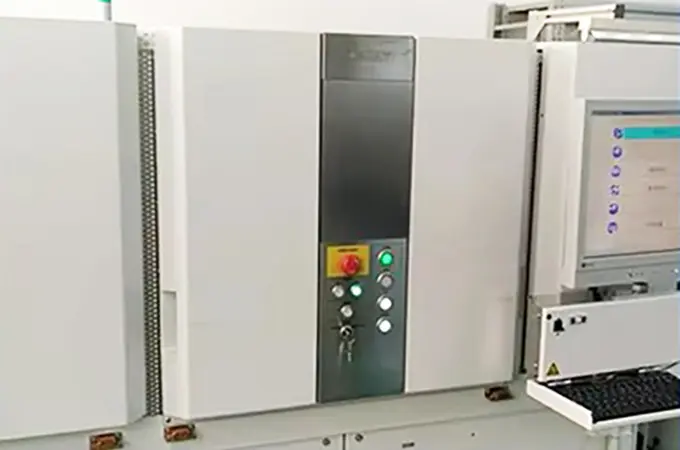
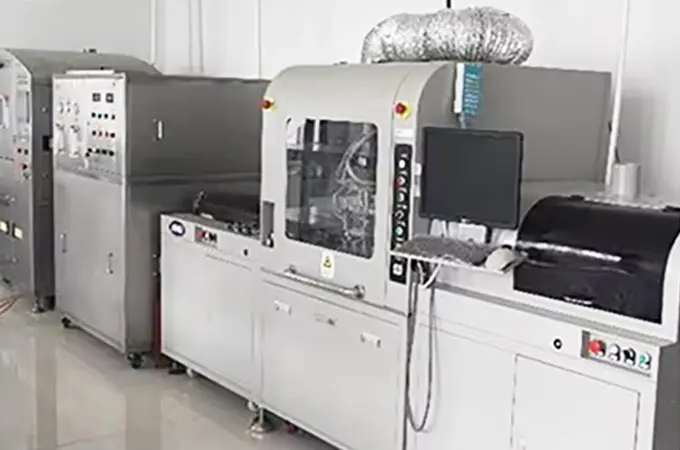





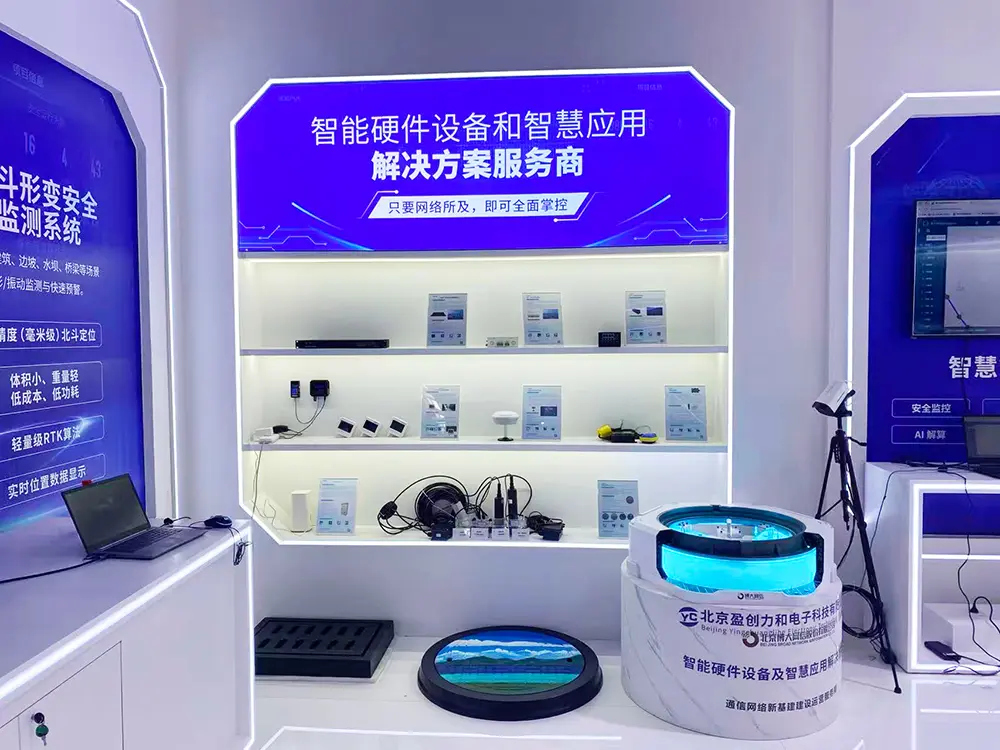
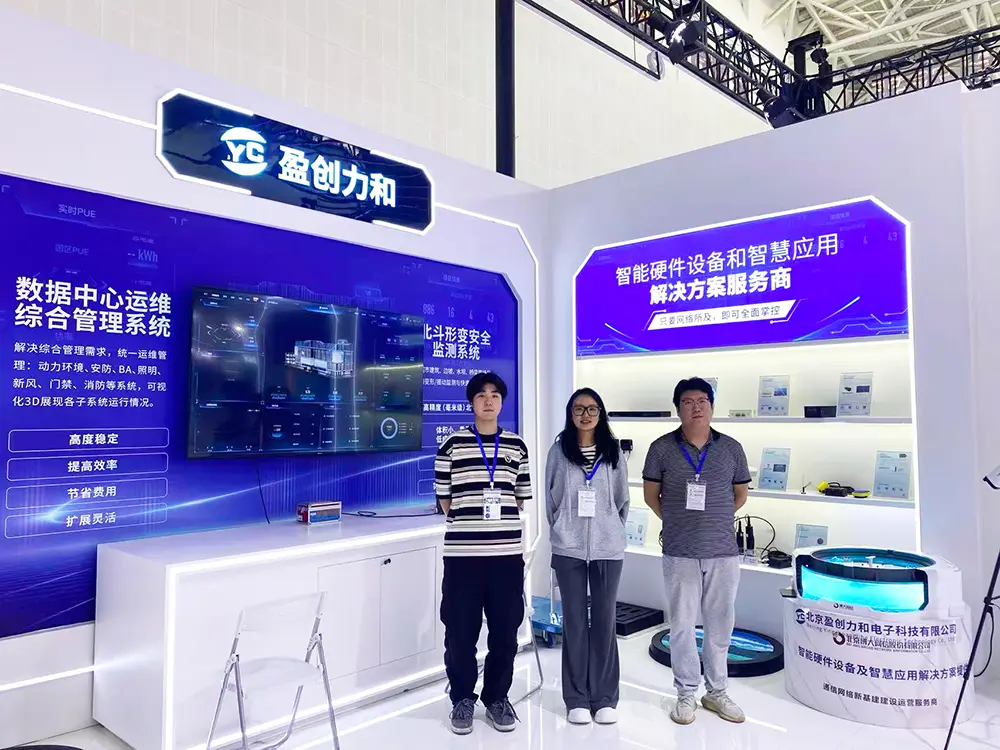
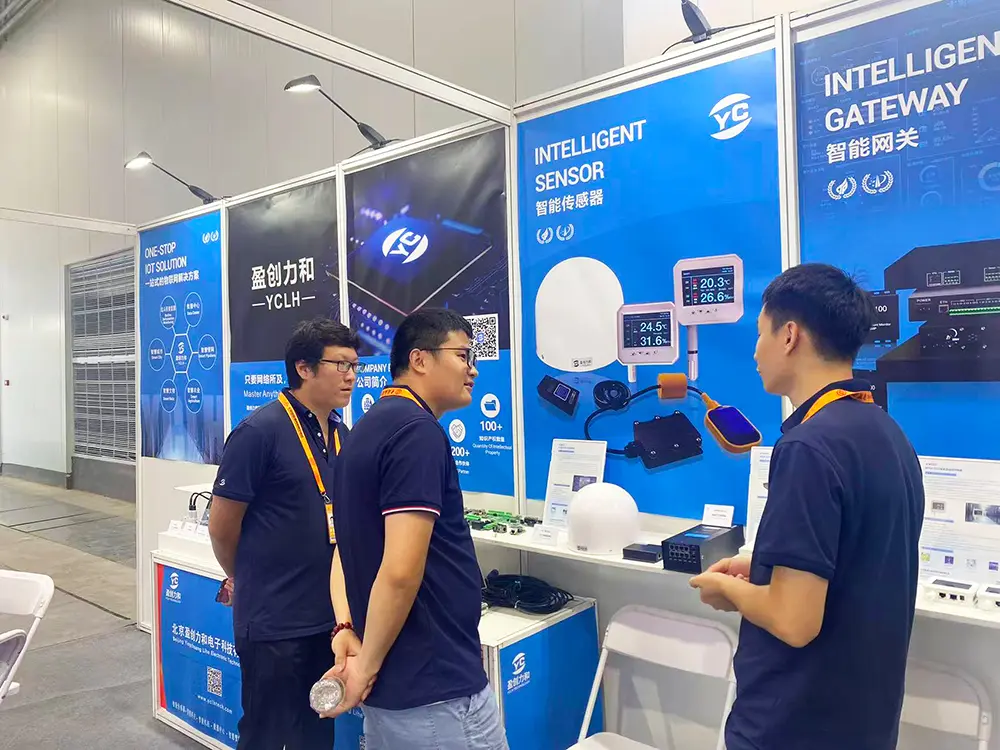
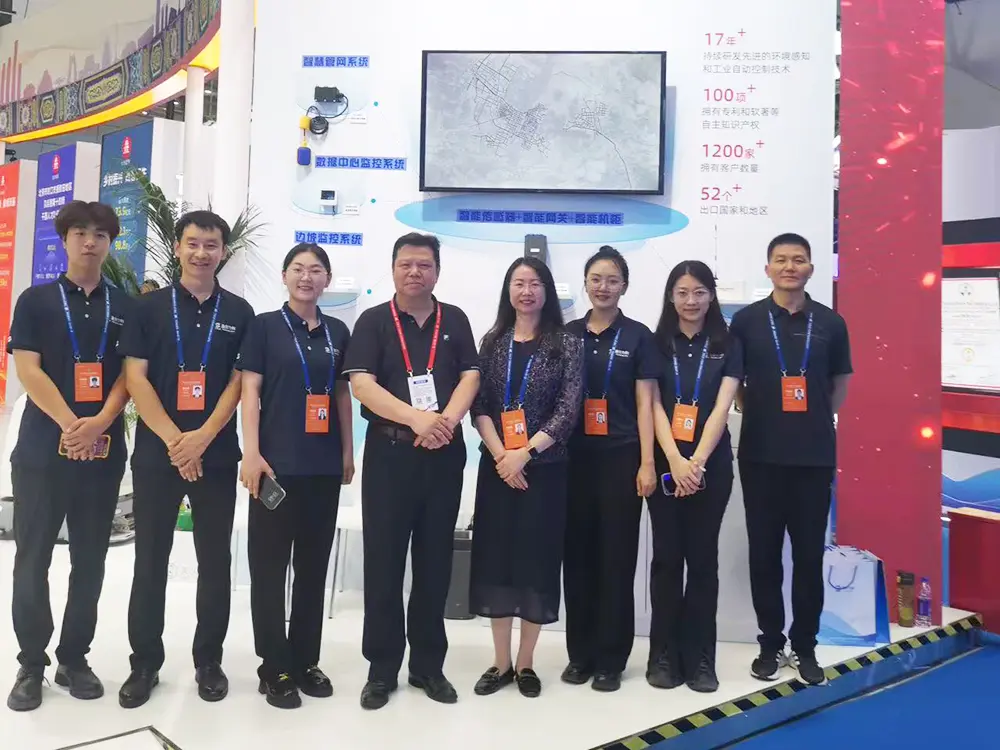
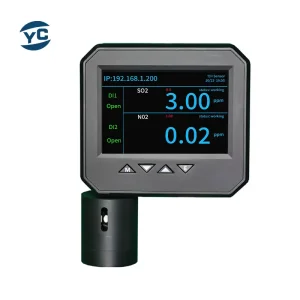
A sensor's reliability is entirely determined by its input architecture. Our LoRaWAN and Ethernet product line, including the flagship APEM-5736 and APEM-5930 series, leverages physical sensing elements sourced directly from premium Swiss and German semiconductor foundries. This provides the micro-machined, capacitive polymer sensor elements with extremely low thermal inertia, responding to minute humidity and temperature changes in seconds.
Choosing the correct topology is vital to maintaining overall network health and keeping infrastructure capital expenses low. Let's look at how LoRaWAN performs compared to traditional wireless protocols:
| Metric | LoRaWAN | Wi-Fi (IEEE 802.11) | Zigbee (802.15.4) |
|---|---|---|---|
| Operating Range | Up to 15 km (LOS) | ~100 meters max | ~100 meters (mesh) |
| Wall Penetration | Excellent (Sub-GHz CSS) | Moderate (2.4/5GHz) | Poor (high attenuation) |
| Battery Longevity | Up to 10 Years (Class A) | Days to Weeks | 1 - 2 Years |
| Integration Cost | Low (1 Gateway covers miles) | High (requires many APs) | Moderate |
| Security Layer | Dual AES-128 Encryption | WPA2 / WPA3 | AES-128 Link Key |
Deploying radio equipment inside European territories requires absolute conformity with the Radio Equipment Directive (RED) 2014/53/EU. This mandates comprehensive lab testing in three key areas:
Our complete line of LoRa temperature sensors is fully certified, providing peace of mind during large-scale enterprise deployments.
Hyperscale facilities require sub-cabinet-level thermal telemetry. Deploying APEM-5930 PoE units along cold/hot aisle containment zones prevents server degradation and dynamically matches real-time cooling output to actual thermal loads.
From vaccine transport coolers to biological deep-freeze storage rooms, CE-certified LoRa and Ethernet sensors monitor critical limits without dropouts, transmitting instantly through thick insulation and structural framing.
Protect stored agricultural stock from humidity-driven degradation. Sub-GHz LoRaWAN sensors penetrate dense grain stockpiles, allowing early detection of hot-spots, moisture leaks, and localized condensation buildup.
As we look to the future, the convergence of Edge AI, Energy Harvesting, and Beidou High-Precision Geolocation is shaping the next generation of industrial telemetry devices. Yingchuanglihe remains committed to pioneering these technical breakthroughs:
Developing ultra-low-power machine learning algorithms directly on the sensor's MCU. This enables real-time self-calibration, anomaly prediction, and dynamic battery optimization based on local ambient profiles.
Eliminating chemical batteries entirely. Utilizing next-gen indoor solar harvesting cells and thermoelectric generators to create self-powered, zero-maintenance sensors with an indefinite product lifespan.
Integrating high-precision Beidou positioning with Sub-GHz LoRaWAN. This enables municipal-level deformation monitoring for tunnels, structural dams, bridges, and smart pipelines, backed by precise environmental tracking.
 YCLH Sensor