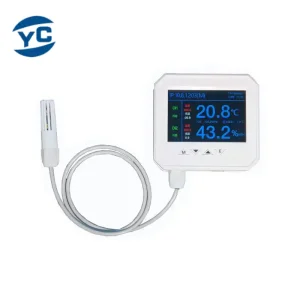
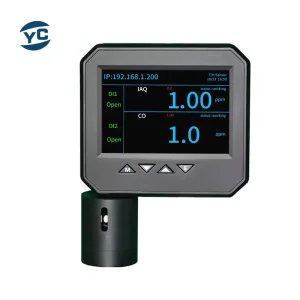
Explore our top-tier CE-certified Ethernet sensors, engineered with imported core chips for high reliability and seamless TCP/IP, Modbus, and PoE architecture integration.
Modern industrial architectures demand consolidated, highly accurate, and rapid environmental sensing networks. Historically, monitoring factories, cleanrooms, and server installations required scattered arrays of single-parameter sensors, leading to complex bus communication (RS485/Modbus RTU) loops, high wire overheads, and inconsistent calibration cycles.
The CE Certified Ethernet All-in-One Device represents the pinnacle of modern environmental hardware consolidation. By integrating multi-parameter probes (temperature, relative humidity, atmospheric pressure, and specialty gas metrics such as CO, Ozone, SO₂, NO₂, TVOC, and Formaldehyde) into a singular PoE-enabled (Power over Ethernet) housing, industrial sites achieve instant integration into existing IT infrastructure. This architecture cuts installation footprint, eliminates localized power-supplies, and streams data directly via native industrial protocols like Modbus TCP, SNMP, and MQTT.
"As IoT networks evolve from simple telemetry to intelligent Edge Decision Engines, the accuracy and reliability of the physical sensor node dictates the entire operational stability. Power over Ethernet combined with Multi-parameter sensor integration is now the gold standard."
At Beijing Yingchuanglihe Electronic Technology Co., Ltd. (YCLIsensors), we have spent over 18 years refining the hardware integration roadmap. By combining micro-electromechanical systems (MEMS) with robust TCP/IP communication processors, we enable mission-critical facilities to monitor physical spaces with millisecond updates, zero local storage bottlenecks, and native Web-based API configurations.
Years Experience
Workshops (m²)
Production Lines
Staff Members
Understanding the micro-technologies and regulatory requirements shaping global smart factory and server farm environments.
In regions such as the European Union and North America, strict environmental and electromagnetic emission standards govern computing facilities and automated manufacturing plants. A CE Certified Ethernet All-in-One Device guarantees compliance with core directives including the Electromagnetic Compatibility (EMC) Directive (2014/30/EU) and the Low Voltage Directive (2014/35/EU).
Without proper CE validation, devices deployed in high-density electrical cabinets risk data packet loss, sensor drift caused by RF interference, or even catastrophic electric circuit feedback. Our factory designs integrate isolated optical-couplers and ESD protection arrays down to the PCB layer, ensuring that industrial systems remain immune to transient power surges and electrical noise.
The explosive rise of generative AI infrastructure has shifted cooling methodologies from standard HVAC to liquid-to-air cooling loops. This transition demands micro-climate environmental units capable of calculating real-time dew point to prevent condensation anomalies on PCIe board interfaces.
Our latest technological roadmap implements dual-core processing units that handle both sensor raw calculations and high-speed encryption algorithms for secure local networking, keeping in line with modern Zero-Trust IT requirements.
| Feature / Parameter | Traditional RS485 Sensors | Advanced Ethernet All-in-One Sensors | Benefits for Integrators |
|---|---|---|---|
| Cabling Structure | Multi-wire daisy chains + Separate DC lines | Single Cat5e/Cat6 Cable (PoE 802.3af) | Cuts cabling costs by up to 60%; eliminates localized power adapters. |
| Integration Speed | High protocol conversion layer overhead | Native Modbus TCP, SNMP, MQTT, HTTP APIs | Direct connection to standard NMS (Zabbix, PRTG) or industrial SCADA. |
| Parameter Densities | Single or Dual parameters (T/H) | Multi-parameter (T + H + Dew Point + Pressure + Gas Arrays) | Consolidates space, reduces wall penetrations, single IP address management. |
| Sensor Calibration | Manual device-by-device adjustments | Web-based API offsets and firmware updates | Allows automated scaling and calibration offsets across networks. |
Detailing our specialized telemetry units, built with high-precision Swiss & German sensing chips for long-term operational stability.
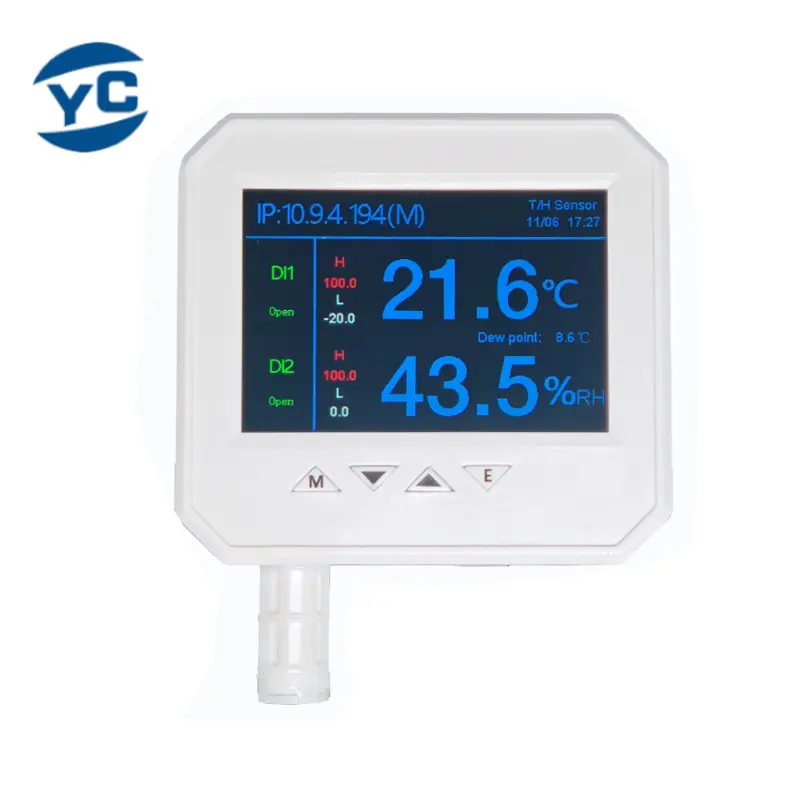
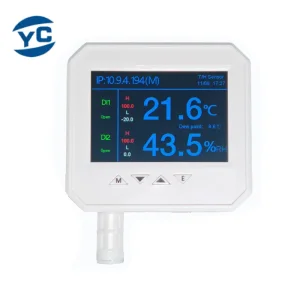
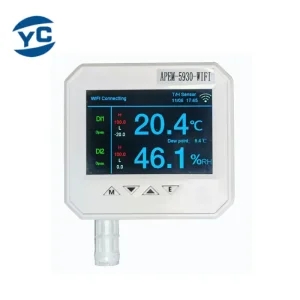
The APEM-5930 is the foundational standard for server rack containment and cleanroom installations. Designed to occupy minimal vertical space, it features a rugged, well-ventilated enclosure optimizing natural air convection to ensure immediate thermal response times. The unit directly outputs data in Modbus TCP and SNMP formats, simplifying network monitoring integration.
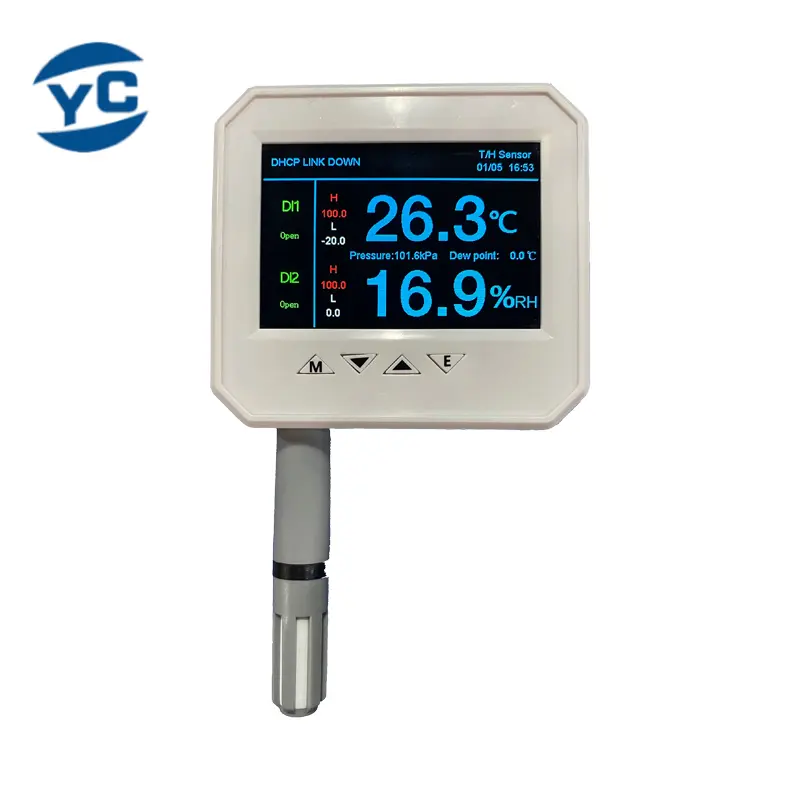
Engineered for locations where differential pressure controls are vital to prevent cross-contamination. By combining absolute barometric pressure readings with thermal metrics, the APEM-5930P allows facility management platforms to calculate air volume expansion coefficients and evaluate building pressurization integrity.
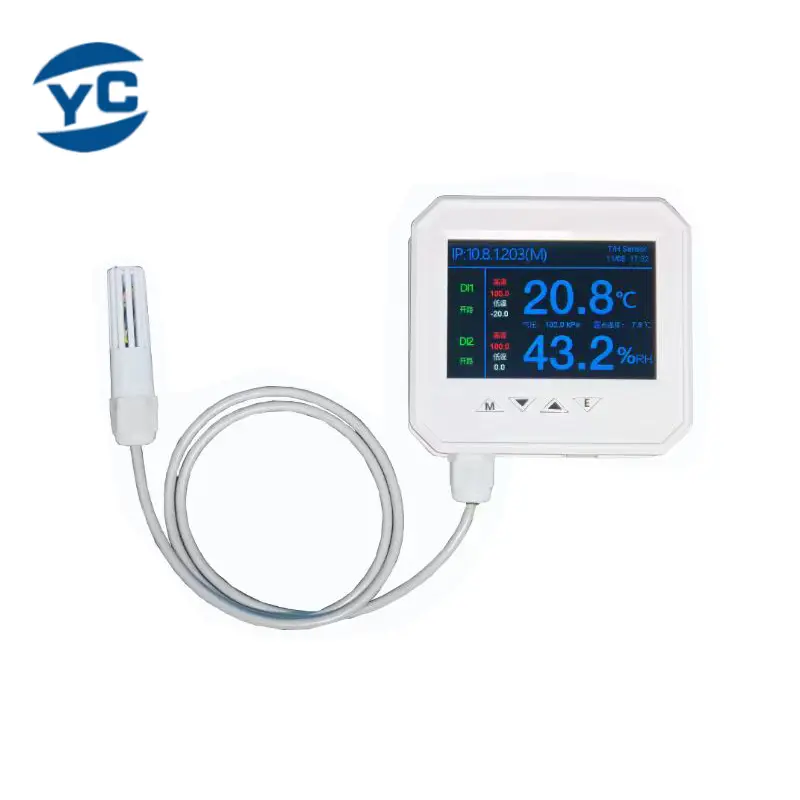
Designed for environments where the sensor probe must face harsh temperatures (up to 80°C) or potential fluid exposure, while the RJ45 network module remains protected inside electrical cabinets. The sintered metal probe option protects the sensitive Swiss chip from fine dust, soot, and chemical contaminants.
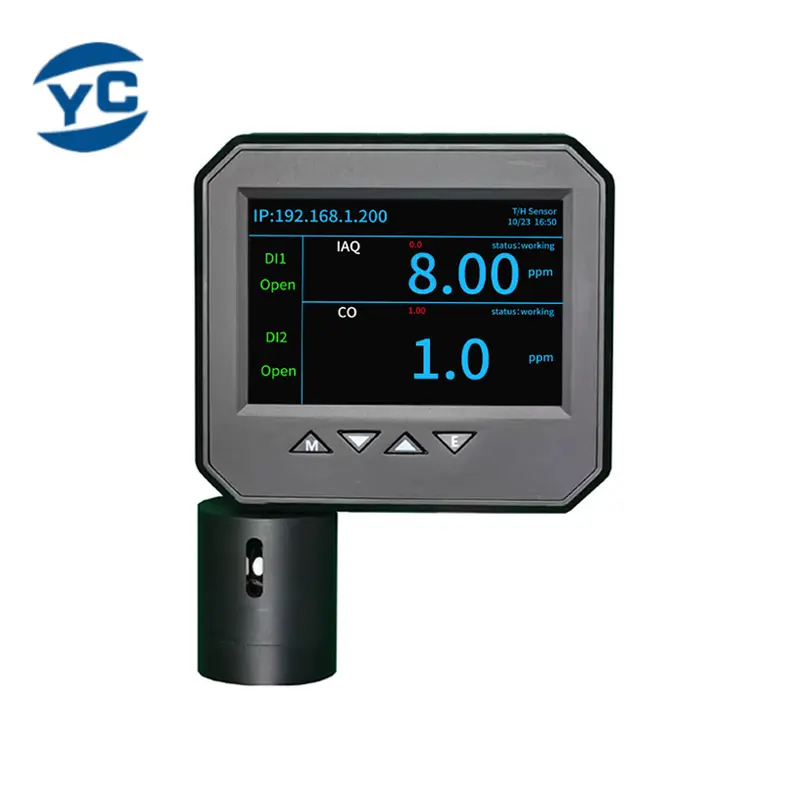
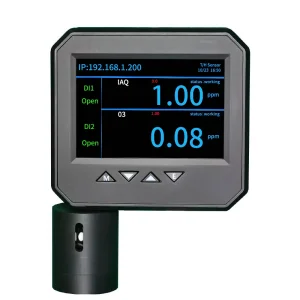
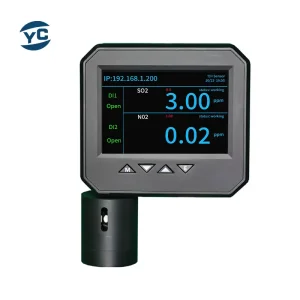
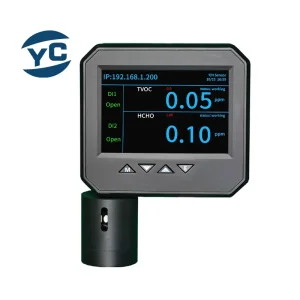
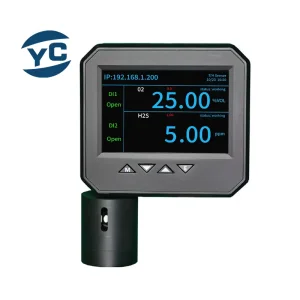
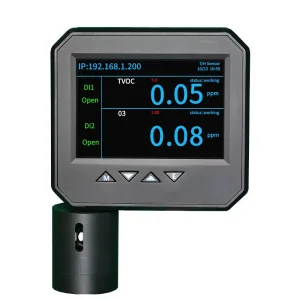
The APEM-5930G series is our most versatile platform. It functions as both a multi-parameter gas sensor and an edge integration gateway. With local alarm triggers (via relay) and built-in RS485 passthrough communication, it can read downstream legacy RS485 slave devices and transmit their consolidated data packets over a single IP connection.
Deploying robust, network-ready environmental hardware customized for specialized regional standards and high-reliability environments.
Deploying APEM-5930 units directly above cold aisle server cabinets enables granular monitoring of the Delta-T curve. Built-in SNMP v2c/v3 compatibility allows integration into DCIM tools like APC StruxureWare, Zabbix, or Datadog without custom driver scripting. Rapid dew-point warnings help prevent corrosion issues in high-efficiency cooling setups.
Controlling relative humidity, CO₂ levels, and ambient temperatures is critical for high-density indoor vertical farming. Our IP-rated Ethernet hardware housing protects internal circuitry from high humidity, chemical sprays, and dust, while transmitting real-time growth chamber metrics to cloud monitoring platforms via MQTT.
FDA 21 CFR Part 11 regulations require tamper-proof environmental records. Our APEM-5930G loggers store data internally to bridge network downtime, automatically backfilling missing readings to the central SQL database once connection is restored. High accuracy Swiss sensors ensure precise humidity levels to prevent raw material clumping.
Since 2007, pioneering the development and manufacturing of TCP/IP-based environmental logging and telemetry networks.
Operating a modernized, 1,500 square meter production workshop in Beijing, Yingchuanglihe (YCLIsensors) employs a dedicated team of electronics, firmware, and quality assurance engineers. With five automated high-speed calibration and assembly lines, we maintain rigorous production cycles and deliver high-precision sensor systems globally.
Our OEM/ODM process is fully customizable. From modifying the physical housing footprint and probe length to embedding custom protocol profiles (such as BacNet or RESTful XML), our design team accommodates specific enterprise needs. We ensure that every product shipped meets strict CE, FCC, and RoHS standards, protecting your facility’s operations from electromagnetic hazards.
Company founded. Developed the first generation TCP/IP network protocol environmental monitoring terminal and proprietary monitoring software.
Partnered with Mocha Software to co-develop and launch the SNMP-supported environmental monitoring series TH-5939.
Collaborated with Switzerland's COMLAB to design the protective TH-5869 Ethernet sensor. Successfully deployed across key high-speed rail lines, including the Beijing-Kowloon and Beijing-Shanghai routes.
Partnered with Founder Technology to launch the APEM-6100 series, pioneering the use of Power over Ethernet (PoE) technology in environmental monitoring.
Partnered with Foxconn to establish our environmental telemetry products as standard configurations for precision factory workshops.
Collaborated with Baidu to launch the next-generation APEM-5900 intelligent terminal, deployed at Baidu's Yangquan Data Center. Upgraded software platforms to support complex multi-parameter monitoring.
Launched integrated outdoor cabinet monitoring systems. Successfully integrated into Huawei and China Merchants Huaruan ETC expressway initiatives.
Contributed R&D expertise to Beijing's high-level autonomous driving road test integrated units and edge computing gateways.
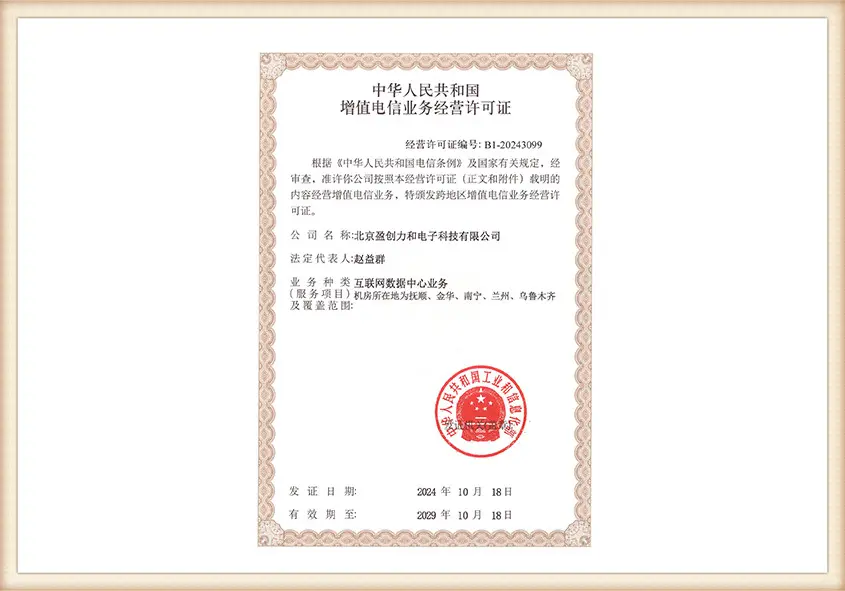
Co-founded specialized engineering divisions with Beijing Enterprises Water Group and BUCEA for smart pipeline network and Beidou deformation monitoring. Acquired official Internet Data Center (IDC) qualifications.
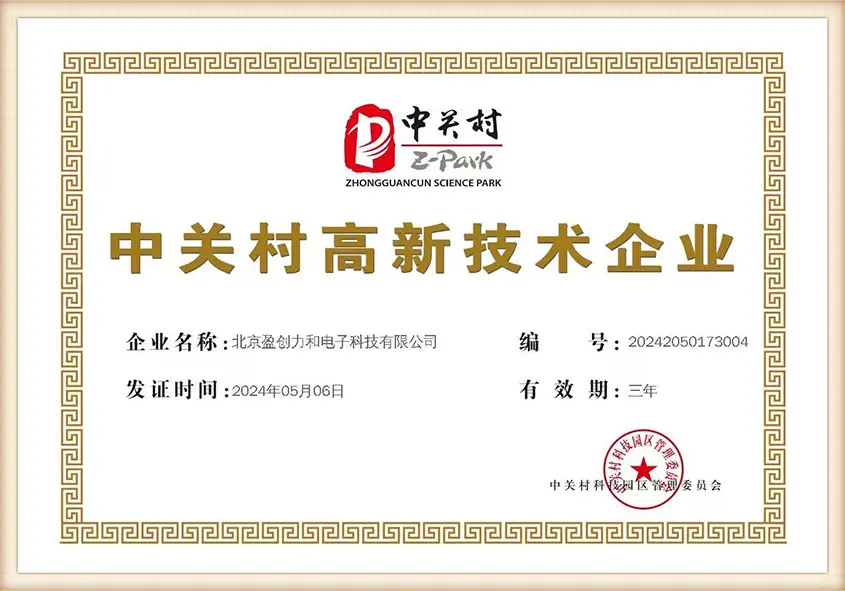
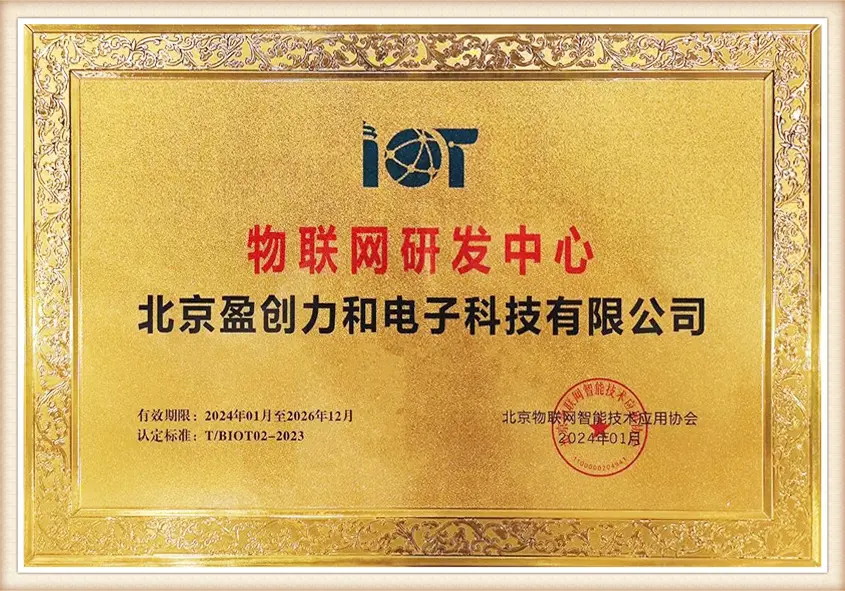
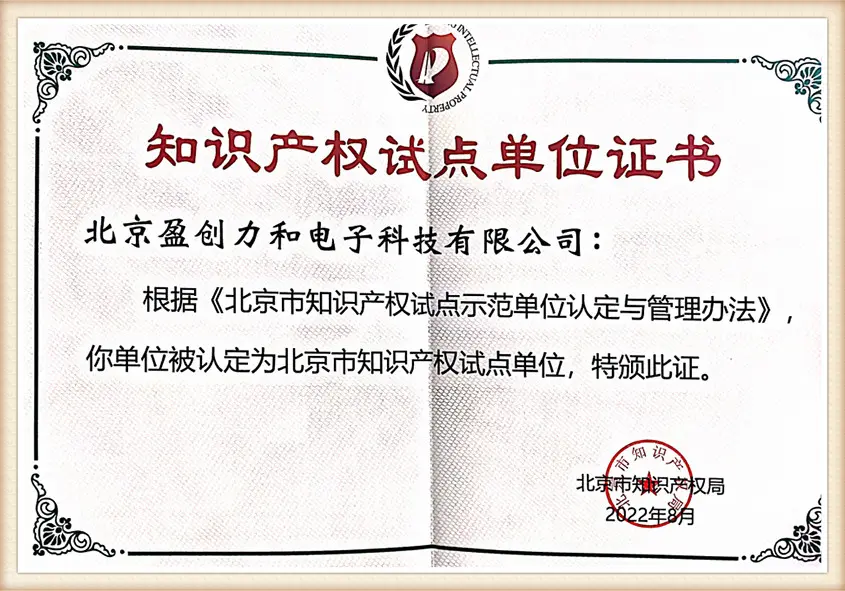
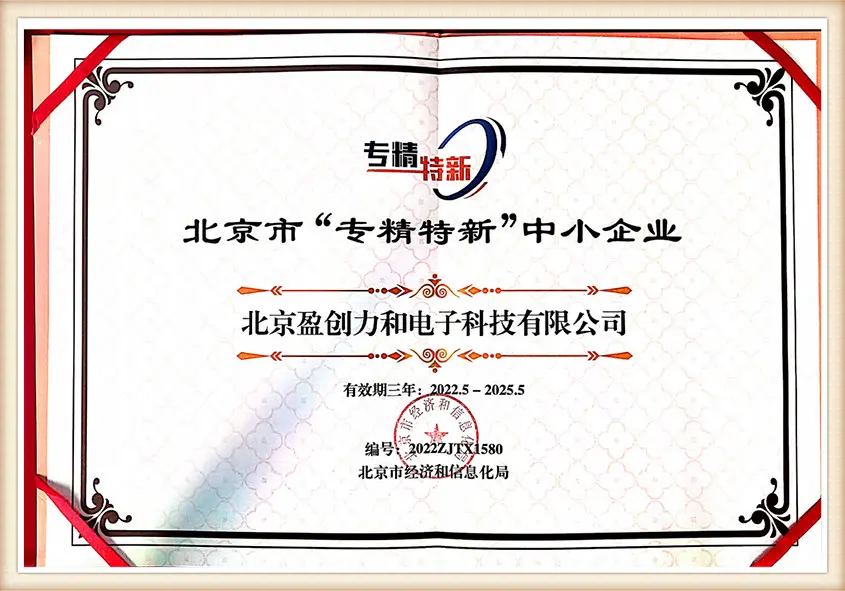
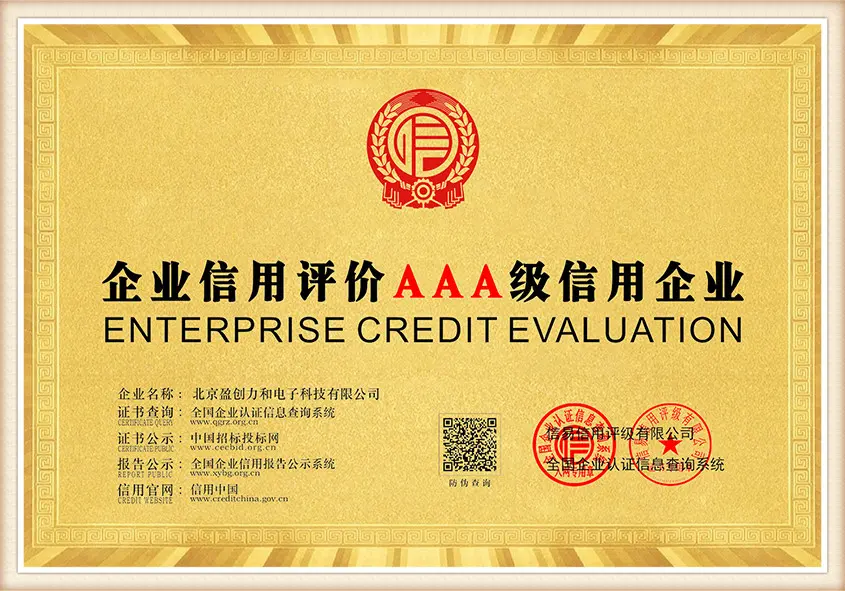
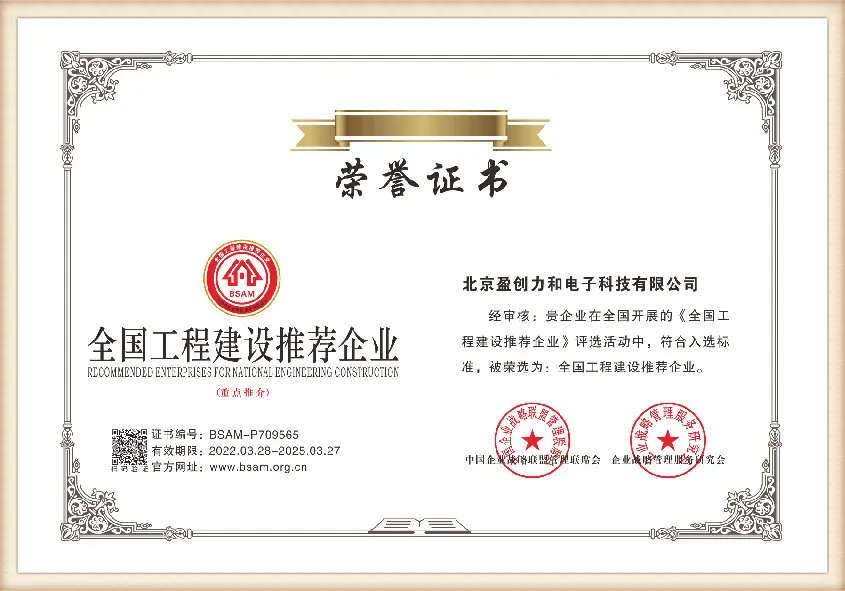
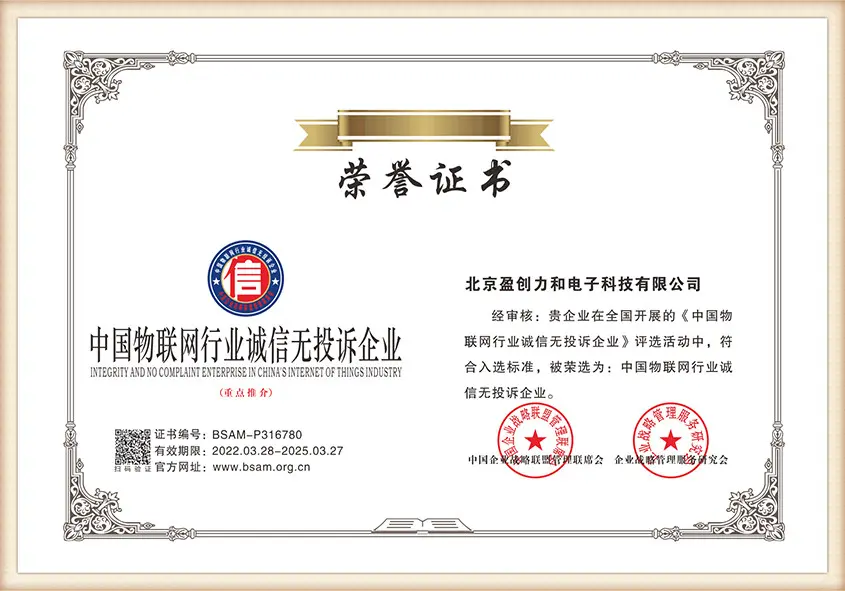
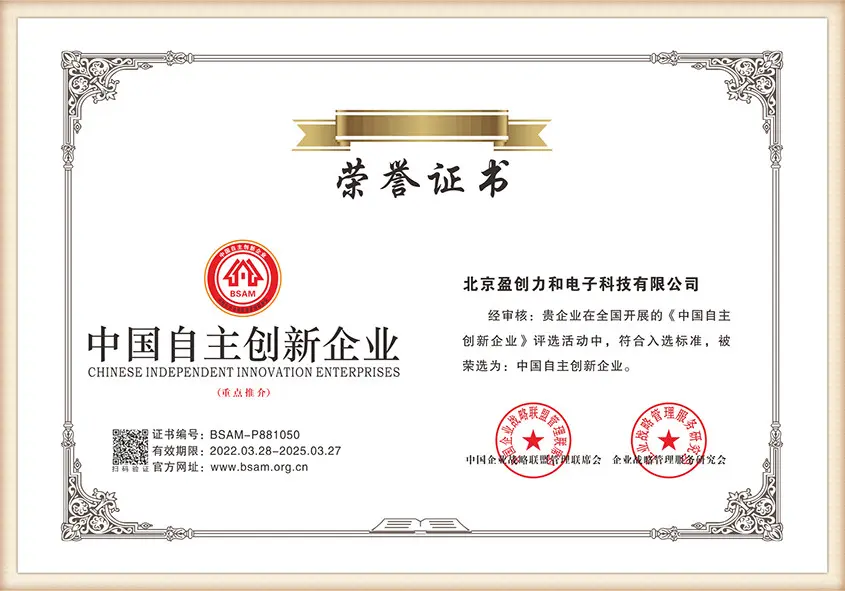
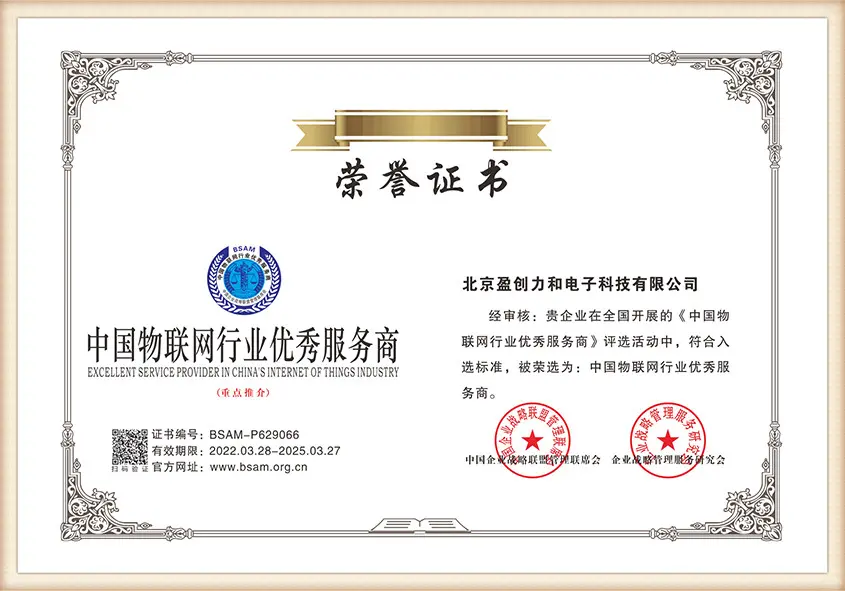
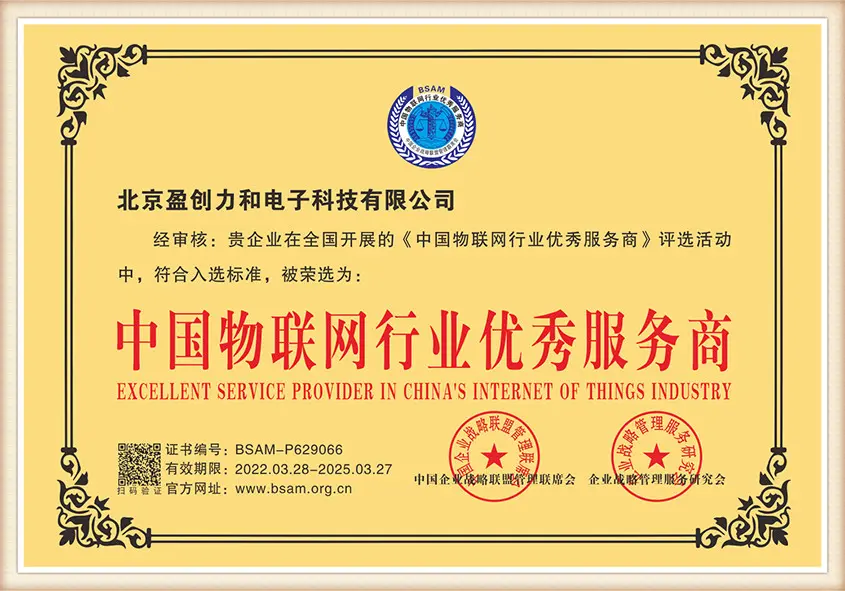
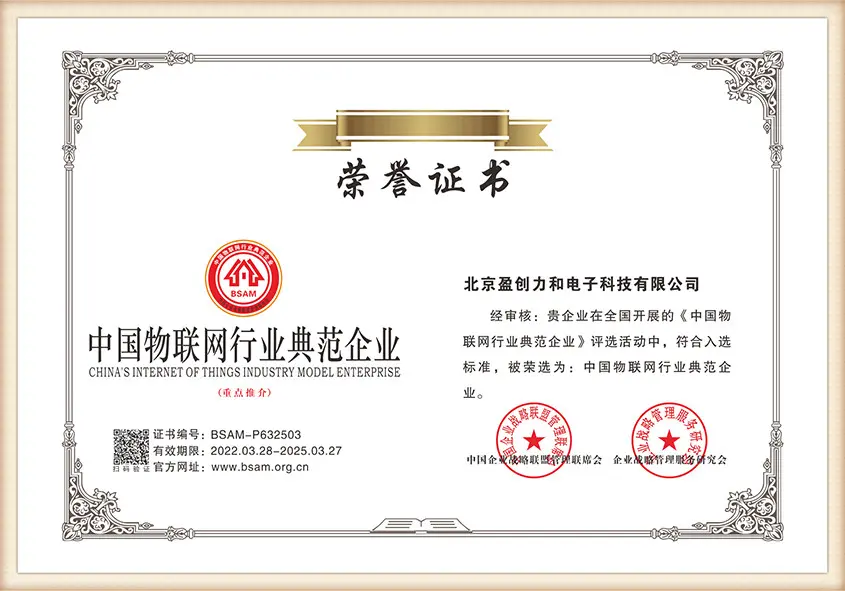
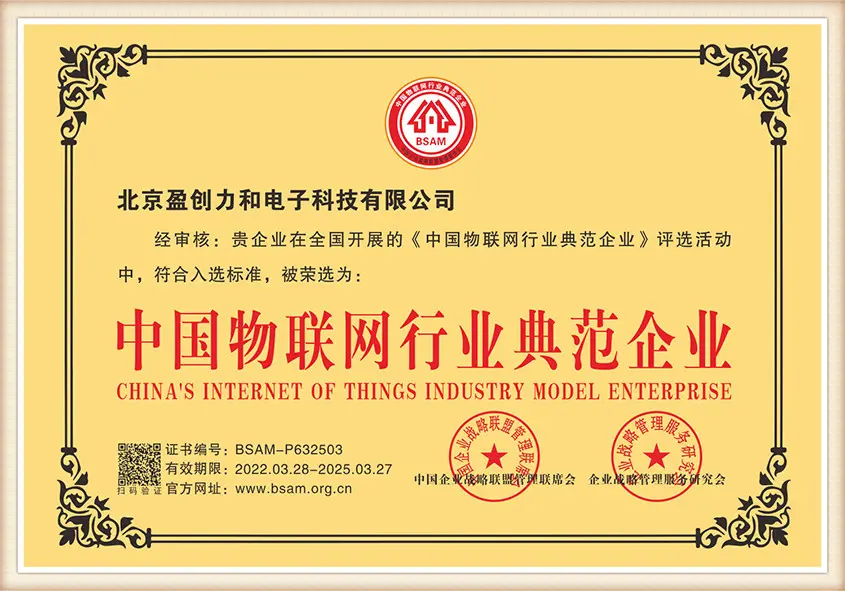
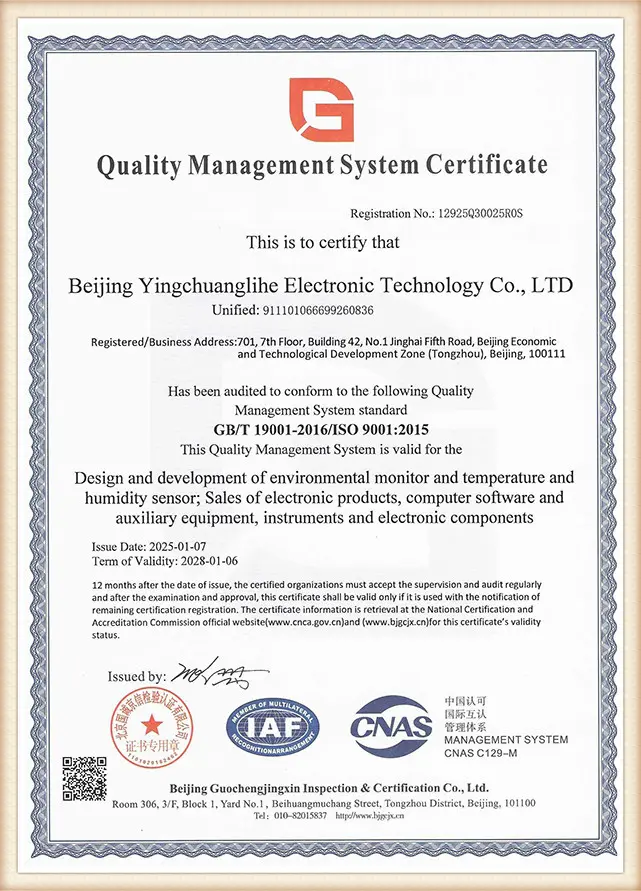
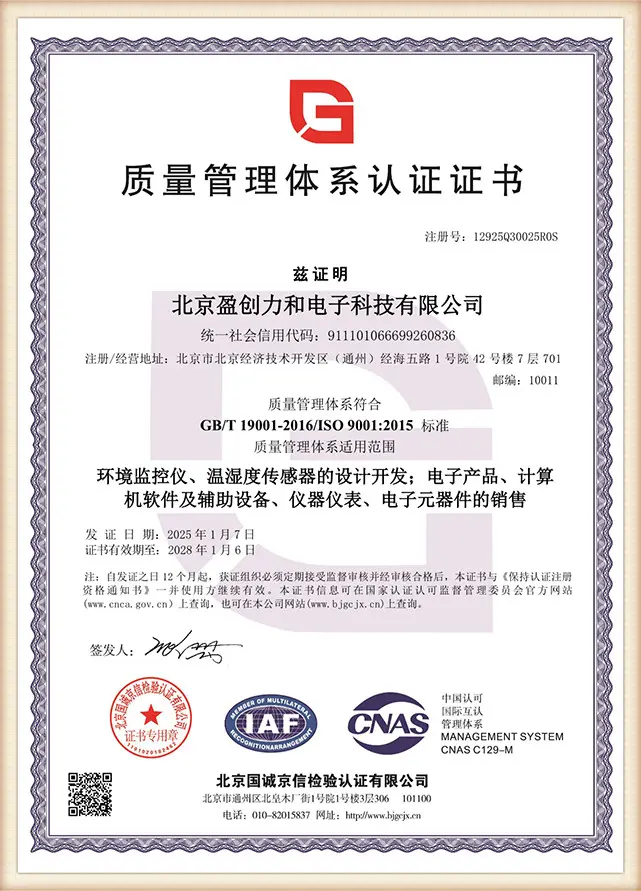
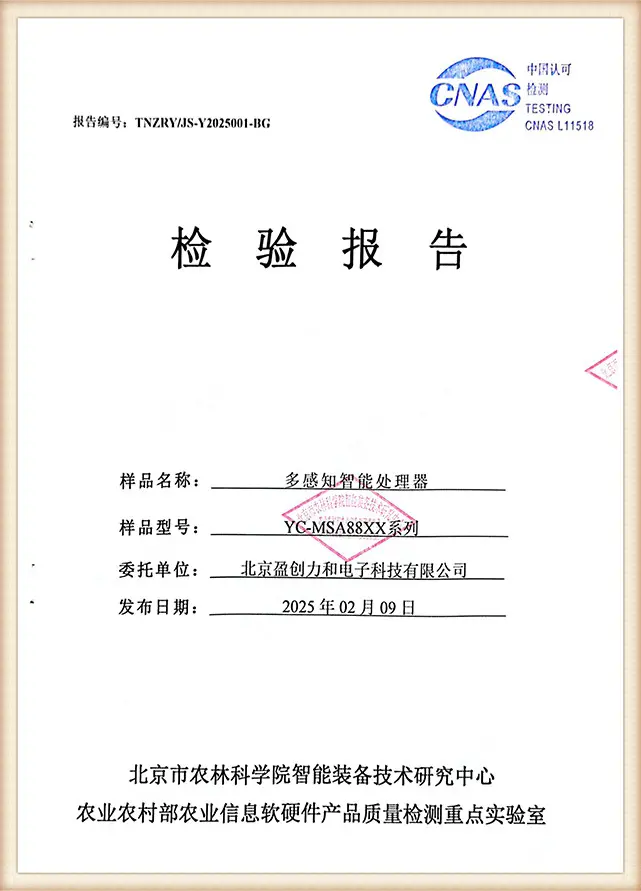
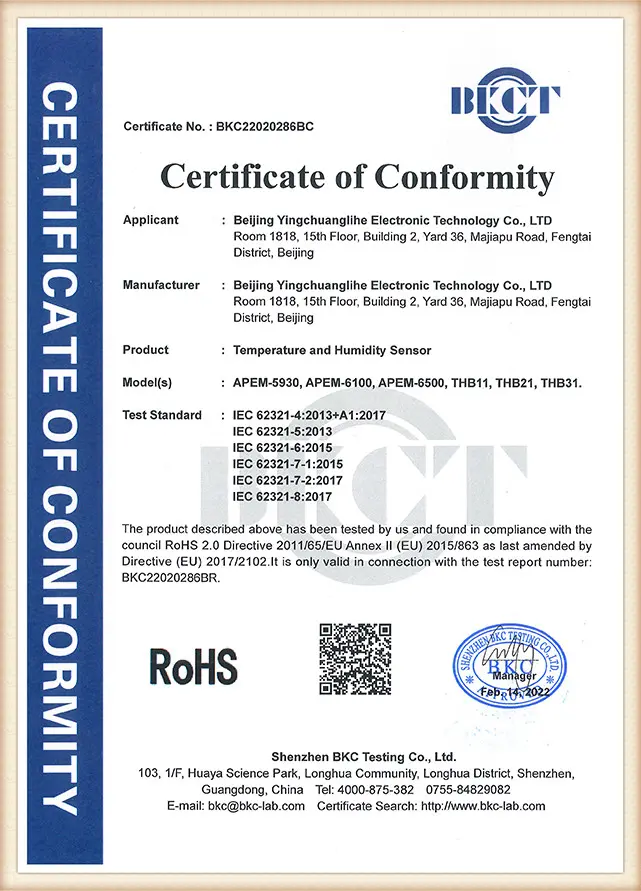
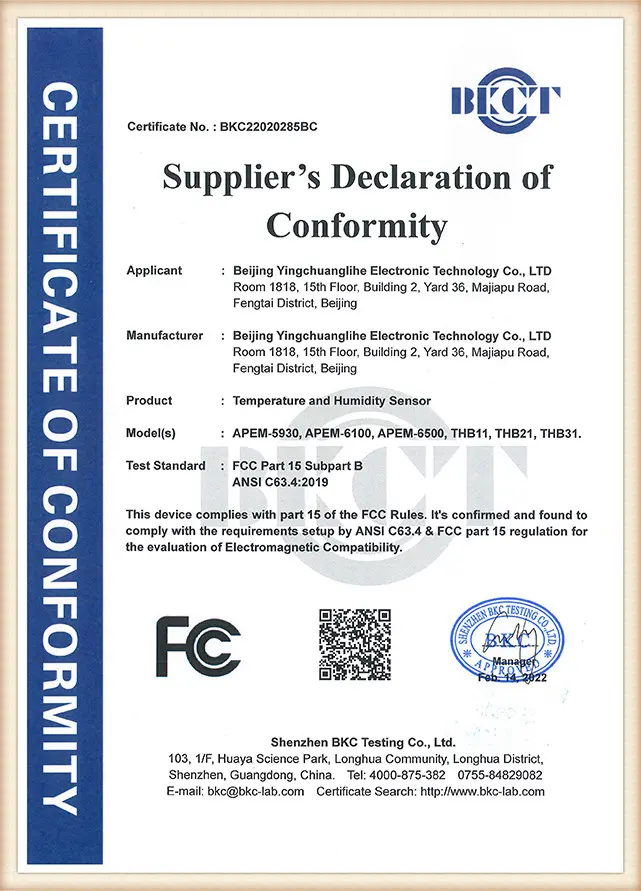
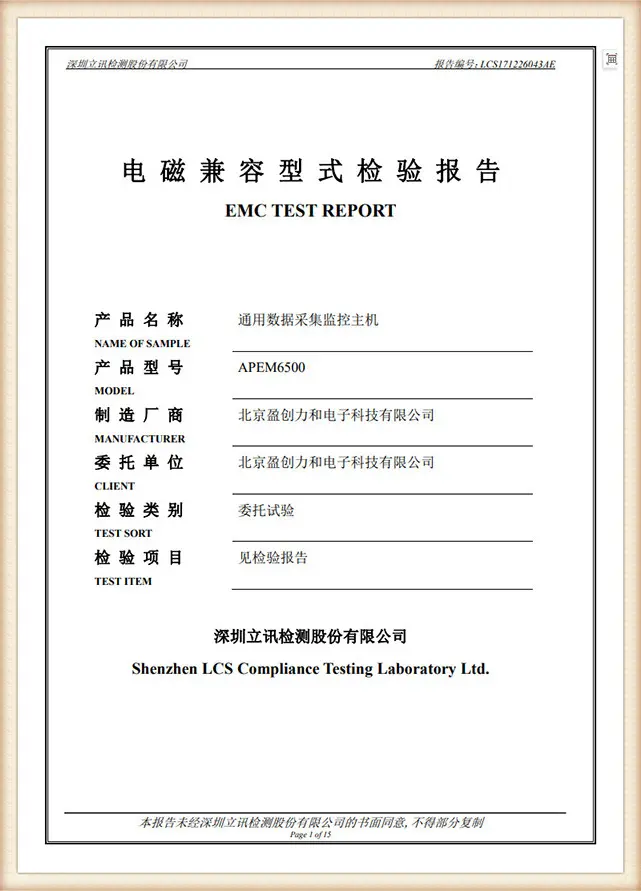
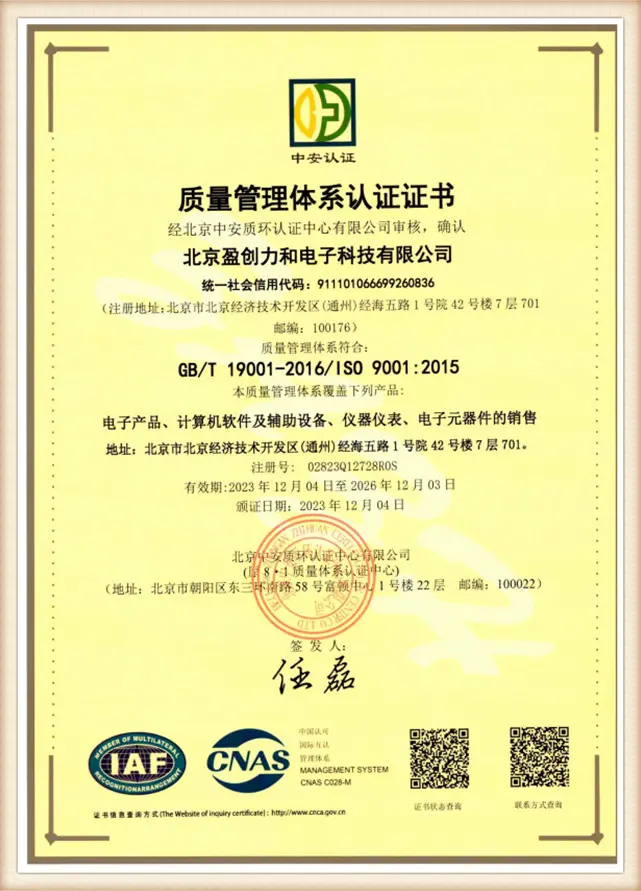
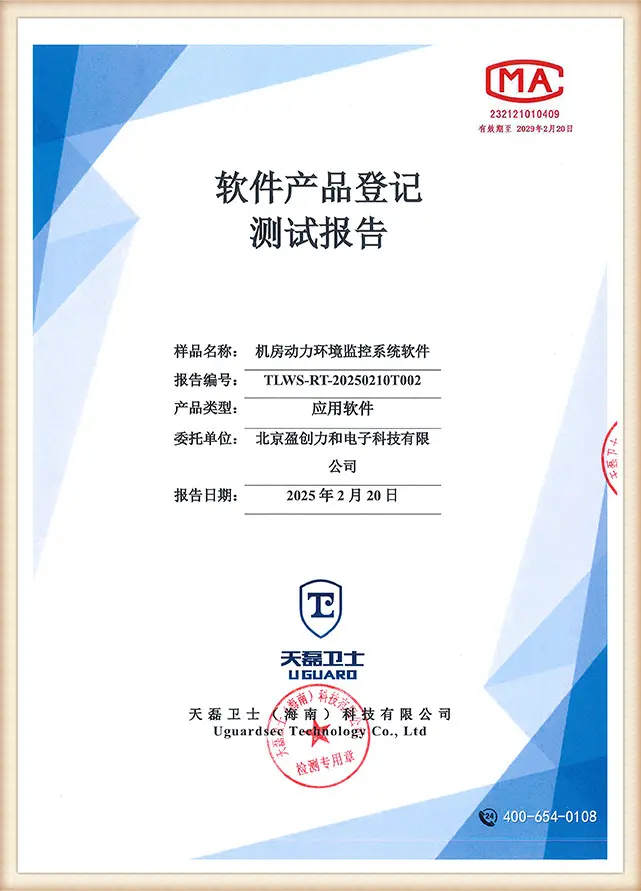
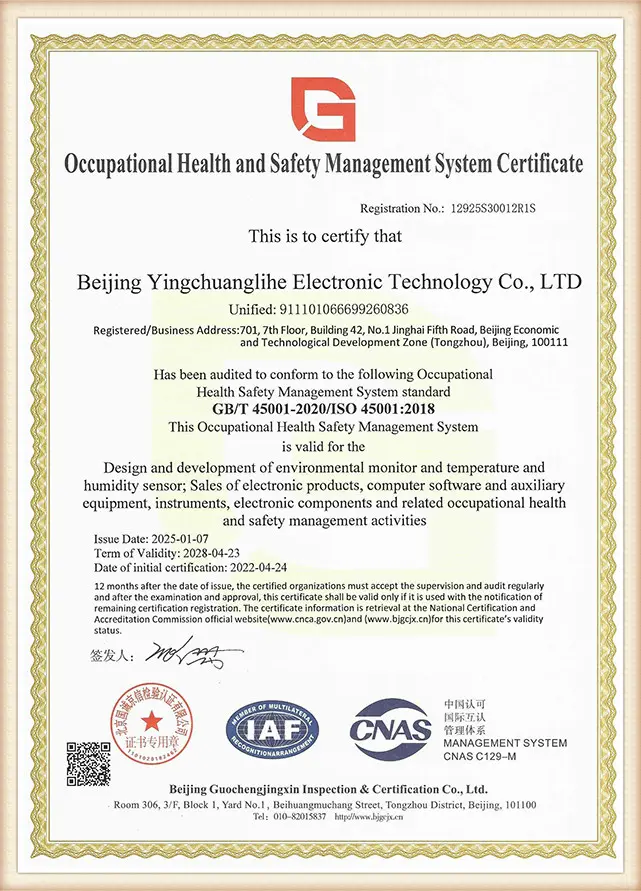
Our manufacturing facility and products conform to international benchmarks, ensuring robust performance and electrical safety.
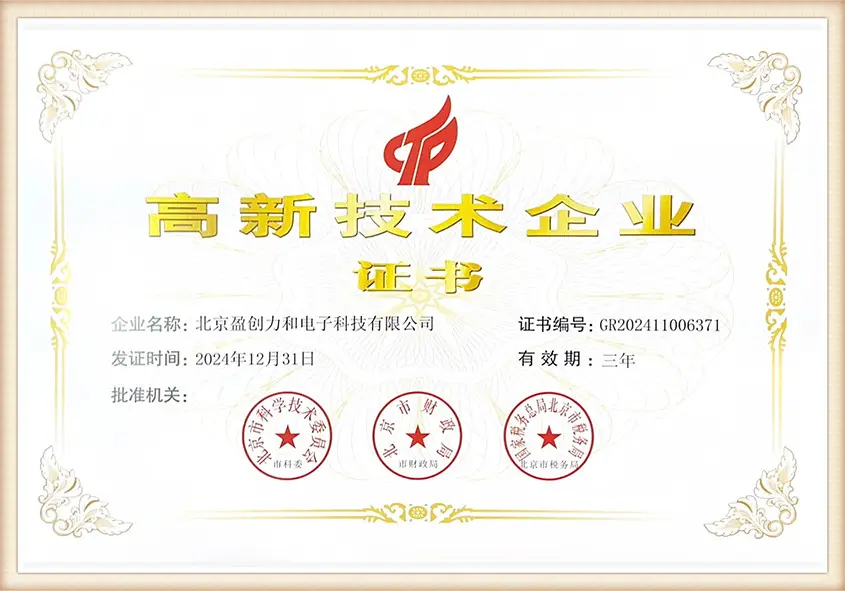
Quality Compliance
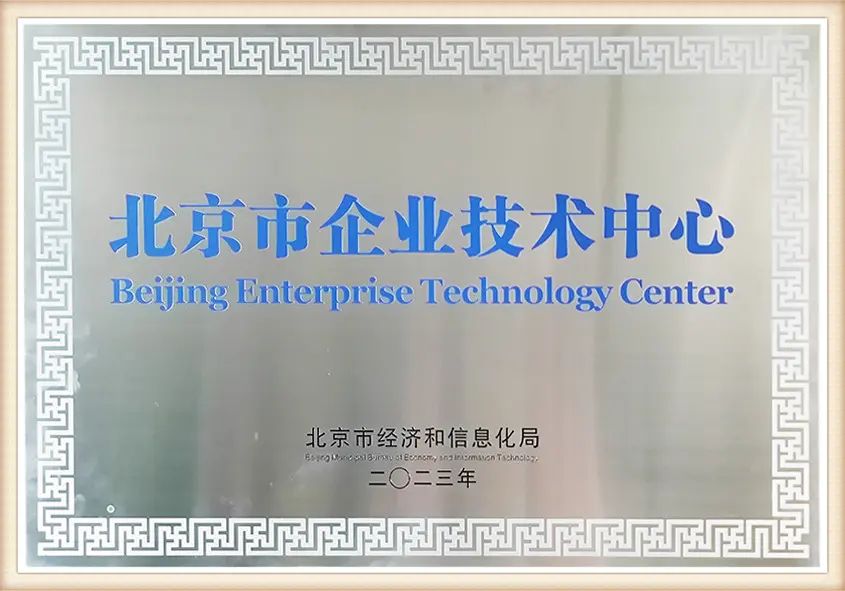
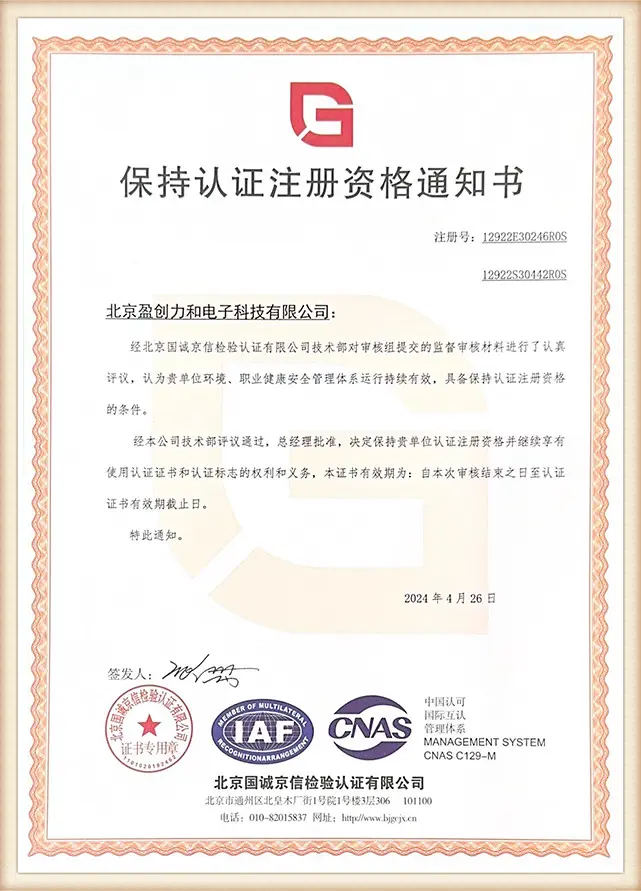
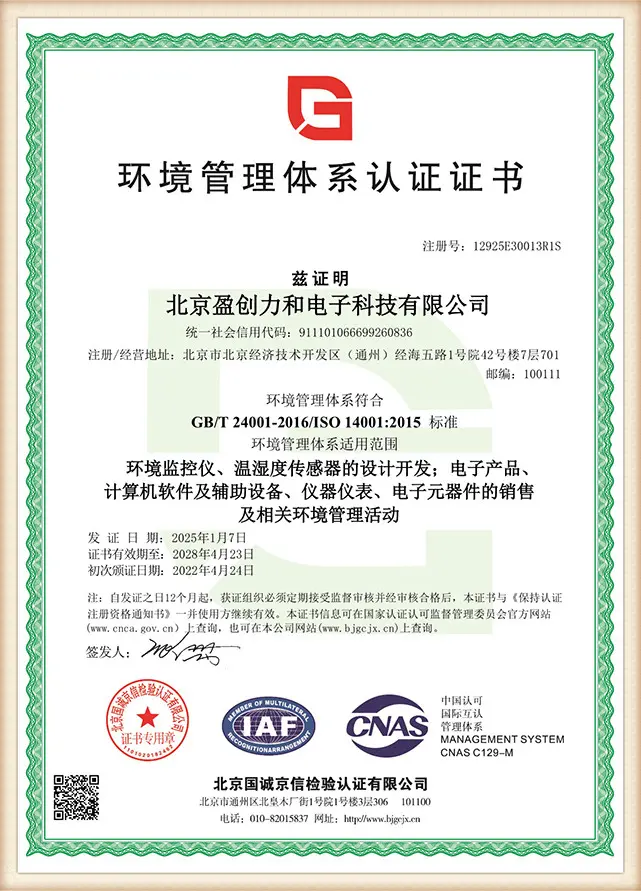
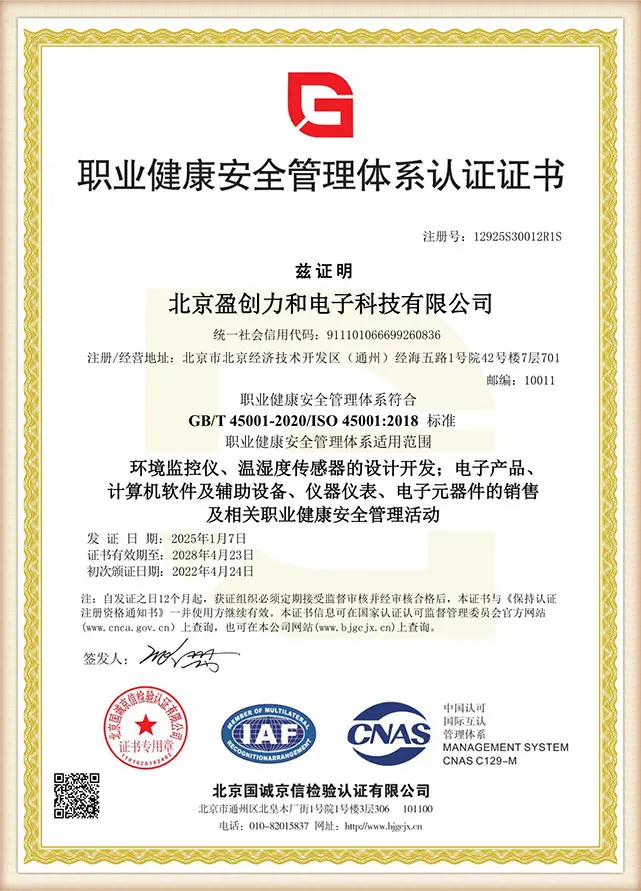
Factory Authorization
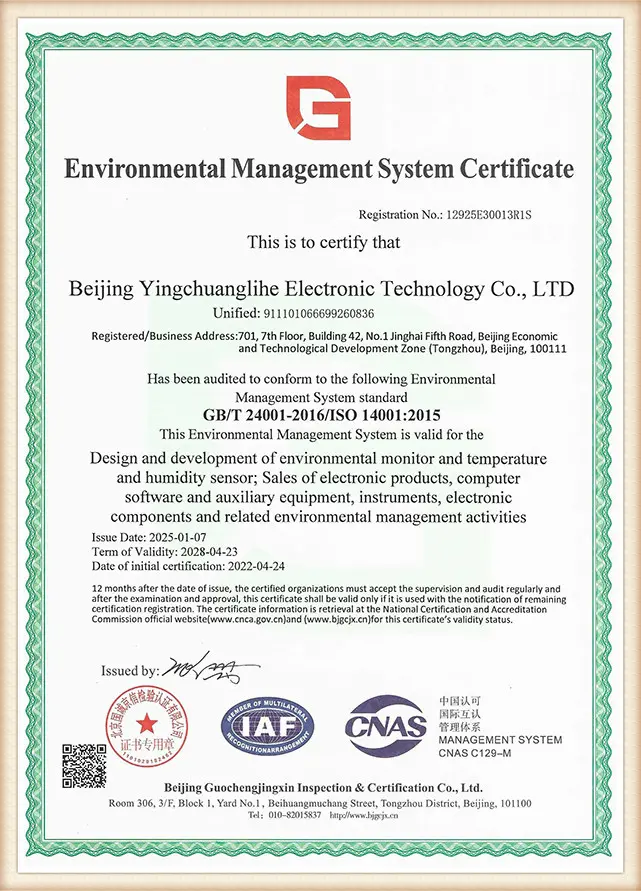
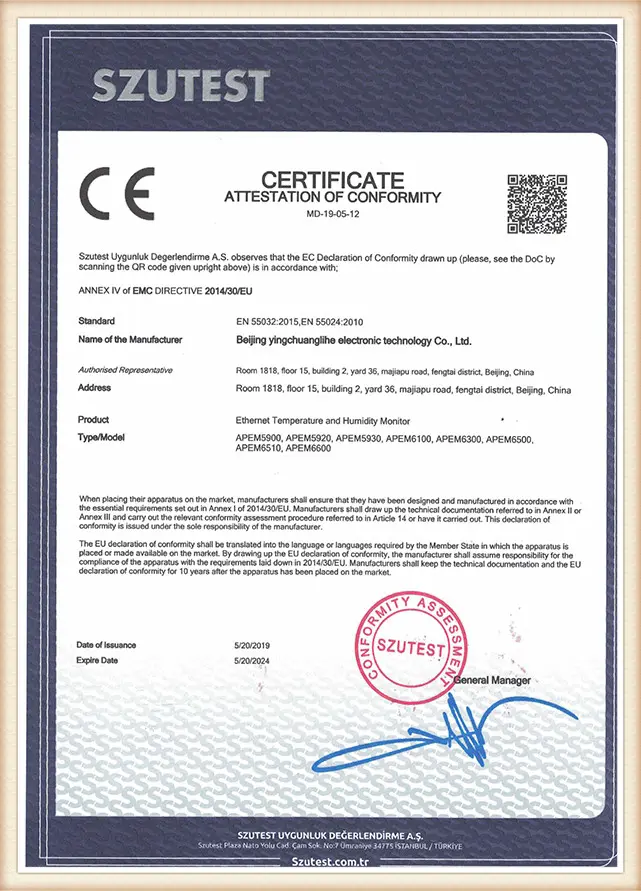
CE EMC Certification
CE LVD Safety Standard
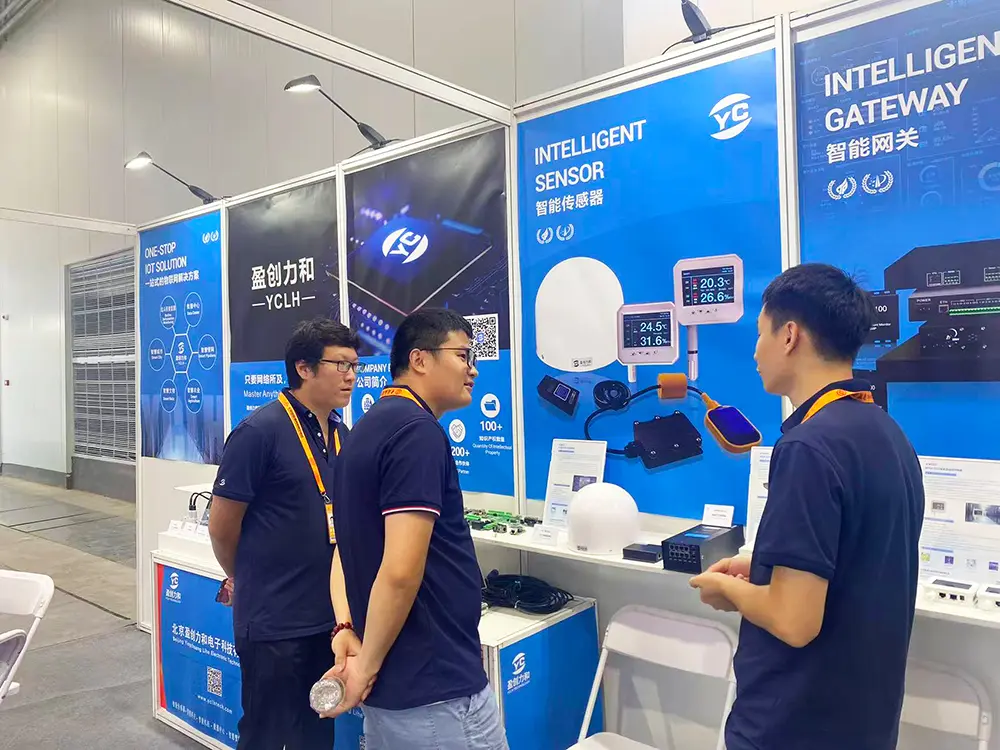
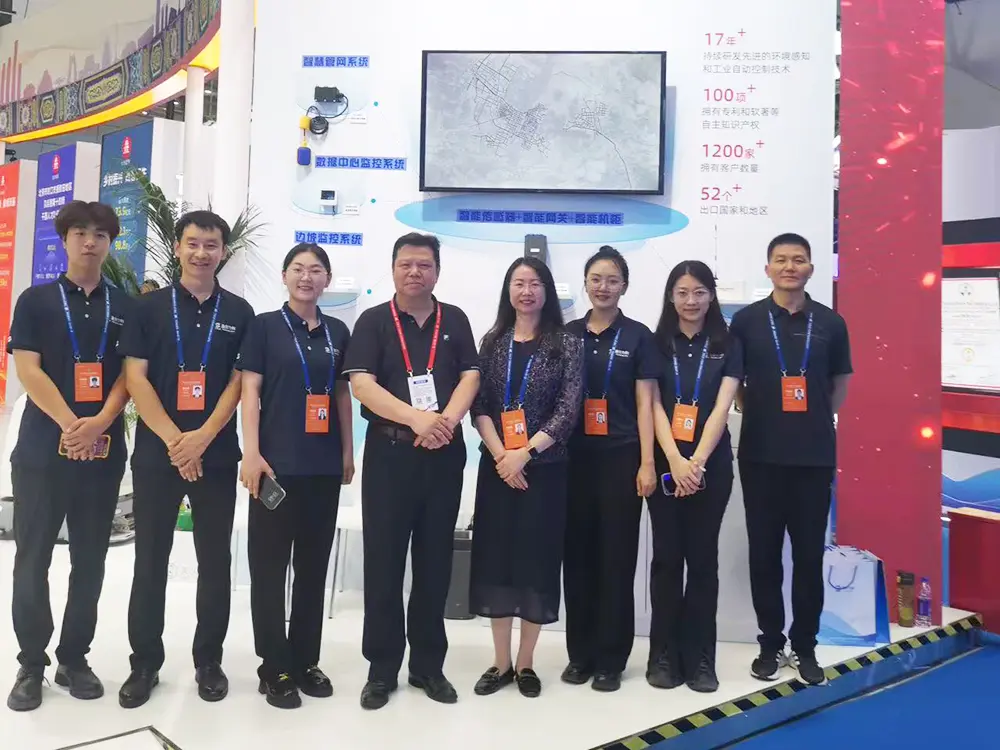
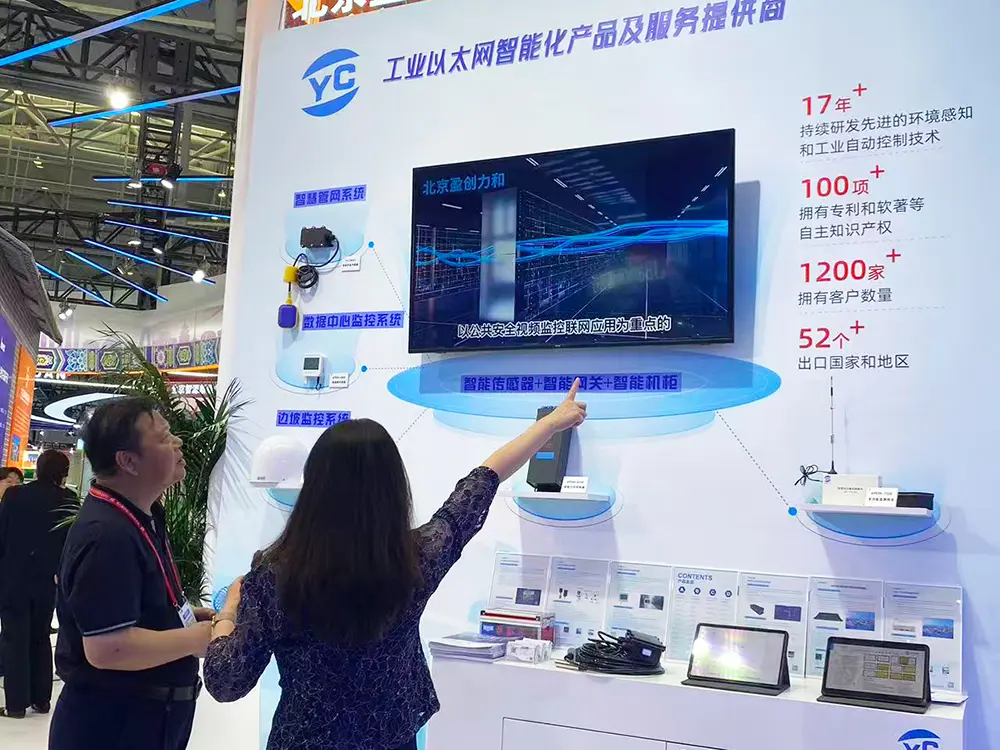
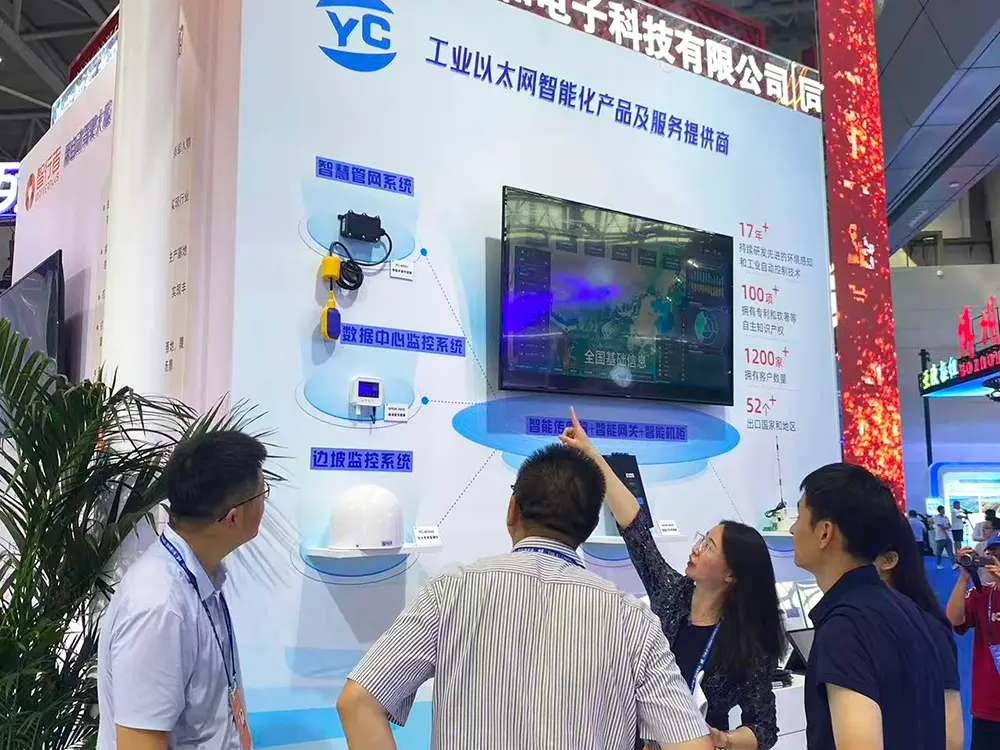
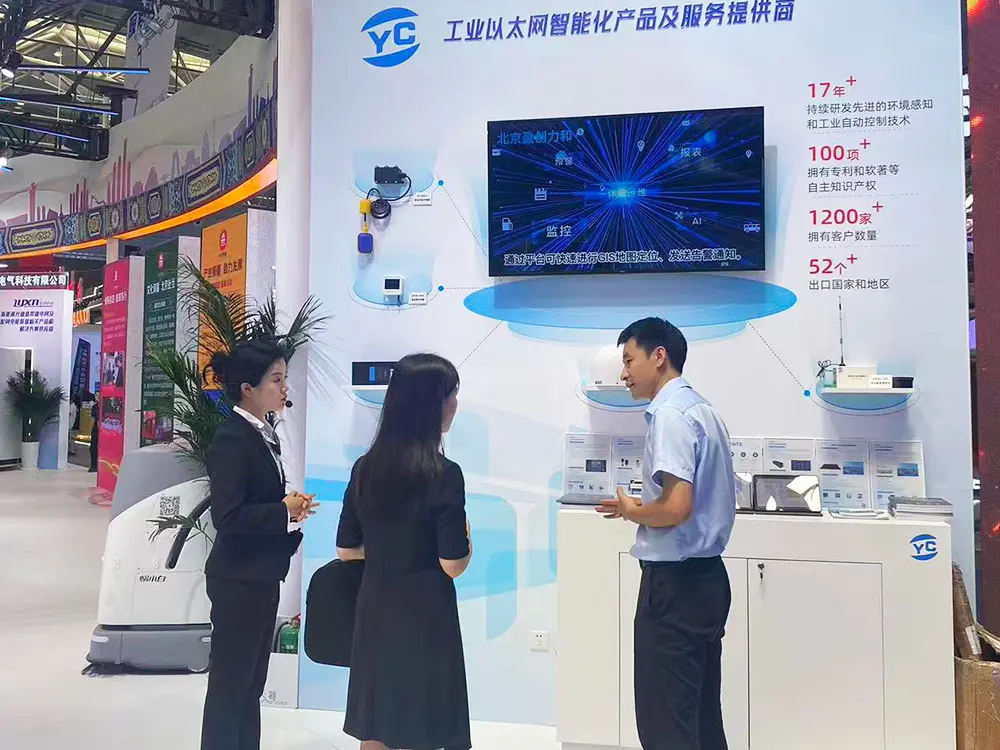
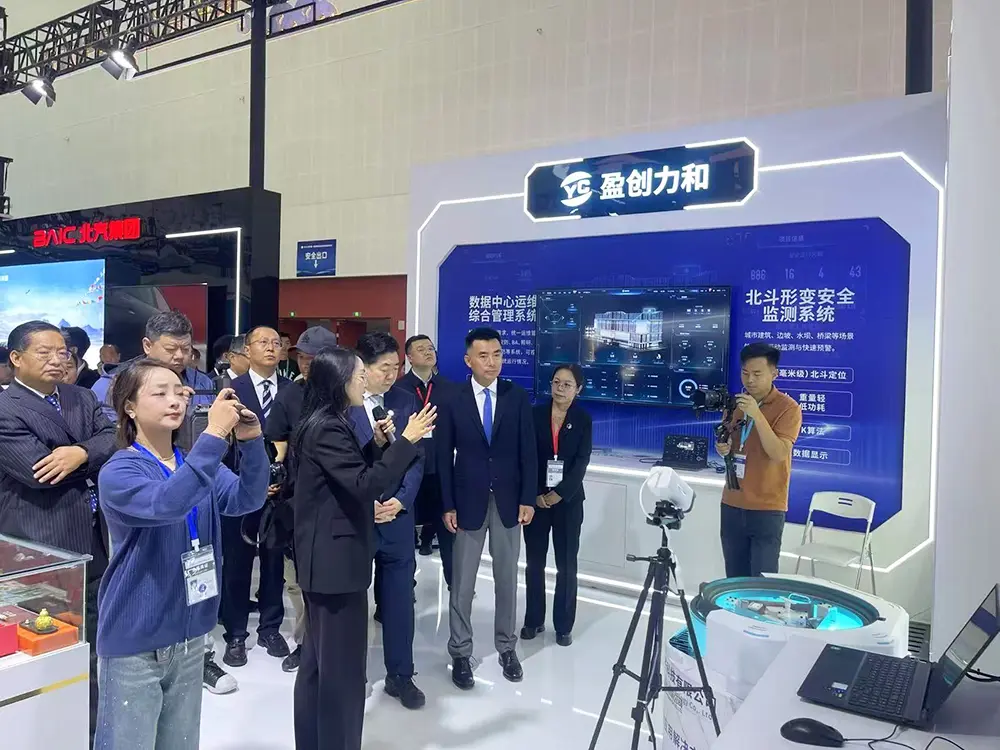
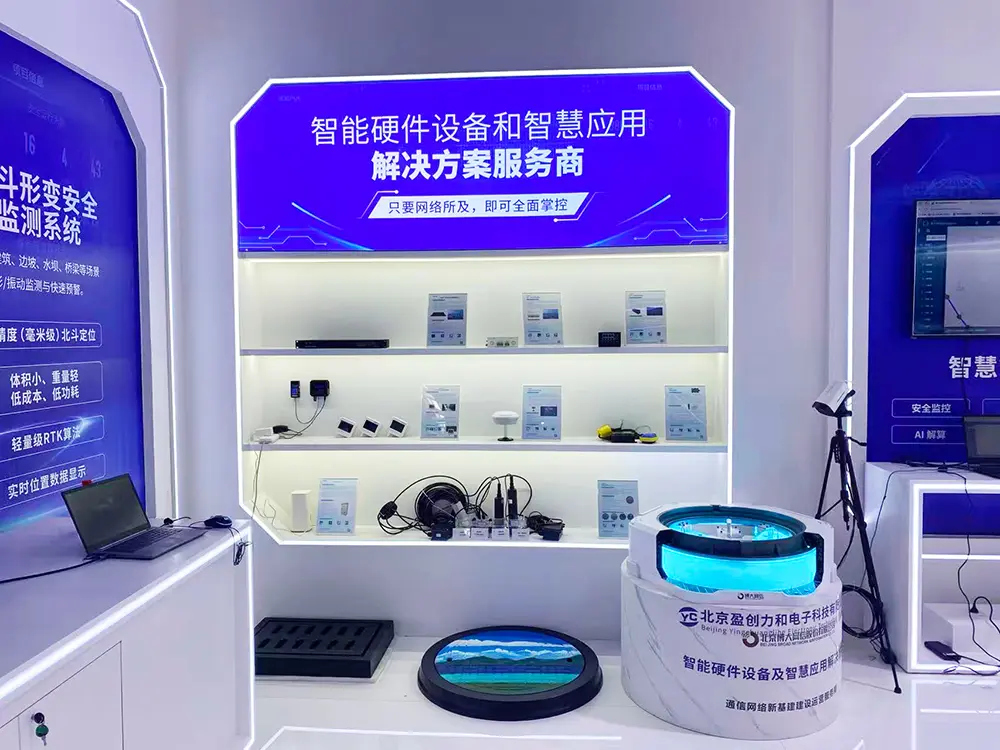
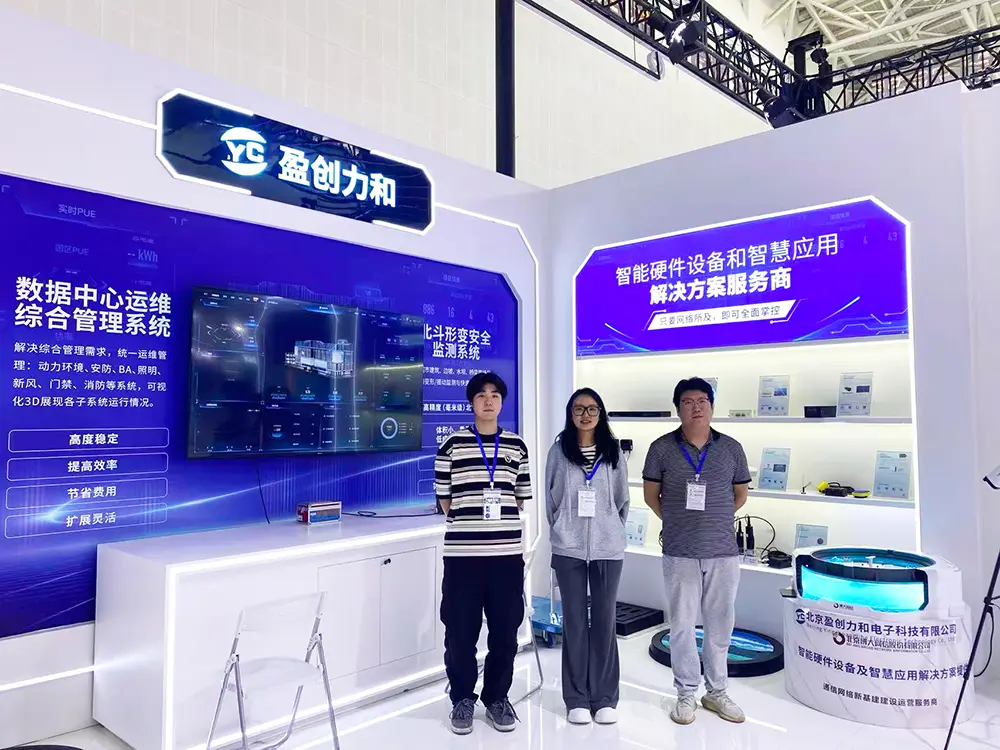
Active participation in major industrial automation, environmental controls, and computing equipment trade shows.
In-depth responses to common integration questions from system integrators, network engineers, and procurement managers.
The APEM-5930G chassis is designed to support custom multi-sensor configurations. It can monitor temperature, relative humidity, dew point, and barometric pressure alongside specialty electrochemical and metal-oxide gas modules (including TVOC, Formaldehyde, CO, Ozone, SO₂, NO₂, O₂, and H₂S) in a single device.
Our sensors support standard active PoE (IEEE 802.3af class 0). This allows a single RJ45 Cat5e/Cat6 cable to carry both DC power and high-speed data transmission over runs of up to 100 meters. This setup eliminates the need for nearby AC wall adapters, reducing installation costs and simplifying connection to central UPS backup power.
Devices equipped with built-in data logging functionality store environmental logs locally on internal flash memory during a network dropout. Once the Ethernet link is restored, the sensor backfills the missing data to the monitoring software via API or Modbus registers, ensuring continuous compliance records.
Because our sensors natively support standard TCP/IP, Modbus TCP, and SNMP (v1/v2c/v3), they integrate directly with enterprise Network Management Systems (NMS) such as Zabbix, PRTG Network Monitor, SolarWinds, and standard industrial SCADA platforms without proprietary software middleware.
CE certification ensures that the sensor has passed rigorous testing for electromagnetic immunity and safety. Our products are shielded against radio frequency interference (RFI) and electrostatic discharge (ESD) common in industrial utility rooms, preventing sensor drift and device failures.
Under typical office or data center conditions, the integrated Swiss Sensirion temperature and humidity modules exhibit minimal drift (less than 0.25% RH per year) and do not require manual calibration for up to 5 years. For industrial chemical environments, we recommend annual verification, which can be configured via web offsets.
Browse our additional specialized models, including chemical air loggers, Wi-Fi redundant setups, and LoRaWAN long-range solutions.
 YCLH Sensor