Engineered with Swiss/German sensing cores for compliance with strict CE, FCC, and RoHS standards.
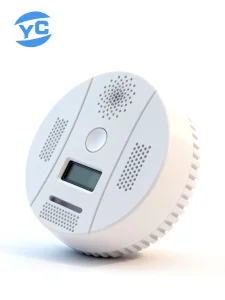
Form Factor: Wall Mount Indoor
Parameters: Temp, Humidity, IAQ
Optimized: Germany smart building systems
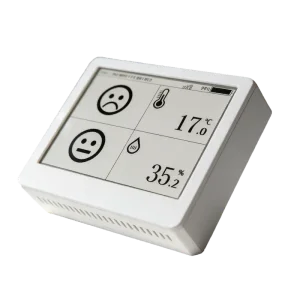
Frequency: EU868 MHz Compliant
Stability: ±0.3°C Temp Accuracy
Power: Extended Battery / External
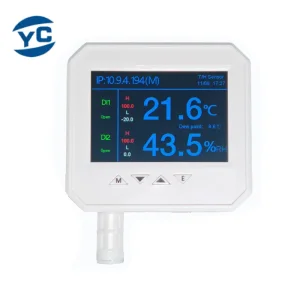
Protocol: TCP/IP, Modbus TCP
Power: IEEE 802.3af PoE (12V-48V)
Use Case: Munich & Frankfurt Data Centers
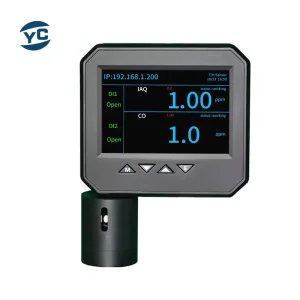
Monitoring: CO, TVOC, Temp, Humidity
Outputs: RJ45 Ethernet, relay alarms
Design: Industrial metal casing
Technical whitepaper on sensor integration under Europe's Green Deal and Industry 4.0 regulations.
In the context of the German Building Energy Act (Gebäudeenergiegesetz - GEG) and Europe's ambitious climate targets, precision environmental monitoring is no longer optional. Industrial enterprises across Bavaria, Baden-Württemberg, and North Rhine-Westphalia are rapidly shifting toward real-time telemetry architectures to optimize energy usage in HVAC infrastructure. By deploying long-range, low-power technologies like LoRaWAN, German factories monitor ambient environments without complex, cost-prohibitive cabling.
The transition is accelerated by Germany's strict workplace regulations (Arbeitsstättenrichtlinien - ASR A3.6), which dictate thermal comfort and Indoor Air Quality (IAQ) indexes in commercial properties and manufacturing floors. Under these conditions, the APEM series serves as a reliable solution, integrating directly with existing BMS systems via Modbus RTU/TCP, BACnet, and MQTT protocols.
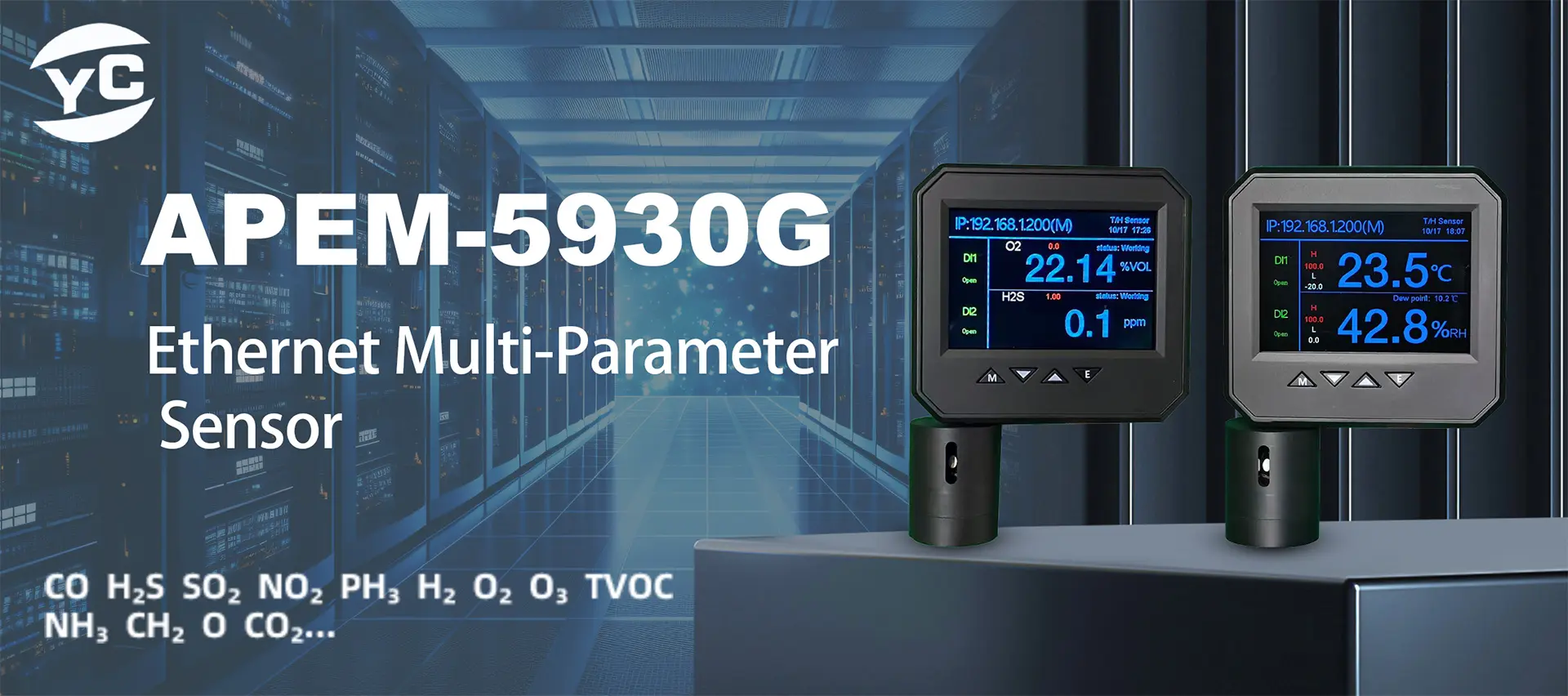
Strict humidity and dew point control are essential in semiconductor fabrication and automotive battery cell production lines in Germany.
Assuring compliance with GDP (Good Distribution Practice) guidelines across warehouses using high-reliability, long-range wireless nodes.
Monitoring O₂, H₂S, NO₂ and SO₂ in heavy manufacturing hubs to ensure immediate alarm triggers for staff health and safety.
The primary concern for German engineering departments when purchasing sensor hardware is interoperability. Yingchuanglihe addresses this with standard interfaces and protocol compatibility. Our APEM-5930 range is fully integrated with Ethernet/Wi-Fi dual networks, allowing Modbus TCP queries directly from PLCs like Siemens S7-1200/1500 or Beckhoff controllers. Simultaneously, the APEM-5736 series works over the EU868 MHz frequency band, supporting Class A and Class C LoRaWAN end-devices for seamless connectivity to gateways from Kerlink, Multitech, or LORIX One.
Furthermore, all models leverage advanced sensor elements sourced from industry leaders in Switzerland (Sensirion SHT cores) and Germany (Bosch sensor technology), ensuring drift-free tracking over years of operational life, minimizing maintenance expenses, and ensuring traceability under DAkkS calibration guidelines.
For nearly two decades, we have designed environmental monitoring devices that withstand strict industrial applications.
Equipped with Sensirion chips, guaranteeing high accuracy (±0.3°C temperature, ±2% RH) and long-term signal stability in harsh industrial conditions.
Conforms to European health, safety, and environmental protection standards, allowing for rapid approval of complex public and industrial building upgrades.
From custom firmware configurations (transmission intervals, threshold triggers) to bespoke mechanical housing designs to fit spatial footprints.
Track record of technical evolution since our establishment in 2007.
Yingchuanglihe was founded, launching its first TCP/IP-based ambient tracking terminal and proprietary environmental monitoring software.
Collaborated with Swiss COMLAB to produce the TH-5869 Ethernet monitoring device, deployed in major European high-speed railway signaling rooms.
Pioneered Power over Ethernet (PoE) integration with Foxconn, standardizing cleanroom telemetry platforms across multinational electronics assembly floors.
Engineered the APEM-5900 gateway deployed at Baidu's Yangquan Data Center, supporting massive multi-parameter environments.
Developed rugged edge computing gateways and autonomous driving integration hardware for highway weather and road condition analysis.
Formed dedicated business divisions with Beijing Enterprises Water Group & established Beidou division for high-precision structural deformation telemetry.
Targeted deployment scenarios across German industrial complexes.
Deploying APEM-5930 PoE configurations inside hot/cold aisles. Continuous tracking of temperature, relative humidity, and dew points ensures protection against thermal stress and condensation build-ups, keeping PUE ratios within target zones.
Ensuring compliance with DIN ISO 9001 and strict GDP regulations. Wireless APEM-5736 LoRa end-devices allow validation across warehouses without hardwiring. Features battery-backed memory to log data during outages.
Maintaining precise climatic conditions in paint booths and semiconductor assembly. Utilizing APEM-5930E with remote probes allows for installation in tight cavities or high-temperature spaces, protecting precision sensors.
Preserving complete catalog links and technical profiles for industrial integrators.
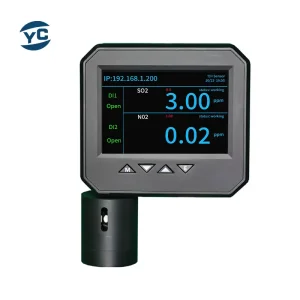
Detections: Temp, Humid, SO₂, NO₂
Outputs: Ethernet / PoE
Applications: Cleanrooms & Laboratories
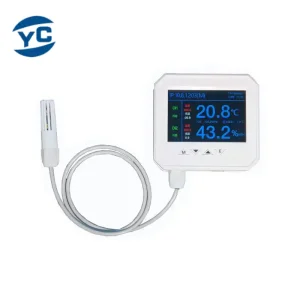
Probe Cable: 1-3 Meters flexible
Approvals: CE Certification
Mounting: Remote duct insertion
Wireless: Up to 5km line of sight
Bandwidth: LoRaWAN / Private chirp
Battery: Low discharge lithium
Storage: Onboard memory logging
Compliance: CE Certified
Integrations: SCADA & cloud systems
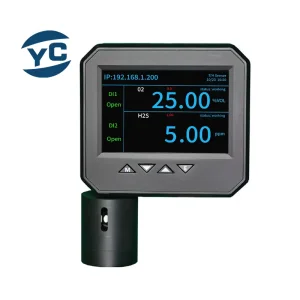
Telemetry: O₂ / H₂S Concentration
Outputs: Relay Alert + RS-485
Use Case: Waste Treatment plants
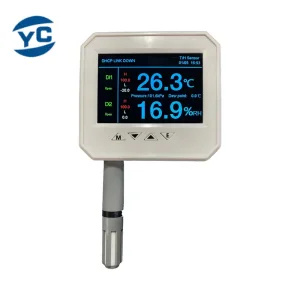
Parameters: Temp, Humid, Baro Pressure
Power: Standard PoE
Use Case: Cleanroom pressurization
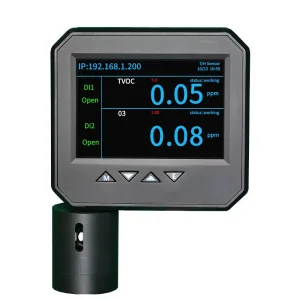
VOC Range: ppb resolution tracking
Ozone: High sensitivity ozone cell
Use Case: Chemical manufacturing & office IAQ
Core: Premium electrochemical cells
Stability: Low drift per annum
Integration: Modbus/TCP directly
Looking for alternative modes? Explore our wholesale range: Wholesale APEM-5930W | OEM APEM-5930W Ethernet Sensor | APEM-5930E Ethernet Sensor with Optional Probes | Dual-Mode WiFi/Wired Monitoring Devices.
Innovating environmental telemetry to align with Germany's evolving digitalization initiatives.
As networks expand, sending raw sensor data directly to the cloud can strain network bandwidth and introduce latency. Our development roadmap focuses on embedding edge computing capabilities into the APEM sensor series. By implementing threshold-analysis algorithms directly at the firmware level, these sensors can evaluate fluctuations, sending warning triggers over LoRaWAN or Ethernet lines only when anomalies are detected, reducing traffic overhead.
For high-density facilities like warehousing and automotive plants, this edge architecture reduces transmission frequency while maintaining rapid reaction cycles for critical conditions.
Our dual-mode connectivity models, such as the APEM-5930W, address the need for redundant communication systems in industrial plants. Our future roadmap introduces automatic failover switching: should a physical Ethernet connection be interrupted, the device automatically shifts to Wi-Fi or LoRaWAN networks, ensuring data transmission remains continuous without manual intervention.
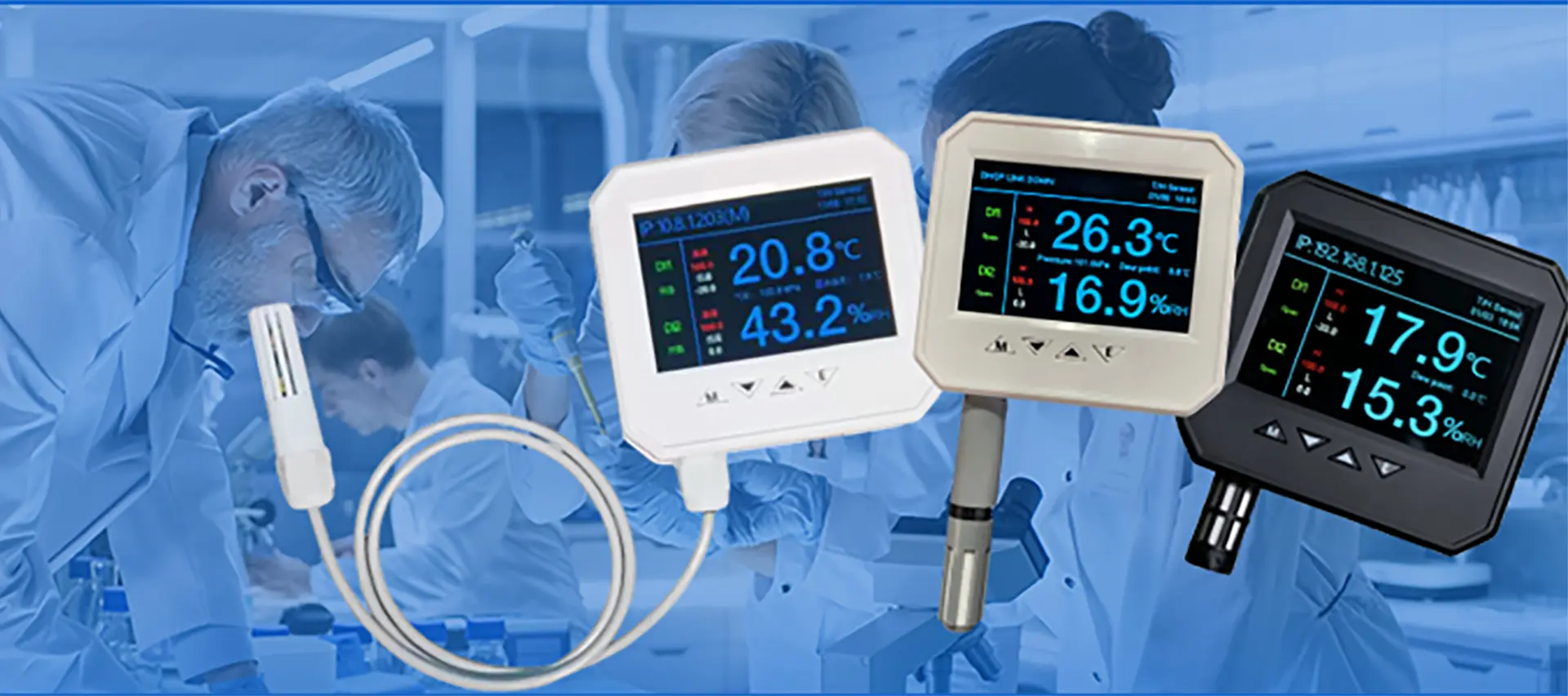
Answers to technical and certification queries from engineers and installers.
Partner with an established manufacturer of industrial telemetry solutions. Get a quote within 8 hours.
 YCLH Sensor