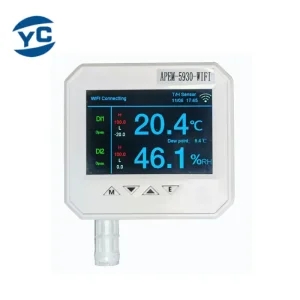
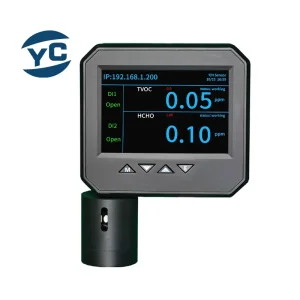
Engineered for immediate integration within Qatar's high-tech installations, these solutions feature Power-over-Ethernet (PoE) and wireless LoRa networks designed to bypass heavy infrastructure interference.
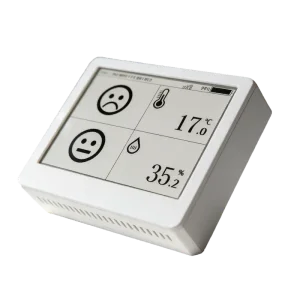
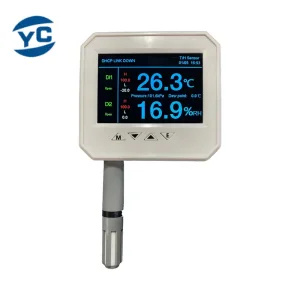
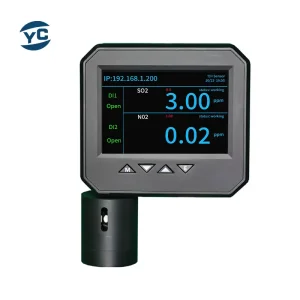
Doha, the dynamic capital of Qatar, has transitioned rapidly under the vision of the Qatar National Vision 2030. This massive industrialization and smart city transformation occur in one of the world's most unforgiving climatic regions. With summer outdoor ambient temperatures regularly exceeding 50°C (122°F) accompanied by coastal humidity spikes reaching up to 90%, HVAC infrastructure and localized environmental controls must operate flawlessly to maintain civil and technical installations.
Modern mega-projects in Doha—such as the Lusail Smart City, Msheireb Downtown Doha, and the Hamad International Airport expansion—require comprehensive sensor frameworks. Data centers housing cloud regions for Microsoft and Google Cloud in Doha require zero-drift, real-time temperature, dew point, and static pressure monitoring to avoid thermal runaway. Without precision sensor control, high cooling loads can lead to structural decay, micro-condensation, and catastrophic hardware failures.
"In coastal desert environments like Doha, humidity and temperature fluctuation must be monitored dynamically at the sub-rack level. General ambient measurement is no longer sufficient to guarantee 99.999% data center uptime."
The worldwide transition from standalone industrial sensors to networked, multi-parameter environmental transmitters integrated with real-time analytics.
Across the global manufacturing and technology sector, Environmental Monitoring Systems (EMS) have transitioned from simple diagnostic utilities to critical operational assets. Modern supply chain operations, biotechnology labs, semiconductor cleanrooms, and automated logistics networks depend on high-fidelity telemetry. Standard protocols such as Power over Ethernet (PoE) and LPWAN (LoRaWAN) allow companies to deploy hundreds of nodes with minimal cabling, feeding data directly to AI-driven building management systems (BMS) and SCADA networks.
Global regulatory landscapes, including GDP (Good Distribution Practice) for pharmaceuticals and ASHRAE guidelines for critical ICT spaces, dictate strict environmental reporting mandates. Consequently, purchasing entities in the Middle East, Europe, and North America now demand sensors utilizing premium sensing elements (e.g., imported Swiss and German chips) that guarantee long-term stability and trace calibration certification.
Established in 2007, Beijing Yingchuanglihe (YCLI) is a premier high-tech enterprise dedicated to environmental monitoring sensors. Over nearly two decades of engineering development, we have established a sophisticated system spanning research, precision calibration, production, and global commercial supply. From our modern 1,500m² production facility, we supply state-of-the-art temperature, humidity, atmospheric pressure, and multi-gas parameter logging solutions.
Our instruments utilize high-precision core chips from Switzerland and Germany, securing critical approvals such as CE, FCC, and RoHS. YCLI solutions serve key installations worldwide, ranging from China's national high-speed rail lines to hyperscale data centers, public water treatment facilities, and defense systems.
YCLI harnesses the power of Beijing's advanced industrial ecosystem to provide a distinct competitive advantage in cost-efficiency and delivery speeds. Our five automated SMT and calibration production lines operate under strict quality management frameworks, allowing us to rapidly fulfill volume orders for major smart-infrastructure projects in Doha.
By using modular sensor architectures and maintaining extensive raw-component reserves, we can bypass the supply chain delays common among older manufacturers. While Western suppliers often quote 12-to-16-week delivery cycles for custom Ethernet and multi-gas data loggers, YCLI consistently delivers bespoke, fully calibrated systems within 2 to 4 weeks. Every sensor batch undergoes extensive thermal-chamber cycling and calibration tests, guaranteeing out-of-the-box functionality in Middle Eastern infrastructure installations.
Deploying precision IoT environmental hardware across Doha's leading commercial, technological, and municipal infrastructure sectors.
Integrating multi-parameter air quality transmitters (TVOC, Formaldehyde, CO2) directly into HVAC networks in West Bay high-rises. This optimizes fresh-air intake rates, significantly reducing building energy footprints while complying with international indoor air quality (IAQ) criteria.
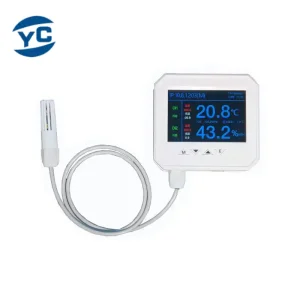
Deploying PoE-based temperature, humidity, and dew point sensors inside server cabinets. Our solutions connect directly to the facility network over standard Ethernet, enabling real-time monitoring and alerting to safeguard critical server racks against micro-condensation risks.
Securing pharmaceutical and food supply storage depots at Hamad Port. Our wireless LoRaWAN temperature probes operate on dedicated long-range networks, passing through heavy concrete barrier structures to transmit uninterrupted status data to central QA databases.
From conceptual startup to an industry-standard manufacturer of precision environmental monitoring systems.
Company founded. Developed an intelligent environmental monitoring terminal based on TCP/IP, launching the initial version of our proprietary environmental monitoring software.
Partnered with Mocha Software to introduce the TH-5939 series of environmental monitoring products, fully supporting SNMP network integration.
Collaborated with Switzerland's COMLAB to launch the TH-5869 protective Ethernet monitoring device, successfully deployed on national high-speed rail lines.
Cooperated with Founder Technology to launch the APEM-6100 series, pioneering Power over Ethernet (PoE) functionality in environmental monitoring.
Partnered with Foxconn to establish our environmental transmitters as standard monitoring specifications in precision assembly facilities.
Partnered with Baidu to supply the APEM-5900 intelligent network terminals for Baidu's Yangquan Data Center, alongside upgrading software to handle multi-parameter setups.
Released a unified smart solutions system, expanding environmental telemetry configurations vertically across multi-tier server facilities.
Introduced integrated monitoring systems for outdoor roadside and telecommunication cabinets, chosen for Huawei and China Merchants highway telemetry projects.
Actively engaged in the development of edge computing gateways and autonomous driving roadside integration boxes for urban testing zones in Beijing.
Provided key technical sensor equipment and integration solutions for foundational setups in major regional intelligent computing centers.
Established joint pipeline monitoring ventures with Beijing Enterprises Water Group, co-founded the Beidou Deformation Monitoring Division, and secured full IDC business qualifications.
YCLI devices are fully certified to meet international standards for quality, safety, and performance, guaranteeing seamless integration with municipal and enterprise projects across Qatar and the GCC.
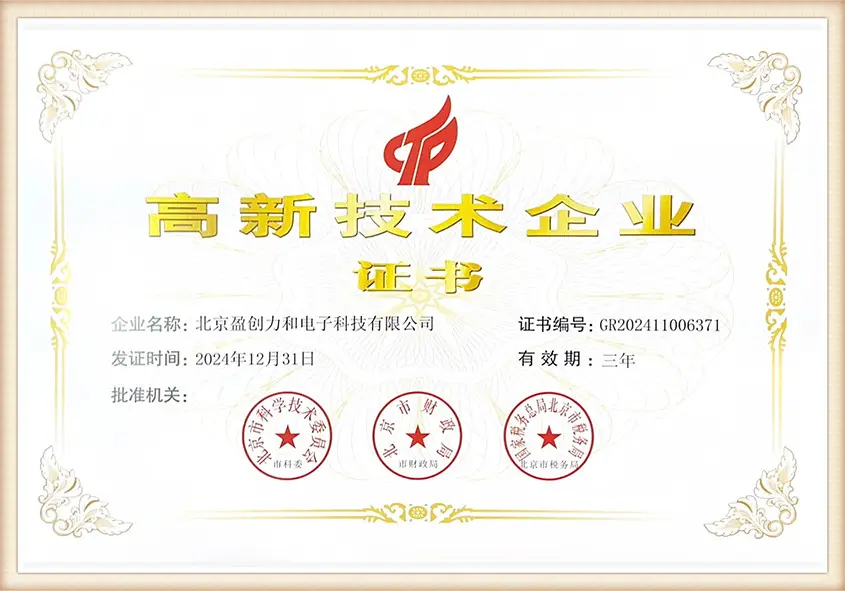
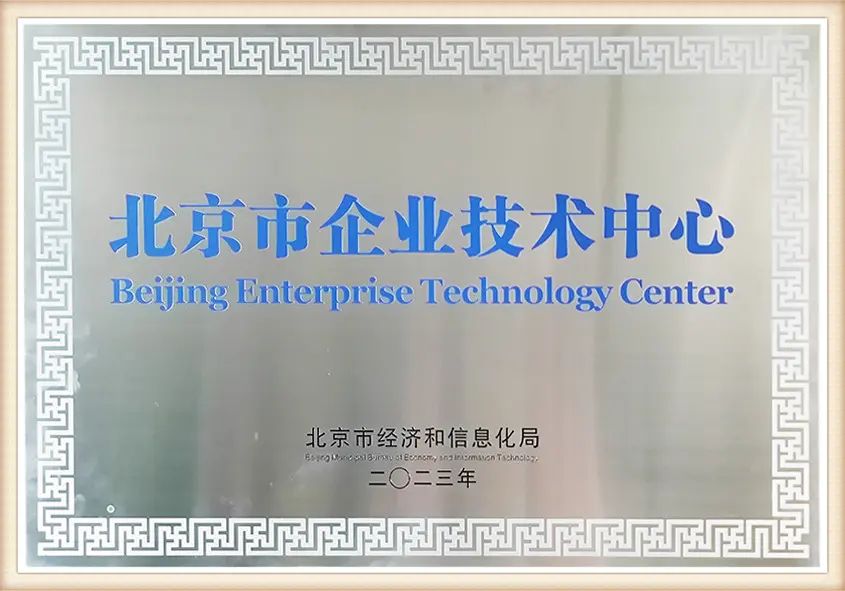
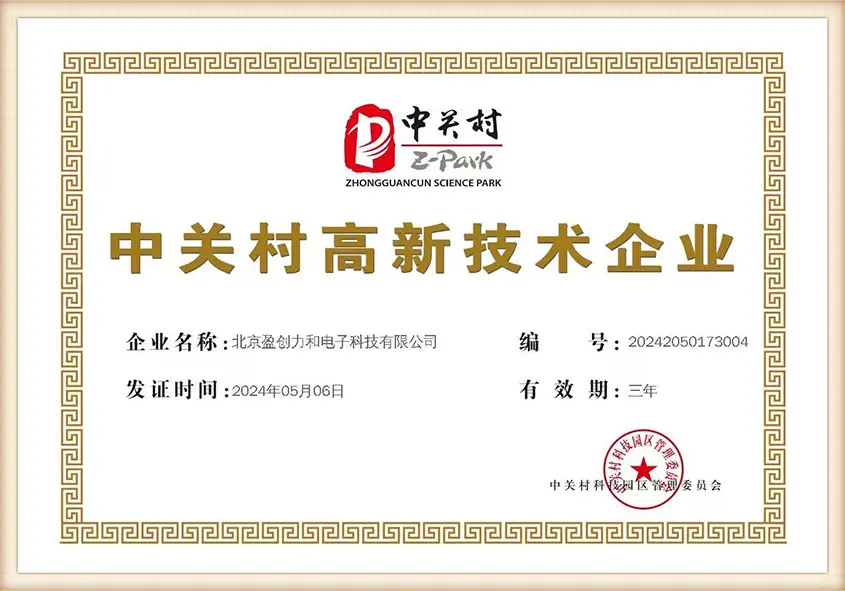
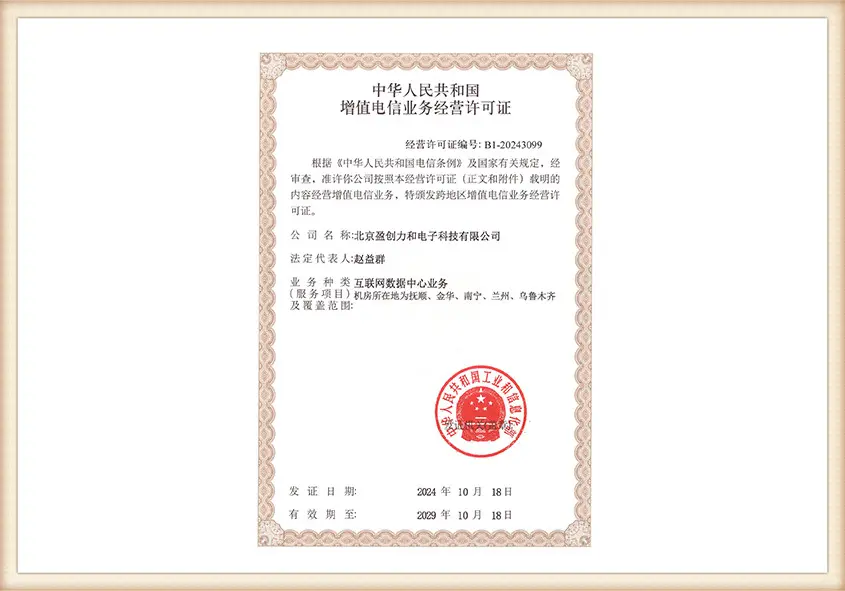
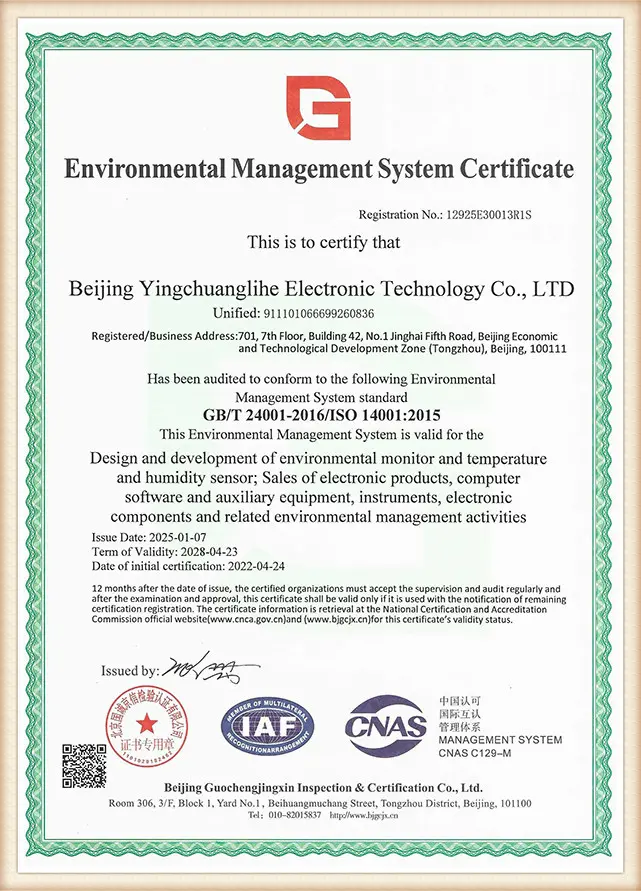
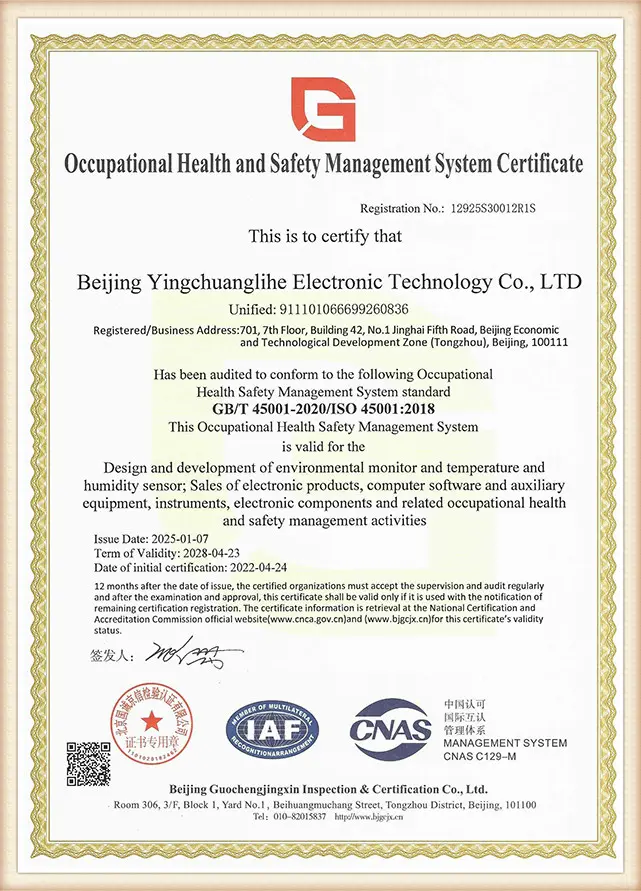
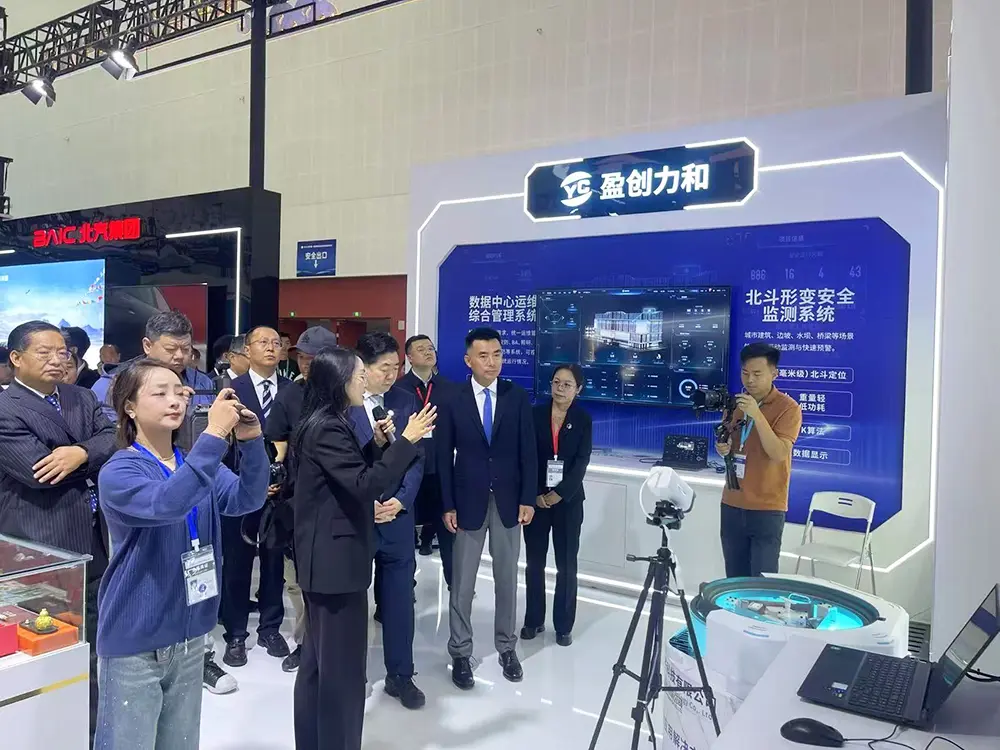
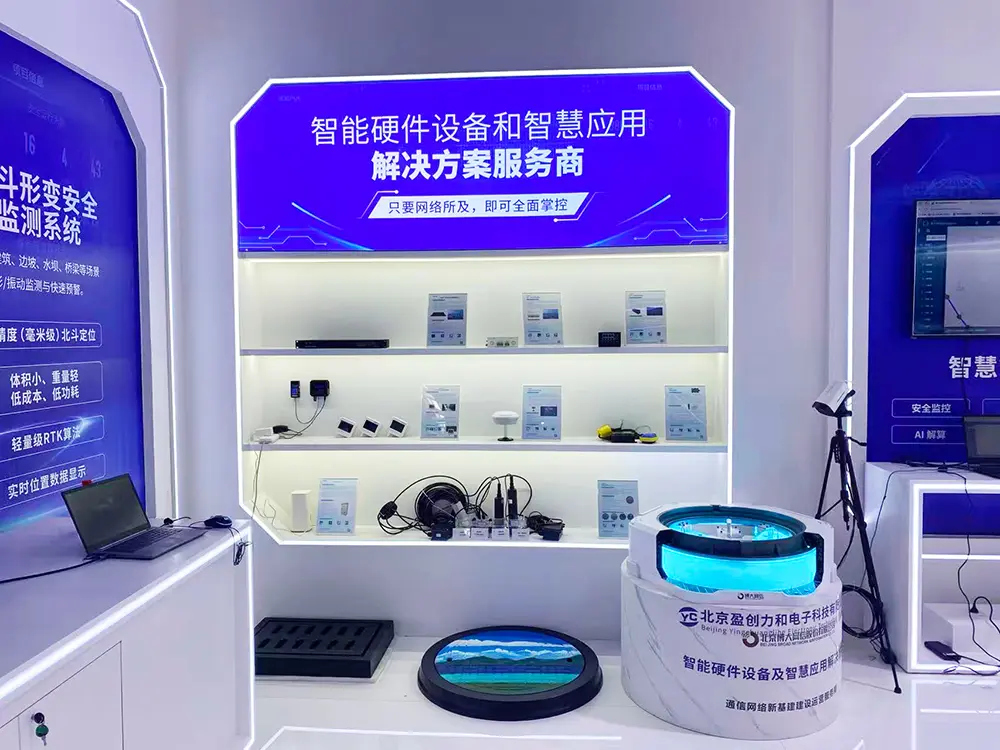
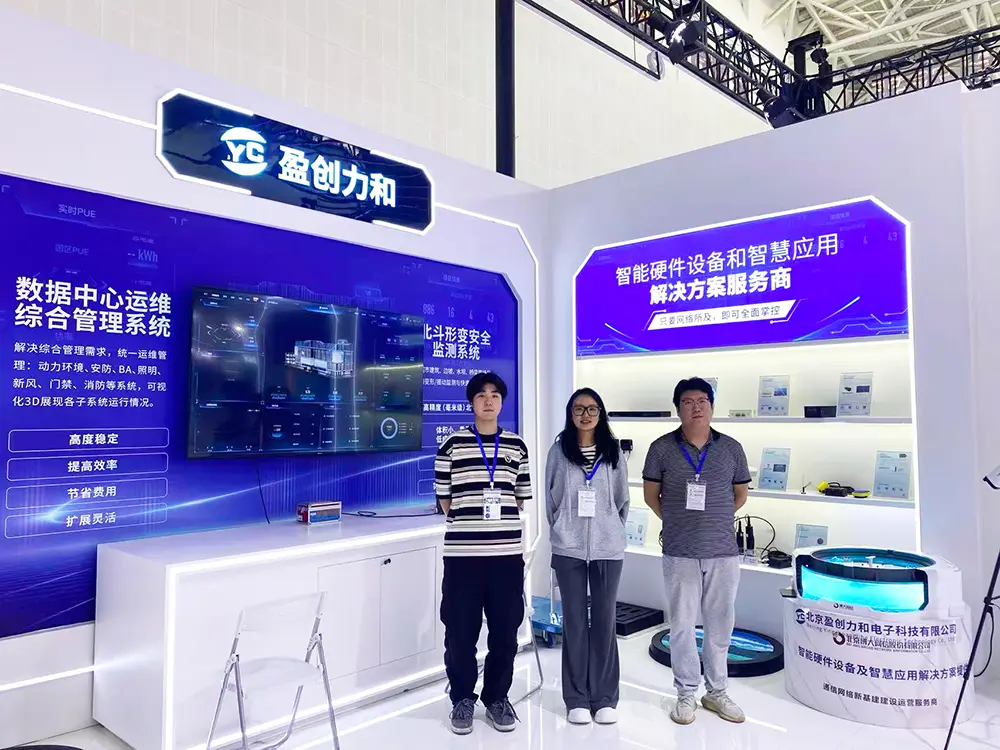
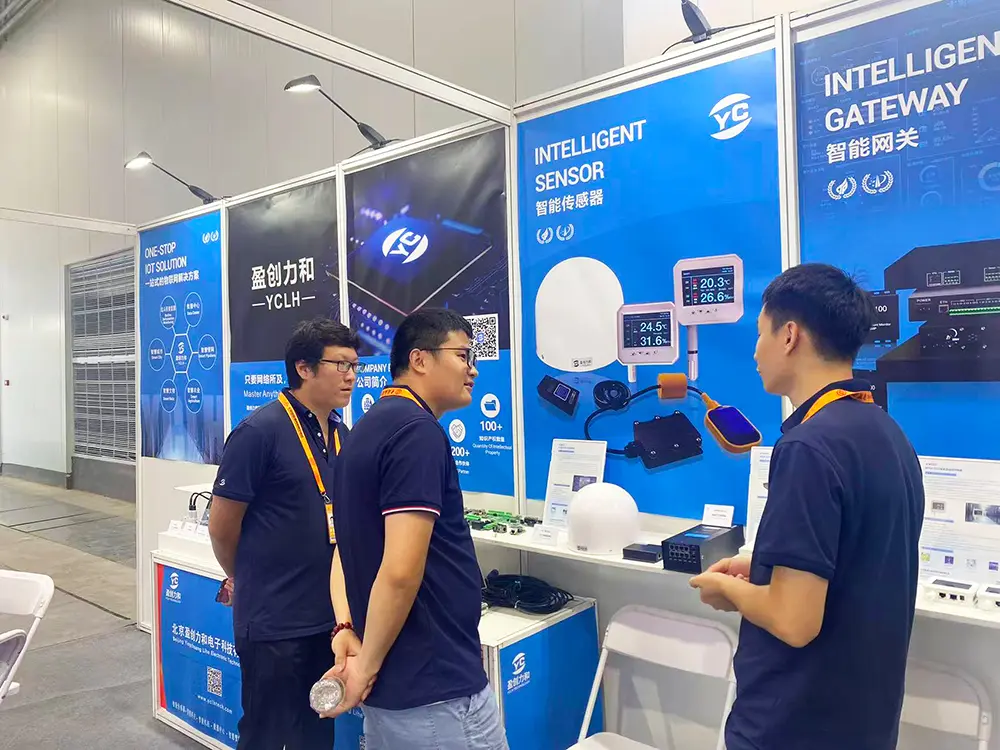
We actively showcase our latest innovations at global security, smart city, and industrial IoT expos, collaborating with international integration partners.
Expert engineering answers addressing environmental sensor selection, deployment, and operation in coastal desert regions.
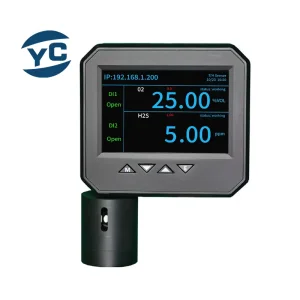
Browse our factory-direct collection of multi-gas detectors, indoor air quality transmitters, and industrial ethernet dataloggers suitable for Qatari procurement projects.
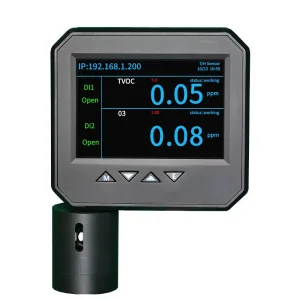
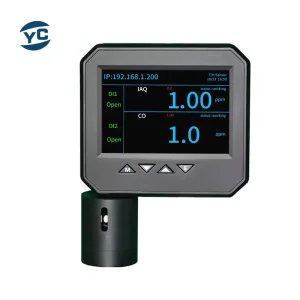
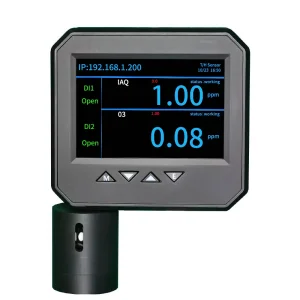
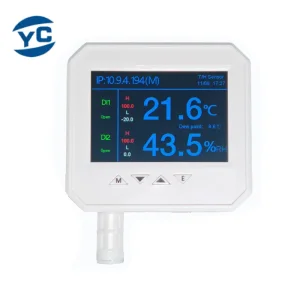
Get in touch with our team of engineers to request custom quotes, coordinate sample evaluations, or configure bespoke OEM/ODM solutions tailored for your local infrastructure needs.
Send Inquiry Now YCLH Sensor