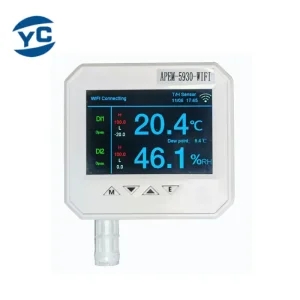
Our core high-performance transmitters integrated with premium digital sensing elements, widely deployed across Switzerland's precision labs and data centers.
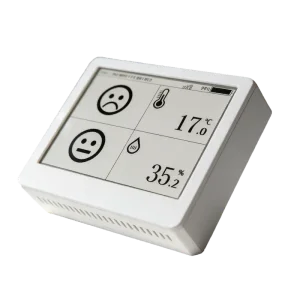
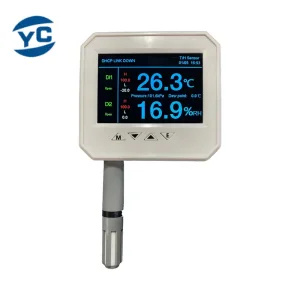
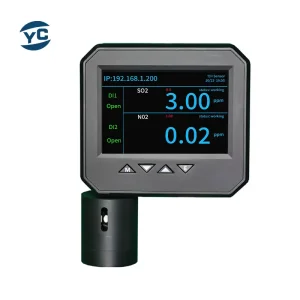
An In-Depth Whitepaper on Precision Engineering, Regulatory Alignment, and IoT Sensor Deployment in Swiss High-Tech Industries.
In Switzerland—a global powerhouse of pharmaceutical development, watchmaking, cleanroom manufacturing, and high-density financial data centers—precision monitoring is not merely a operational requirement; it is a fundamental pillar of product integrity and regulatory compliance. Swiss industries operate under some of the most stringent quality protocols in the world. Whether maintaining specific microclimatic conditions in the watchmaking ateliers of the Jura Arc, preserving strict relative humidity thresholds in Basel’s pharmaceutical laboratories, or managing thermal profiles in Zurich's tier-certified computing infrastructure, environmental variables dictate success.
Modern Swiss enterprises are transitioning rapidly toward autonomous, networked sensor grids. However, this transition presents strict technical demands: long-term signal stability, zero-drift calibration, cross-protocol interoperability (Modbus TCP, SNMP, MQTT, LoRaWAN), and seamless Power-over-Ethernet (PoE) integration. Standard consumer-grade transceivers cannot survive these environments. Industrial-grade architectures, fortified with premium digital sensing nodes (such as high-grade Swiss Sensirion or German RTD chips), are required to guarantee reliability and prevent costly downtime.
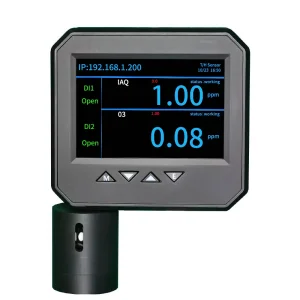
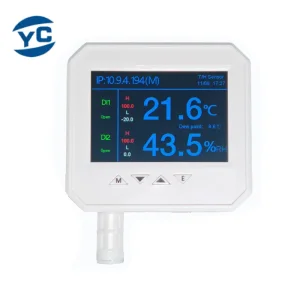
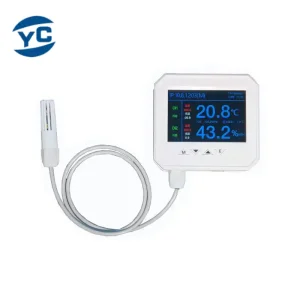
The Swiss pharmaceutical sector, led by global giants in Basel and Zug, requires unwavering compliance with Good Manufacturing Practice (GMP) and Good Distribution Practice (GDP) guidelines. Sensor equipment deployed here must record and transmit temperature and humidity data with absolute traceability. The APEM-5930 series, supporting Power-over-Ethernet, provides a continuous digital log directly to automated building management software (BMS). By deploying sensors with separate external probes (such as the APEM-5930E), operators can monitor deep dentro-incubators or ultra-low temperature freezers while keeping the communication hardware safely externalized, eliminating internal cross-contamination risks and ensuring compliance with the Federal Office of Public Health (FOPH).
Micro-mechanisms and watch balance springs are highly sensitive to thermal expansion and humidity-induced oxidation. In watchmaking assembly rooms, relative humidity must be maintained at constant levels to prevent microscopic condensation during casing procedures. Multi-parameter instruments like the APEM-5930P measure not only temperature and humidity but also barometric air pressure. This integration helps facility engineers maintain positive pressure in cleanrooms, preventing airborne particulate ingress and ensuring that delicate horological assemblies remain dust-free.
Switzerland is home to some of Europe's most secure and green data centers. Under the Swiss federal energy initiatives, data centers must maximize their Power Usage Effectiveness (PUE). To achieve this, cooling strategies must be dynamically balanced based on precise server aisle temperatures and relative humidity (to prevent static discharge at low RH or condensation at high RH). Supporting SNMP protocols natively, our APEM sensor range integrates directly with Network Management Software (NMS) such as PRTG, Mocha, or Zabbix, allowing IT managers to trigger automated rack-cooling modifications before critical alarms occur.
Beijing Yingchuanglihe Electronic Technology Co., Ltd. (YCLIsensors) stands as a beacon of high-precision sensor design, research, and manufacturing since 2007.
Standardizing industrial telemetry protocols for seamless integration with legacy and modern SCADA, BMS, and cloud environments.
Simplifies physical installation by routing both data connectivity and high-voltage power over a single Cat5e/Cat6 cable, minimizing cable clutter in cleanrooms.
Native support for Modbus TCP/IP, SNMP v1/v2c/v3, and MQTT. Seamless communication with PLC units, building management systems, and IoT clouds.
Utilizes ultra-low power transmission to achieve kilometer-range connectivity, bypassing concrete and metallic barriers in heavy-duty manufacturing plants.
As the industrial world migrates toward Industry 4.0, our engineering group focuses on edge intelligence. Modern sensors are no longer simple passive probes. The APEM-5930G multi-parameter series features built-in microcontrollers capable of computing dew points internally, logging sensor deviations, and firing digital dry contact alarms directly at the field level. By converting analog physical changes into clean Modbus registers or JSON streams over Ethernet, we remove the need for intermediate converters, lowering installation costs and points of failure.
Furthermore, local environmental compliance within the Swiss cantons mandates precise monitoring of air quality, ozone, carbon monoxide, and volatile organic compounds (VOCs). The integration of gas and meteorological sensors into single, compact units allows Swiss municipalities and smart-building developers to qualify for Minergie certifications, demonstrating their commitment to sustainable operations and indoor occupant safety.
Over a decade of progressive R&D, engineering milestones, and strategic international partnerships.
Our systems undergo rigorous calibration audits, achieving compliance with CE, FCC, RoHS, and METAS guidelines.
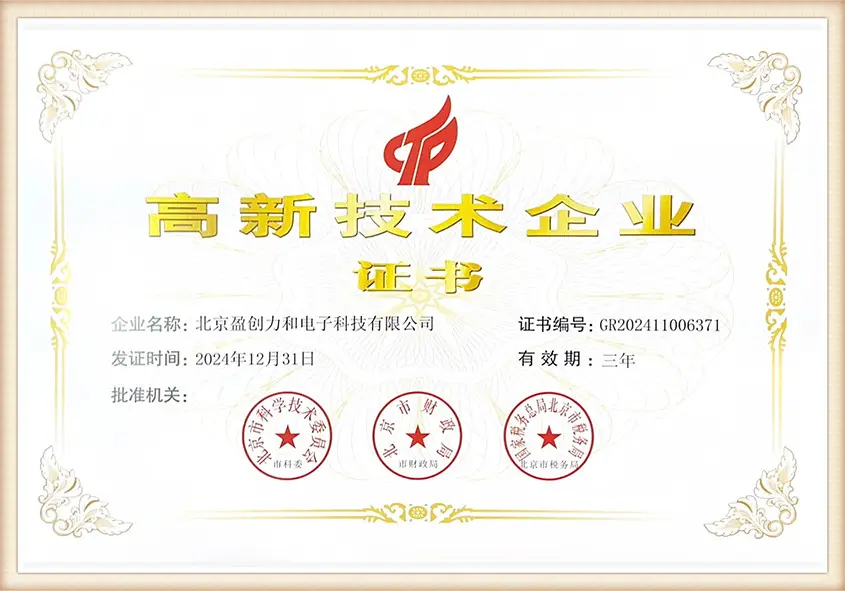
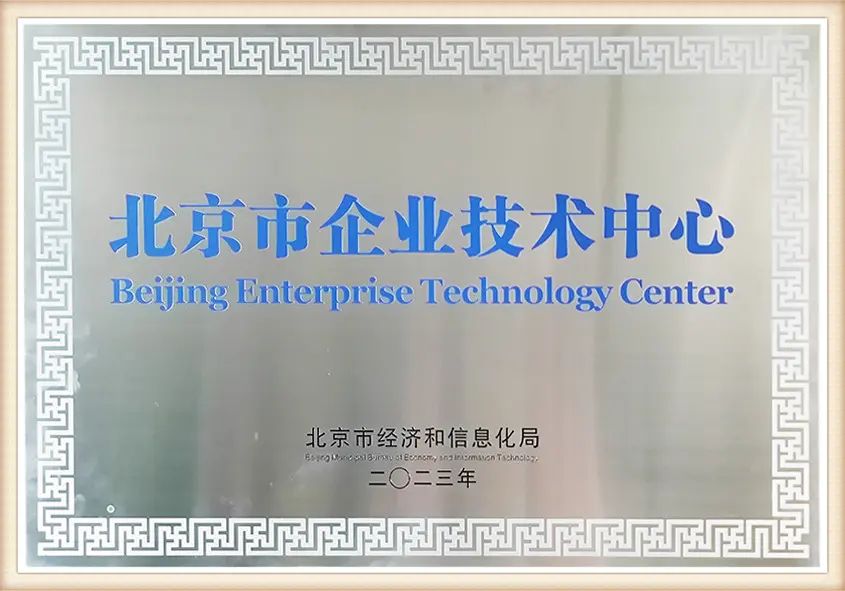

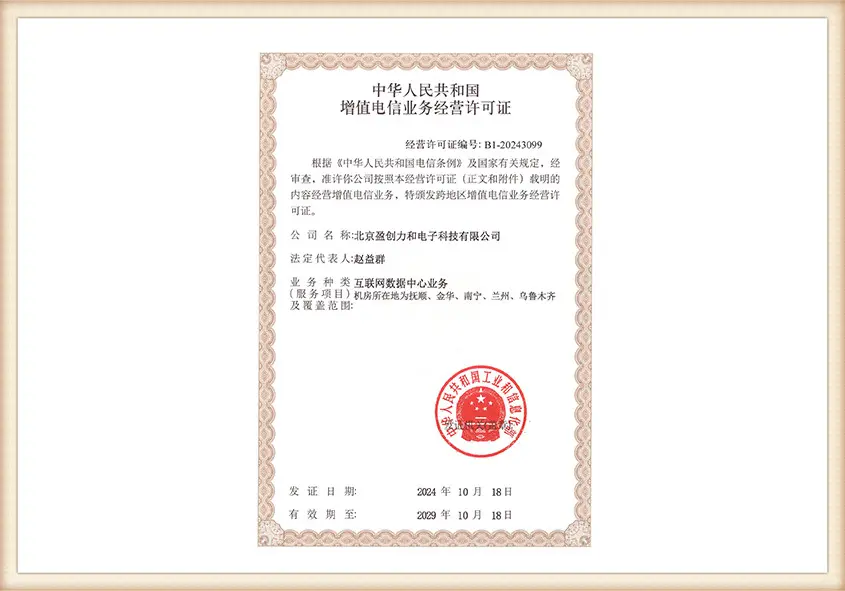
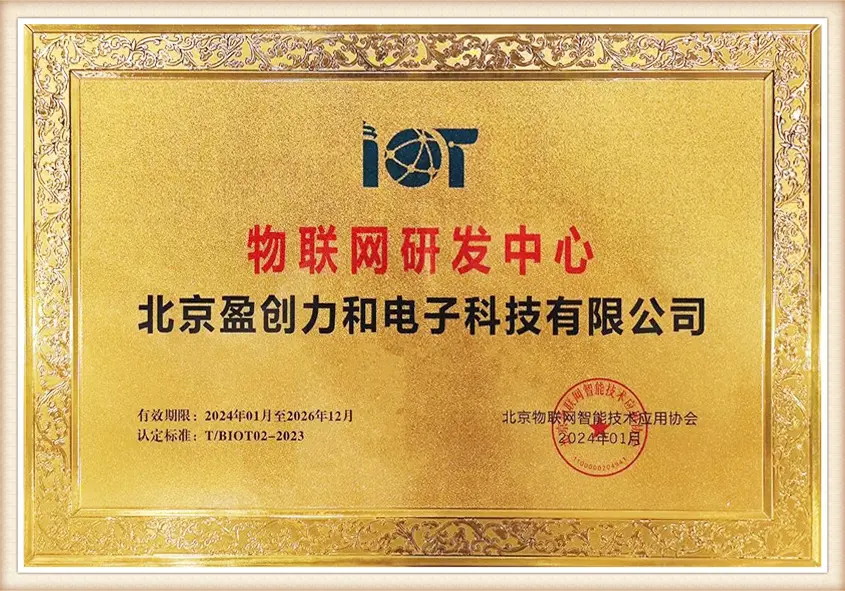
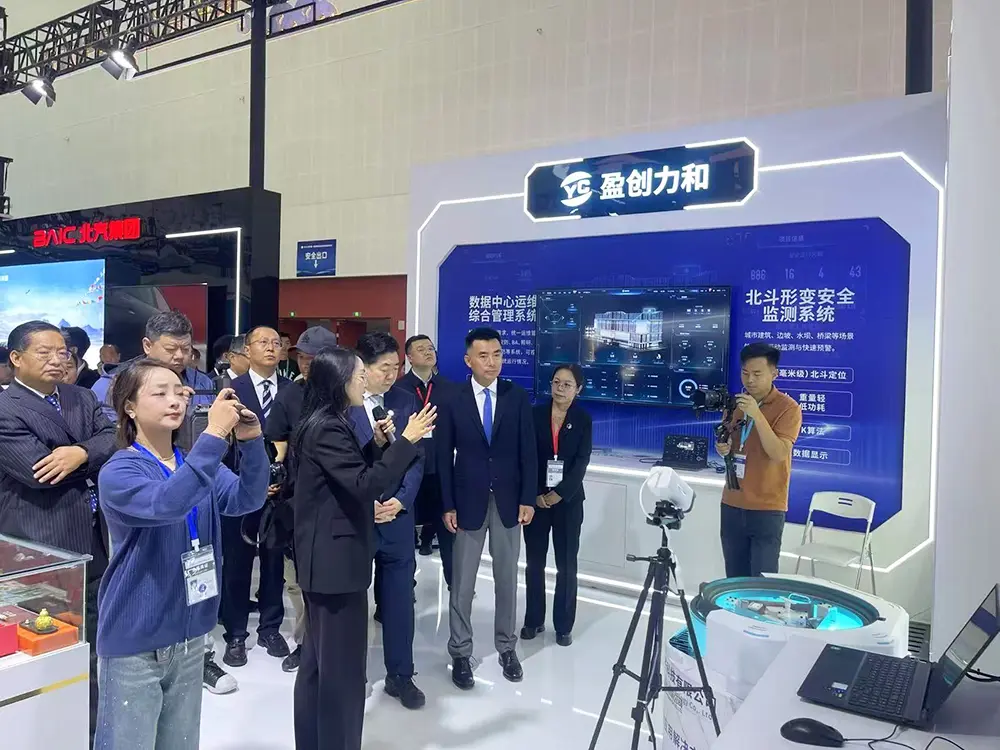
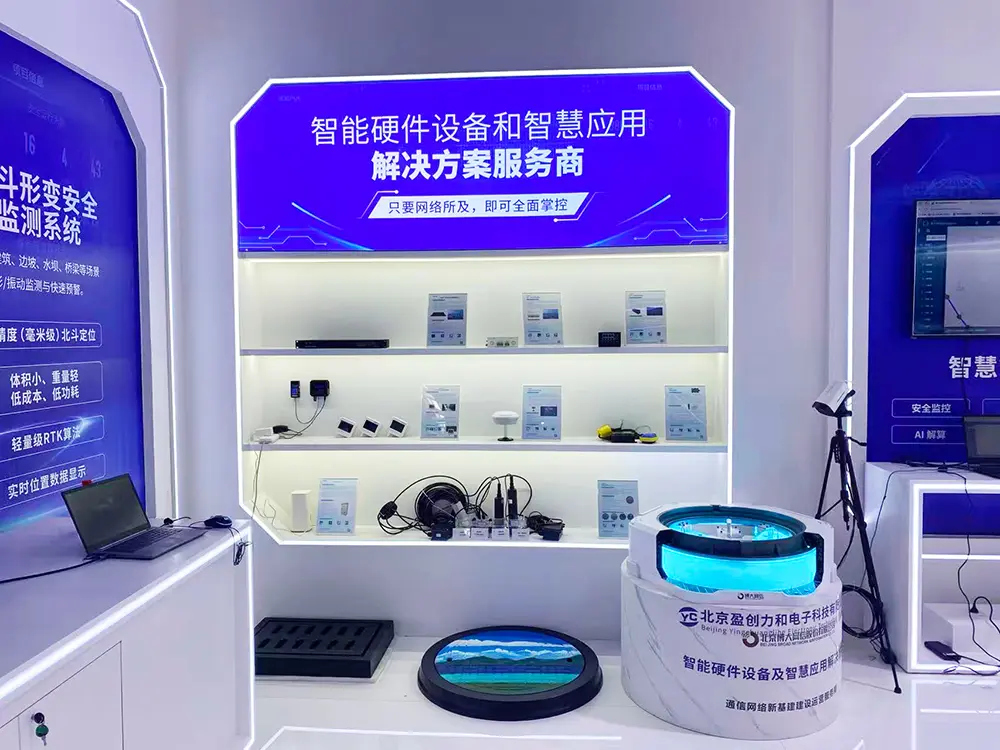
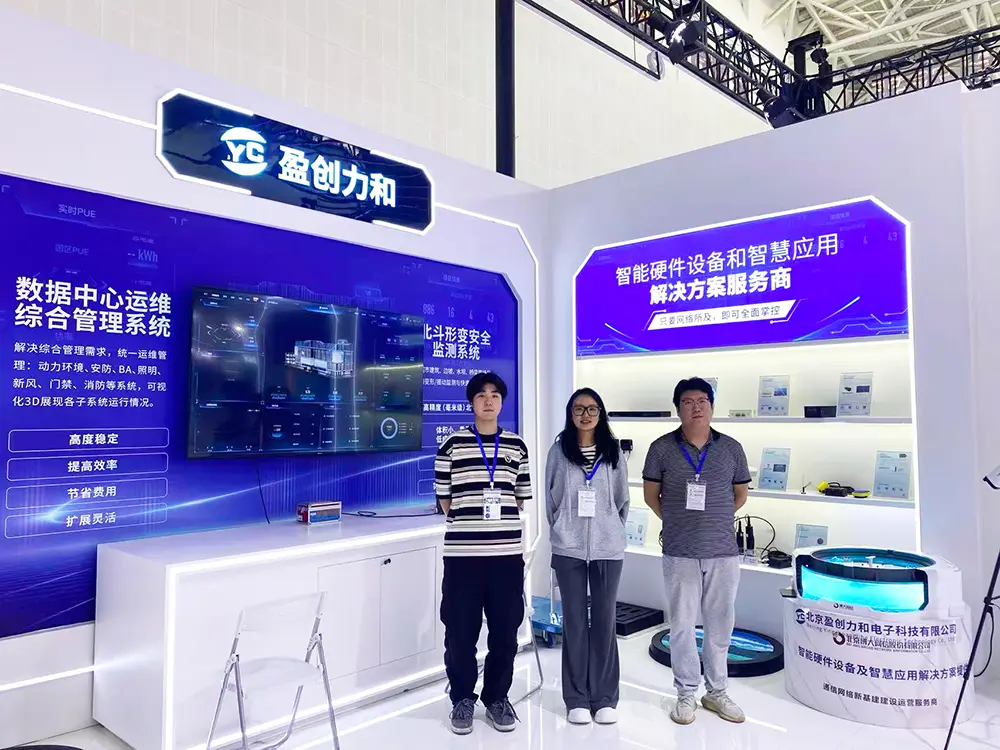
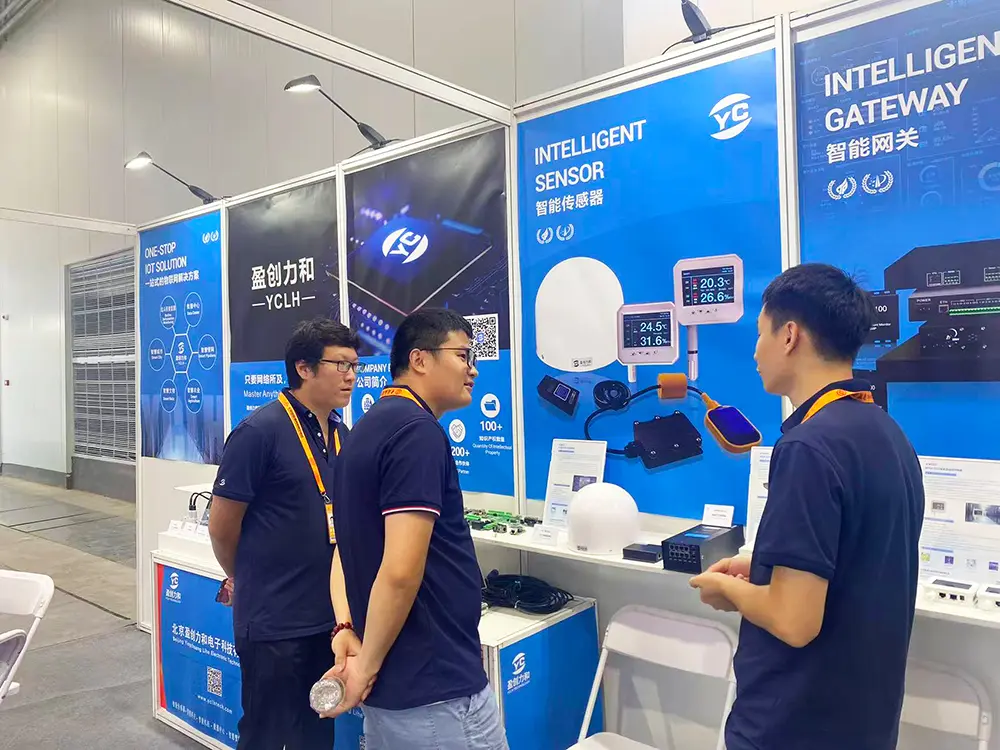
Heavy-duty industrial transceivers designed to protect critical assets in laboratories, smart office towers, and cold chain distribution centers.
Addressing technical implementation questions for Swiss engineers and international procurement leads.
Our APEM-5930 industrial transmitters utilize premium capacitive relative humidity and bandgap temperature sensor chips imported directly from industry leaders in Switzerland and Germany. These high-grade components ensure a typical accuracy of ±0.3°C for temperature and ±2% to ±3% RH for humidity, with exceptional long-term stability and minimal sensor drift.
Yes. Our sensors support redundant power configurations. They can be powered using standard Power-over-Ethernet (IEEE 802.3af, 12V-48V) or via an auxiliary DC power supply (typically 12V-48V). If one power source fails, the device automatically switches to the alternative source without restarting, preventing telemetry loss in data centers or labs.
Our manufacturing and testing stages strictly follow CE, FCC, and RoHS standards. For Swiss installations, our sensors can be calibrated against standards traceable to METAS (the Swiss Federal Institute of Metrology). This ensures compliance with FDA 21 CFR Part 11 and EU Annex 11 guidelines for pharmaceutical cleanrooms and medical storage labs.
Yes. All our Ethernet and WiFi devices support open, standardized industrial protocols. This includes Modbus TCP/IP for PLCs, SNMP (v1, v2c, and v3) for network monitoring systems (such as PRTG or Zabbix), and lightweight MQTT/JSON for modern cloud-native IoT platforms. We also provide configuration tools for custom polling settings.
For standard models, we maintain inventory that can be dispatched within 3-5 business days. Large custom orders or OEM modifications typically have a lead time of 2-4 weeks. We offer express delivery options directly to Switzerland (Zurich, Geneva, Basel, etc.) via DHL, FedEx, or air freight, and handle all customs clearance documentation to minimize delivery delays.
Contact our engineering sales team today for a technical consultation, customized calibration options, or volume pricing for the Switzerland market.
Send Inquiry Now YCLH Sensor