Discover our custom industrial-grade IoT nodes engineered to integrate seamlessly into modern smart buildings, data centers, and advanced manufacturing complexes across New York and globally.
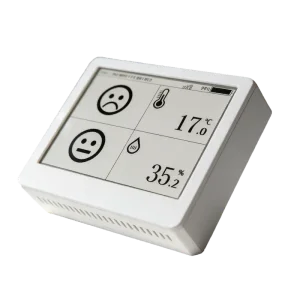
Long-range, low-power sensor offering deep signal penetration in urban structures. Ideal for historic and modernized New York office buildings looking to establish seamless remote wireless monitoring.
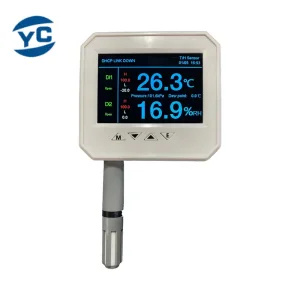
Monitors atmospheric pressure changes, ambient humidity, and temperature. Excellent option for precision HVAC control loops and server room monitoring in Manhattan's dynamic IT centers.
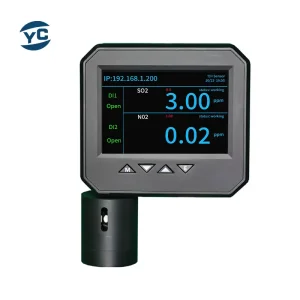
Integrates primary environmental variables with acid gas detection (SO₂ and NO₂). Supports complex ambient monitoring applications within industrial zones and chemical processing warehouses.
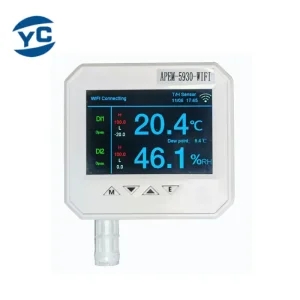
Equipped with standard wired Ethernet and secondary Wi-Fi capabilities. Designed specifically to monitor building envelopes, reducing energy waste and maintaining strict environmental safety.
New York is undergoing a profound structural shift driven by rigorous municipal directives, technological advancements, and the rapid growth of cloud and edge computing facilities. Local mandates—specifically New York City’s Local Law 97 (LL97)—are reshaping how facility managers, real estate investment trusts (REITs), and industrial enterprises approach building management and operations. Under LL97, large commercial properties are mandated to meet stringent carbon emission limits, with non-compliance resulting in significant monetary penalties. Environmental monitoring is no longer optional; it is a foundational component of modern energy management and decarbonization strategies.
To reduce energy consumption, building automation networks rely on highly accurate, real-time input data. Traditional, isolated thermostat units are being replaced by multi-sensor PoE (Power over Ethernet) and wireless LoRaWAN nodes. By continuously tracking temperature, humidity, indoor air quality (IAQ), and differential pressure, facility managers can optimize variable air volume (VAV) systems, schedule cooling cycles dynamically, and prevent over-ventilation. This precise control not only cuts electricity overheads but also verifies cleanroom, lab, and data warehouse integrity, preventing structural issues like mold propagation and concrete degradation.
For data center managers operating throughout Long Island, Manhattan, and upstate New York, thermal management is key to maintaining operational uptime. The American Society of Heating, Refrigerating and Air-Conditioning Engineers (ASHRAE) publishes narrow, strict environmental envelopes for high-performance computing centers (Class A1 to A4 environments). Deploying network-integrated temperature and relative humidity sensors at server intake zones, rack exhausts, and subfloor plenums enables precise monitoring of thermal levels. This protects critical hardware, prevents localized hotspots, and ensures compliance with global standards.
Furthermore, indoor air quality metrics—such as CO₂, Total Volatile Organic Compounds (TVOCs), and Ozone (O₃)—are directly tied to occupant health and cognitive performance. Companies are leveraging multi-parameter sensors to construct safe, certified workspaces that meet international WELL Building and LEED standards. Our systems provide the granular, reliable data required to satisfy regulatory requirements, pass local inspections, and secure green building certifications.
Established in 2007, Beijing Yingchuanglihe Electronic Technology Co., Ltd. is a high-tech manufacturer specializing in advanced environmental sensors and intelligent monitoring platforms. Spanning over 1,500 square meters of high-density production area and staffed by a dedicated R&D team, we focus on engineering robust solutions that bridge the gap between complex industrial environments and central IT management systems.
Our competitive advantage lies in our combination of high-precision core components and optimized manufacturing processes. We source advanced sensor chips directly from leading providers in Switzerland and Germany. These components are integrated with our proprietary, noise-filtered electronics on automated assembly lines, resulting in sensors that deliver long-term stability, minimal baseline drift, and rapid response times even in demanding, high-humidity environments.
Over nearly two decades, Yingchuanglihe has established a proven track record of technological innovation, developing solutions for high-speed rail networks, autonomous vehicle corridors, and large-scale utility operations:
Founded and engineered initial TCP/IP environmental monitoring terminals, accompanied by our first proprietary management software suite.
Partnered with Mocha Software to co-develop and deploy the TH-5939 series SNMP environmental monitoring modules for enterprise IT operations.
Collaborated with Switzerland's COMLAB to build the rugged TH-5869 Ethernet monitoring device, deployed along major high-speed rail networks (Beijing-Kowloon and Beijing-Shanghai lines).
Partnered with Founder Technology to launch the APEM-6100, one of the market's early Power over Ethernet (PoE) enabled environmental monitoring platforms.
Partnered with Foxconn to standardize environmental monitoring across multi-stage electronics assembly floors and cleanrooms.
Collaborated with Baidu to launch the next-generation APEM-5900 terminal, deployed at Baidu's Yangquan Data Center. Upgraded software to support multi-parameter monitoring.
Delivered integrated outdoor cabinet monitoring units for high-volume transport initiatives, including Huawei and China Merchants Huaruan ETC expressway projects.
Designed and supplied edge computing gateways and road-test integrated sensor housings for Beijing's autonomous driving corridors.
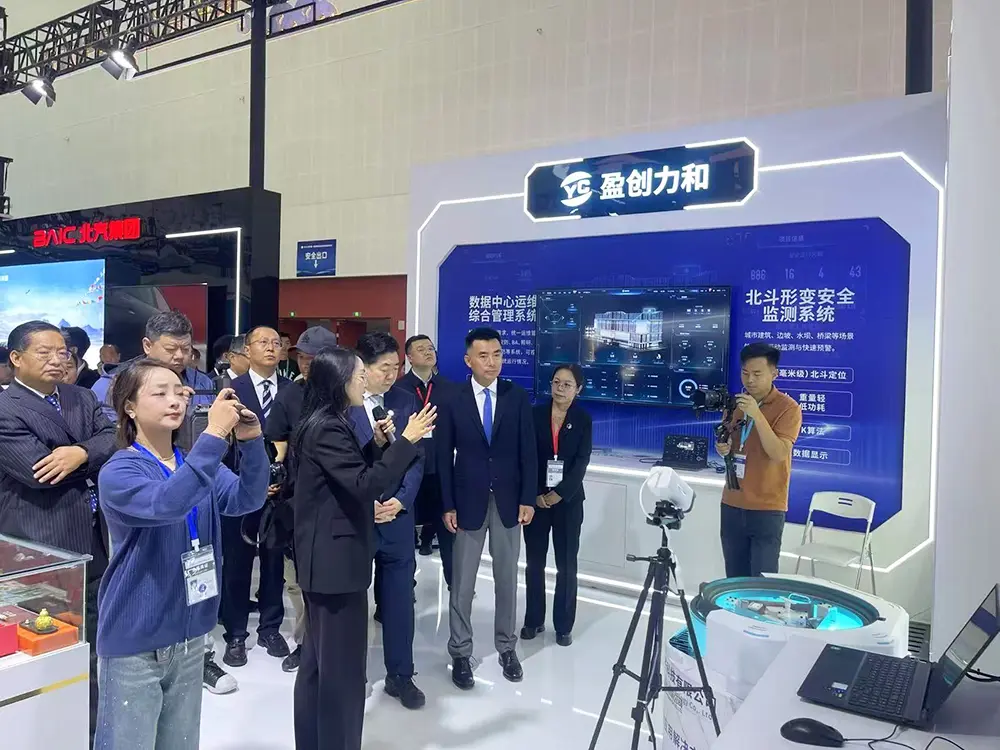
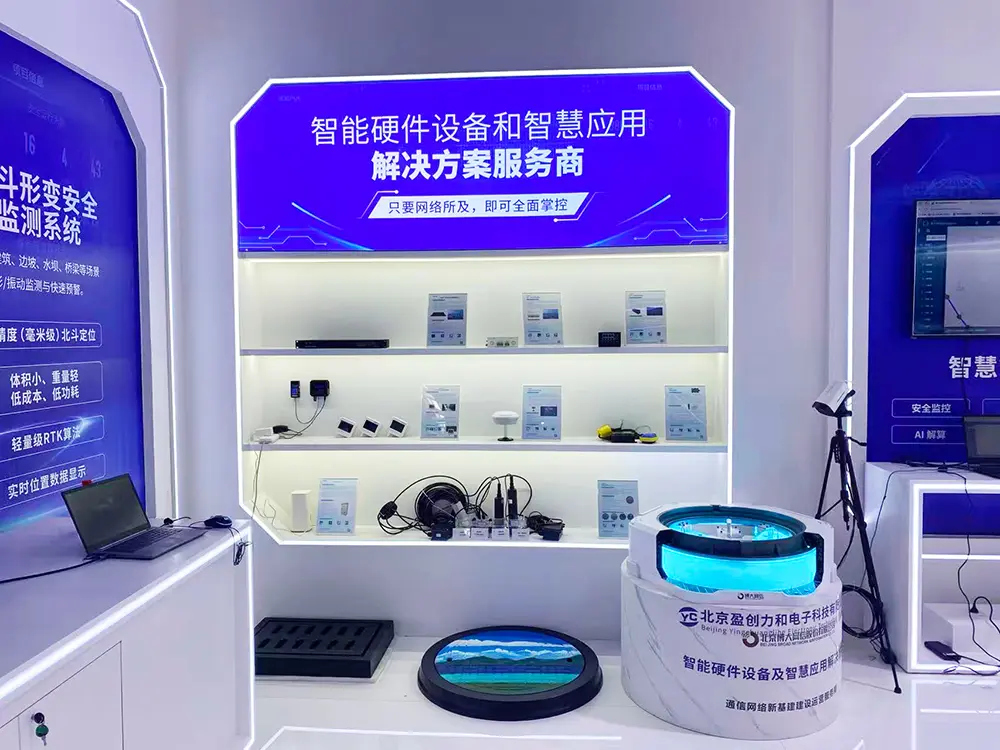
Established dedicated business units with Beijing Enterprises Water Group and co-founded a Beidou high-precision business division with Beijing University of Civil Engineering and Architecture.
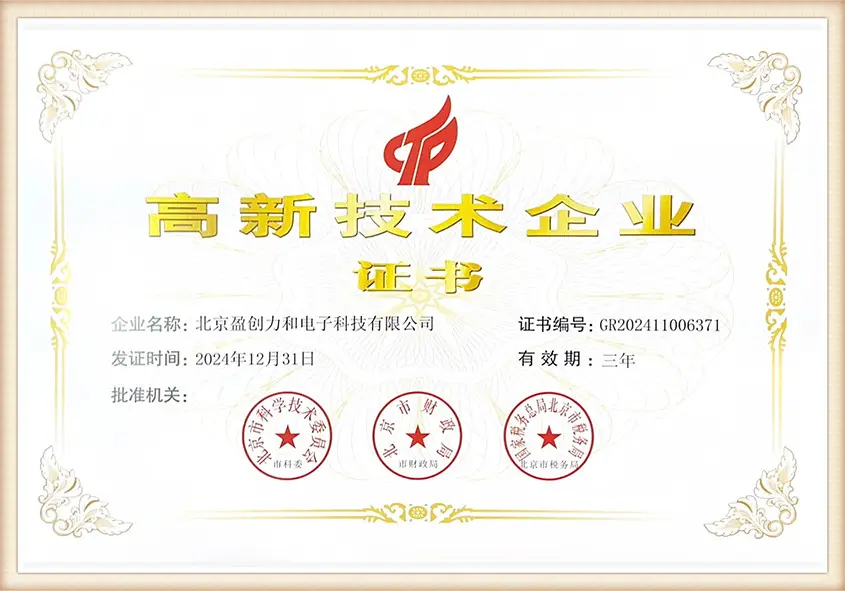
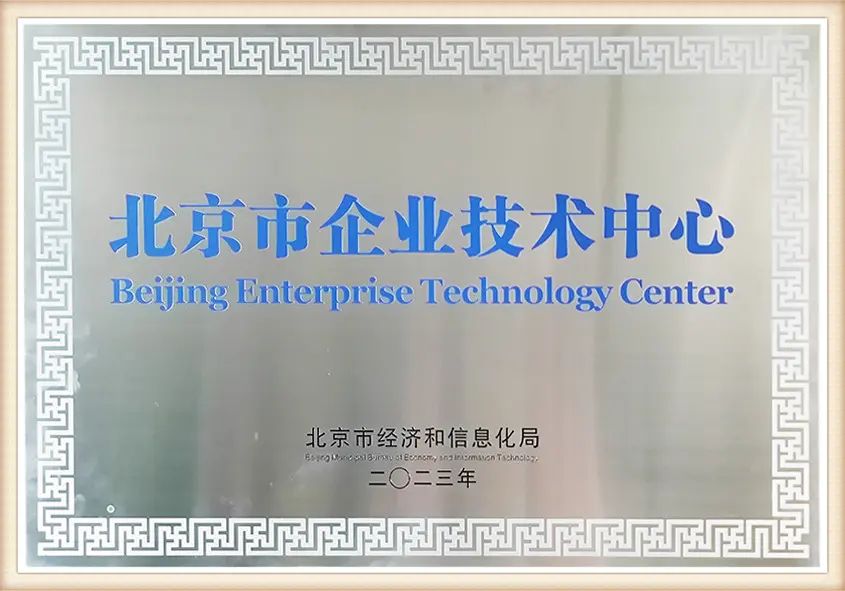
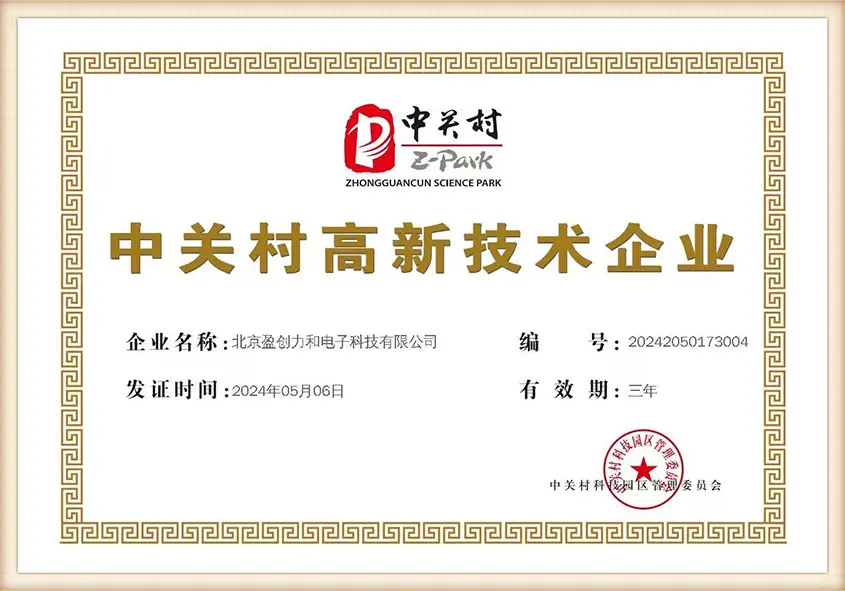
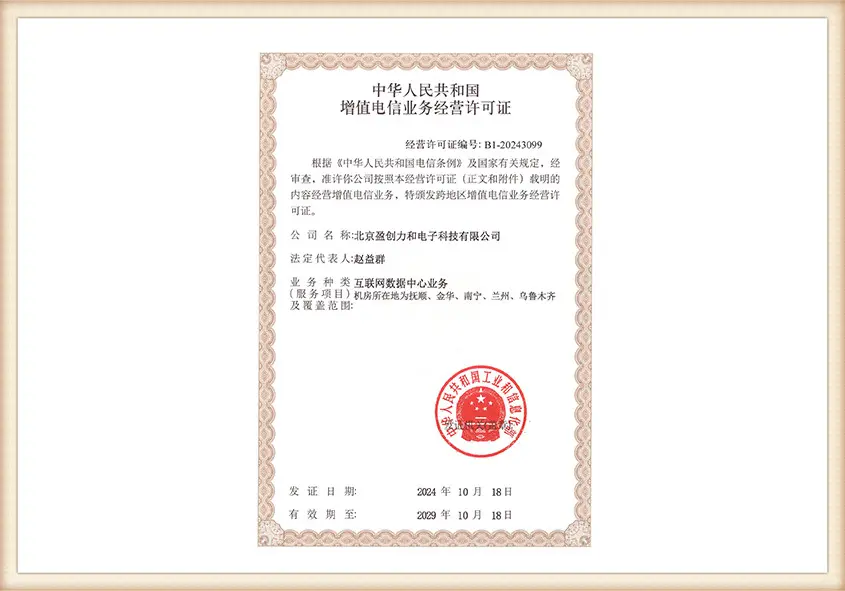
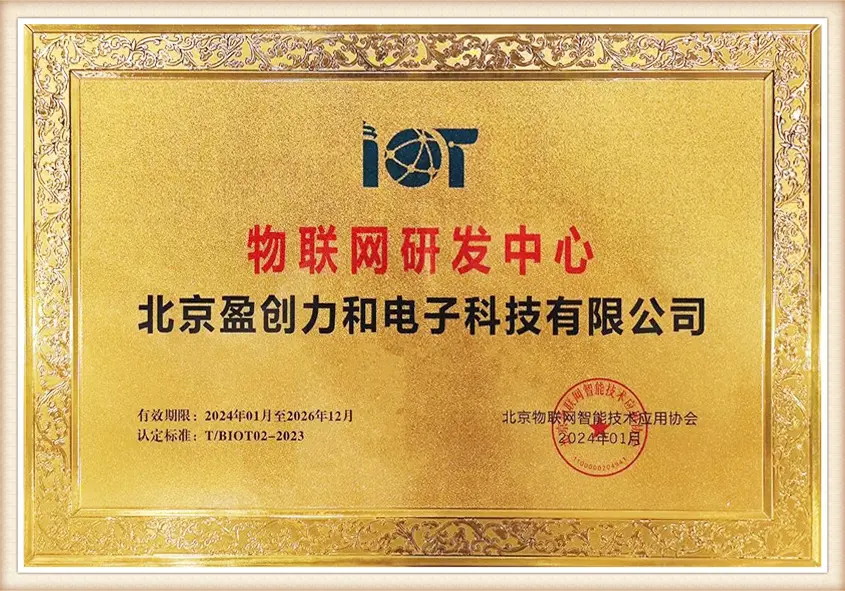
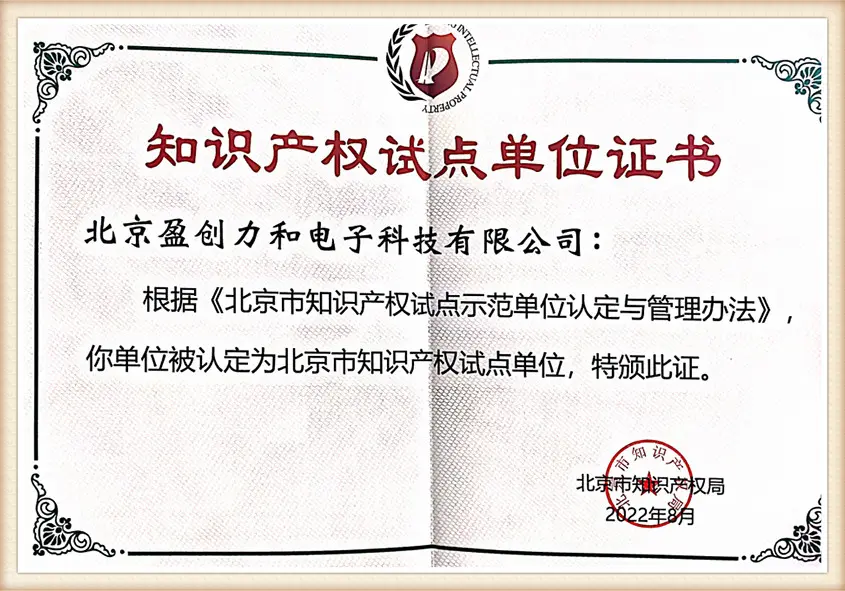
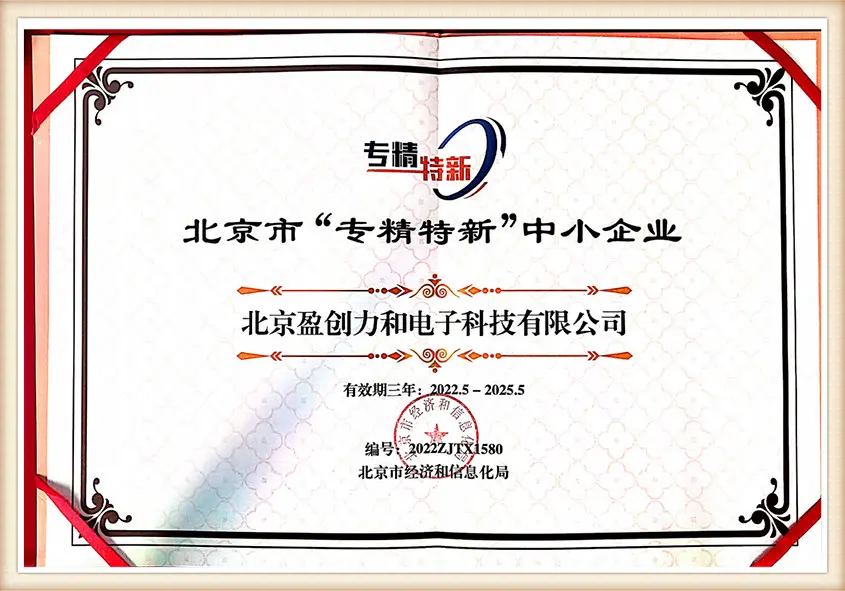
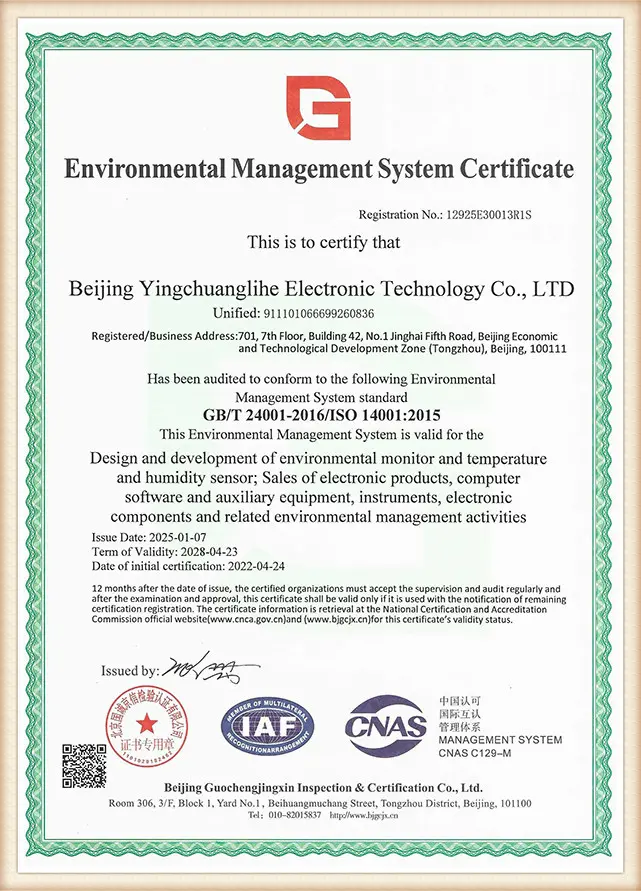
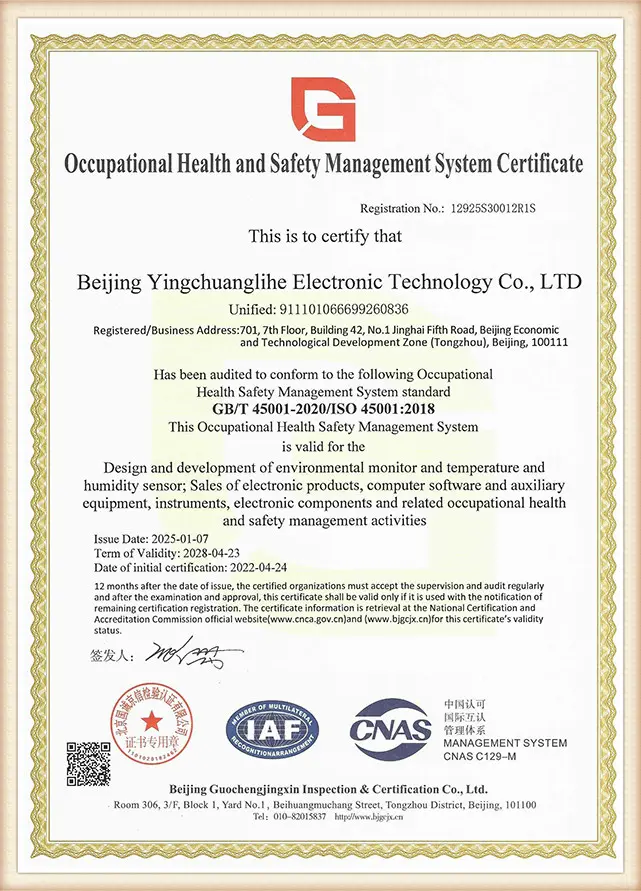
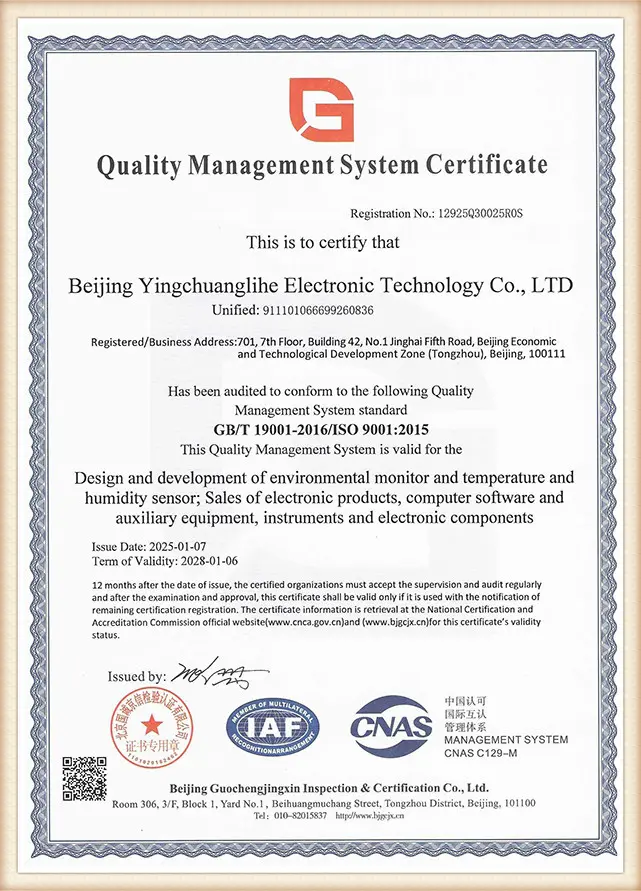
Our manufacturing facility operates under strict Quality Assurance guidelines, with all products meeting the required certifications for North American and European markets.

Designing modern environmental monitoring systems requires balancing sensor response times with long-term stability. Across our entire product range, from the APEM-5930 Power over Ethernet series to our customized LoRa-based environmental nodes, Yingchuanglihe applies rigorous calibration standards before any device leaves our facility.
Our sensor integration framework features several key elements:
Furthermore, our customized OEM/ODM services allow you to request specific changes, including private labeling, specialized enclosure ratings (such as IP65 or IP67), custom input/output configurations, and custom software integration. This makes our solutions an excellent fit for system integrators executing complex projects in New York and other international markets.
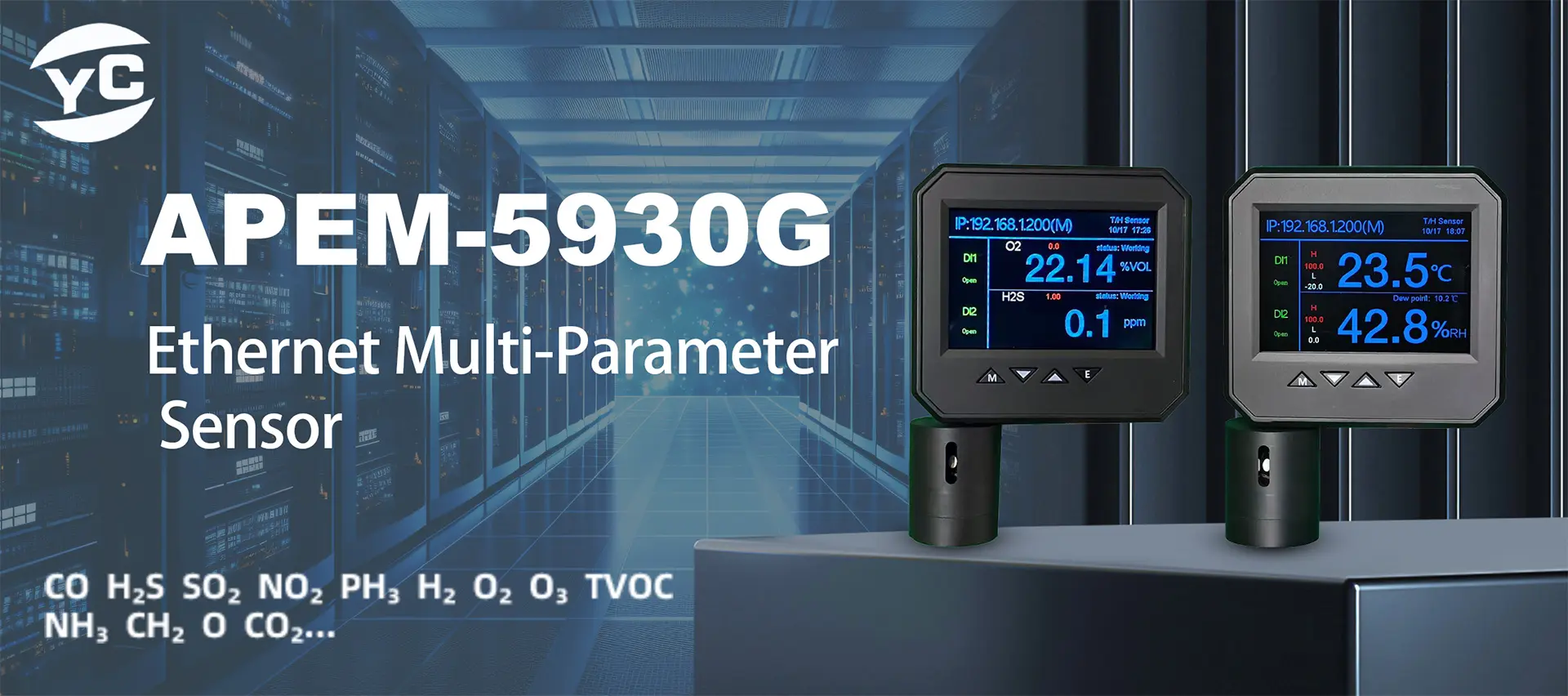
Figure 1: Core APEM Ethernet and Wi-Fi Integrated Sensors for Multi-Parameter Monitoring.
Explore our specialized data logger range, featuring Power over Ethernet (PoE) capability, multi-gas monitoring, and high-accuracy telemetry.
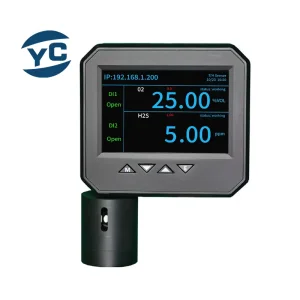
Designed for wastewater treatment facilities and heavy industrial zones. Tracks oxygen depletion and hazardous H₂S gas levels with real-time network alerts.
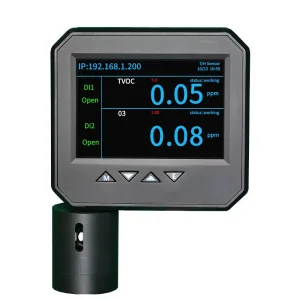
Provides complete indoor air quality profiling by monitoring volatile organic compounds and ozone levels alongside ambient temperature and humidity.
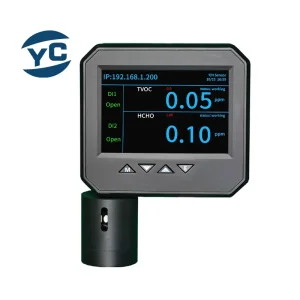
A popular choice for offices and public buildings looking to track formaldehyde (HCHO) and chemical emissions to maintain healthy indoor air quality.
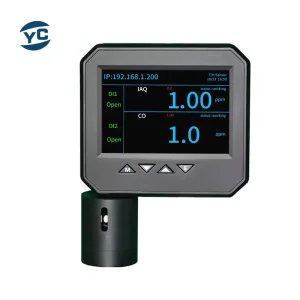
Monitors indoor carbon monoxide levels and general air quality indices. Features Power over Ethernet for straightforward deployment in commercial spaces.
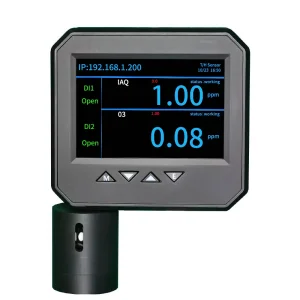
Fully CE-certified unit designed for ozone tracking in industrial purification and air treatment systems. Ensures high precision and reliable performance.
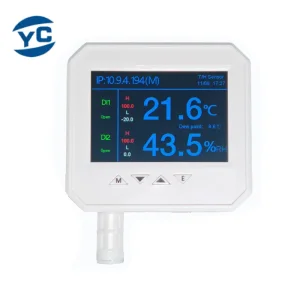
A reliable, single-cable PoE sensor designed for data center cold/hot aisles, cleanrooms, and server rooms. Simplifies cabling and installation.
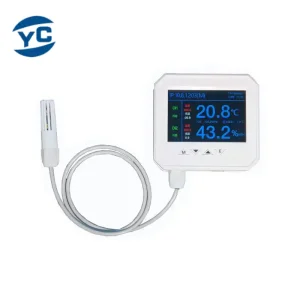
Features a separate probe design for monitoring hard-to-reach areas, environmental test chambers, and industrial ventilation ducts.
Combines O₂, H₂S, temperature, and humidity sensors into a single ethernet unit. Features a built-in relay output for driving ventilation systems locally.
Different industries require specialized approaches to environmental monitoring. Our sensor family is engineered to meet these unique challenges, providing reliable data for critical operations:
1. Financial Sector and Commercial Data Centers: Within Manhattan's dense financial corridors, computing equipment requires continuous cooling. Our PoE temperature and humidity sensors monitor conditions at both the rack and subfloor levels. The dual-mode ethernet and Wi-Fi models (such as the APEM-5930W) provide redundant paths for environmental telemetry, helping prevent unexpected thermal issues.
2. Smart Buildings & Offices: In line with New York City's Local Law 97, commercial properties utilize our Modbus-compatible environmental sensors to feed real-time IAQ, CO₂, and TVOC data into central building automation platforms. This enables demand-controlled ventilation (DCV), reducing HVAC energy use during periods of low occupancy while maintaining fresh air delivery when occupied.
3. Advanced Research Labs and Cleanrooms: Research facilities require precise climate controls. Our APEM-5930P measures relative humidity, temperature, and atmospheric pressure, helping maintain negative or positive pressure zones to prevent cross-contamination.
4. Industrial Warehouses and Logistics Hubs: For food, beverage, and pharmaceutical storage along New York transit corridors, temperature and moisture must be kept within strict tolerances. Our long-range LoRaWAN sensors (APEM-5736) offer wireless monitoring across large facility footprints without the need for extensive wiring, simplifying deployment.


Technical answers regarding environmental sensors, networking protocols, installation, and global procurement.
Whether you are designing a smart building network in New York to comply with local energy laws, upgrading a cleanroom monitor, or procuring reliable sensors for a large-scale OEM project, our engineering team is here to assist.
✓ Response within 8 hours | ✓ Full OEM/ODM Customization | ✓ CE, FCC, RoHS Certified
Send Inquiry Now YCLH Sensor