Premium Ethernet and Power-over-Ethernet (PoE) environmental transmitters certified for Japanese smart factories and Tier-IV facility standards.
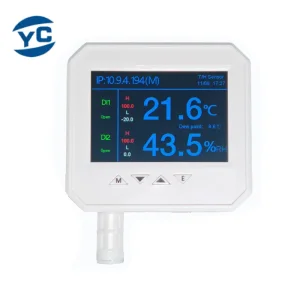
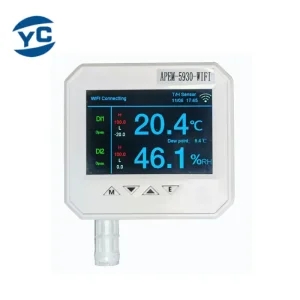
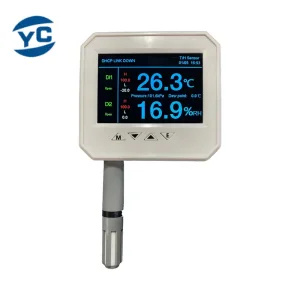
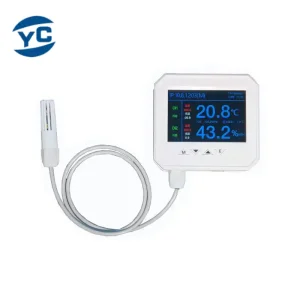
Japan's manufacturing sectors, driven by initiatives like **Society 5.0** and the deep integration of **Industrial IoT (IIoT)**, demand unprecedented levels of environmental precision. In precision semiconductor fabrication plants across Tokyo, Kumamoto, and Iwate, even a slight deviation in humidity can trigger electrostatic discharge (ESD) or ruin micro-photolithography processes.
Historically, Japanese systems builders relied on proprietary, analog instrumentation. However, modern infrastructure requires native digital IP-addressable architecture. **Ethernet Temperature and Humidity Sensors** utilizing standard RJ45 wiring or Power over Ethernet (PoE) have become the default choice. They eliminate the transmission losses of long-run analog lines and drastically reduce network integration complexity.
Global sourcing departments look for modularity and long-term sensor stability. In today's post-pandemic supply chain, industrial buyers cannot afford single-sourced, proprietary lock-ins. Device configurations must support standard protocols out of the box (e.g., Modbus TCP, SNMP, MQTT, HTTP APIs).
At Yingchuanglihe, our technical framework uses imported high-precision sensing chips (from Switzerland and Germany), providing high stability and minimal drift over years of active deployment. For multi-site corporations, having a uniform API payload across their entire sensor fleet—spanning from production lines to server racks—is a massive driver in operational savings.
With Japan's targets for carbon neutrality by 2050, commercial buildings (specifically in Chiba and Osaka) deploy our sensors to dynamically regulate HVAC dampers, saving up to 18% in cooling power by monitoring dew point rather than simple ambient temperature metrics.
Beijing Yingchuanglihe Electronic Technology Co., Ltd. is an industry-leading manufacturer of high-end environmental monitoring sensors. Since our foundation in 2007, we have dedicated ourselves to developing high-precision temperature, humidity, atmospheric pressure, and multi-parameter air quality sensing technologies. Our hardware provides accurate, reliable, and real-time telemetry crucial for smart factories, datacenters, laboratories, and warehouses globally.
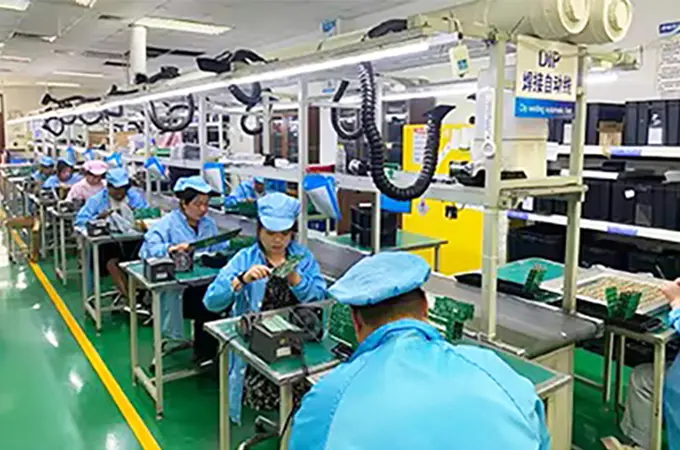
Headquartered in Beijing with a modern production footprint exceeding 1,500 square meters, our plant boasts five automated, high-precision calibration lines. By incorporating state-of-the-art MEMS elements from Switzerland and Germany, we ensure our sensors exhibit remarkable long-term stability and immunity to drift.
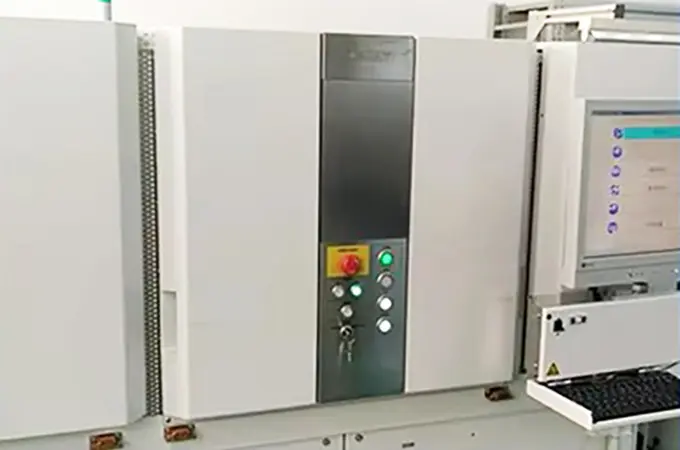
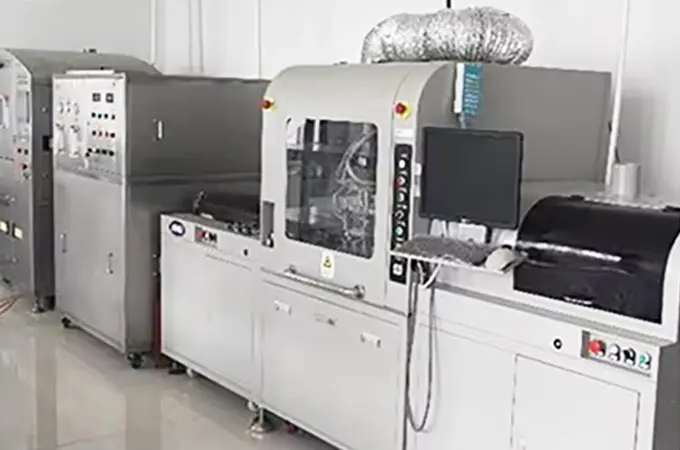
Deploying modular Ethernet temperature, humidity, and gas sensors across highly sensitive industries.
High-density computing centers generate micro-climatic zones. The **APEM-5930** serves as a PoE cabinet-level monitor, providing real-time data to dynamic cooling units. Integration with SNMP allows infrastructure managers to prevent thermal runway and optimize PUE.
Explore Multi-Parameter Options →In pharmaceutical compounding facilities in Osaka, relative humidity and air pressure differences must remain within strict bounds to comply with cleanroom standards. The **APEM-5930P** monitors temperature, humidity, and pressure in one integration.
Explore Pressure Monitors →For pharmaceutical and premium food logistics (e.g., in Hokkaido's cold storages), the **APEM-5930E** with its extended probe enables deep cabinet penetration while maintaining the sensor's network transmitter module in ambient conditions.
Explore Extended Probe Units →Procuring industrial devices for deployment in Japanese sites requires absolute adherence to domestic standards. Our designs align with **VCCI electromagnetic compatibility standards** and metric calibration rules.
Each sensor shipped is calibrated against NIST-traceable equipment. For Japanese systems integrators, we provide standard calibration reports that match JCSS requirements, ensuring hassle-free auditing for ISO audits.
We offer pre-sale consultation and remote configuration support for systems integrators. With an SLA responding to all inquiries within 8 hours, we keep your automation project schedule on track.
A timeline of innovation and environmental sensing excellence since 2007.
The company was founded and developed an intelligent environmental monitoring terminal based on the TCP/IP network protocol. In the same year, the initial version of environmental monitoring software was developed.
In collaboration with Mocha Software, a leading network management company, we launched the TH-5939 series supporting SNMP protocols.
In partnership with Switzerland's COMLAB, the TH-5869 protective Ethernet environmental monitoring device was introduced, successfully applied in high-speed rail projects.
Cooperating with Founder Technology, the APEM-6100 Ethernet environmental monitoring device was launched. This product was among the early environmental monitoring devices to adopt Power over Ethernet (PoE) technology.
Collaboration with Foxconn, combined with the influence of clients in the industry, established our products as environmental standards for production workshops.
In partnership with Baidu, the next-generation APEM-5900 Ethernet terminal was launched and deployed at Baidu's Yangquan Data Center.
Introduced multi-scenario solutions and integrated outdoor cabinet monitoring systems. Involved in the research, design, and development of Beijing's high-level autonomous driving road test integrated boxes and edge computing gateways.
Participated in the construction of intelligent computing center projects. Co-founded a Beidou business division with BUCEA and achieved breakthroughs in pipeline network and deformation monitoring, obtaining key IDC business qualifications.
Explore our complete range of smart sensors designed for integration into commercial and industrial ecosystems.
We manufacture a diverse range of environmental monitoring systems and parameters:
No two industrial plants have identical layouts. Our dedicated R&D team works directly with global engineers to deliver customized sensing hardware.
Custom cable lengths for remote probes, customized housing materials for highly corrosive chemical environments, special firmware integration (e.g., customized JSON formats via HTTP POST), and customized branding for local system integrators.
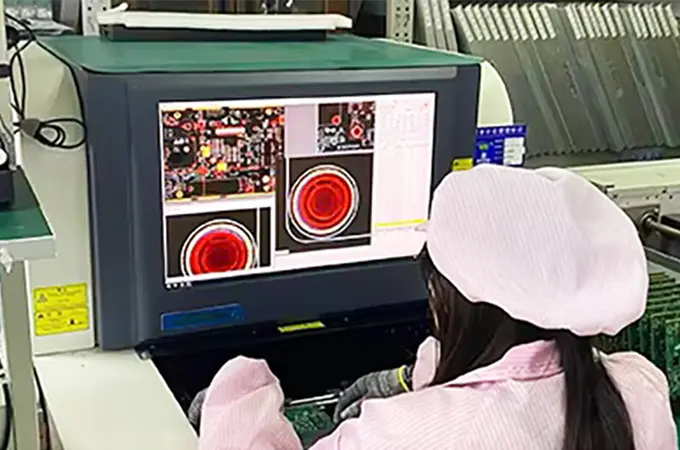
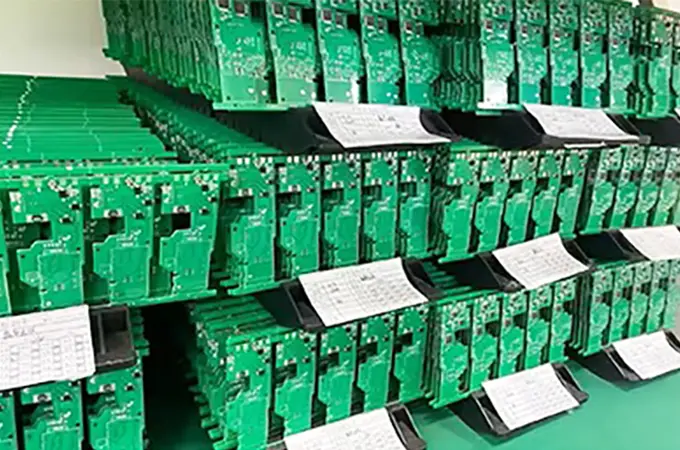
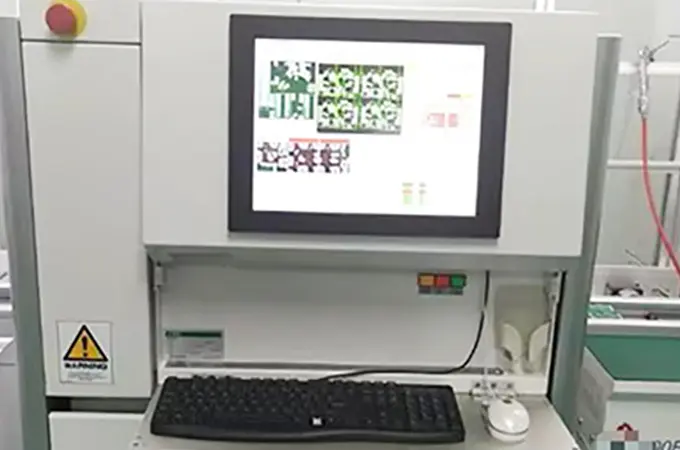
Our manufacturing facility operates under strict quality guidelines to guarantee product reliability.
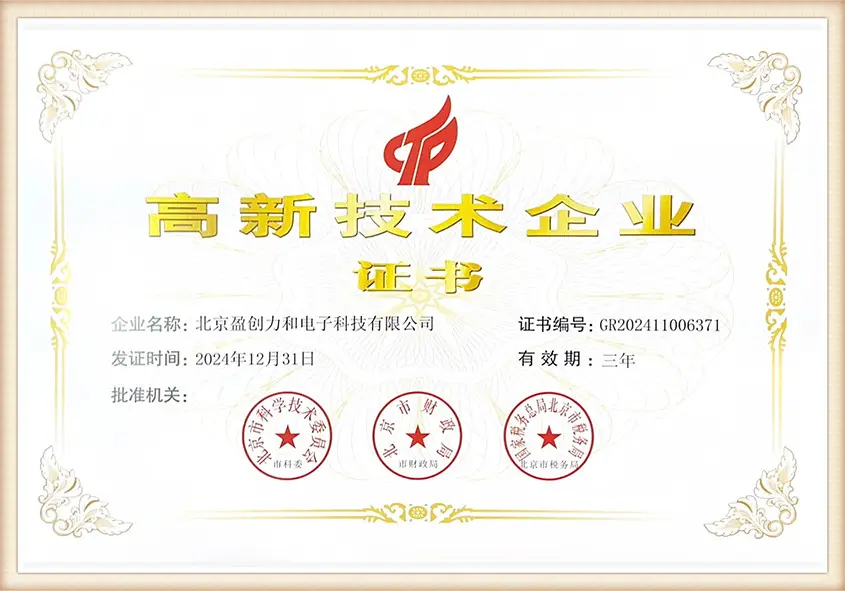
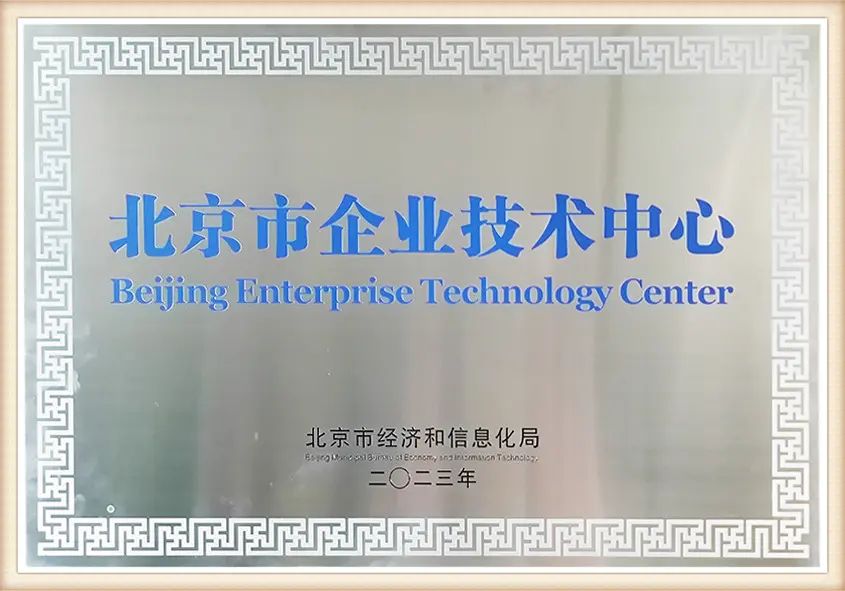
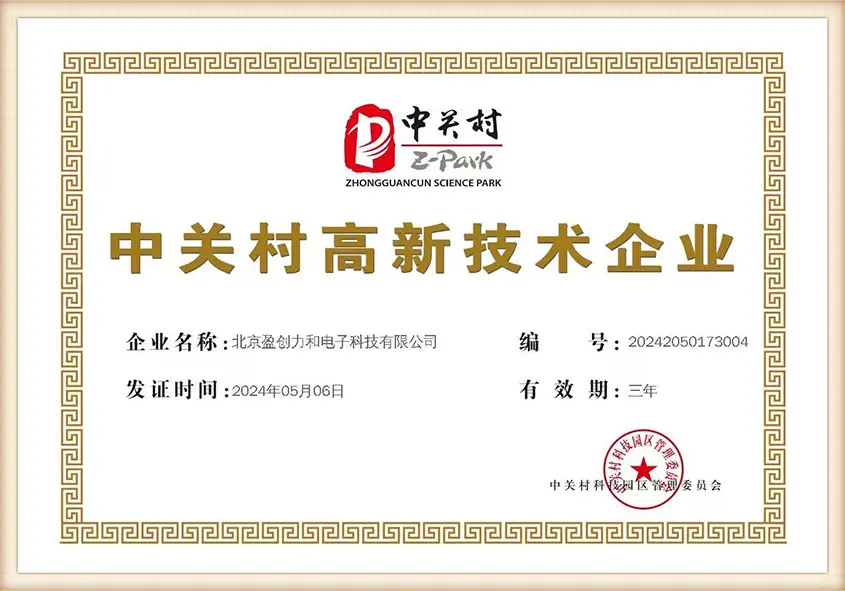
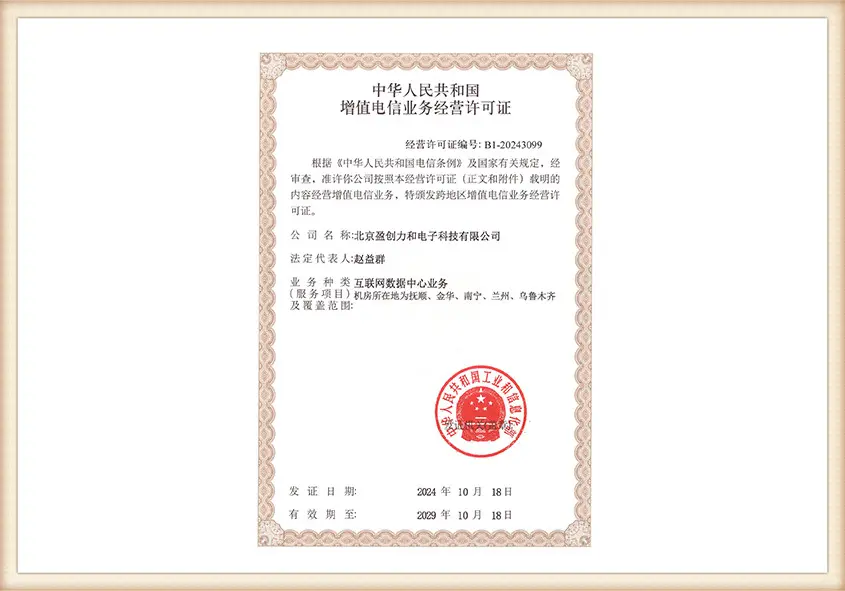
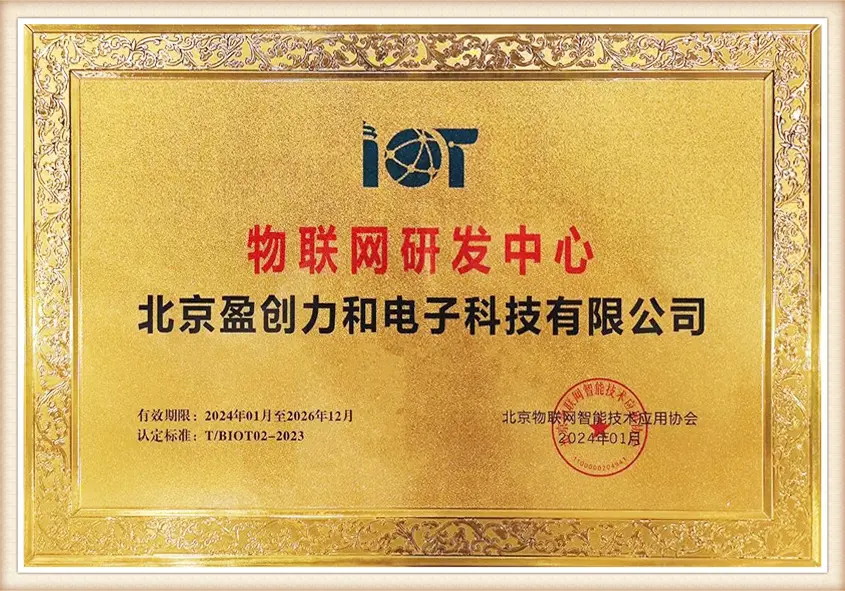
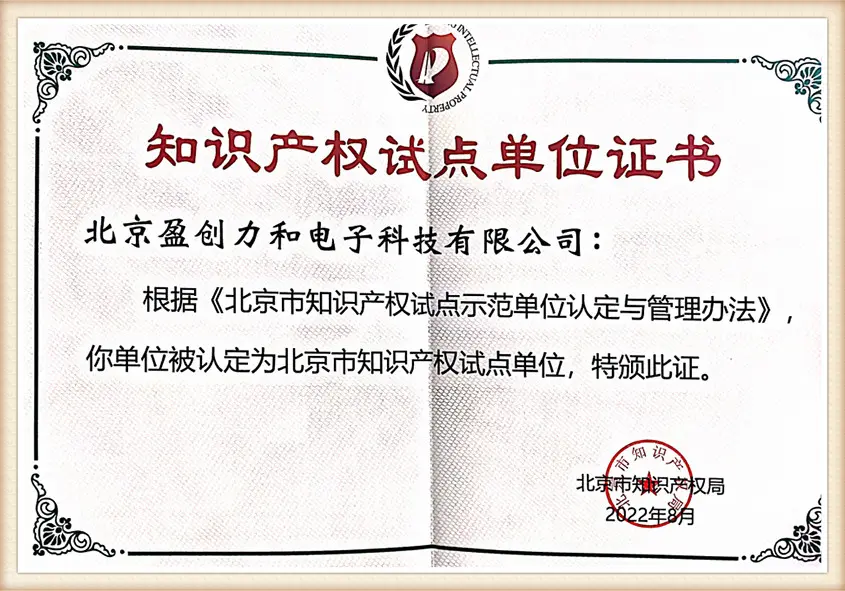
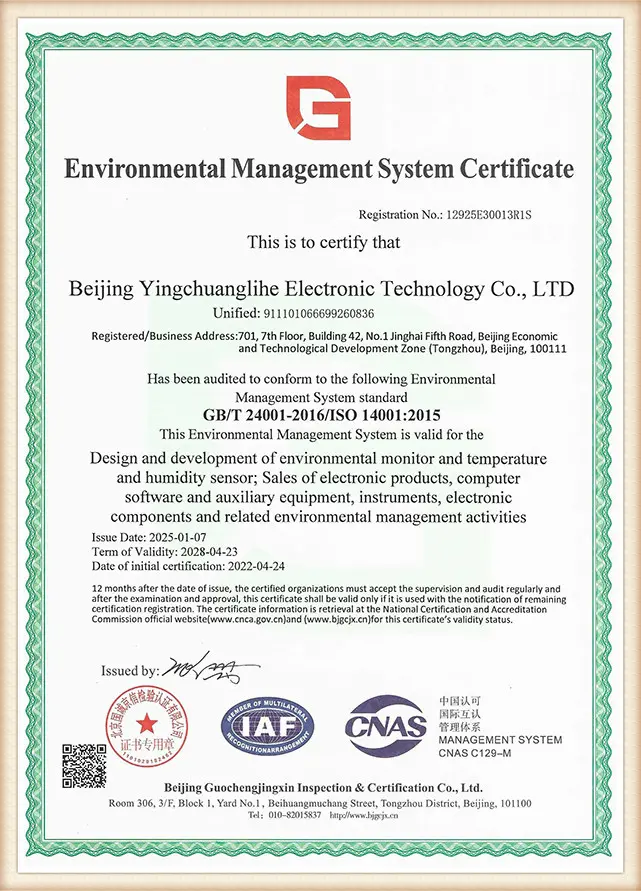
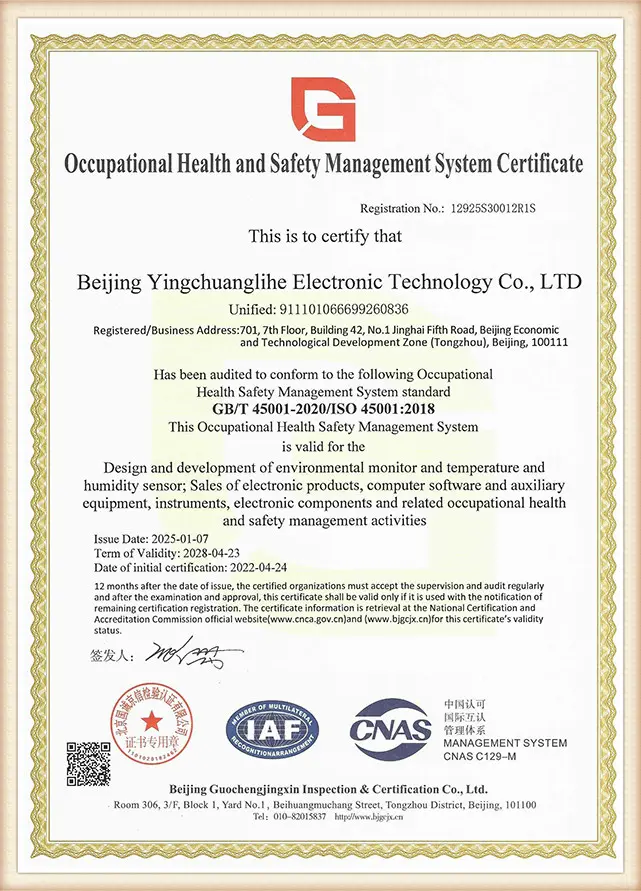
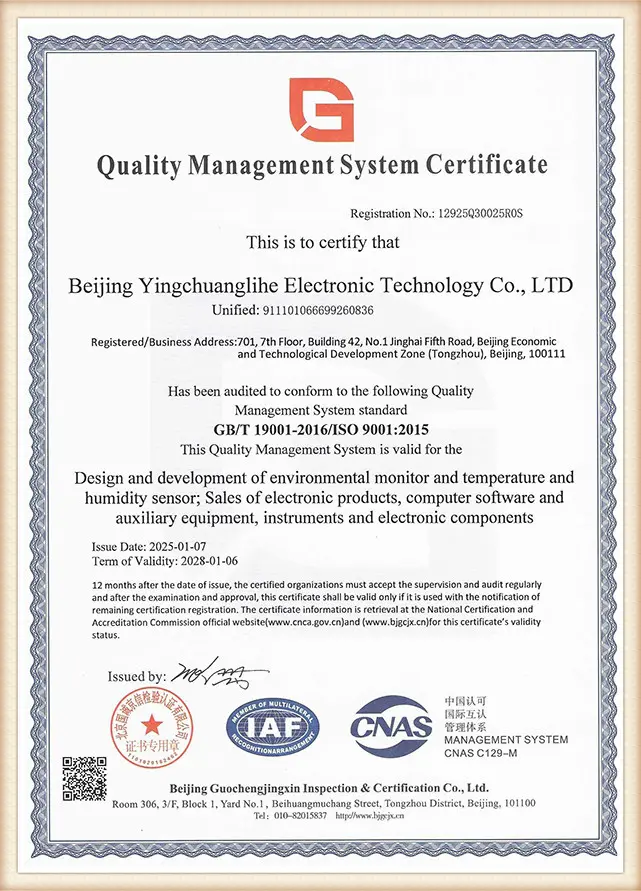
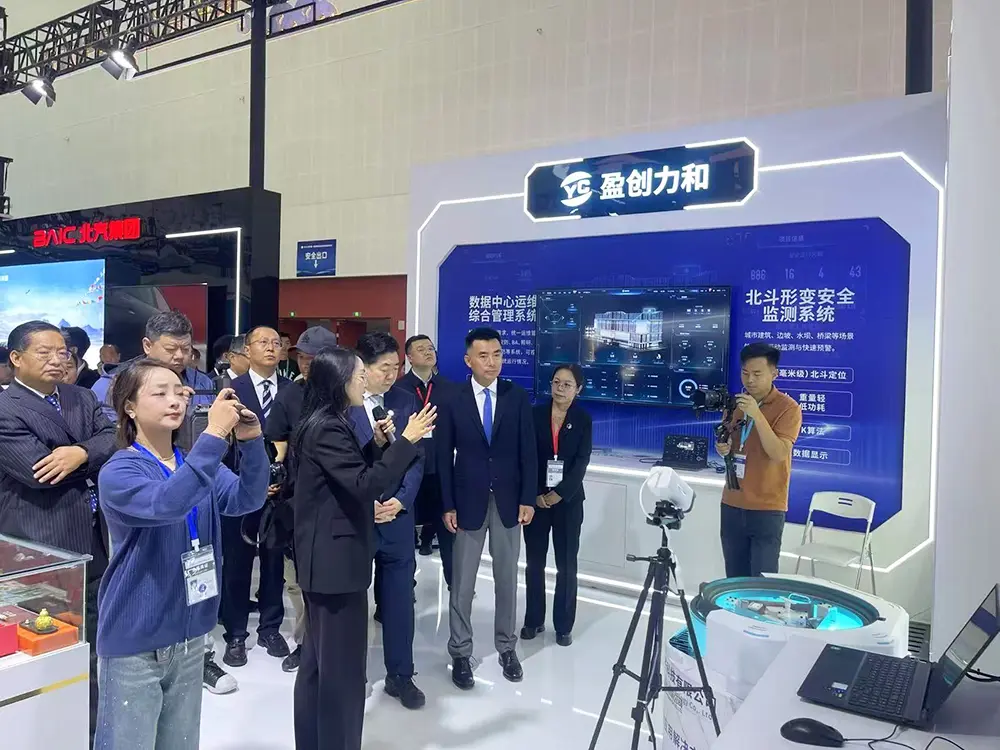
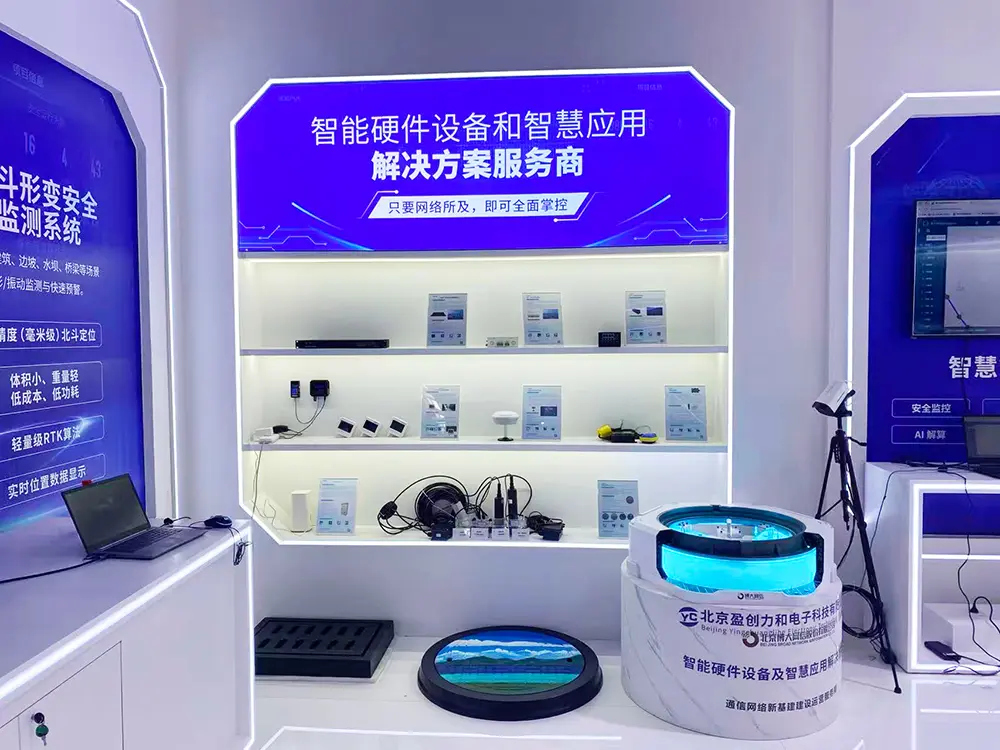
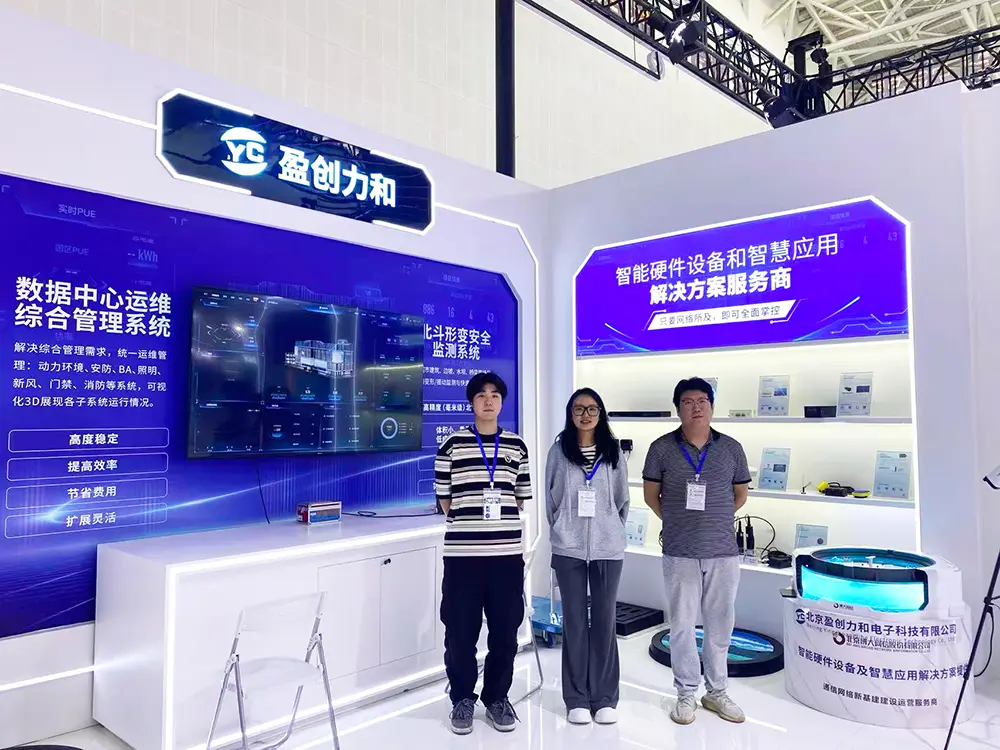
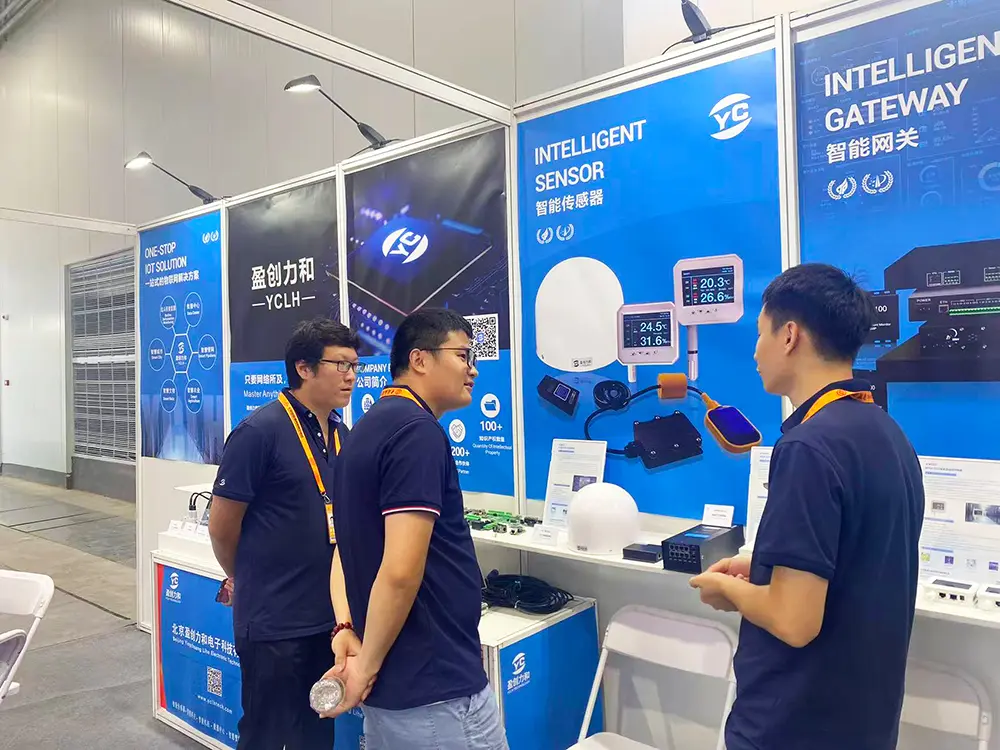
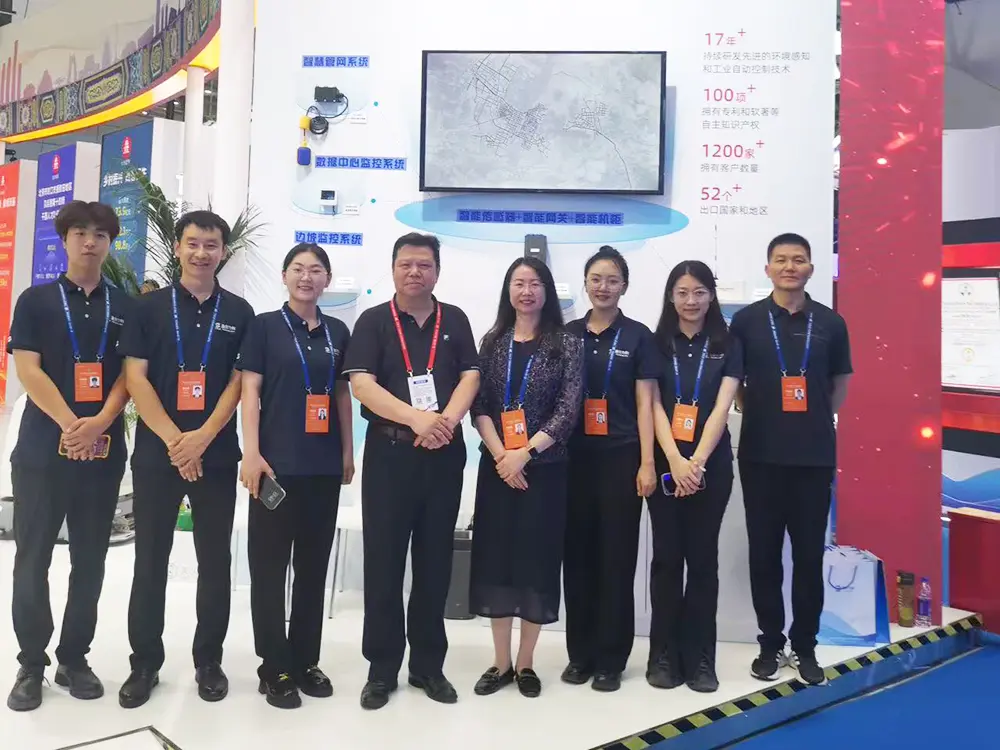
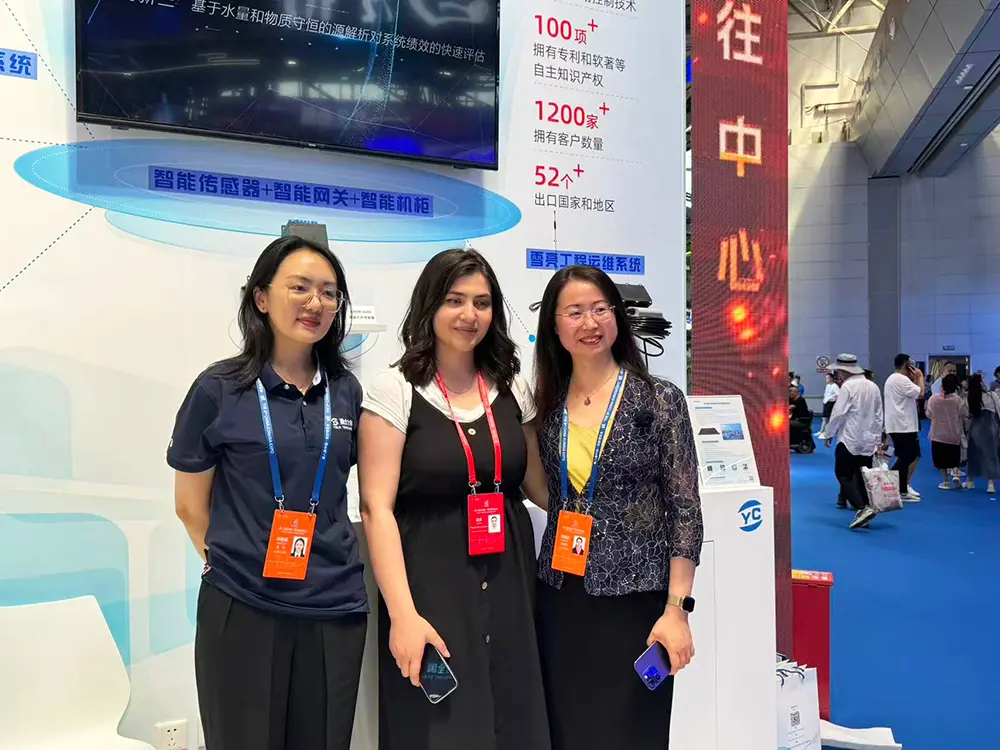
We present our hardware designs annually at top industrial automation and IoT events globally.
Answers to common deployment, calibration, and networking questions from systems engineers.
Our sensors utilize imported CMOSens® chip elements from Switzerland. These MEMS-based components feature a capacitive relative humidity sensor and a bandgap temperature sensor on a single silicon chip. This configuration delivers high stability, with a drift rate below 0.03°C per year under normal industrial conditions.
The APEM-5930 series features a complete TCP/IP stack. It supports **Modbus TCP** (ideal for integration with PLCs and SCADA), **SNMP V1/V2c/V3** (standard for network monitoring software like Zabbix or PRTG), **MQTT** (for cloud telemetry and AWS IoT Core / Azure IoT Hub), and **HTTP/HTTPS POST APIs** for web application integration.
Yes, our PoE sensors fully comply with the standard **IEEE 802.3af** class 1 power specification. They can be powered by any standard PoE network switch or injector delivering 36V to 57V DC. Additionally, auxiliary DC 12-48V inputs are included on terminal blocks for wiring flexibility.
Yes. The **APEM-5930E** model is designed specifically for this scenario. The primary electronics module (which houses the RJ45 network connection and display) is placed outside the controlled space, while the sensing element is enclosed in a stainless steel probe casing and connected via a shielded cable, enabling monitoring in environments up to 120°C.
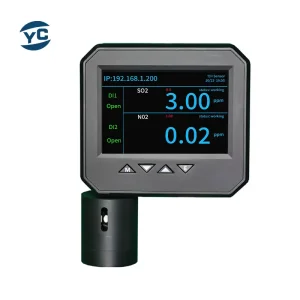
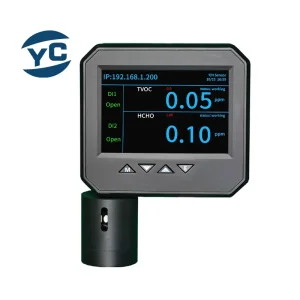
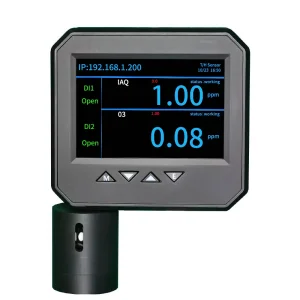
The **APEM-5930G-TVOC-O₃** utilizes electrochemical and metal-oxide semiconductor gas detection elements alongside physical temp/humidity units. The device performs automatic baseline compensation algorithms inside the firmware, allowing accurate calculation of air quality indexes (AQI) without requiring constant field recalibrations.
Browse our collection of multi-parameter environmental monitors, air quality loggers, and process sensors.
 YCLH Sensor