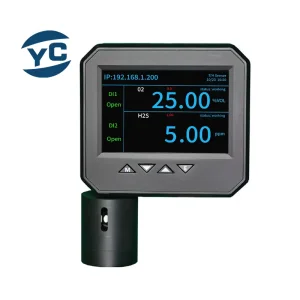
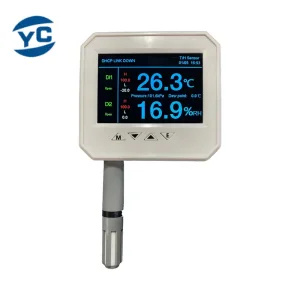
The global industrial and commercial landscapes are undergoing a fundamental transition from simple, isolated physical environmental measurements to integrated, autonomous ambient intelligence (AmI) networks. Modern enterprises no longer view environmental tracking as a baseline compliance checking exercise. Today, it is an essential layer of continuous predictive analysis, preventing critical operational failures, optimizing thermal dynamics, and reducing emissions footprint.
At the core of this transition are advancements in wireless and power-over-ethernet (PoE) transmission protocols. Protocols like LoRaWAN, WiFi/Wired Dual-Mode Systems, and Power over Ethernet (PoE) have resolved the historic trade-off between deployment flexibility and communication stability. Today's architectures require sensors to operate reliably inside EMI-heavy factory environments, deep structural utility vaults, and cleanroom facilities, while consuming negligible power or harvesting operational power straight from network infrastructure.
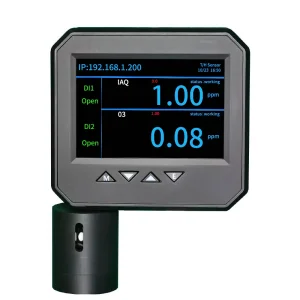
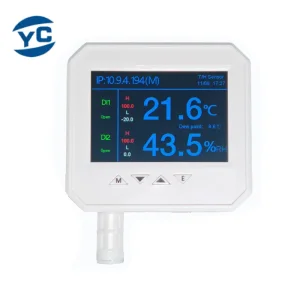
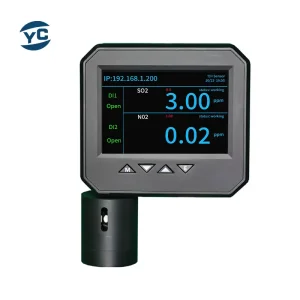
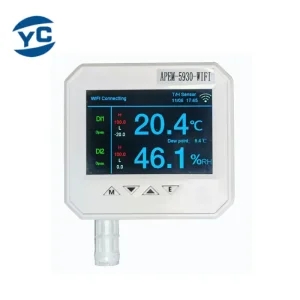
Furthermore, modern industries require multi-parameter fusion sensing. High-performance devices must now capture not just dry-bulb temperature and relative humidity, but dynamically compute the condensation dew point, track ambient barometric pressure to verify cleanroom containment hoods, and monitor trace toxic gases (O₃, SO₂, NO₂, CO, TVOC) concurrently to ensure safe work areas and maintain product preservation states.
Enterprise buyers seek high MTBF (Mean Time Between Failures) sensors built with premium Swiss or German chipsets. The core issue is preventing sensor drift over long-term operation. System integrators prioritize manufacturers offering pre-calibrated sensor probes with standardized traceability logs, minimizing calibration maintenance work cycles.
No single protocol is optimal for every environment. Data centers prioritize Power over Ethernet (PoE) due to its dual utility of data transmission and direct power supply. Logistics and heavy industrial zones prefer LoRaWAN for its long-range connectivity through concrete walls and long battery life. High-density commercial properties choose hybrid WiFi/Wired installations to optimize infrastructure costs.
Hardware is only as useful as its connectivity. Global buyers look for products with native firmware integration capabilities, support for SNMP (v1, v2c, and v3) for network monitoring systems, and RESTful APIs or MQTT clients for rapid deployment to commercial cloud IoT backends (AWS IoT Core, Microsoft Azure, or Private Clouds).
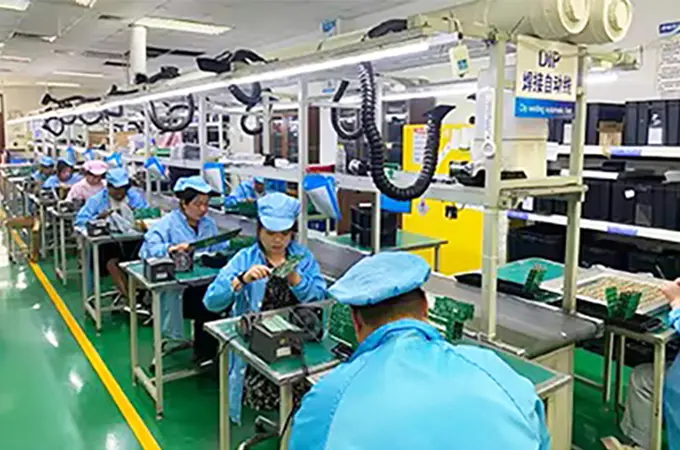
Beijing Yingchuanglihe Electronic Technology Co., Ltd. represents the peak of China's Factory 4.0 industrial integration. Our production facility features advanced semi-automated production configurations, high-precision climate calibration chambers, and dedicated quality assurance testing stations. This integrated setup allows us to balance rapid production scaling with reliable quality control.
Our facility maintains direct supplier relationships with top-tier international semiconductor and sensing element manufacturers in Switzerland and Germany. This direct integration ensures that we secure reliable component supplies even during global component shortages. For our clients, this translates into stable pricing models, reliable manufacturing timelines, and consistent hardware delivery schedules.
Furthermore, our in-house engineering team provides fast turnarounds on custom requests. Whether you require specific wire lengths for external temperature probes, custom enclosures for high-humidity settings, or specialized protocol adjustments for legacy software, our engineering team can deliver prototypes and start production runs without delay.
Established in 2007 in Beijing, Yingchuanglihe has grown into a leading developer and manufacturer of industrial environmental monitoring instrumentation. With a modern 1,500m² manufacturing facility and over 100 industry professionals, we provide advanced, reliable environmental sensing systems for clients worldwide.
Leverage our two decades of dedicated experience. We deliver market-proven, reliable sensor technology, ensuring you represent products built on a foundation of stability and deep industry knowledge.
Go beyond standard products. Our full OEM/ODM support allows you to offer tailored sensor solutions, giving you a powerful edge to win specialized deals and capture high-value markets.
Access a comprehensive and innovative range of sensors. Our continuously evolving product line ensures you always have the right solutions to meet diverse customer needs and seize new revenue opportunities.
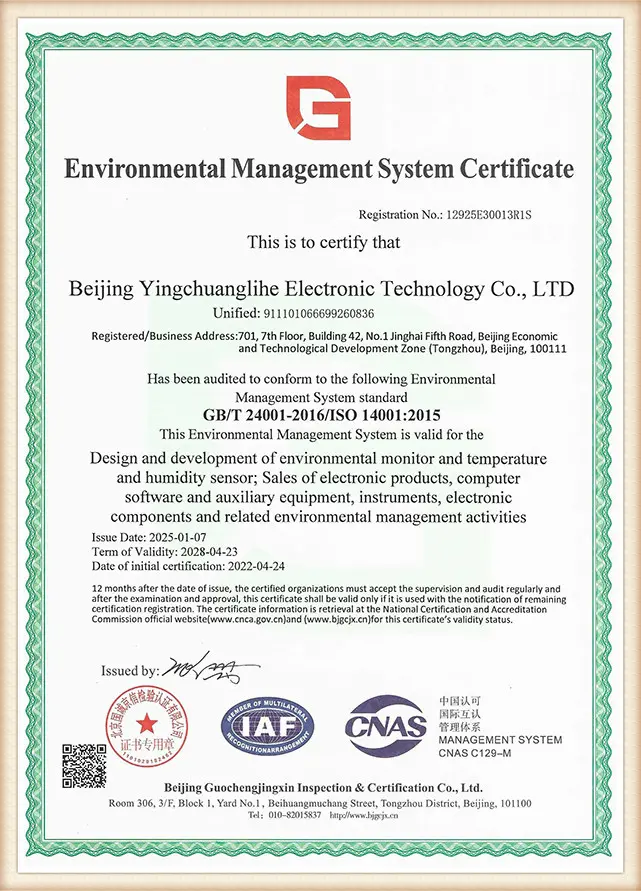
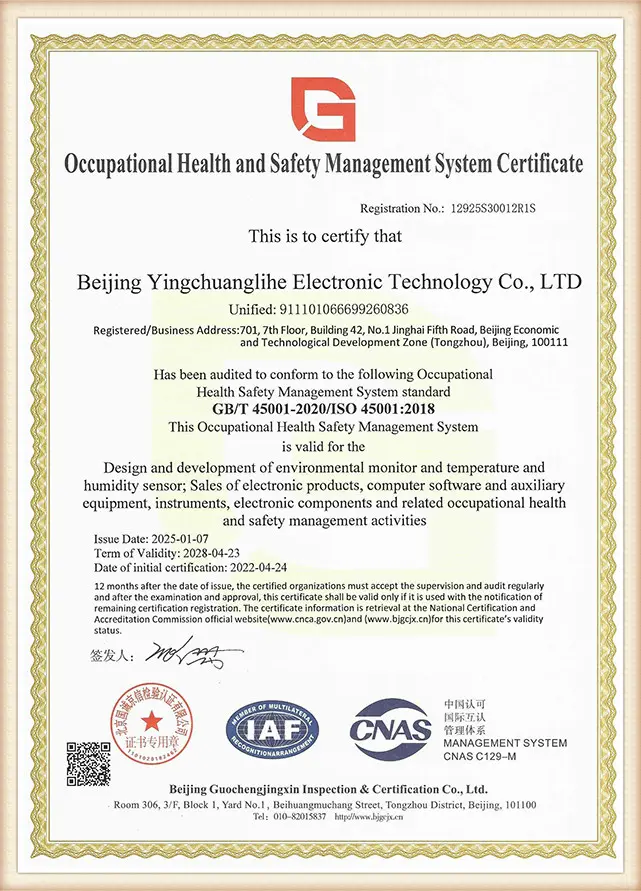
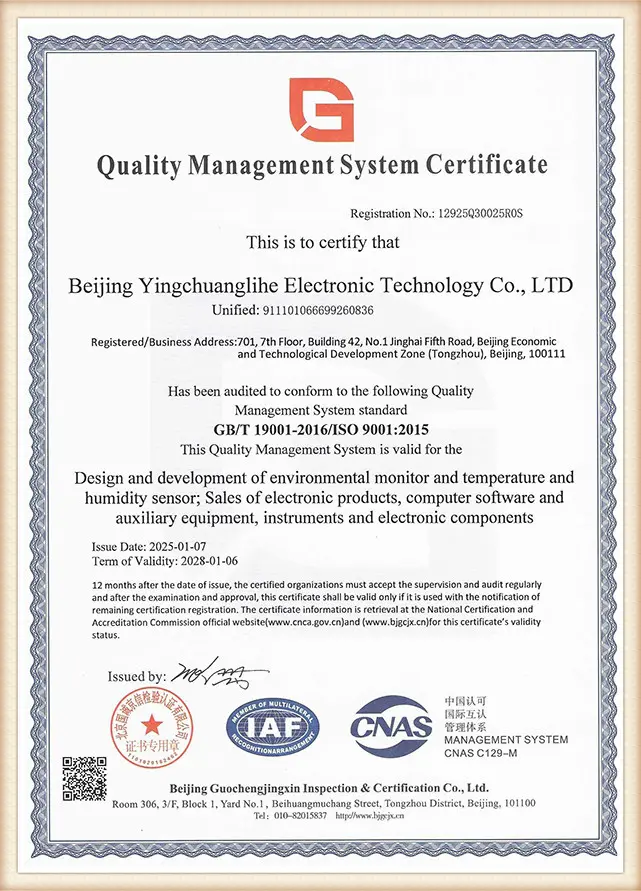
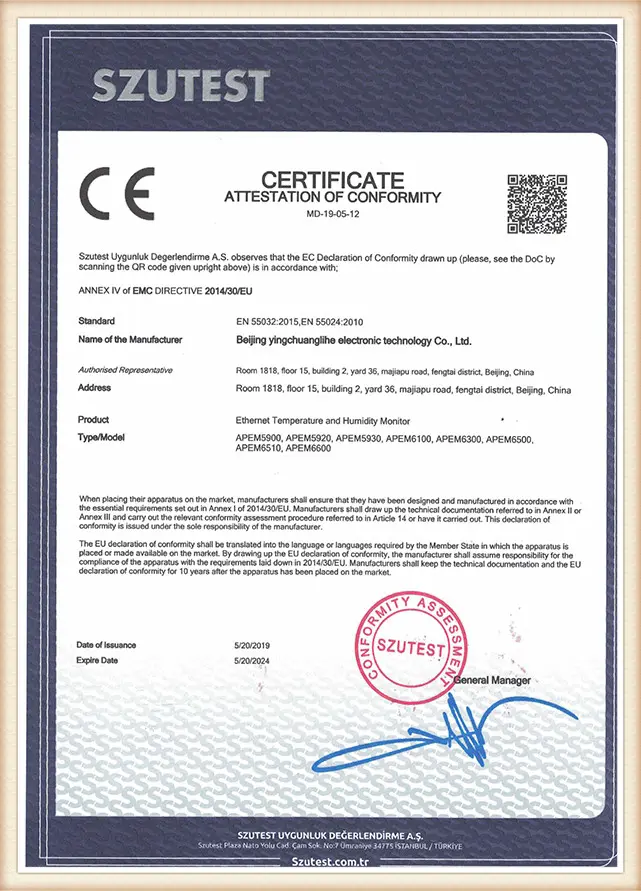
Our commitment to quality is backed by international certifications, confirming that our products meet global safety, reliability, and manufacturing standards.
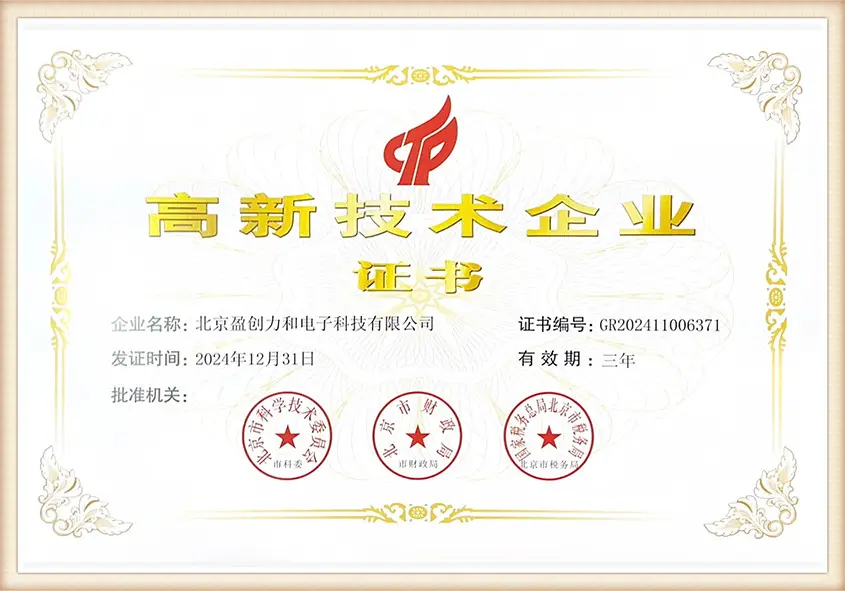
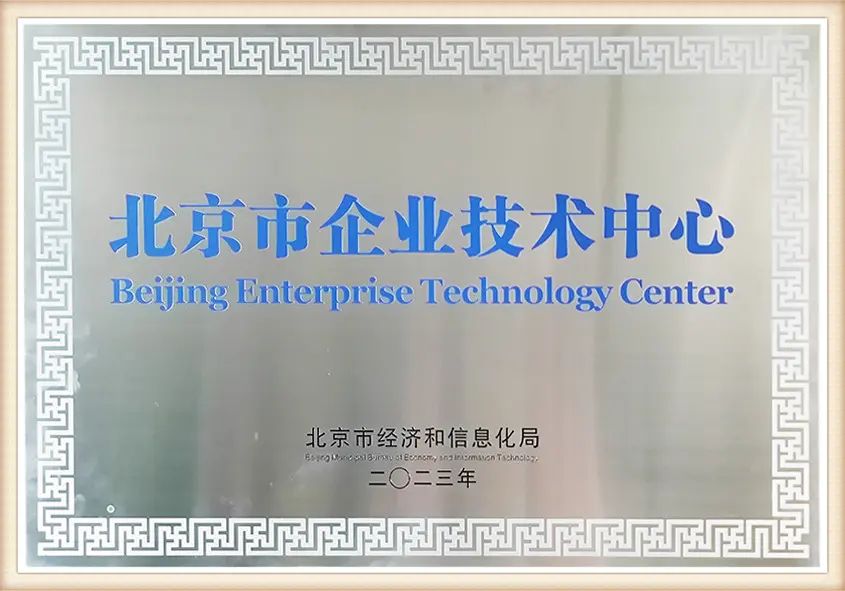
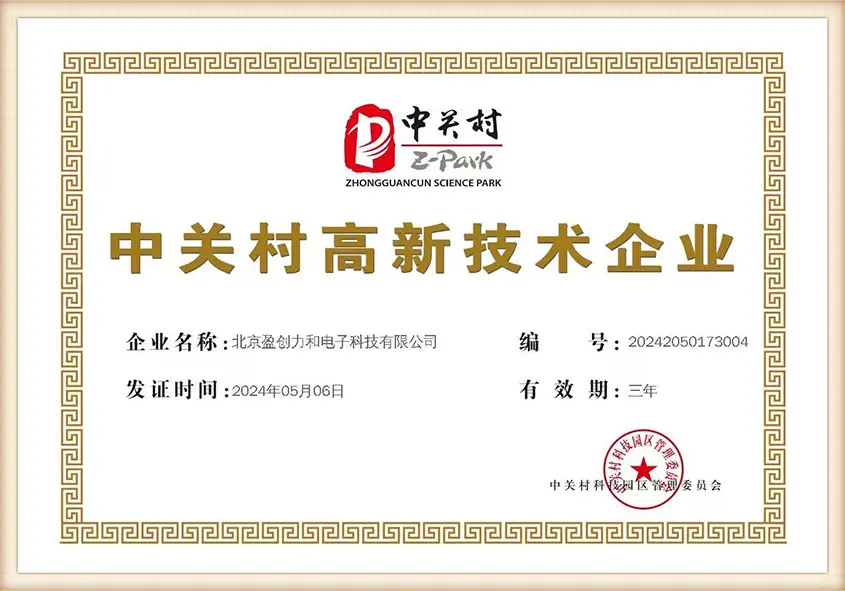
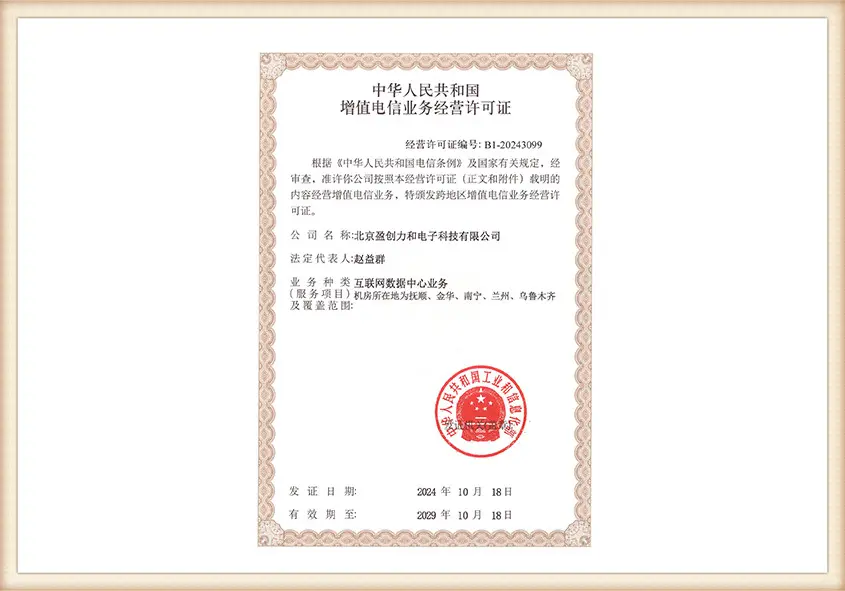
Tested and certified for global industrial application compliance, satisfying rigorous EMC and safety standards.
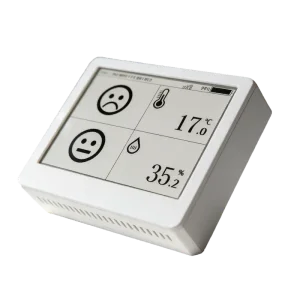
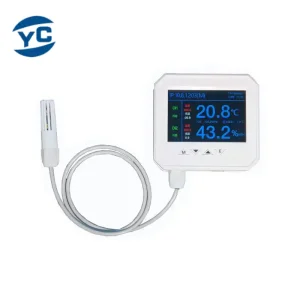
Preventing condensation buildup while optimizing energy consumption. Our sensors track temperature, humidity, dew point, and barometric pressure at the rack level, providing real-time data to help HVAC systems prevent hot spots and maintain optimal cooling performance.
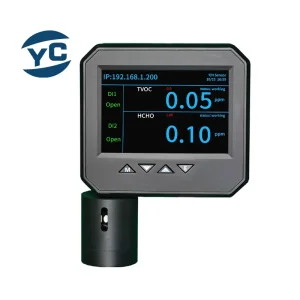
Supporting environmental compliance in high-specification facilities. Our multi-gas sensors detect trace ozone (O₃), total volatile organic compounds (TVOC), and formaldehyde (HCHO) alongside temperature and humidity, helping to verify continuous air-exchange efficiency.
Protecting raw materials and finished goods from moisture damage and thermal degradation. These sensors feature rugged, chemical-resistant enclosures that function reliably in harsh manufacturing environments, minimizing drift and maintenance needs.
Securing remote equipment shelters, outdoor telecom cabinets, and cell towers. By monitoring ambient climate conditions, they protect sensitive electronics from humidity damage, helping operators schedule maintenance and prevent service downtime.
Engineered for high-moisture subterranean environments. These specialized sensors monitor localized humidity and detect water ingress or pipe leaks, protecting underground utilities and infrastructure from water damage.
High-reliability environmental monitoring for equipment depots and ammunition storage facilities. Our rugged sensor systems are designed to operate under challenging conditions, ensuring valuable assets are stored safely.
To maintain measuring stability in critical settings, Yingchuanglihe implements strict quality guidelines. We use high-precision sensing elements that utilize Swiss-designed capacitive polymer humidity structures and bandgap temperature components. This design offers a low annual drift profile (typically <0.04°C/year for temperature and <0.25% RH/year for relative humidity), ensuring stable monitoring performance over long deployment periods.
For data transmission, our systems support multiple protocol standards. For local industrial networks, we provide Modbus-RTU (over RS485) and Modbus-TCP (over Ethernet), facilitating integration with SCADA systems and PLCs. For network administrators and IT infrastructure monitoring, we build in comprehensive SNMP (v1/v2c/v3) support, allowing our devices to interface directly with platforms like PRTG, Zabbix, and Nagios.
Our wireless line features advanced LoRaWAN technology. Operating on regional industrial frequencies (including EU868, US915, and AS923), our LoRa sensors use dynamic data-rate adaptation to balance signal penetration with battery longevity. This allows them to transmit reliably across distances up to 5km in dense environments, with an expected battery runtime exceeding 5 years under standard transmission intervals.
| Parameters | Measurement Range | Nominal Precision |
|---|---|---|
| Dry-Bulb Temp | -40°C to +80°C (Extended) | ±0.2°C (at 0-50°C range) |
| Relative Humidity | 0% to 100% RH (Non-condensing) | ±2% RH (at 10% to 90%) |
| Dew Point Temp | -40°C to +80°C Td (Calculated) | ±0.4°C derived resolution |
| Barometric Pressure | 300 to 1100 hPa | ±0.12 hPa (equivalent to ±1m) |
| Gaseous Ozone (O₃) | 0 to 5.00 ppm | ±0.01 ppm (resolution threshold) |
 YCLH Sensor