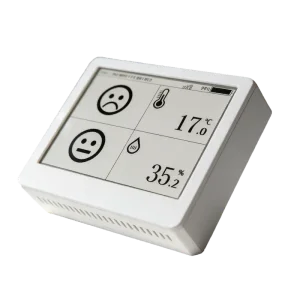
Efficient industrial factory solution designed for monitoring expansive campus labs. Supports low-power wireless networks.
View Details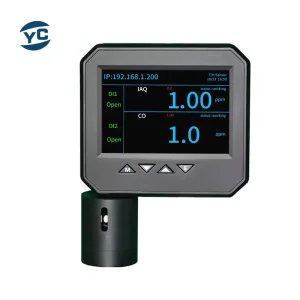
Equipped with highly calibrated internal parameters for comprehensive air quality, temperature, and carbon monoxide indexing.
View Details
Tailored multi-sensor integration module for heavy-duty academic research laboratory ventilation diagnostics.
View Details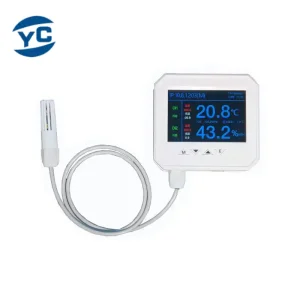
Allows remote sensing measurements in isolated incubators, fume hoods, or clean environmental chambers.
View Details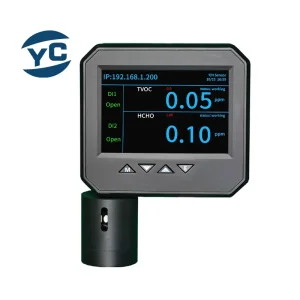
Specifically deployed in chemical synthesis labs to detect toxic volatile organic discharges and formaldehydes.
View Details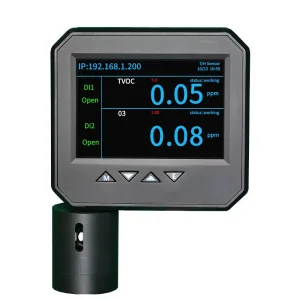
An all-in-one ambient air intelligence system. Delivers precise ozone and organic gas telemetry.
View Details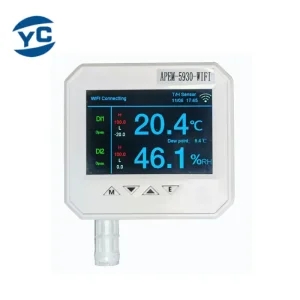
High availability design supporting fallback Wi-Fi network routing when primary Ethernet connectivity goes offline.
View Details
Industrial-grade Swiss chip temperature and humidity data logger utilizing standard RJ45 Ethernet architecture.
View DetailsModern academic research facilities inside universities and schools represent highly challenging environments. Unlike standard commercial real estate, educational labs run multiple parallel processes: chemistry experimentation, microelectronics fabrication, genomic sequencing, and automated biological cultures. All of these require specific, absolute bounds for environmental parameters. According to international standards like ISO 17025 (General requirements for the competence of testing and calibration laboratories) and guidelines from OSHA and ASHRAE, continuous, non-repudiable logs of temperature, relative humidity, pressure differentials, and toxic gas concentrations are mandatory for liability control and funding compliance.
Globally, the integration of smart campuses has accelerated. Educational institutions are shifting from manual analog logs to automated, IoT-driven cloud platforms. Real-time telemetry ensures that experimental failures due to system drift are avoided, protecting multimillion-dollar research grants and student safety alike.
Founded in 2007, Beijing Yingchuanglihe Electronic Technology Co., Ltd. (YCLI) is a premier developer of environmental monitoring sensors, utilizing high-precision chips imported from Switzerland and Germany to guarantee lifetime calibration stability.
By establishing strategic raw-material contracts directly within the Beijing-Tianjin high-tech manufacturing corridor, YCLI integrates leading microelectronic components (e.g., Swiss Sensirion temperature sensors, German Bosch barometric pressure chips) at lower tariff and freight costs, passing the structural savings down to institutional buyers.
Operating 5 high-speed SMT lines guarantees rapid manufacturing turnarounds. Every board undergoes automated optical inspection (AOI) and multi-point temperature cycling validation inside environmental chambers prior to shell assembly, eliminating early-life failures.
Standard foreign manufacturing lines demand high minimum order quantities (MOQs). YCLI offers flexible firmware customizations (custom Modbus register maps, unique wireless transmission periods, personalized casing branding) at institutional scale, maintaining cost competitiveness.
Continuous monitoring of ambient temperature and relative humidity prevents moisture-induced chemical degradation. Specialized TVOC and CO sensors ensure air change rates (ACH) conform to safety regulations.
Deployment of our Power over Ethernet (PoE) APEM-5930 modules inside high-performance server cabinets. Prevents critical hardware failures from micro-condensation or hotspots.
Using the APEM-5930E with remote extension probes. The sensitive probe rests inside cleanroom hoods while the communication terminal runs externally, preventing cross-contamination.
Legacy silos are vanishing. The future is built on native cloud integrations where thousands of sensors upload localized data using MQTT or SNMP to unified dashboards, allowing facilities teams to monitor multi-site campuses via single-pane-of-glass software interfaces.
Ventilating cleanrooms and campus laboratories accounts for major utility overheads. By using multi-gas sensors (TVOC, Formaldehyde, CO₂), building management systems can dynamic-route fresh air, running heavy ventilation systems only when contaminant indices spike.
Relying on server-side alerts leaves systems open to communication drops. Modern nodes, like the APEM-5930G series, pack onboard micro-relays. They can directly toggle local sirens, strobe lights, or shut off valve switches when toxic gas leaks are detected.
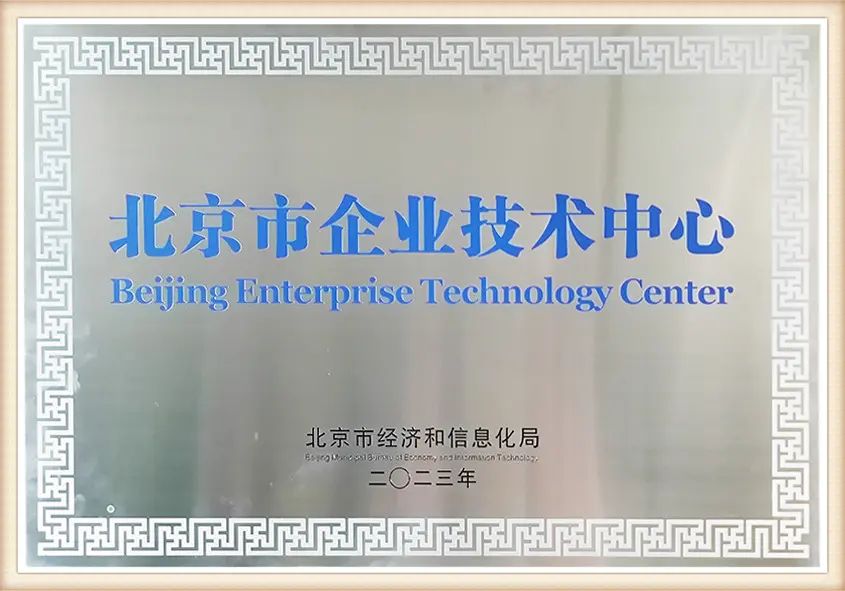
Verified for electromagnetic compatibility and safety requirements across the European Economic Area.
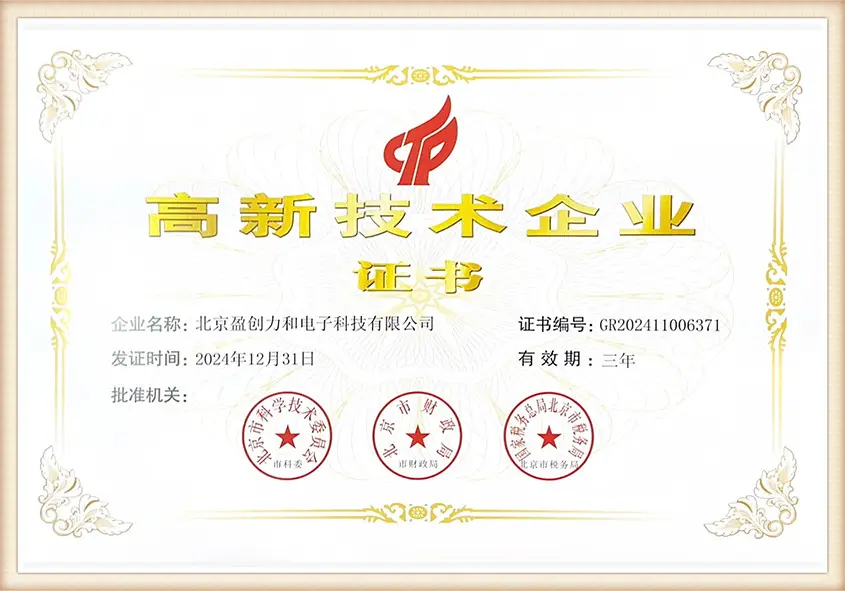
Manufacturing processes governed by standardized quality assurance protocols.
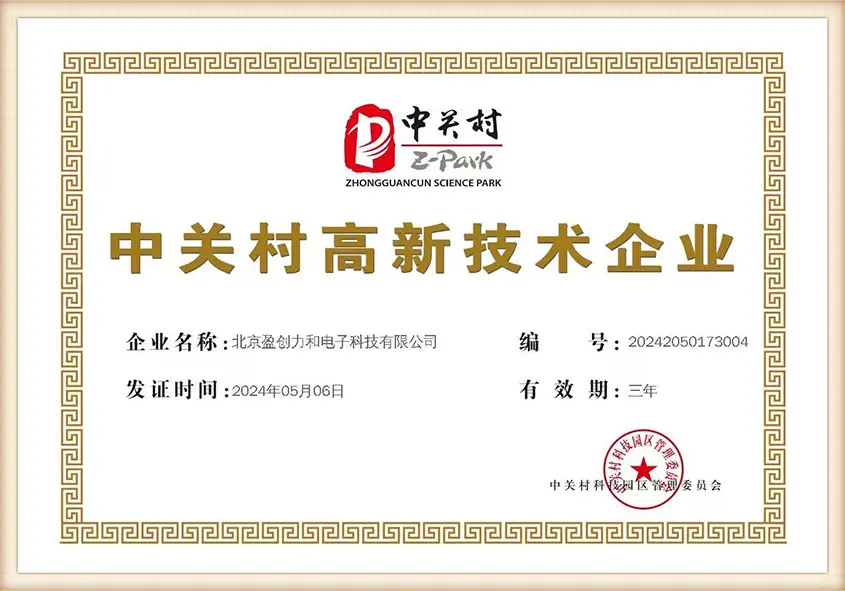
Approved for low-emission communication across industrial and institutional networks.
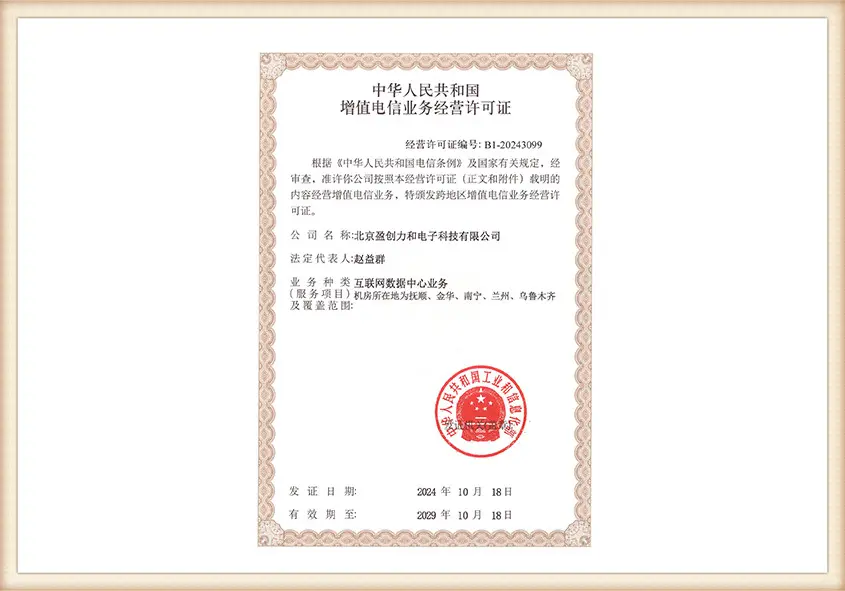
Lead-free board designs ensuring eco-compliant deployment within educational campuses.
Long-range wireless transmitter using sub-GHz frequencies to bypass thick concrete campus infrastructure.
View Details
Comprehensive chemical-release tracking designed to safeguard student experiments and testing spaces.
View Details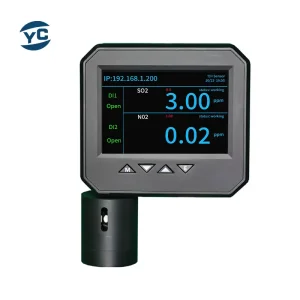
Designed for combustion research facilities and material test labs looking to track sulfur/nitrogen dioxide trace levels.
View Details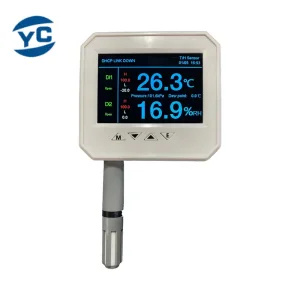
Integrated cleanroom telemetry module designed for monitoring pressure differentials in micro-fabrication laboratories.
View Details
Adaptable design supporting both wired Ethernet and wireless WiFi networks, ideal for historical structures with limited wiring.
View Details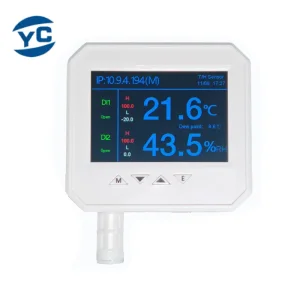
Our flagship PoE sensor module, widely deployed inside campus IT hubs, archiving chambers, and cleanrooms.
View Details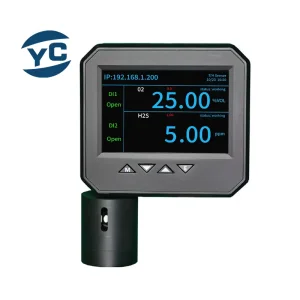
Designed for metallurgy labs, bio-gas test facilities, and safety setups tracking hydrogen sulfide levels.
View Details
Provides real-time IAQ scoring alongside carbon monoxide detection for classrooms, auditoriums, and labs.
View Details YCLH Sensor