Explore our elite selection of industrial-grade telemetry devices, built with imported sensing elements, supporting dual Modbus RTU/TCP and PoE standards.
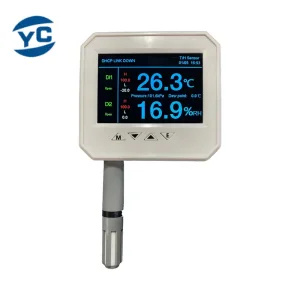
Integrated monitoring of Temperature, Humidity, Dew Point, and Atmospheric Pressure. Perfect for meteorological & cleanroom tracking.
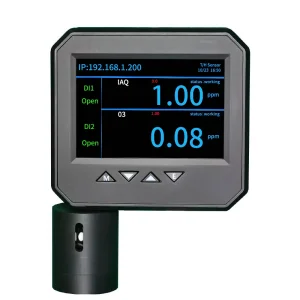
CE certified high-precision monitoring of IAQ and Ozone levels, with integrated Temperature & Humidity tracking.
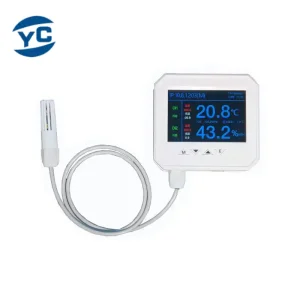
Equipped with custom external cabling for remote tight-space measurements. Ideal for industrial ovens and deep ducts.
Reliable factory-calibrated multi-parameter sensor measuring temperature, dew point, humidity, and barometric pressure.
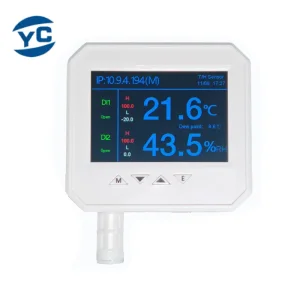
Direct power and data over a single LAN line. Eliminates local power cabling. Excellent long-term stability.
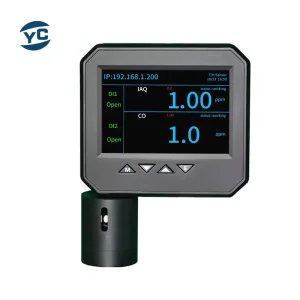
High-performance industrial sensor tracking hazardous CO levels, temperature, and relative humidity.
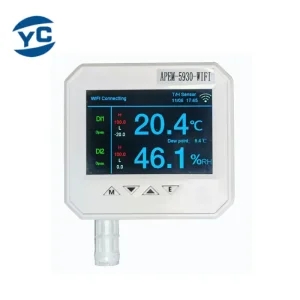
Provides ultimate flexibility with wired backup or primary Wi-Fi connectivity for smart structural telemetry.
Highly customizable OEM solution with versatile firmware options, ideal for global system integrations.
Industrial IoT, Smart Cities, and Municipal Water Systems require uncompromising telemetry. Learn why physical RS485 and Modbus RTU protocols continue to form the baseline of global telemetry networks.
In the current digital transformation wave of Industry 4.0, real-time telemetry acts as the sensory system for smart factories, massive hyperscale data centers, and critical municipal pipelines. As a premier wholesale Modbus RTU sensor suppliers & factory, Beijing Yingchuanglihe Electronic Technology Co., Ltd. works on the cutting edge of industrial telemetry and hybrid network architectures.
Historically, industrial networks operated on disparate analog loops (such as 4-20mA or 0-10V signals), which were highly sensitive to electrical noise and required tedious point-to-point wiring. The paradigm shifted with the wide adoption of RS-485 physical-layer communication. By utilizing differential signaling across a simple twisted pair, RS-485 allowed multi-drop daisy-chain configurations stretching up to 1200 meters, radically lowering installation overhead. Operating atop this robust layer, the Modbus RTU protocol emerged as the universal standard for automation devices. Due to its lean payload, open source structure, and near-zero processing overhead, Modbus RTU continues to be the fundamental protocol of PLCs (Programmable Logic Controllers), SCADA systems, and building automation controllers worldwide.
“Information Gain Advantage: The future of industrial monitoring is not about selecting Ethernet or Serial, but utilizing both. A hybrid Modbus RTU and Modbus TCP/IP gateway architecture allows engineers to scale cost-effective serial daisy chains across large physical fields while preserving direct fiber-to-ethernet links at critical computational nodes.”
Today, as IoT overlaps with classical operational technology (OT), the demands on sensor suppliers have intensified. Sourcing agents can no longer rely on simple hardware; they require devices capable of bridging Modbus RTU serial links with high-bandwidth networks, such as Power over Ethernet (PoE), Wi-Fi, and LoRaWAN. Yingchuanglihe addresses this cross-compatibility challenge directly. By designing and manufacturing multi-protocol industrial environmental monitoring sensors, we supply B2B markets with devices that integrate smoothly with both legacy PLCs and modern API-driven cloud telemetry platforms.
With an advanced 1,500 square meter facility in Beijing and a team of 100+ precision manufacturing specialists, we stand ready to support your enterprise requirements.
Our history represents a continuous drive to advance connectivity, protocol integration, and precision. We have worked alongside leading technology partners to pioneer environmental monitoring standards:
True reliability is built on precise physical-layer implementation. Learn the engineering principles behind our sensor manufacturing processes.
In highly active industrial environments, electromagnetic interference (EMI) from high-power electric motors, variable frequency drives (VFDs), and switching power supplies can easily disrupt low-voltage telemetry signals. Yingchuanglihe Modbus RTU sensors utilize differential signal transmission over RS-485 physical links to maintain clean communication channels.
An RS-485 transmission line balances two lines (A and B). Instead of measuring absolute voltage against a common ground, the receiver interprets the difference between these lines. When EMI strikes the cable, it affects both wires equally (common-mode noise). Since the receiver subtracts one voltage from the other, the common-mode noise cancels out. To optimize this physical layer, our factory engineers integrate the following key components into every Modbus RTU sensor:
A communication protocol is only as useful as the raw data it transmits. To maintain high accuracy and drift-free operation, Yingchuanglihe partners with world-leading chip manufacturers. For temperature and relative humidity, we integrate high-precision capacitive polymer sensing chips from Switzerland (Sensirion). For hazardous gases, chemical detection, and atmospheric parameters, we utilize specialized electrochemical and non-dispersive infrared (NDIR) elements from Germany.
These premium sensing elements are directly paired with our high-resolution analog-to-digital converters (ADCs), which run proprietary digital filtering algorithms to smooth out high-frequency fluctuations. The microcontrollers handle automatic temperature compensation to protect gas concentration readings (such as carbon monoxide, TVOC, or ozone) from changing ambient temperatures.
To ease deployment for system integrators, we supply clean, standardized Modbus Register Maps. All key telemetry metrics (such as temperature, humidity, dew point, or barometric pressure) are stored in standard 16-bit Input or Holding Registers (3XXXX or 4XXXX series). The sensors support standard Modbus functions including:
Yingchuanglihe sensors are deployed globally across demanding environments. Here is how our hardware integrates into industrial infrastructures.
High-density server racks generate extreme heat, requiring real-time, micro-climate monitoring. Deployed in Baidu's Yangquan Data Center, our sensors provide precise temperature, humidity, dew point, and air pressure tracking to prevent server condensation and thermal runaway.
Pharmaceutical manufacturing and semiconductor cleanrooms require strict atmospheric standards. Our APEM-5930P differential air pressure sensors prevent cross-contamination by keeping track of the pressure gaps between adjacent cleanrooms.
Smart transport and self-driving cars rely on roadside edge computing cabinets. We supply rugged environmental sensor units for road-test cabinets, helping to manage ventilation and thermal load in remote installations.
In partner installations with Swiss COMLAB, our protective Ethernet environmental monitoring devices are deployed along major high-speed rail lines to track outdoor cabinet temperatures, protecting signaling infrastructure.
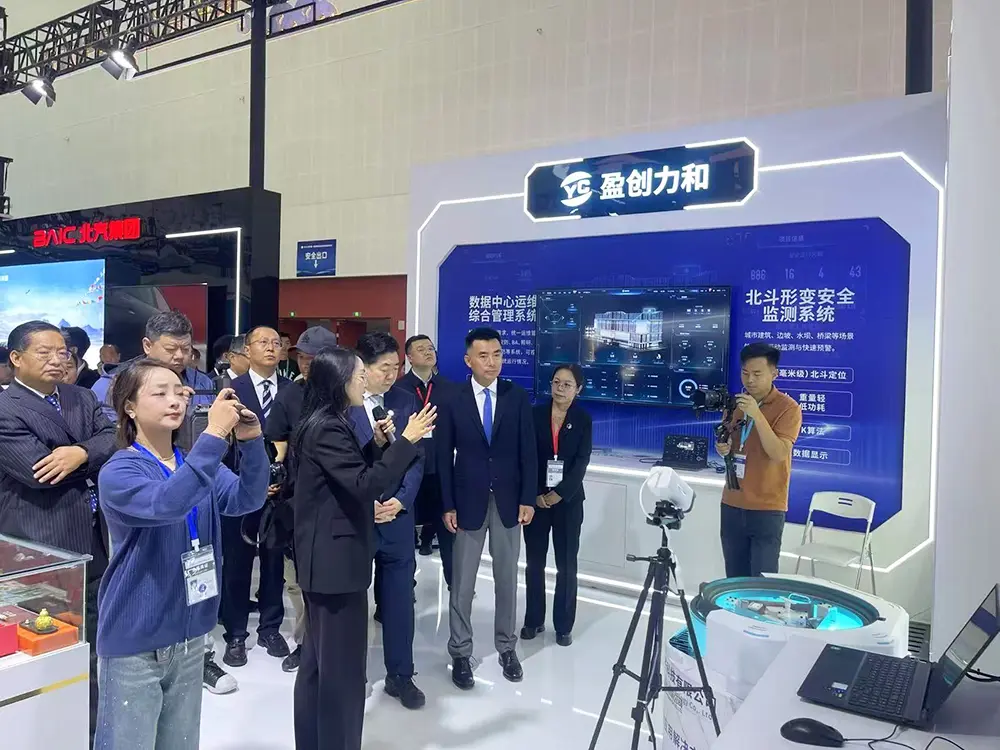
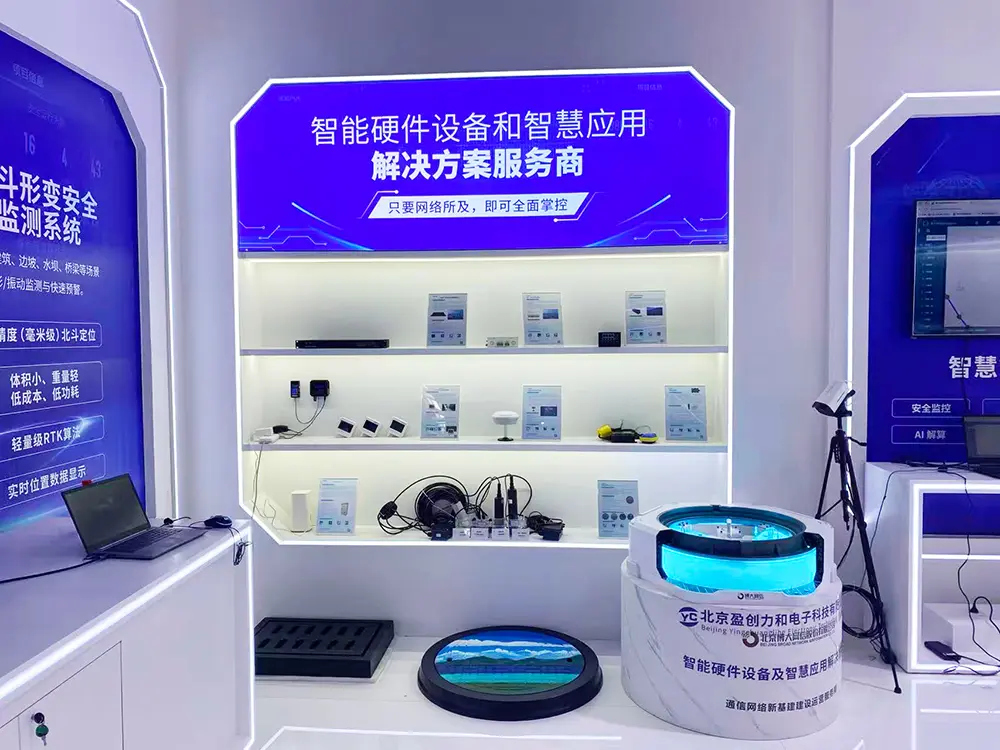
By combining high-precision tilt and structural sensors with satellite-supported Beidou positioning, we deliver real-time deformation and shift analysis for critical civil projects, bridges, and landslides.
In cooperation with Beijing Enterprises Water Group, we build custom underground pressure and water flow telemetry. Our waterproof and robust Modbus RTU and LoRa sensors protect city-wide water supply lines.
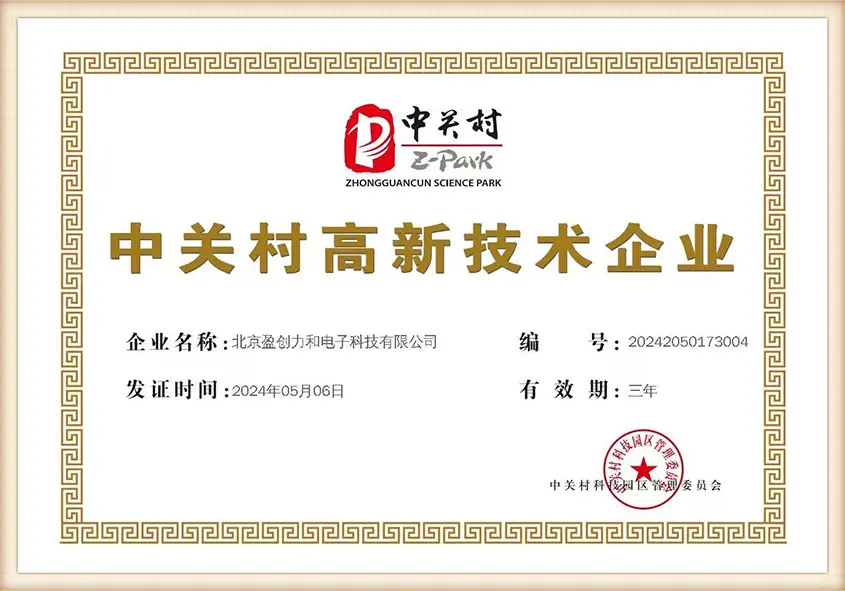
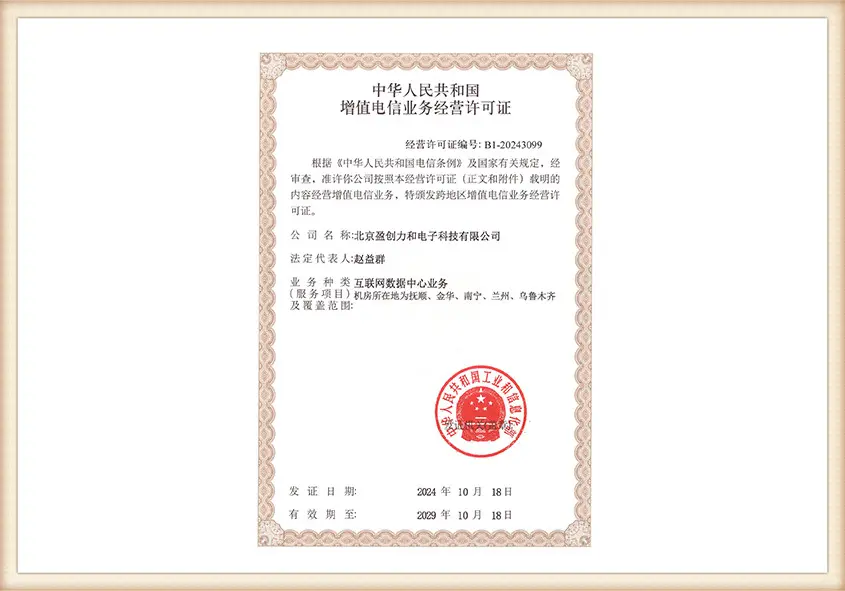
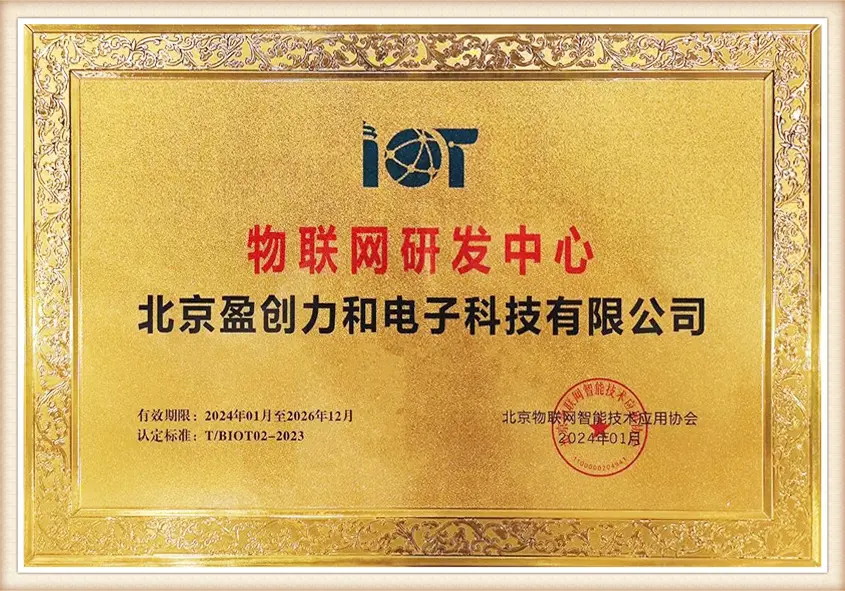
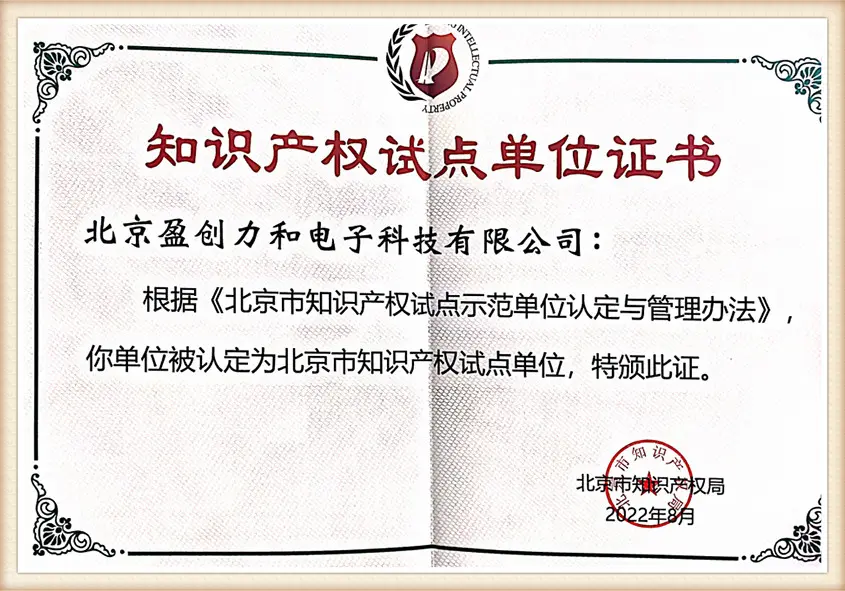
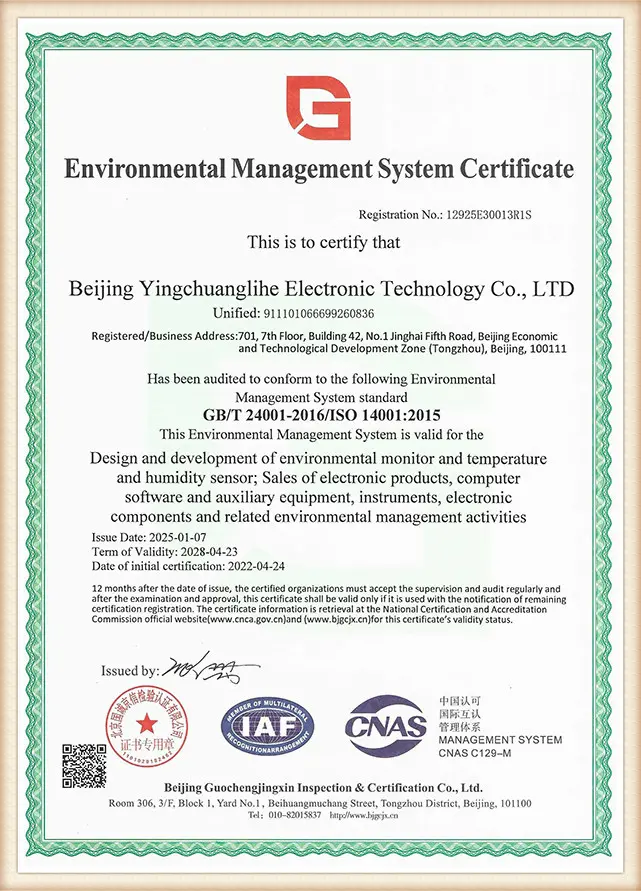
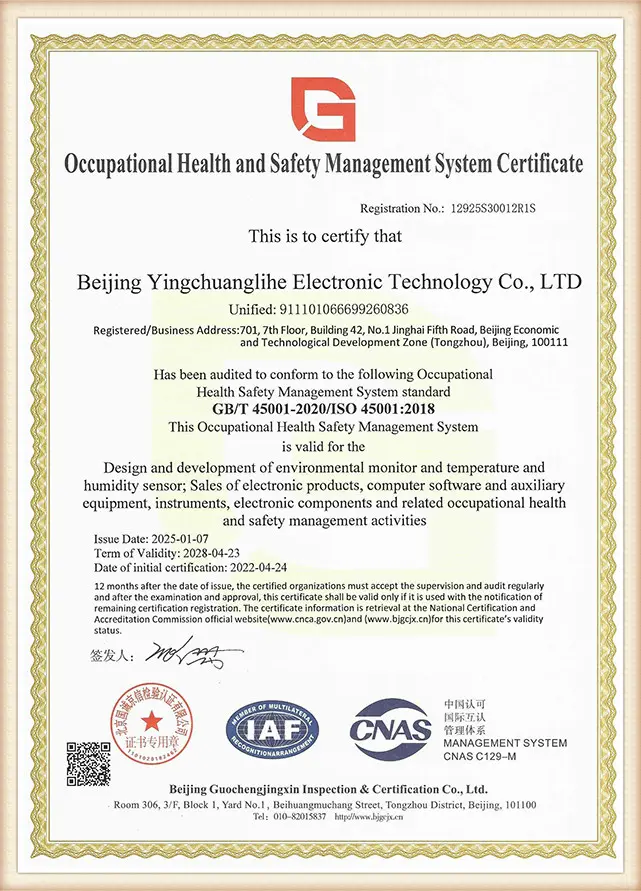
Yingchuanglihe maintains standard compliance across our operations, backed by comprehensive CE, FCC, and RoHS certifications.
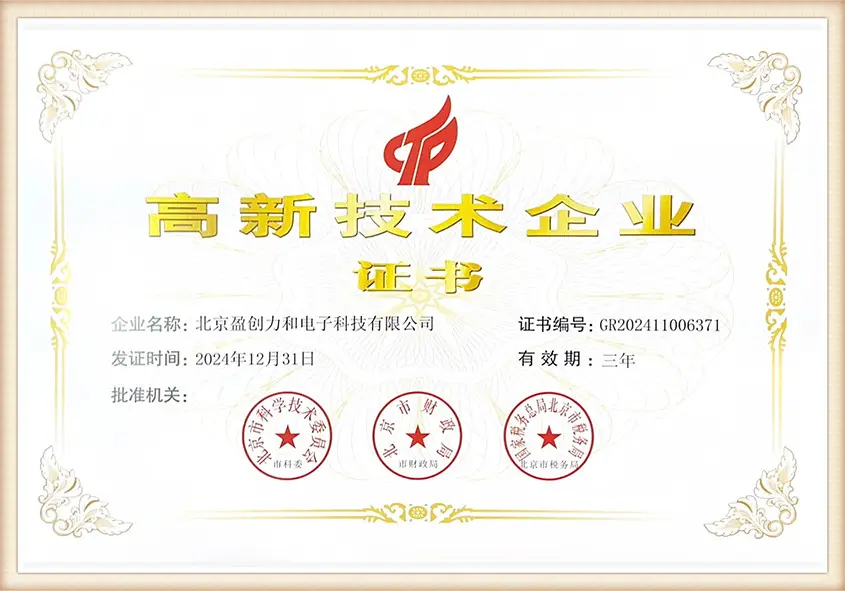
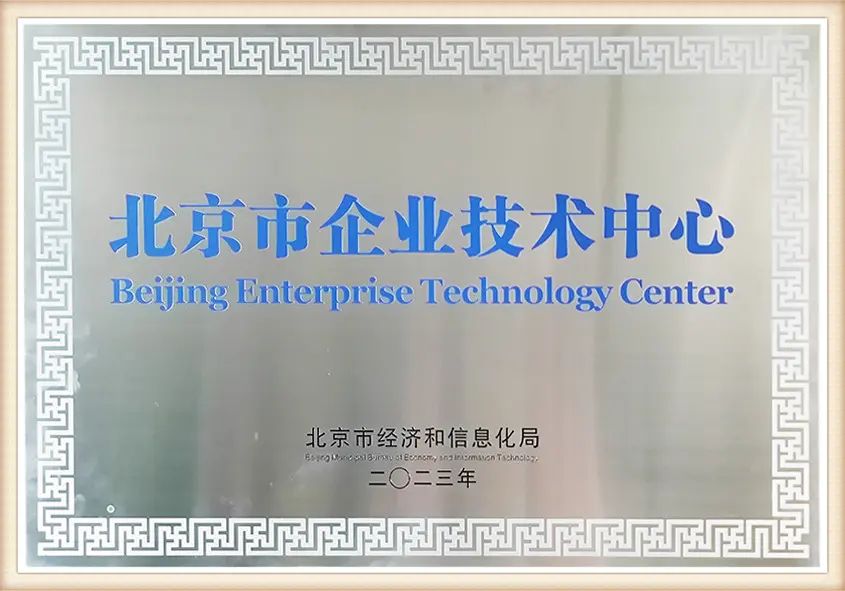
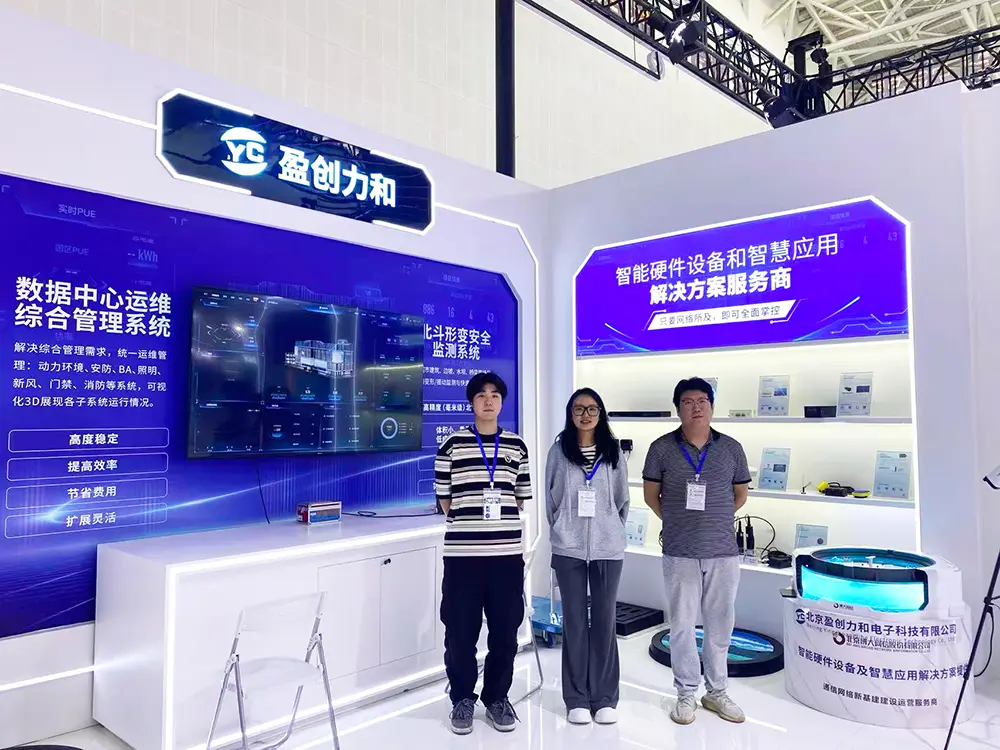
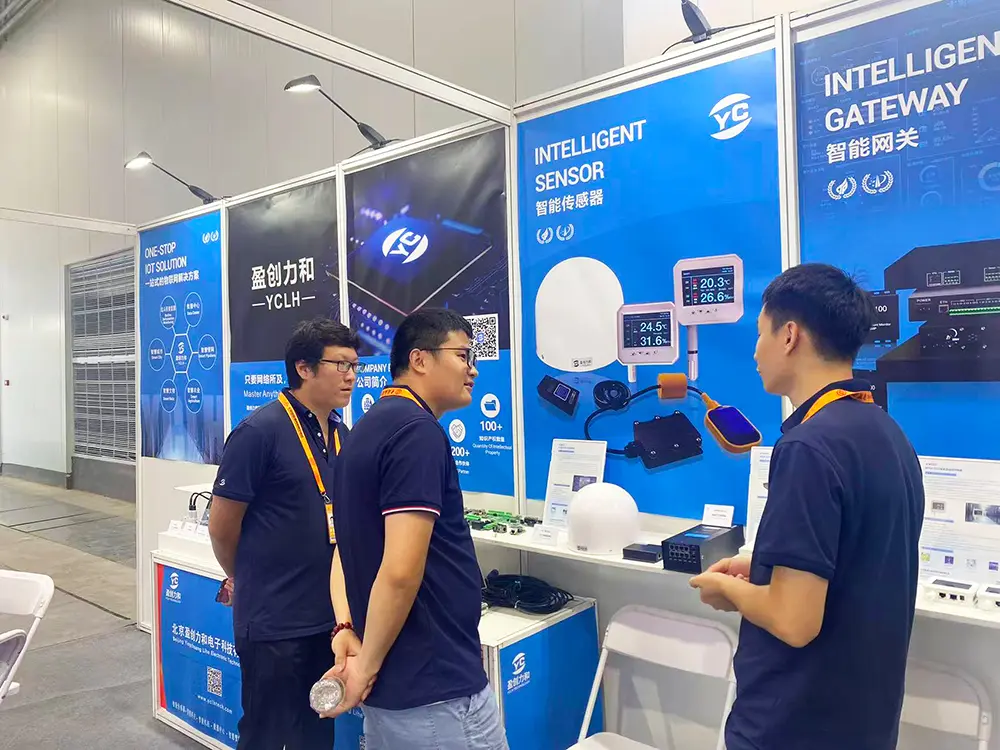
Understanding how Yingchuanglihe delivers tailor-made environmental telemetry for worldwide markets.
At Yingchuanglihe, we understand that every industrial environment features unique integration parameters. Some require specific IP67-rated enclosures to withstand harsh chemical spray, while others need low-profile aesthetic designs for high-end commercial spaces. Our team offers a complete OEM/ODM development process:
PCB Layout & Hardware Modification: We can modify PCB geometries, adjust the placement of terminal block connectors, integrate localized isolated power modules, and change transceiver components to match your system specs. Whether you need standard RS485 connections or hybrid Power over Ethernet interfaces, our production lines handle your specifications with precision.
Firmware & Register Customization: To simplify integration, our engineers can program custom Modbus address mappings, change pre-set baud rates, adjust polling frequencies, or configure proprietary ASCII/RTU protocol variants. This allows our wholesale clients to drop our sensors into legacy building automation platforms without rewrite of software drivers.
As telemetry networks grow, raw sensor output is being paired with intelligent data processing. Yingchuanglihe's technological roadmap highlights this direction:
Answers to complex networking, physics, and deployment questions encountered by telemetry and SCADA system engineers.
Browse our advanced air quality and specialty parameters series, offering versatile data loggers and multi-sensor configurations.
Flexible multi-channel data acquisition logging temperature, relative humidity, and air quality metrics seamlessly.
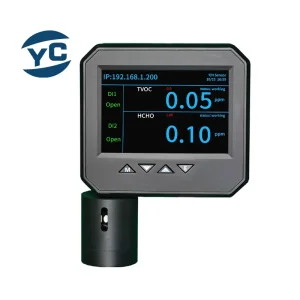
Designed for modern green buildings. Tracks total organic compounds and HCHO with high resolution.
Customizable PoE wall-mount sensor featuring precise readings, built-in Modbus TCP support, and CE certification.
Industrial-grade CO tracking with rapid response electrochemical cells, perfect for indoor air and warehouse safety.
Direct factory supply environmental logger combining temperature, relative humidity, IAQ, and CO in a single enclosure.
Trusted solution for continuous monitoring of chemical vapors, ensuring indoor wellness and green building compliance.
Our dual-connection gateway environmental sensor. Automatically fails over to Wi-Fi if the physical LAN drops.
Custom factory-direct barometric monitoring solution. Features high repeatability for industrial cleanrooms.
 YCLH Sensor