Explore our core selection of Ethernet environmental monitoring transmitters, engineered with high-precision Swiss-imported sensors and robust PoE/WiFi configurations.
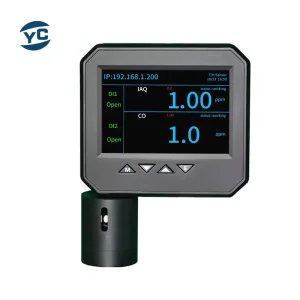
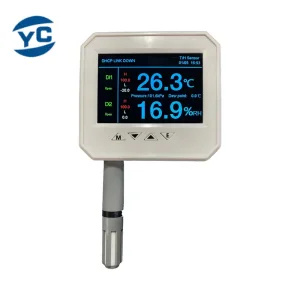
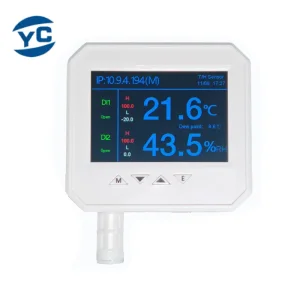
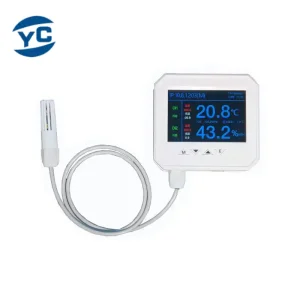
Beijing Yingchuanglihe Electronic Technology Co., Ltd. is a high-tech pioneer integrating advanced R&D, automated production, and global commercialization of environmental monitoring sensors. Over nearly two decades, we have partnered with market leaders in automation, smart infrastructure, and cold chain warehousing to deliver uncompromised data integrity.
Our state-of-the-art facility in Beijing spans over 1,500 square meters, housing five high-throughput automated assembly lines. By sourcing high-precision semiconductor chips directly from Switzerland and Germany, we deliver sensors offering unparalleled long-term calibration stability and resistance to drift—critical parameters for food processing, high-density grain storage, and pharmaceutical cold storage facilities.
Understanding the strict transition from reactive temperature logs to predictive, multi-parameter environmental telemetry.
Historically, food storage facility monitoring was limited to bimetallic strip thermometers and periodic manual logging. These retrospective records were prone to human error and provided no warning mechanisms for micro-climate fluctuations, which could lead to bacterial contamination, accelerated decay, and costly losses.
Modern food safety guidelines, such as the US FDA Food Safety Modernization Act (FSMA) and European HACCP (Hazard Analysis Critical Control Point) systems, demand continuous, immutable, and real-time environmental logs. High-density storage operations now monitor complex parameters, including atmospheric pressure, dew point, and volatile organic compound (VOC) outgassing. The prevention of mold and moisture accumulation requires keeping temperature and relative humidity within strict limits, preventing dew point condensation.
Enterprises and procurement directors looking for wholesale food storage facility monitoring systems prioritize three primary engineering requirements:
Designed and built in Beijing, Yingchuanglihe instruments are engineered for demanding logistics environments.
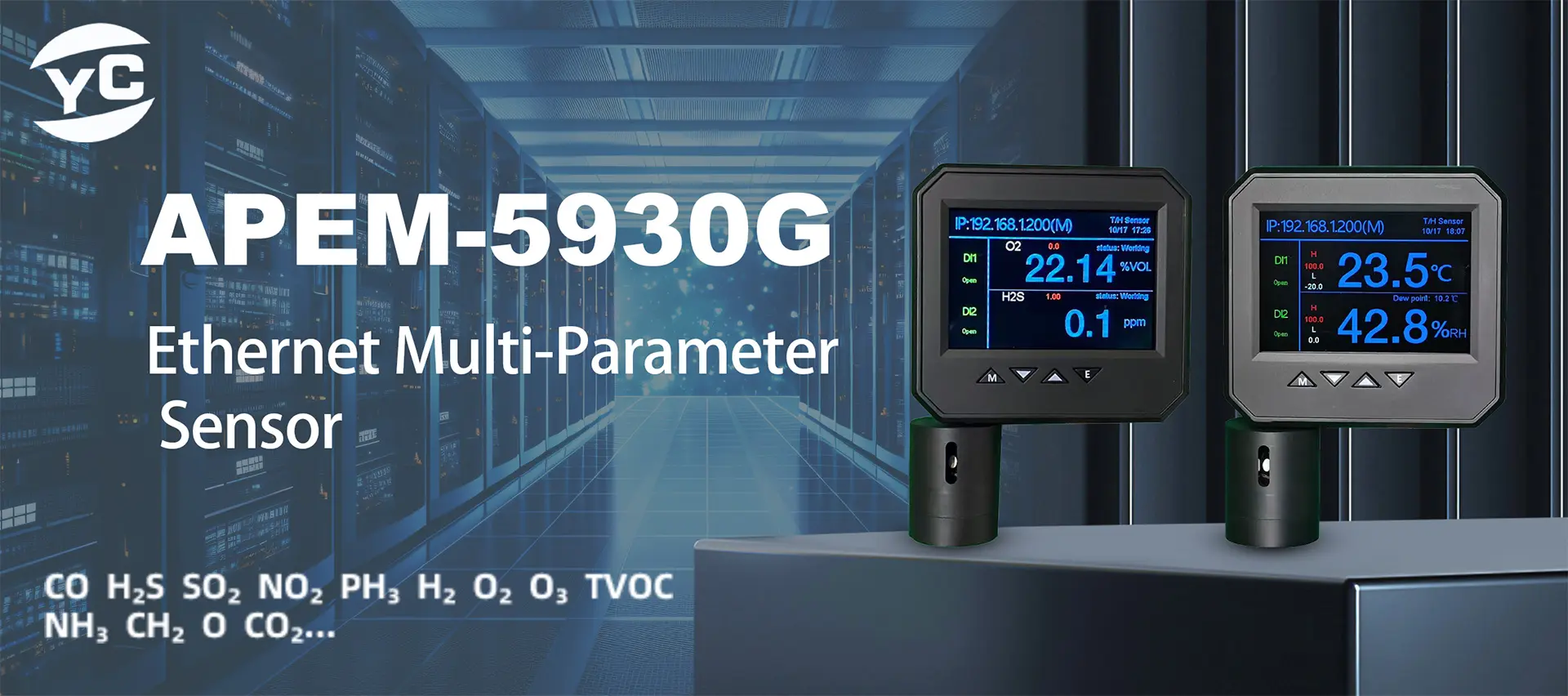
Standardized architectures across logistics, automated warehousing, laboratories, and high-precision storage sites.
Monitoring cold storage warehouses and transport trucks in real-time. High-precision probes track temperature and humidity cycles, preventing mold growth and inventory loss.
Deployed in critical computer rooms and servers, monitoring ambient environments to prevent thermal runaway. Deployed in Baidu's Yangquan Data Center to ensure reliability.
Accurate monitoring of air pressure differentials, dew point, and VOC concentrations. Vital for preserving chemical samples, bio-specimens, and electronic assembly lines.
Joint pipeline monitoring developments with Beijing Enterprises Water Group ensure IP68 durability and protection against water ingress in deep underground facilities.
Strict ambient control of long-term storage, high-value document vaults, and ammunition storage facilities, requiring high-stability multi-parameter data logging.
Utilizing LoRaWAN long-range configurations to monitor bulk food storages, silos, and mills, preventing grain rot and monitoring potential flammable dust conditions.




A history of engineering developments and milestone collaborations with global technological leaders.
The company was founded and developed an intelligent environmental monitoring terminal based on the TCP/IP network protocol. In the same year, the initial version of environmental monitoring software was developed.
In collaboration with Mocha Software, a leading domestic network management software company, a series of SNMP protocol-supported environmental monitoring products, TH-5939, were launched.
In partnership with Switzerland's COMLAB, the TH-5869 protective Ethernet environmental monitoring device was introduced, successfully applied in high-speed rail projects such as the Beijing-Kowloon Line, Beijing-Shanghai Line, and Wuhan-Guangzhou Line.
Cooperating with Founder Technology, the APEM-6100 Ethernet environmental monitoring device was launched. This product was among the early environmental monitoring devices to adopt Power over Ethernet (PoE) technology.
Collaboration with Taiwan's Foxconn, combined with the influence of clients in the industry, established the company's products as one of the industry standards for environmental monitoring in production workshops.
In partnership with Baidu, the next-generation APEM-5900 Ethernet intelligent environmental monitoring terminal was launched, successfully deployed at Baidu's Yangquan Data Center. The environmental monitoring software was also upgraded that year to support a multi-parameter environmental monitoring system, further expanding its functional range.
A smart solutions system was introduced, adopting and implementing multi-scenario project cases. The monitoring system expanded horizontally, starting with smart data centers. An integrated outdoor cabinet monitoring system was launched, successfully applied in projects such as Huawei and China Merchants Huaruan ETC expressway initiatives.
Deep involvement in the research, design, and development of Beijing's high-level autonomous driving road test integrated boxes and edge computing gateways. Deployed key infrastructure projects during the construction of smart computing center networks.
Established joint business divisions with Beijing Enterprises Water Group and co-founded a Beidou business division with Beijing University of Civil Engineering and Architecture. Achieved technological breakthroughs in smart pipeline network monitoring and Beidou high-precision deformation monitoring.
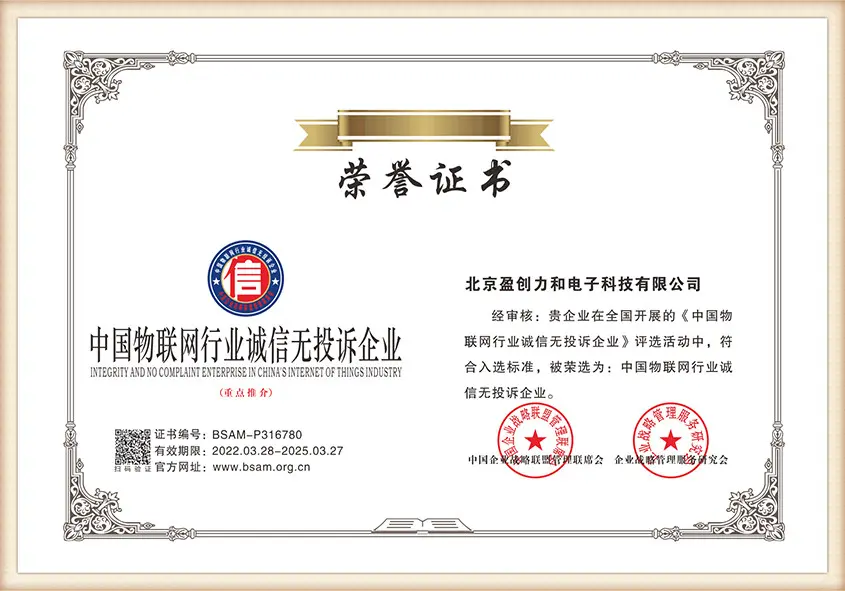
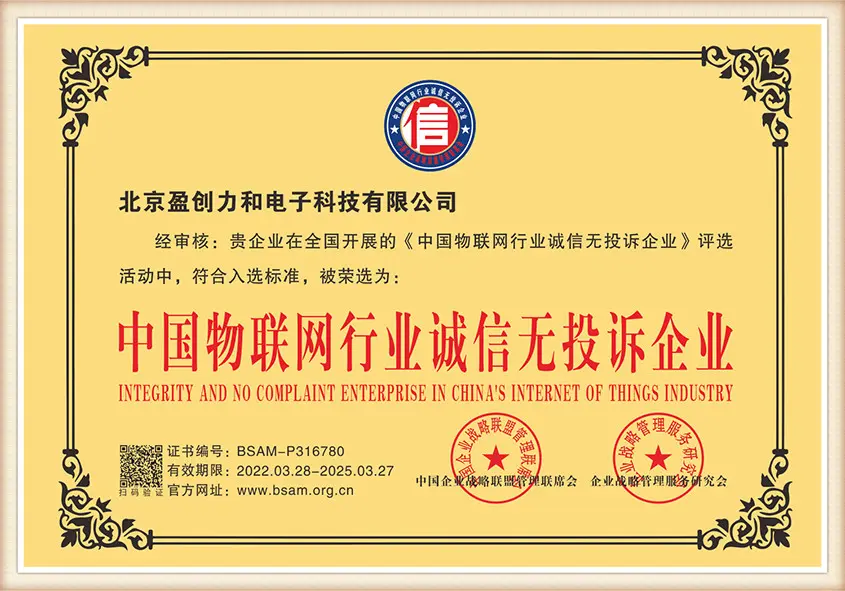
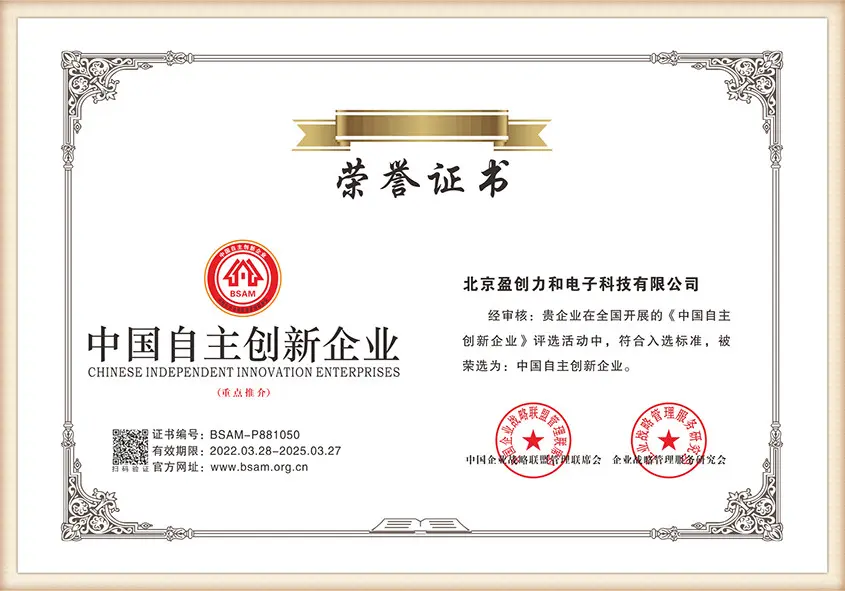
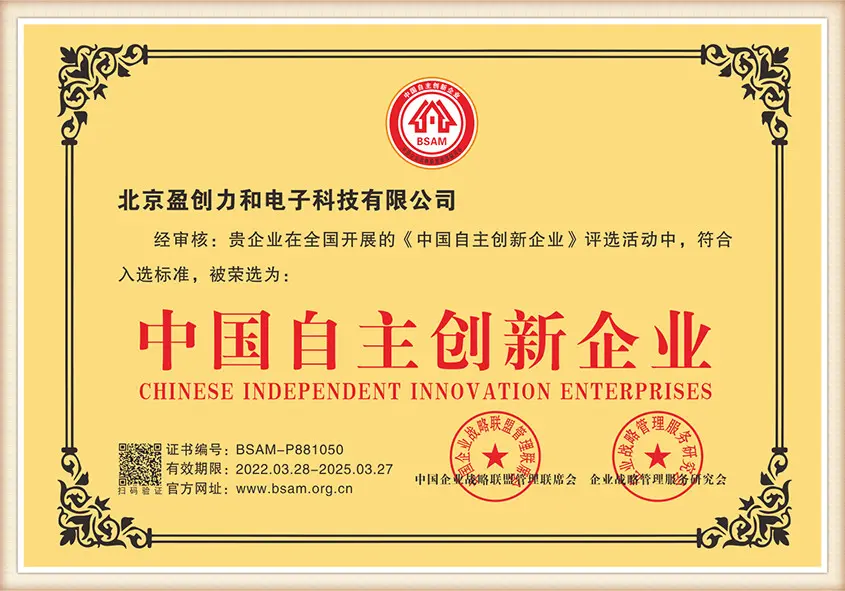
Our certifications, factory standards, and participation in international industrial exhibitions.
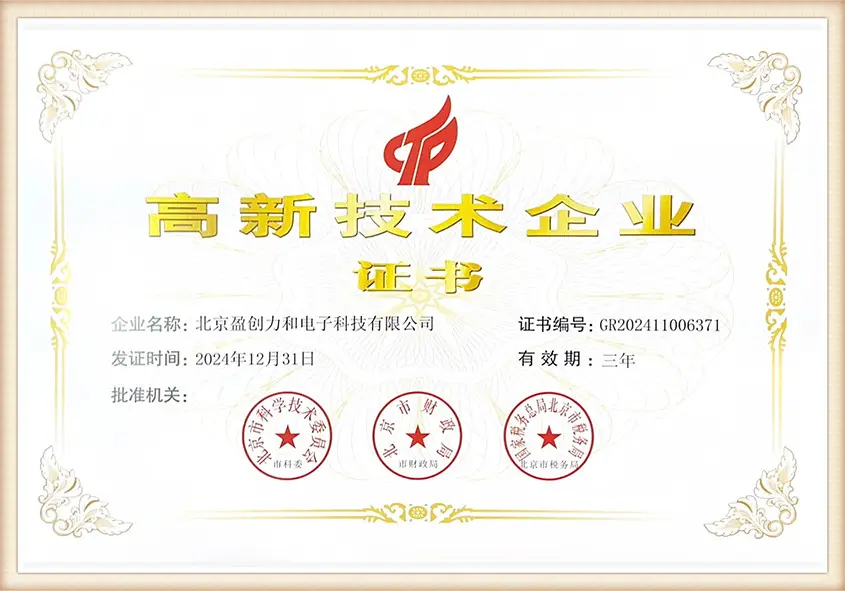
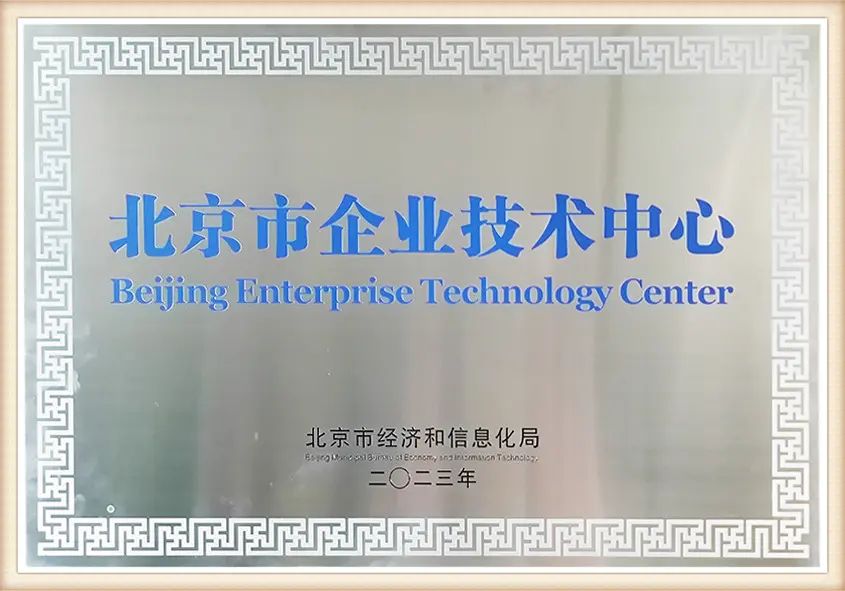
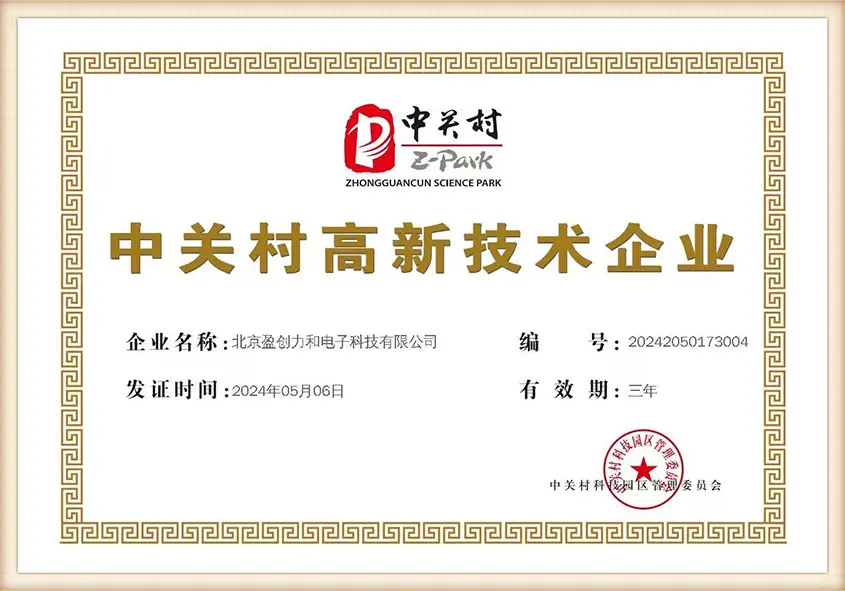
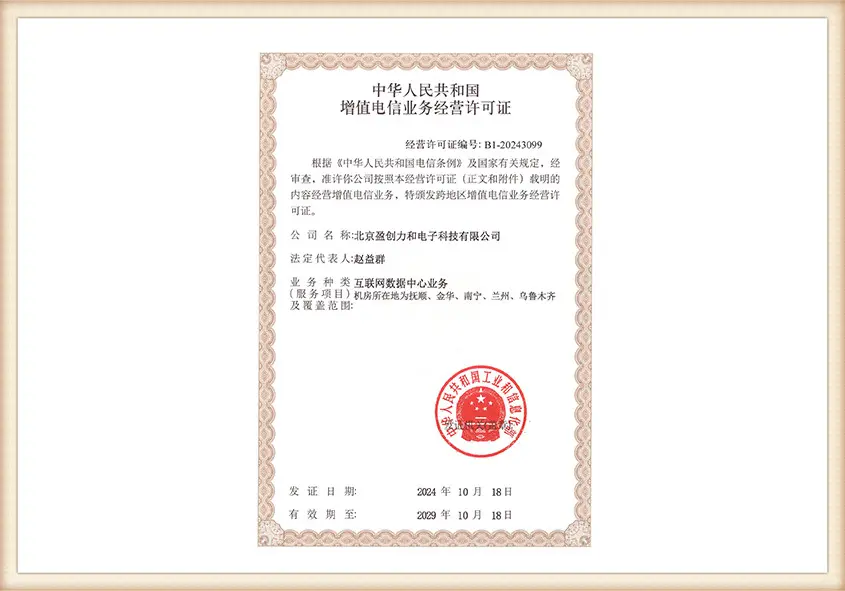
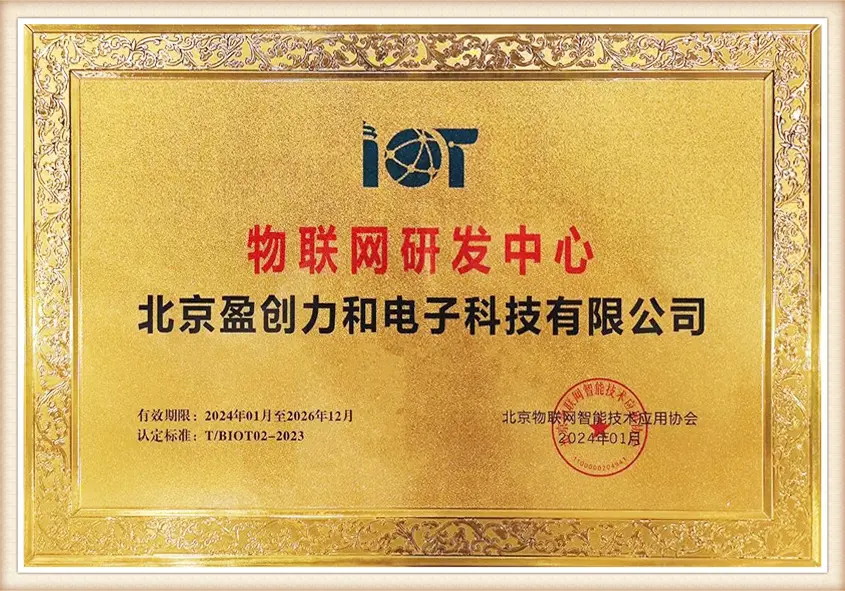
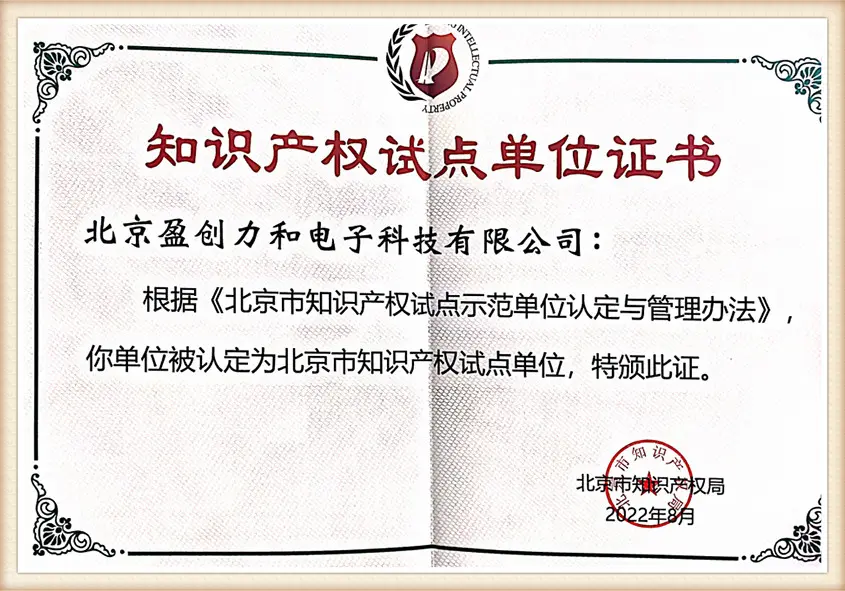
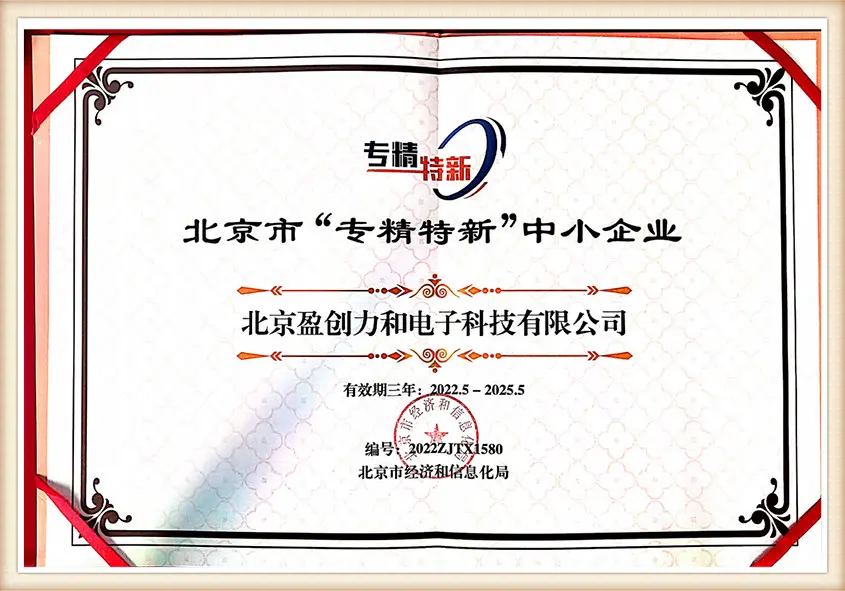
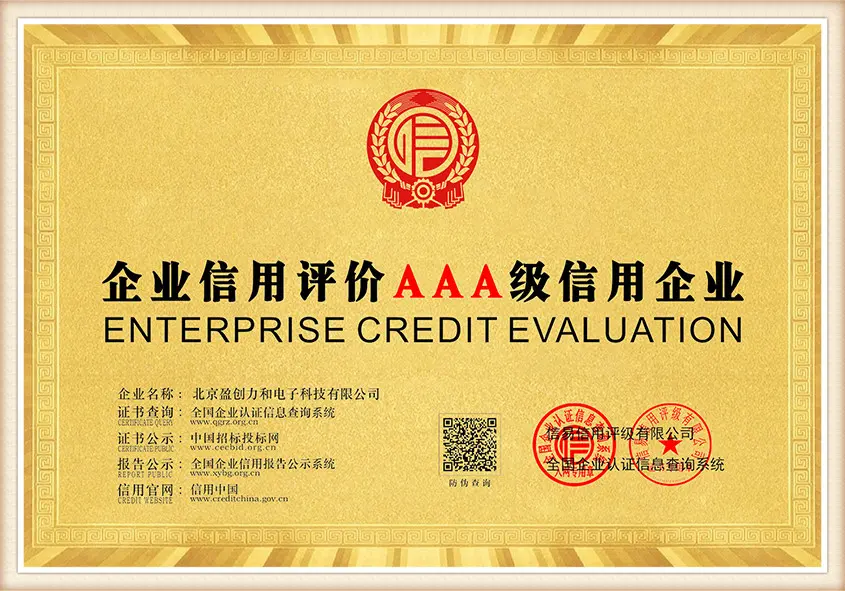
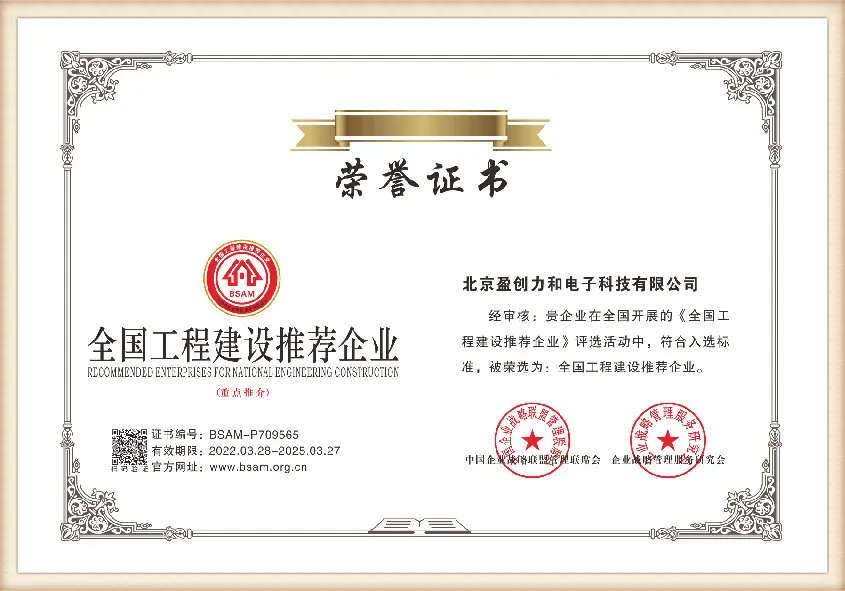
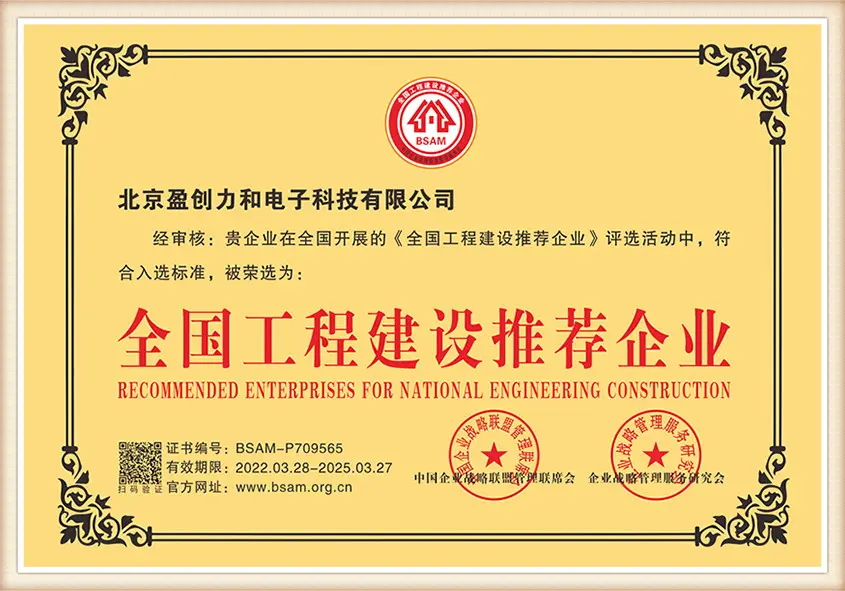
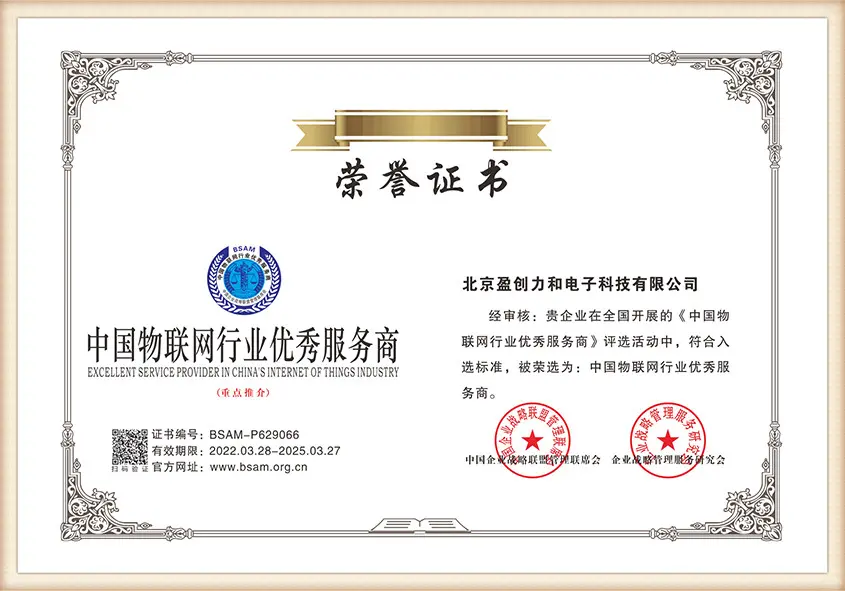
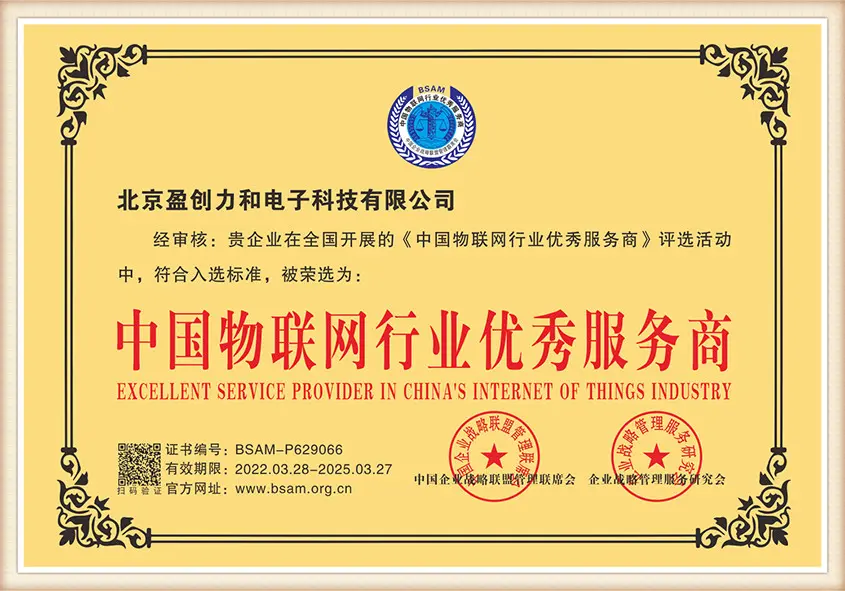
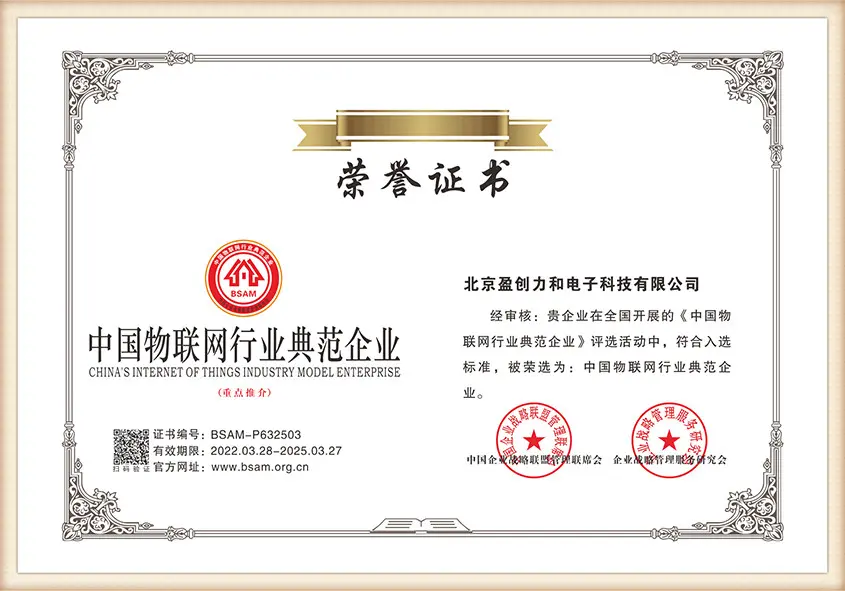
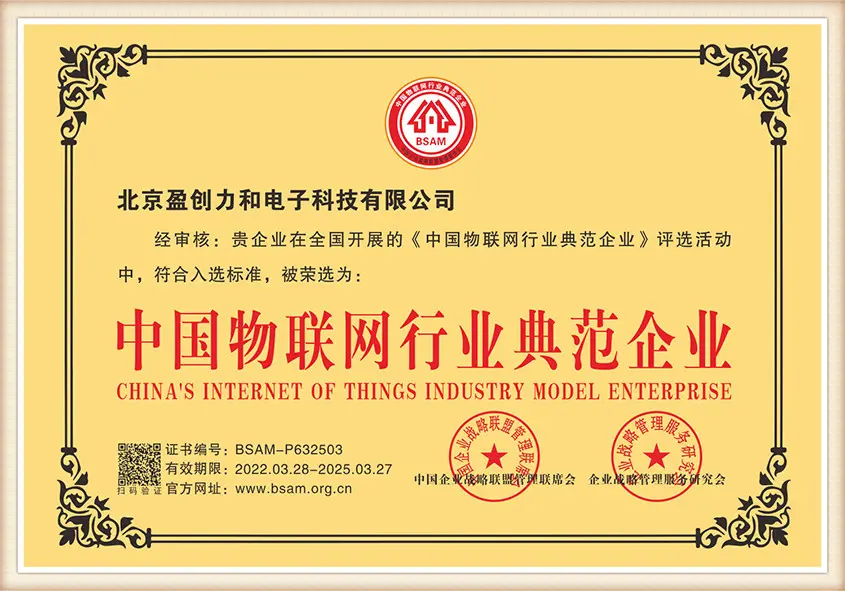
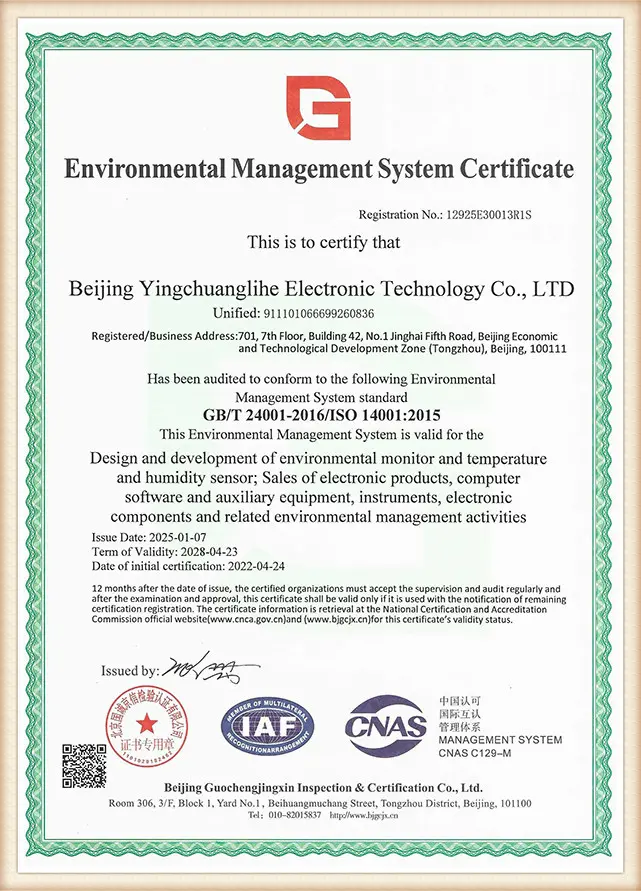
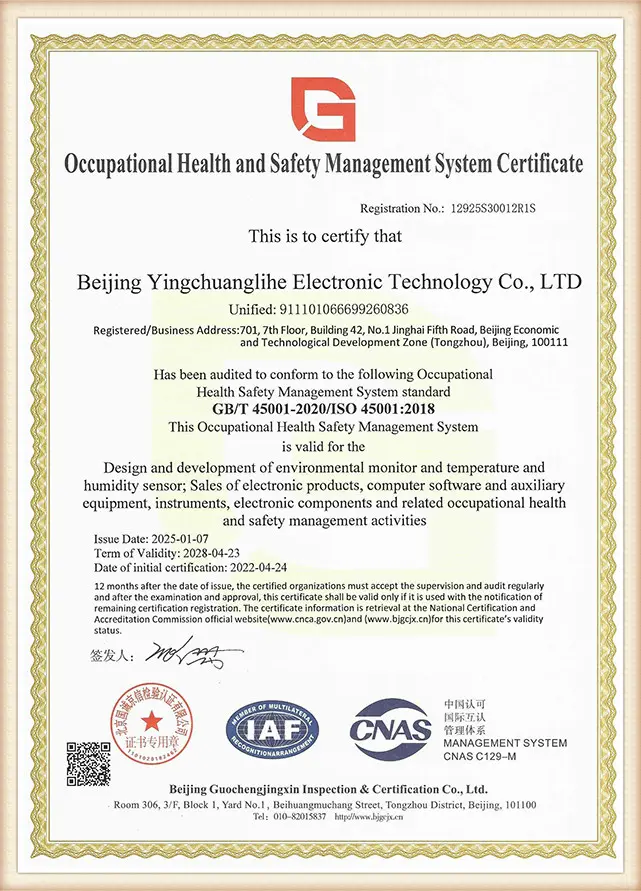
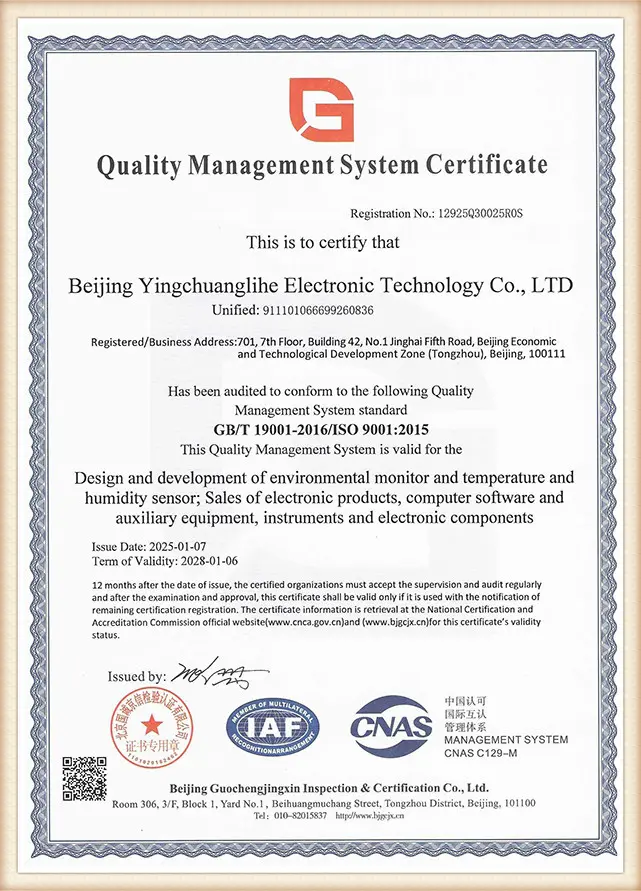
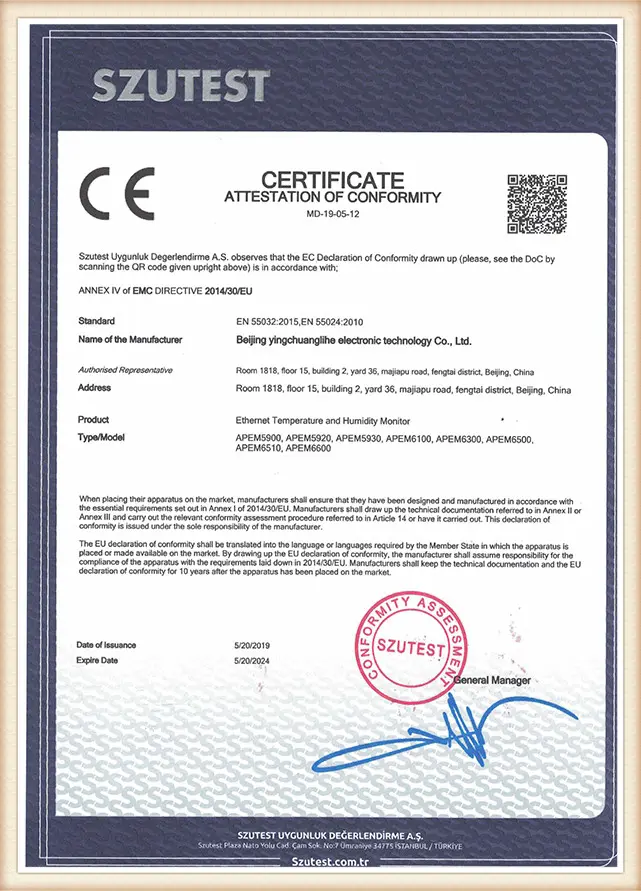
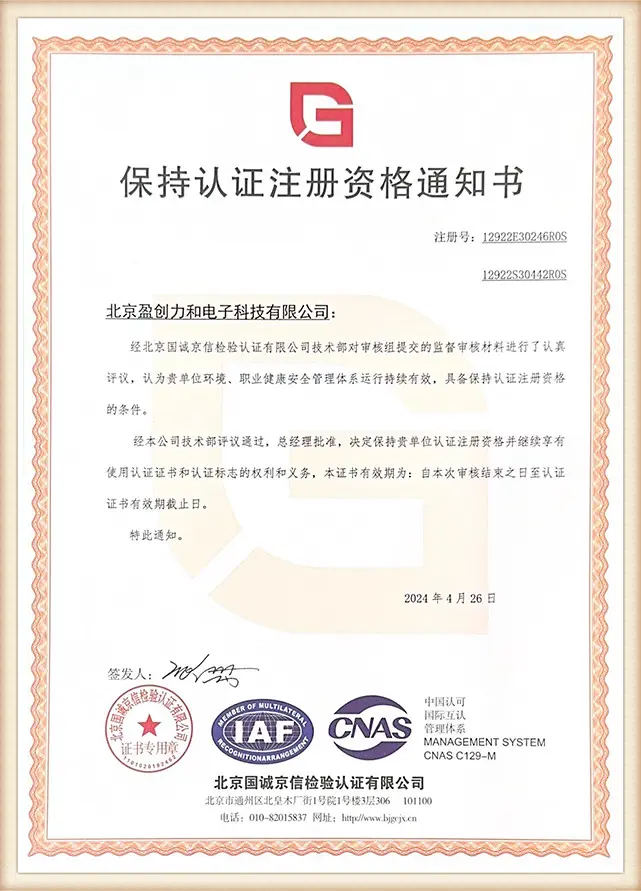
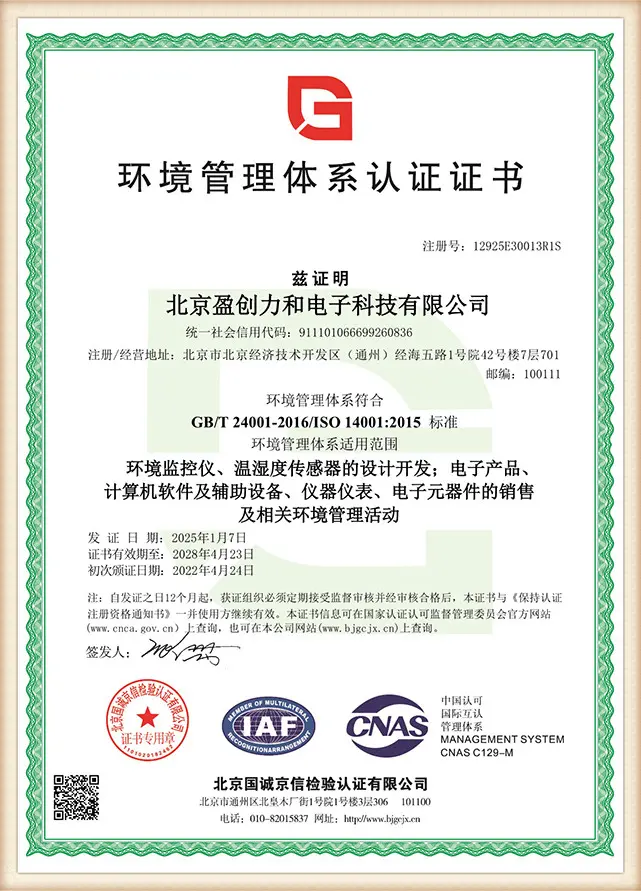
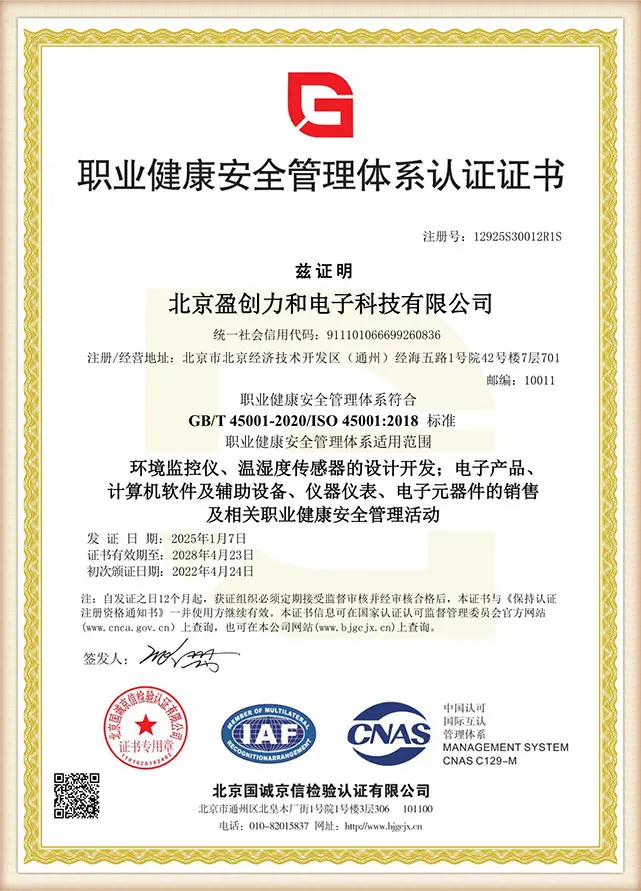
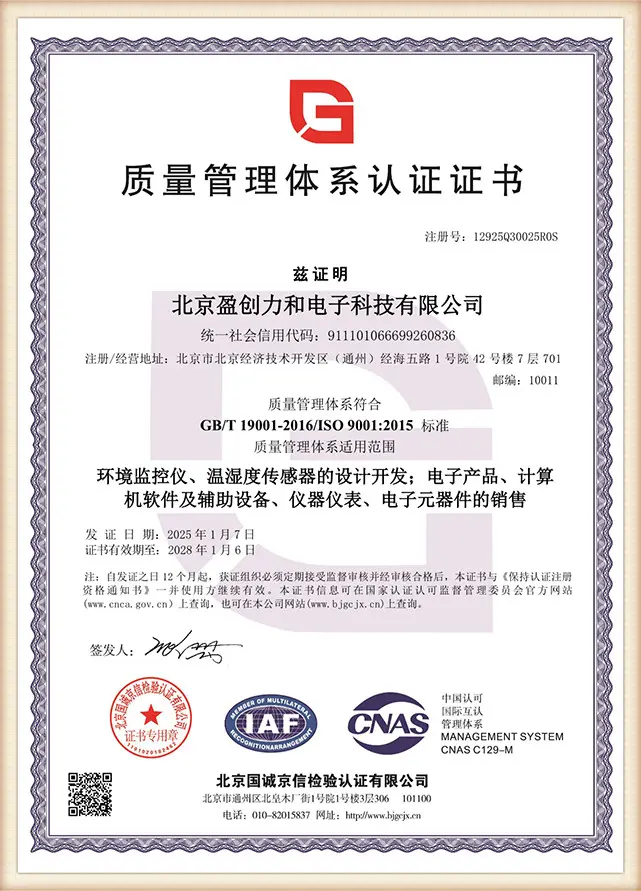
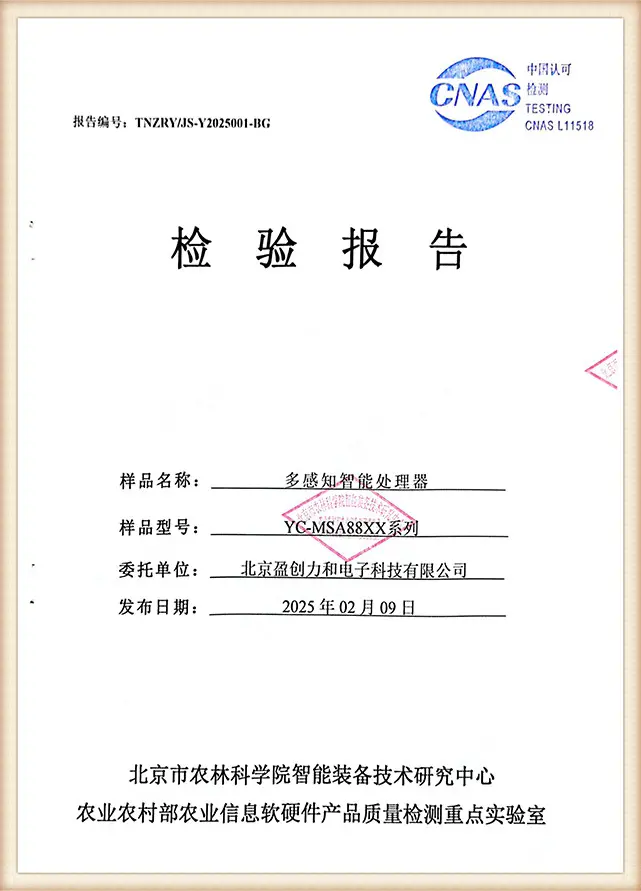
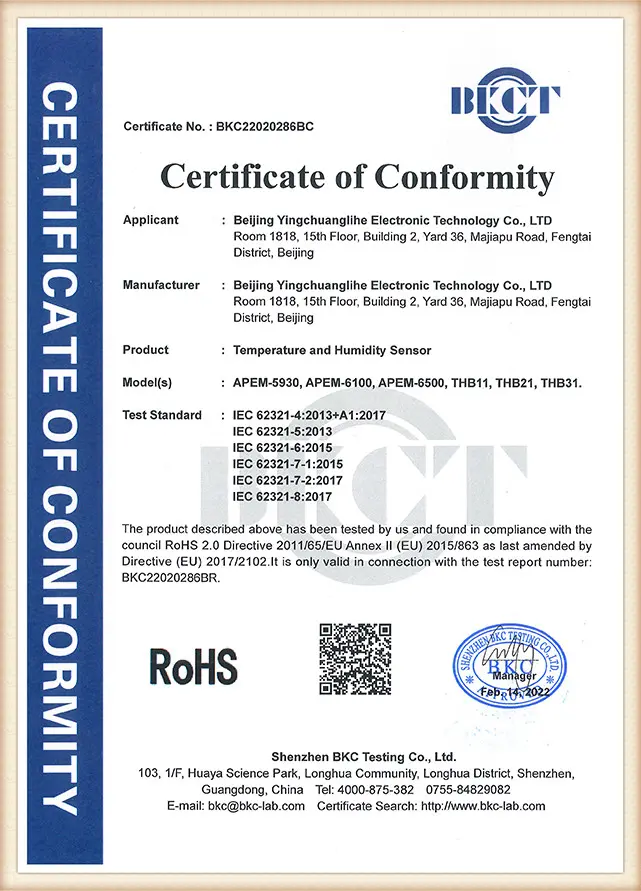
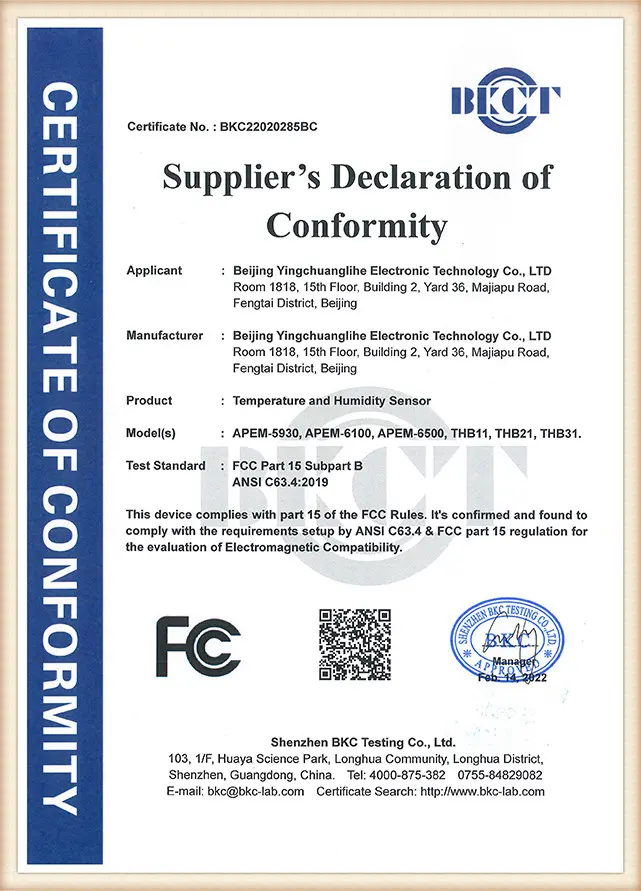
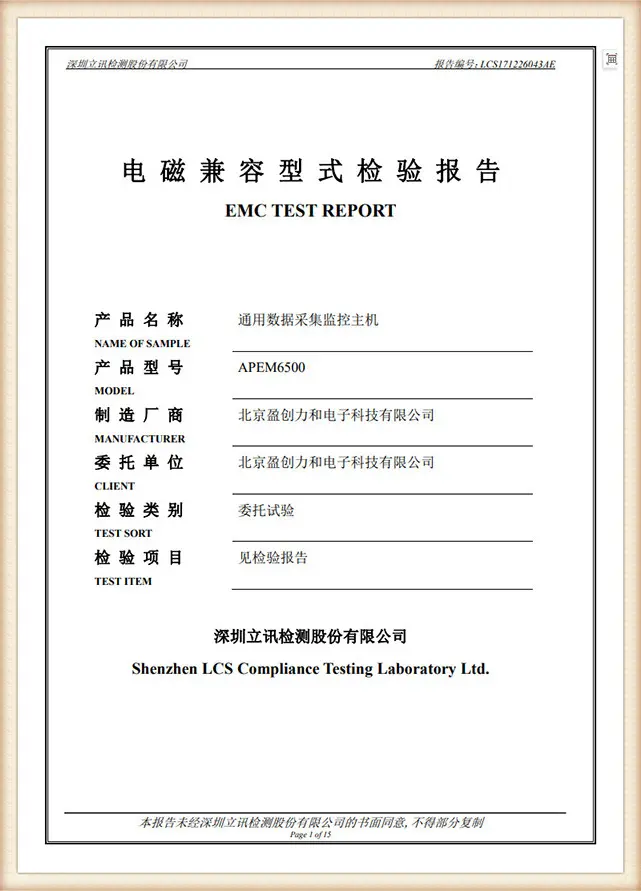
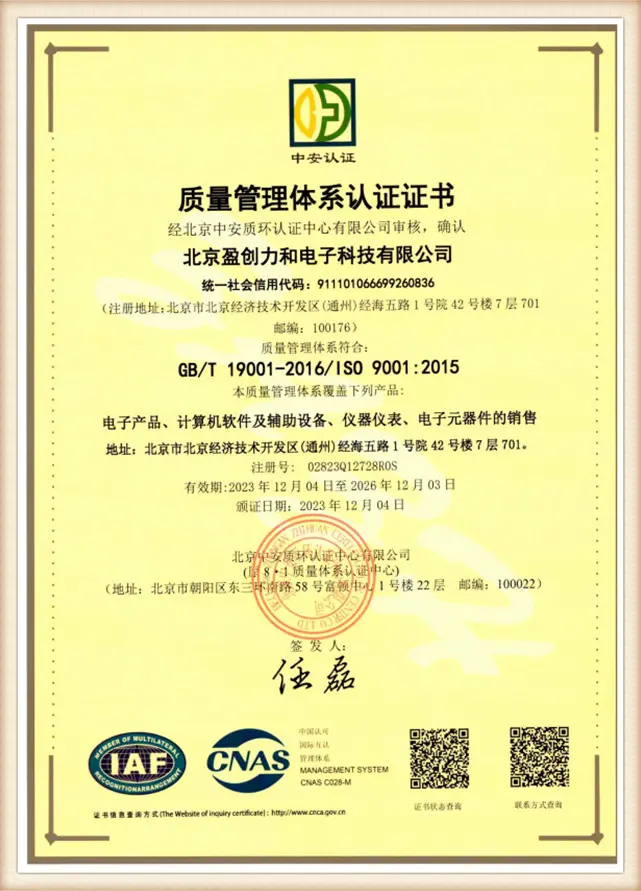
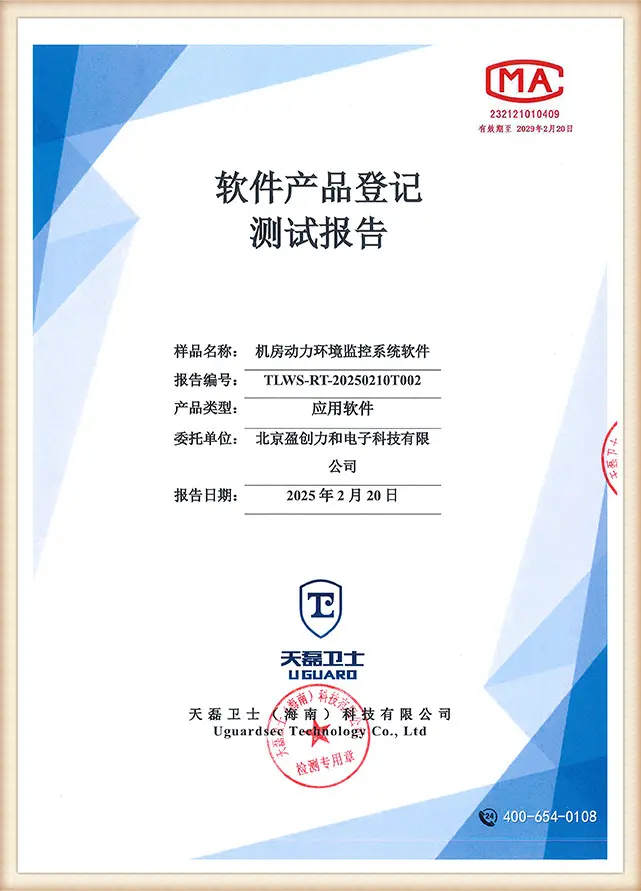
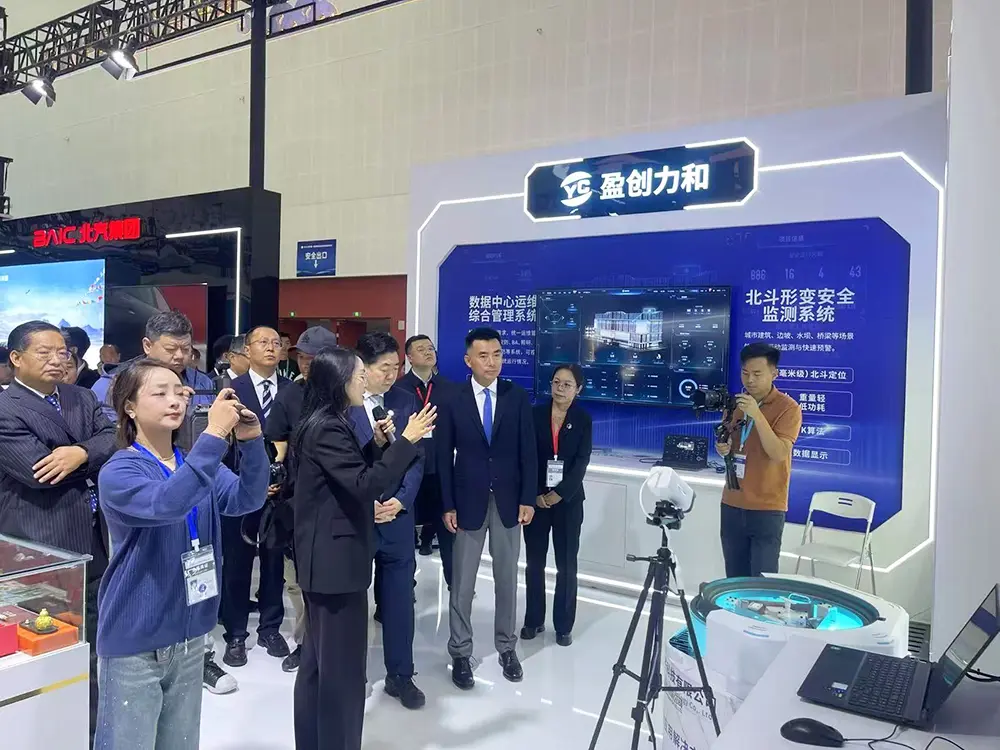
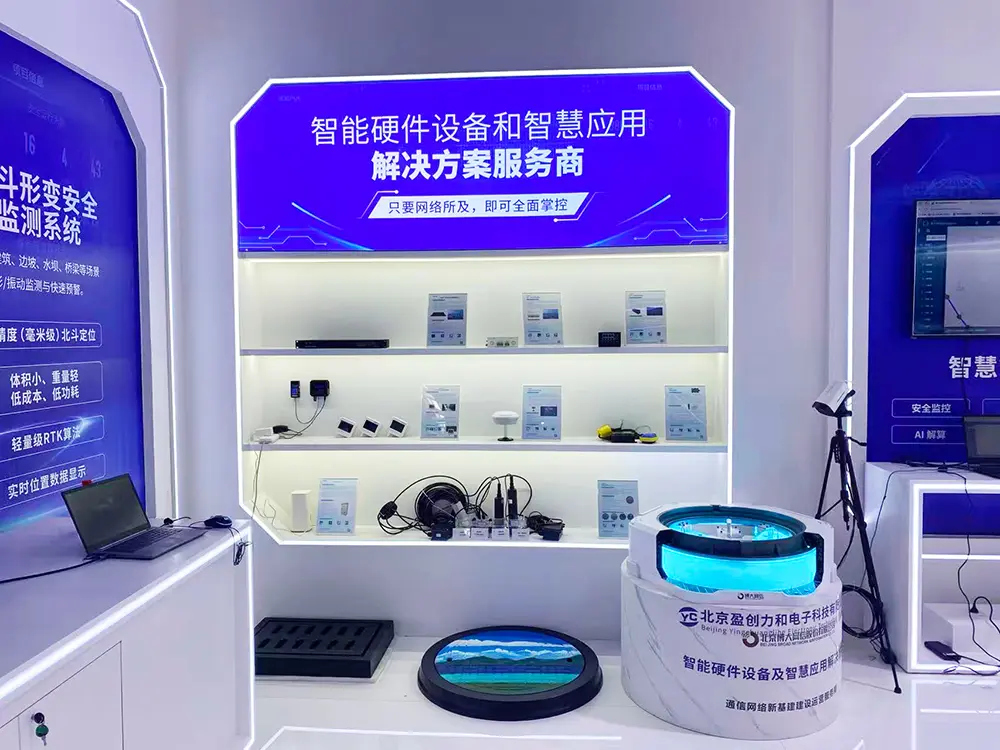
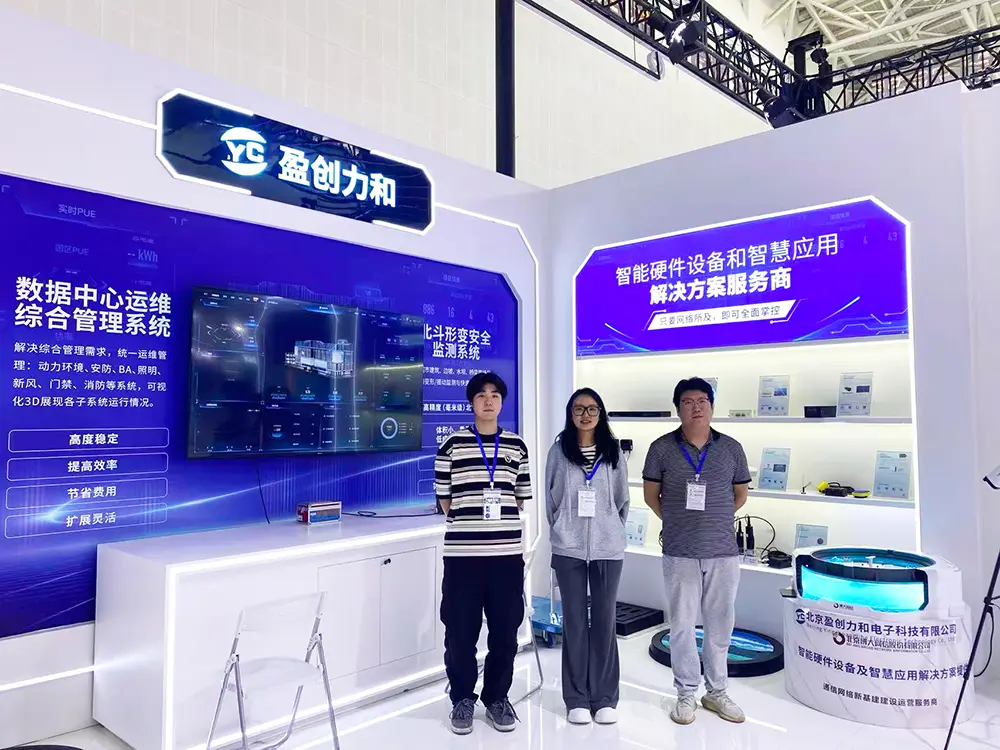
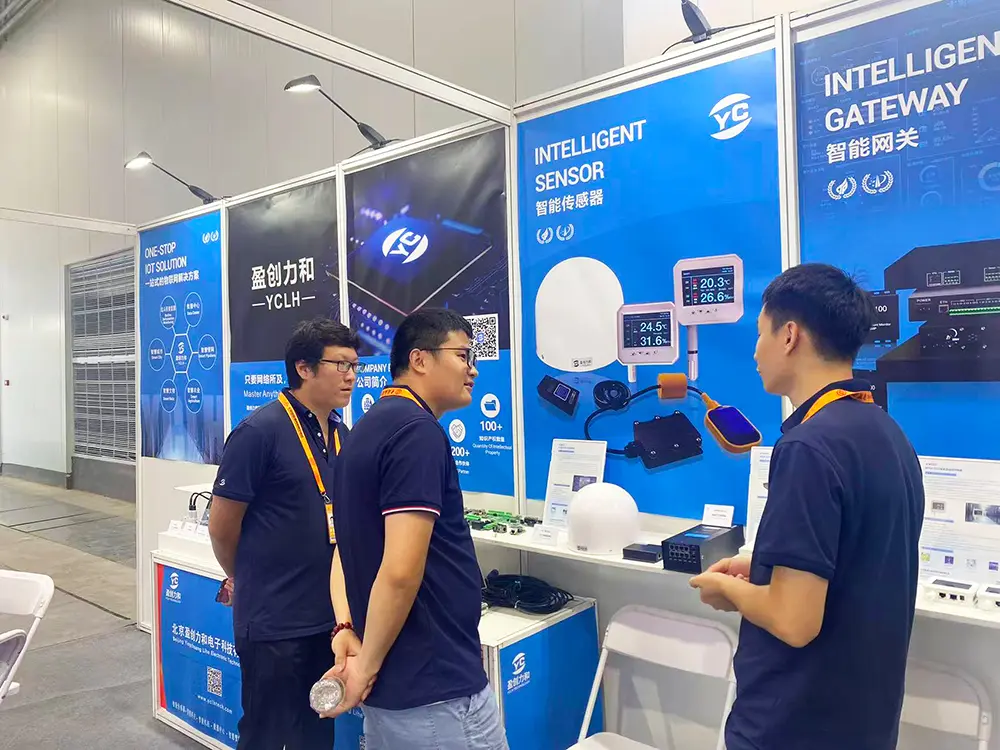
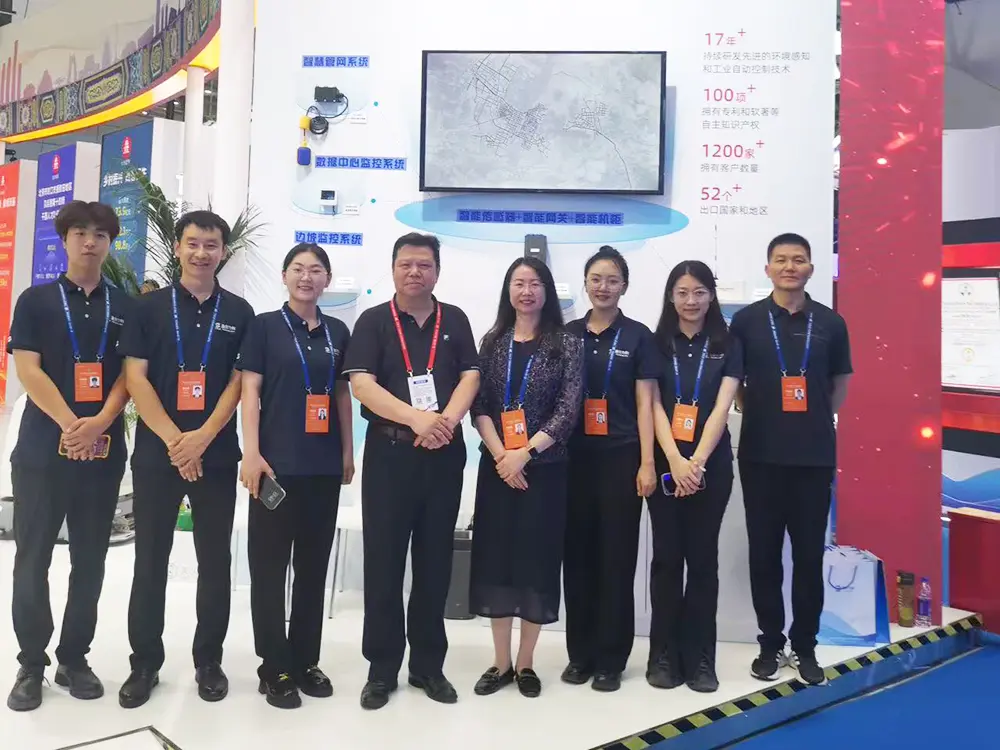
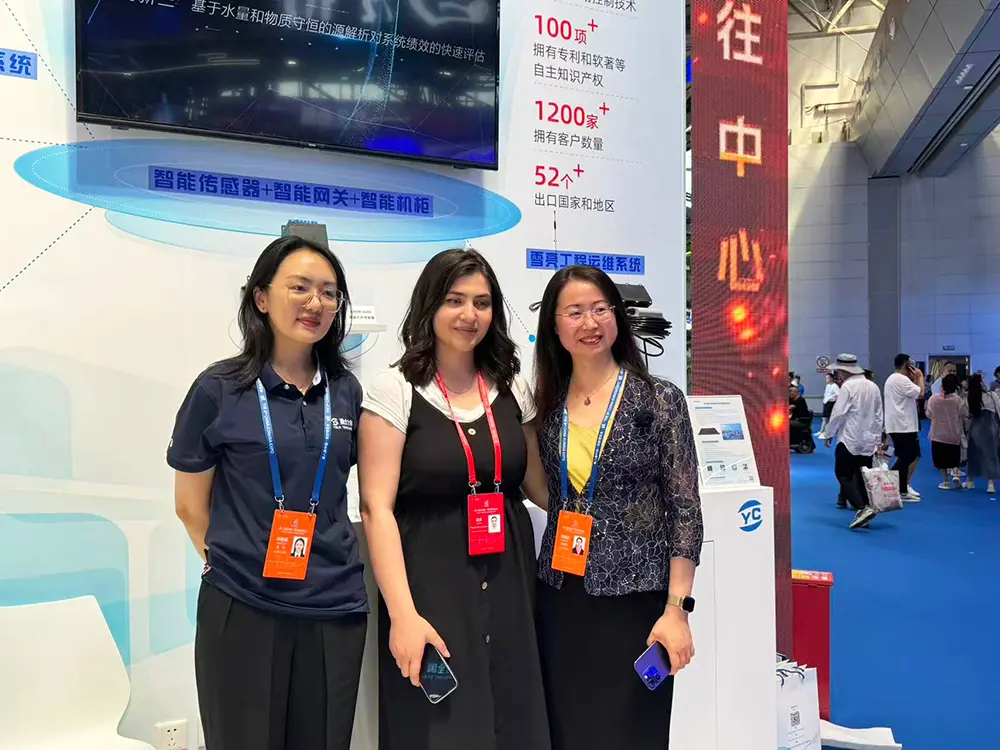
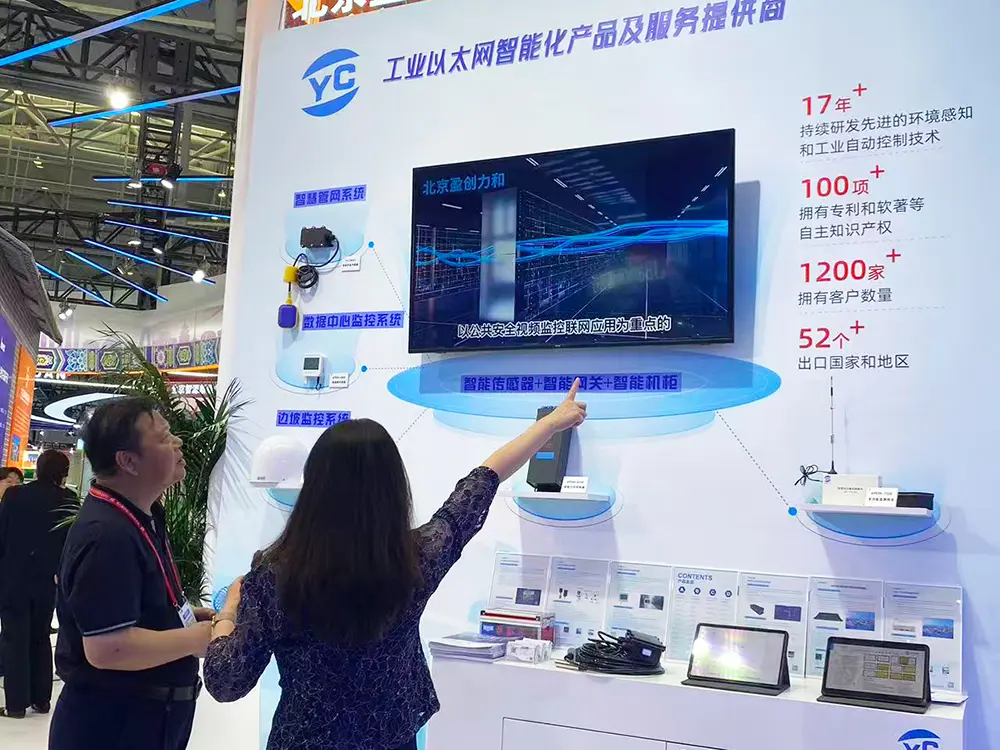
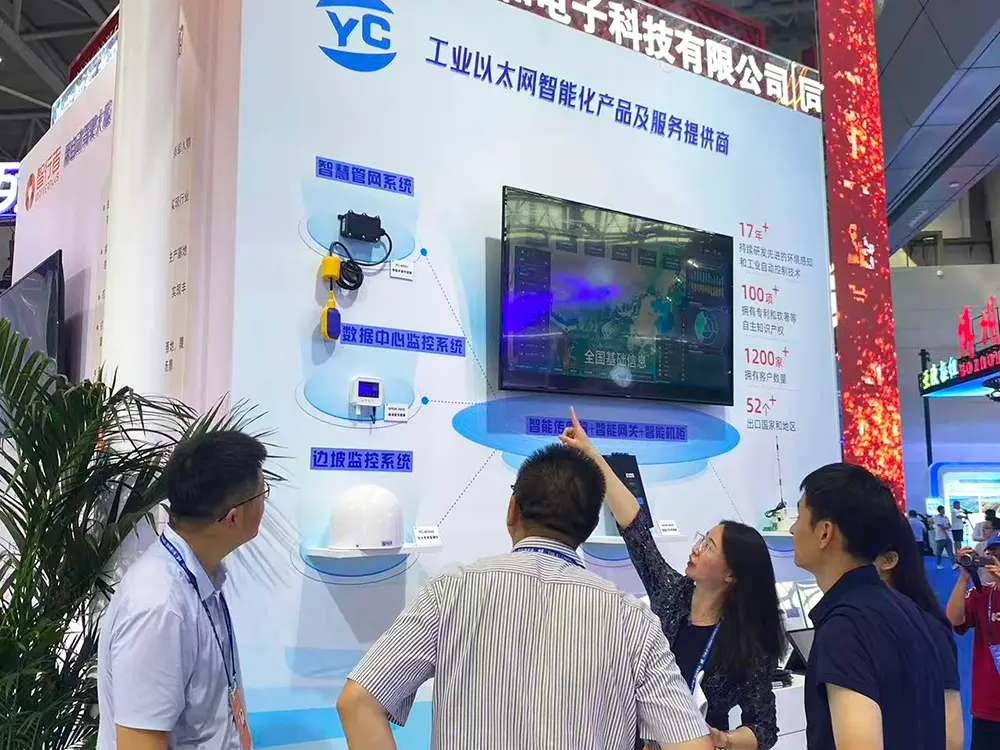
Strategic technology developments focused on edge computing, multi-gas analysis, and spatial data integration.
The next generation of environmental sensors will go beyond recording past values. We are integrating predictive micro-processors directly into the sensor boards. By monitoring temperature trends and humidity ratios, the device can estimate local dew point thresholds and alert building managers before moisture forms on food products.
Following our collaborative work with the Beijing University of Civil Engineering and Architecture, we are implementing Beidou satellite-assisted telemetry and precise positioning systems into our transit loggers. In large-scale grain silos and bulk logistics warehouses, integrating TVOC, Oxygen (O2), and Hydrogen Sulfide (H2S) telemetry helps identify early signs of decomposition before temperature spikes occur, ensuring crop safety.
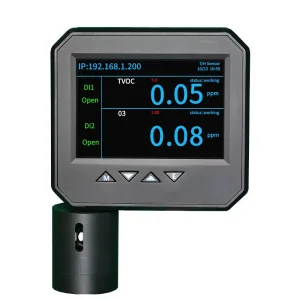
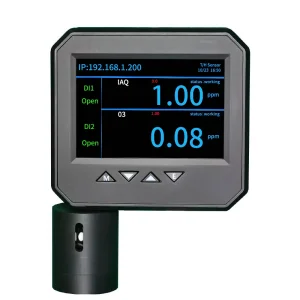
To address the diverse layouts of modern automated warehouses, our engineering team has expanded support for customized split-probe configurations (like the APEM-5930E). Probes can be extended via heavy-duty industrial cables up to 3 meters, allowing the core digital transmitter to remain in accessible areas while the probe is positioned inside extreme temperature zones.
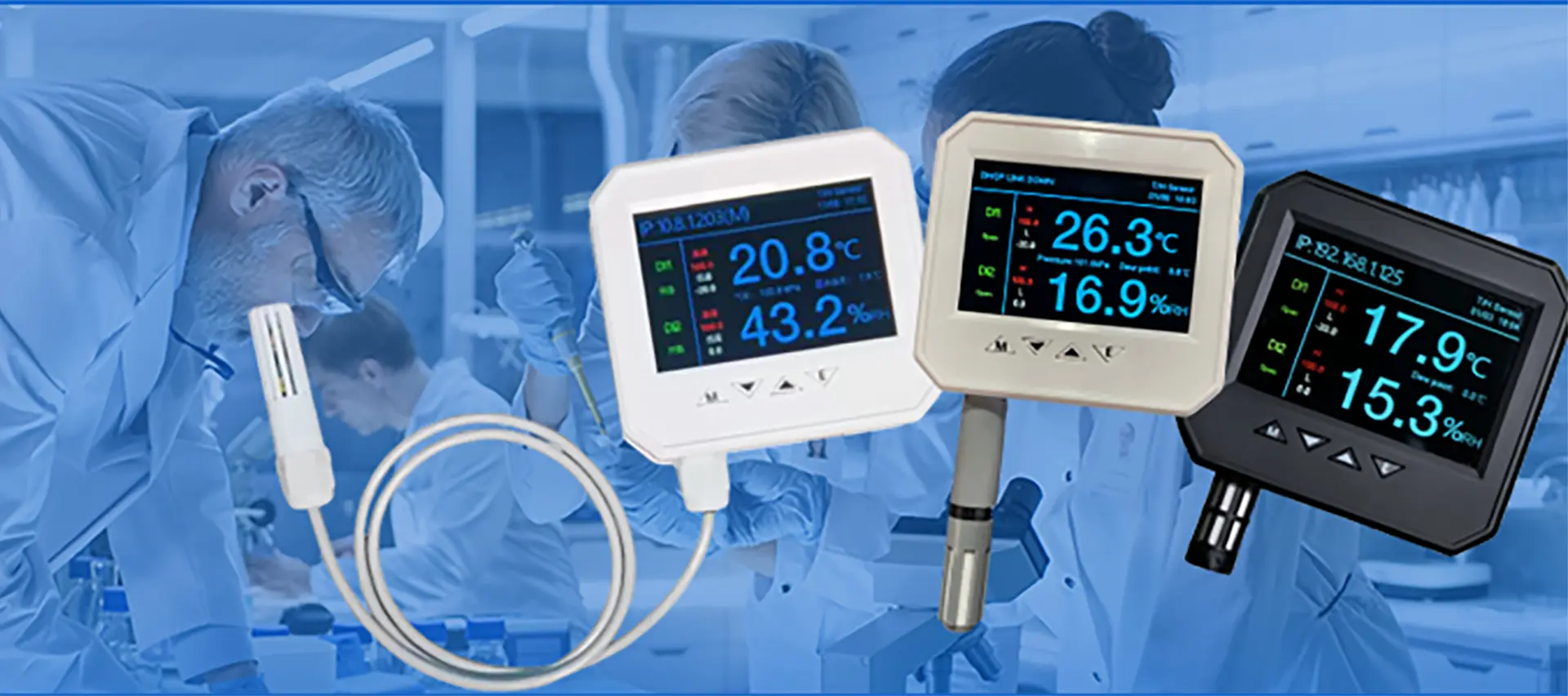
High-precision sensors deployed globally in cold warehouses, servers, and production facilities.
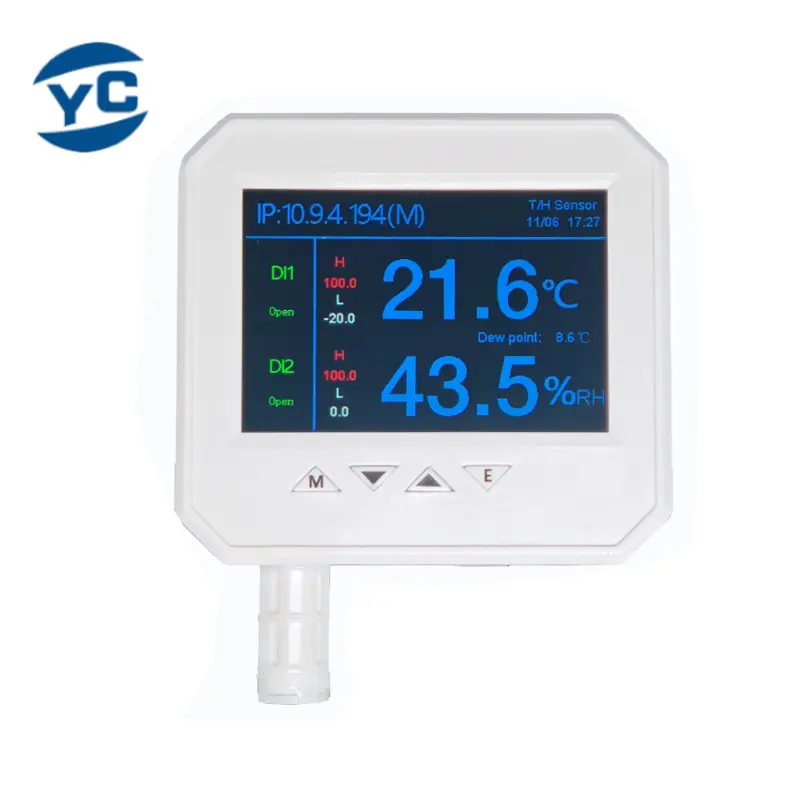

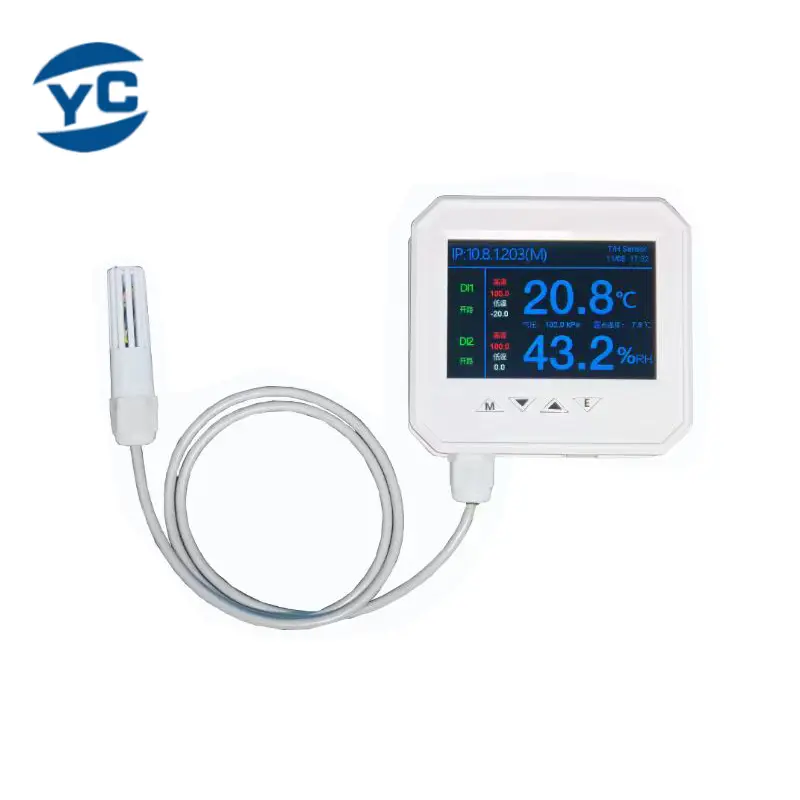
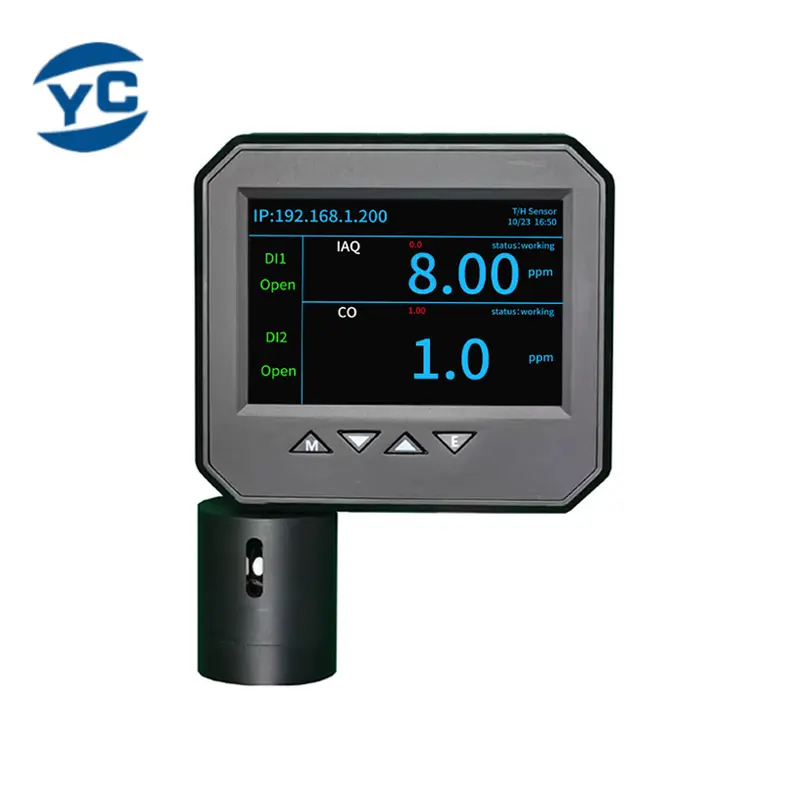
Detailed product options with custom configuration links and sensor parameters.
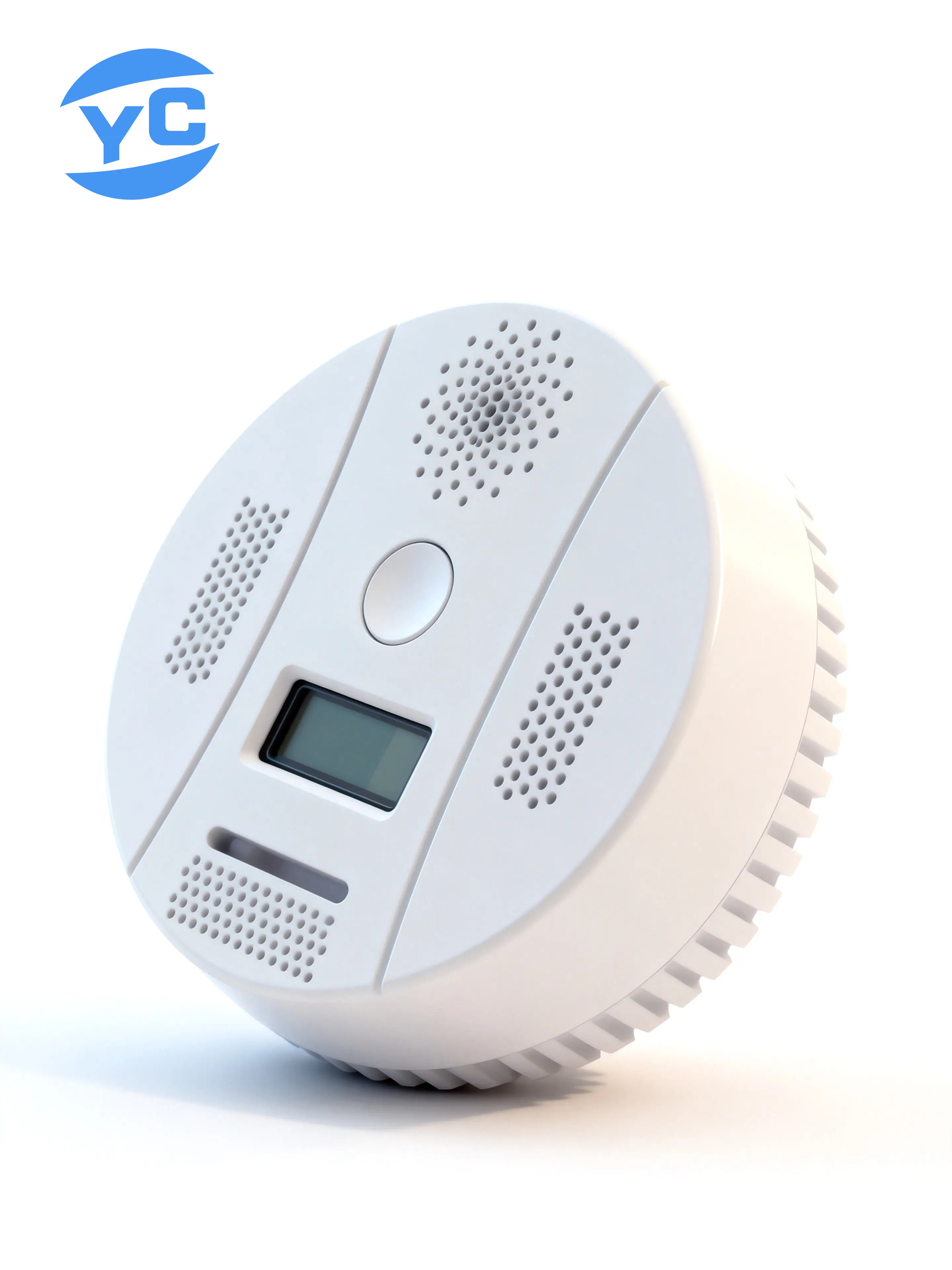
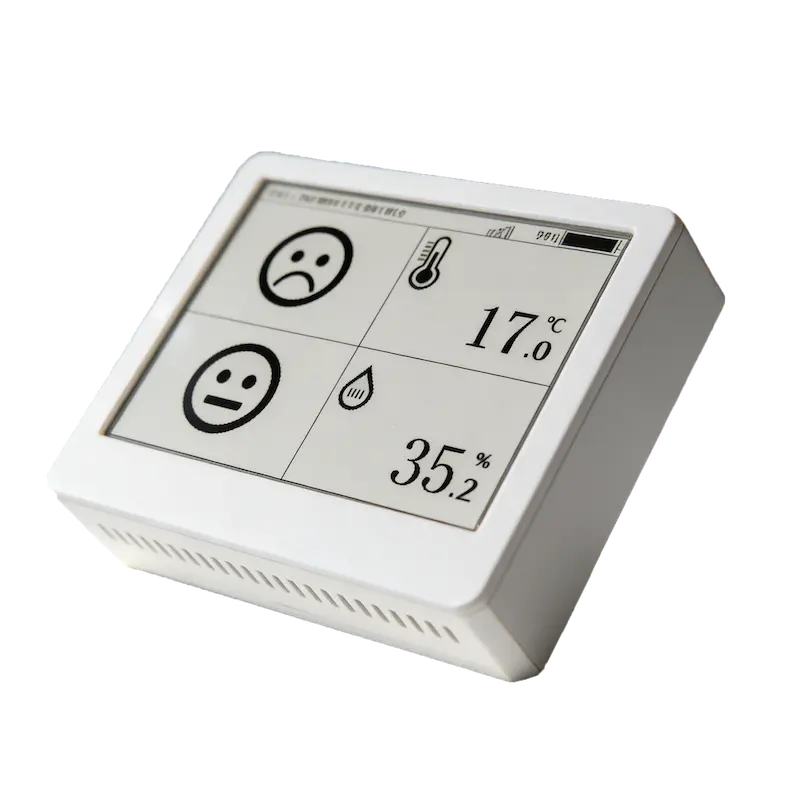
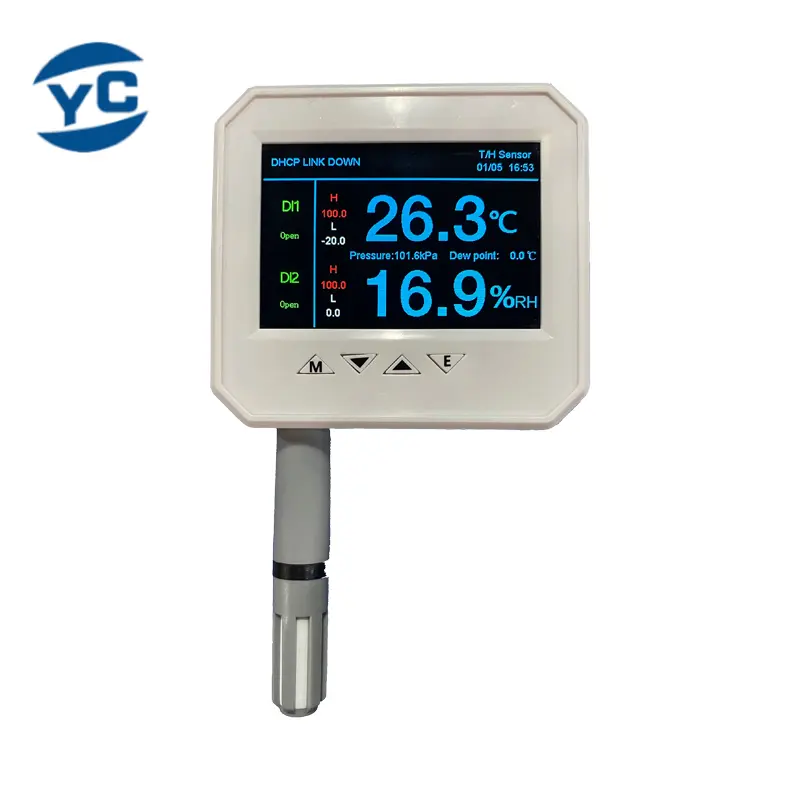
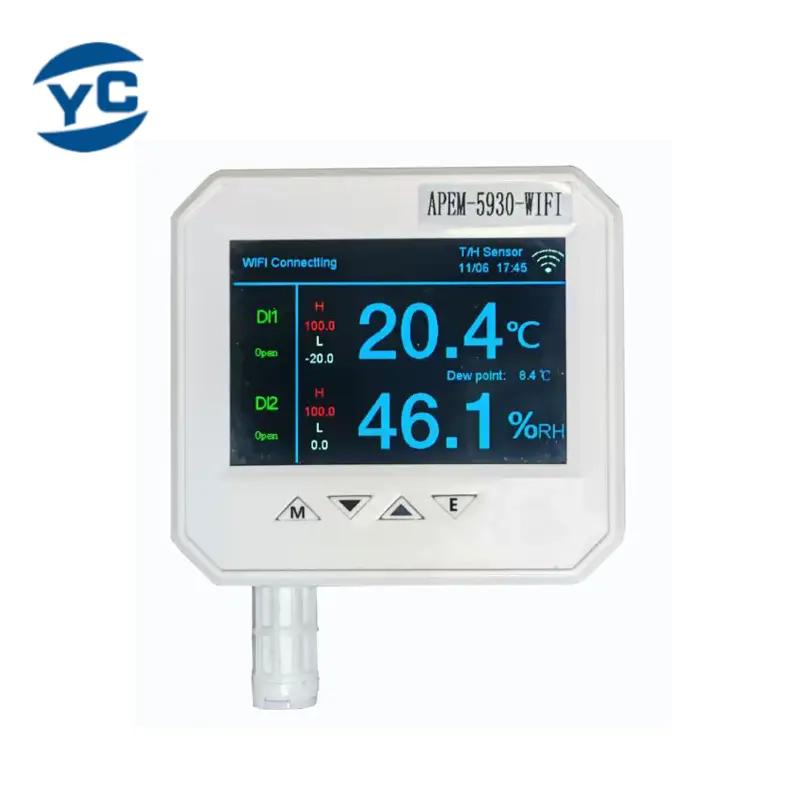
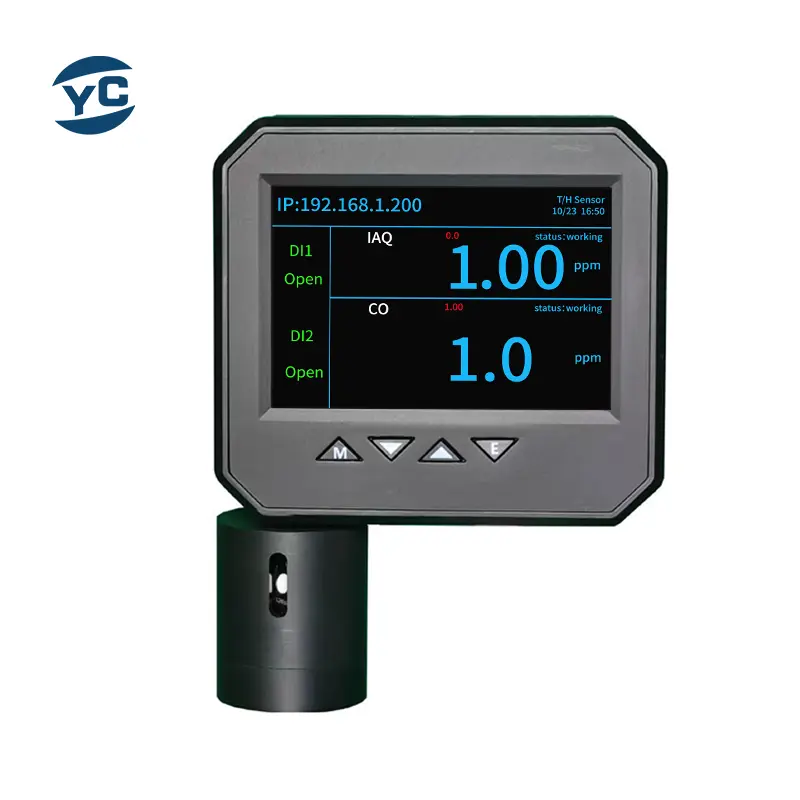
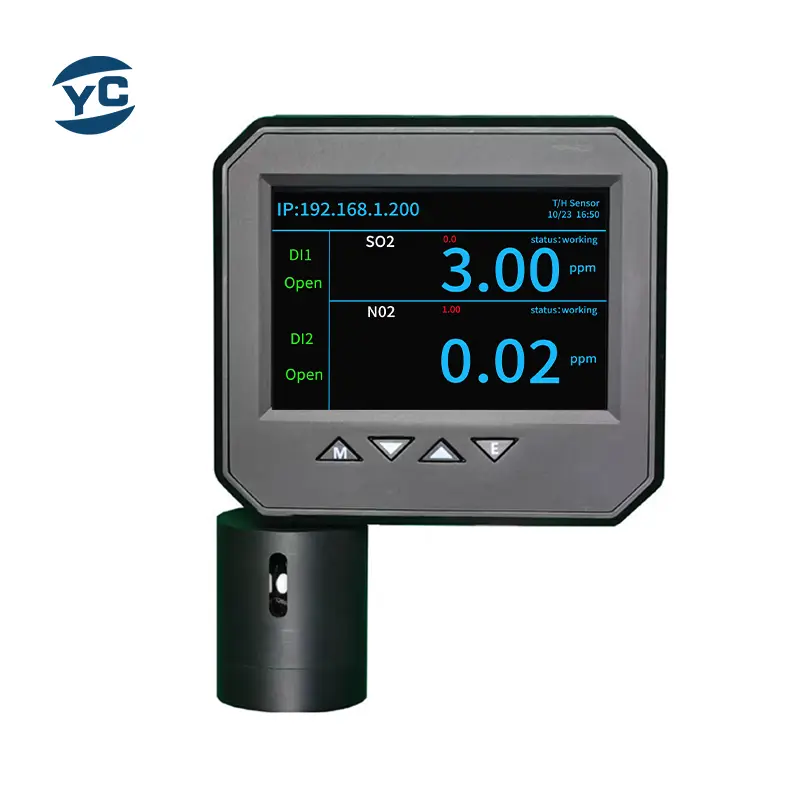
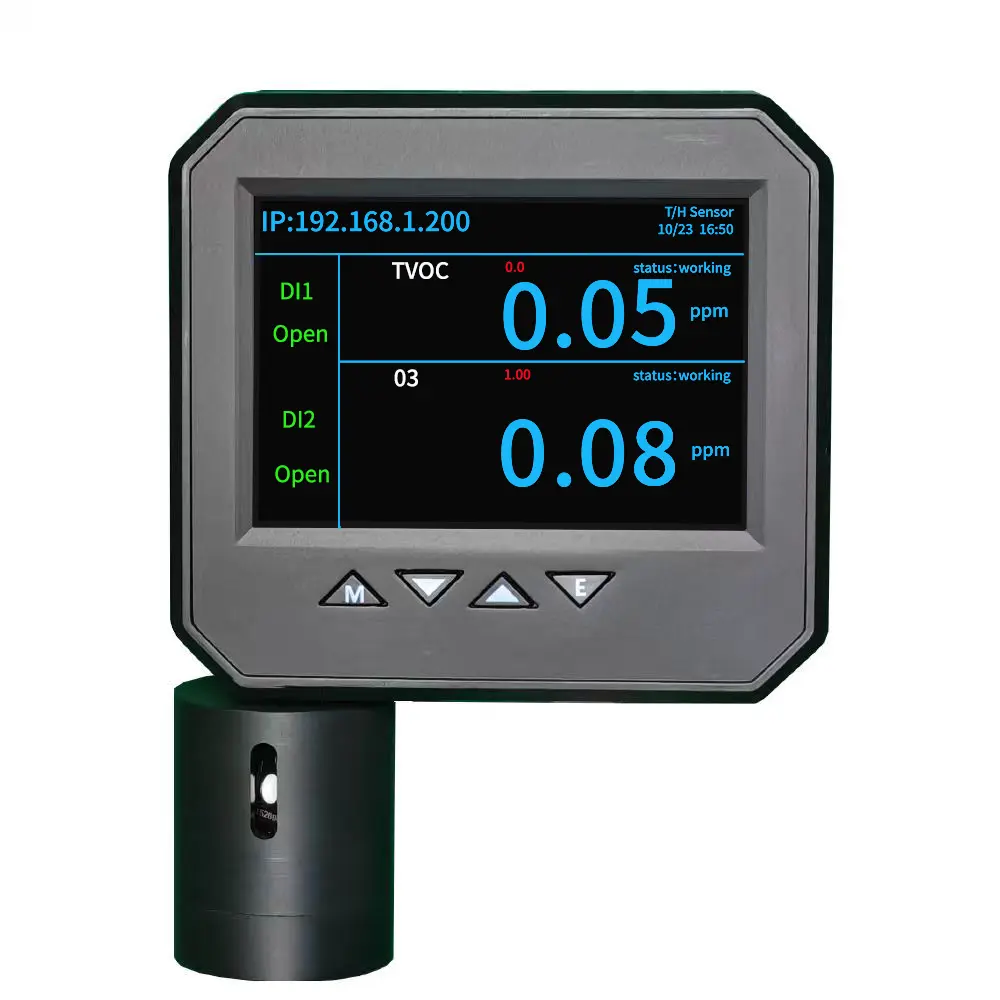
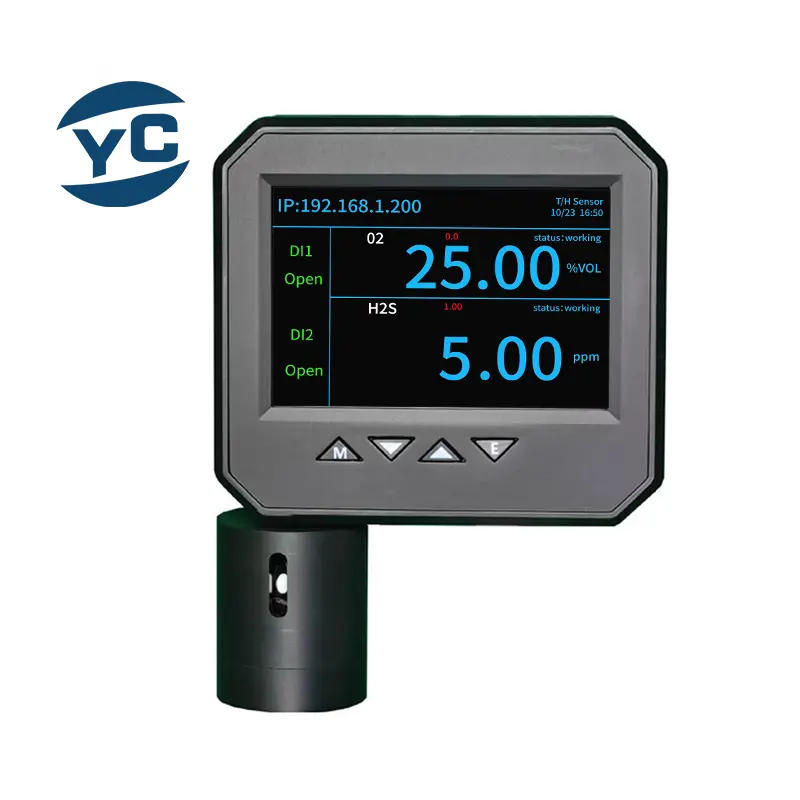
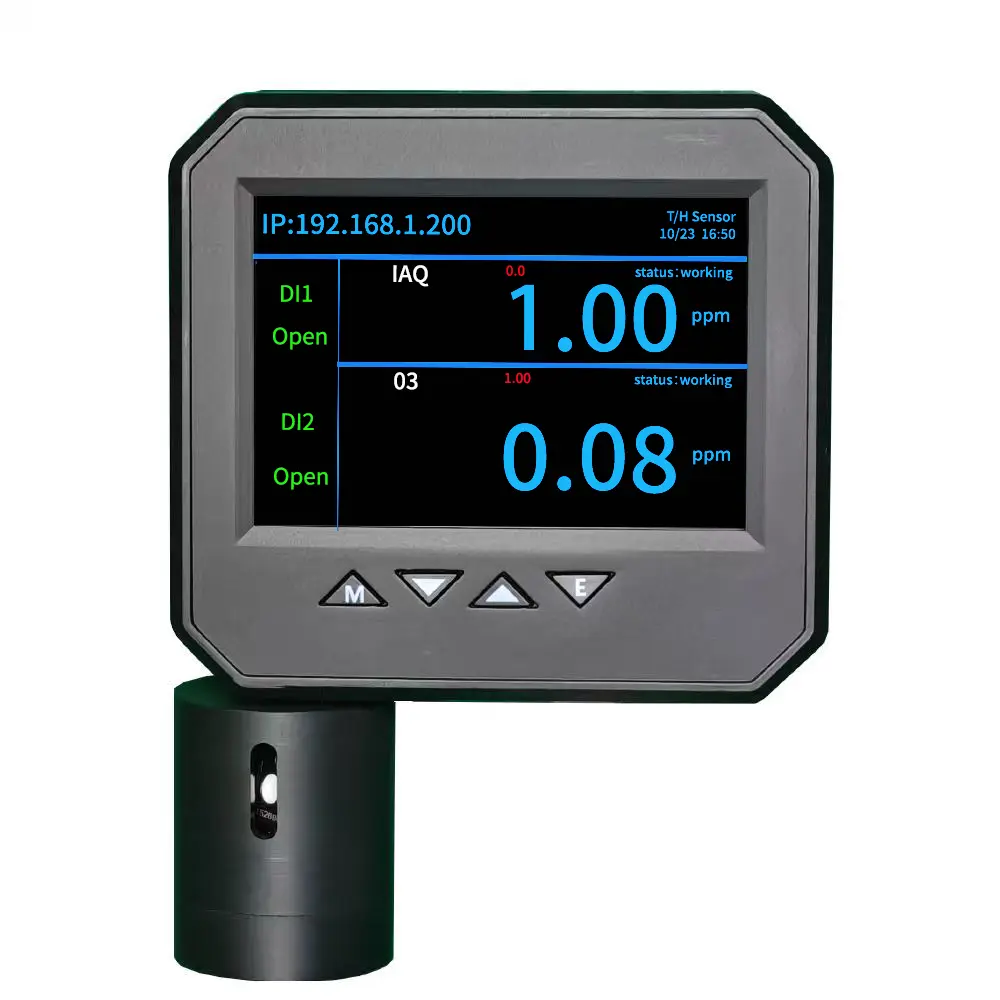
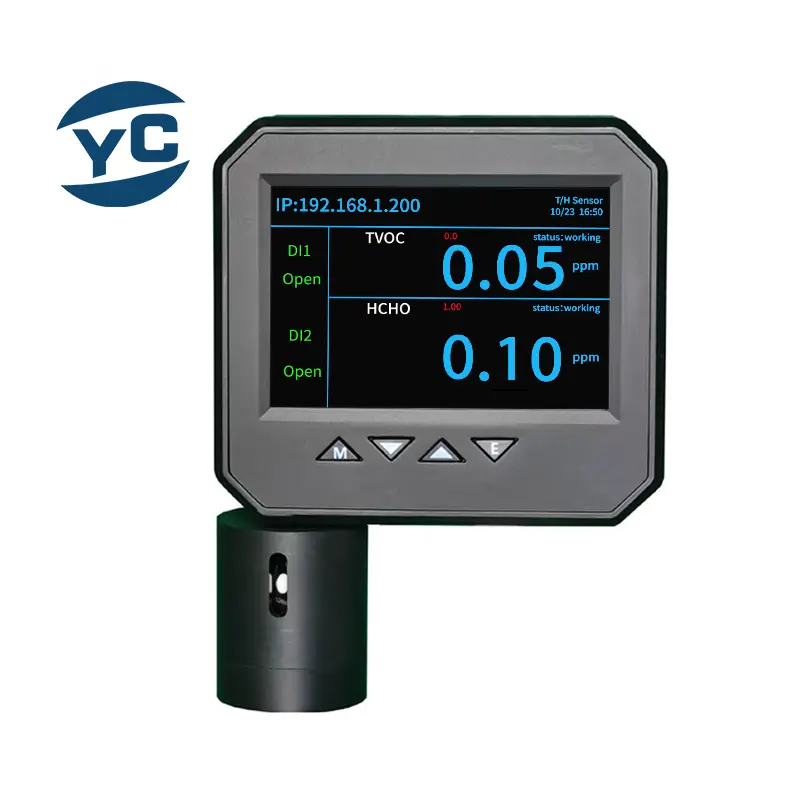
Explore the remainder of our specialized environmental telemetry models, available for global distribution.
Common questions from procurement and operations managers regarding food storage facility monitoring.
While monitoring relative humidity is standard, the dew point indicates the exact temperature at which air moisture condenses into water. If the temperature of stored food products or packaging drops below the dew point, condensation forms. This moisture encourages mold, bacterial growth, and cardboard degradation, which can compromise food safety.
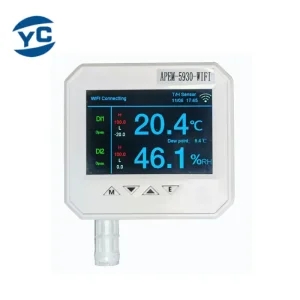
PoE sensors like our APEM-5930 deliver power and transmit data through a single RJ45 Ethernet cable. This reduces installation costs by avoiding the need for dedicated electrical wiring inside cold rooms. Unlike battery-powered sensors, PoE devices avoid data gaps caused by battery failure and operate reliably in cold environments.
Yes. Yingchuanglihe sensors support multiple communication protocols, including Modbus-TCP, Modbus-RTU over RS485, SNMP (v1/v2c), and HTTP/JSON APIs. This protocol compatibility allows for integration into existing monitoring systems and PLC networks.
We use high-precision sensing chips imported from Switzerland and Germany. Every sensor undergoes multi-point calibration in our automated environmental testing chambers before leaving our Beijing facility. Our products carry CE, FCC, and RoHS certifications, ensuring compliance with international quality standards.
 YCLH Sensor