Explore our core industrial grade Ethernet and WiFi environmental data loggers designed for Smart Campus automation systems and real-time environmental data acquisition.
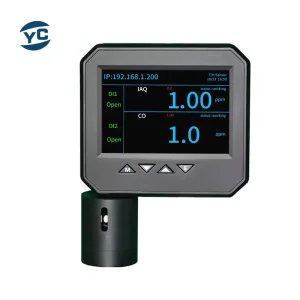
High-performance temperature, humidity, carbon monoxide (CO), and Indoor Air Quality (IAQ) monitoring integrated gateway.
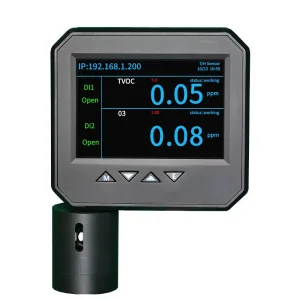
Complete chemical pollutant and ozone monitoring station with high-precision environmental data acquisition capabilities.
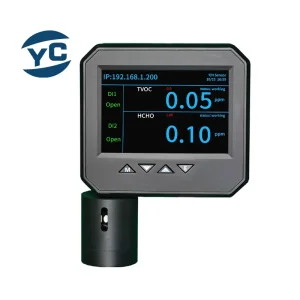
Designed specifically for smart schools and labs to capture volatile compounds and formaldehyde emissions over standard networks.
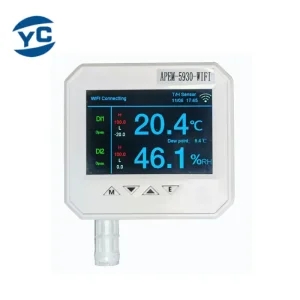
Flexible network topology supporter with seamless failover between wired Ethernet RJ45 and wireless Wi-Fi interfaces.
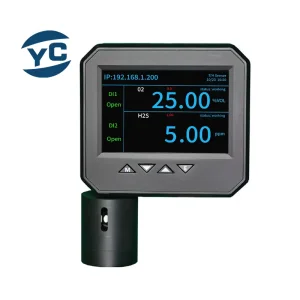
Critical confined-space hazard protection unit with on-board digital relays and RS485 conversion functionalities.
High-precision Swiss-sensor integrated device with complete Modbus-TCP and SNMP integration support.
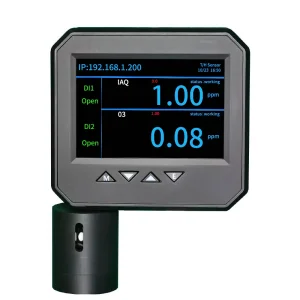
Fully compliant indoor air safety node with digital feedback control loops for automated campus HVAC triggers.
Cost-efficient school environmental sensing station with dual-mode digital and analog diagnostic pipelines.
An Industrial Whitepaper on Deploying Multi-Parameter Environmental Data Loggers for Higher Education, Laboratories, and Smart Energy Management.
Smart campuses are complex microclimates. Managing high-density classrooms, biological laboratories, specialized libraries, and server rooms requires more than simple temperature tracking. Environmental changes inside classrooms directly affect students' cognitive performance and overall health. Furthermore, cleanrooms and chemical laboratories require strict air safety and pressure containment.
Industrial-grade multi-parameter data loggers, such as the APEM-5930 series, resolve this complexity. By integrating multiple sensor elements (including temperature, relative humidity, dew point, atmospheric pressure, TVOC, O₃, CO, HCHO, SO₂, NO₂, O₂, and H₂S) into a single Ethernet/WiFi-enabled device, smart campuses can monitor indoor environments seamlessly. This integration minimizes system complexity, lowers cabling costs, and ensures complete coverage of campus microclimates.
| Parameters Monitored | Sensing Technology | Primary Application Areas | Typical Protocols Supported |
|---|---|---|---|
| Temp & RH + Dew Point | High-precision Swiss Sensirion Chips | Classrooms, Data Centers, Libraries | Modbus-TCP, SNMP, MQTT, HTTP |
| Atmospheric Pressure | Germany Piezo-Resistive Barometric Cells | Cleanrooms, Chemical Labs, Biosafety Areas | PoE Ethernet, RS485 (Modbus-RTU) |
| IAQ, TVOC, HCHO, O₃, CO | Electrochemical / Metal Oxide Sensors | Chemistry Classrooms, New Buildings, Labs | Modbus-TCP, Relay Contact Outputs |
| Toxic Gases (H₂S, SO₂, NO₂, O₂) | Catalytic & Solid-state Gas Electrodes | Municipal Infrastructure, Sewer Mains, Smart Wells | Wired Ethernet, WiFi, Dual-Mode Linkages |
As IoT technology transitions from basic data logging to advanced edge analytics, the APEM series roadmap is designed around three main technical directions:
Discover how our systems are utilized across specialized industrial and municipal settings.
High levels of Carbon Monoxide (CO), volatile compounds (TVOC), and Carbon Dioxide degrade student concentration. Integrating our APEM-5930G-IAQ-CO into ventilation networks automates fresh air intake based on real-time pollutant levels. Meanwhile, libraries rely on the Swiss Sensirion chips in the APEM-5930 to maintain steady temperature and humidity, protecting valuable physical books and archives from mold growth.
At Baidu's Yangquan Data Center, next-generation APEM-5900 terminals were installed to log temperature and relative humidity. High humidity risks water condensation, while low humidity can lead to static discharge. In research cleanrooms, pressure differences must be closely monitored. The APEM-5930P tracks atmospheric pressure differences down to pascal-level changes, preventing cross-contamination between zones.
During the development of Beijing's high-level autonomous driving test corridors, Yingchuanglihe designed and integrated edge computing monitoring enclosures. These roadside boxes house critical computing devices that operate in extreme outdoor conditions. Our robust, wide-temperature environmental sensors protect computing hardware by triggering cooling fans or heaters when threshold values are reached.
Sewerage systems and municipal utility ducts present high risks of gas accumulation. Our APEM-5930G-O₂-H₂S registers dangerous shifts in toxic gases, providing dual alarm relays that activate extraction blowers before engineers enter municipal wells. This ensures compliance with local health and safety regulations for confined workspaces.
Direct-from-factory manufacturing ensures reliable, cost-efficient, and fully customizable sensor systems.
Operating out of a modern 1,500 square meter facility in Beijing, Yingchuanglihe features 5 automated production lines. We utilize advanced high-speed SMT assembly, automated optical inspection (AOI), and multi-stage temperature-humidity calibration tunnels to guarantee consistent quality across every batch.
To deliver long-term measurement stability, we utilize high-precision micro-sensor elements imported directly from leading suppliers in Switzerland (Sensirion) and Germany (Bosch). This combination of imported chip technology and domestic manufacturing efficiency provides premium products at competitive price points.
Our in-house design and engineering team develops custom firmware, tailored casing designs, and specialized communication protocols (such as Modbus, MQTT, SNMP, and BACnet). OEM prototype samples can be produced and shipped for validation within 72 hours.
Nearly two decades of innovation in environmental sensing technologies and industrial deployments.
Established in Beijing. Launched our initial TCP/IP environmental monitoring terminal and early-stage network logging software.
Released the TH-5939 environmental logger, introducing native SNMP support for major IT network management suites.
Introduced the robust TH-5869 shielding logger, applied along the Wuhan-Guangzhou and Beijing-Shanghai high-speed rail lines.
Cooperated with Founder Technology to launch the APEM-6100, one of the earliest environmental sensors to feature Power over Ethernet (PoE).
Became an approved environmental monitoring vendor for Foxconn’s high-precision manufacturing facilities.
Deployed the APEM-5900 terminal at Baidu's Yangquan Data Center. Upgraded software architecture to support multi-parameter systems.
Launched unified cabinet monitoring terminals, deployed extensively in Huawei and China Merchants Huaruan ETC expressways.
Developed integrated roadside monitoring boxes and edge computing gateways for Beijing's autonomous driving test zones.
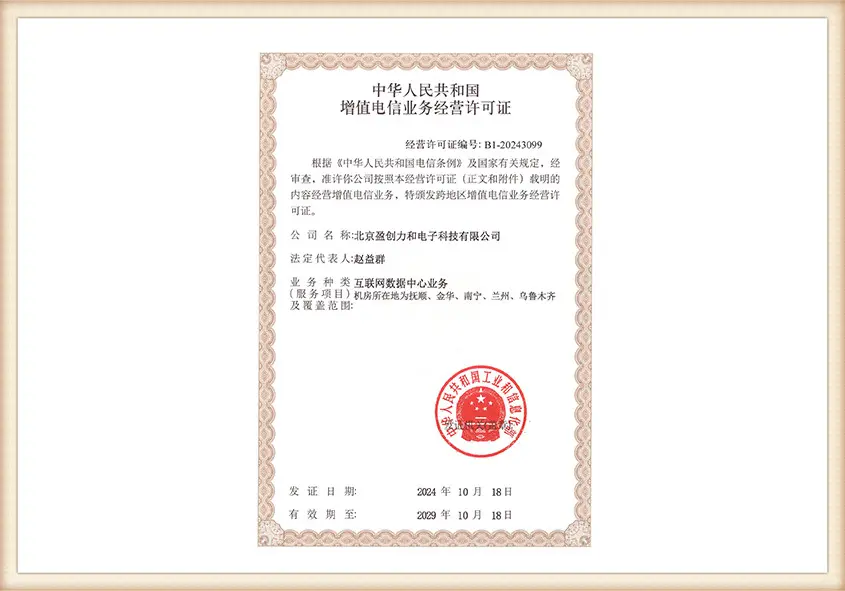
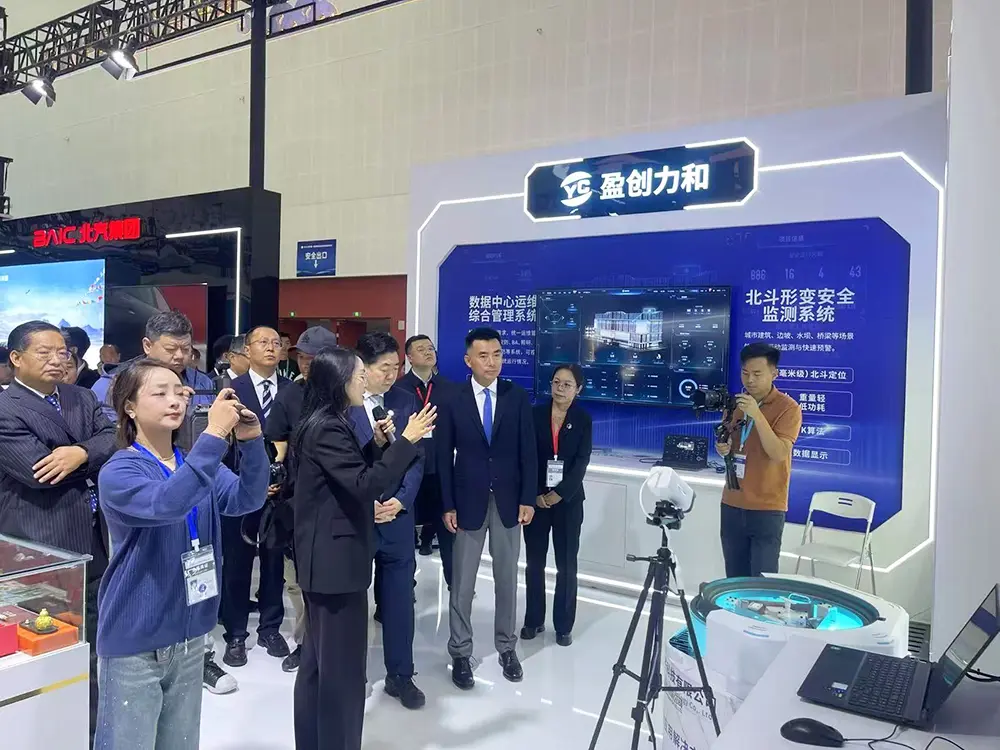
Co-founded the Beidou High-Precision Deformation Division. Established partnerships with Beijing Enterprises Water Group and obtained IDC business qualifications.
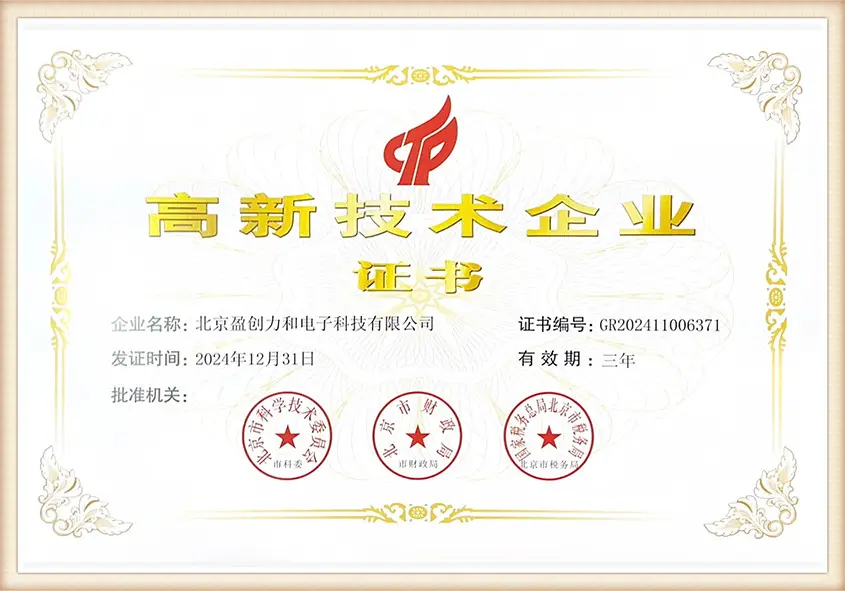
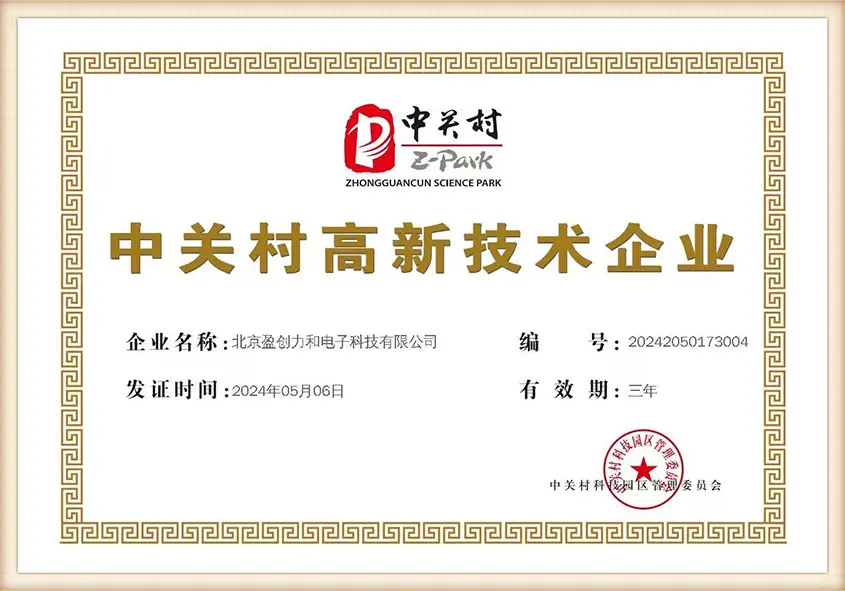
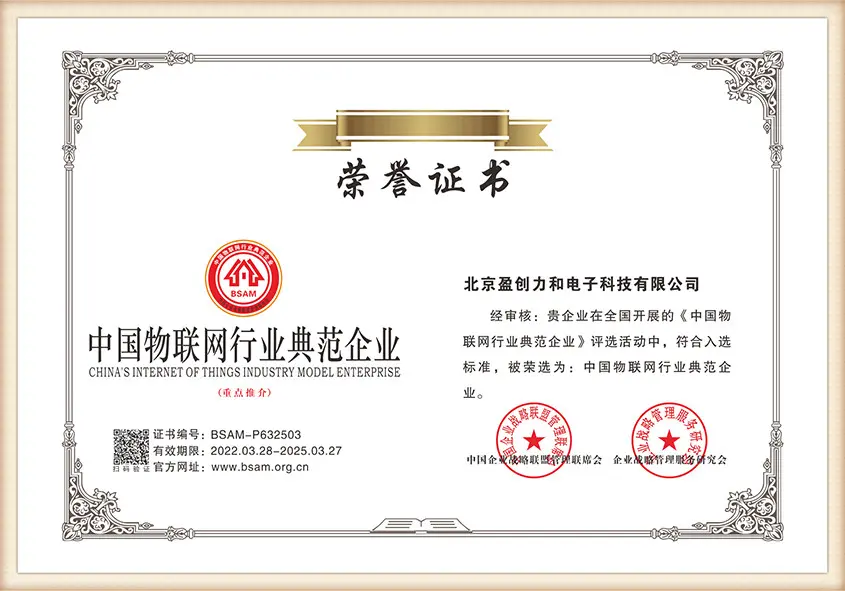
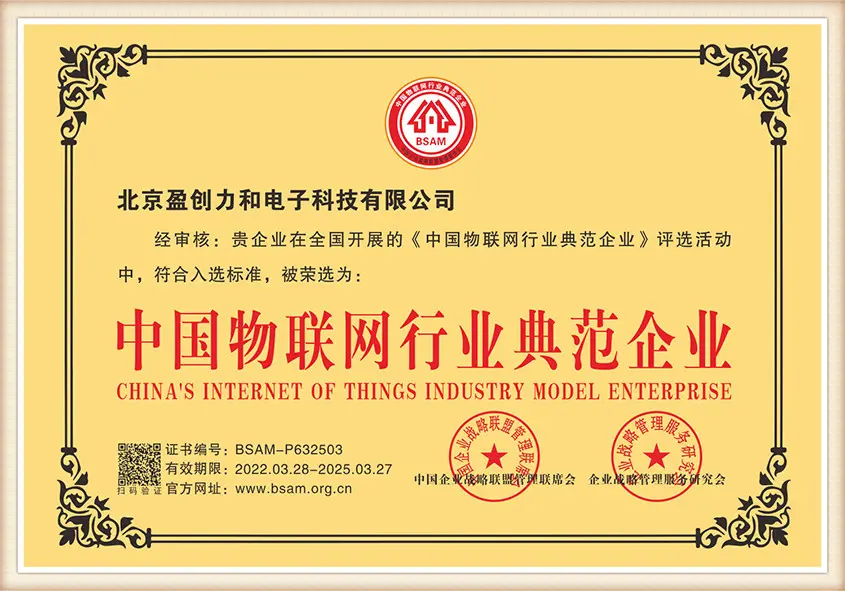
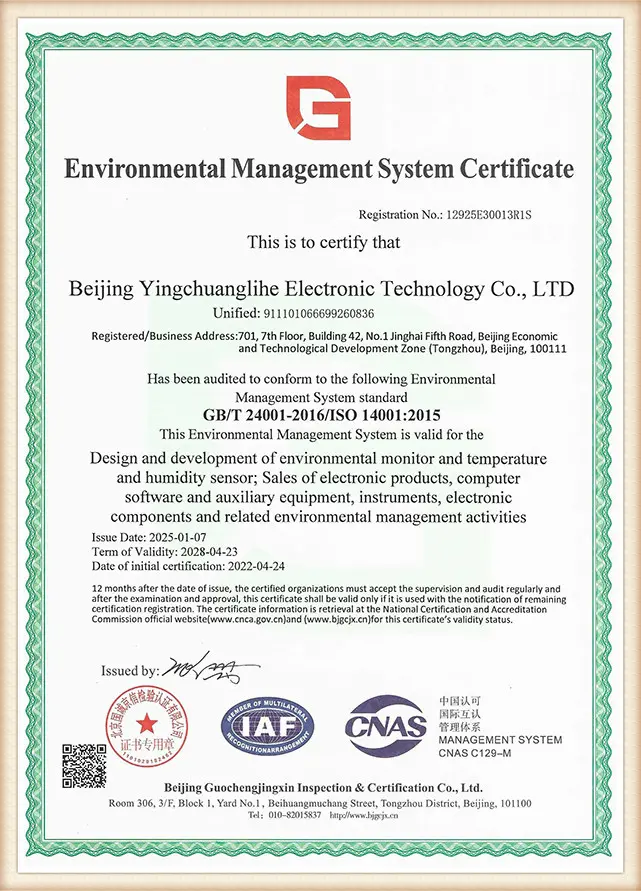
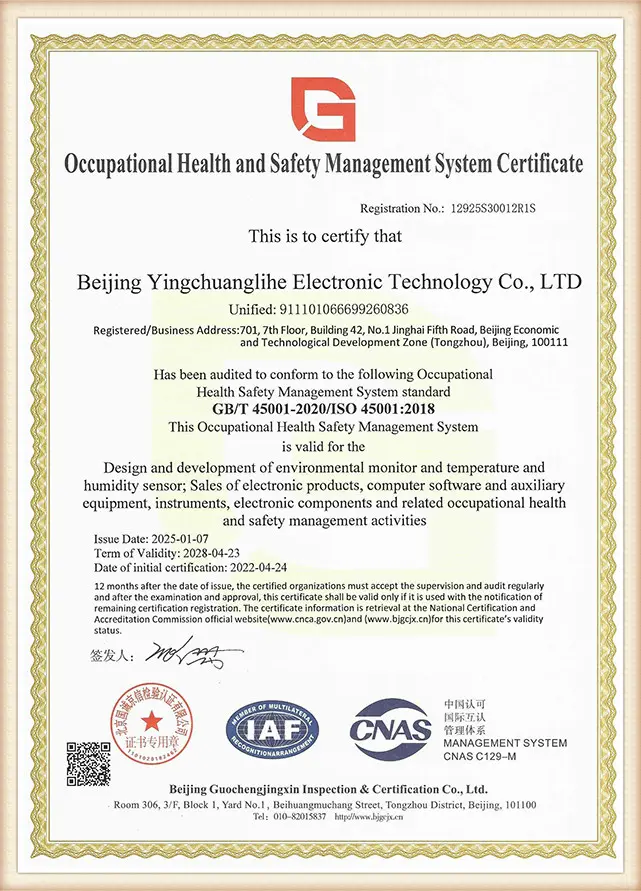
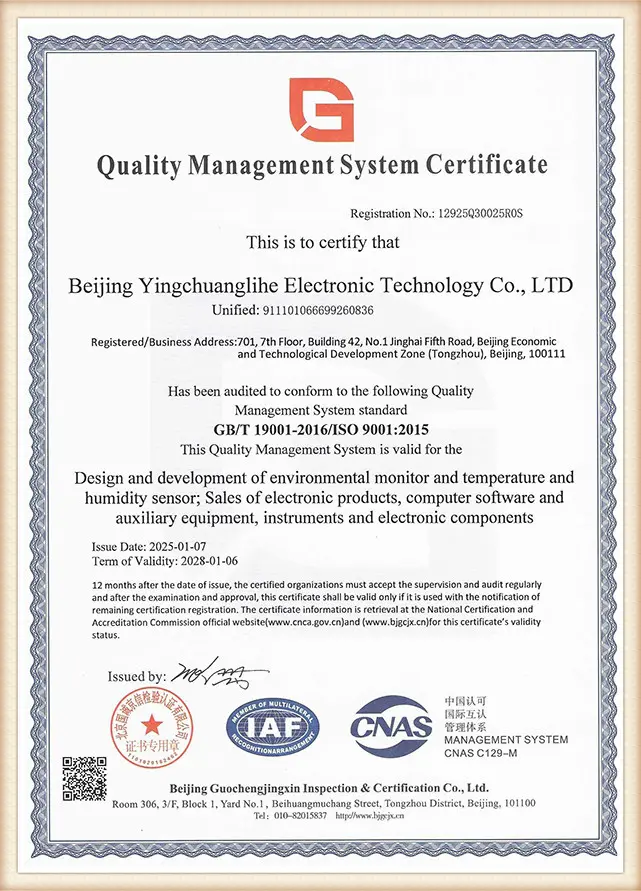
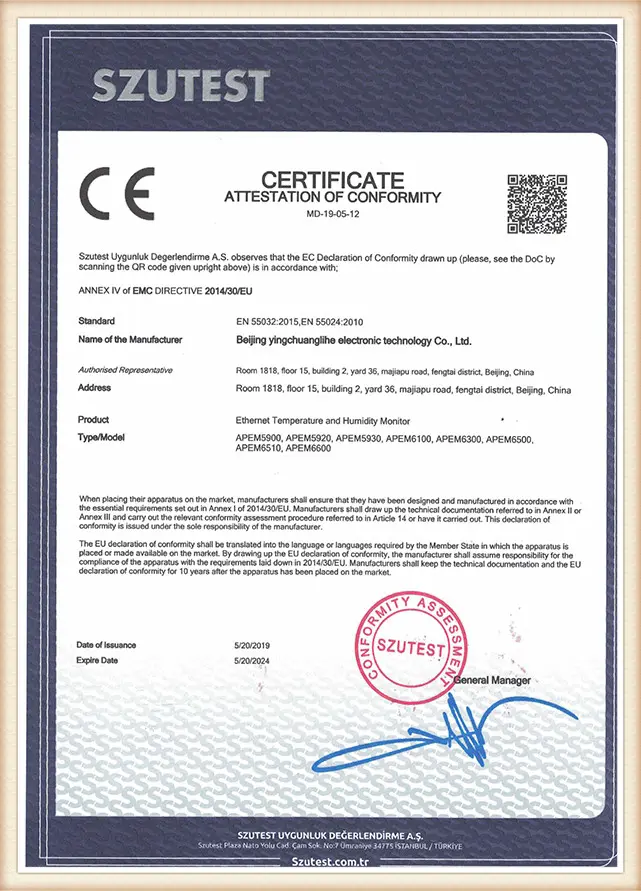
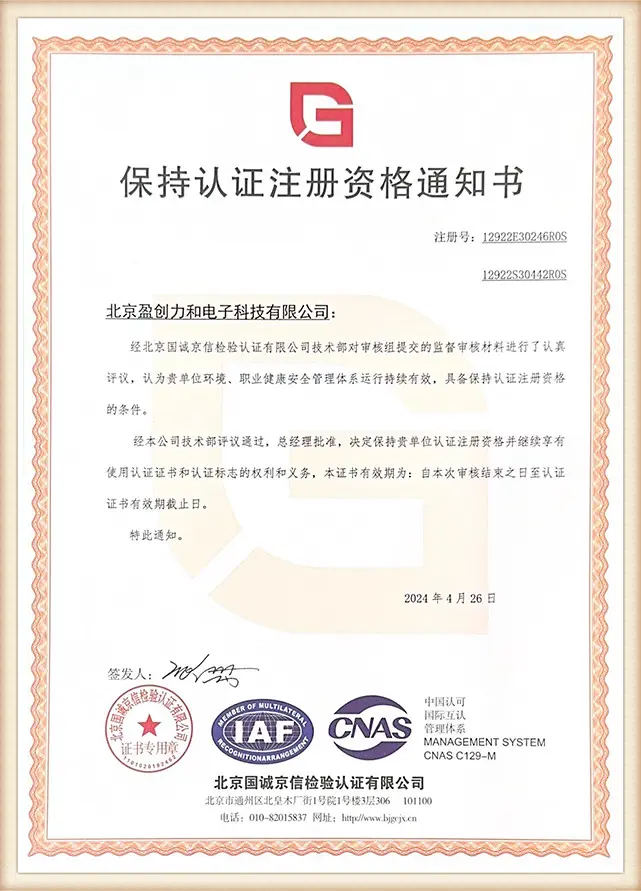
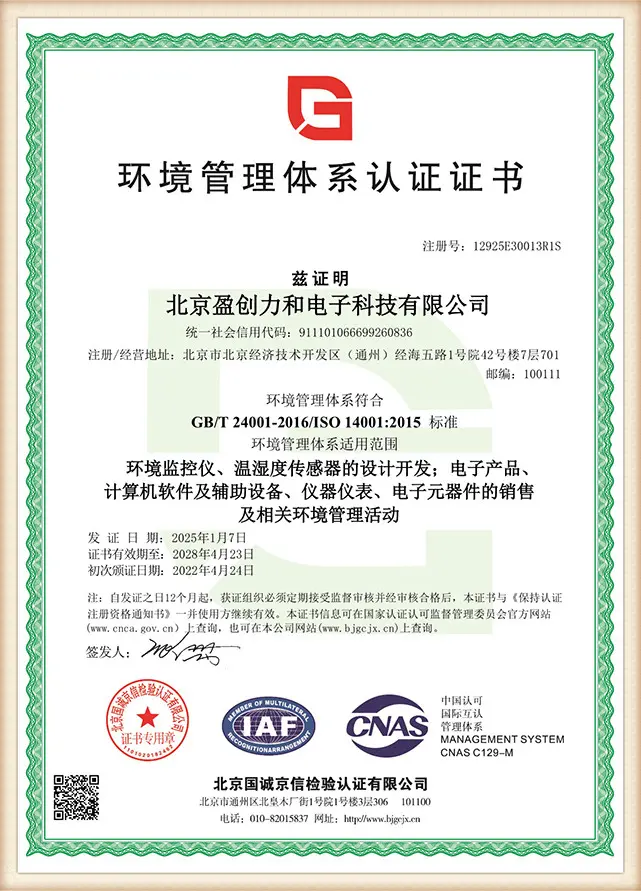
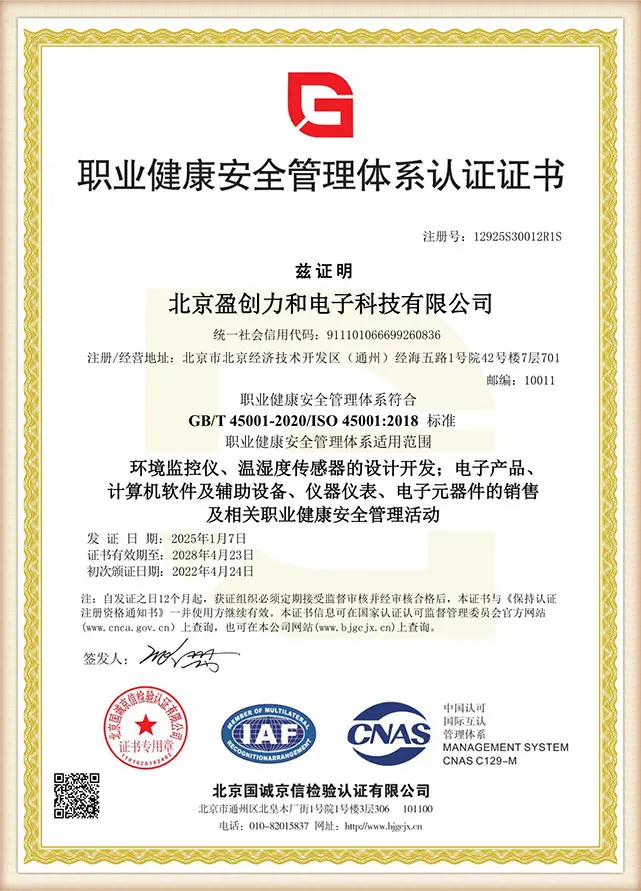
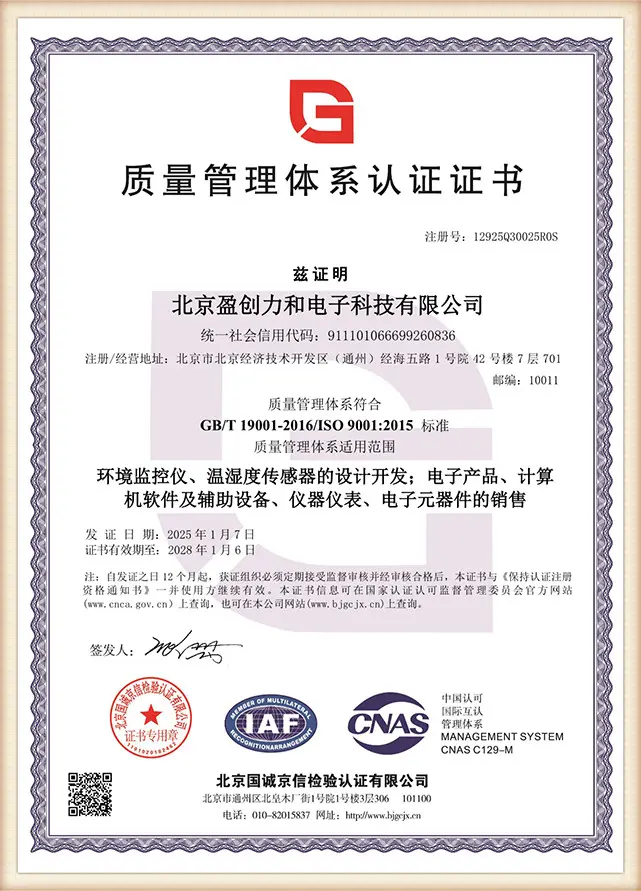
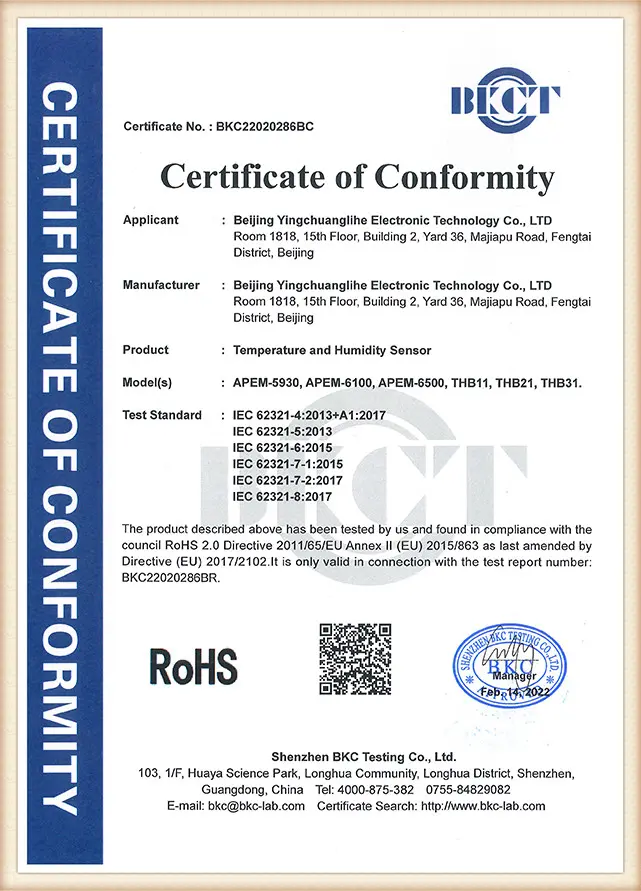
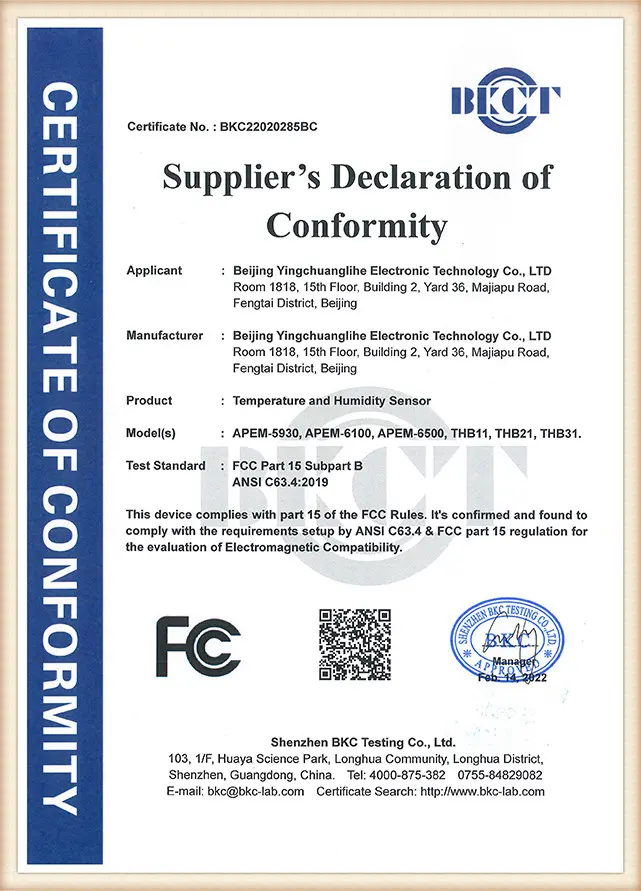
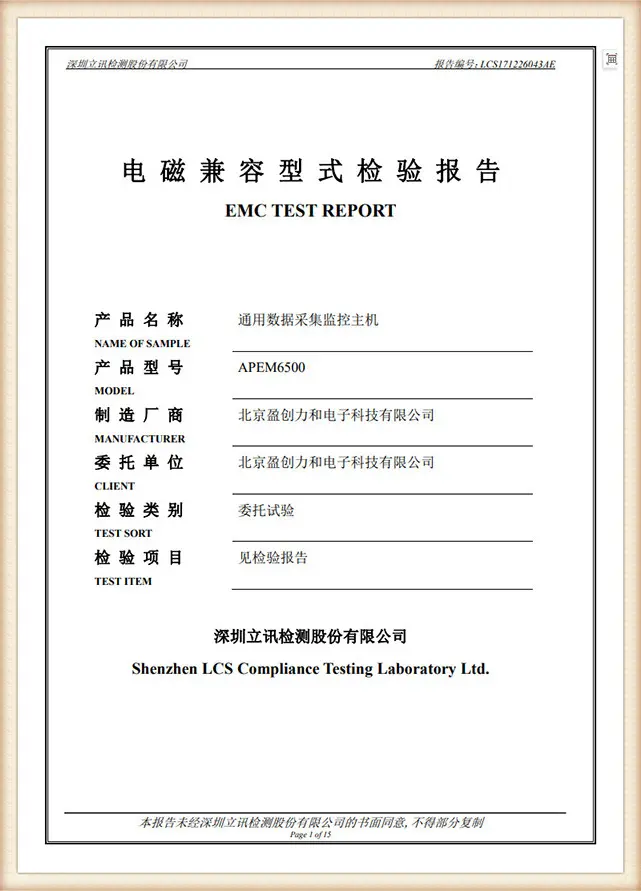
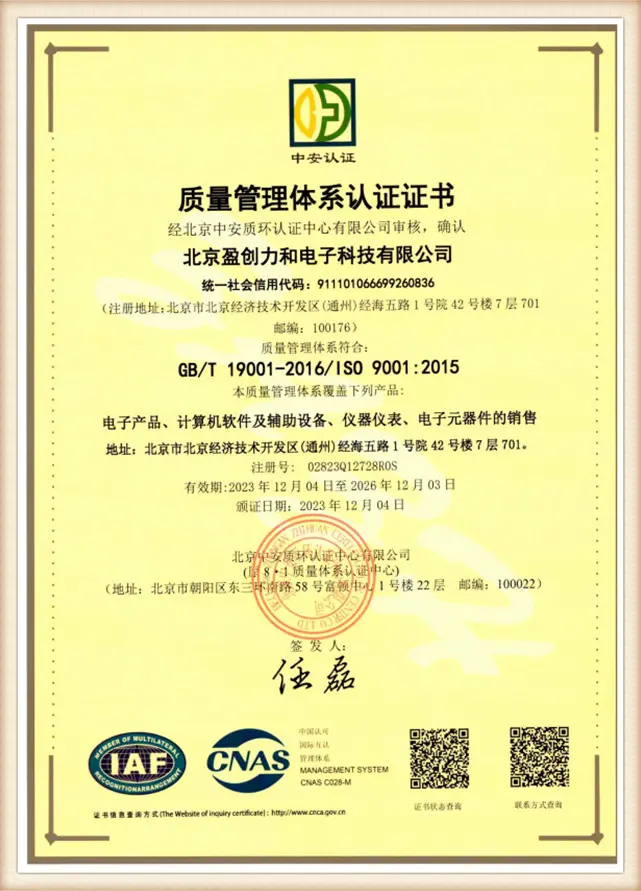
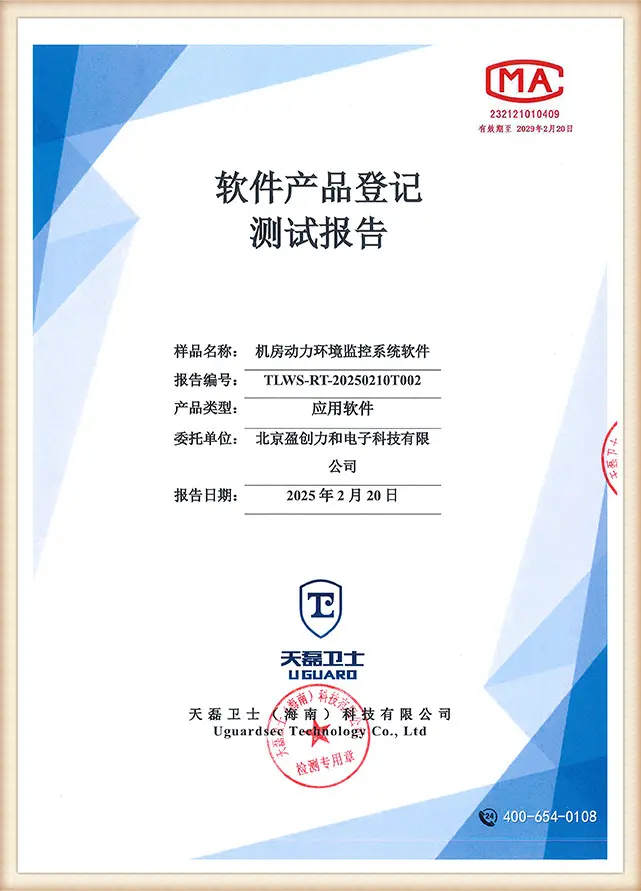
Our manufacturing and product development lines are certified for CE, FCC, RoHS, and global quality control standards.


Find technical answers on how to select, deploy, and scale multi-parameter sensor configurations.
Atmospheric pressure monitoring prevents cross-contamination. Positive pressure keeps external dust out of cleanrooms, while negative pressure prevents biological or chemical hazards from escaping labs. The APEM-5930P incorporates a piezo-resistive absolute barometric sensor that detects small changes in pressure. Integrating this data via Modbus-TCP allows the Building Management System (BMS) to adjust supply and exhaust fans, maintaining the correct pressure differentials.
Deploying hundreds of sensors across a campus requires significant infrastructure. Standard configurations need separate power drops next to each device. Our APEM-5930 series supports IEEE 802.3af Power over Ethernet (PoE), combining power delivery and network connectivity into a single Cat5e/Cat6 cable. This reduces wiring requirements, allows centralized backup power from PoE switches in the IT closet, and speeds up deployment.
Electrochemical gas sensors can be cross-sensitive to non-target gases. To address this, the APEM-5930G uses selective filters and multi-electrode configurations. It combines gas measurements with temperature and relative humidity data. The onboard microcontroller uses this data to apply compensation algorithms in real time, filtering out interference from environmental changes and ensuring accurate readings.
Yes. Yingchuanglihe sensors support multiple industrial communication protocols. The APEM series works with Modbus-TCP, Modbus-RTU (RS485), SNMP (v1/v2c/v3), MQTT, and HTTP RESTful APIs. This native compatibility allows integration into platforms like BACnet IP gateways, Niagara Frameworks, open-source Home Assistant systems, and custom industrial SCADA setups.
Network reliability is essential for smart campuses. The APEM-5930W features dual-mode network connectivity. It uses wired Ethernet as its primary connection and automatically switches to WiFi if link loss is detected. Once the wired connection is restored, the device switches back to Ethernet. This prevents data loss during network interruptions or maintenance.
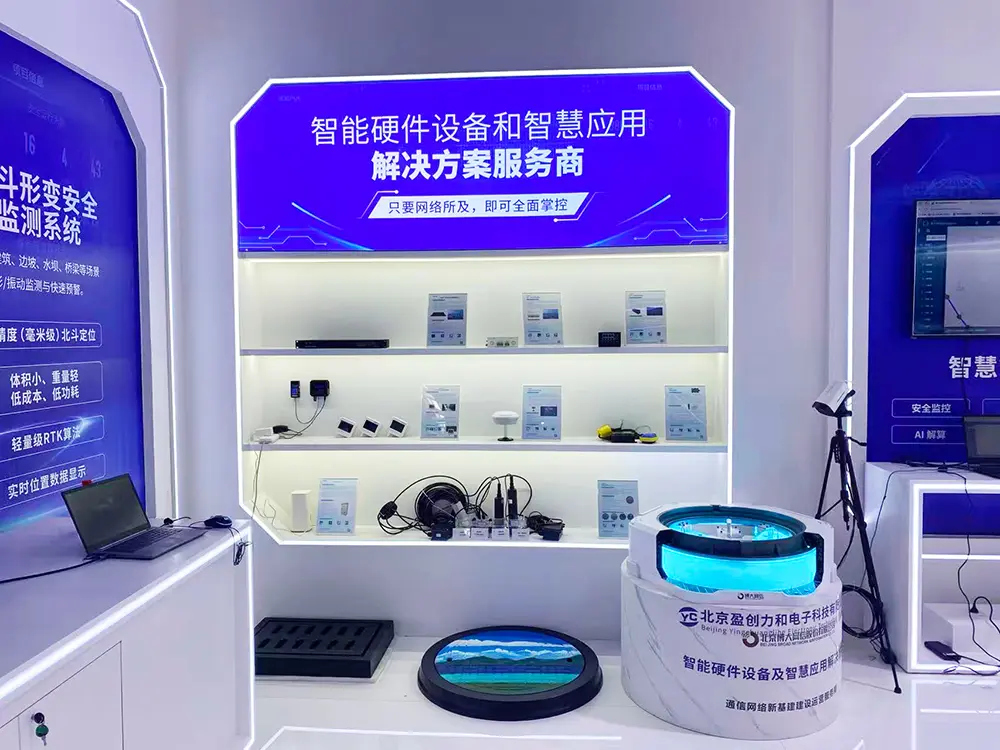
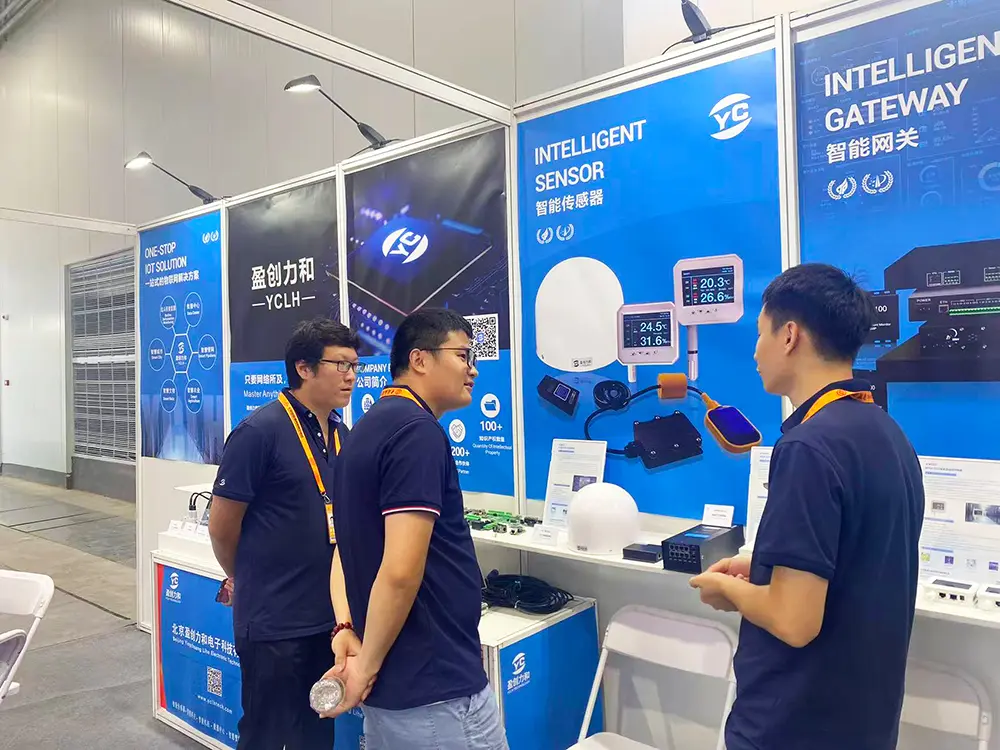
Choose from our specialized telemetry hardware, certified by international safety bodies for high performance.
Measures ozone and indoor air quality parameters to protect occupational health in schools and labs.
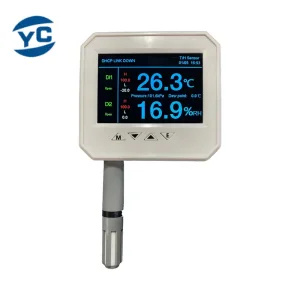
High-precision barometric monitoring node designed for cleanrooms and laboratory environments.
Dual-mode environmental sensor with auto-failover, supporting robust data transmission.
Measures TVOC and ozone concentrations to maintain air quality and detect chemical pollutants.
Provides atmospheric pressure and relative humidity data to optimize campus building HVAC systems.
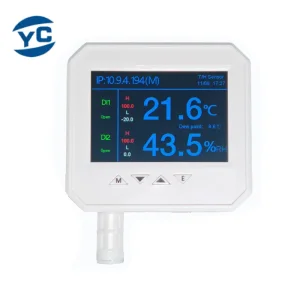
A PoE-enabled temperature and humidity sensor designed for large-scale IT and industrial networks.
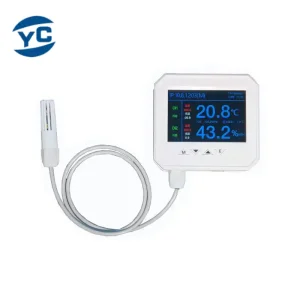
Features an external cable probe for monitoring tight or hard-to-reach spaces in campuses and plants.
A multi-gas tracking system designed for industrial environmental safety and IAQ monitoring.
 YCLH Sensor