Explore our premium selection of integrated Ethernet and LoRa environmental monitor solutions engineered for commercial and manufacturing facility control.
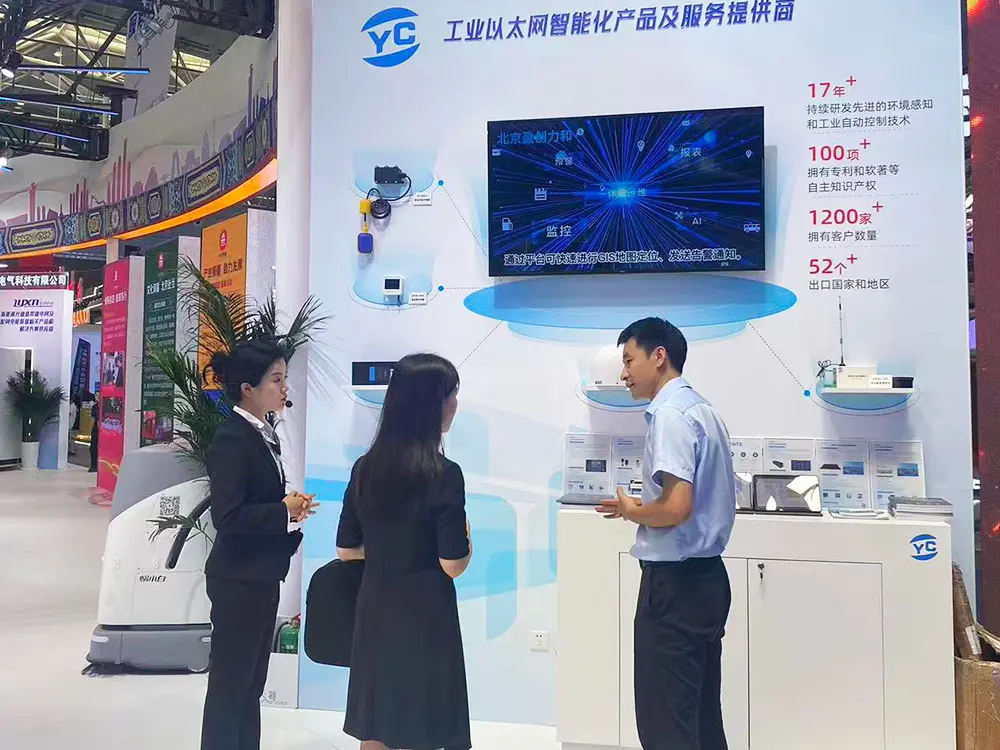
Beijing Yingchuanglihe Electronic Technology Co., Ltd. is a highly specialized, professional developer and manufacturer of industrial environmental monitoring instruments and telemetry hardware. Established in 2007, our company is dedicated to providing high-accuracy sensing hardware and telemetry integration systems across international industrial ecosystems.
With our primary manufacturing and development base headquartered in Beijing, China, we operate out of a modern, ISO-compliant production facility encompassing over 1,500 square meters. Empowered by a highly experienced research and development department, we leverage imported sensing chips from Germany and Switzerland to build instruments that sustain long-term measurement stability. We support international systems integrators, building management professionals, and OEM/ODM buyers with rapid, reliable customization pathways.
Analyzing the demand for environmental logging systems in an era of digital automation, ESG compliance, and microclimate optimization.
Industrial and commercial facilities are undergoing a significant transformation driven by the Internet of Things (IoT). Microclimates in hyper-scale data centers, pharmaceutical warehouses, cleanrooms, and automated chemical processing units require granular control to protect hardware and ensure process integrity.
Multi-parameter environmental monitors have transitioned from standalone, manual indicators to networked telemetry nodes. Modern systems must capture ambient temperature, relative humidity, atmospheric pressure, and specific target gases (such as TVOCs, Ozone, H2S, Formaldehyde, CO, and SO2) simultaneously. Real-time data transmission via ethernet (PoE), wireless WiFi, or long-range LoRaWAN is crucial for feedforward industrial control loops and cloud-managed environmental management software.
Three primary trends dominate the development of modern environmental monitoring hardware:
Global procurement directors search for environmental sensors based on reliability and lower total cost of ownership (TCO). Critical buyer requirements include:
Comprehensive logging parameters help enterprises document cleanroom stability, reduce unnecessary HVAC usage, and support corporate ESG auditing.
By supporting wired ethernet, wireless WiFi, and LoRa networks, our hardware keeps remote sites monitored and maintains automated logging functions.
Every device undergoes meticulous calibration in our automated testing chambers to ensure long-term stability and trace-level accuracy.
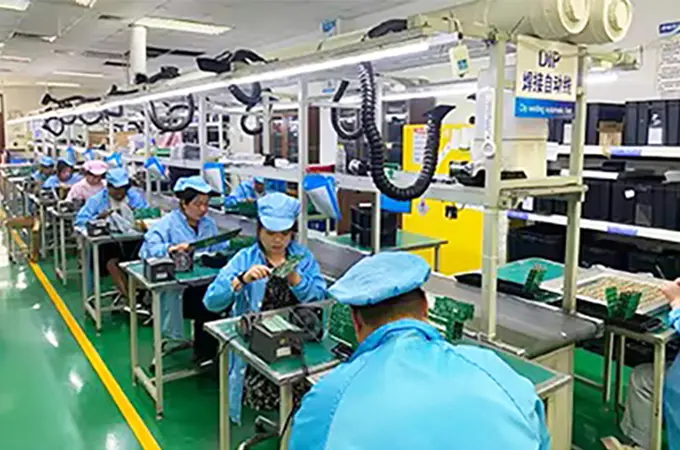
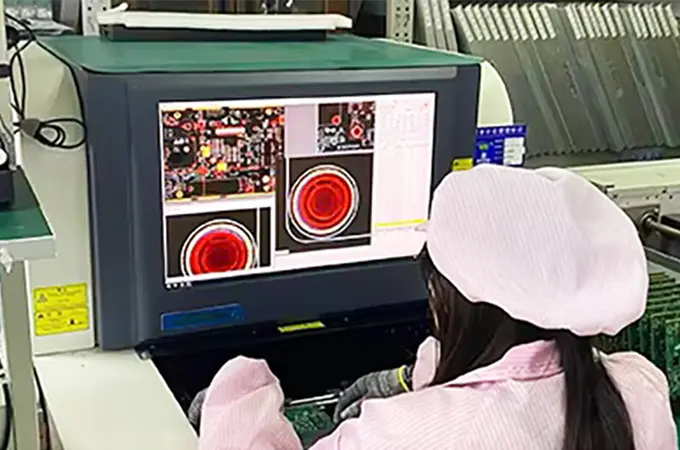
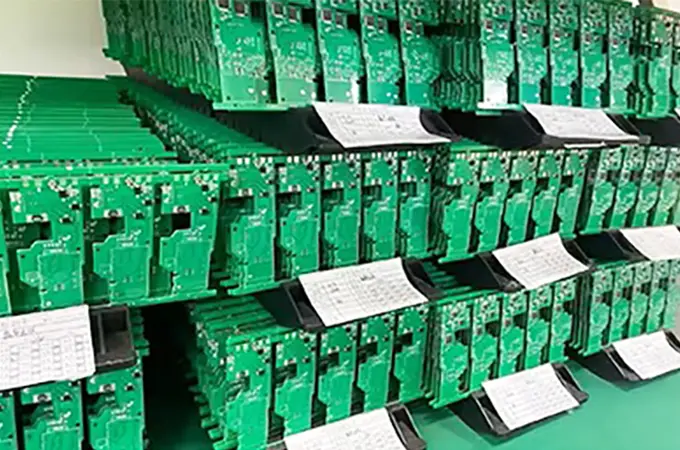
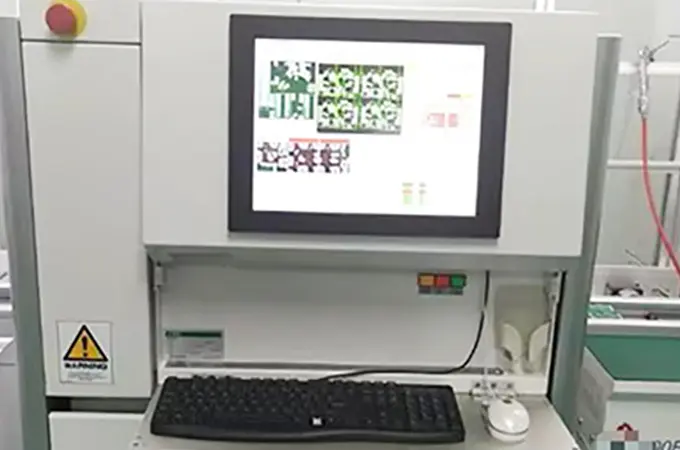
Behind Yingchuanglihe's production lines: combining automated assembly with rigorous verification cycles.
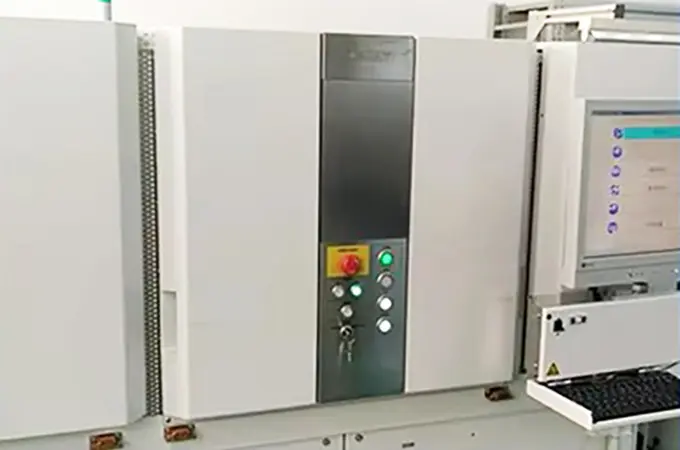
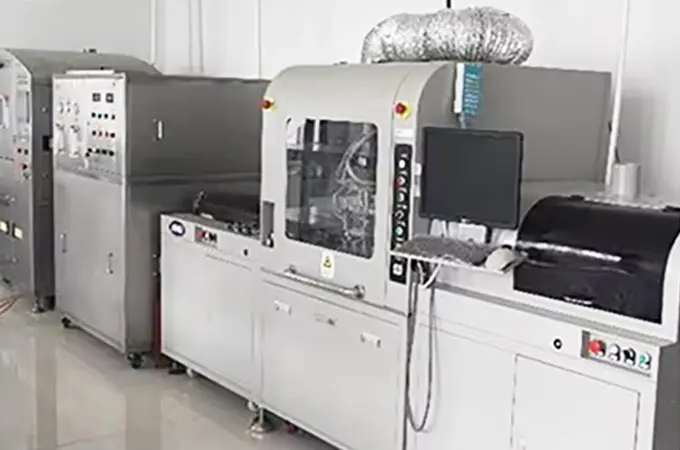
At our Beijing manufacturing headquarters, we apply modern production principles to sensor fabrication. Our five automated assembly lines process high-precision PCBs, interface modules, and sensor assemblies with minimal human error. This infrastructure enables us to maintain efficient turnaround times even for highly customized orders.
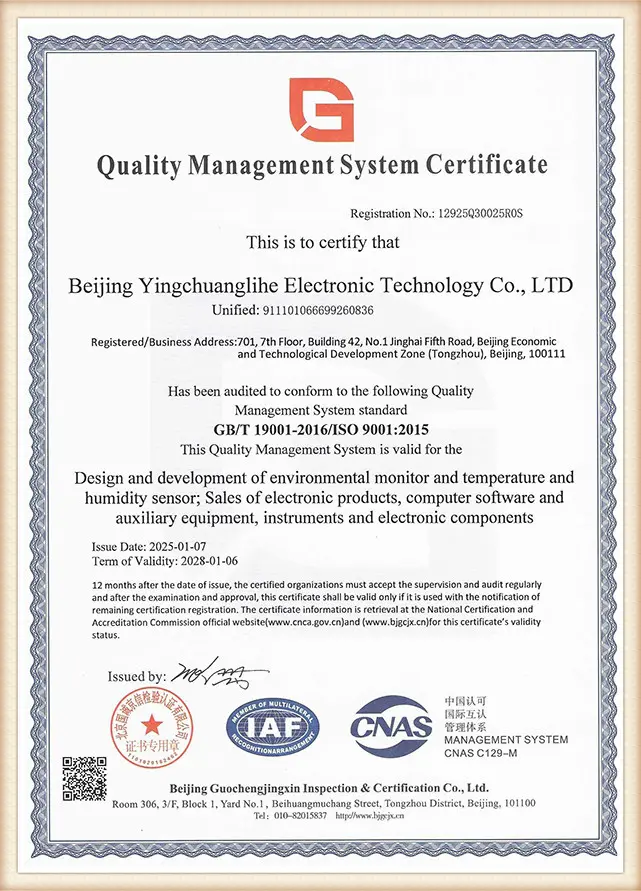
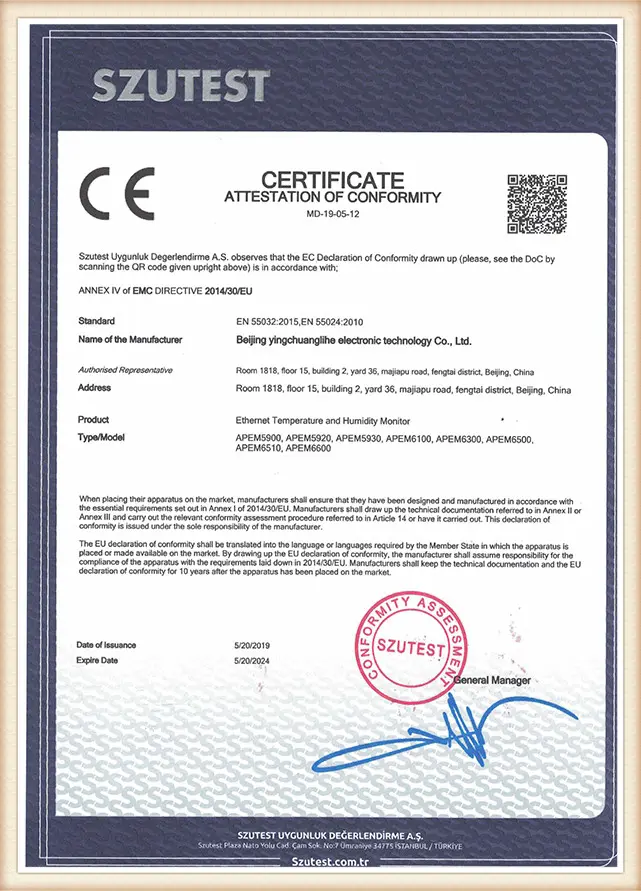
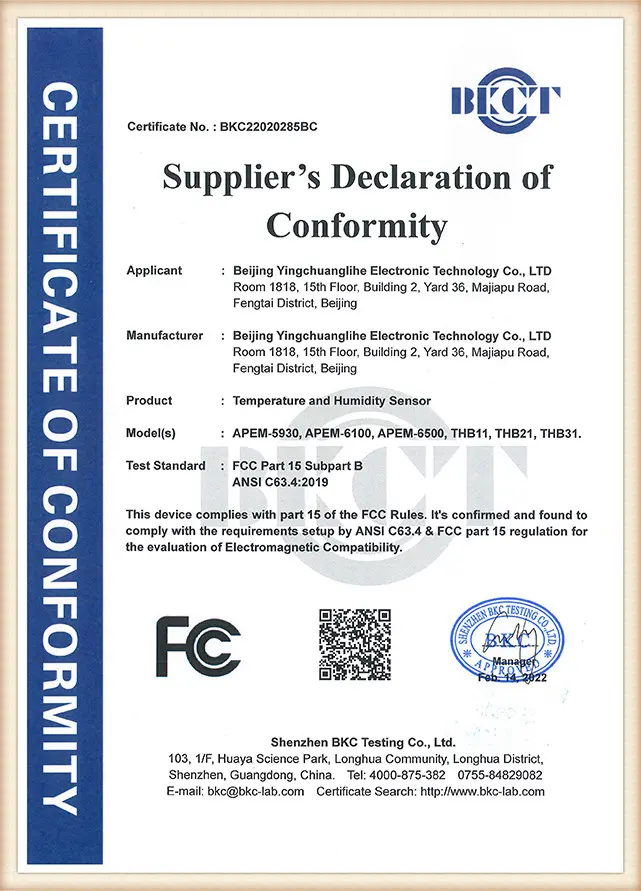
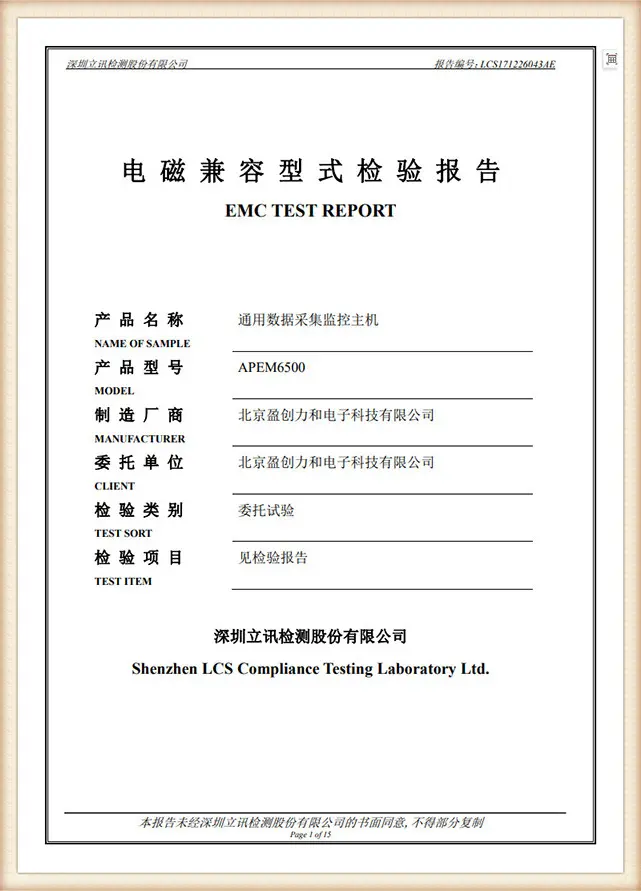
We rely on close partnerships with top global chip suppliers. By sourcing micro-sensor elements directly from manufacturers in Germany and Switzerland, we secure access to premium raw materials. Our factory-level calibration chambers subject each monitor to precise, multi-point temperature, humidity, and gas validation cycles. This careful process ensures that every device meets CE, FCC, and RoHS standards before shipment.
Our OEM and ODM workflows are designed for flexibility. If a client needs a custom probe, specialized software configurations, or specific housing modifications, our engineering team can move from initial design to working prototype in record time.
Review the detailed technical specifications and options for our modular ethernet and environmental sensor series.
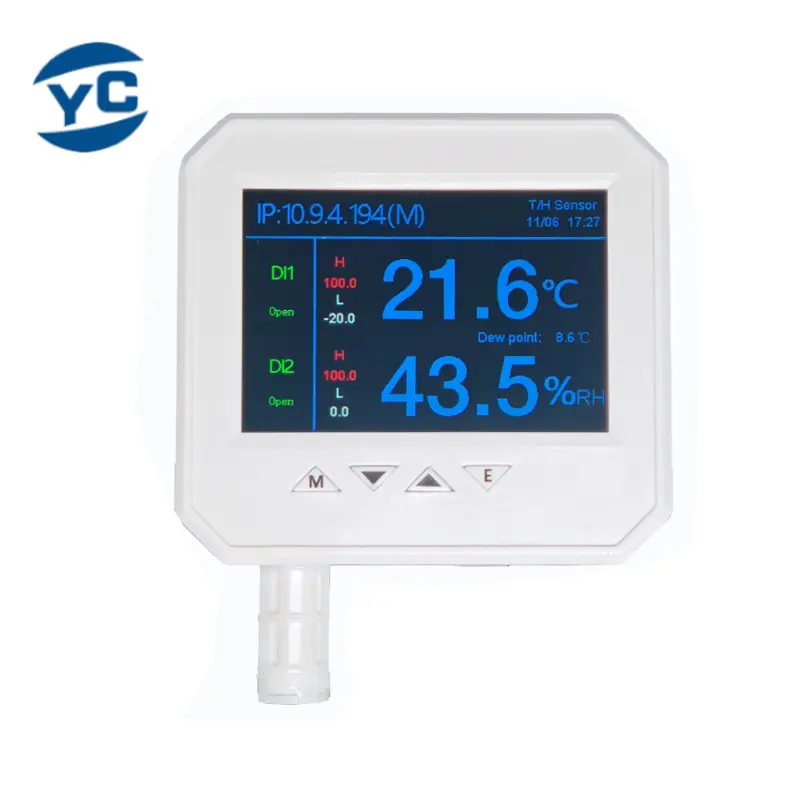
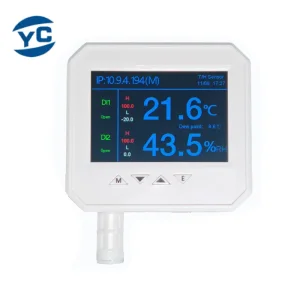
Designed for modern network infrastructure, the APEM-5930 provides precise temperature, humidity, and dew point measurements with Power over Ethernet (PoE) capability.
Power: DC 12-48V + PoE (Power over Ethernet)
Variables: Temperature + Humidity + Dew Point
Interface: Standard RJ45 Ethernet
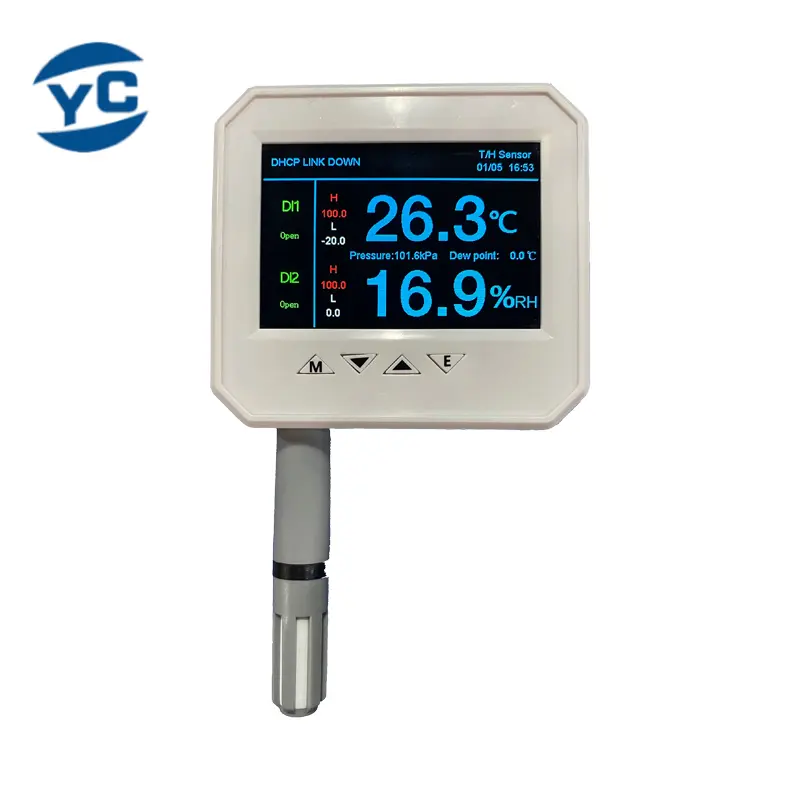
Building on the APEM-5930 platform, the P-model adds atmospheric pressure monitoring to help manage pressure differentials in critical cleanrooms.
Power: DC 12-48V + PoE
Variables: Pressure + Temperature + Humidity + Dew Point
Application: Differential pressure tracking & meteorology
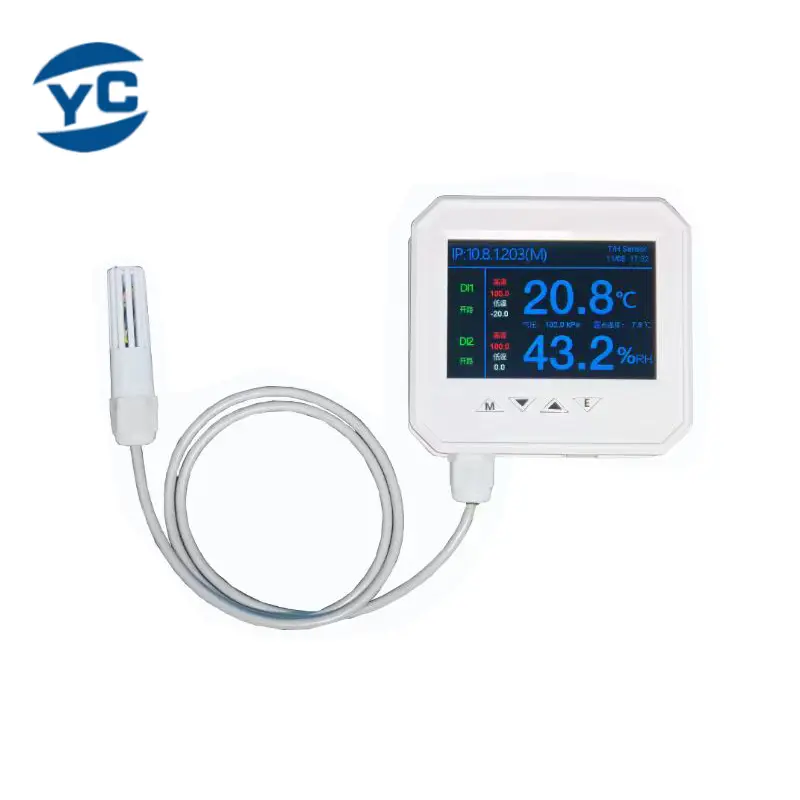
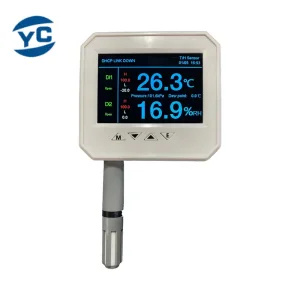
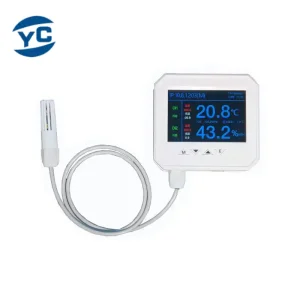
Features an external sensing probe separated from the main communication box via a 1-3 meter cable, ideal for duct placement or environmental chambers.
Probe: Separated external probe (1-3m cable)
Variables: Temperature + Humidity + Dew Point
Accessory: Optional protective sensor filters
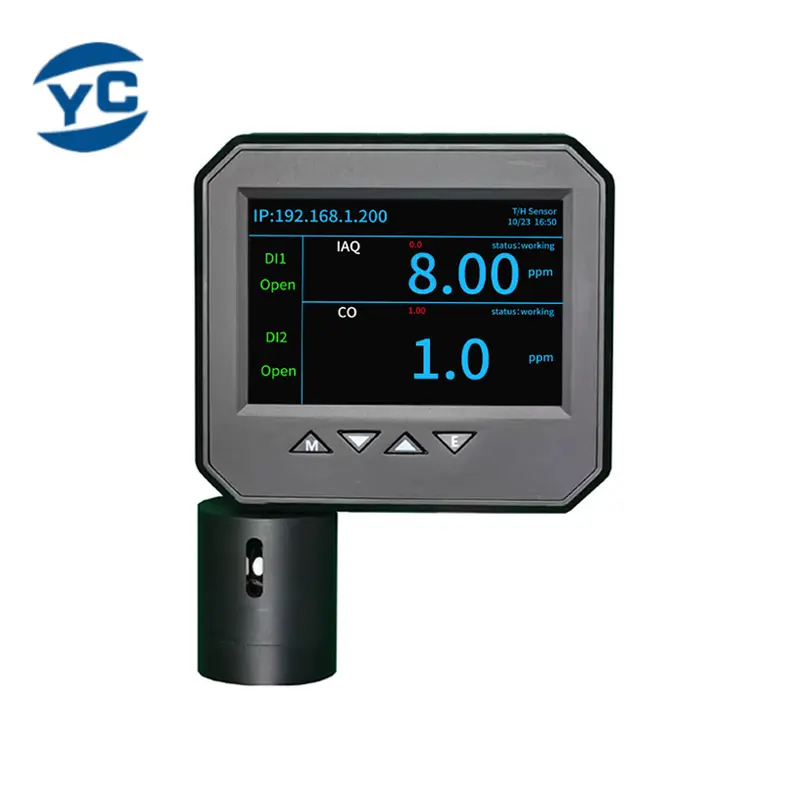
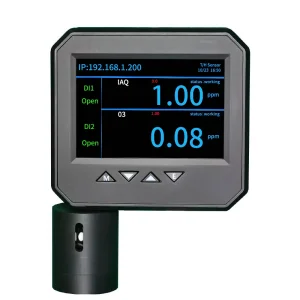
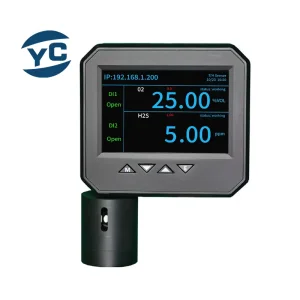
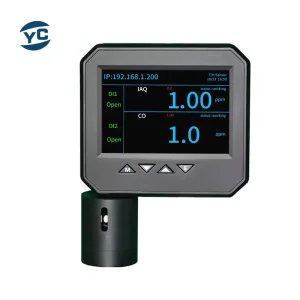
An industrial-grade monitoring unit combining temperature and humidity sensors with carbon monoxide (CO) and indoor air quality (IAQ) analysis.
Model: APEM-5930G-IAQ-CO
Target Gases: Carbon Monoxide (CO) + VOCs (IAQ)
Output: Ethernet/Modbus-TCP
Our complete line of hardware is divided into two primary categories, designed to meet the integration needs of systems architects and network installers.
PoE-powered instruments that deliver real-time temperature, humidity, and dew point data over standard IP networks. Features support for Modbus-TCP and SNMP protocol integration.
High-performance monitoring platforms that combine temperature, humidity, and atmospheric pressure sensors with optional targeted toxic or ambient gas analysis in one device.
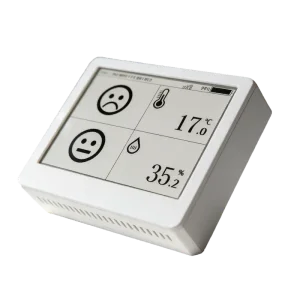
Wireless environmental monitors designed for environments where running ethernet is impractical. Features low power consumption and long signal penetration range.
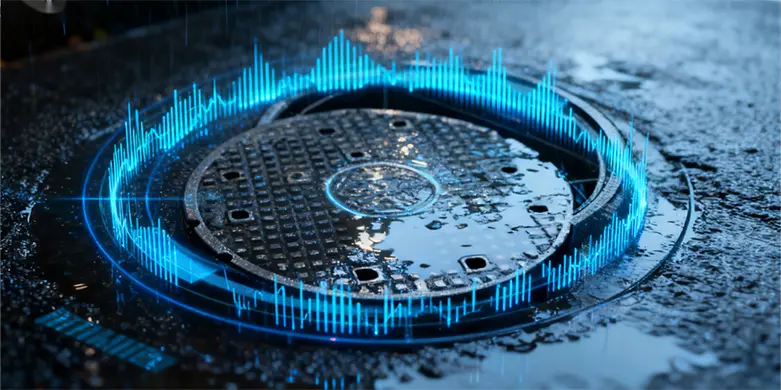
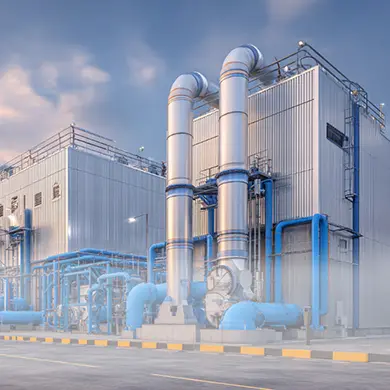
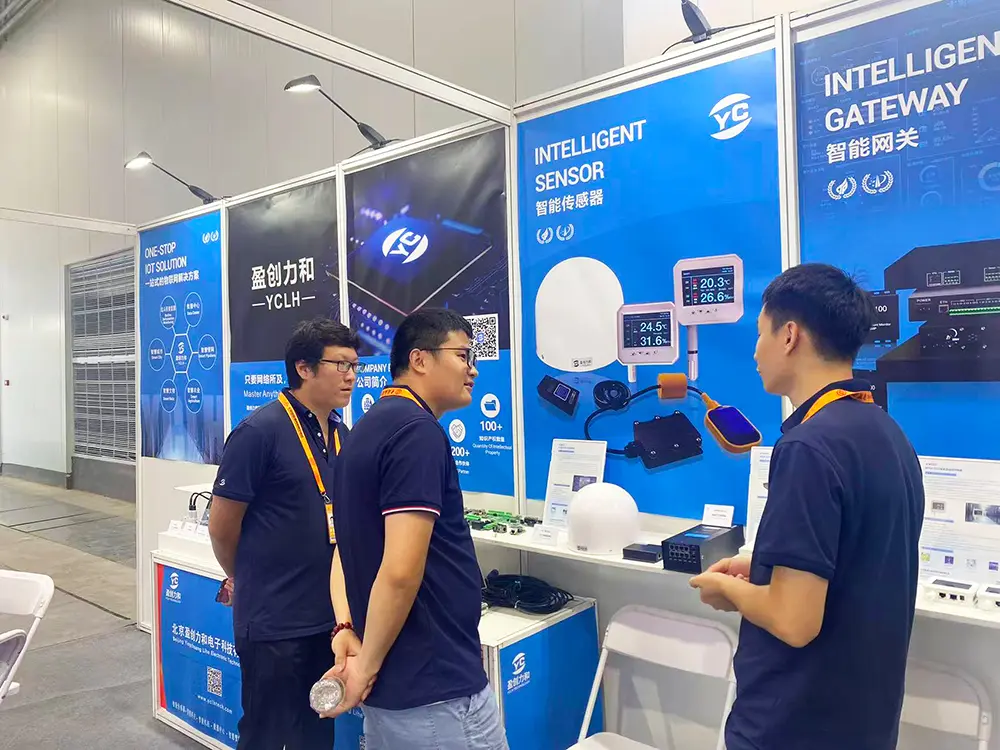
Our environmental sensors are deployed worldwide in critical settings where microclimatic control is essential.




Over 18 years of technical development and industry partnerships in environmental monitoring.
Company founded. Developed an intelligent environmental monitoring terminal based on the TCP/IP network protocol. In the same year, the initial version of environmental monitoring software was developed.
In collaboration with Mocha Software, a leading domestic network management software company, a series of SNMP protocol-supported environmental monitoring products, TH-5939, were launched.
In partnership with Switzerland's COMLAB, the TH-5869 protective Ethernet environmental monitoring device was introduced, successfully applied in high-speed rail projects such as the Beijing-Kowloon Line, Beijing-Shanghai Line, and Wuhan-Guangzhou Line.
Cooperating with Founder Technology, the APEM-6100 Ethernet environmental monitoring device was launched. This product was among the early environmental monitoring devices to adopt Power over Ethernet (PoE) technology.
Collaboration with Taiwan's Foxconn, combined with the influence of clients in the industry, established the company's products as one of the industry standards for environmental monitoring in production workshops.
In partnership with Baidu, the next-generation APEM-5900 Ethernet intelligent environmental monitoring terminal was launched, successfully deployed at Baidu's Yangquan Data Center. The environmental monitoring software was also upgraded that year to support a multi-parameter environmental monitoring system, further expanding its functional range.
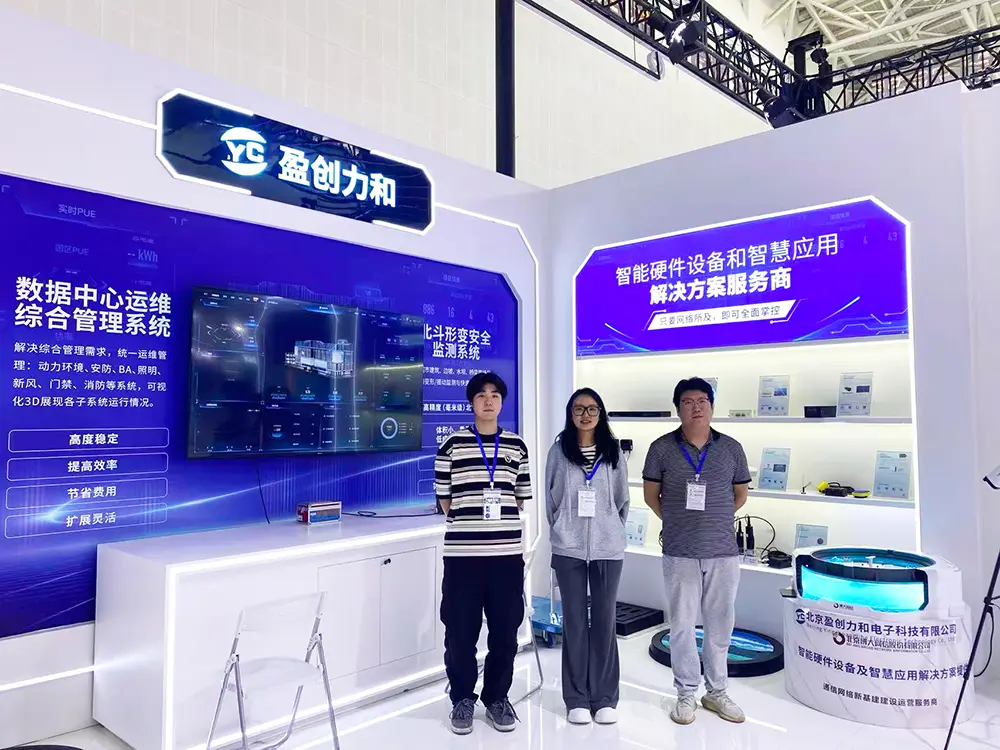
A smart solutions system was introduced, adopting and implementing multi-scenario project cases. The monitoring system expanded horizontally, starting with smart data centers.
An integrated outdoor cabinet monitoring system was launched, successfully applied in projects such as Huawei and China Merchants Huaruan ETC expressway initiatives.
Deep involvement in the research, design, and development of Beijing's high-level autonomous driving road test integrated boxes and edge computing gateways, providing highly reliable road test equipment solutions.
Participation in the construction of intelligent computing center projects, providing key technical support in core areas such as the establishment of intelligent computing infrastructure.
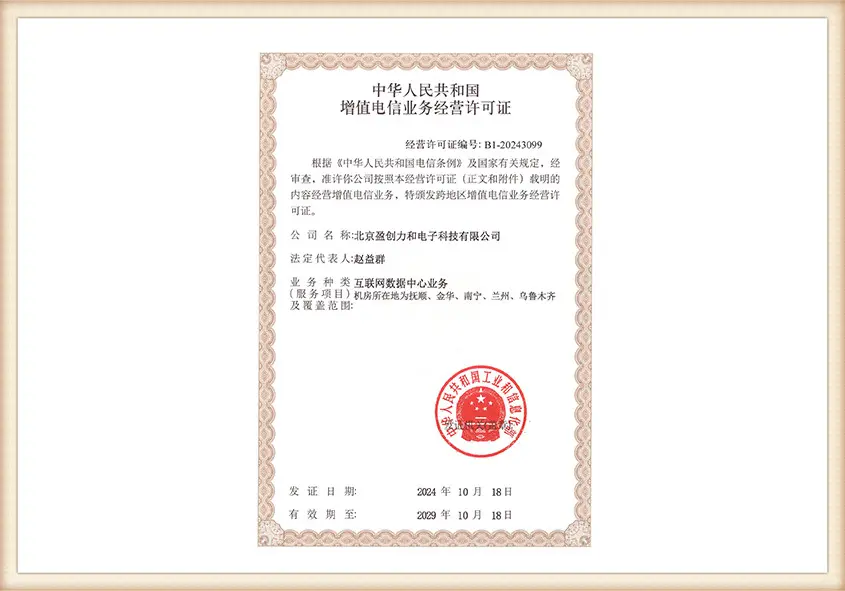
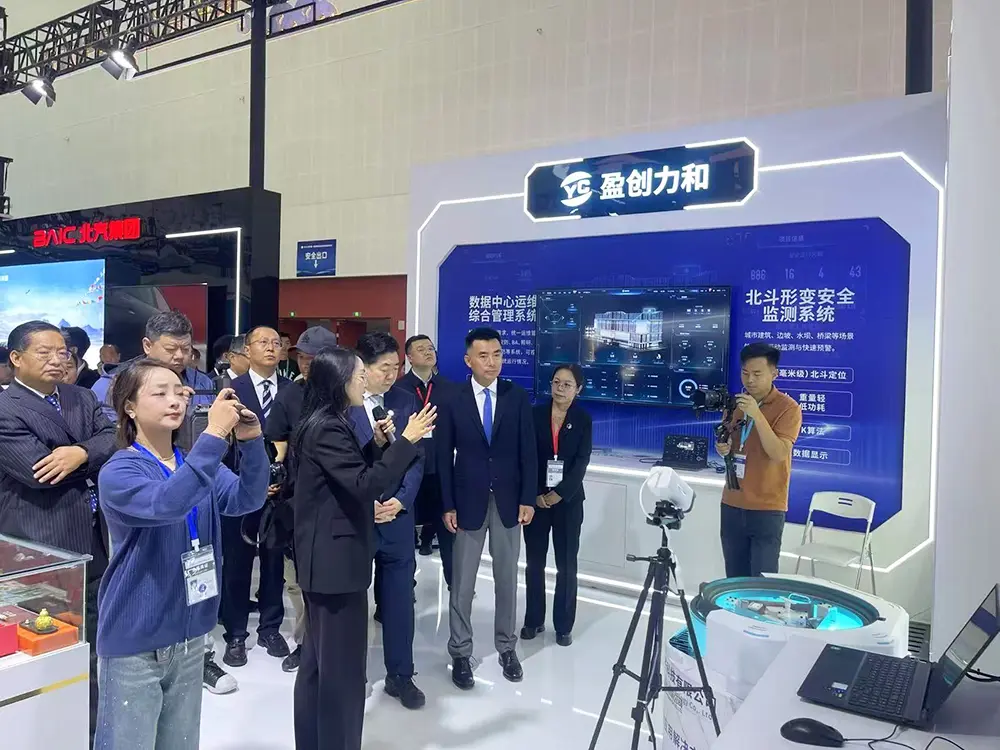
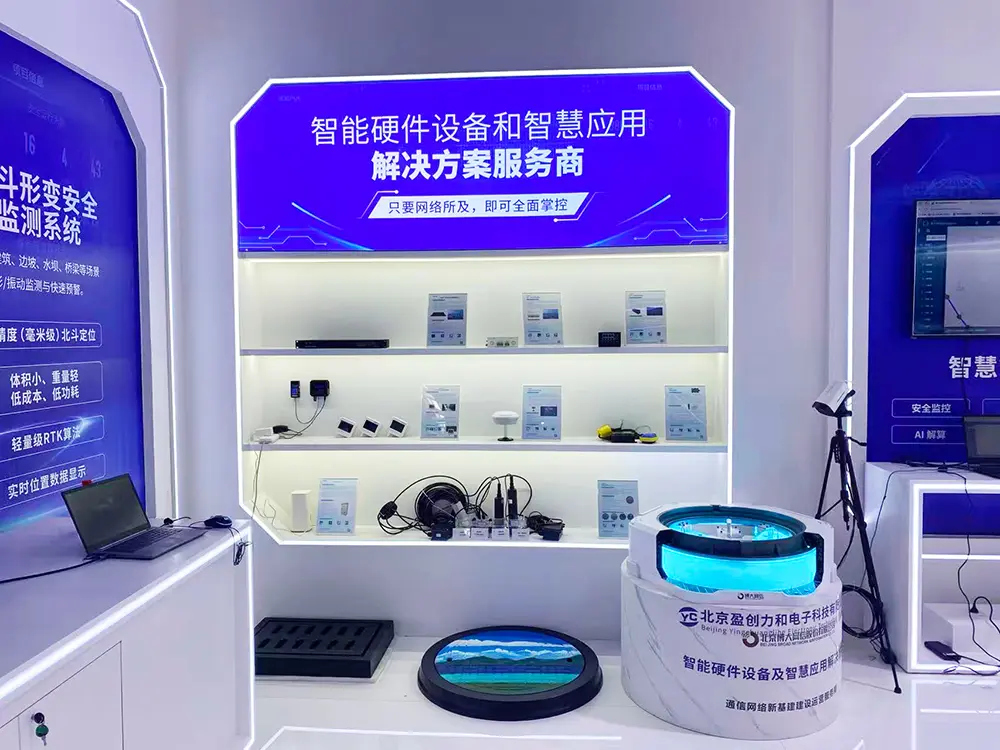
The company established joint business divisions with Beijing Enterprises Water Group and co-founded a Beidou business division with Beijing University of Civil Engineering and Architecture. Technological breakthroughs were achieved in the fields of smart pipeline network monitoring and Beidou high-precision deformation monitoring. Additionally, the company obtained Internet Data Center (IDC) business qualifications in the same year.
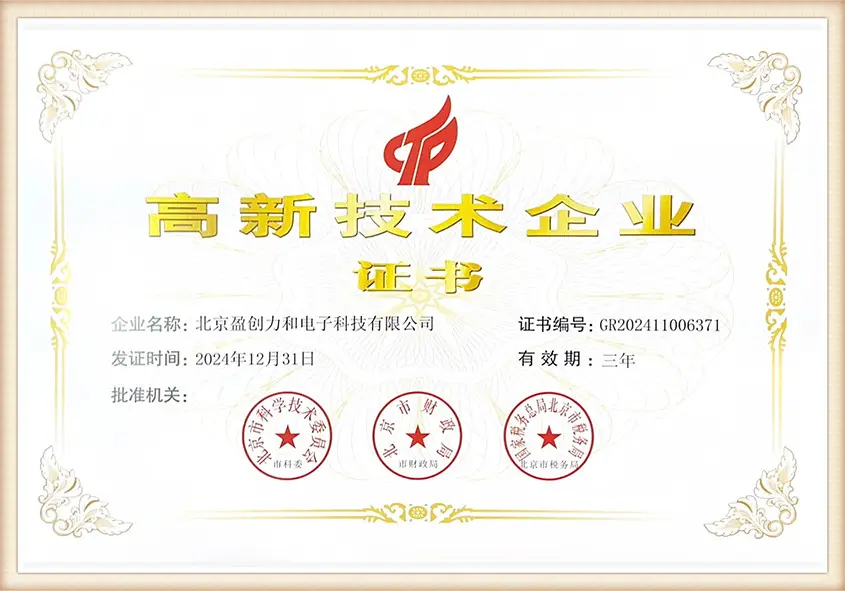
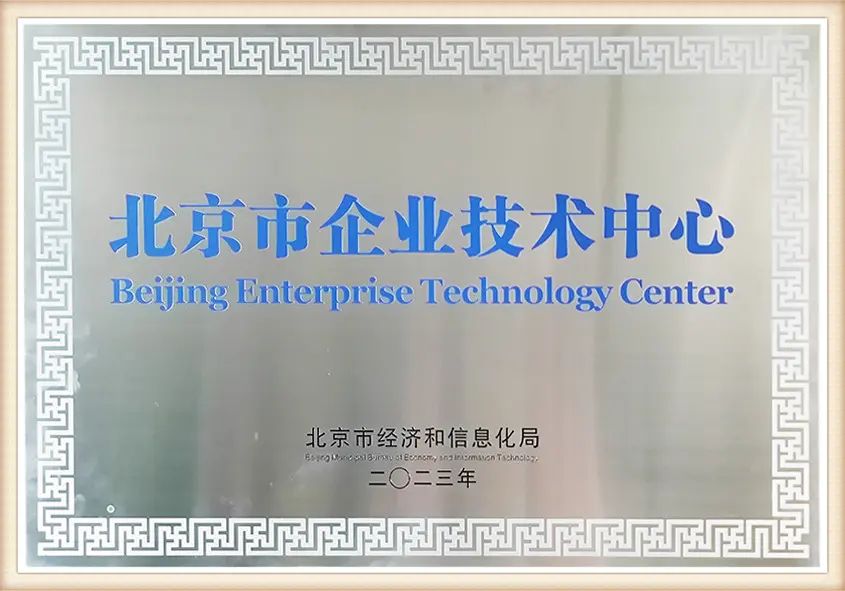
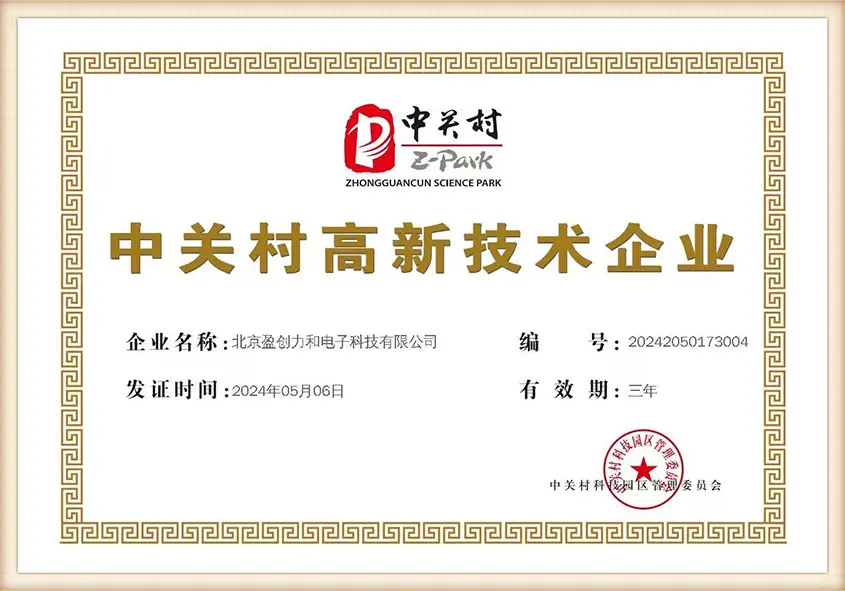
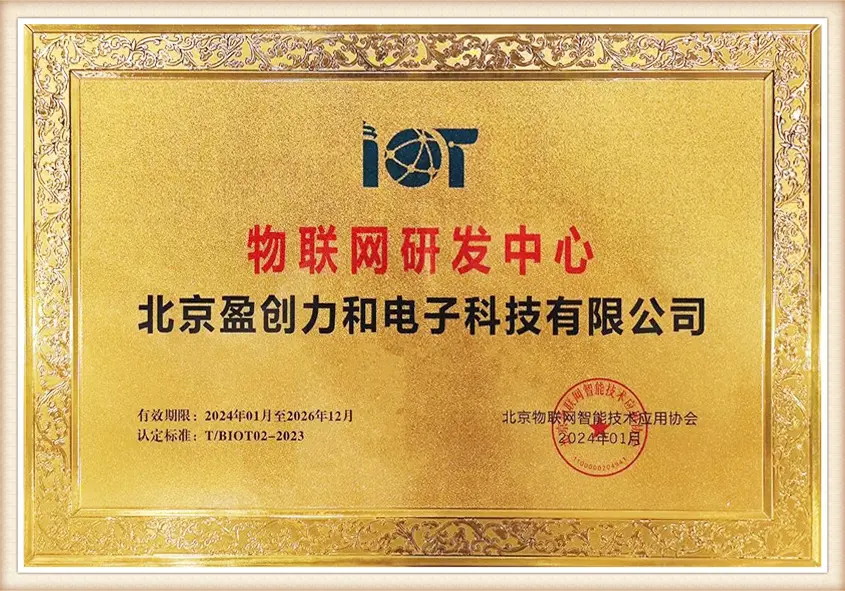
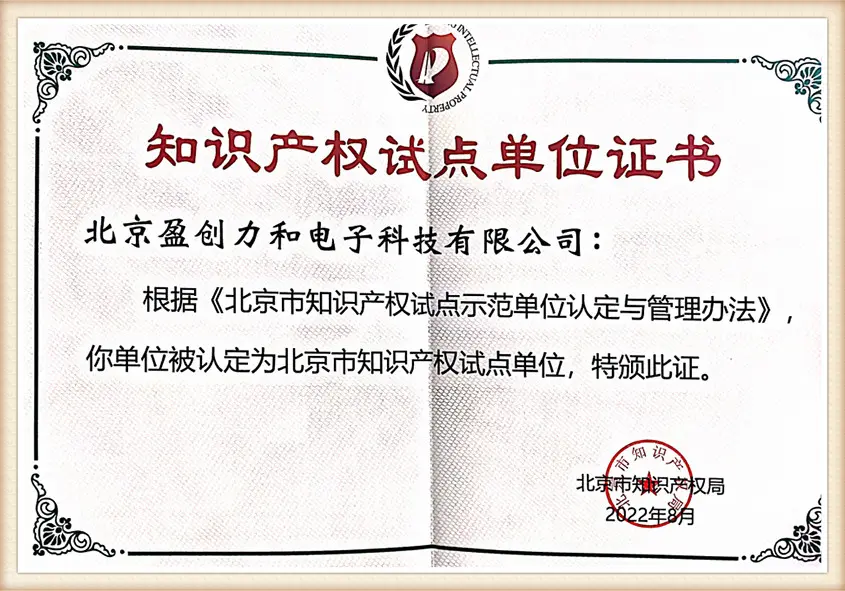
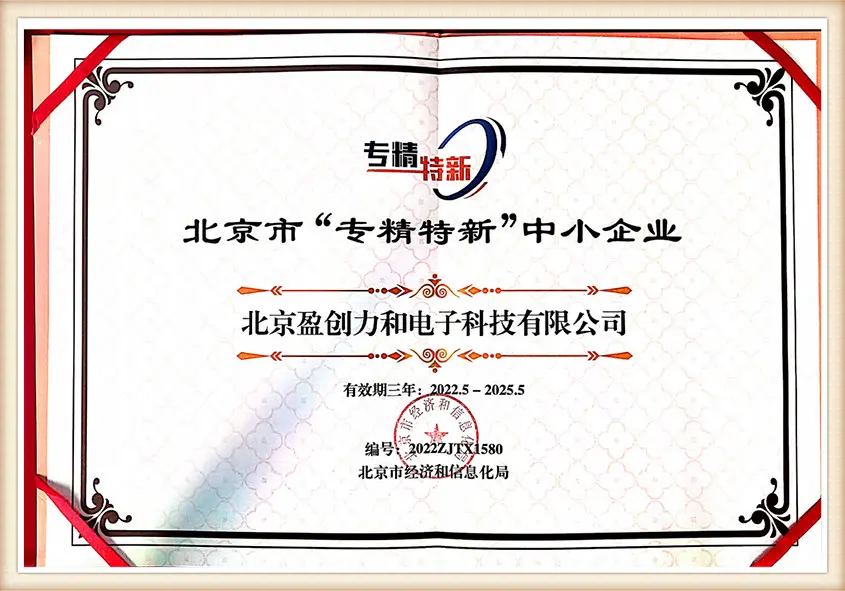
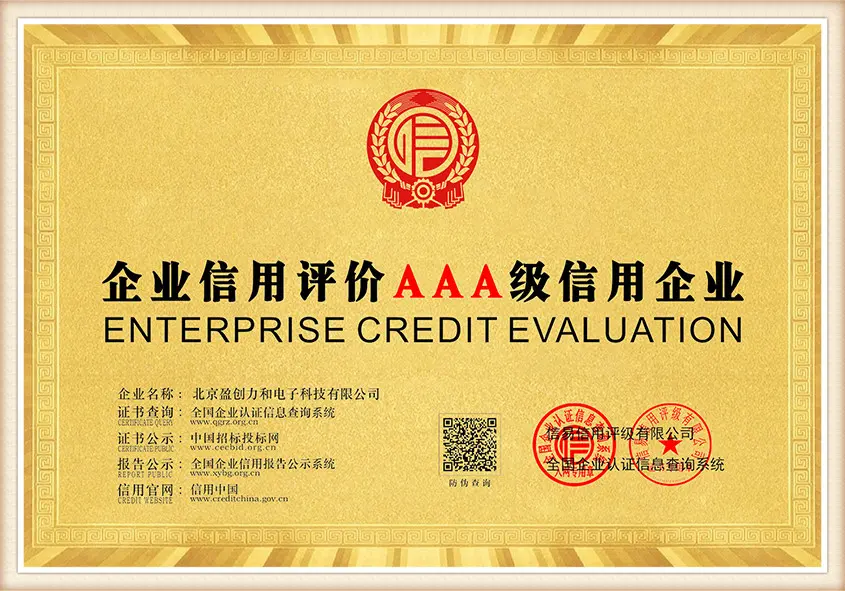
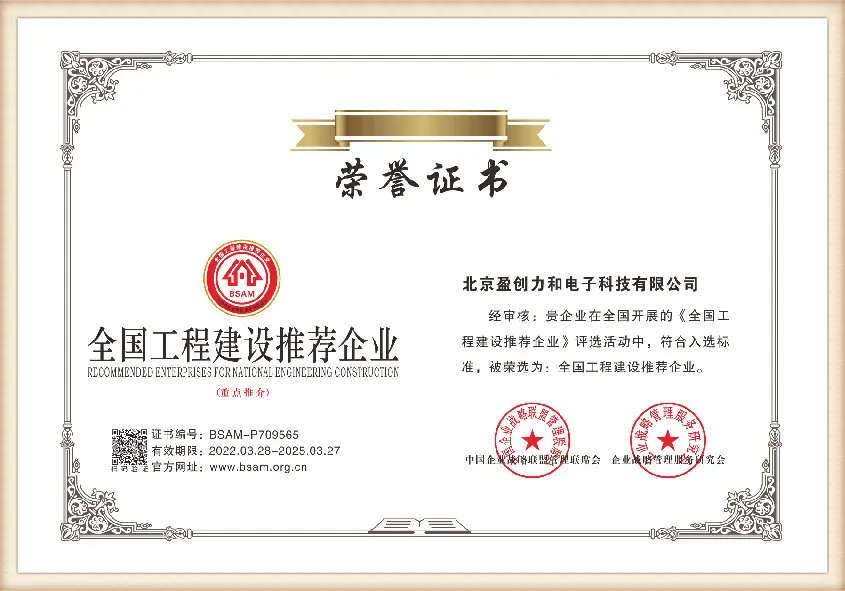
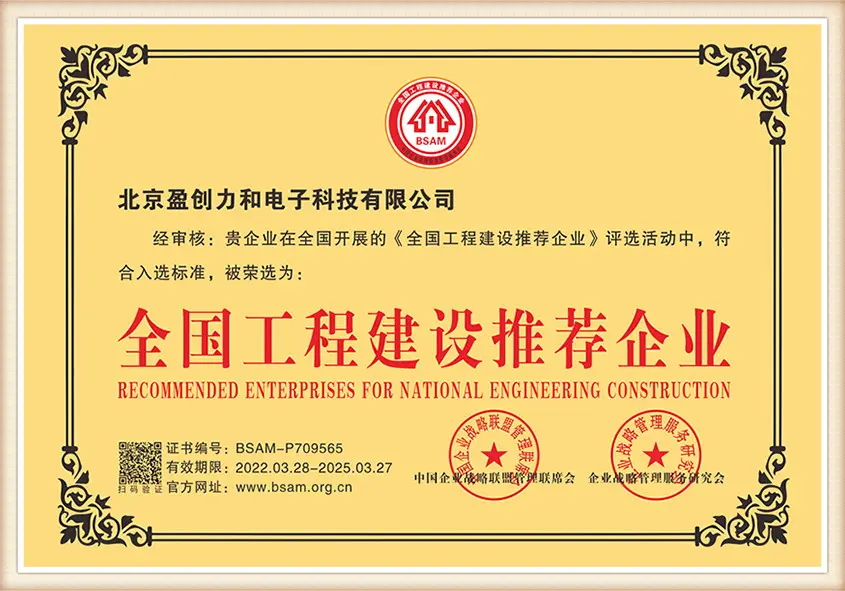
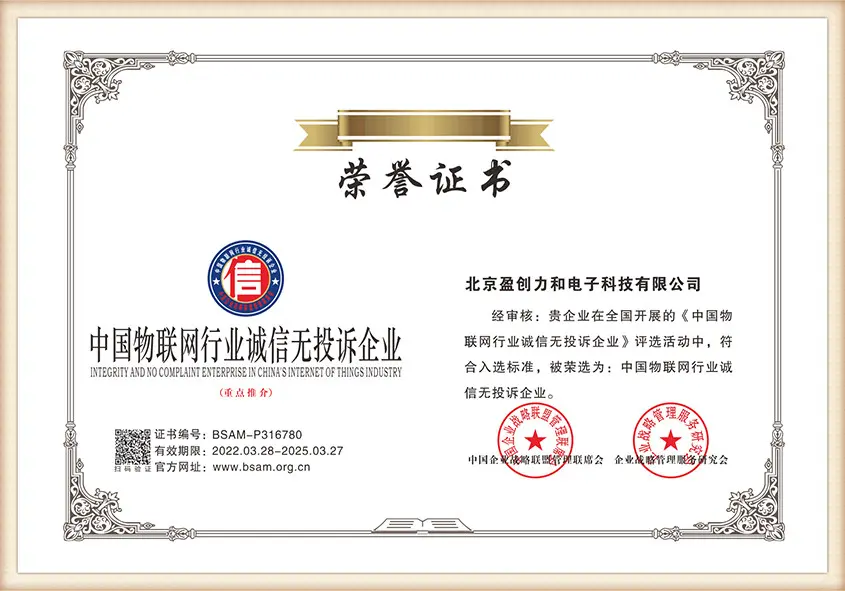
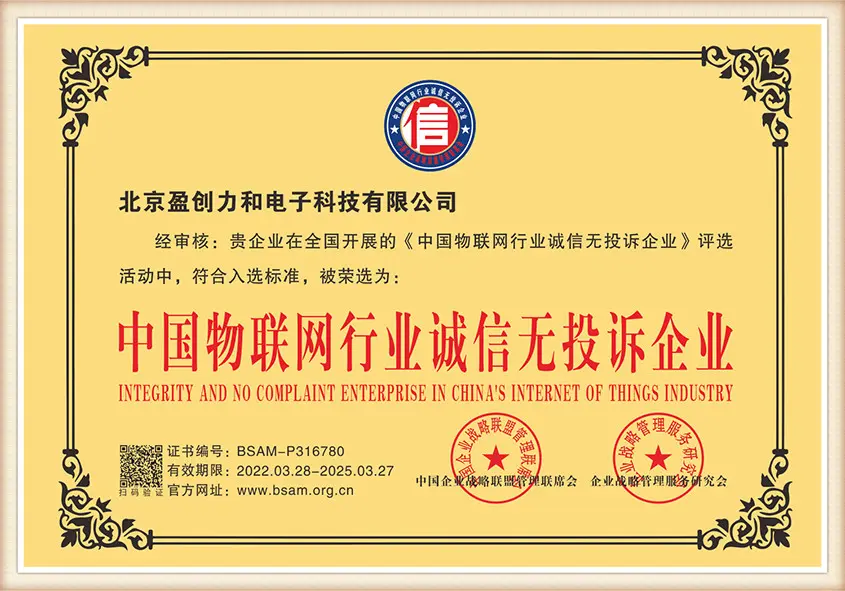
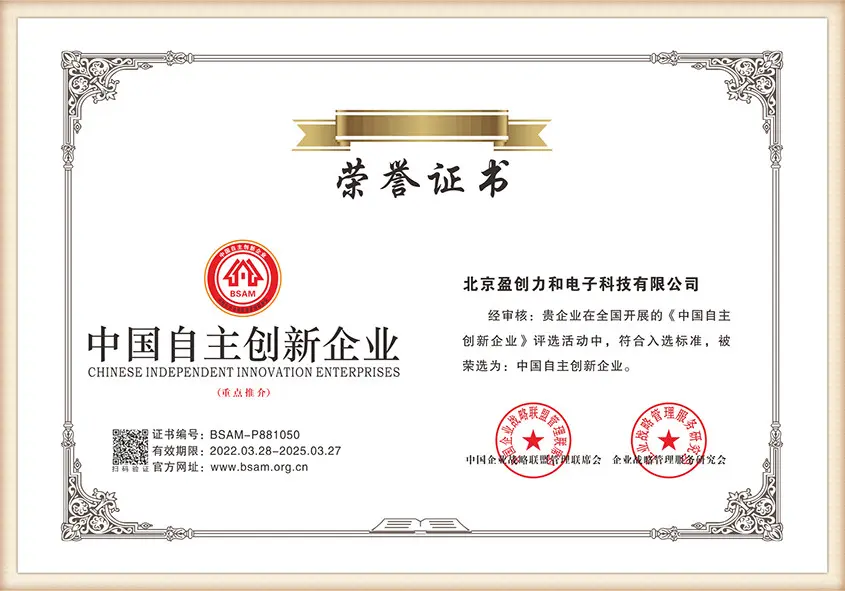
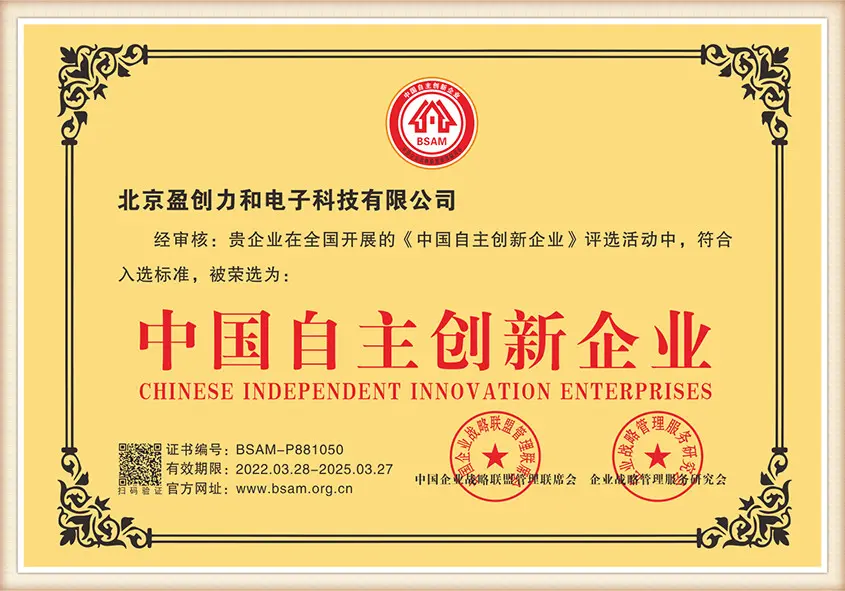
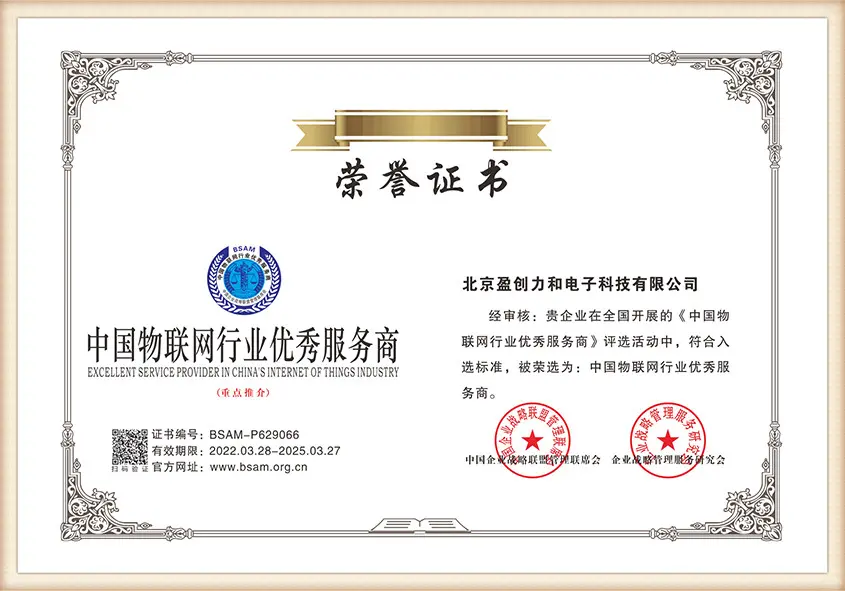
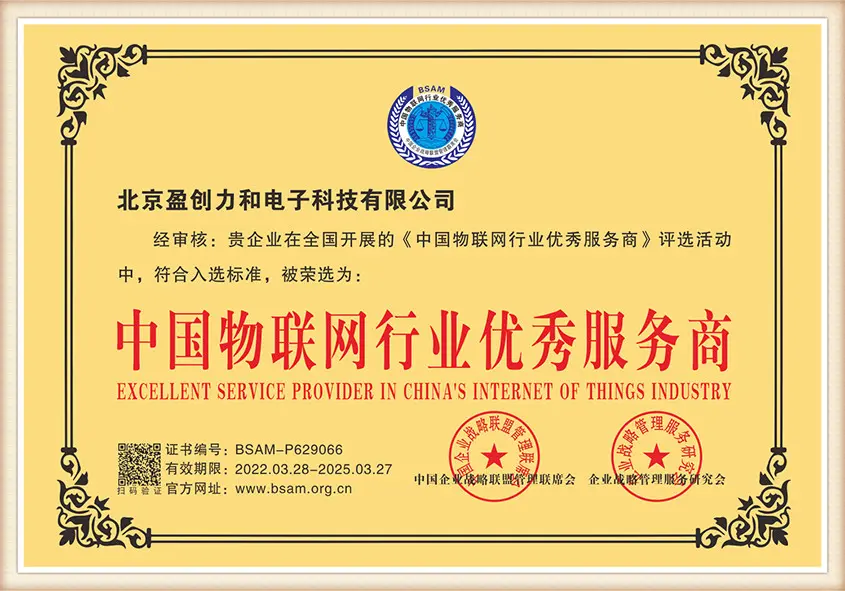
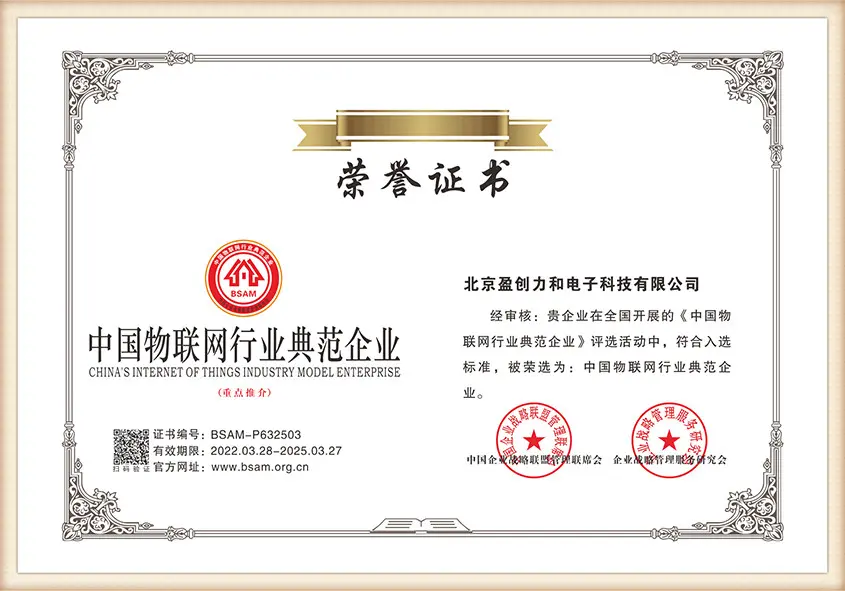
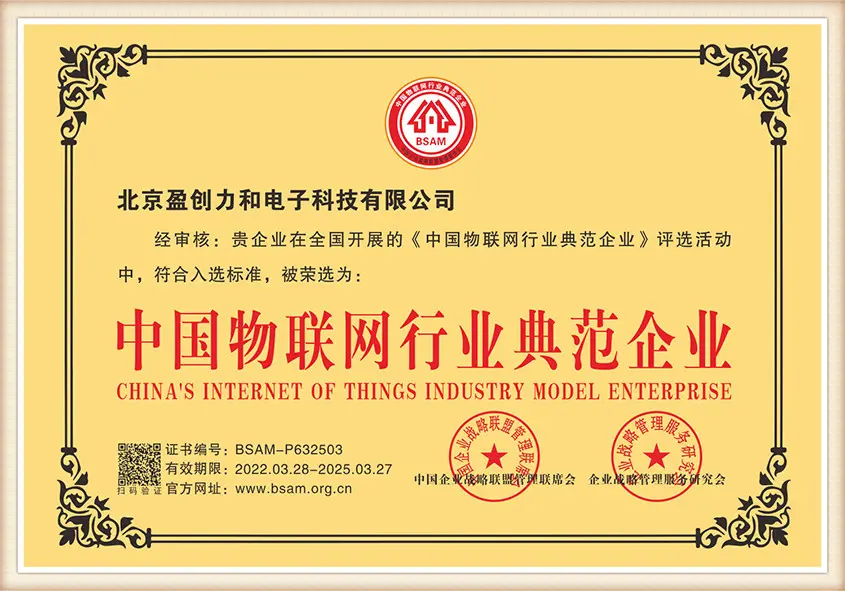
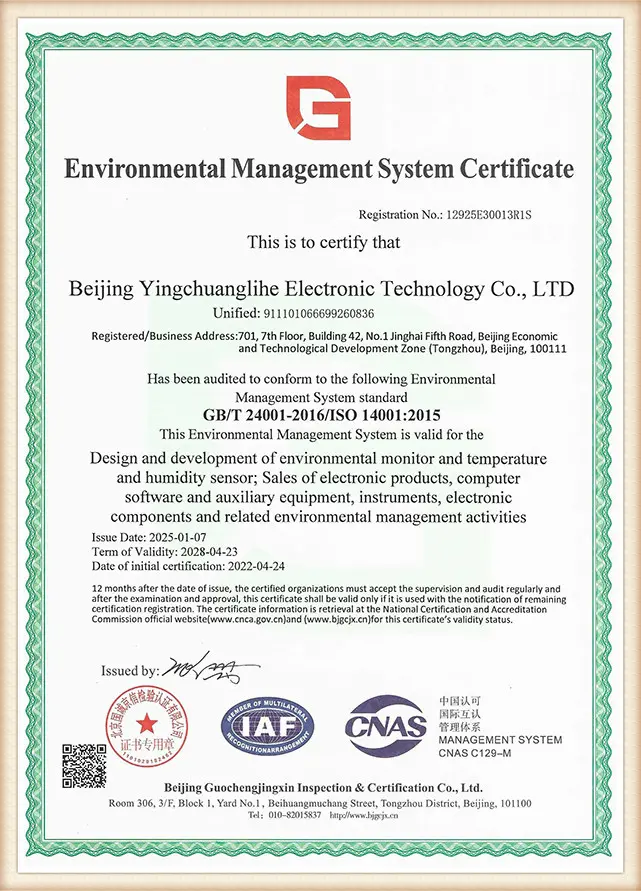
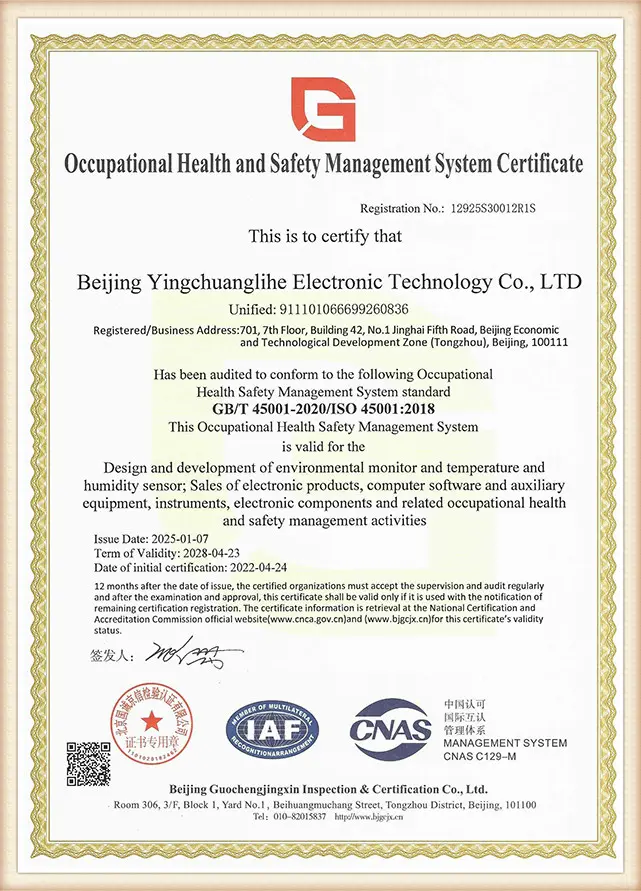
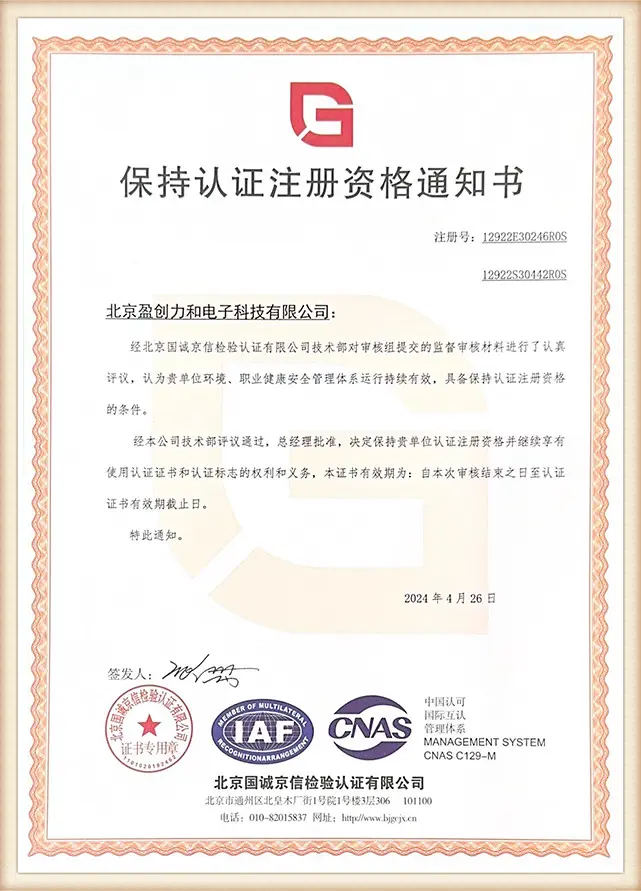
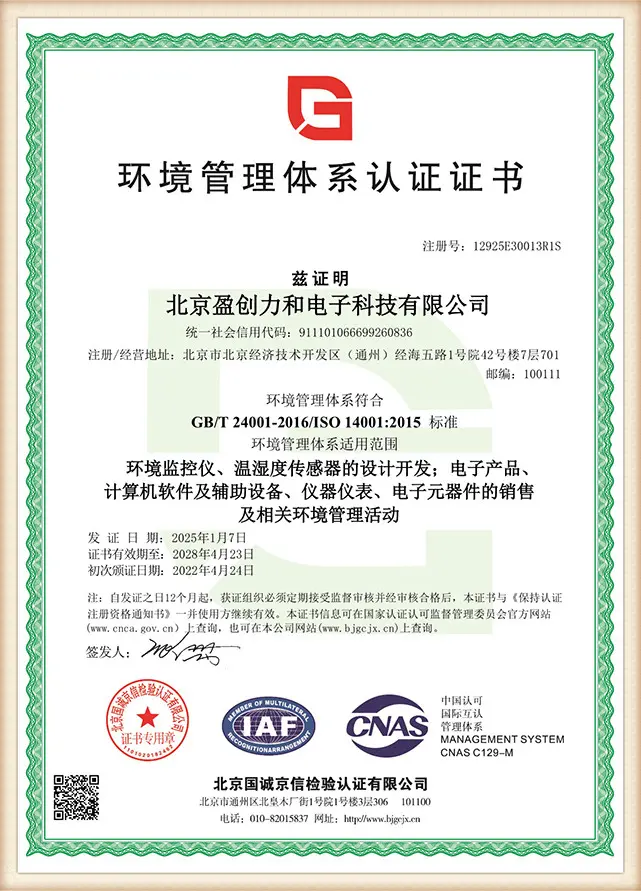
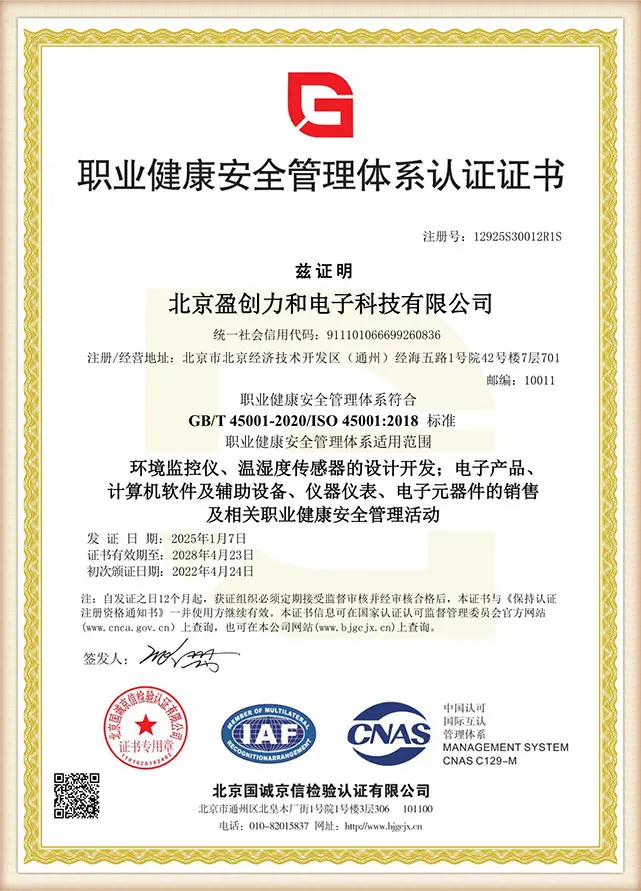
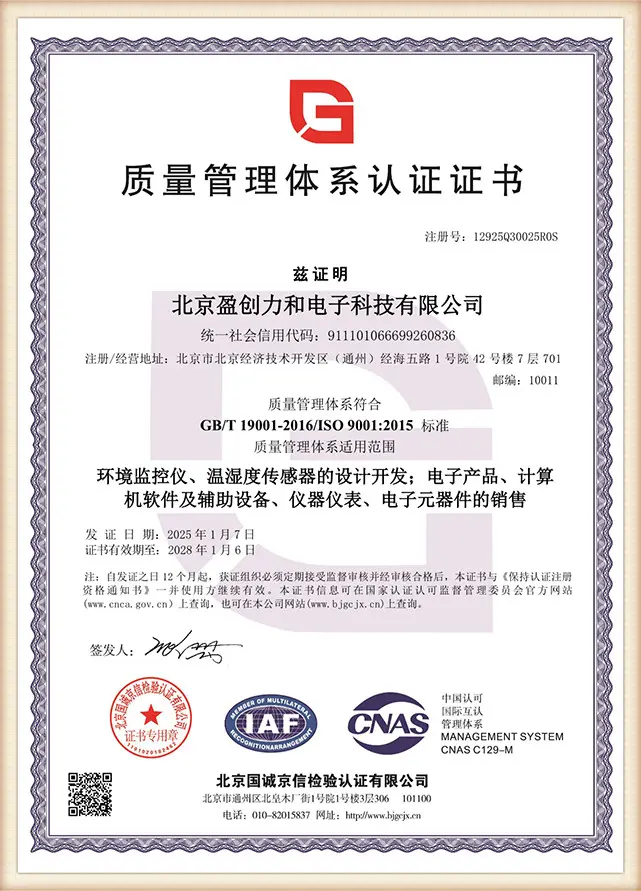
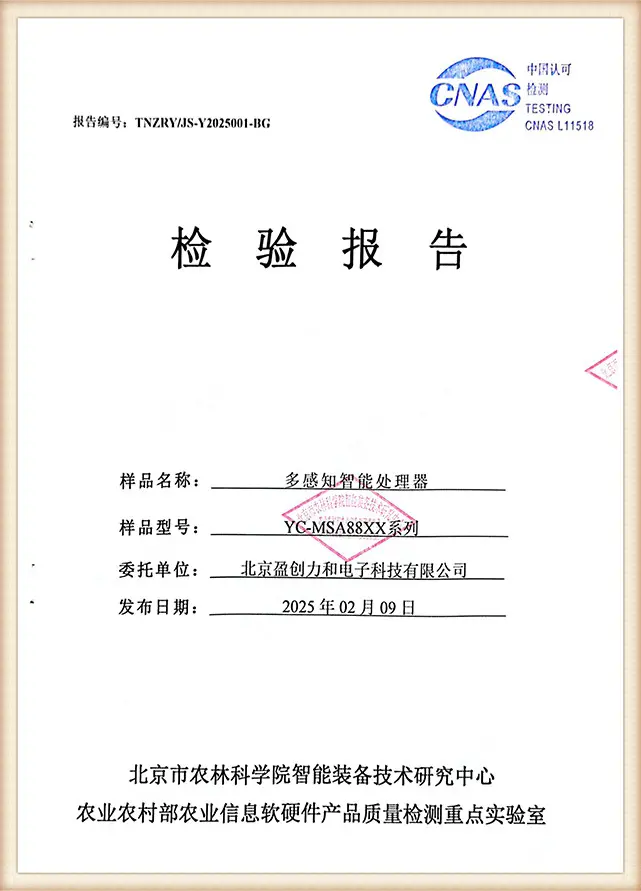
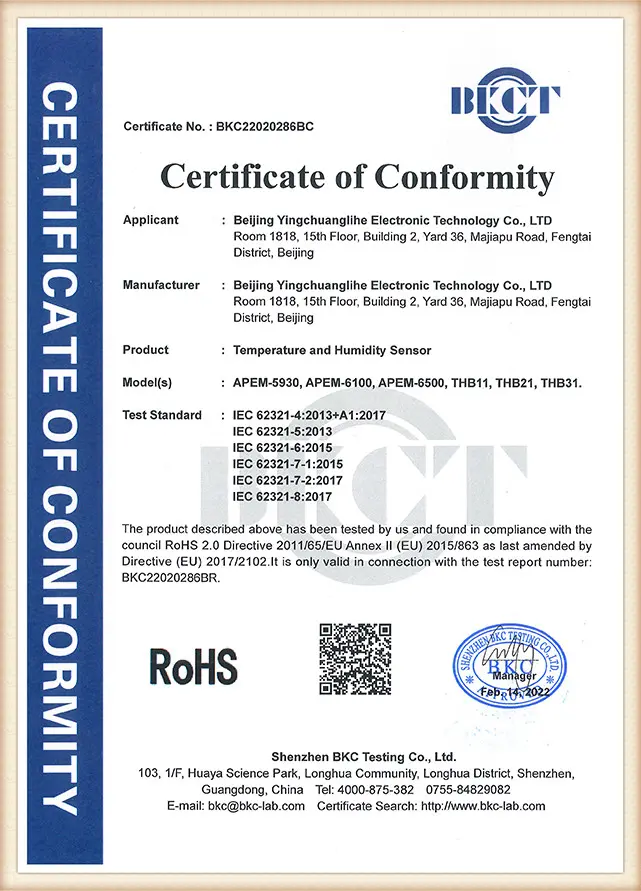
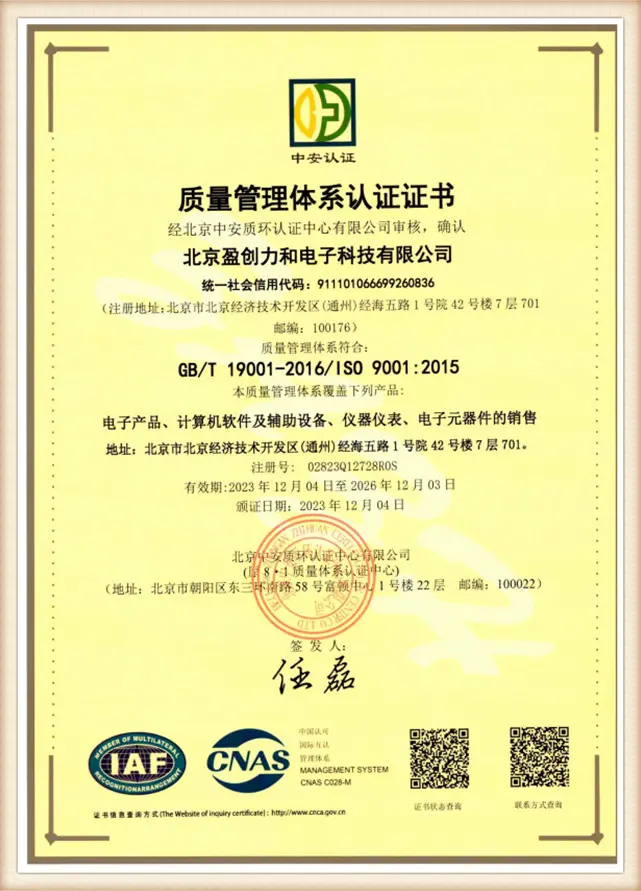
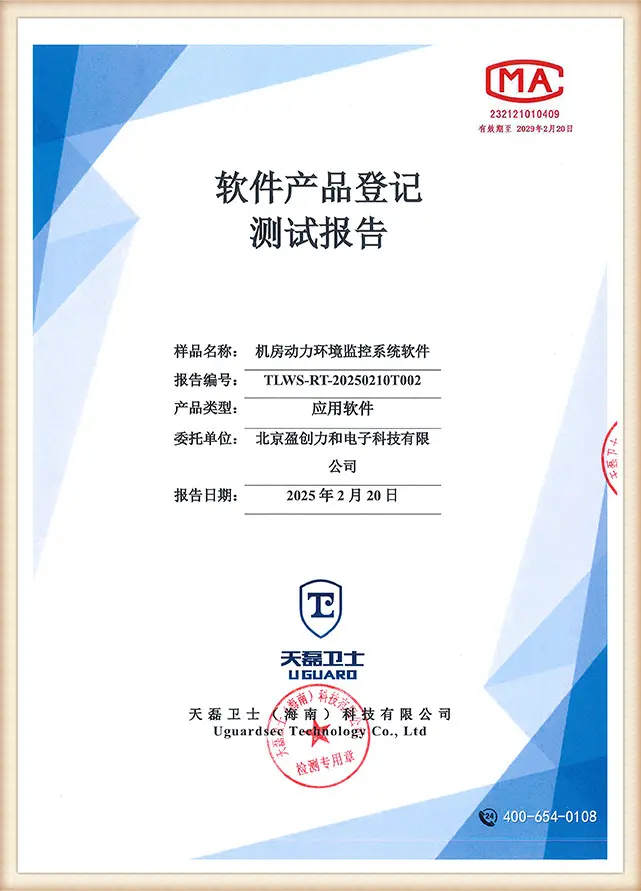
Our facility operations and products conform to international quality, safety, and compatibility standards.
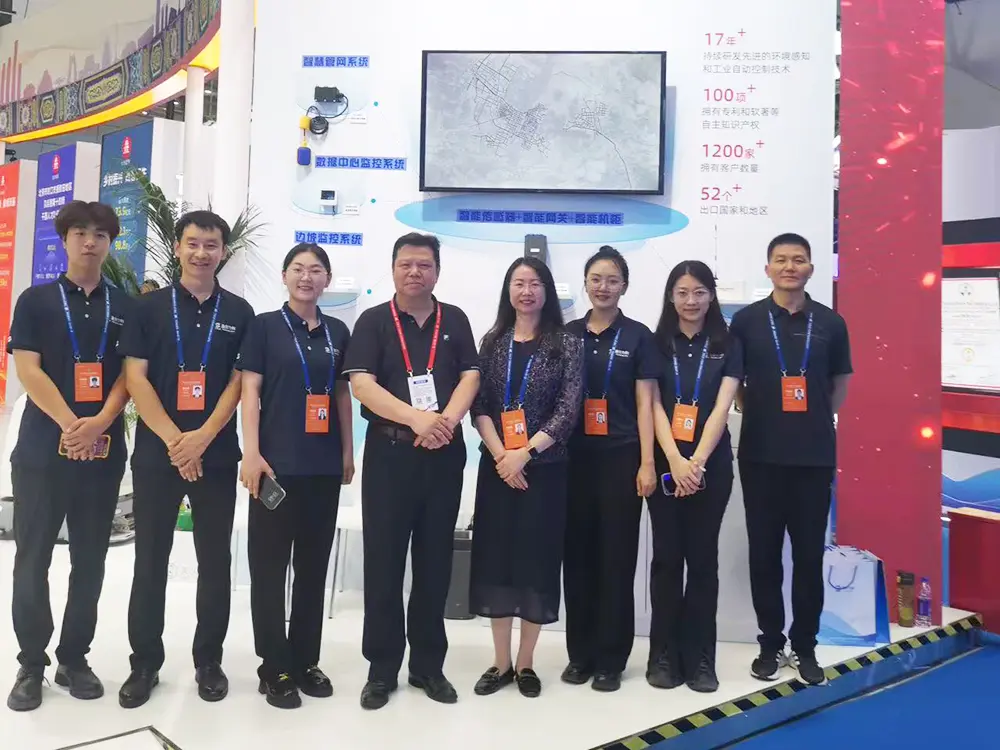
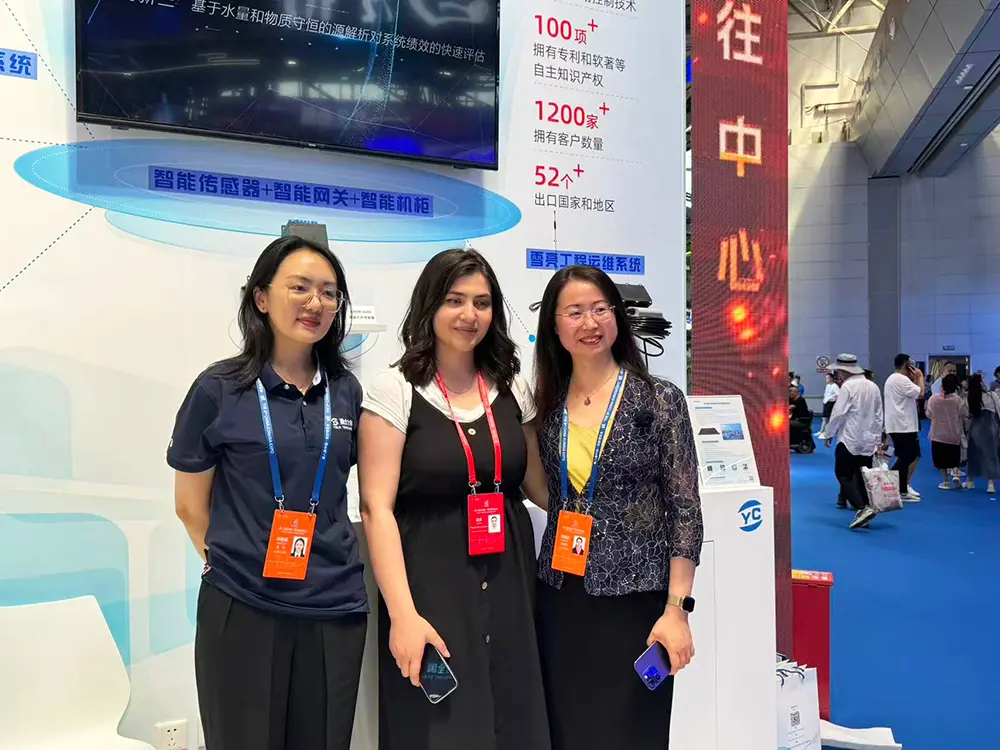
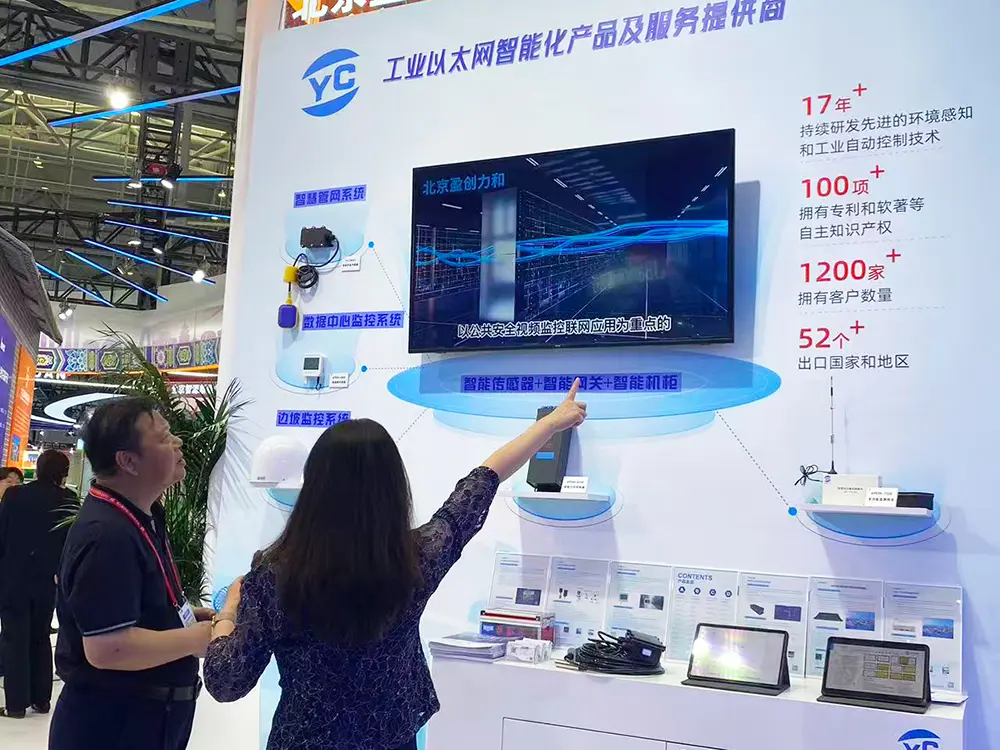
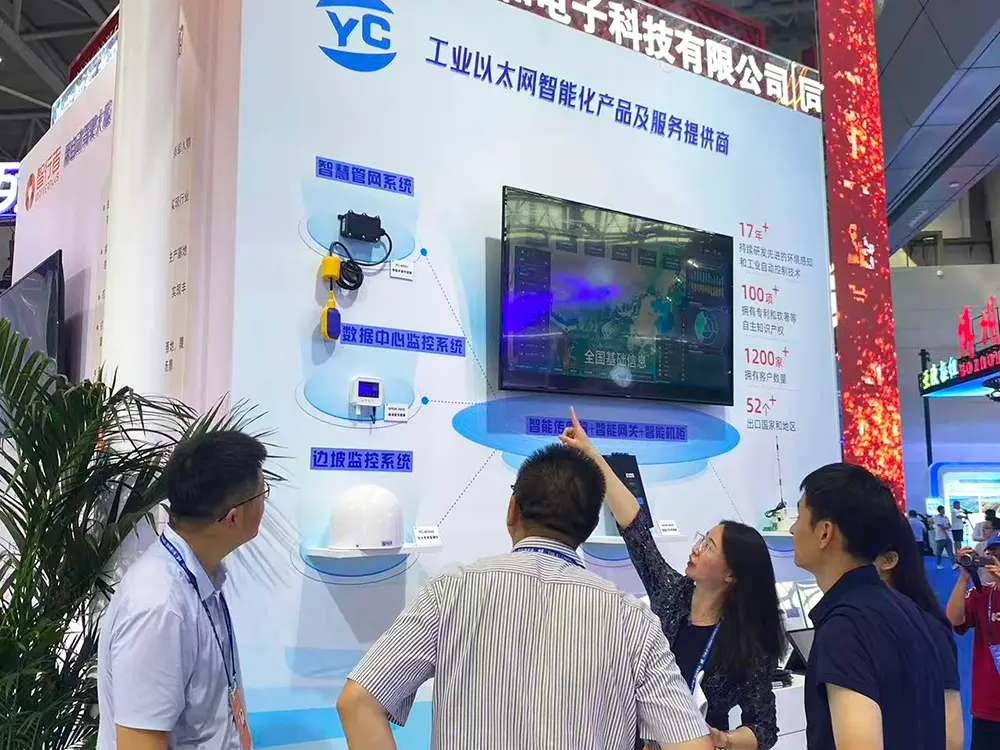
Get answers to technical questions about our environmental monitor hardware, calibration protocols, and integration pathways.
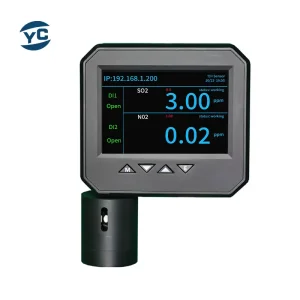
Browse our second tier of environmental monitors, developed for high-precision gas telemetry and specialized installations.
 YCLH Sensor