Industrial-grade sensors equipped with imported high-precision Swiss/German chips, offering PoE, Wi-Fi, and LoRa wireless connectivity options.
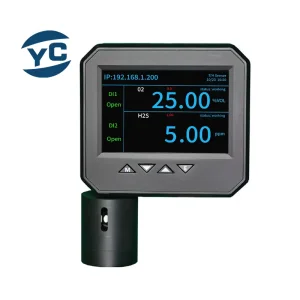
Dual gas monitoring designed with built-in data logging and industrial Modbus Ethernet interface.
View Details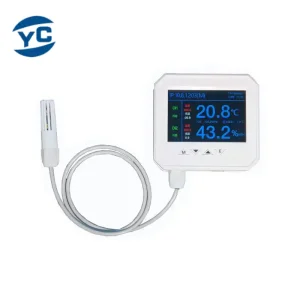
Direct Ethernet connection with optional external probes for high-accuracy localized cleanroom detection.
View Details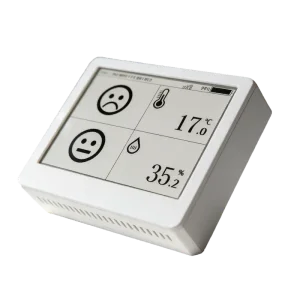
Long-range wireless monitoring featuring a low-power E-Ink display for instant field readings.
View Details
Wireless long-range IoT climate module built for highly distributed enterprise cleanroom architectures.
View Details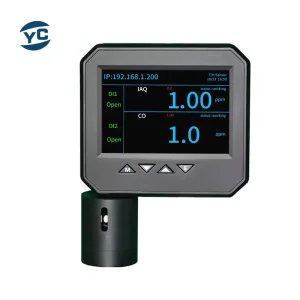
Combined Indoor Air Quality parameters and safety monitoring in a single PoE device casing.
View Details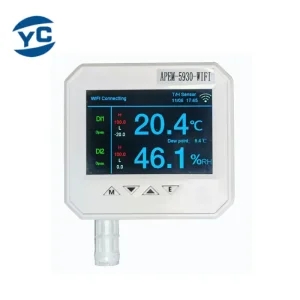
Dual-mode network configuration to ensure zero data gaps during network link changeovers.
View Details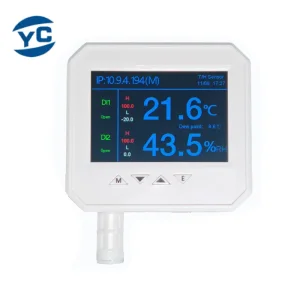
Standard PoE technology allows easy setup and integration with dynamic facility host systems.
View Details
Industrial environmental logging with real-time Ethernet telemetry for strict quality control.
View DetailsCleanroom environments serve as the foundational backbone for modern high-technology industries, ranging from sub-nanometer semiconductor lithography to sterile pharmaceutical fill-finish lines. In these highly controlled spaces, the microclimatic variables—specifically differential pressure, absolute and relative humidity, ambient temperature, and particulate concentrations—are not merely structural parameters but critical factors affecting process yield and product stability.
Under international cleanroom regulatory standards (including ISO 14644-1, EU GMP Annex 1, and FDA 21 CFR Part 11), maintaining a stable differential pressure gradient is critical to prevent contamination. For example, a positive pressure difference of 10 to 15 Pascals (Pa) must be maintained between adjacent cleanroom zones of differing classes. This pressure offset acts as an invisible barrier, ensuring that when doors are opened, clean air flows outward, preventing contaminated external air from entering the higher-grade workspace.
The cleanroom monitoring landscape is undergoing a significant transition from localized, single-parameter instruments to integrated, software-defined sensing nodes. The technical development pathway covers the following core areas:
Traditional cleanrooms utilized mechanical magnehelic gauges, which required manual recording and presented risk of fluid leaks. The current standard is silicon-based micro-machined capacitive pressure elements. These MEMS (Micro-Electro-Mechanical Systems) sensors measure changes in electrostatic capacitance caused by pressure changes across a microscopic diaphragm. Looking forward, Yingchuanglihe is integrating optical interferometric pressure sensors that are immune to electromagnetic interference (EMI), ideal for high-power semiconductor fabrication tools.
Wired reliability remains critical, which is why Power over Ethernet (PoE) according to IEEE 802.3af standards has become the default deployment protocol. PoE delivers power and high-speed Modbus TCP/IP or SNMP telemetry over a single Cat6 line, eliminating the need for local power supplies. For retrofit installations, the technology is moving toward low-power, long-range wireless protocols (LoRaWAN) combined with local e-paper displays. The low energy consumption of LoRa allows batteries to run for over 5 years while keeping local radio interference below detectable levels in cleanrooms.
Future monitoring networks will not just report values; they will analyze them. By coupling differential pressure data with HEPA filter downstream pressure readings, real-time algorithms can predict filter loading curves and calculate the remaining useful life of filtration units. This changes maintenance from a reactive calendar model to an optimization process, preventing unexpected yield losses during production runs.
| Technology Metric | Conventional Industrial Monitors | Yingchuanglihe Cleanroom Monitors | Future-State Optical Array (Roadmap) |
|---|---|---|---|
| Pressure Accuracy | ±1.5% to ±2.0% FS | ±0.5% FS (down to 0.1 Pa resolution) | ±0.1% FS (with zero drift calibration) |
| Drift per Year | <1.0 Pa | <0.1 Pa (internal thermal compensation) | <0.01 Pa (absolute reference chamber) |
| Protocols Supported | RS-485 / Modbus RTU | PoE, TCP/IP, Wi-Fi, LoRa, SNMP, BACnet | Dual-channel secure HTTPS/TLS 1.3 IoT API |
| Decontamination Proofing | No protection | IP65, VHP (Vaporized H₂O₂) resistant casing | Hermetically sealed quartz lens interface |
Different manufacturing fields require tailored environmental monitoring profiles:
Beijing Yingchuanglihe Electronic Technology Co., Ltd. combines advanced manufacturing technology with rigorous quality control systems.
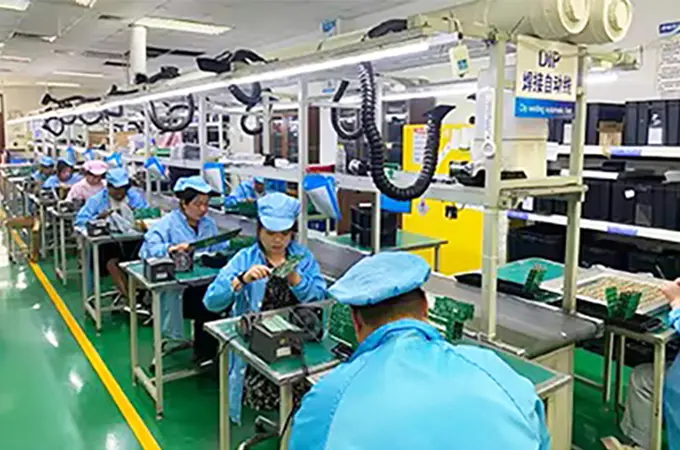
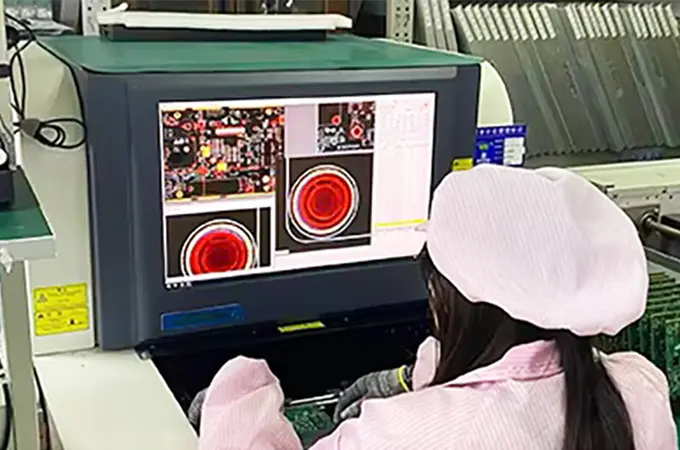
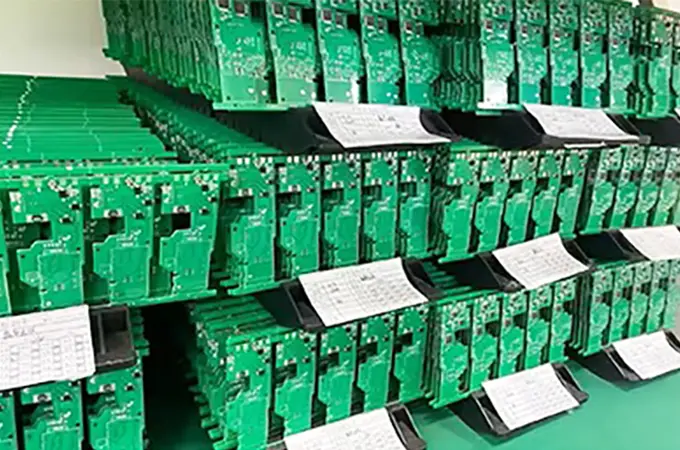
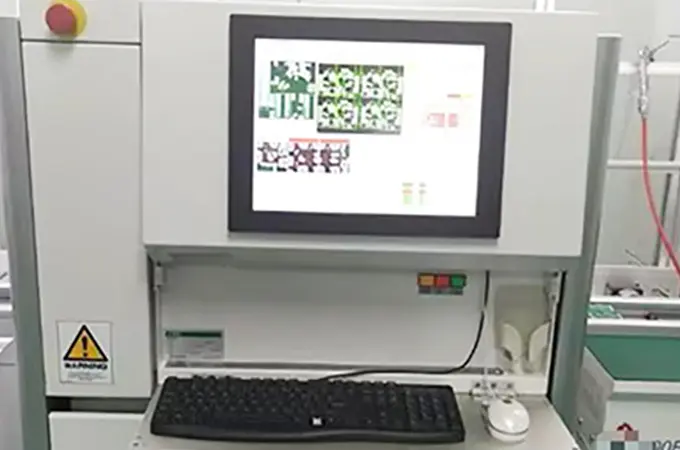
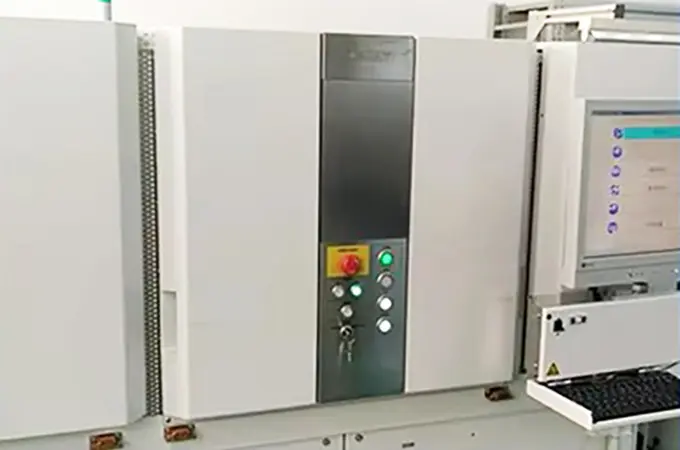
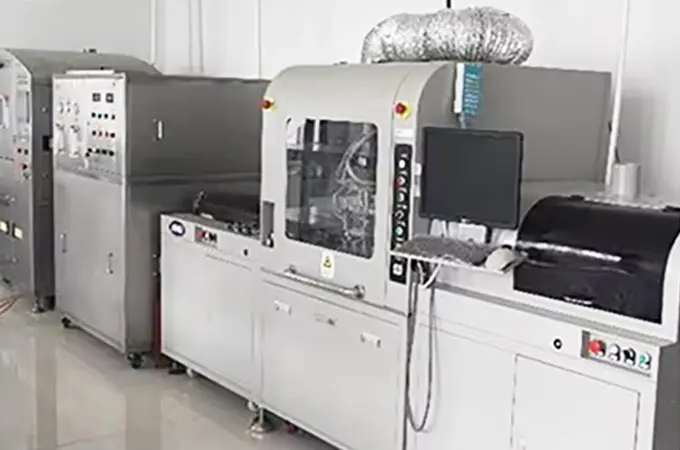
Located in Beijing, China, our modern factory utilizes advanced manufacturing techniques to produce high-precision instrumentation. By automating SMT assembly and implementing multi-stage temperature/humidity test chambers, we verify the performance of each device before shipment.
Every sensor goes through a multi-point calibration routine compared against reference instruments certified to international metrology standards. This process ensures our devices meet CE, FCC, and RoHS standards, allowing seamless integration into global industrial projects.
Our direct access to component supply chains allows us to offer shorter lead times on custom projects, helping system integrators and distributors keep their projects on schedule.
Over 18 years of continuous development and technical achievements in the environmental monitoring sector.
Foundation: Beijing Yingchuanglihe was founded. We designed and developed an intelligent environmental monitoring terminal based on the TCP/IP network protocol. In the same year, the initial version of our environmental monitoring software suite was completed.
Partnership: Collaborated with Mocha Software to launch the TH-5939 series of environmental monitoring products, featuring native support for the SNMP protocol.
High-Speed Rail Projects: Partnered with Switzerland's COMLAB to introduce the TH-5869 protective Ethernet monitoring device. The unit was deployed in high-speed rail systems, including the Beijing-Kowloon, Beijing-Shanghai, and Wuhan-Guangzhou lines.
PoE Technology: Developed the APEM-6100 Ethernet monitoring device in partnership with Founder Technology. This was one of the early environmental monitors to feature integrated Power over Ethernet (PoE) technology.
Industrial Standards: Partnered with Foxconn to supply environmental monitoring solutions for manufacturing cleanrooms, establishing our designs as an industry reference.
Cloud Data Centers: Developed the next-generation APEM-5900 intelligent monitoring terminal in partnership with Baidu. This system was deployed in Baidu's Yangquan Data Center. The software suite was also upgraded to support multi-parameter data logging.
Smart Solutions: Introduced our smart solutions architecture, expanding our environmental monitoring products into diverse commercial and industrial facility designs.
Cabinet Systems: Developed an integrated outdoor cabinet monitoring system, deployed in highway projects for Huawei and China Merchants Huaruan ETC installations.
Autonomous Driving: Designed road test integrated enclosures and edge computing gateways for Beijing's autonomous driving test zones, providing reliable field data collection.
Computing Infrastructure: Supplied monitoring equipment for intelligent computing center projects, supporting environmental stability in high-density processing sites.
Utility Infrastructure: Established joint divisions with Beijing Enterprises Water Group and Beijing University of Civil Engineering and Architecture, focusing on pipeline network tracking and Beidou deformation monitoring. The company also obtained key Internet Data Center (IDC) operational qualifications.
A roadmap for technical buyers, EPC engineers, and OEM project planners when selecting cleanroom climate monitors.
Verify that sensor performance matches target guidelines, including precision limits, drift coefficients, and chemical resistance during decontamination cycles.
Choose physical connection interfaces (RJ45 PoE, RS-485, Wireless) and protocols (Modbus, BACnet, SNMP, MQTT) to ensure compatibility with your building management systems (BMS).
Ensure monitors comply with FDA 21 CFR Part 11 requirements for electronic signatures and include trace calibration certificates recognized by local standards agencies.
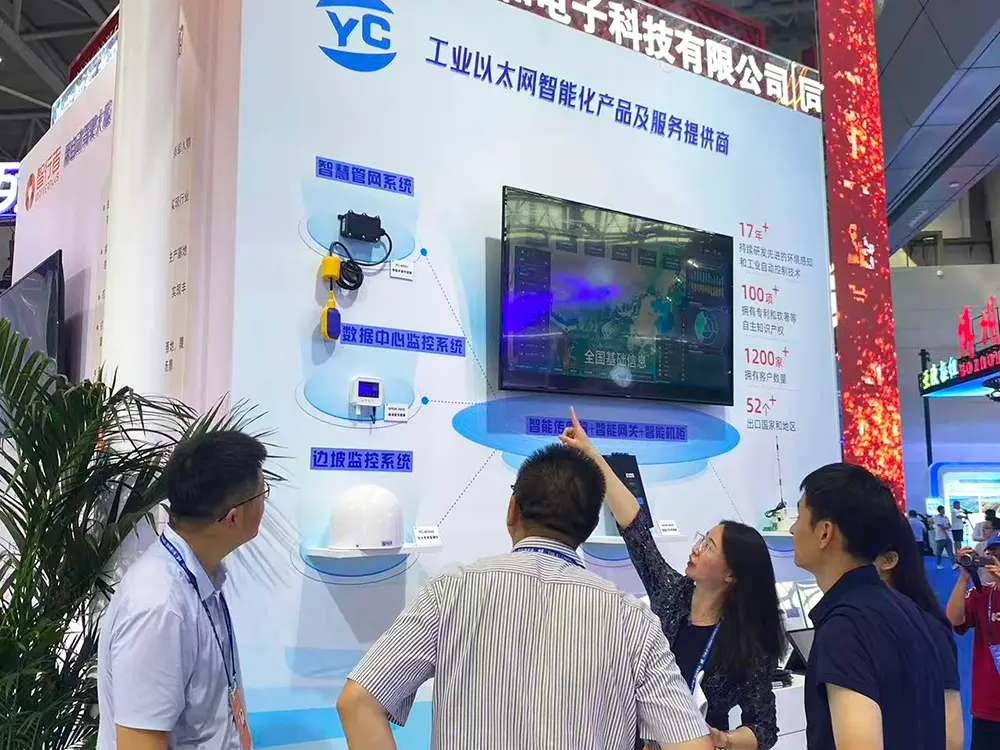
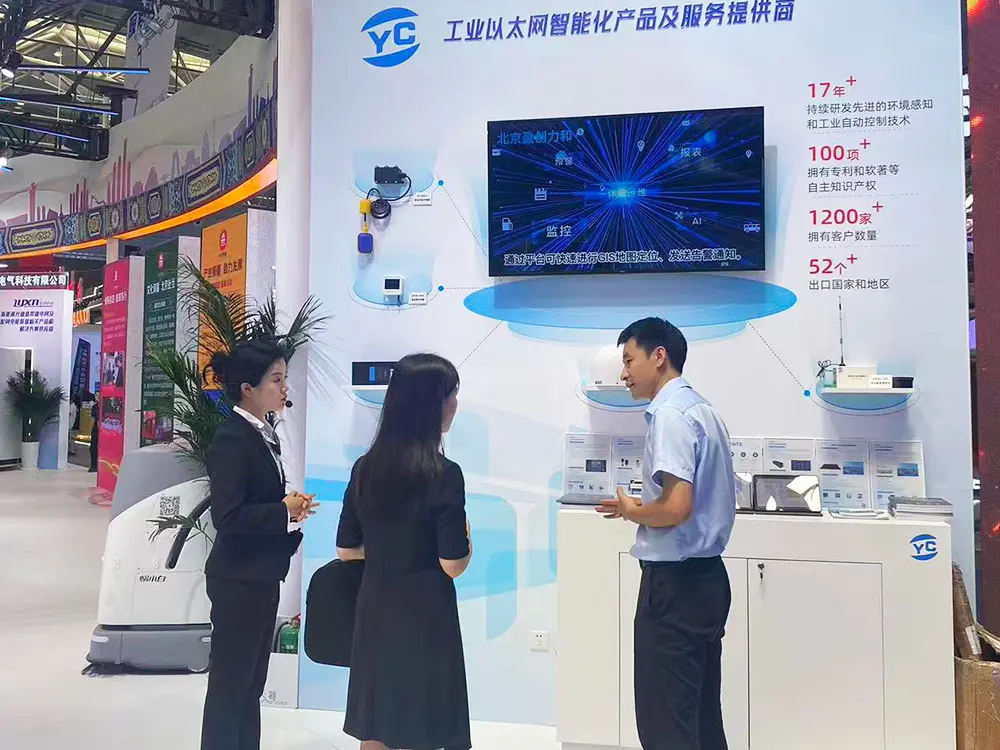
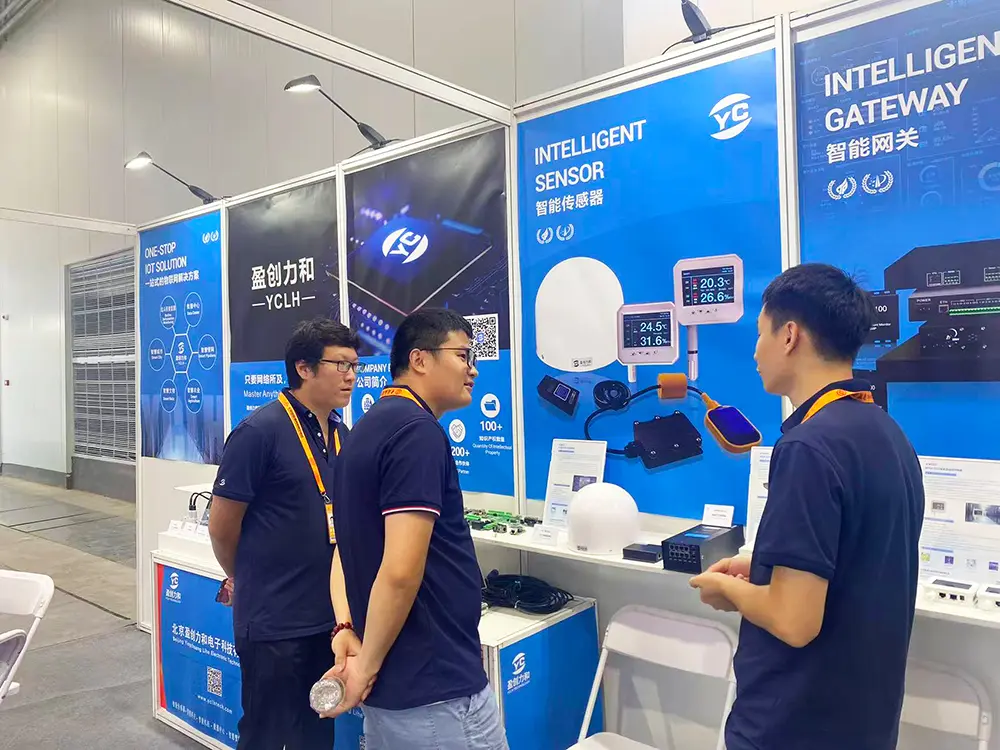
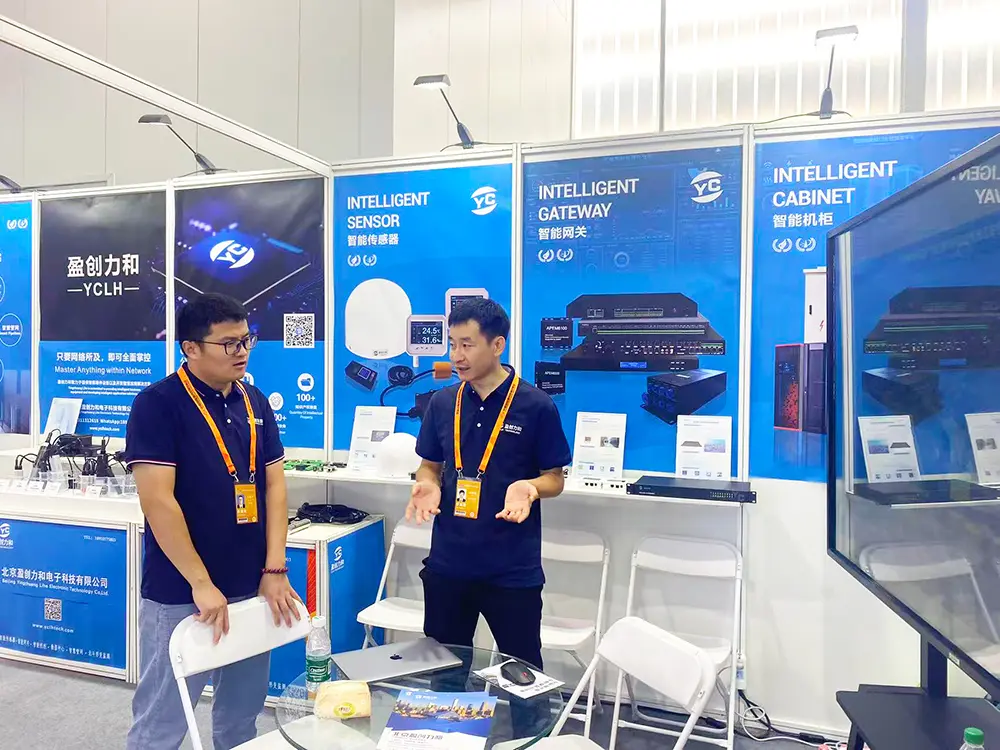
We invite global customers and engineering partners to view our modern manufacturing infrastructure, quality control testing setups, and historical event participations.
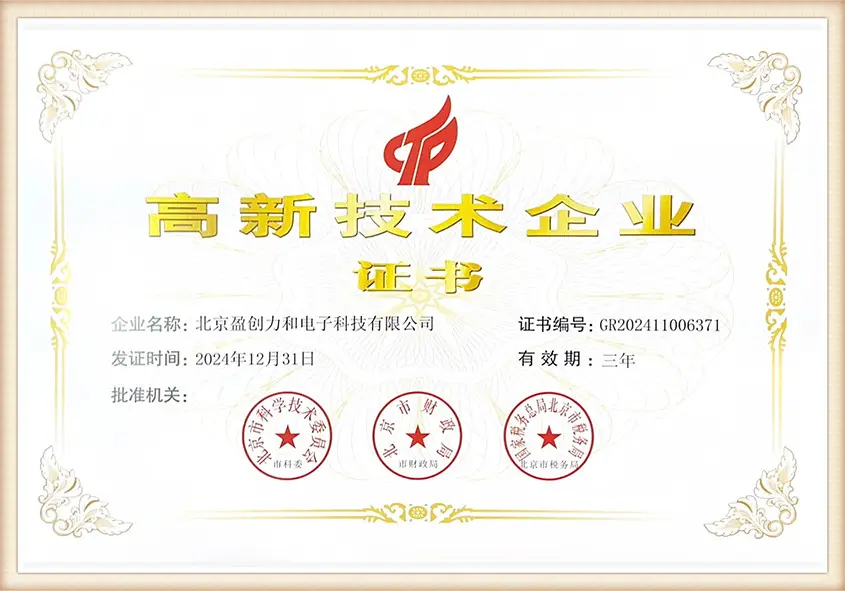
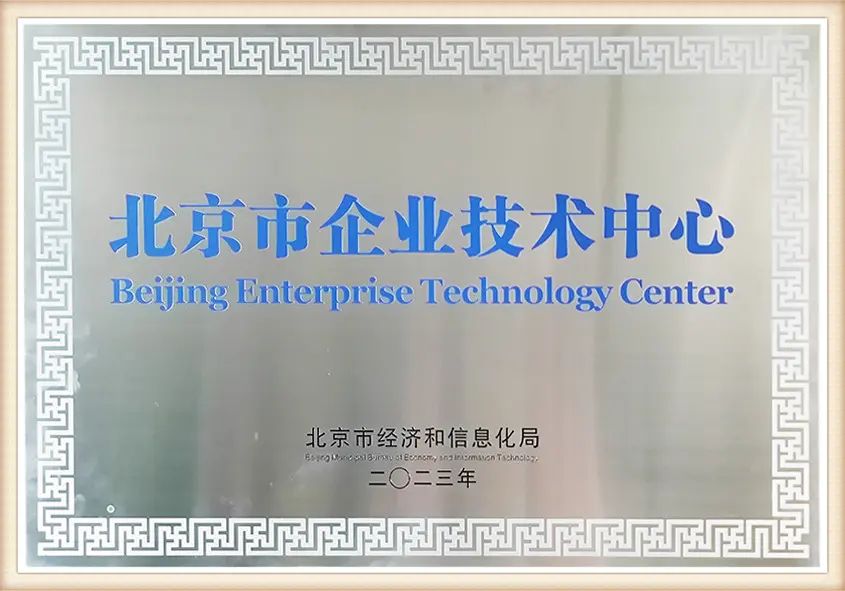
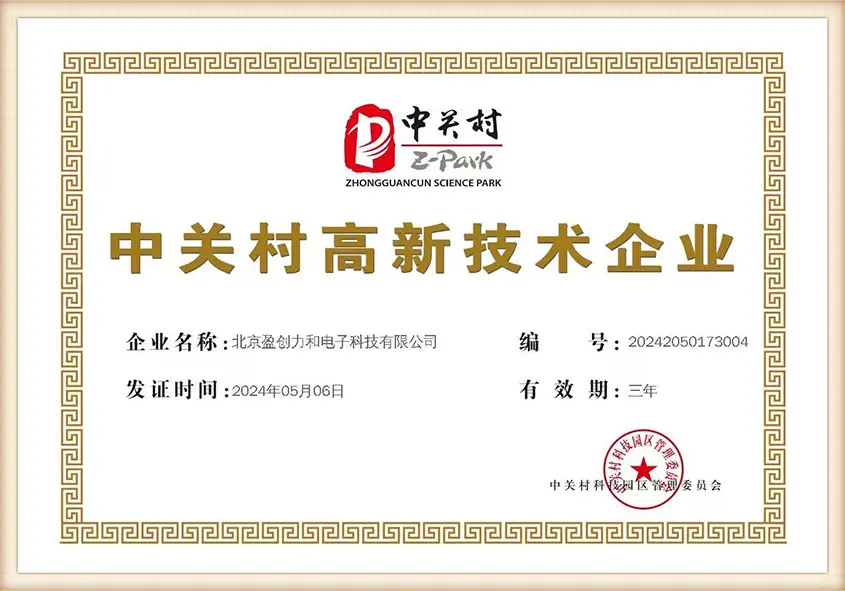
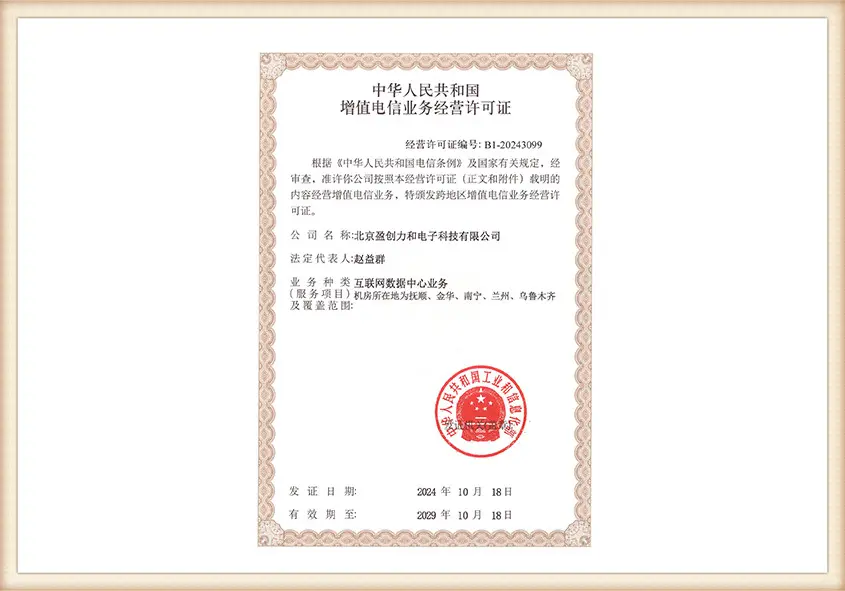
Yingchuanglihe designs and manufactures products according to ISO9001 quality guidelines. Below are our key regulatory and corporate certifications:
Technical details regarding calibration cycles, network installation, and cleanroom compliance.
Select from our range of multi-parameter gas, pressure, and temperature data loggers designed for commercial and industrial facility networks.
Extended battery lifecycle option for long-term wireless facility mapping projects.
View Details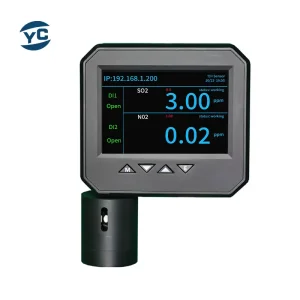
Designed for air quality monitoring where sulfur dioxide and nitrogen oxides need tracking.
View Details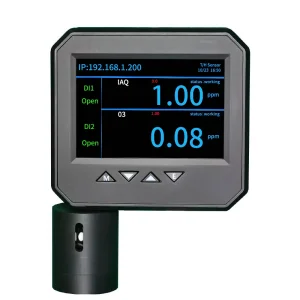
CE-certified multi-sensor designed to track temperature, humidity, and trace ozone levels.
View Details
Wireless node featuring a local display and long battery life for flexible cleanroom placement.
View Details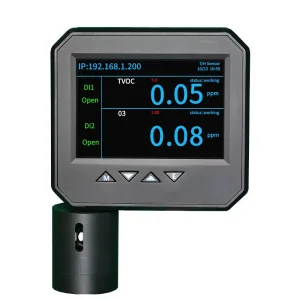
Designed for critical environments requiring trace detection of organic vapors and ozone.
View Details
Integrated Power over Ethernet connectivity for standard BMS network architectures.
View Details
Flexible hardware configurations and custom firmware options to match project requirements.
View Details
Multi-sensor layout built for environmental tracking and industrial safety warning systems.
View Details YCLH Sensor