Designed with Swiss & German micro-sensing modules for long-term stability and high precision measurements.
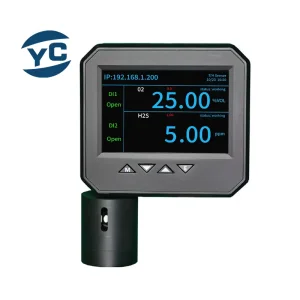
Telemetry: O₂ / H₂S / Temp / Humid
Connectivity: Ethernet with POE
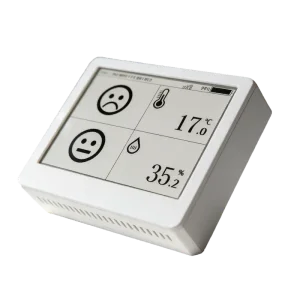
Telemetry: Temperature & Humidity
Connectivity: Long-Range LoRa Wireless
Telemetry: Temperature & Humidity
Compliance: CE, FCC certified
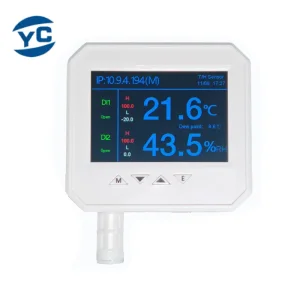
Telemetry: Temperature, Humidity, Dew Point
Powering: IEEE 802.3af PoE / 12-48V DC
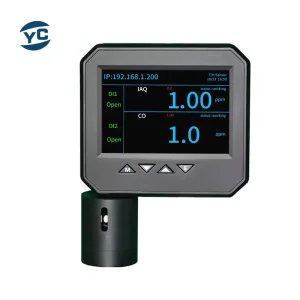
Telemetry: Carbon Monoxide, IAQ, T/H
Protocol: TCP/IP, Modbus-TCP
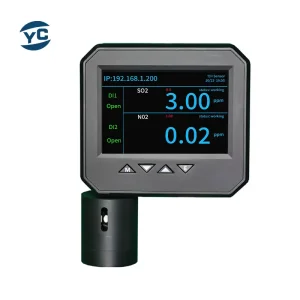
Telemetry: Sulfur Dioxide, Nitrogen Dioxide, T/H
Casing: Heavy industrial flame-retardant
Telemetry: Temperature & Humidity
Distance: Multi-kilometer wireless link
Telemetry: Temperature & Humidity
Casing: Outdoor weatherized enclosure
Driving operational safety, energy optimization, and hardware reliability through advanced micro-sensor integration.
In the age of hyper-scale data centers, automated manufacturing, and cold chain networks, environmental telemetry is no longer just a checkbox. It is a critical layer of operational security. Industrial environments require real-time tracking of temperature, relative humidity, dew point, and micro-pressure changes to prevent equipment degradation, optimize cooling systems, and avoid product spoilage. Beijing Yingchuanglihe Electronic Technology Co., Ltd. specializes in these demanding applications, engineering custom smart temperature and humidity sensors that solve complex physical deployment issues across global facilities.
Our micro-sensor systems incorporate capacitive polymer relative humidity components and high-precision band-gap temperature reference nodes, sourced from leading silicon foundries in Switzerland and Germany. These platforms deliver exceptional accuracy tolerances (up to ±0.1°C temperature and ±1.5% relative humidity) and resist standard industry issues like sensor drift, chemical outgassing, and long-term voltage instability. By utilizing Power-over-Ethernet (PoE) and wireless LoRaWAN interfaces, we eliminate local wiring complexity, giving system integrators absolute structural flexibility.
Why Tier-1 industrial operators and global system integrators partner with Beijing Yingchuanglihe.
We build our smart sensors around premium Sensirion and Bosch microchip designs. This guarantees low power consumption, standard calibration tracking, and minimal degradation over thousands of operational hours.
From custom length physical probes and special IP-rated housings (IP65, IP67, IP68) to multi-gas integration (CO, SO₂, NO₂, O₃, O₂, H₂S), we provide complete architectural and electrical design support.
Our hardware works out of the box with standard IT infrastructure. We support Modbus-RTU/TCP, SNMP (V1/V2c/V3), MQTT, HTTP/JSON, and TCP/UDP socket connections for seamless SCADA and DCS integration.
Deploying advanced sensor telemetry across diverse spatial architectures and high-risk environments.
Managing heat and humidity profiles within server aisles is critical. Our PoE models (like the APEM-5930) monitor ambient conditions, allowing cooling systems to adjust dynamically, preventing hot spots and reducing energy consumption.
Micro-fabrication requires extreme ambient stability and exact pressure balance. Our APEM-5930P measures temperature, humidity, and barometric pressure simultaneously to prevent contamination and safeguard sensitive chemical processes.
Underground pipe networks are exposed to hazardous gases and damp environments. Our specialized sensors track H₂S, O₂, and relative humidity to protect utility maintenance teams and monitor infrastructure health.
Through our engineering partnership with Switzerland's COMLAB, our protective Ethernet environmental monitoring devices are deployed on high-speed rail lines like the Beijing-Shanghai and Wuhan-Guangzhou routes, ensuring safe equipment performance.
Preserving historical assets in museums and archives requires constant monitoring. Our LoRaWAN and Wi-Fi sensors track environmental changes without complex cabling, protecting valuable collections from mold and moisture damage.
Automated greenhouses depend on real-time soil, air, and light data. Our IP67-rated sensors communicate via long-range wireless protocols, helping optimize irrigation systems and monitor crop health.
Leading the shift from reactive monitoring to predictive environmental intelligence at the edge.
The environmental telemetry landscape is evolving from basic data collection to intelligent, edge-driven analysis. Beijing Yingchuanglihe is at the forefront of this shift, integrating edge computing capabilities into our smart sensors. This allows the hardware to filter noise, calculate averages, and detect anomalies locally before transmitting data to the cloud or SCADA system. This reduces network congestion and ensures fast response times if an environmental limit is exceeded.
Our future design roadmap focuses on low-power multi-sensor fusion. We are developing single-chip sensors that measure temperature, humidity, pressure, and gas concentrations while using minimal energy. By refining our ultra-low-power firmware, our upcoming LoRaWAN devices will run for up to ten years on a single battery, making them ideal for long-term deployments in remote or hard-to-access locations.
We are also integrating machine learning models directly into sensor microcontrollers. By training these models to recognize the thermal and humidity signatures of normal operations, our sensors can detect early warning signs of equipment wear, insulation leaks, or cooling failures, helping operators prevent downtime through predictive maintenance.
Combining automated production, strict quality controls, and robust global logistics.
Beijing Yingchuanglihe runs a modern, 1,500-square-meter manufacturing plant equipped with automated surface-mount (SMT) and calibration lines. This high level of automation ensures consistent build quality and allows us to scale production quickly to meet large orders. Every sensor we manufacture undergoes automatic calibration in climate chambers, where it is tested against reference instruments before leaving the factory.
Located in Beijing's technology corridor, we benefit from a robust local electronics supply chain. This helps us secure components reliably, insulate our operations from market volatility, and maintain short lead times. Whether you need a standard batch of PoE sensors or customized OEM solutions, our team can deliver within predictable timelines.
Our focus on reliability extends to regulatory compliance. All our products carry CE, FCC, and RoHS certifications, ensuring they meet international standards for electromagnetic safety and environmental protection, making global deployments straightforward.
Eighteen years of innovation and engineering growth in the environmental telemetry market.
Company founded. Developed our first intelligent environmental monitoring terminal using TCP/IP protocols alongside our core software platform.
Partnered with Mocha Software to launch the TH-5939 series of environmental sensors with SNMP protocol support.
Collaborated with Switzerland's COMLAB to develop the TH-5869 protective Ethernet device, deployed along major high-speed rail lines.
Partnered with Founder Technology to release the APEM-6100, one of our early environmental monitors using Power-over-Ethernet (PoE) technology.
Collaborated with Foxconn, helping establish our environmental monitors as standard equipment for production workshops.
Partnered with Baidu to deploy our next-generation APEM-5900 Ethernet terminals in Baidu's Yangquan Data Center.
Introduced a smart solutions platform to monitor complex environments, expanding our services from data centers to smart building projects.
Released an integrated outdoor cabinet monitoring system, deployed in Huawei and China Merchants Huaruan road network projects.
Designed and manufactured roadside integrated boxes and edge computing gateways for Beijing's autonomous driving test zones.
Supplied environmental monitoring systems for key intelligent computing centers, supporting advanced infrastructure projects.
Established joint business divisions with Beijing Enterprises Water Group and co-founded a Beidou division with BUCEA. Obtained our Internet Data Center (IDC) operator qualifications.
Industrial data loggers and transmitters designed for precise air quality, pressure, and gas monitoring.
Telemetry: Temperature & Humidity
Powering: POE Interface
Telemetry: Temperature & Humidity
Protocol: LoRaWAN / Private Link
Telemetry: SO₂ / NO₂ / Temp / Humid
Certification: CE Marked
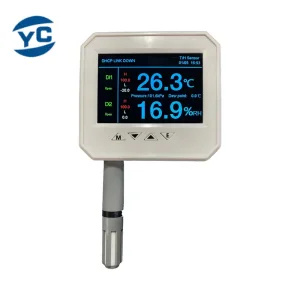
Telemetry: Barometric Pressure / T / H
Connector: RJ45 Ethernet port
Telemetry: Sulfur Dioxide & Nitrogen Dioxide
Integration: Modbus-TCP Ready
Telemetry: SO₂ / NO₂ / Temp / Humid
Housing: Industrial grade wall-mount
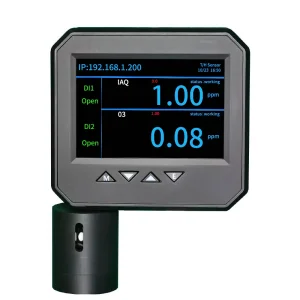
Telemetry: Ozone / IAQ / Temp / Humid
Feature: Internal Data Log Storage
Telemetry: Dew Point / Pressure / T / H
Accuracy: ±0.3°C Temperature
Complete listing of our environmental monitoring hardware range, featuring high-precision industrial designs.
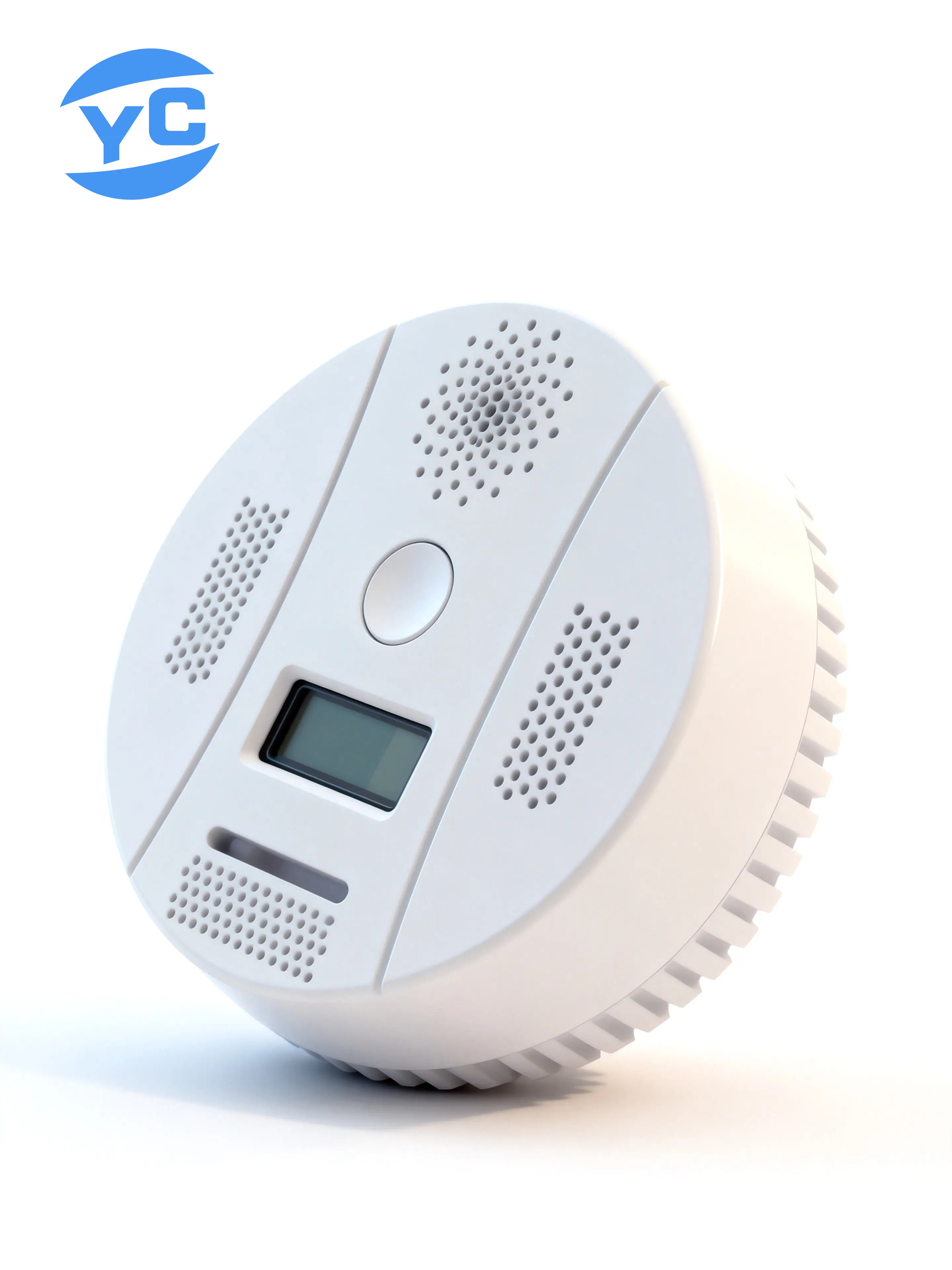
Designed for wireless indoor deployment. Long battery life and support for standard LoRaWAN gateways.
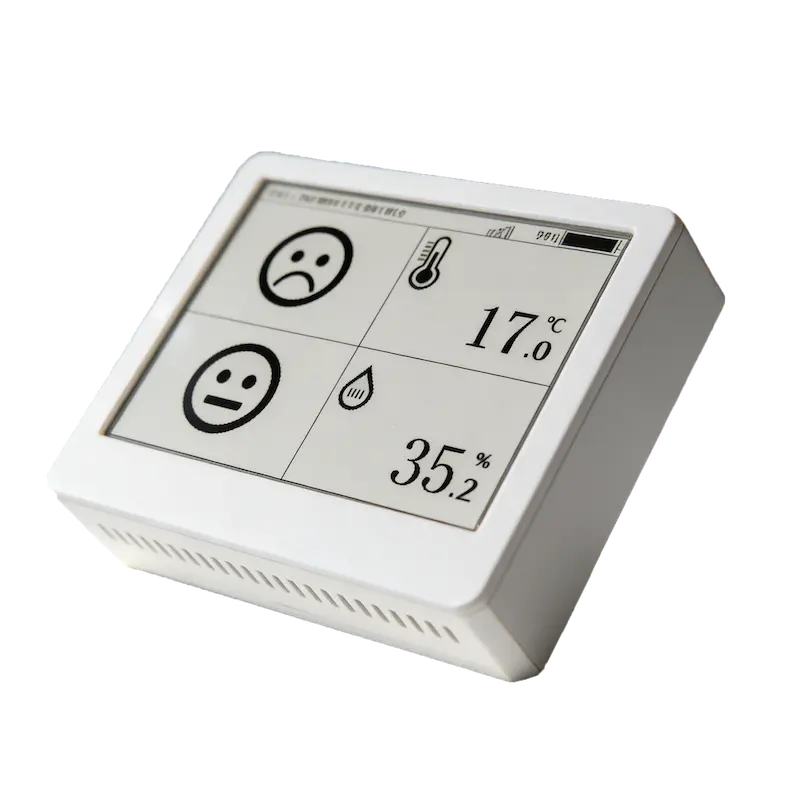
Supports private and public LoRa network profiles. Integrated Swiss micro-sensing module.
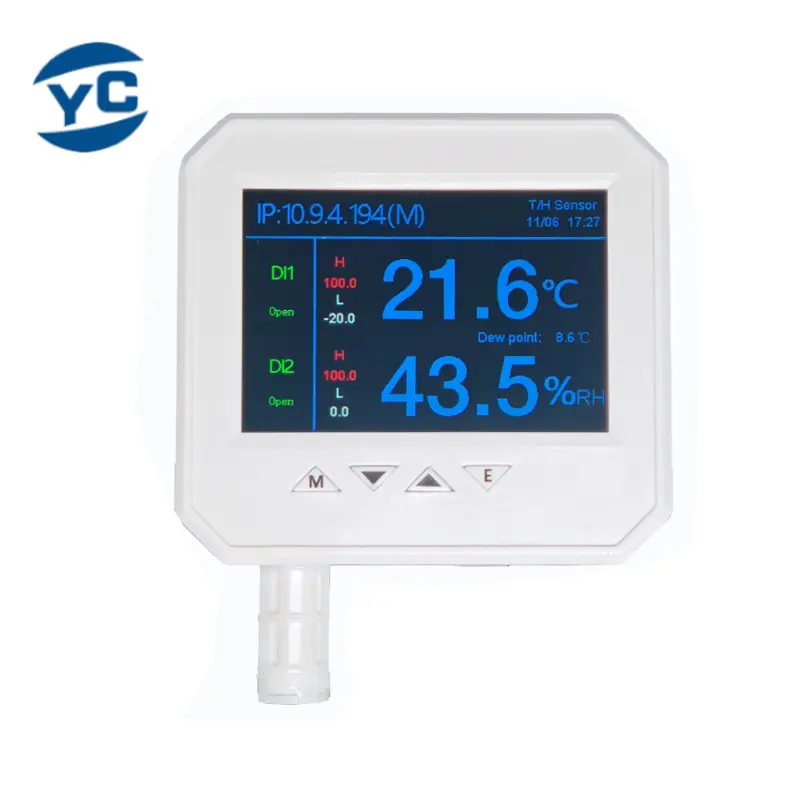
Supports DC12-48V and standard PoE power supplies. Measures temperature, relative humidity, and dew point.
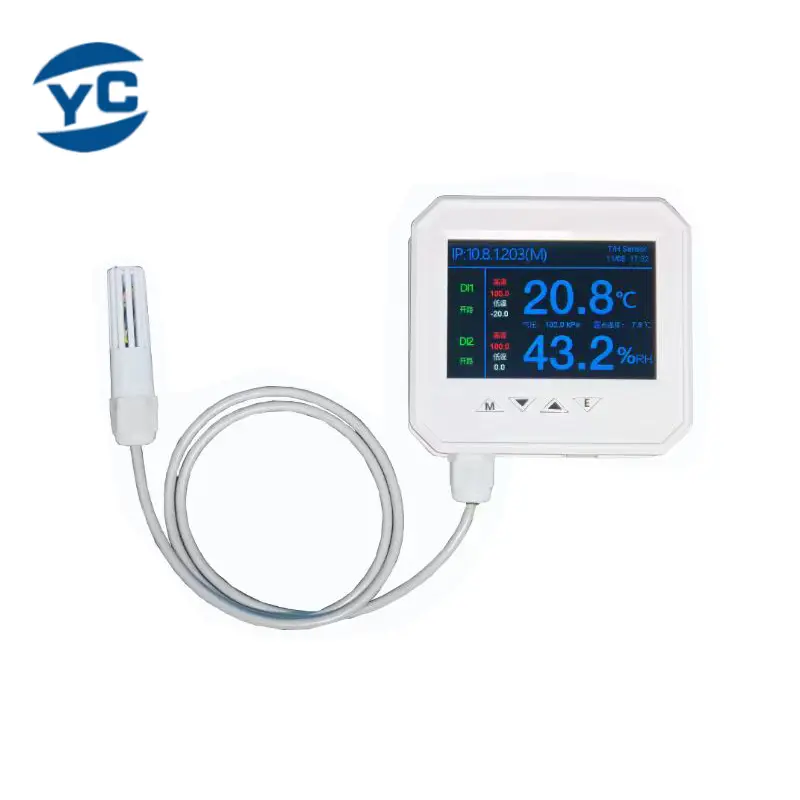
Features an external probe connected via cable (1-3 meters), separating the sensing unit from the main network module.
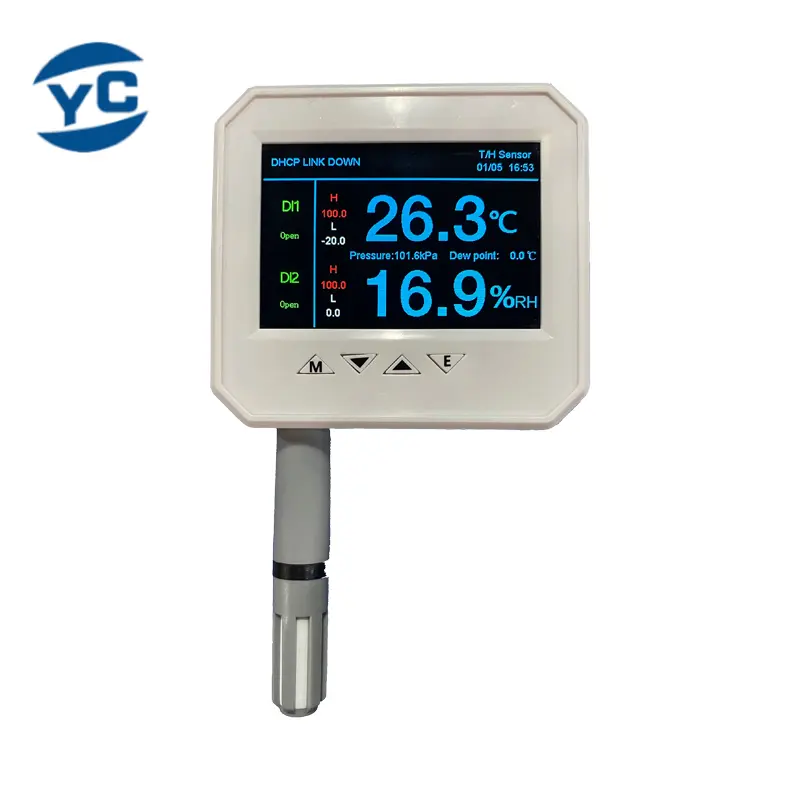
Measures ambient pressure alongside temperature, relative humidity, and dew point for air pressure differential monitoring.
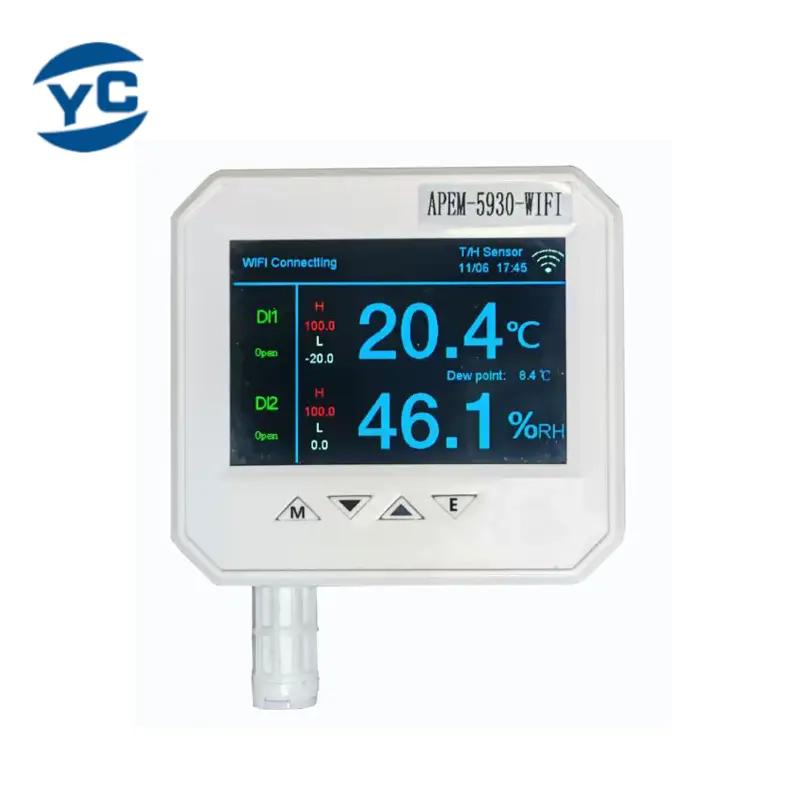
Dual-mode network configuration: wired Ethernet as primary connection, and wireless WiFi as backup.
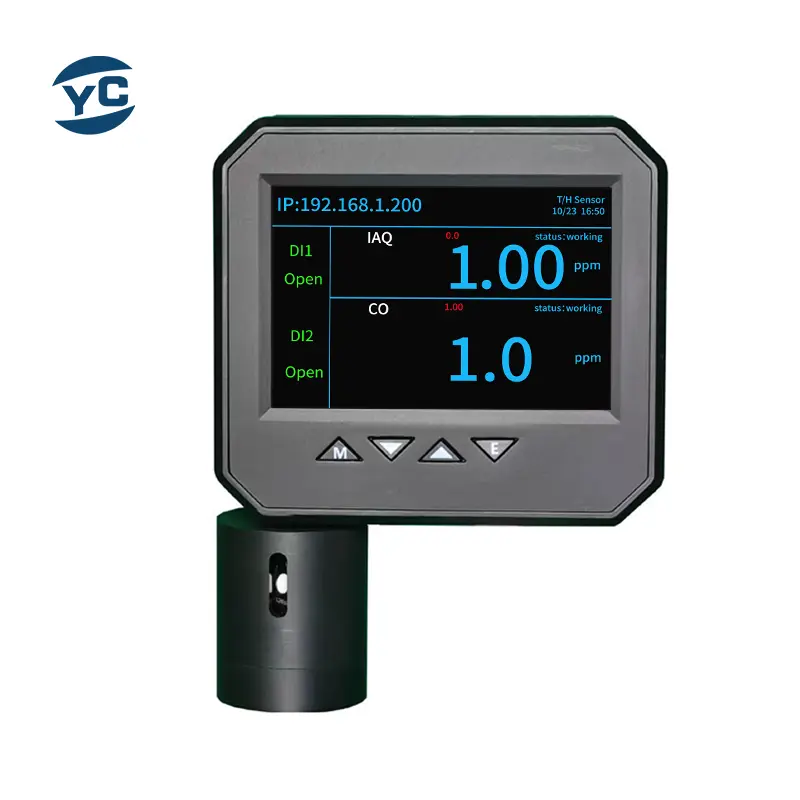
Combines temperature, humidity, carbon monoxide (CO), and Indoor Air Quality (IAQ) telemetry.
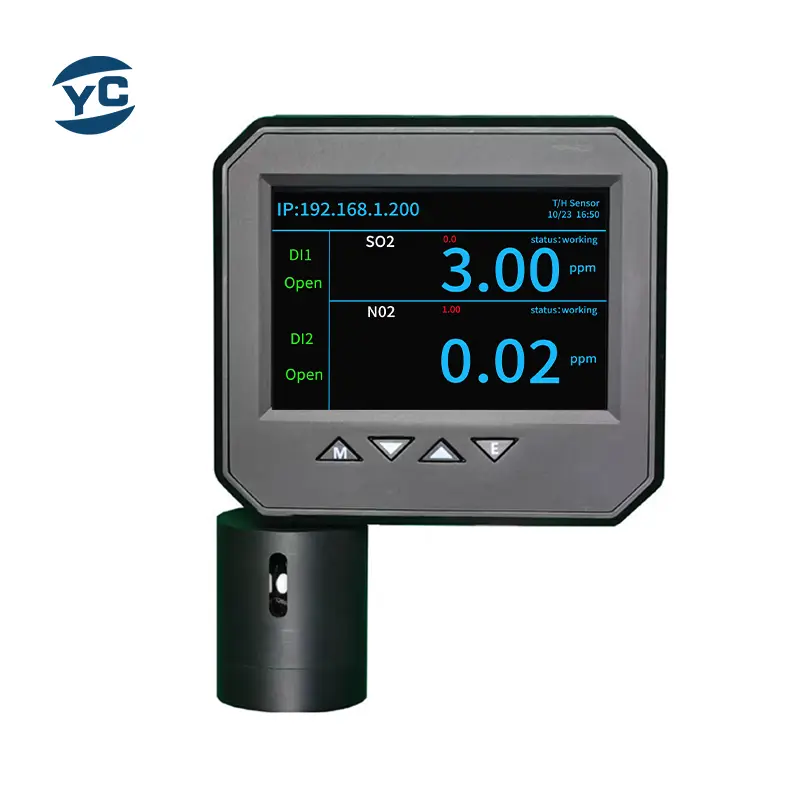
Designed for industrial emission zones. High-sensitivity detection of sulfur dioxide and nitrogen dioxide.
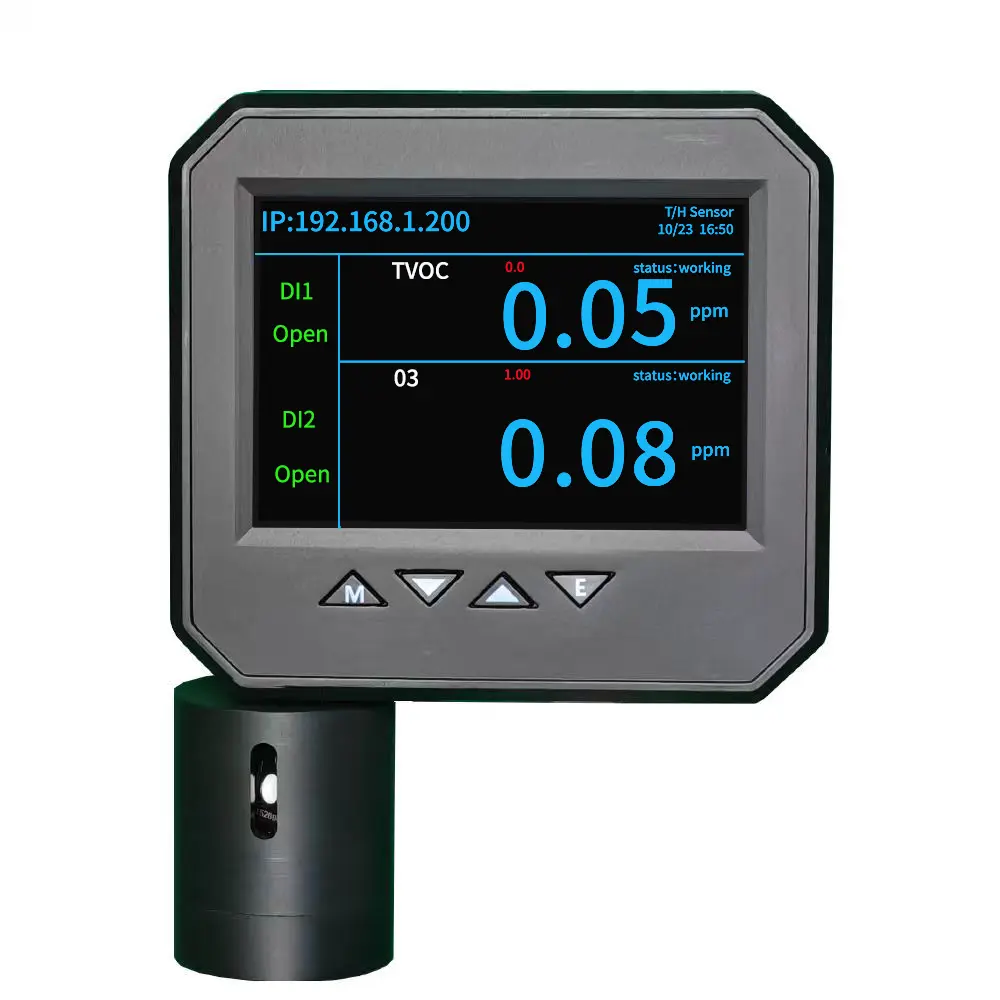
Tracks chemical outgassing and ozone breakdown. Ideal for semiconductor manufacturing and laboratories.
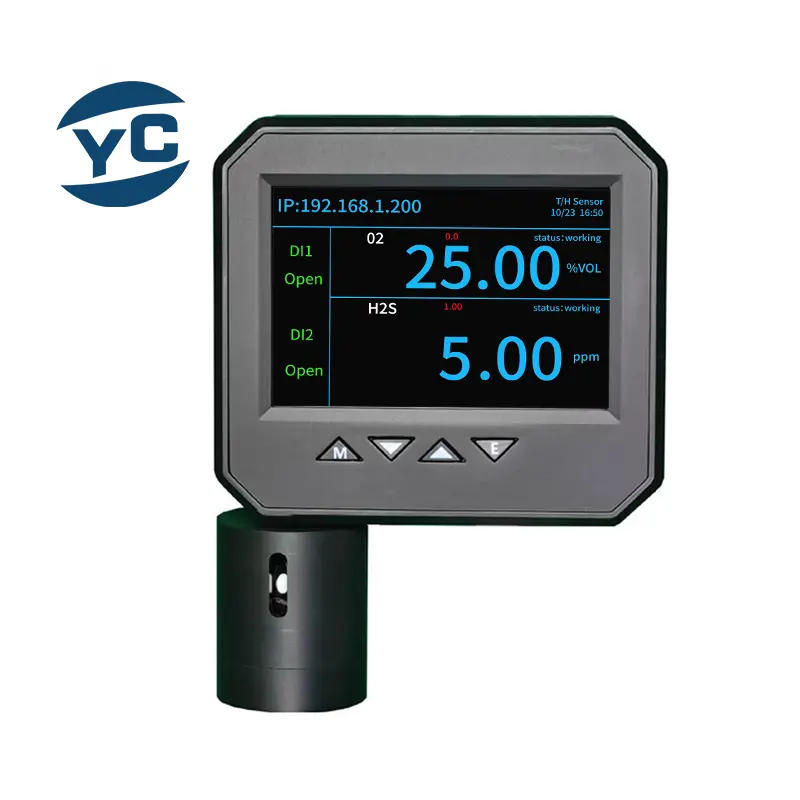
Features digital inputs, relay outputs, and RS-485 interfaces. Combines O₂ and H₂S telemetry.
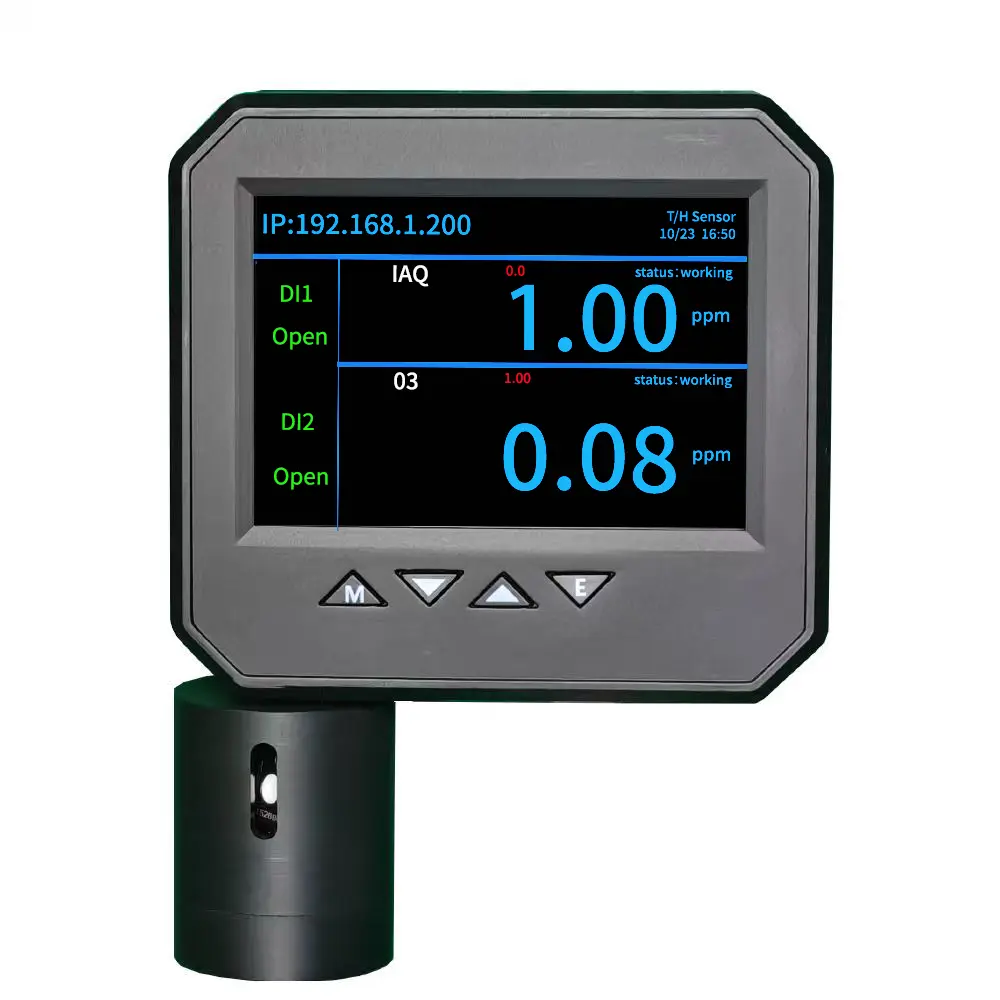
Integrated indoor environmental logger. Tracks air quality indices and ozone levels via PoE.
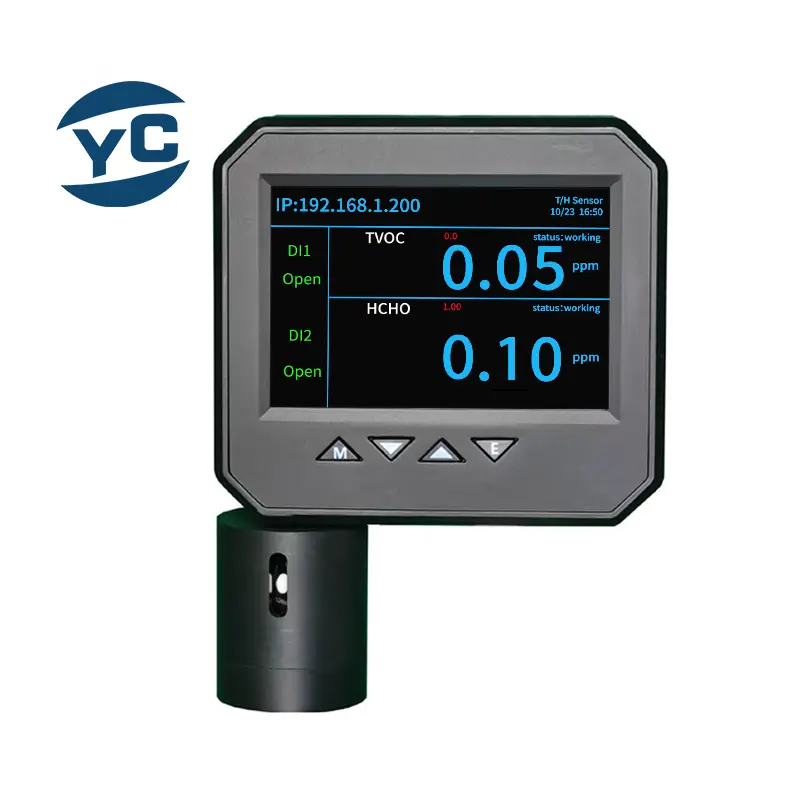
Measures TVOC and Formaldehyde (HCHO) for commercial air quality monitoring and building automation.
Answers to common integration, installation, and calibration questions from our engineering team.
 YCLH Sensor