High-performance industrial logging hardware designed for remote environmental sensing and automated monitoring.
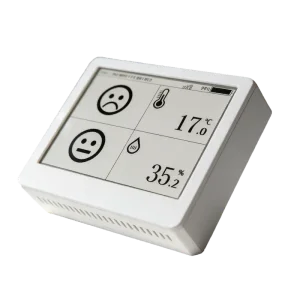
Designed with Swiss high-precision chipsets, delivering ultra-low standby current and extending battery operating life for deep industrial environments.
View Details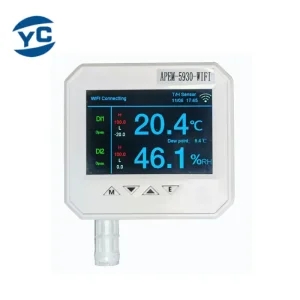
A versatile dual-mode environmental monitor leveraging standard Ethernet or wireless WiFi connectivity with advanced failover protocols.
View Details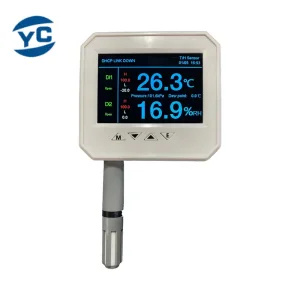
Integrated micro-barometer sensor for absolute pressure monitoring. Designed for cleanrooms, laboratories, and safety containment zones.
View Details
A fully custom multi-parameter sensor with dew point calculations. Direct factory customization to support specific HVAC parameters.
View Details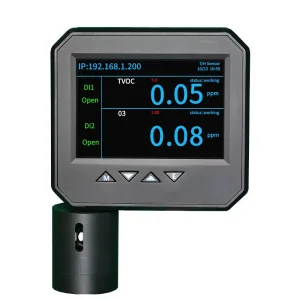
Comprehensive chemical atmospheric analysis. Integrates environmental sensors for organic gas traces, TVOC, and ozone concentrations.
View Details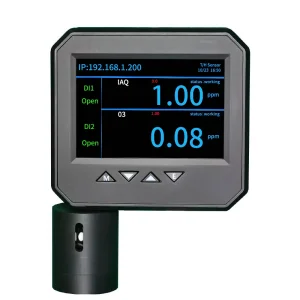
Certified for the EU market, this industrial air logger measures particulate indicators, ozone safety limits, and indoor air indices.
View Details
Engineered for commercial offices and intelligent HVAC integration, providing building management systems with real-time temperature data.
View Details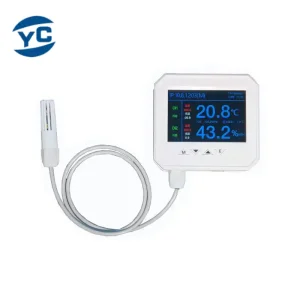
High-precision Ethernet terminal with support for extended external probes, enabling temperature profiling in hard-to-reach hardware zones.
View DetailsWhy ultra-low power consumption and long-range communication are redefining industrial IoT environmental monitoring.
In modern industrial IoT, battery longevity is the primary constraint governing operational expenditure. Implementing a Low Power LoRaWAN Sensor network requires deep optimization of transient electrical states. During inactive cycles, the sensor must enter a deep sleep state (sub-5µA current draw) by utilizing advanced power-gating techniques on both the microcontroller (MCU) and the analog-to-digital converter (ADC) interfaces.
By integrating Swiss-manufactured Sensirion measurement components and German high-precision sensors, Beijing Yingchuanglihe optimizes the power-up sequence, reducing active measurement windows to milliseconds. Transmitting data using the LoRaWAN protocol minimizes active RF duration, allowing a standard Li-SOCl2 battery to power a sensor node continuously for over five to ten years depending on transmit intervals.
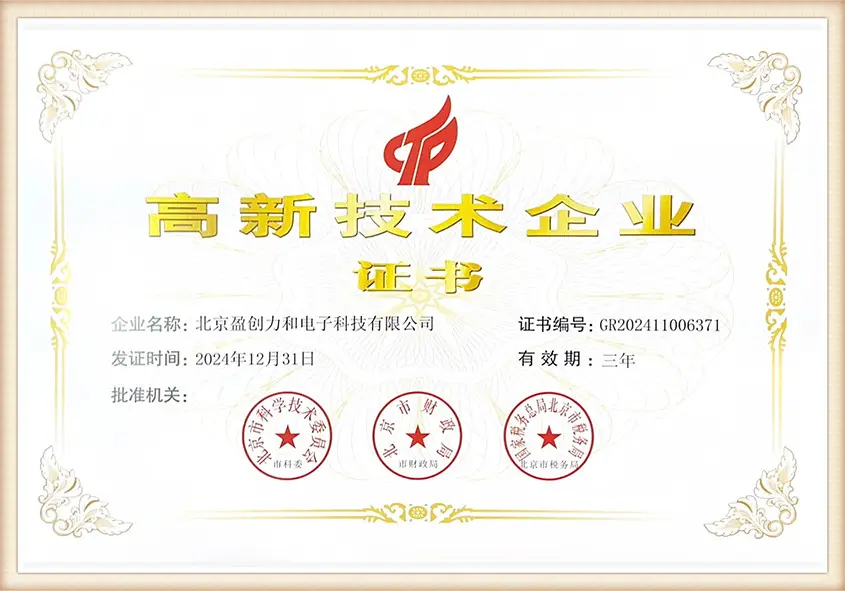
With 18+ years of dedicated engineering and deployment, Beijing Yingchuanglihe operates as a verified source of technical innovation. The company's hardware design pathways comply strictly with international telecom and physical safety guidelines, securing CE, FCC, and RoHS certifications.
By avoiding generic, uncertified modules, we maintain tight control over antenna trace impedance matching, RF filtering, and harmonic suppression. Our firmware relies on certified stacks that guarantee seamless interoperability with worldwide LoRaWAN network servers such as The Things Network (TTN), ChirpStack, and Helium.
Proven manufacturing scale, engineering capability, and deployment experience in high-precision sensing.
We utilize high-precision micro-sensors imported directly from Switzerland and Germany, ensuring stable calibration curves and minimal drift over years of continuous outdoor operations.
Complete control over firmware and circuit board design lets us customize LoRa transmission periods, physical connector formats, and integrate auxiliary parameters like TVOC or pressure.
Our global support team guarantees comprehensive technical replies within 8 hours. We natively support Modbus, MQTT, SNMP, and standard LoRaWAN Uplink protocols.
How localized component availability, raw material scale, and technical ecosystems translate to competitive advantages.
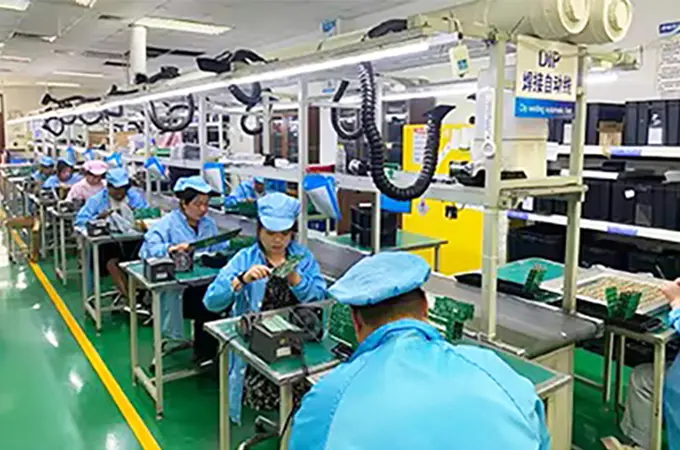
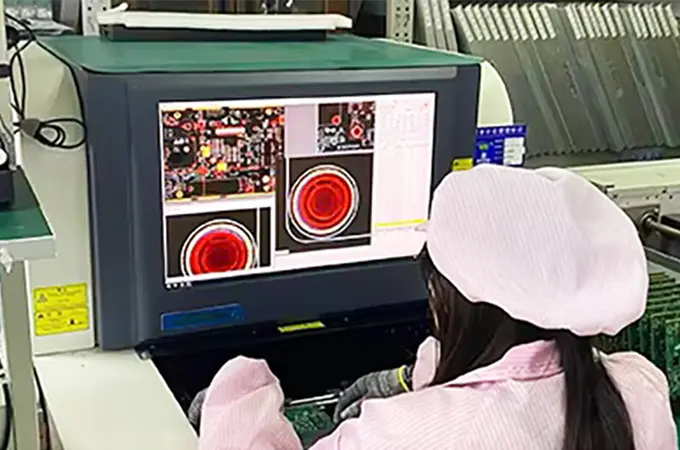
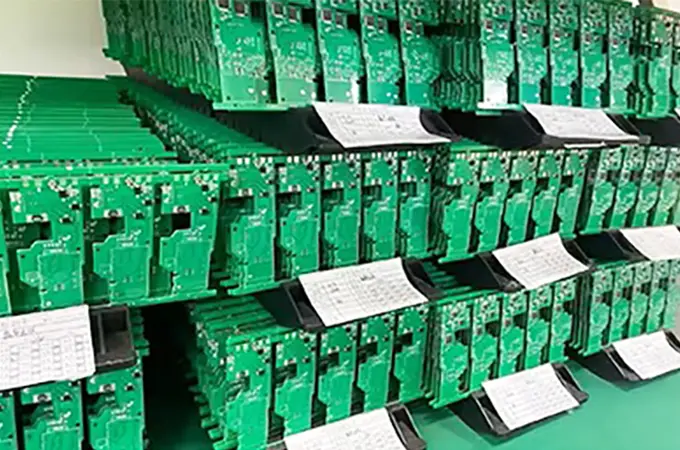
China's domestic electronic manufacturing clusters offer unmatched flexibility. From PCB fabrication to SMT (Surface Mount Technology) assembly and plastic mold injections, all stages of the manufacturing flow are located within a tight regional radius. This spatial optimization allows us to compress production lead times for custom LoRaWAN environmental sensors to a fraction of typical international lead times.
Furthermore, the proximity to major shipping hubs and supply channels enables Beijing Yingchuanglihe to procure advanced enclosures with IP65 to IP68 ingress protection ratings, ensuring long-term hardware survival in humid, corrosive, or dusty industrial zones.
Global deployment of wireless equipment requires adherence to region-specific RF regulations. Different regions mandate distinct sub-GHz frequency distributions to prevent interference with emergency, military, or cellular transmissions.
Our engineering team configures physical hardware and firmware to target specific channels: EU868 for European zones, US915 for North American markets, AS923 for Asian regions, and AU915 for Oceania. By integrating CE and FCC compliance testing parameters directly during factory assembly, we ensure that every batch of imported sensors passes customs inspection and installs without regulatory risks.
| Frequency Band | Primary Target Regions | Legal Duty Cycle / LBT Requirements | Recommended Applications |
|---|---|---|---|
| EU863-870 (EU868) | Europe, Middle East, parts of Africa | < 1% Duty Cycle constraint (or LBT) | Smart Agriculture, Warehouses, Smart Cities |
| US902-928 (US915) | North America, South America | Frequency Hopping Spread Spectrum (FHSS) | Industrial Manufacturing, Large Data Centers |
| AS923 (1, 2, 3, 4) | Southeast Asia, Japan, South Korea | Varies by local country regulations | Smart Water Metering, Urban Ingress Control |
| AU915-928 (AU915) | Australia, New Zealand | FHSS / Specific channel mapping | Mining Operations, Remote Land Management |
Real-world implementations of Beijing Yingchuanglihe sensor hardware across key industries.
Data center operations require strict temperature and relative humidity thresholds to prevent equipment failure and static discharge. In partnership with search engine giant Baidu, our APEM series Ethernet monitoring terminals were deployed across their Yangquan Data Center, enabling granular rack-level atmospheric profiling and automated HVAC fan-speed adjustment.
Cleanroom environments require maintaining positive relative pressure differentials to isolate chemical particulates. The APEM-5930P monitors atmospheric pressure, dew point, and humidity concurrently, transmitting telemetry over PoE (Power over Ethernet) to local SCADA networks, eliminating the need for separate electrical supply runs.
In 2021, Yingchuanglihe was closely involved in Beijing's pilot high-level autonomous driving road tests. Our edge gateways and custom atmospheric sensors were integrated into intelligent roadside test boxes, tracking real-time meteorological conditions for autonomous driving algorithms to evaluate road adhesion indices.
From early TCP/IP environmental monitoring terminals to advanced Beidou satellite pipeline deformation sensing.
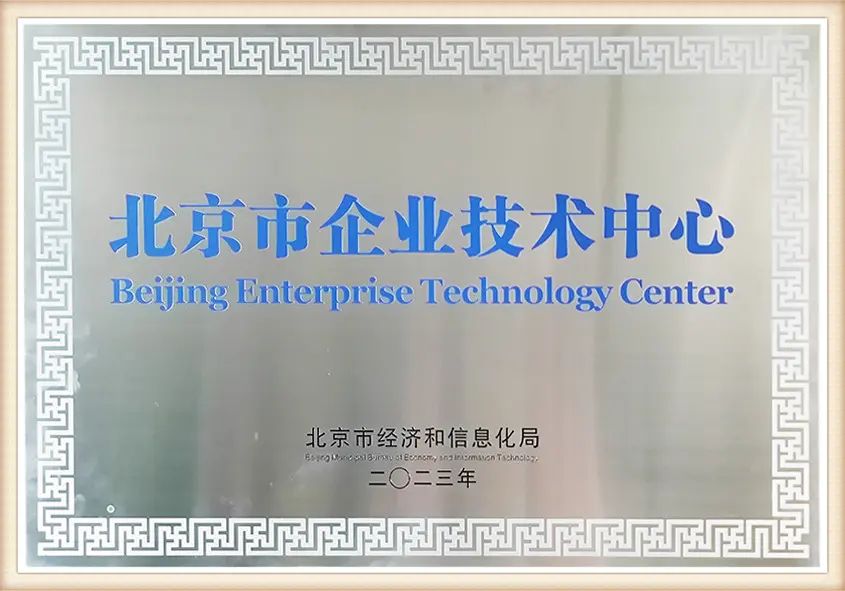
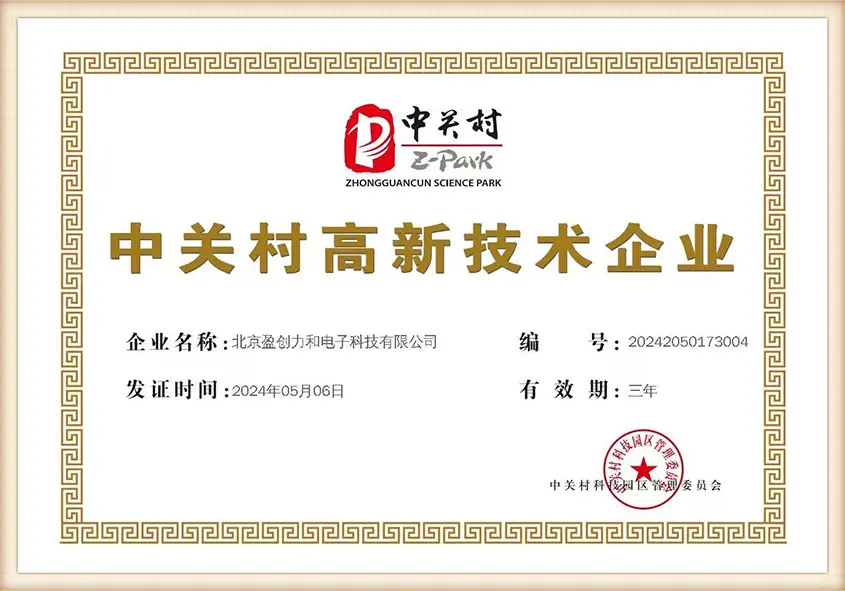
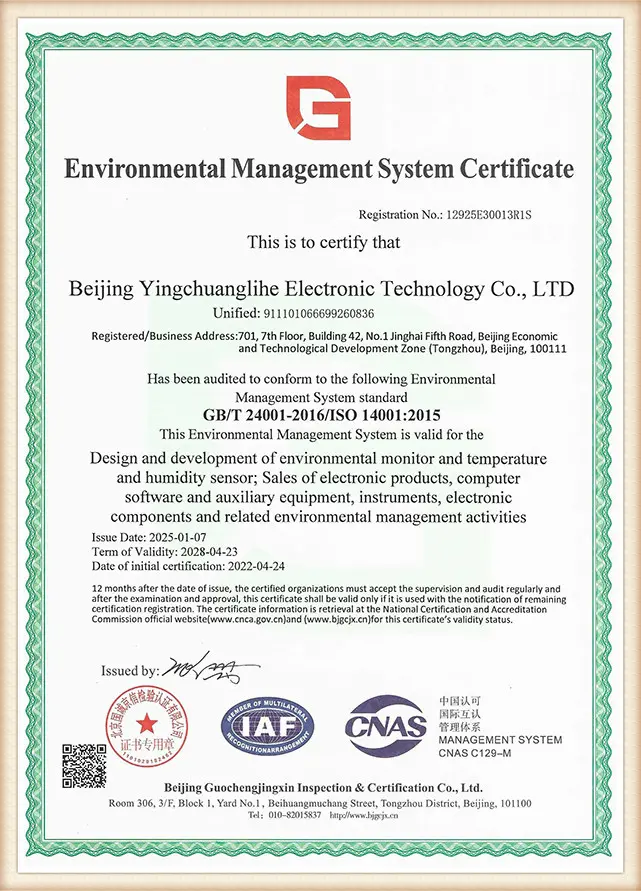
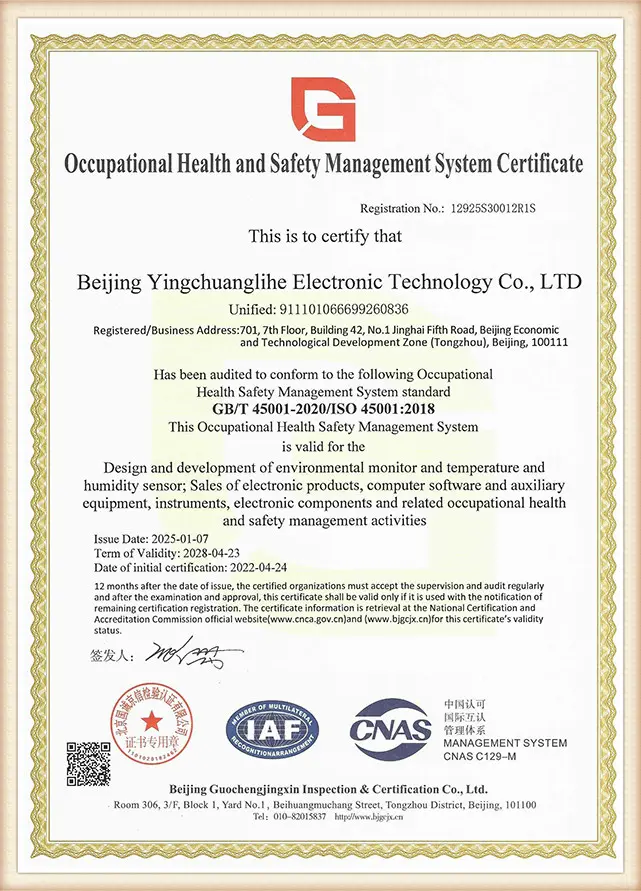
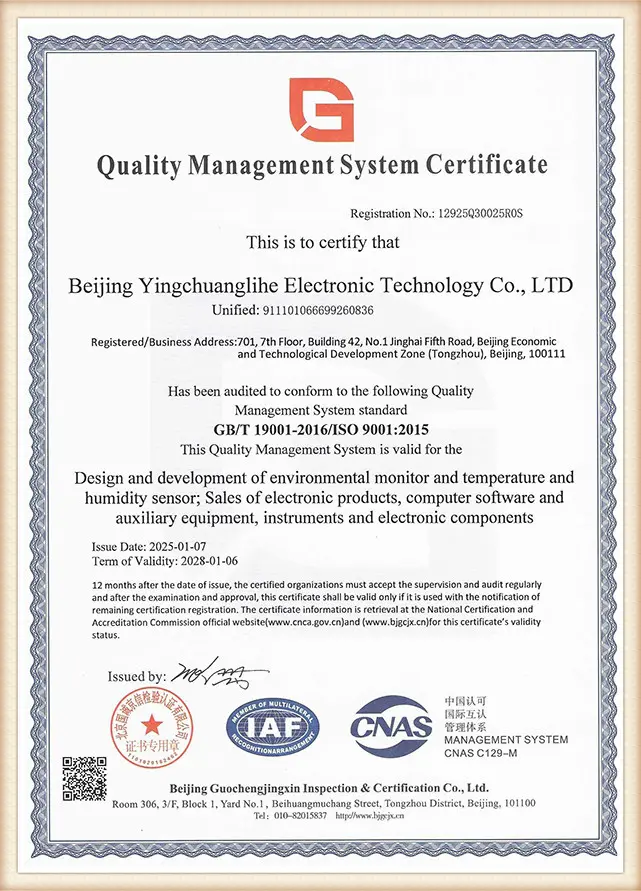
Rigorous calibration standards and documentation confirming international engineering compliance.
Every environmental sensor leaving our Beijing production base undergoes multi-point temperature and relative humidity chamber calibration. Calibration profiles are saved directly on the sensor's non-volatile memory, preventing baseline shifts due to transport vibration or power outages.
Our products undergo independent verification for electromagnetic compatibility (EMC), electrostatic discharge (ESD) shielding, and RF emission limits. This makes them suitable for harsh industrial manufacturing environments and areas with high electromagnetic interference.
Engineering-focused answers regarding LoRaWAN node design, power optimization, and deployment protocols.
Battery life depends primarily on the transmission interval, payload size, SF (Spreading Factor), and sleep-mode current draw. By keeping the standby current below 5µA and optimizing sleep cycles using an external real-time clock (RTC) interrupt, our APEM-5736 series maximizes battery longevity. In standard indoor scenarios (transmitting once every 15 minutes at SF7), a 3.6V Li-SOCl2 battery can operate reliably for up to 8-10 years.
Yes, our factory designs and flashes customized regional parameters onto the firmware. We fully support EU868, US915, AS923, AU915, KR920, and IN865 bands. When ordering OEM/ODM batches, specify your target country, and we will preset the correct sub-GHz channel masks and channel frequencies.
High humidity can cause sensor saturation and drift. We utilize Swiss Sensirion capacitive polymer sensors, which feature integrated heating elements. These elements can be triggered via firmware commands to bake off accumulated moisture, returning the sensor to its default baseline and preventing permanent calibration drift.
Yes, our sensors natively support both activation pathways. OTAA is highly recommended for commercial production systems, as it generates dynamic session keys, securing wireless transactions. ABP configuration is available for localized networks without network activation server overhead.
To minimize transmission overhead, our sensors use a compact binary payload format rather than heavy JSON strings. A typical temperature and humidity uplink is packed into 4 to 8 bytes. We provide decoders for Cayenne LPP, Node-RED, and JavaScript/ChirpStack formats, enabling integration with your cloud services.
LoRaWAN is designed for long-range, battery-powered telemetry, transmitting small packets over kilometers. Ethernet-based models (like our APEM-5930 series) are designed for indoor infrastructure with existing LAN cabling. They support PoE, high-frequency sampling, and local protocols like SNMP, Modbus TCP, and MQTT for high-speed logging.
Explore our full line of multi-parameter air quality loggers, ethernet telemetry modules, and LoRa environmental nodes.
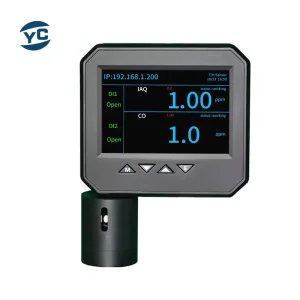
Combines carbon monoxide detection with primary air indexes. Designed for underground parking garages and clean office building monitoring.
View Details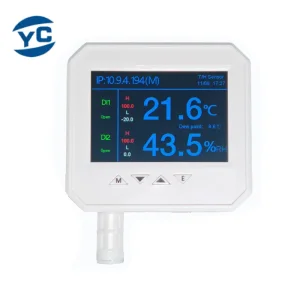
Standard PoE environmental monitoring device with integrated status LEDs. Direct deployment for data centers and server rack cabinets.
View Details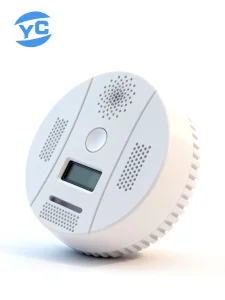
High-precision LoRaWAN node monitoring indoor environmental indexes. Long battery runtime with standard LoRa telemetry support.
View Details
Industrial LoRa sensor with custom range mapping. Designed to survive operating under wide thermal profiles from -40°C to +85°C.
View Details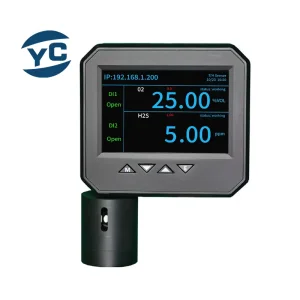
Industrial gas logging gateway equipped with electrochemical oxygen and hydrogen sulfide sensors, designed for utility wells.
View Details
All-in-one indoor cleanroom monitor measuring organic chemical compounds and relative humidity indexes over ethernet.
View Details
Monitors toxic carbon monoxide trace gases and overall indoor comfort indexes with fast, sub-8 second response times.
View Details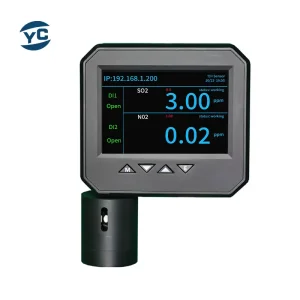
Designed for heavy industrial zones, monitoring sulfur dioxide and nitrogen dioxide exhaust parameters over Modbus TCP/IP networks.
View Details YCLH Sensor