High-precision Ethernet & PoE transmitters engineered for mission-critical monitoring networks.
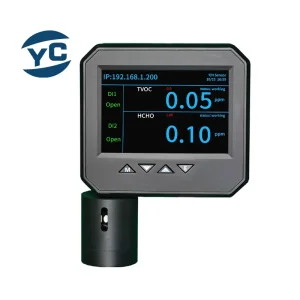
Integrated multi-parameter air quality device with localized calibration options.
Explore Specifications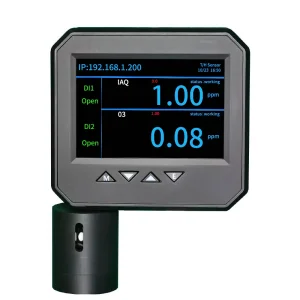
Designed for critical environments requiring precise trace ozone monitoring.
Explore Specifications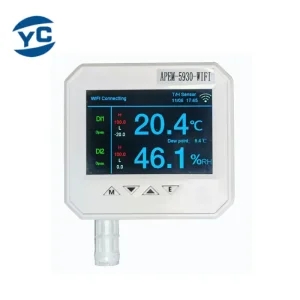
Dual transmission pathways for redundancy in industrial storage and warehouses.
Explore Specifications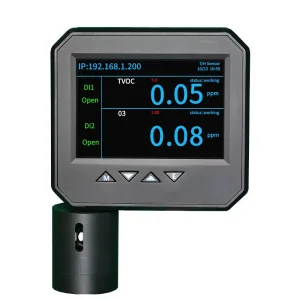
Advanced sensor fusion technology offering high-density pollutant matrices.
Explore Specifications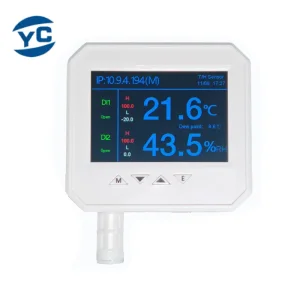
Native PoE implementation minimizing cabling and infrastructure overhead.
Explore Specifications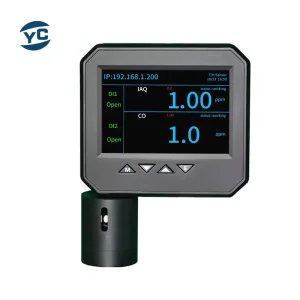
Protects workspace personnel through reliable toxic gas monitoring.
Explore Specifications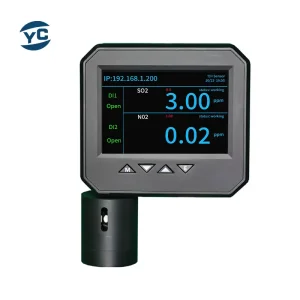
Corrosive atmospheric monitoring tailored for industrial flue gas fields.
Explore Specifications
High-precision chemical processing environmental safety device.
Explore SpecificationsDecoding the transition from analog transducers to multi-parameter IP-native IoT intelligence.
In modern industrial processes, the demand for precision control goes far beyond simple temperature threshold tracking. Legacy analog signals (like 4-20mA current loops and 0-10V voltage outputs) are rapidly giving way to digital, network-native telemetry. The introduction of Power over Ethernet (PoE) technology into environmental transmitters—exemplified by the APEM-5930 series—represents a crucial architectural milestone in this transition.
By routing power and high-speed bidirectional data through a single standard Cat5e/Cat6 cable, industrial plants dramatically lower installation complexity, eliminate dedicated power grids, and safeguard system integrity against electromagnetic interference (EMI). These sensor systems are designed to operate natively within the industrial TCP/IP stack, permitting direct communications with Programmable Logic Controllers (PLCs), distributed control systems (DCS), and enterprise-grade SCADA frameworks without relying on expensive physical signal-conditioning gateways.
Furthermore, contemporary regulatory constraints and precision manufacturing processes (such as semiconductor lithography, pharmaceutical manufacturing, and aerospace assembly) demand tracking parameters with tighter tolerances. The introduction of multi-sensor systems that combine temperature, humidity, dew point calculations, barometric pressure (like the APEM-5930P), and gaseous trace metrics (TVOC, O₃, HCHO, CO, SO₂, NO₂) ensures comprehensive environmental context. It enables smart building automation platforms (BMS) to run real-time predictive models on air exchange rates, energy usage, and safety compliance.
A high-tech manufacturer specializing in industrial grade environmental telemetry and precision monitoring equipment.
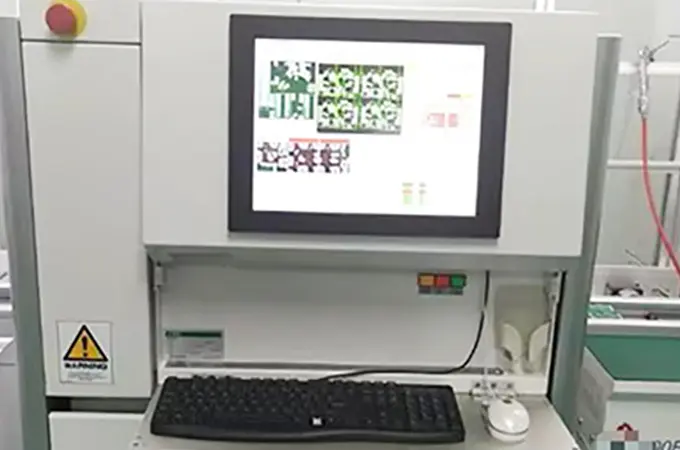
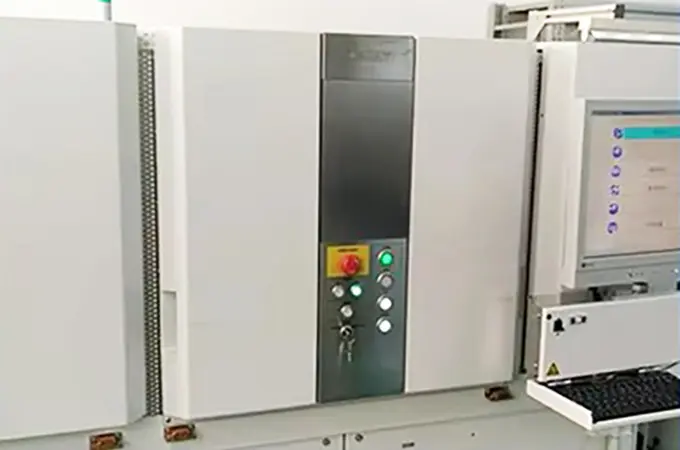
Beijing Yingchuanglihe Electronic Technology Co., Ltd. has established itself as an authoritative leader in environmental monitoring systems since 2007. Anchored in Beijing, our 1,500-square-meter modern production facility operates automated lines utilizing premium sensor components imported from Germany and Switzerland, delivering solutions globally.
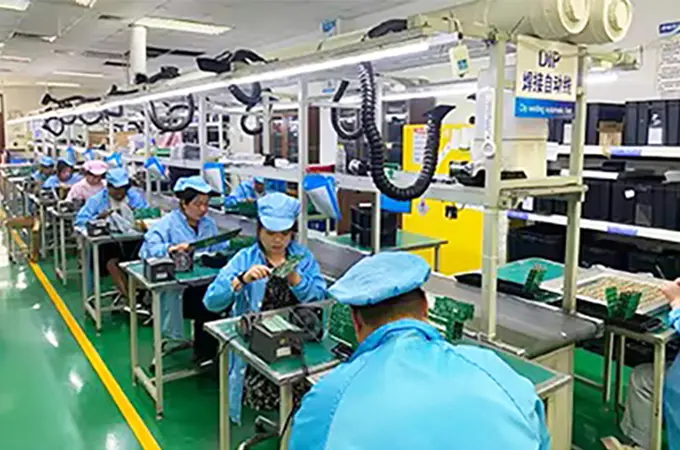
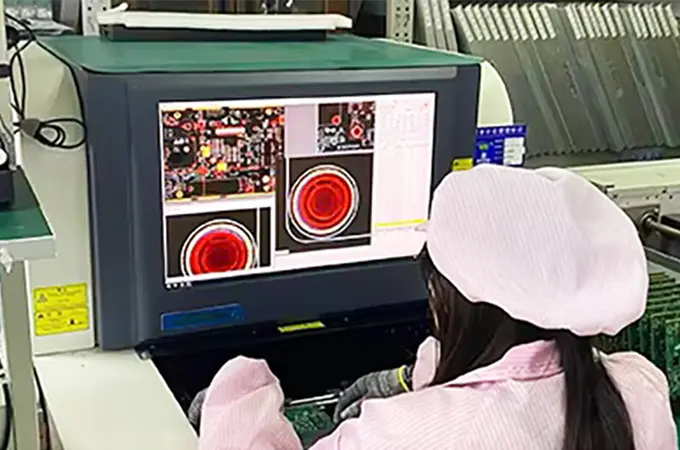
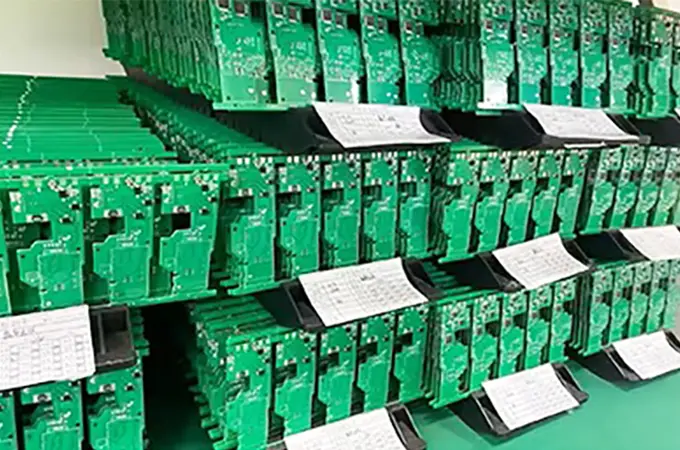
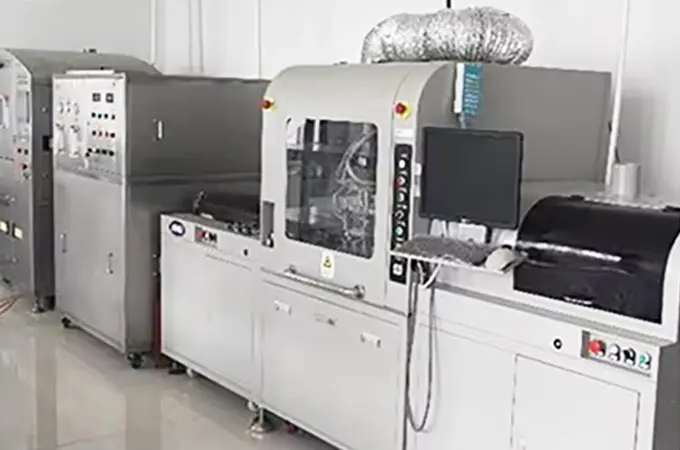
Our five high-capacity automated production lines are calibrated to maintain tight quality tolerances. We operate a highly structured testing loop, subjecting every outgoing unit to rigorous humidity calibration chambers and thermal stress testing to identify and eliminate early field failures.
With a professional, multilingual engineering support crew, Beijing Yingchuanglihe provides global customers with a guaranteed technical response within 8 hours. We deliver comprehensive integration support, helping system designers with wiring layouts, network address mapping, and protocol implementation.
A chronological journey of innovation, strategic partnerships, and technical milestones.
Why partnering with a localized Beijing industrial supplier delivers unmatched lead-time, cost, and design advantages.
Our location in Beijing places us within China's primary high-tech research corridor. This allows for immediate engineering collaboration with academic research institutions and rapid iteration of micro-component architectures. We source secondary components locally from a deep pool of certified silicon foundries and SMT assemblers, allowing us to accelerate prototyping cycles from months to days.
Sensor accuracy relies entirely on the calibration process. Our facility houses high-end industrial environmental test chambers and automated calibration stations. By combining high-accuracy Swiss-imported baseline sensors with automated temperature/humidity sweep tables, we calibrate every single APEM sensor to guarantee linear performance curves across their entire operating envelope.
Unlike simple assembly shops, Yingchuanglihe owns its entire intellectual property chain. We write our own firmware, build our own hardware layouts, design the ruggedized poly-carbonate enclosures, and write our own centralized configuration software. This eliminates dependence on third-party design firms and ensures long-term lifecycle support for deployed systems.
To insulate global distributors from international trade volatility, we maintain an extensive buffer of micro-controllers, Ethernet transceivers, and raw sensing modules. Our multi-line SMT setup allows us to easily scale production runs from small OEM batches to large-scale infrastructure deployments, providing stable lead times when other manufacturers face component shortages.
From deep subterranean utility wells to high-speed railway links: how our sensors perform in harsh conditions.
In high-density server environments hosting GPU clusters, micro-climates can damage hardware. The APEM-5930 series delivers real-time spatial temperature and humidity monitoring, communicating directly via SNMP with datacenter DCIM platforms to prevent hot spots.
High-speed rail electrical cabinets undergo intense vibration, temperature shifts, and humidity spikes. Deployed on major Chinese transit systems, our ruggedized Ethernet transmitters provide continuous diagnostics, preventing signaling equipment failures.
Using the APEM-5930P with built-in atmospheric pressure and dew point tracking, laboratories monitor positive/negative air pressure barriers. This prevents cross-contamination and ensures sterile environments for semiconductor manufacturing.
Subterranean utilities suffer from high humidity and gas accumulation. Our multi-parameter gas sensor gateways detect H₂S and O₂ drop-offs, ensuring safety and protecting equipment from corrosion.
Operating within roadside smart boxes, our edge gateways capture real-time weather and air conditions. They support vehicular autonomy by supplying micro-climate data points directly to intelligent computing traffic grids.
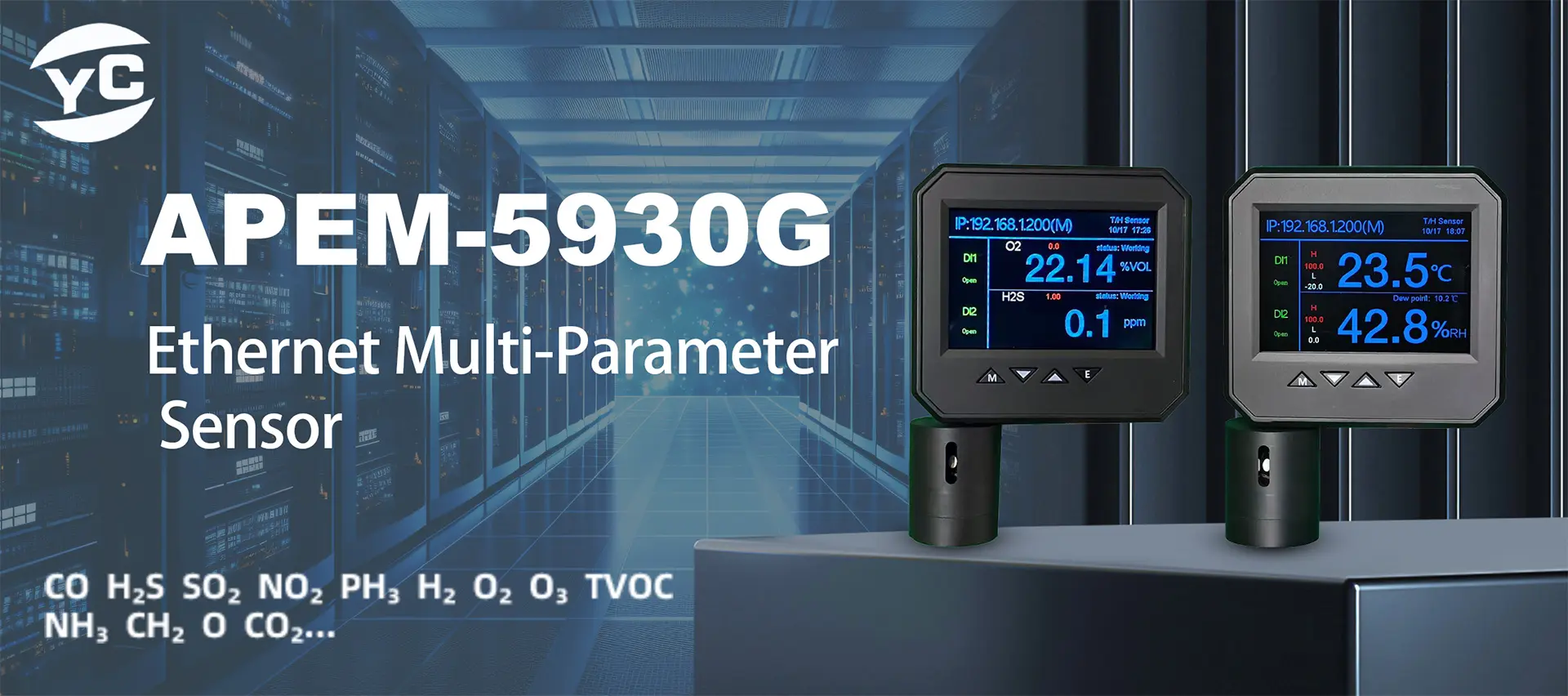
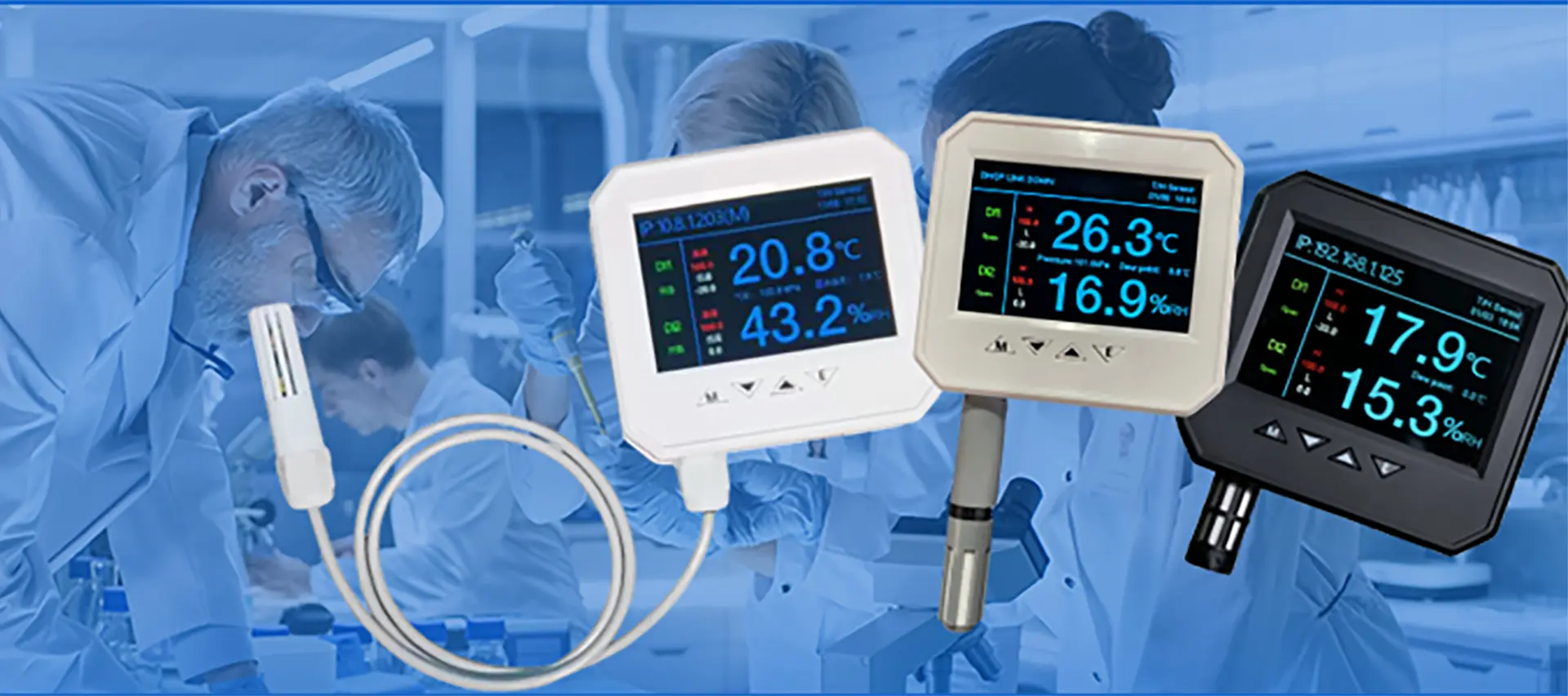
A comprehensive breakdown of our current environmental sensor nodes and parameter options.
| Technology Class | Product Parameters Monitored | Primary Communications Protocol | Deployment Scenario |
|---|---|---|---|
| Ethernet Series | Temperature + Humidity + Dew Point | Modbus TCP, SNMP, HTTP | Data Centers, Server Rooms, Lab Cabinets |
| Ethernet Pressure Series | Atmospheric Pressure + Temp + Humidity + Dew Point | Modbus TCP, TCP/IP | Semiconductor Cleanrooms, Isolation Wards |
| Wifi/Wired Dual Mode | Temperature + Humidity + Dew Point | Wired Ethernet + Wi-Fi Redundancy | Smart Agriculture, Warehouses, Archives |
| All-in-One Gas Series | Gases (CO, TVOC, O₃, HCHO, SO₂, NO₂, O₂, H₂S) + Temp + Humidity | Modbus TCP, PoE Interface | Industrial Safety, Chemical Storage, Building IAQ |
| RS485 Series | Temperature + Humidity | Modbus RTU | Distributed Industrial Machinery Controls |
| LoRaWAN Series | Long Range Environmental Metrics | LoRaWAN Protocol (Low Power) | Smart Cities, Outdoor Networks, Remote Pipeline monitoring |
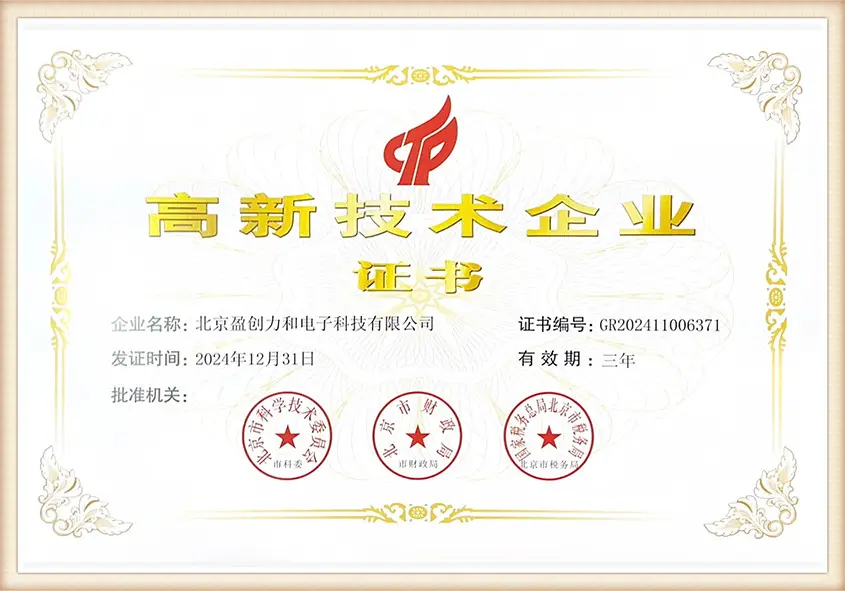
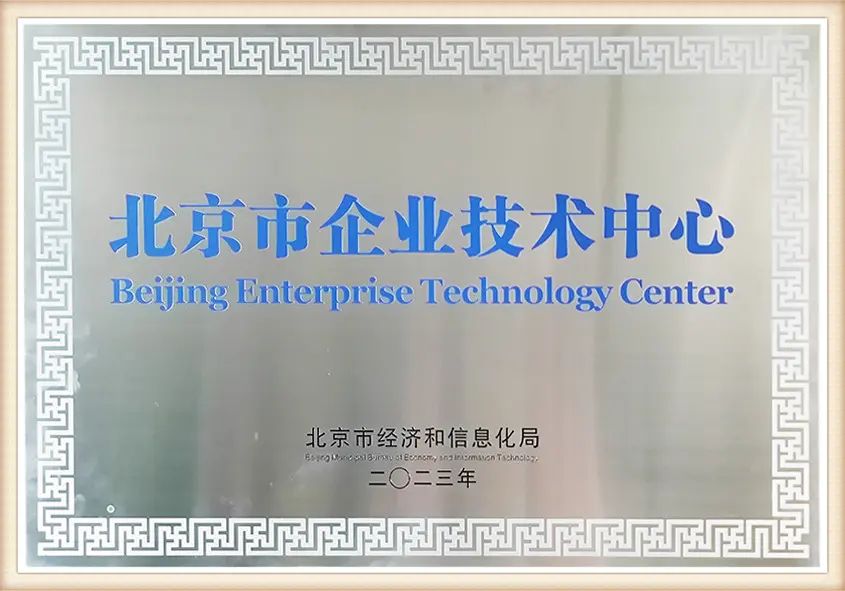
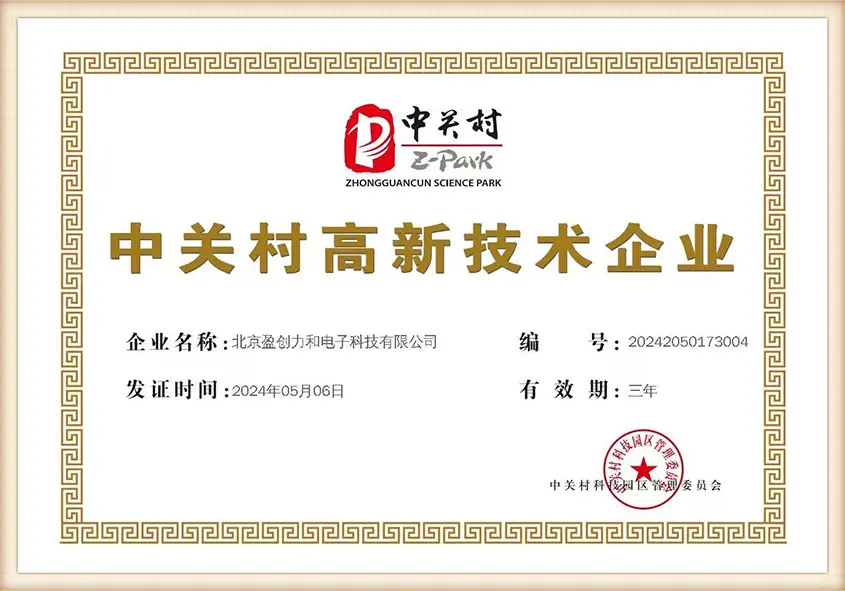
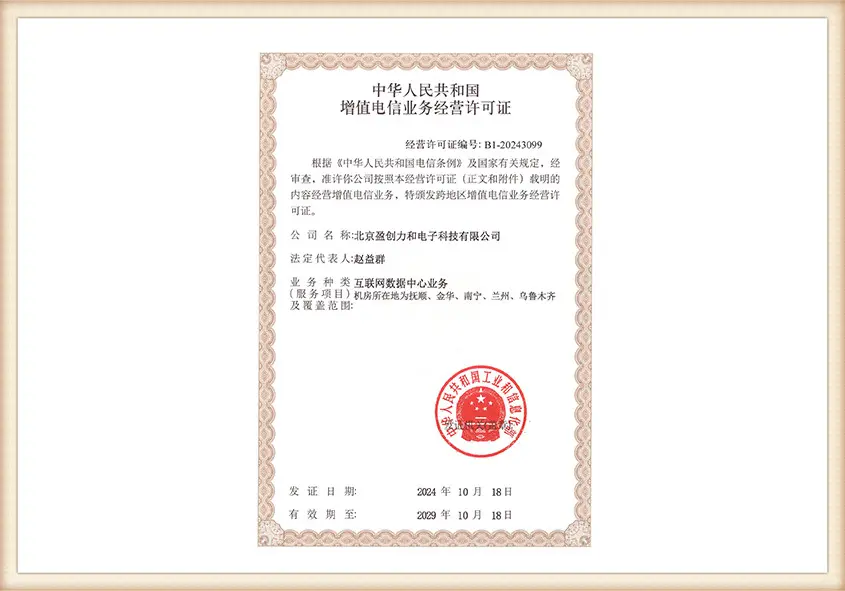
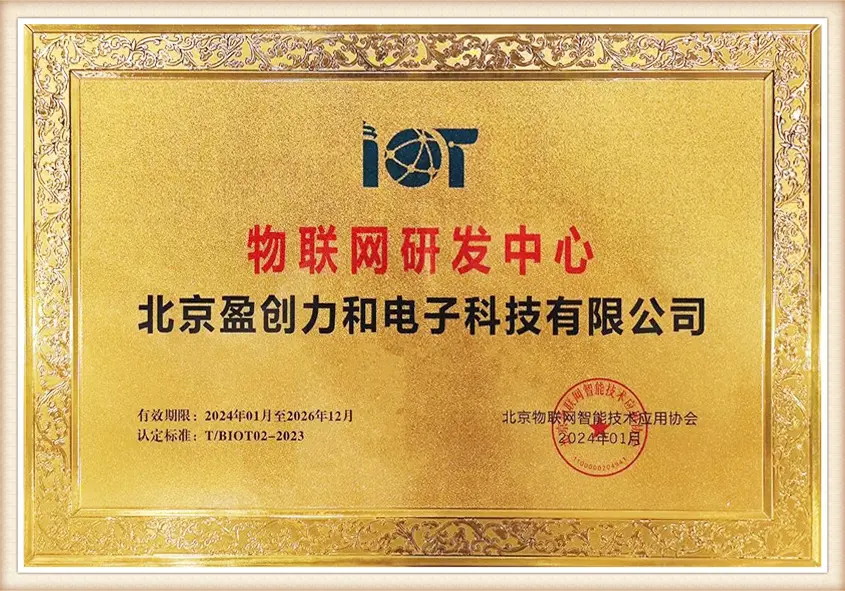
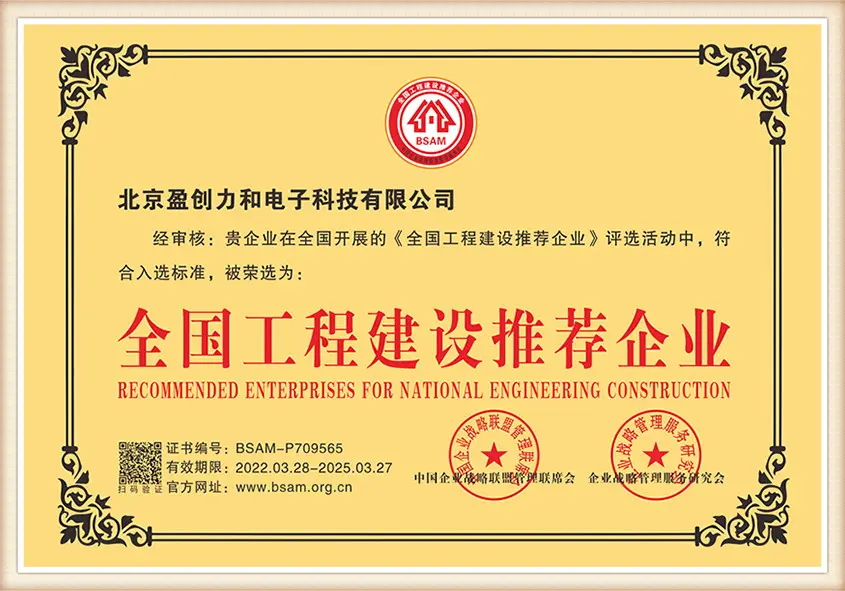
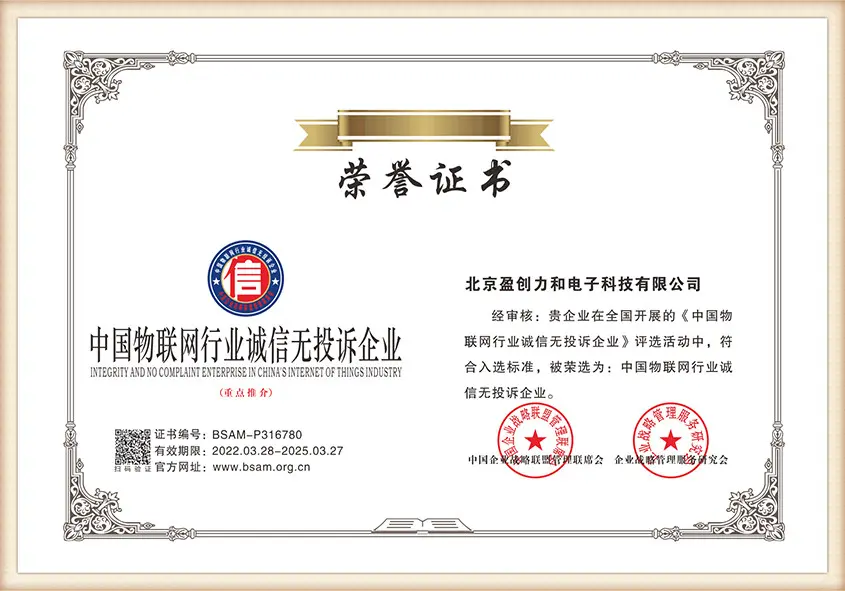
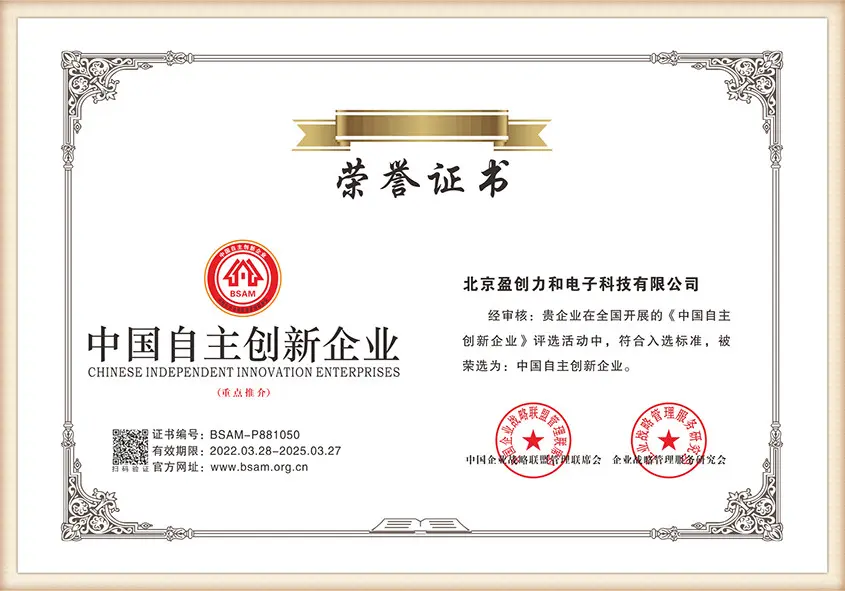
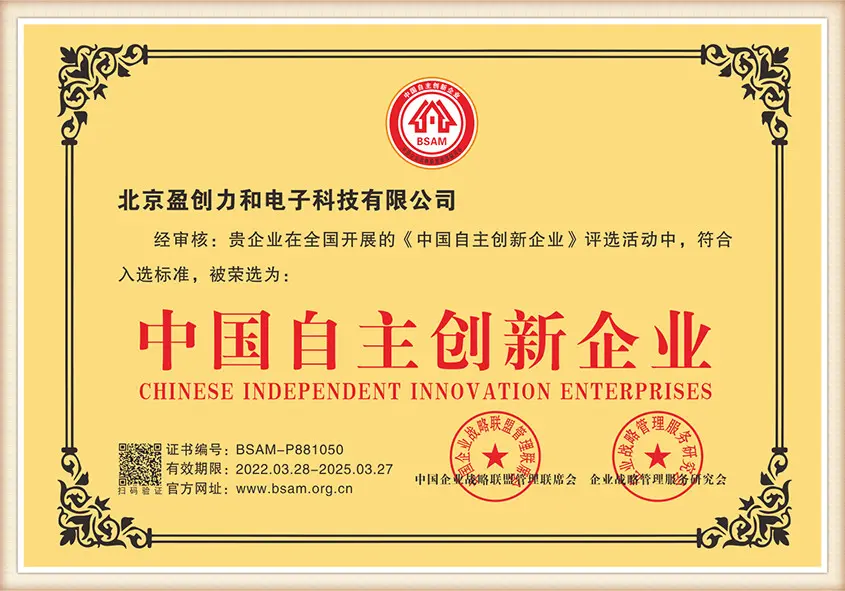
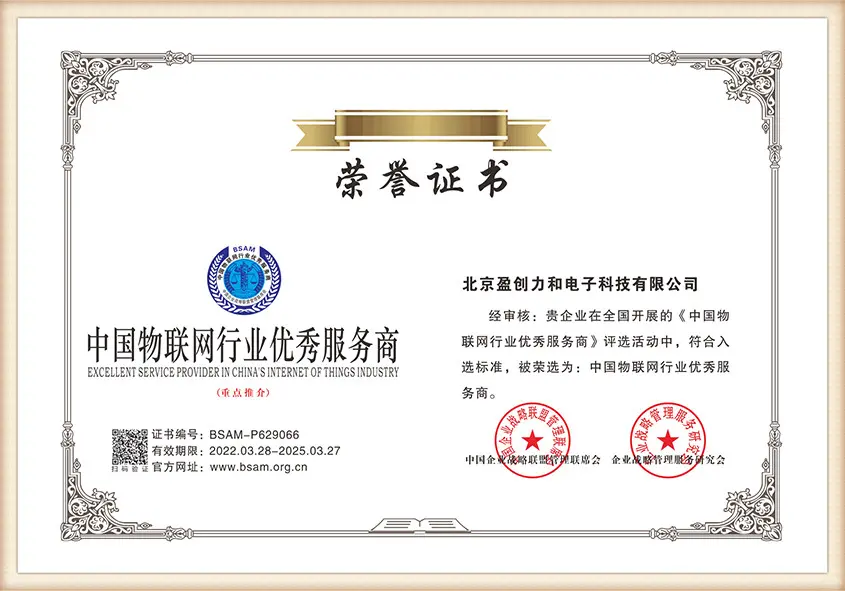
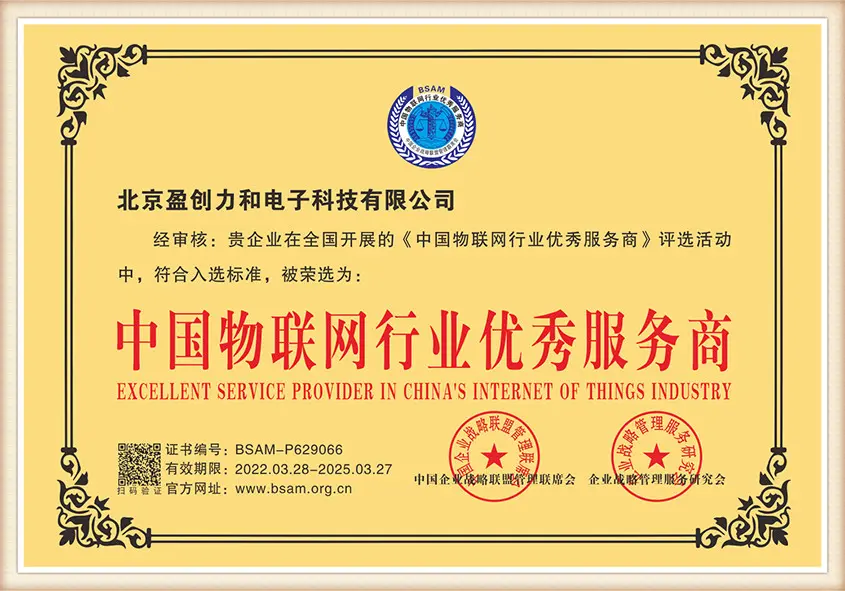
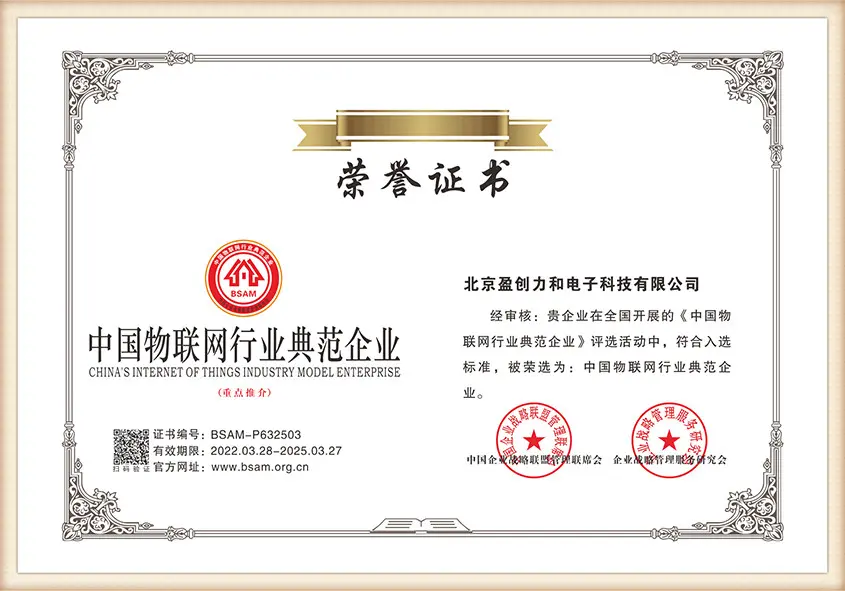
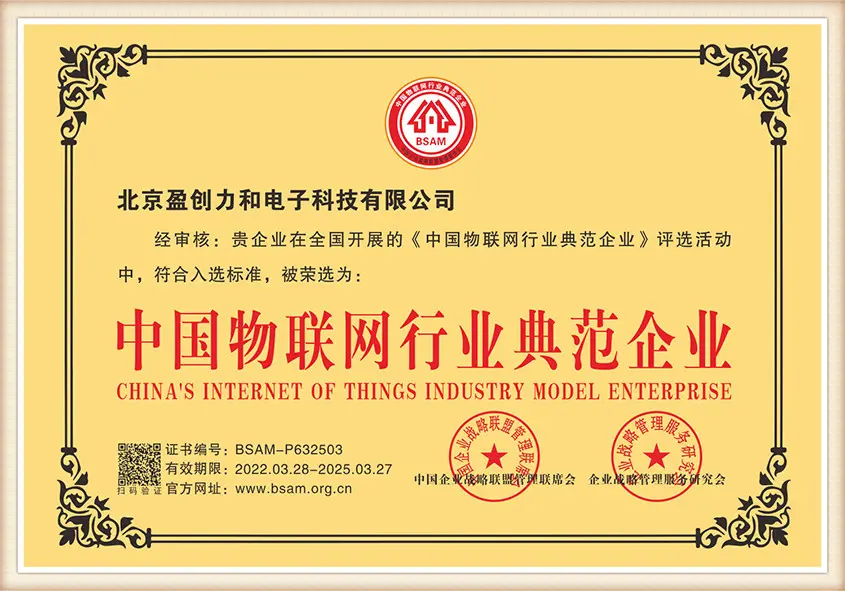
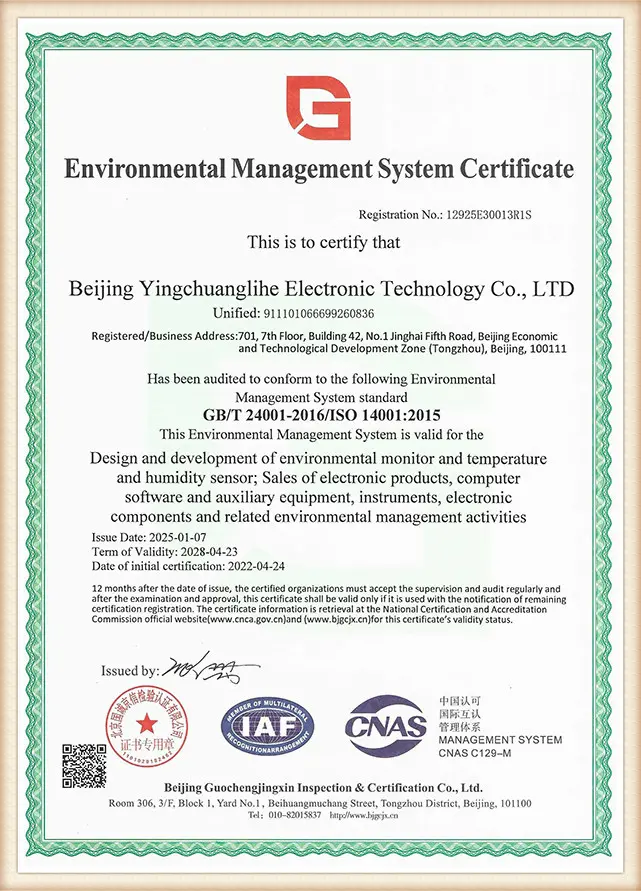
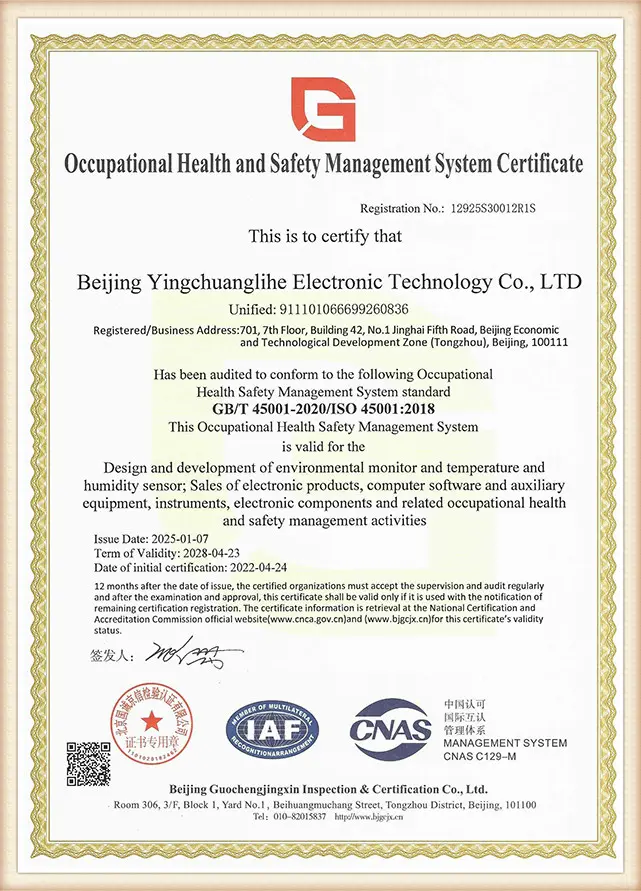
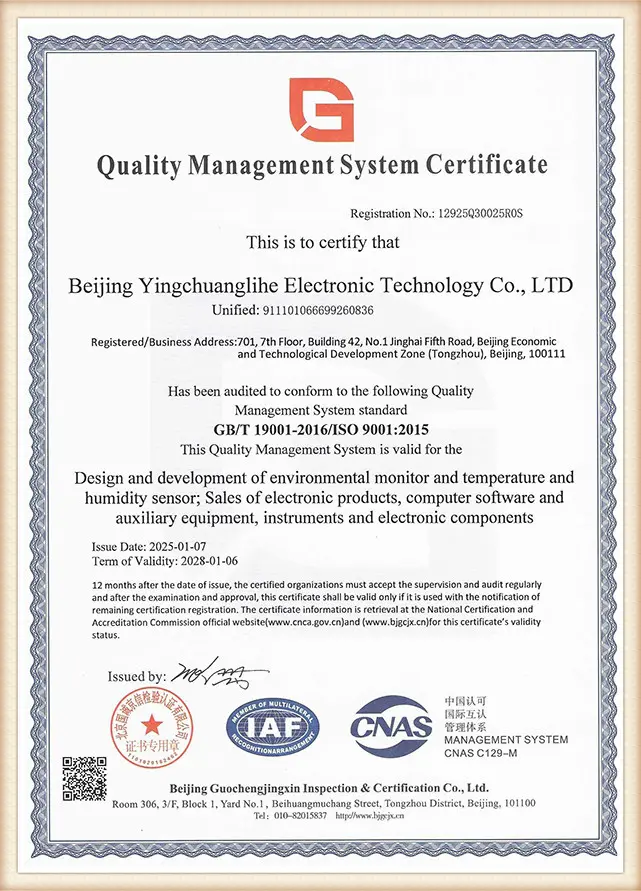
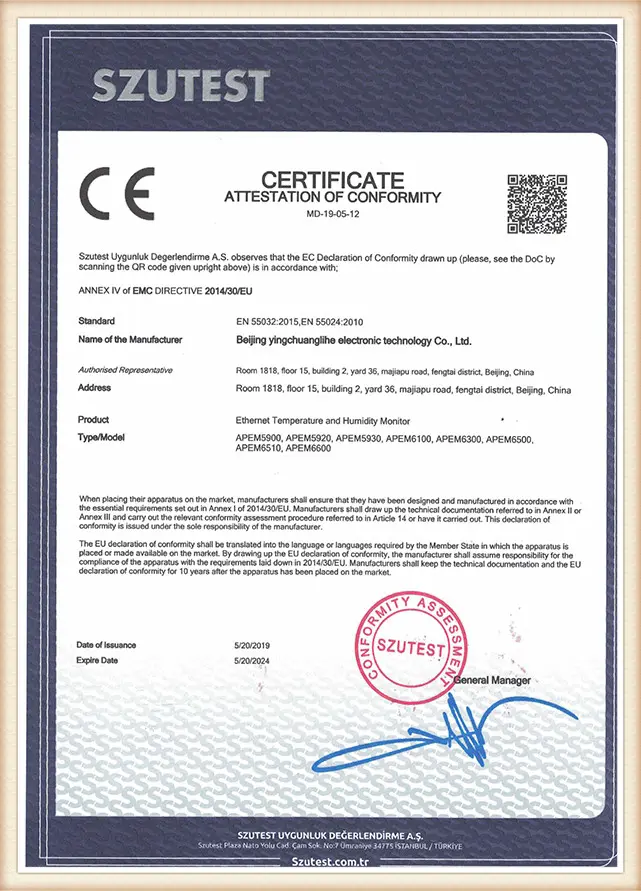
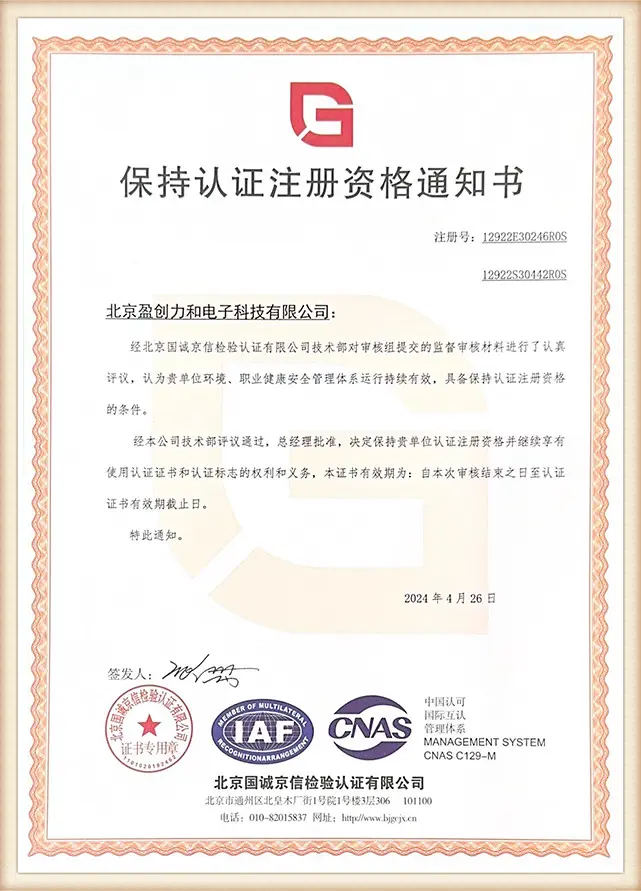
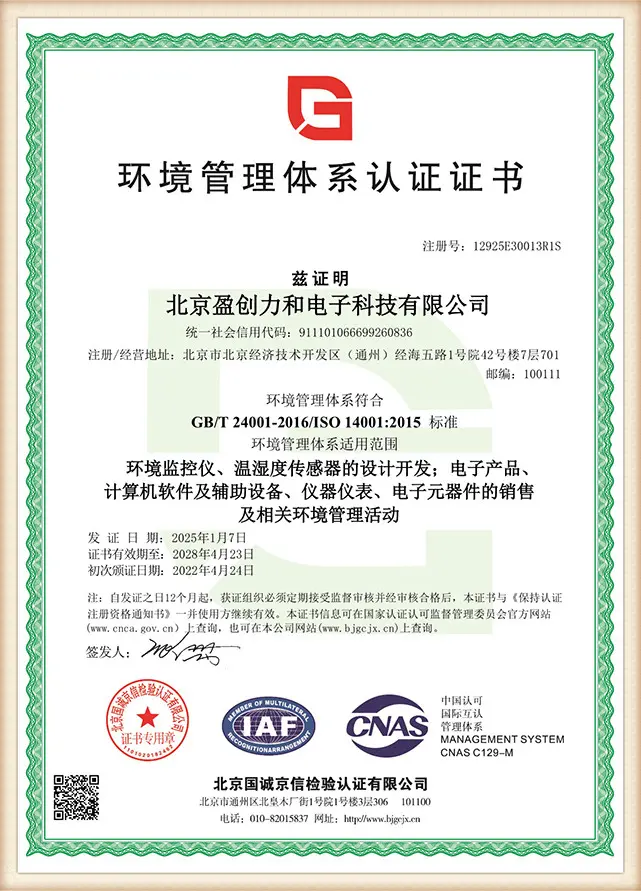
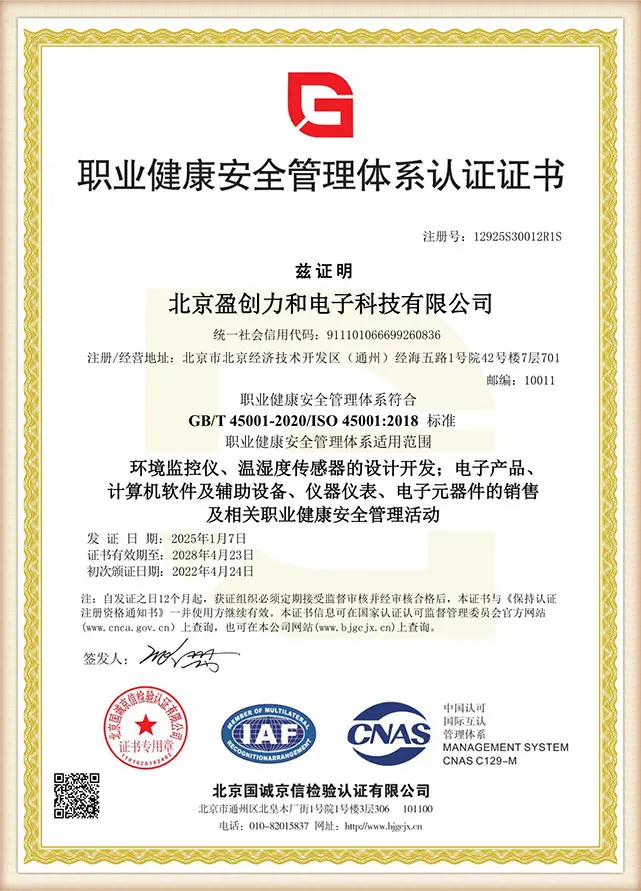
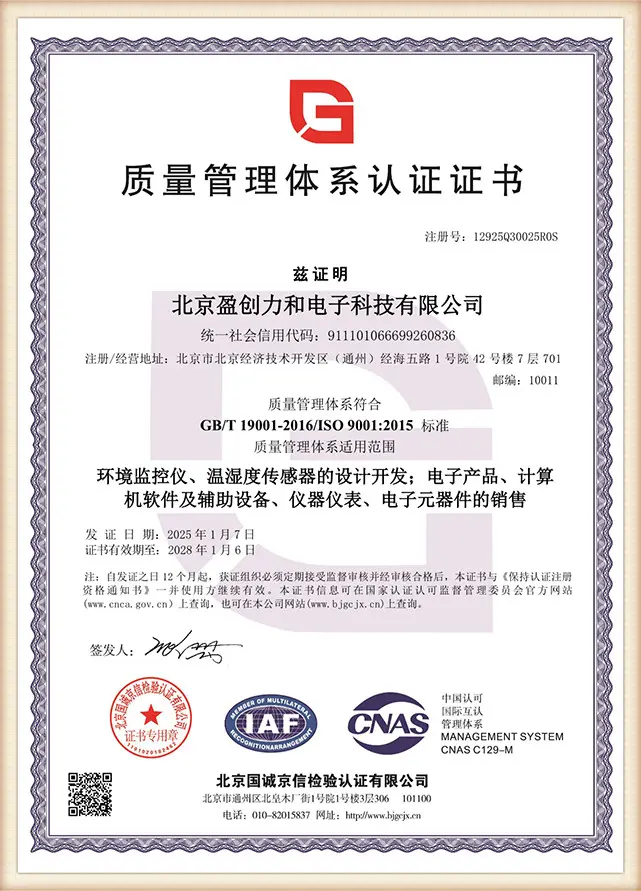
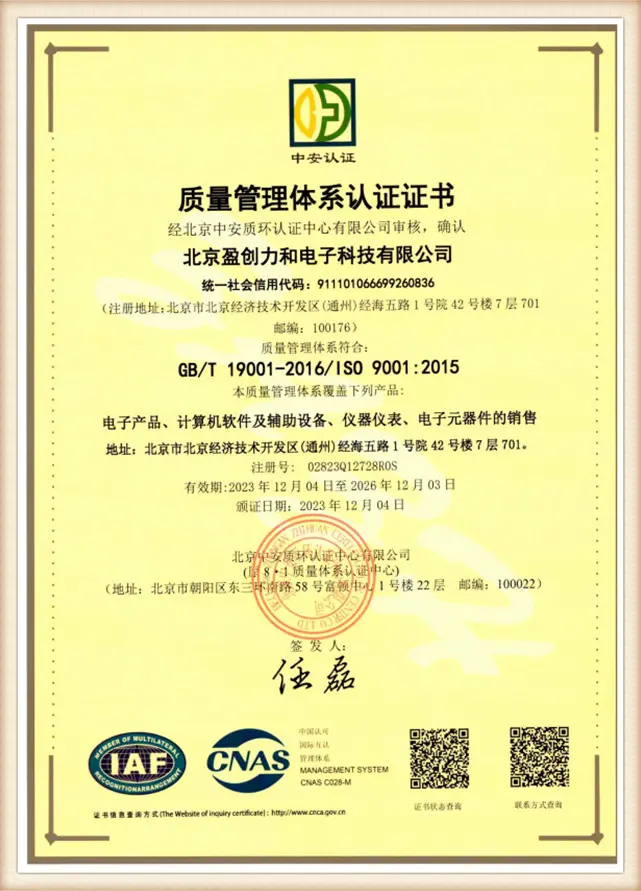
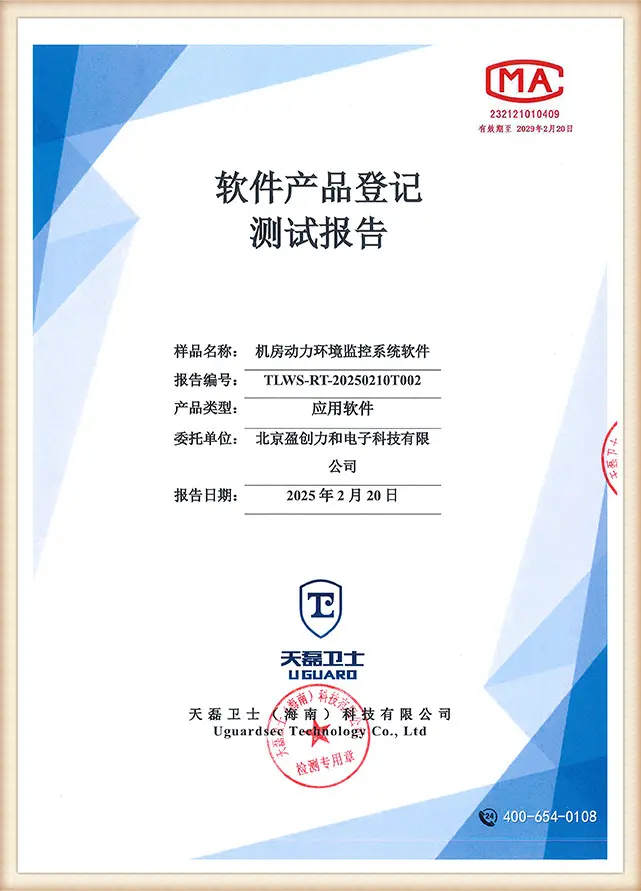
Engineered to conform with international quality standards. View our manufacturing and design approvals.
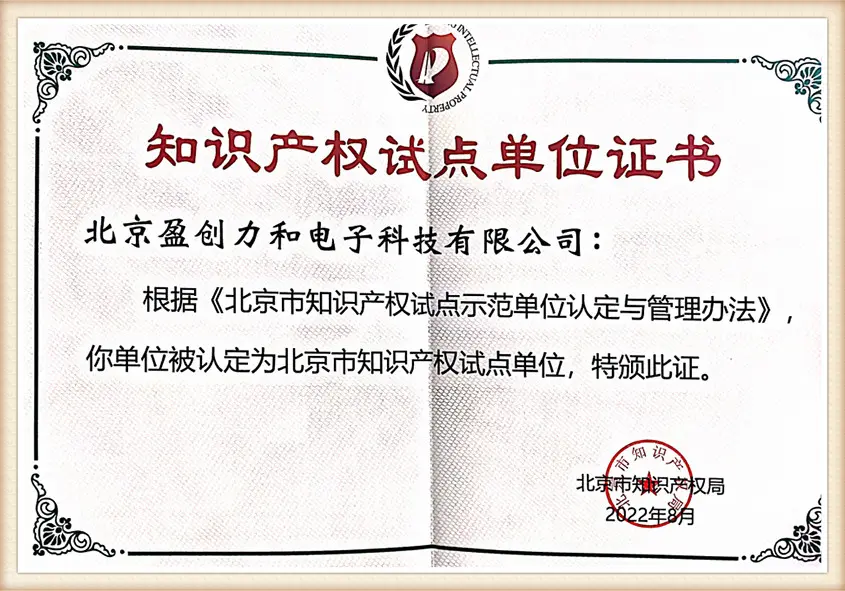
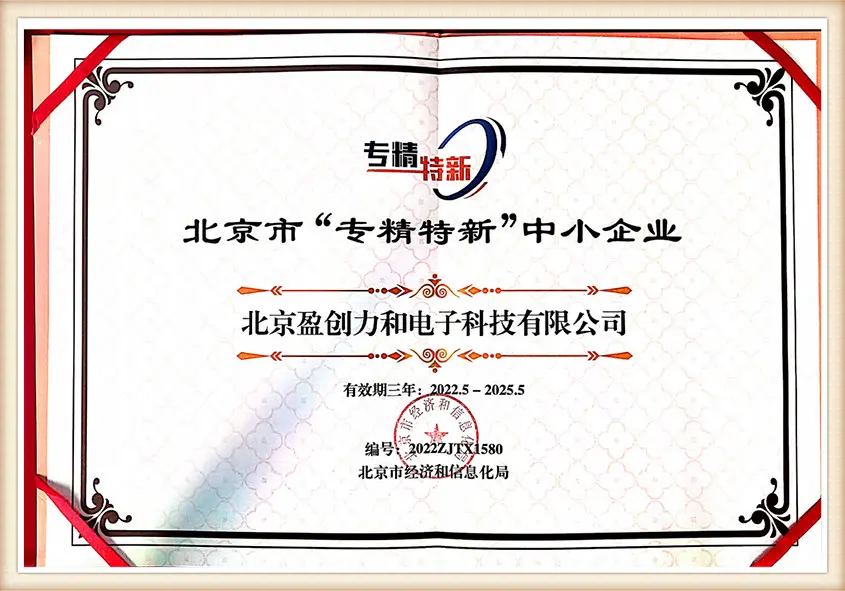
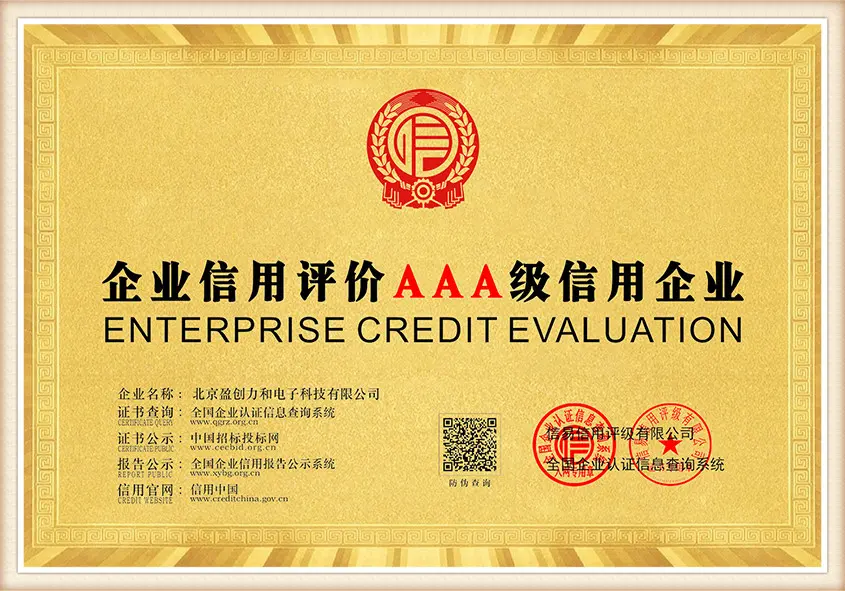
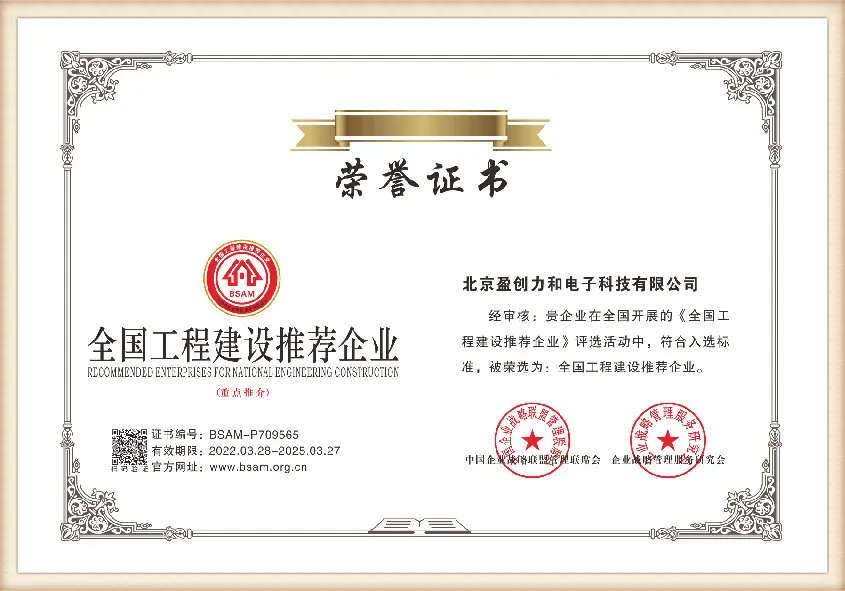

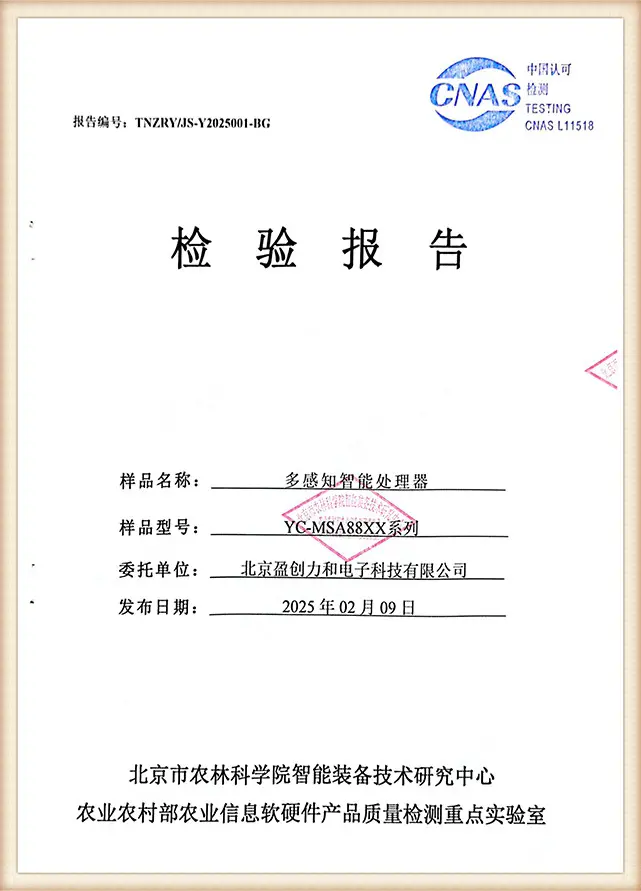
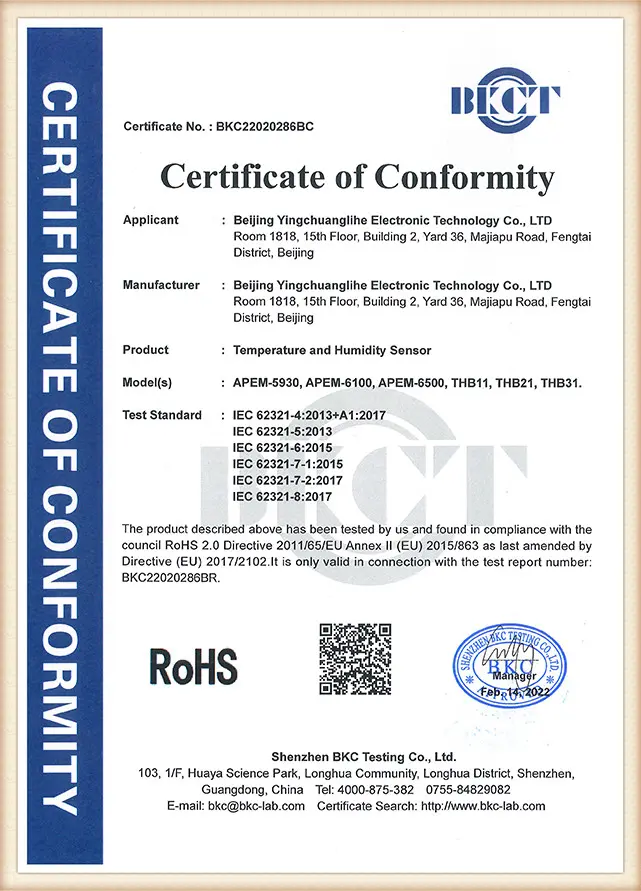
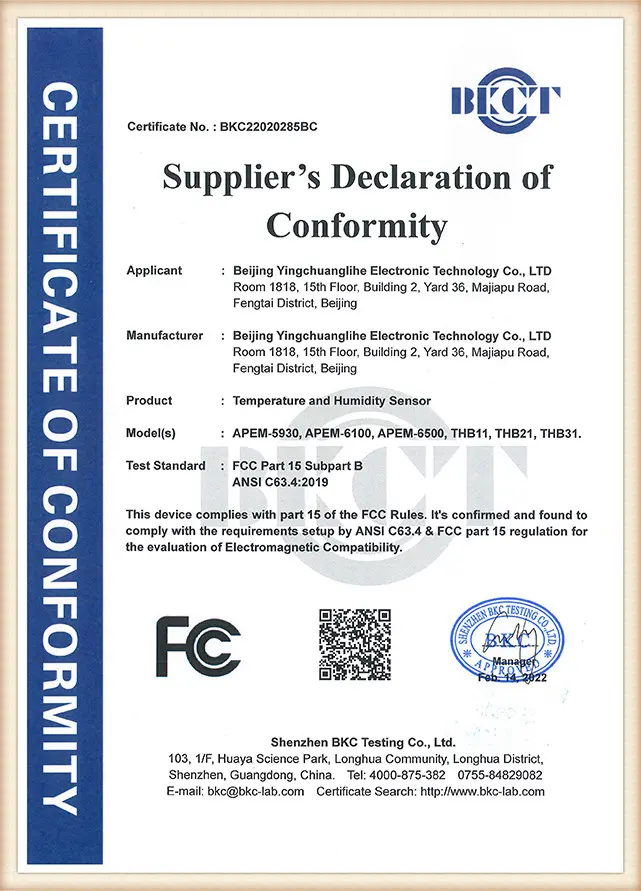
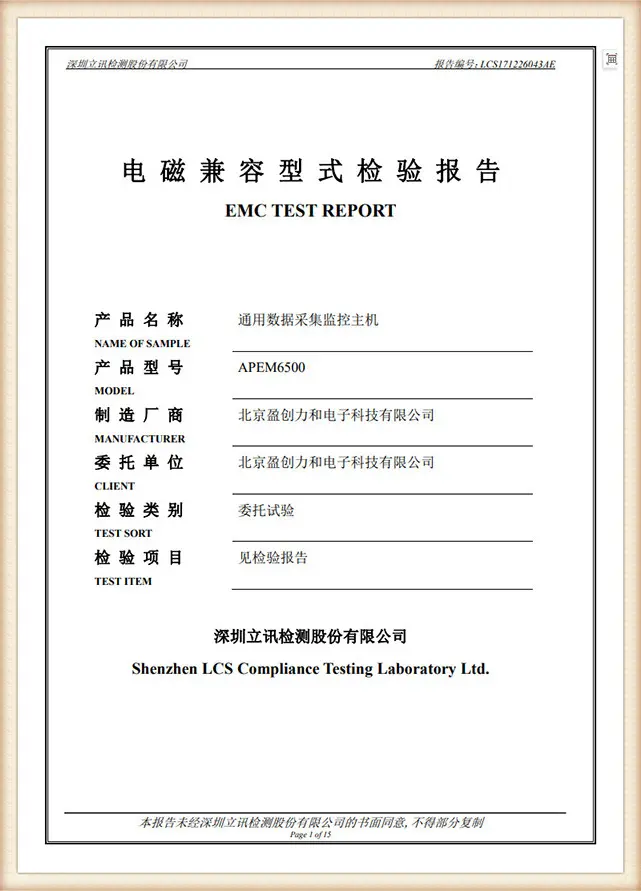
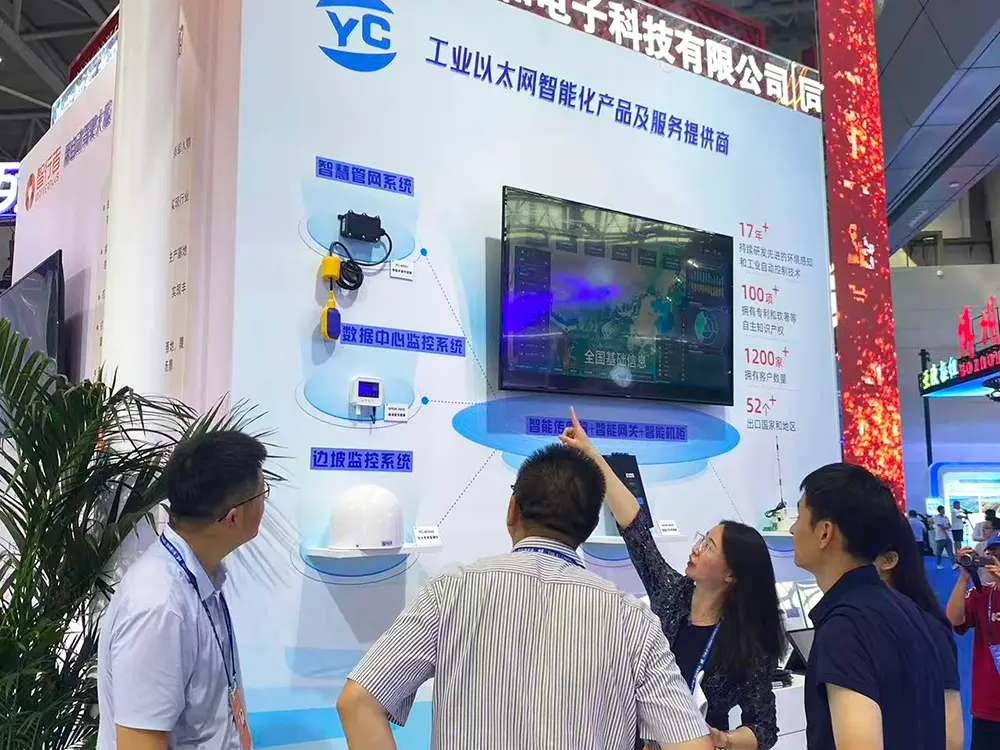
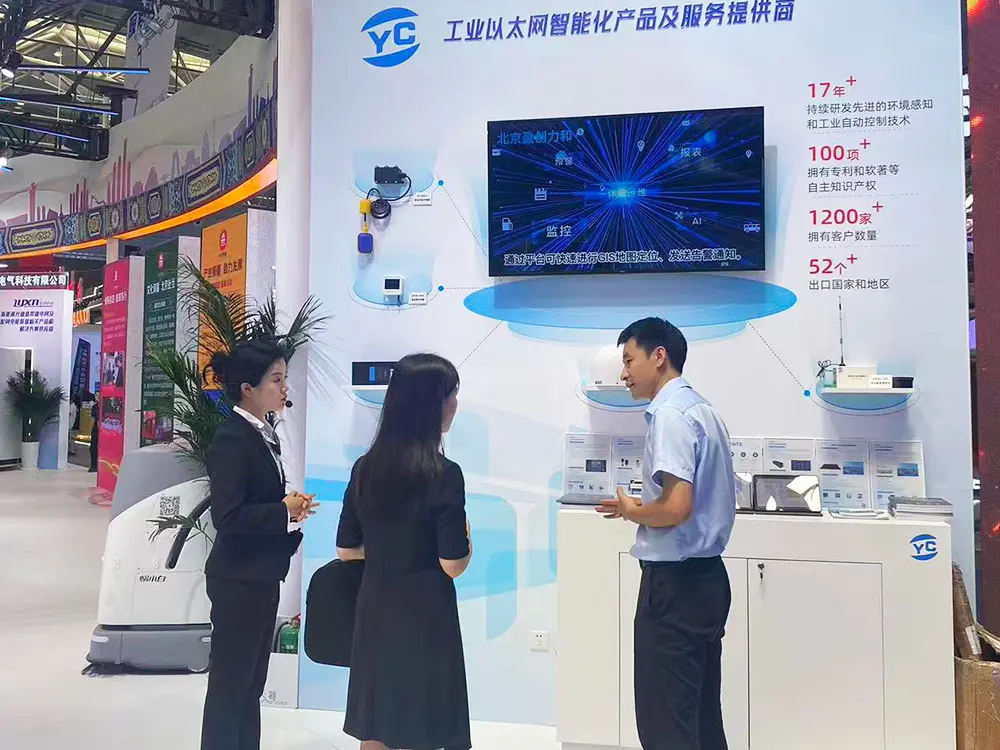
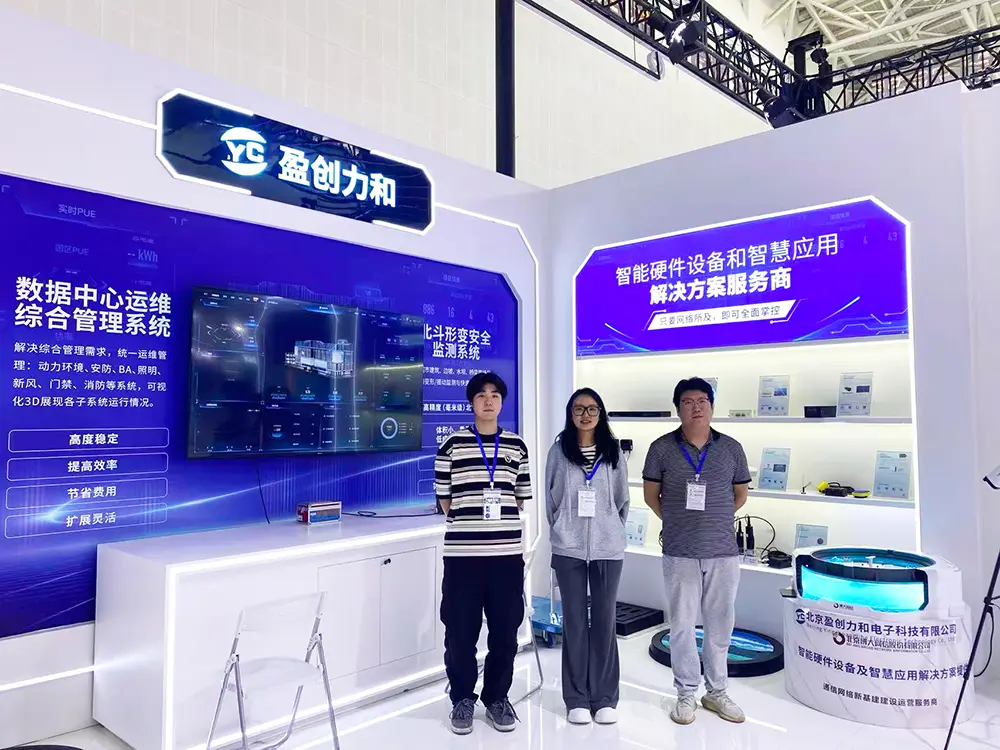
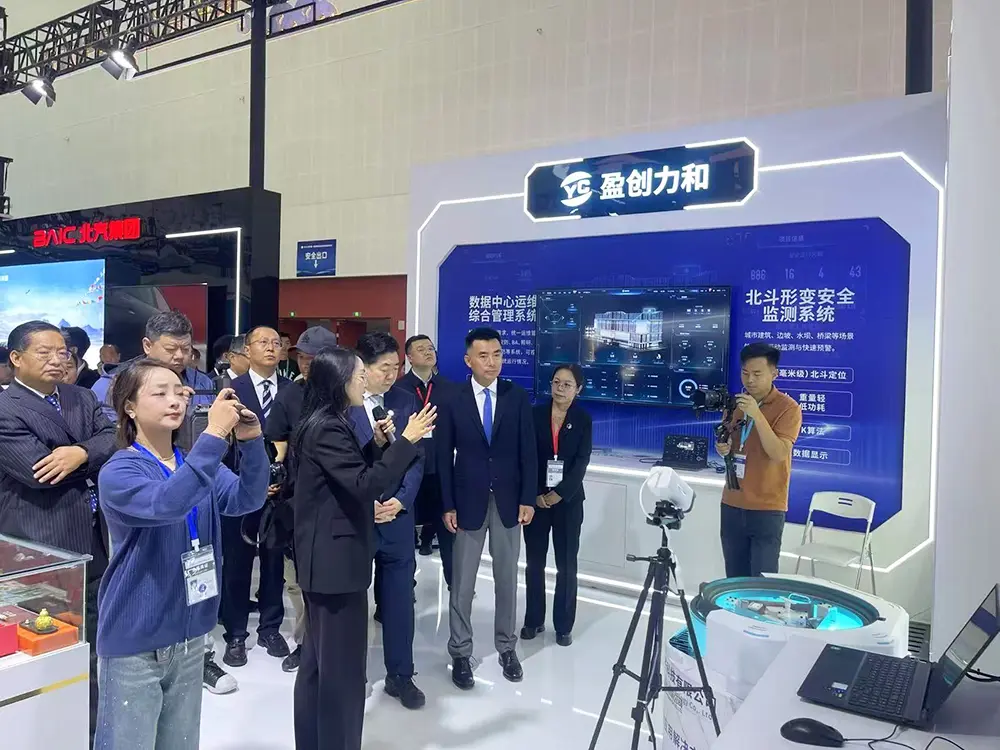
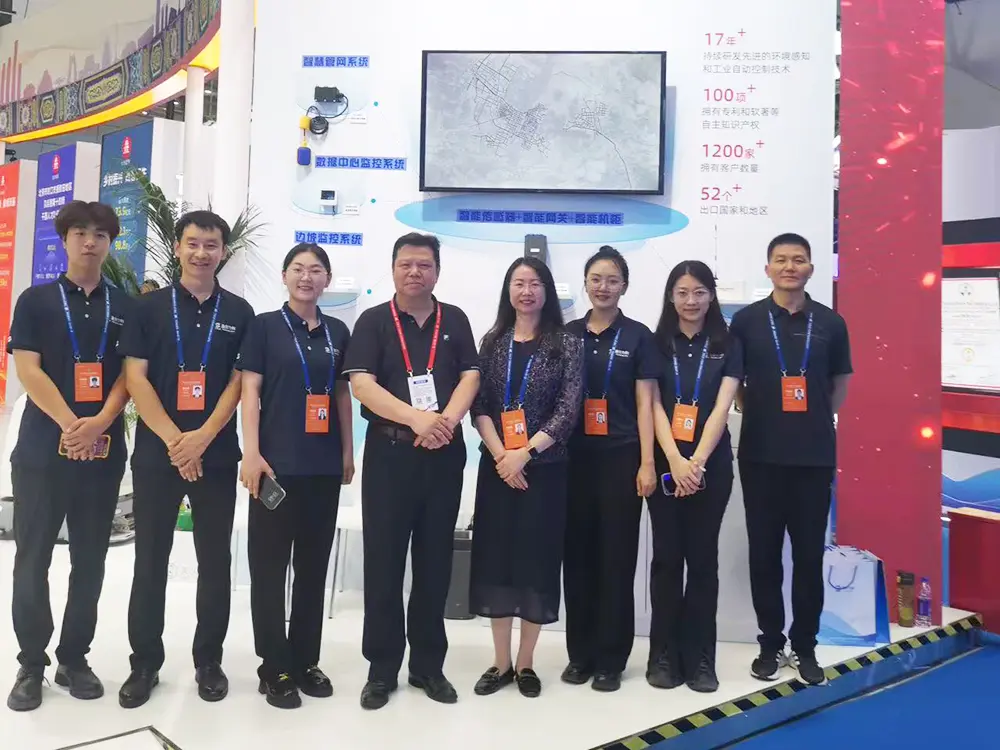
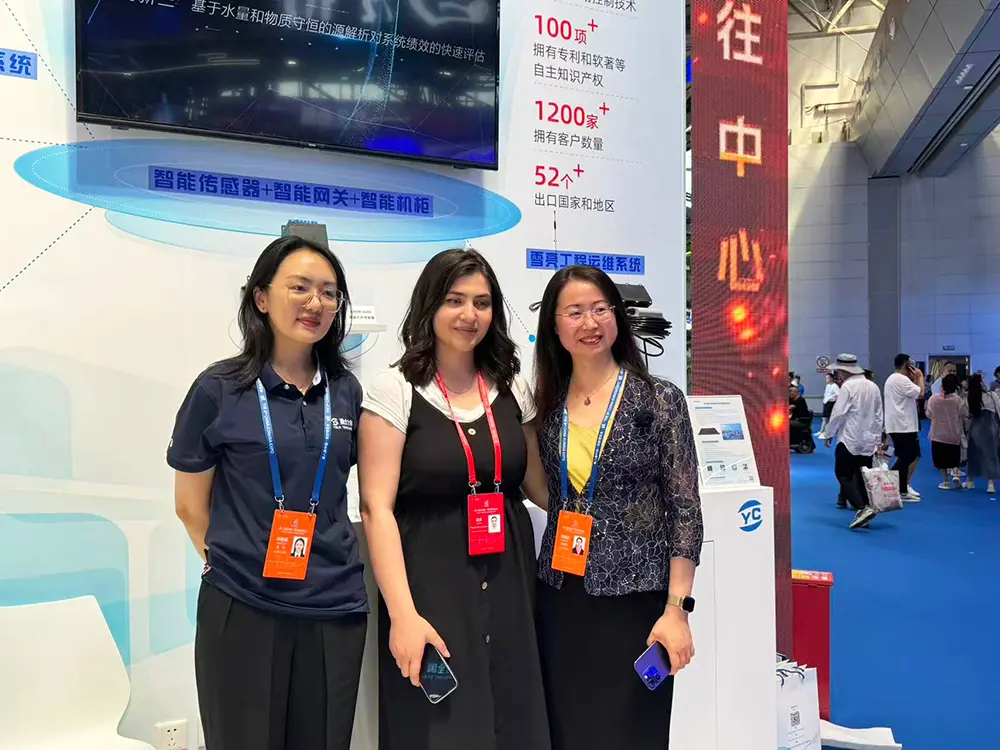
Connecting with system integrators and engineers globally. View our recent industry event appearances.
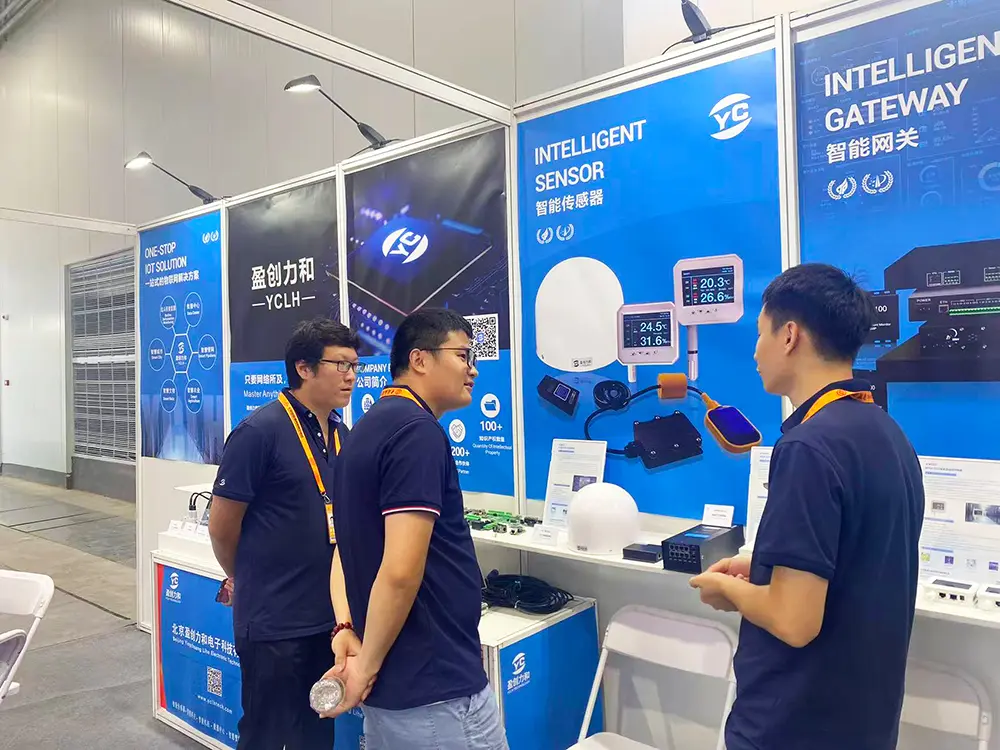
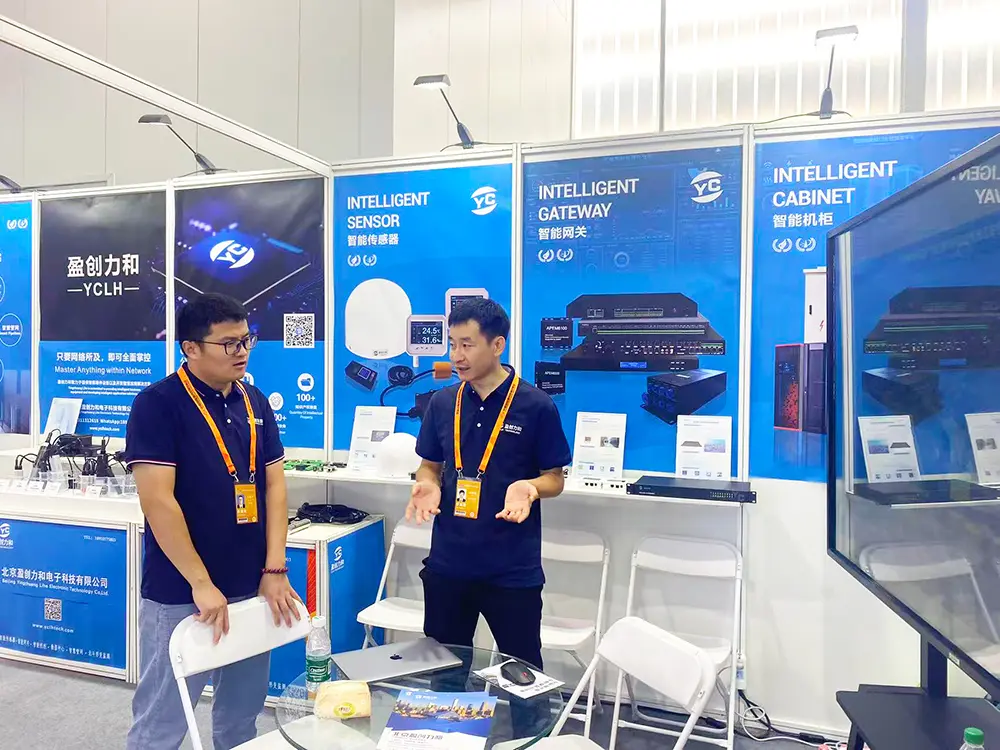
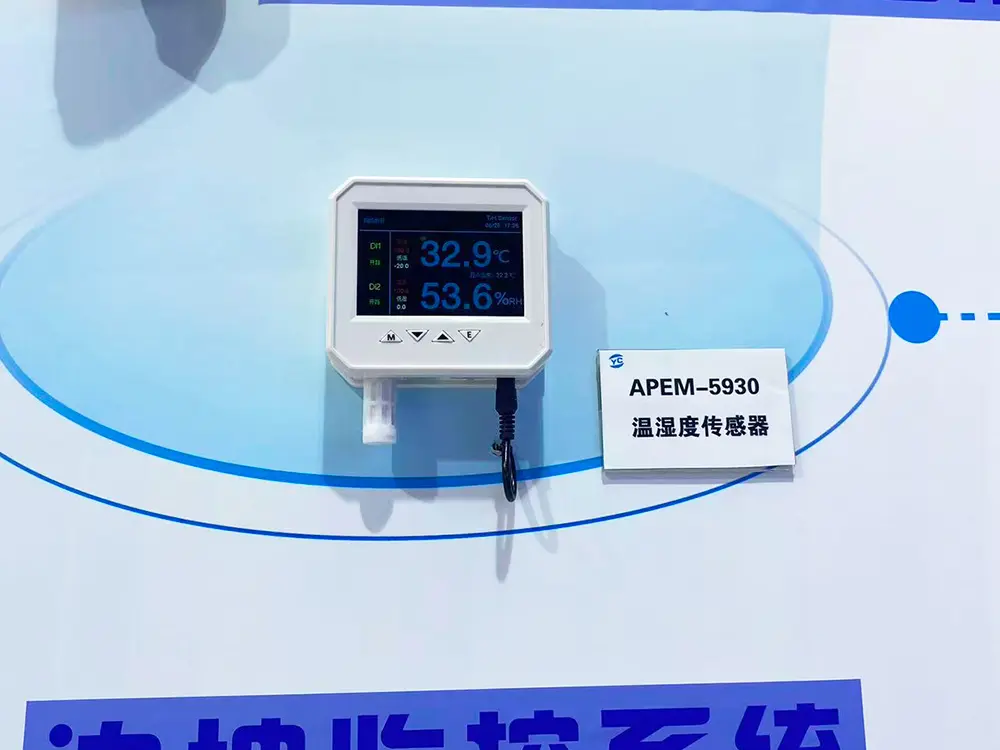
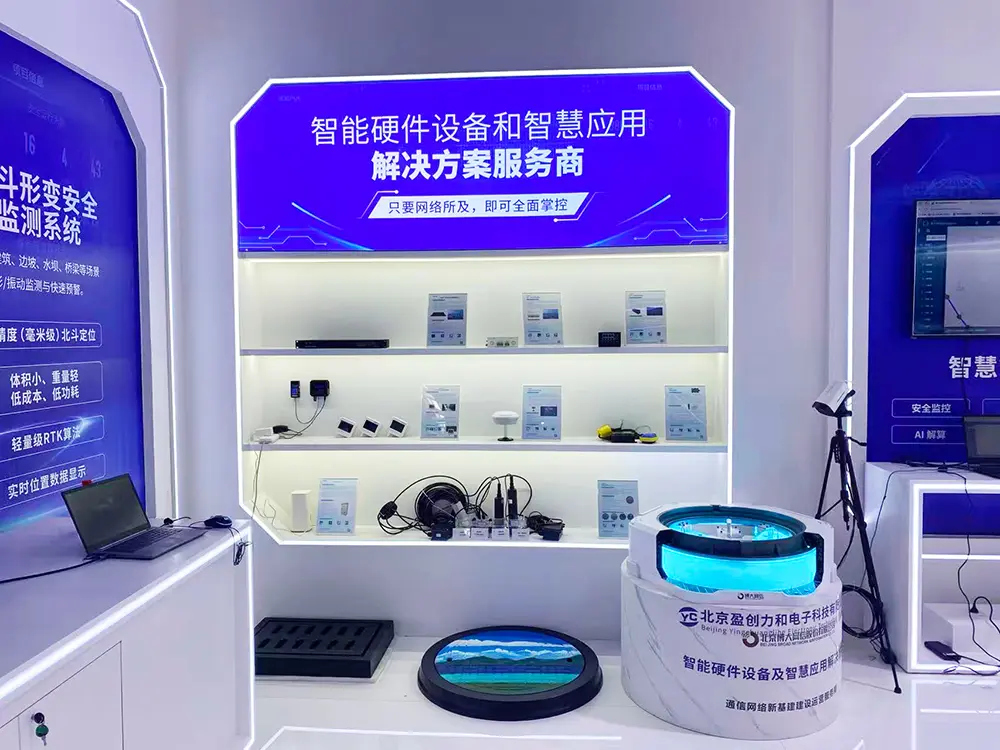
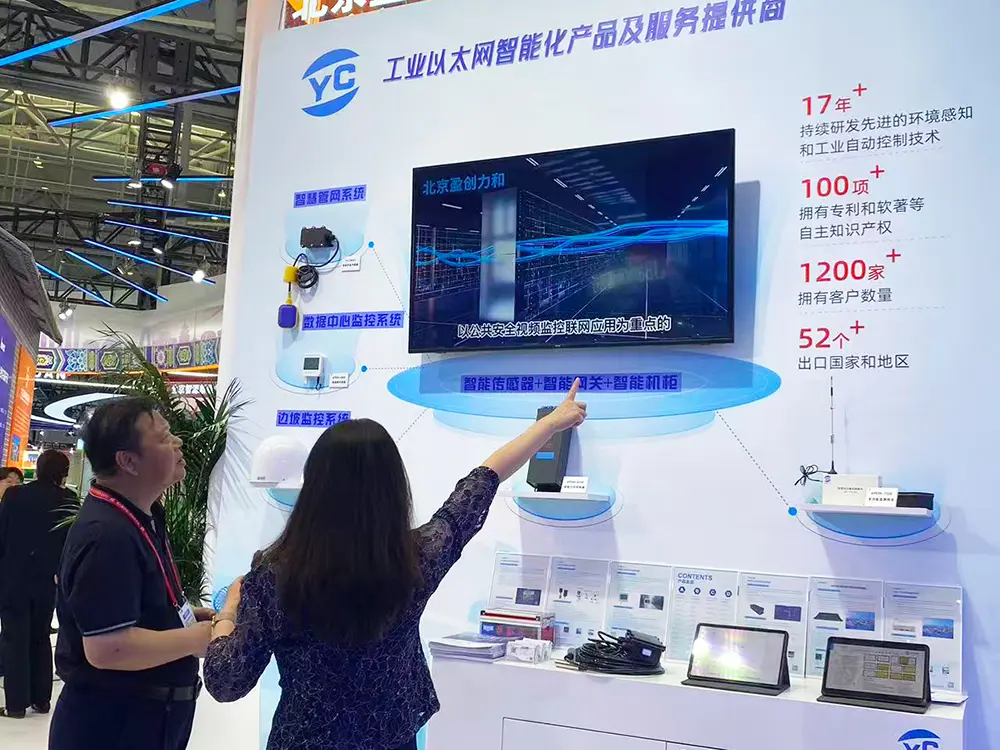
Looking to the next decade of industrial process automation, the convergence of high-precision spatial positioning and local environmental monitoring is opening new possibilities. As a pioneer in Chinese sensor design, Yingchuanglihe is driving research into combining environmental sensors with high-precision Beidou positioning networks. By integrating satellite kinematics with micro-electro-mechanical systems (MEMS) sensors, we can detect minute physical movements, pipeline shifts, and ground displacements alongside environmental changes.
This dual-channel telemetry is crucial for large-scale infrastructure monitoring, such as high-pressure water grids, bridges, high-speed rail tracks, and open-pit mining operations. For example, detecting a rise in soil humidity alongside a structural tilt of a few millimeters provides early warning of pipeline ruptures or slope failures. Our joint business unit with the Beijing University of Civil Engineering and Architecture focuses on these critical applications, ensuring our hardware continues to lead the industry in data fusion capabilities.
Additionally, we are preparing for the shift toward local edge intelligence. Instead of transmitting raw sensor feeds to a central cloud, our newer hardware tracks anomalous patterns locally. Using built-in micro-processors, our sensors can detect rapid temperature rises or gas leaks and trigger local safety relays directly, reducing latency and securing operations even if central networks fail.
Explore our specialized transmitter range designed for environmental monitoring, air quality tracking, and safety compliance.
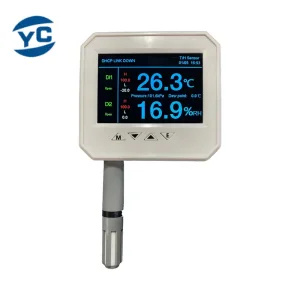
Designed for high-precision pressure differential measurements in laboratory isolation rooms.
Explore Specifications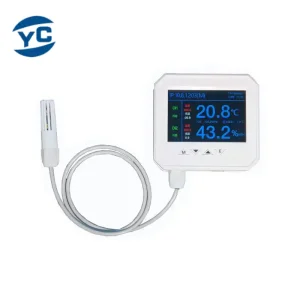
Features a separate probe design to monitor hard-to-reach chambers and high-temperature ducts.
Explore Specifications
High-performance ozone monitoring for sterilization control and chemical labs.
Explore Specifications
Monitors hazardous chemical vapors in industrial warehouses and painting booths.
Explore Specifications
Reliable gas monitoring for industrial manufacturing sites and urban air tracking.
Explore Specifications
Customizable PoE sensor node engineered for server rooms and critical IT infrastructure.
Explore Specifications
Compliant with CE standards for industrial environment safety monitoring.
Explore Specifications
Highly stable sensor providing air pressure, temperature, and dew point metrics.
Explore SpecificationsDetailed answers to common technical queries about industrial environmental monitoring networks.
Power over Ethernet (PoE) lets a single network cable transmit both DC power and high-speed data. In large factories, data centers, or cleanrooms, this eliminates the need to run separate AC power lines to every sensor location. It lowers installation costs, simplifies network design, and makes it easier to set up battery backups (UPS) for critical sensor grids.
Swiss and German sensing elements (such as those from Sensirion) provide excellent measurement accuracy, low drift over time, and high resistance to chemical exposure. This ensures our transmitters deliver reliable, consistent measurements over years of operation, reducing calibration frequency and lowering overall maintenance costs.
Yes. Our devices support standard communication protocols including Modbus TCP, SNMP, and TCP/IP. This ensures they can easily integrate with third-party software, PLCs, DCS controllers, and BMS systems without needing proprietary drivers or gateways.
The APEM-5930E features a separate sensor probe connected via cable. This design is ideal for monitoring extreme or confined spaces, such as heating ducts, environmental test chambers, or inside machinery enclosures. It allows the sensitive processing and communication circuitry to be mounted in a safe, accessible area while the ruggedized probe is placed directly inside the monitored space.
For standard temperature and humidity telemetry, we recommend checking calibration once every 12 to 24 months, depending on how dusty or humid the environment is. For multi-gas sensors tracking TVOC, Ozone (O₃), or Formaldehyde (HCHO), we suggest annual calibration to verify baseline stability and ensure consistent accuracy.
Cleanrooms rely on maintaining positive or negative air pressure to prevent outside air from entering. The APEM-5930P monitors these pressure differences in real-time alongside temperature and humidity. It provides the high-precision data needed to adjust ventilation systems and keep cleanroom environments stable.
 YCLH Sensor