Industrial grade wireless, Ethernet, and WiFi transmitters integrated with low-latency communication protocol stacks.
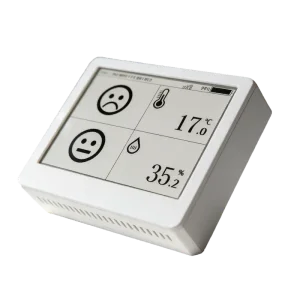
Long-Range Wireless Monitoring Sensor designed for robust telemetry environments with deep structural penetration.
View Details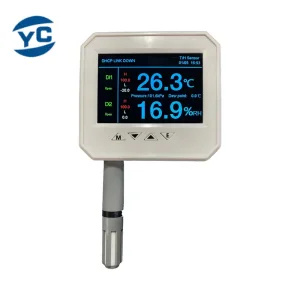
Integrates high-precision barometric pressure measurement alongside temperature and relative humidity tracking.
View Details
Designed for modern smart laboratories and sterile environments requiring dynamic pressure differential telemetry.
View Details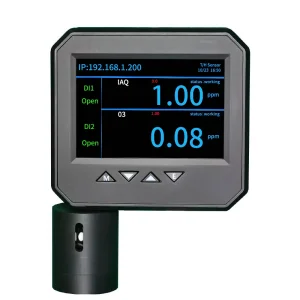
High-performance sensor array combining real-time environmental telemetry with hazardous gas monitoring.
View Details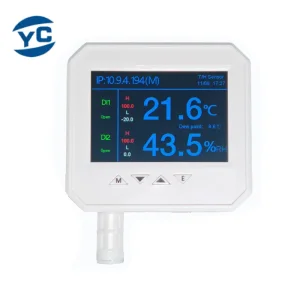
Eliminate dual cables. Employs IEEE 802.3af PoE standards for centralized communication and power distribution.
View Details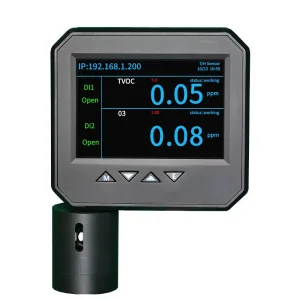
Comprehensive analytical instrument for advanced green building and safe working environments.
View Details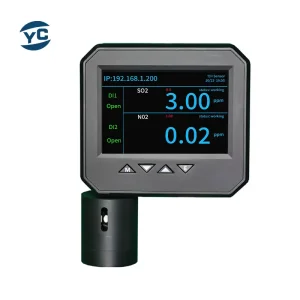
A heavy industrial-grade air pollution monitor built to withstand challenging chemical atmospheres.
View Details
Fully customizable industrial-grade sensor, offering custom cabling, branding, and output parameters.
View DetailsAn Industrial IoT Whitepaper on Critical Environmental Parameters, Connectivity, and Hardware Engineering
Environmental tracking is no longer isolated to local data logger logs and periodic visual inspections. In modern processing facilities, biological repositories, pharmaceutical cleanrooms, and hyper-scale data centers, continuous monitoring of temperature and humidity is critical. The integration of WiFi telemetry into precision relative humidity (RH) measurement tools has shifted operational methodologies from reactive monitoring to real-time, predictive modeling.
For industrial operators, WiFi-enabled humidity meters act as remote sensor nodes that communicate via TCP/IP infrastructure. This deployment allows for seamless integration into existing IT networks without the high cost of routing dedicated signal cables. These meters transmit data using industrial messaging protocols like MQTT, Modbus TCP, and HTTP REST APIs, enabling plant managers to build a comprehensive map of environmental variables. This telemetry is critical for preventative maintenance, quality assurance, and strict regulatory compliance.
At the core of every industrial-grade humidity meter is a capacitive polymer sensor or a resistive micro-sensor. While standard consumer-grade instruments fail in high-humidity or chemically volatile environments, industrial sensor design focuses on long-term stability and drift mitigation. By utilizing imported capacitive sensor chips from premium Swiss and German semiconductor foundries, our transmitters achieve a nominal stability rating with minimal drift per annum.
When relative humidity levels approach 100% condensation, standard sensors experience saturation drift, which distorts accuracy for extended periods. Our advanced industrial line utilizes optional protective filters, isolated extension probes (such as in the APEM-5930E), and integrated micro-heaters. These heaters temporarily warm the sensor element to evaporate condensation, allowing the sensor to return to baseline accuracy immediately. This makes them highly suitable for high-humidity greenhouses, curing chambers, and cold chain shipping routes.
Delivering robust environmental telemetry solutions for worldwide industrial integration since 2007.
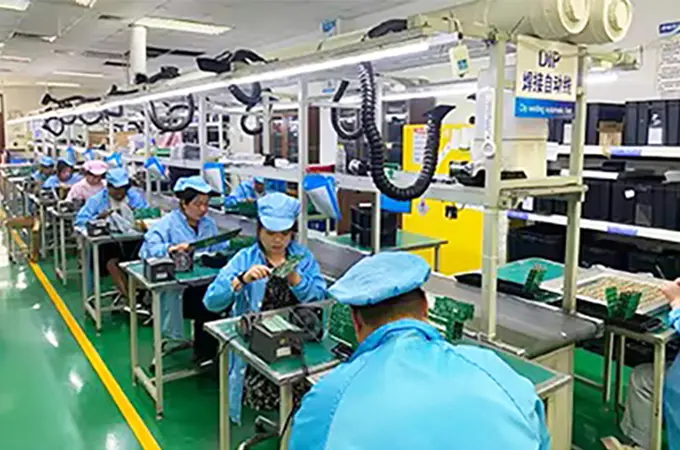
Operating from our modern production base in Beijing, we combine advanced electronics engineering with metrological calibration. We support multinational supply chains by offering highly durable sensor designs. Our engineering process features several key manufacturing advantages:
How Beijing Yingchuanglihe delivers superior metrology devices with cost-efficient scalability.
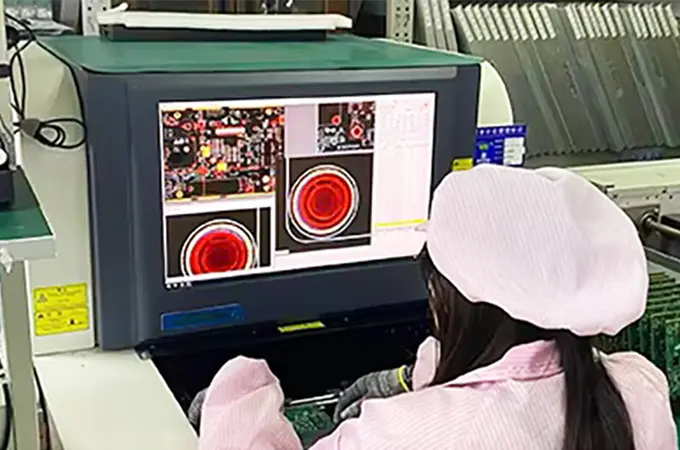
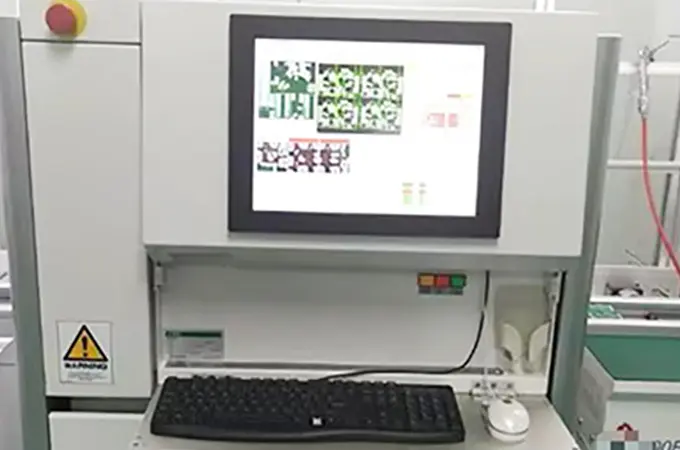
Our Beijing facility features state-of-the-art calibration chambers. These chambers use high-precision chilled-mirror hygrometers as reference standards, allowing us to perform multi-point temperature and humidity calibration across a wide range of operating conditions. This rigorous testing ensures that each WiFi humidity meter that leaves our facility delivers reliable accuracy, typically within ±0.3°C and ±2% RH.
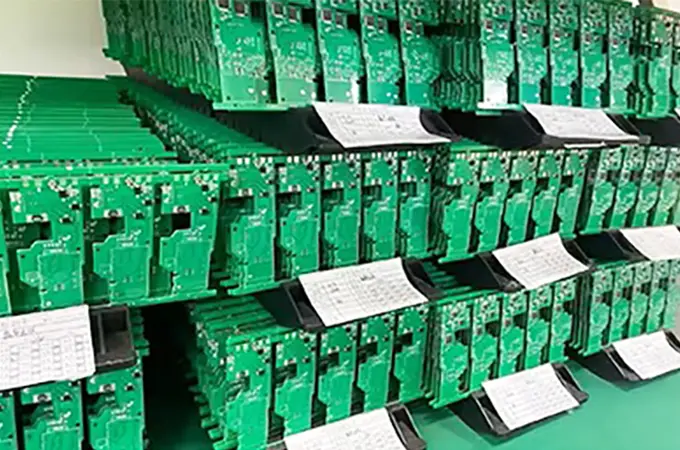
Integrating electronics manufacturing with sensor calibration within a single facility allows us to bypass the extended supply chains that often affect European or North American producers. We manage the entire lifecycle in-house—from PCB layout design and surface mount technology (SMT) assembly to sensor calibration, potting, and enclosure molding. This integrated approach allows us to maintain strict quality standards while offering exceptional flexibility for OEM/ODM customization requests.
For large-scale global integrations, standard specifications are rarely a perfect fit. For example, some installations require custom probe lengths, specific cable sleeves (such as Teflon or stainless steel braiding), custom firmware setups, or dual power supply backups (PoE paired with auxiliary DC inputs). Our engineering department can handle these specifications, delivering customized samples in short development windows.
Additionally, our shipping division manages international logistics to ensure smooth delivery across regional borders. We coordinate with major global freight forwarders, handle export clearances, and provide detailed technical documentation. This direct-from-factory process minimizes delays and ensures your projects stay on schedule.
Tracking our evolution from our first TCP/IP environmental terminals in 2007 to advanced autonomous computing integration.
Our sensor systems are engineered for high reliability in demanding settings, ensuring regulatory compliance and protecting capital assets.
Prevent thermal runaways and condensation events. Continuous monitoring of temperature and humidity helps operators meet ASHRAE standards, optimize cooling efficiency, and protect high-density computing infrastructure.
Ideal for cleanrooms requiring precise pressure differential, temperature, and relative humidity measurements. This tracking is critical for keeping manufacturing records compliant with FDA 21 CFR Part 11 regulations.
Maintains the integrity of perishable goods, pharmaceuticals, and sensitive raw materials. Our WiFi humidity transmitters provide real-time alert systems to help warehouse operators prevent spoilage.
Helps optimize plant development in controlled environment agriculture (CEA). High-precision humidity measurement prevents mold growth and ensures ideal transpiration rates.
Protects delicate organic materials, paper archives, and oil paintings from degradation caused by fluctuations in temperature and humidity. Our sensors provide clean, unobtrusive wireless integration.
Provides key environmental inputs for heavy SMT assembly lines, lithium battery production dry rooms, and paper manufacturing, ensuring high process yield and material stability.
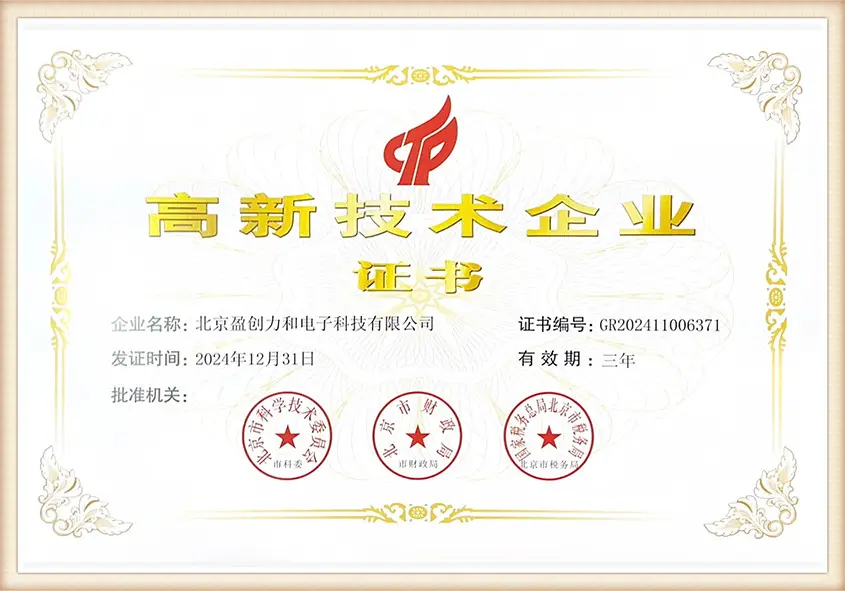
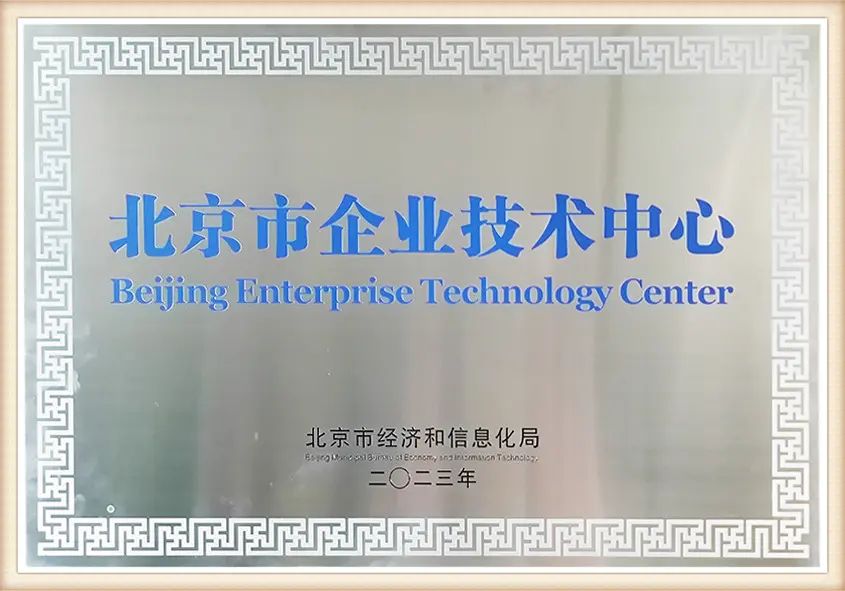
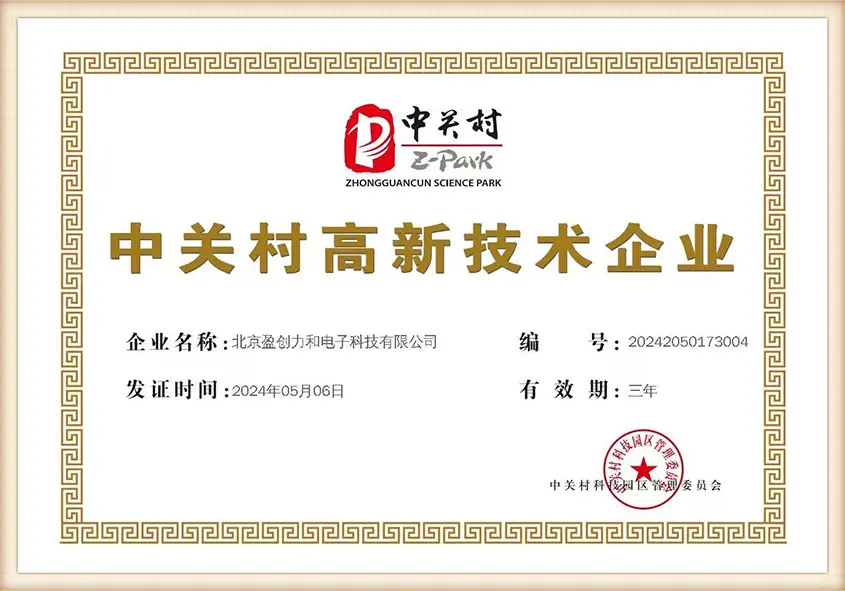
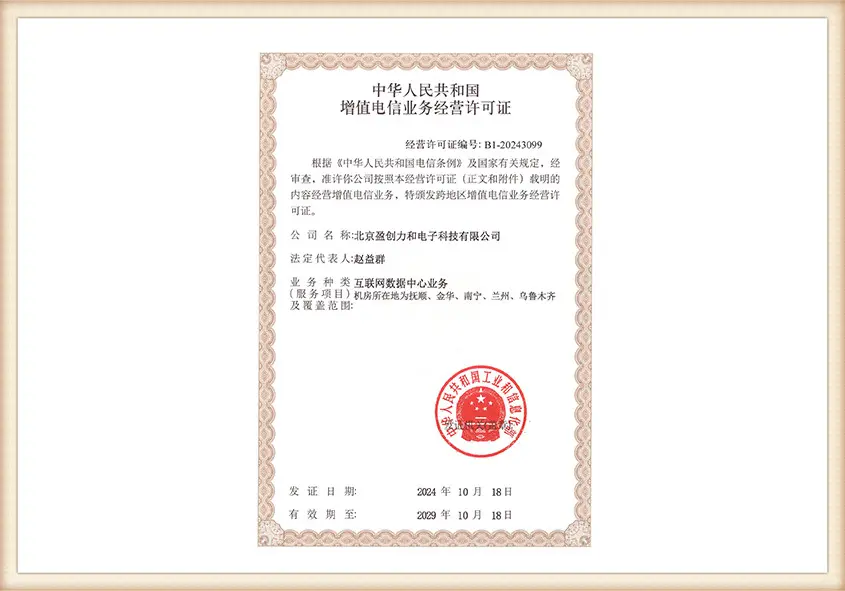
We validate our sensor designs through accredited testing agencies and regular participation in global automation exhibitions.
In-depth insights into deploying WiFi humidity sensors, addressing common integration, calibration, and networking questions.
Complete your environmental monitoring system with specialized multi-parameter transmitters and data loggers.
Integrated multi-gas and climate transmitter designed for industrial ambient air monitoring.
View Details
Certified air quality logger, optimized for commercial office spaces, schools, and public buildings.
View Details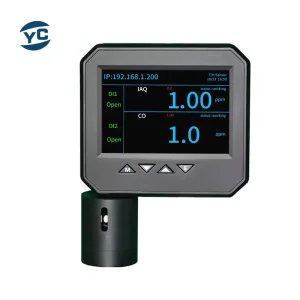
High-precision carbon monoxide monitoring with temperature and humidity logging for safety monitoring.
View Details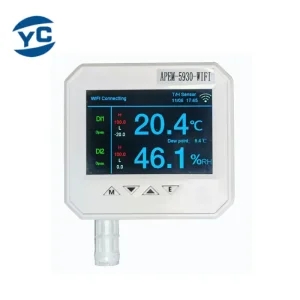
Dual transmission pathways ensure continuous network connection in RF-shielded environments.
View Details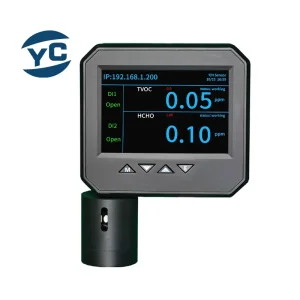
Designed for indoor environmental health evaluations, tracking chemical outgassing and environmental parameters.
View Details
A rugged gas-sensing instrument engineered for industrial perimeter safety monitoring.
View Details
Flexible network implementation with reliable wired failover configurations, ideal for enterprise installations.
View Details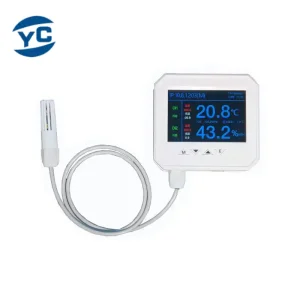
Features an external, isolated probe design, suitable for high-temperature and restricted duct environments.
View Details YCLH Sensor