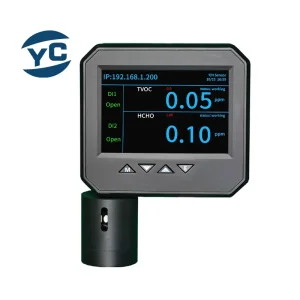
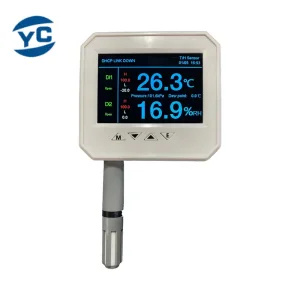
Explore our core selection of environmental and dual-gas combination transmitters, engineered for industrial automation, smart buildings, and critical safety networks.
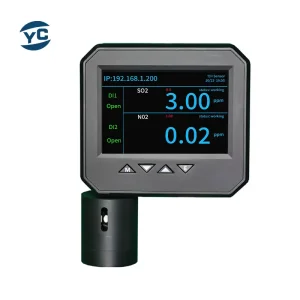
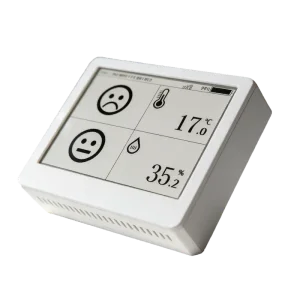
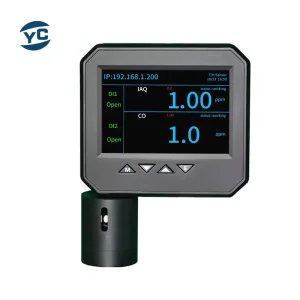
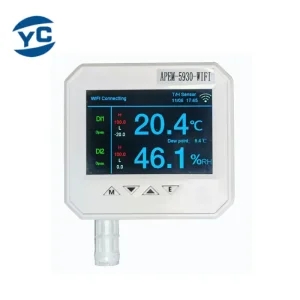
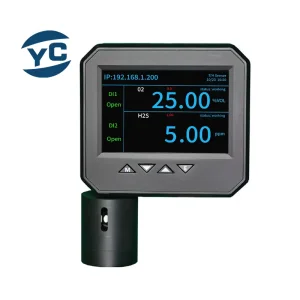
In modern industrial safety and smart environmental monitoring, the reliance on single-parameter sensor devices is rapidly declining. Today's hyper-connected, high-efficiency infrastructure systems demand integrated solutions. The Dual-Gas Combination Sensor represents a monumental paradigm shift—combining multiple gas detection mechanisms (such as electrochemical, non-dispersive infrared (NDIR), photoionization, or metal-oxide semiconductor sensors) alongside high-precision temperature, humidity, and dew point measurements into a single unified hardware housing.
By integrating multiple discrete sensors into a single node, organizations realize significant reductions in system installation costs, minimized points of failure on the Ethernet bus, and a drastically lower footprint. Beijing Yingchuanglihe Electronic Technology Co., Ltd. has stood at the forefront of this industrial transition since 2007, pioneering the development of advanced multi-parameter environments and dual-gas combination transmitters that deliver clinical precision, field-level durability, and seamless connectivity.
Standard gas transmitters typically require separate power configurations, unique bus addresses, and isolated calibration routines. When monitoring complex environments, such as detecting toxic Hydrogen Sulfide (H₂S) alongside maintaining optimal Oxygen (O₂) balances in wastewater facilities, installing separate units doubles installation complexities. A combination gateway like the APEM-5930G series consolidates these functions. Using industrial-grade microprocessors and high-end analog-to-digital converters (ADCs), the system simultaneously processes multi-channel analog signals, adjusts for cross-sensitivities dynamically, and transmits clean data via unified Modbus TCP or MQTT packets over a single Power over Ethernet (PoE) cable.
One of the primary challenges in dual-gas detection is cross-sensitivity—where target gas A introduces electrochemical interference on the sensor cell of gas B. Yingchuanglihe resolves this by integrating advanced digital filtering algorithms directly into the sensor's firmware. Utilizing Swiss and German imported reference chips, the transmitter continuously monitors local ambient temperature and pressure. The micro-controller dynamically applies real-time offset compensation matrices, neutralizing temperature-induced baseline drift and ensuring high-fidelity gas concentration readouts even in extreme environments (e.g., from -40°C to +85°C).
We leverage top-tier sensing technology from Switzerland and Germany, guaranteeing low drift, high selectivity, and extended operation lifespans.
Simplify hardware deployments. Standard RJ45 interfaces power the devices and transfer environmental data concurrently over single Cat6 cables.
Direct out-of-the-box compatibility with Modbus TCP, Modbus RTU (RS485), MQTT, SNMP, and HTTP REST APIs for flexible SCADA & IoT integration.
A trusted, high-tech Chinese manufacturer and pioneer in environmental monitoring and safety sensor systems since 2007.
Beijing Yingchuanglihe Electronic Technology Co., Ltd. is a premier high-tech enterprise integrating R&D, manufacturing, and global sales. Headquartered in Beijing, we operate a state-of-the-art production base spanning over 1,500 square meters. Backed by 5 fully automated production lines, a workforce of over 100 dedicated sensor professionals, and nearly 20 years of technical expertise, we provide high-reliability environmental sensors that serve as the backbone for intelligent ecosystems worldwide.
A look at our history of innovation, technology breakthroughs, and partnership achievements from 2007 to the present.
Company founded. Developed early TCP/IP based intelligent environmental monitoring terminals and initial software suites.
Partnered with Mocha Software to launch the TH-5939 series of SNMP protocol environmental monitors.
Collaborated with Switzerland's COMLAB to supply high-reliability Ethernet sensors for China's high-speed rail network.
Cooperated with Founder Technology to launch early Power-over-Ethernet (PoE) environmental monitors (APEM-6100).
Collaborated with Foxconn to establish our sensors as standard elements for modern industrial cleanroom projects.
Co-developed the APEM-5900 with Baidu, deploying thousands of sensor units throughout Baidu's Yangquan Data Center.
Horizontal expansion into smart highway monitoring networks, deploying integrated outdoor cabinet monitors with Huawei.
Engineered edge computing road test gateway boxes for autonomous driving pilots in Beijing.
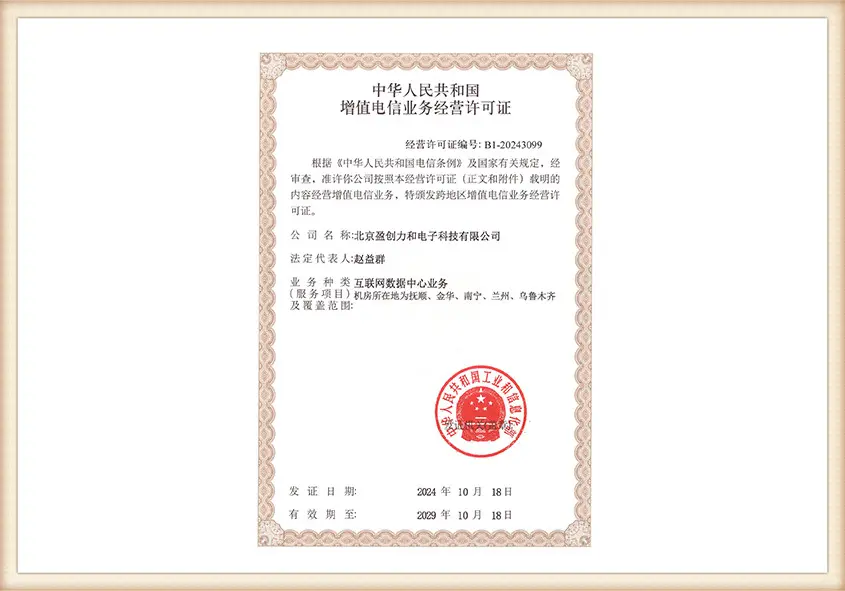
Established business divisions with Beijing Enterprises Water Group and co-founded Beidou Deformation Monitoring division, securing IDC business qualifications.
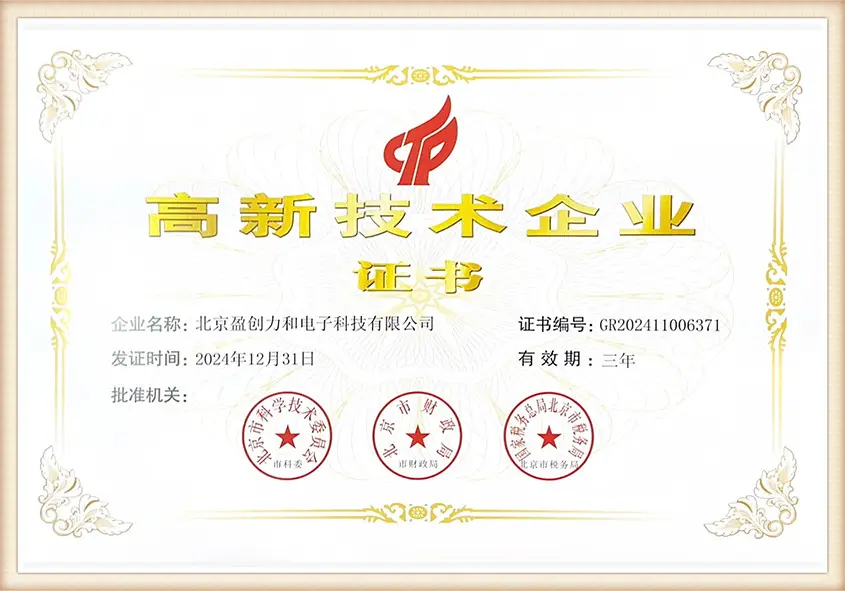
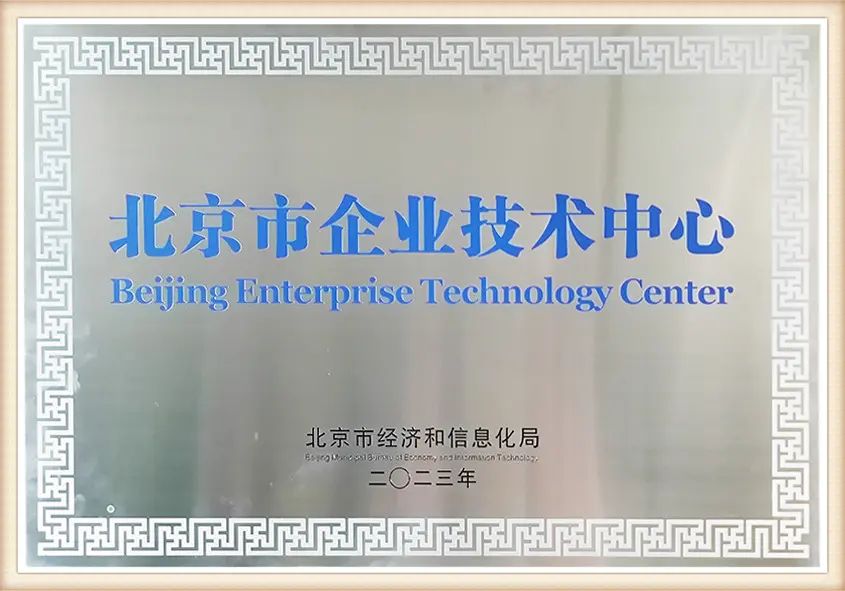
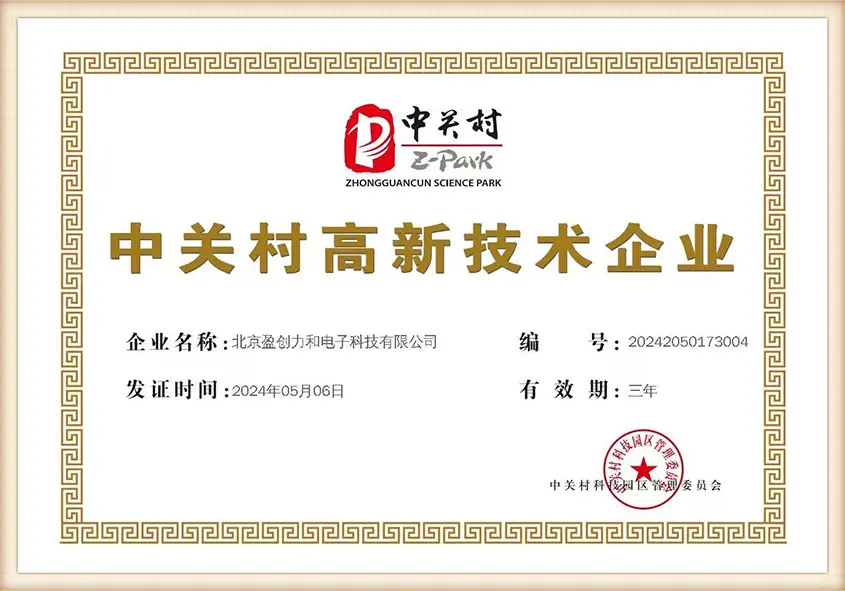
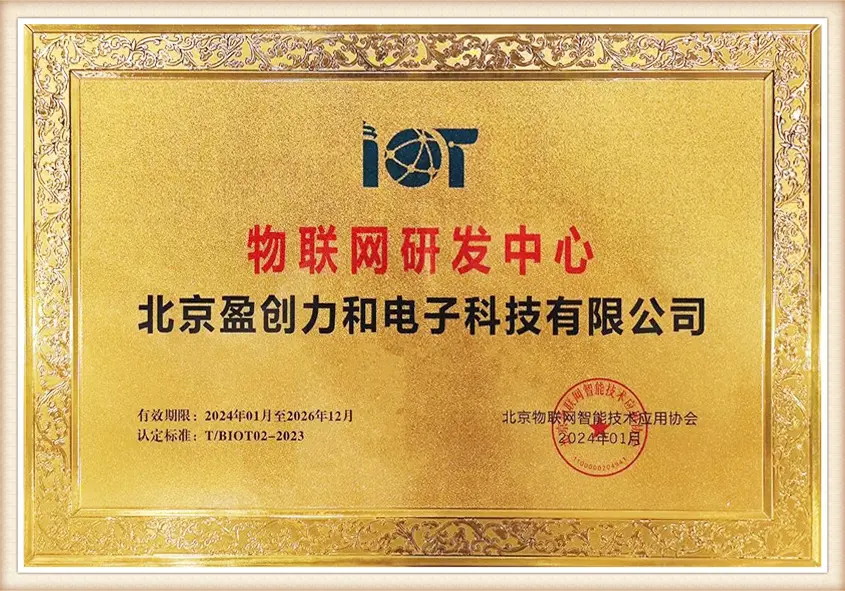
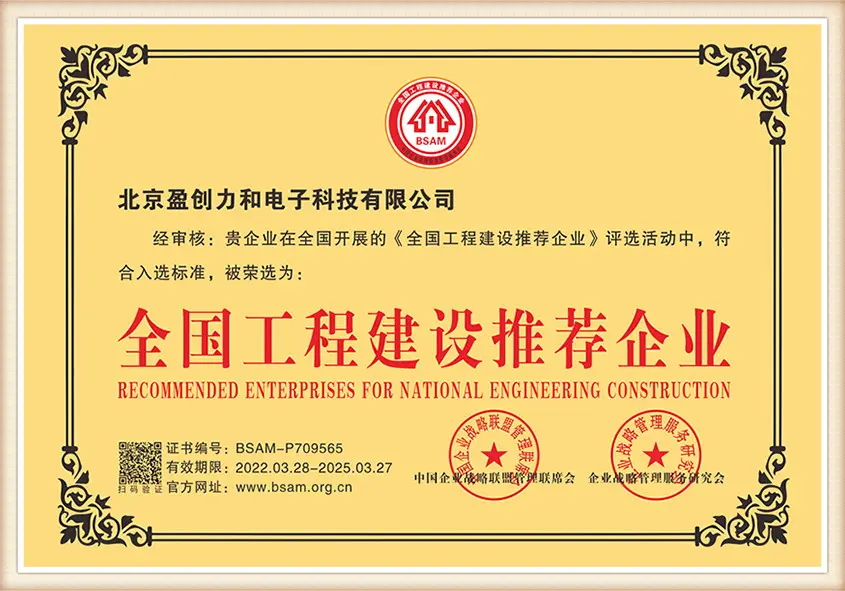
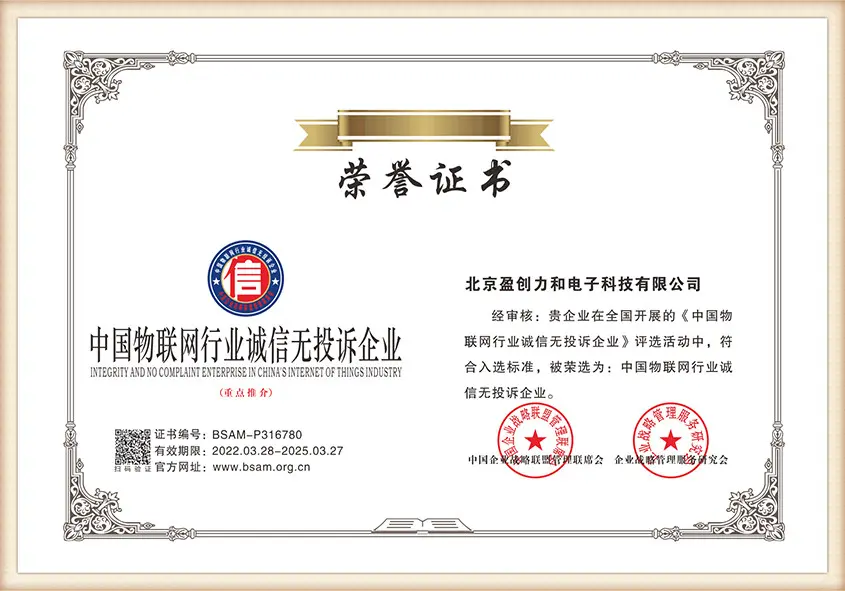
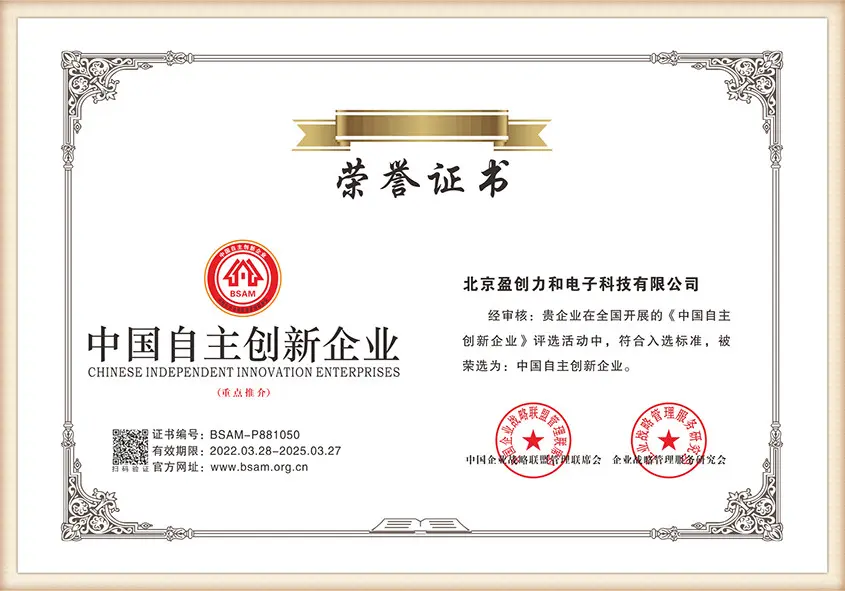
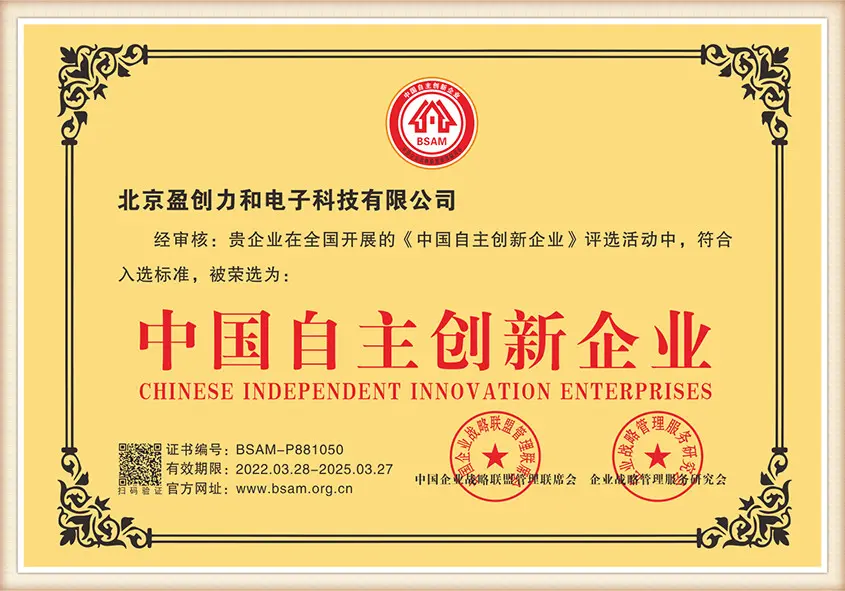
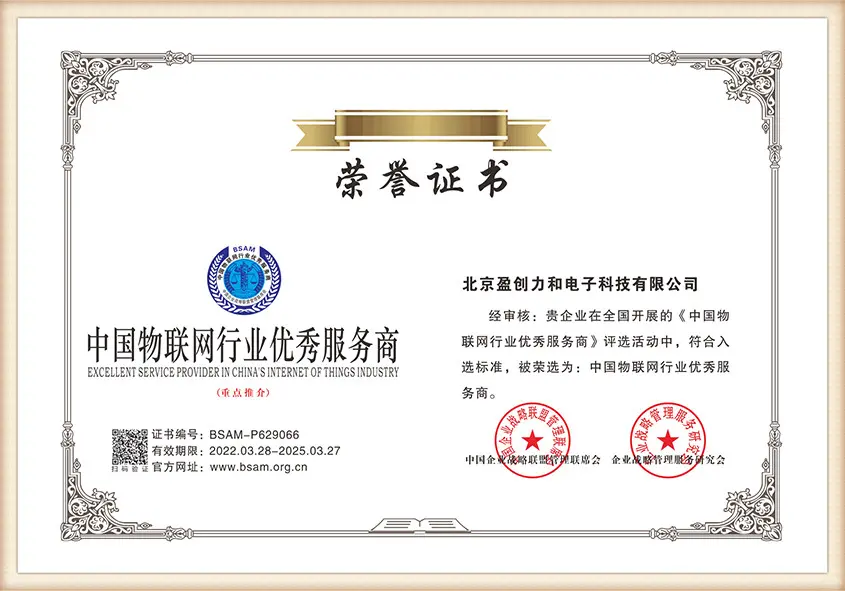
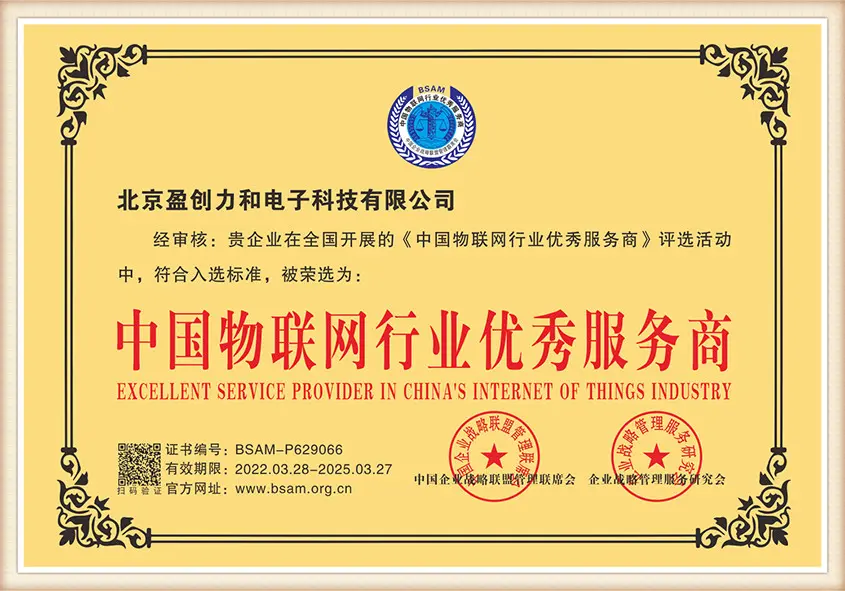
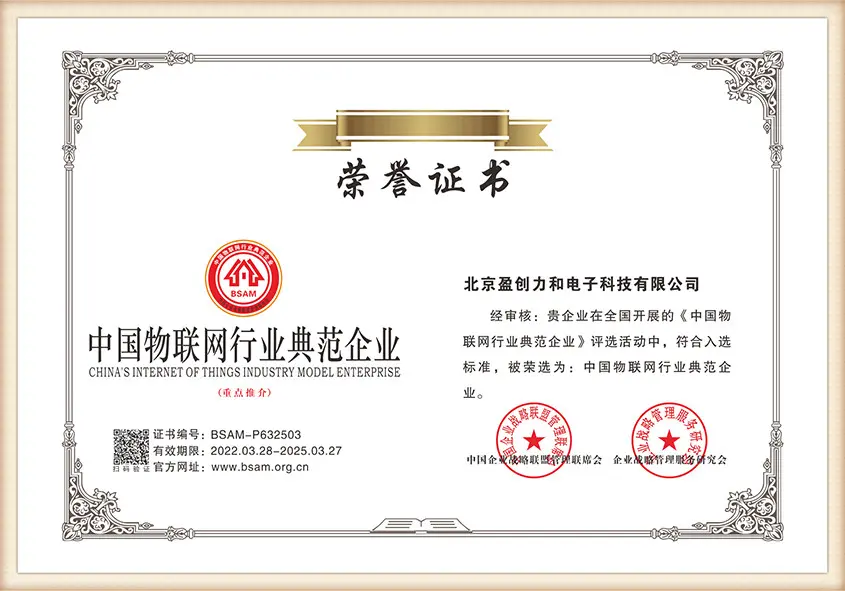
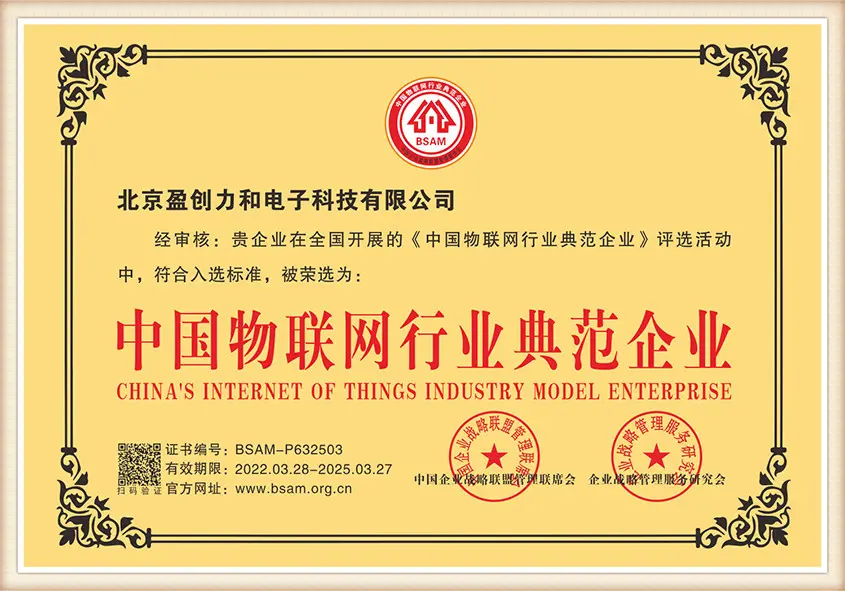
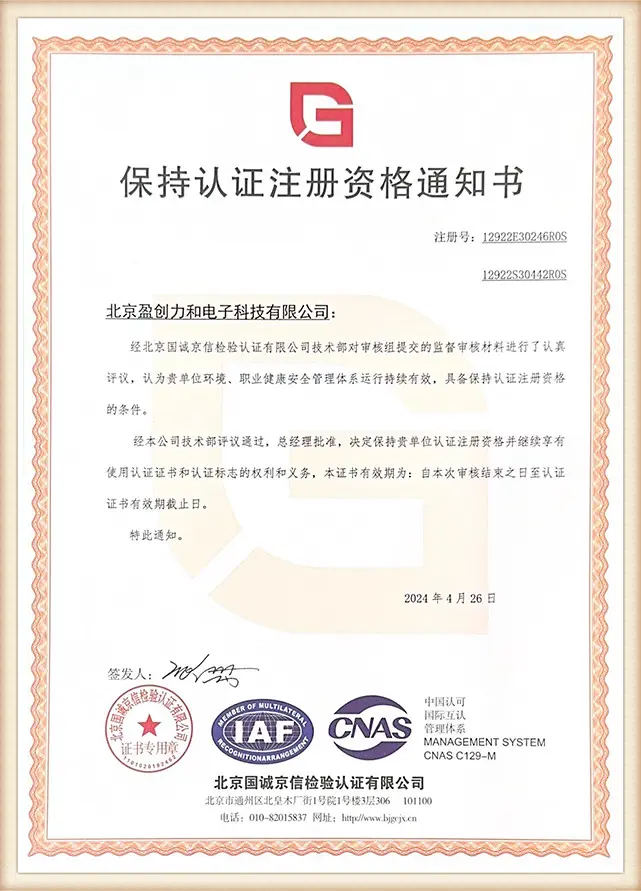
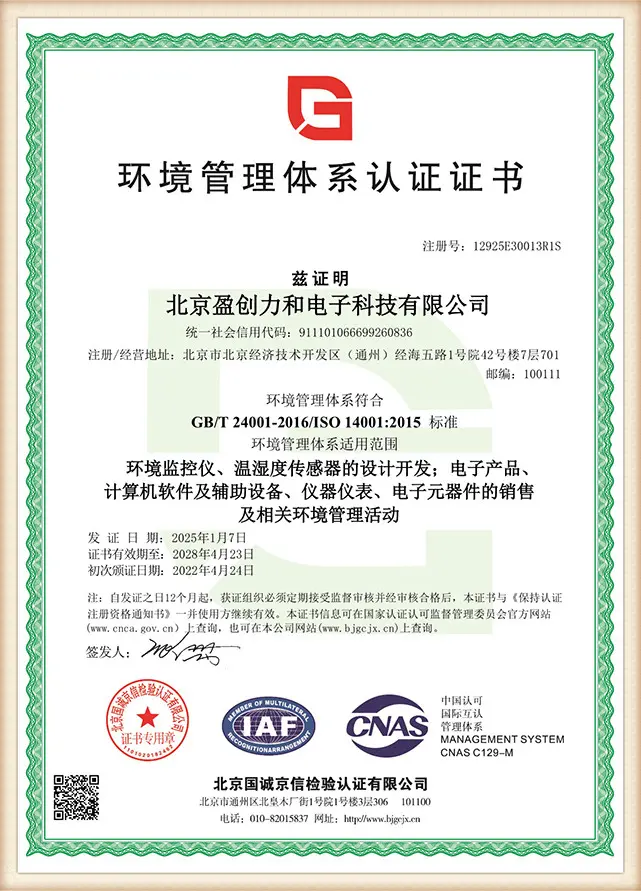
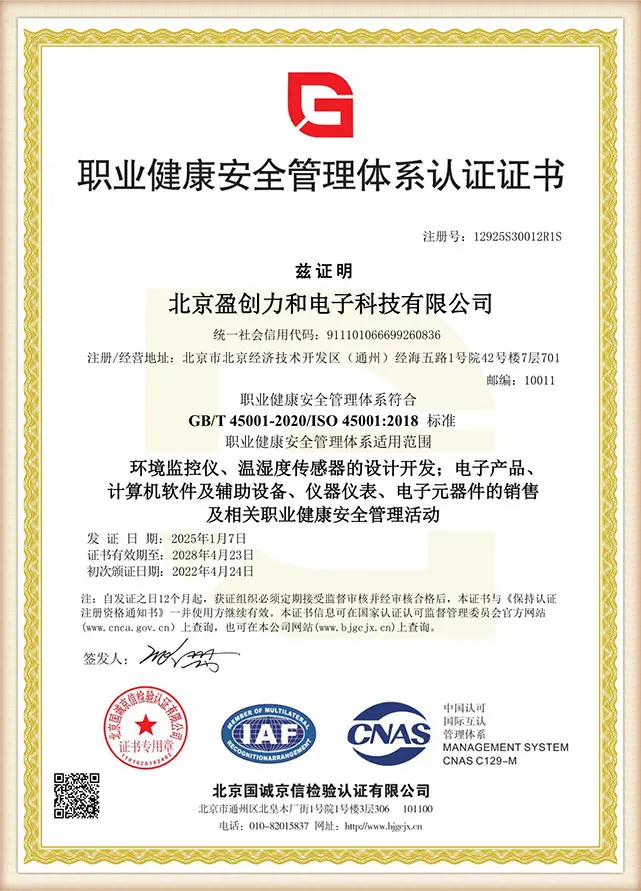
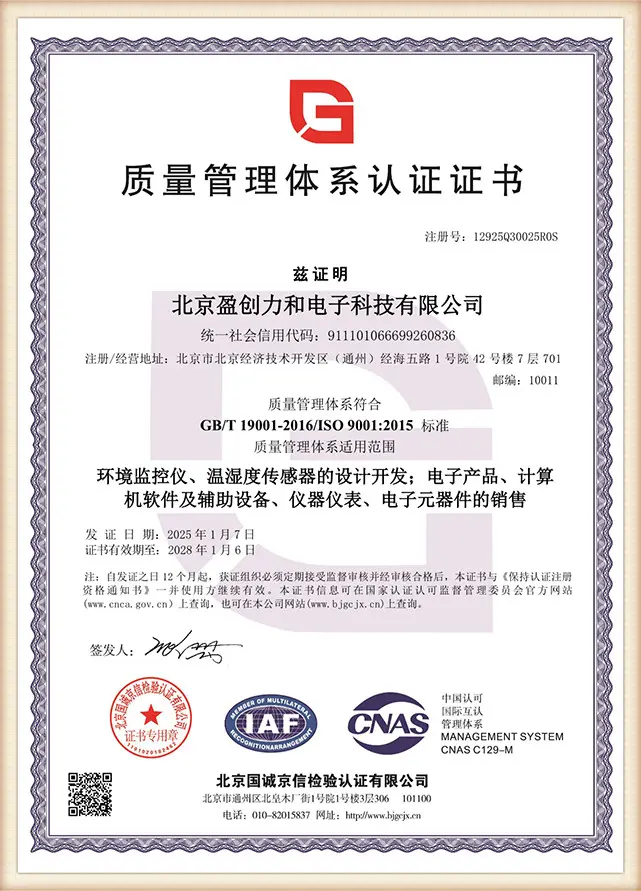
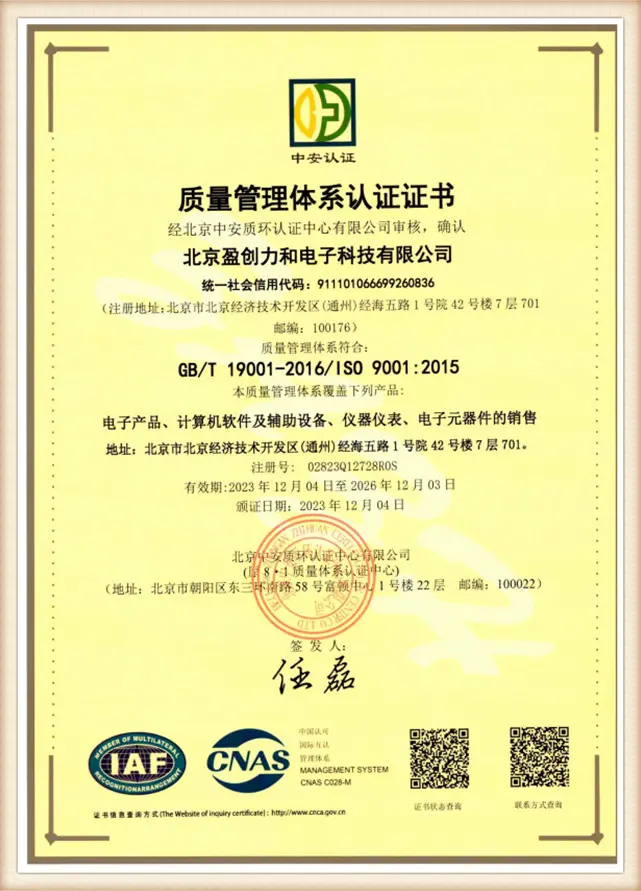
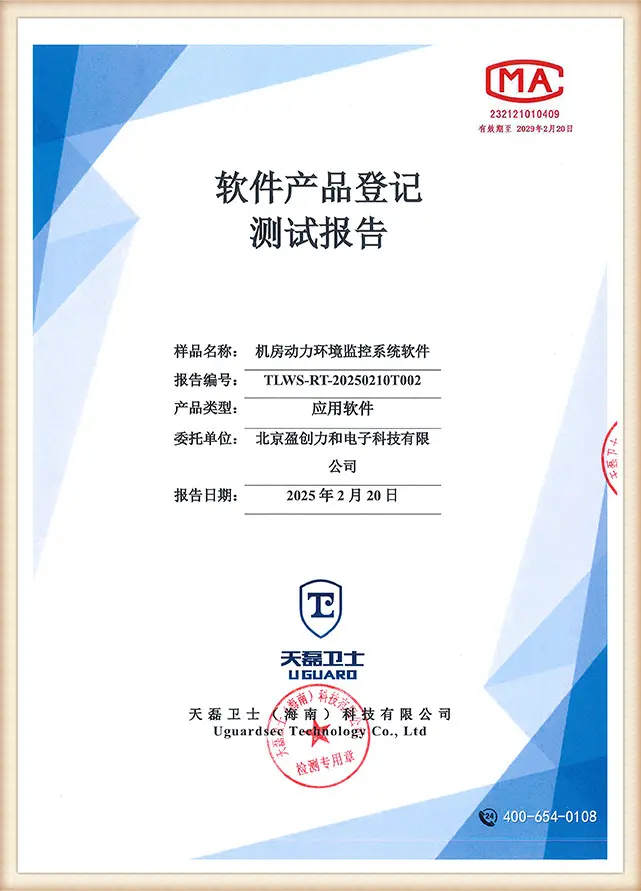
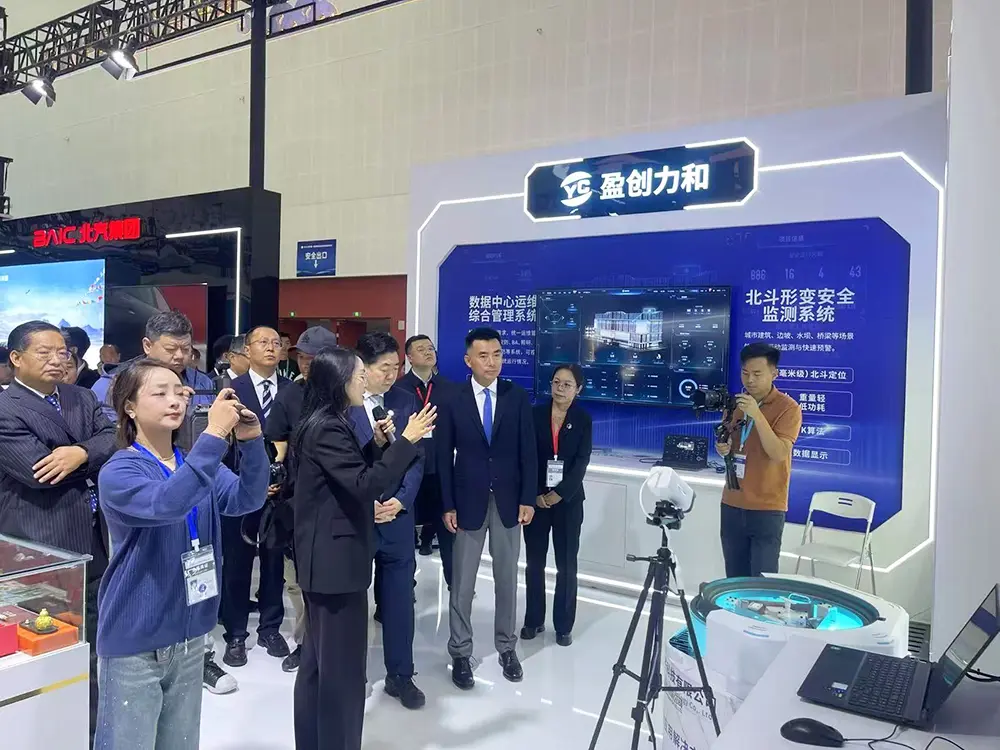
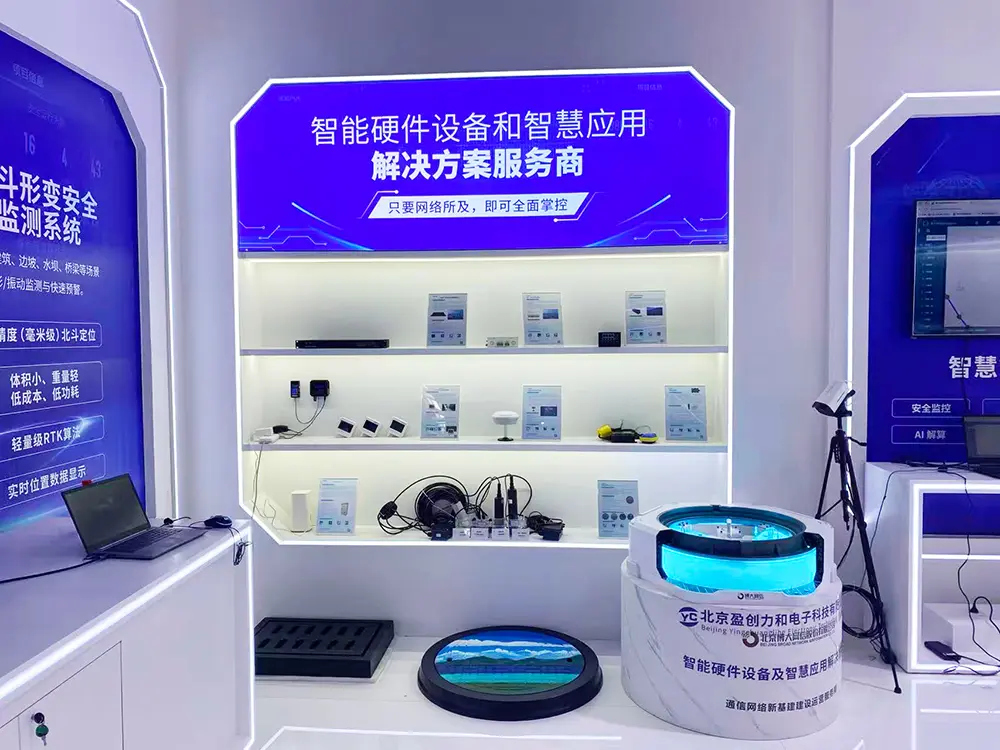
Tested, validated, and certified to meet international industrial standards. Trusted in exhibitions and deployments worldwide.
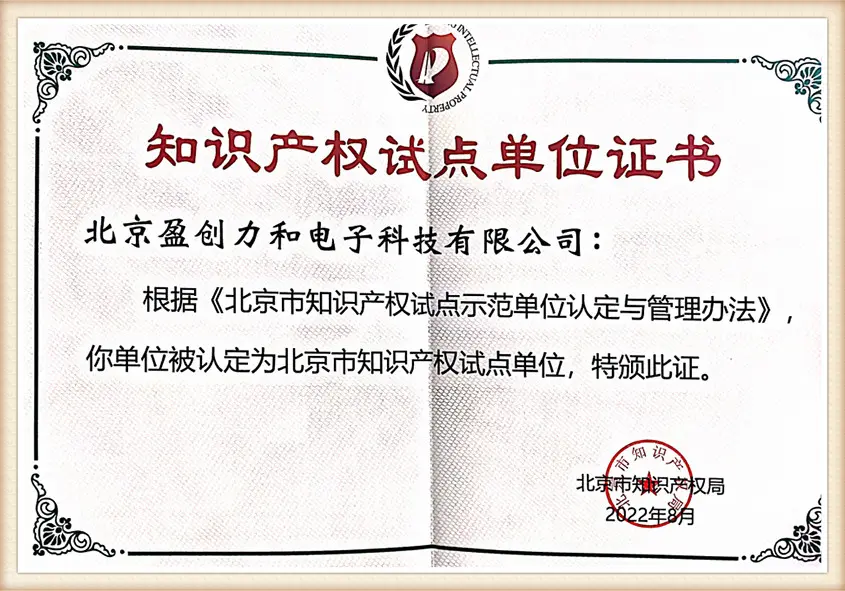
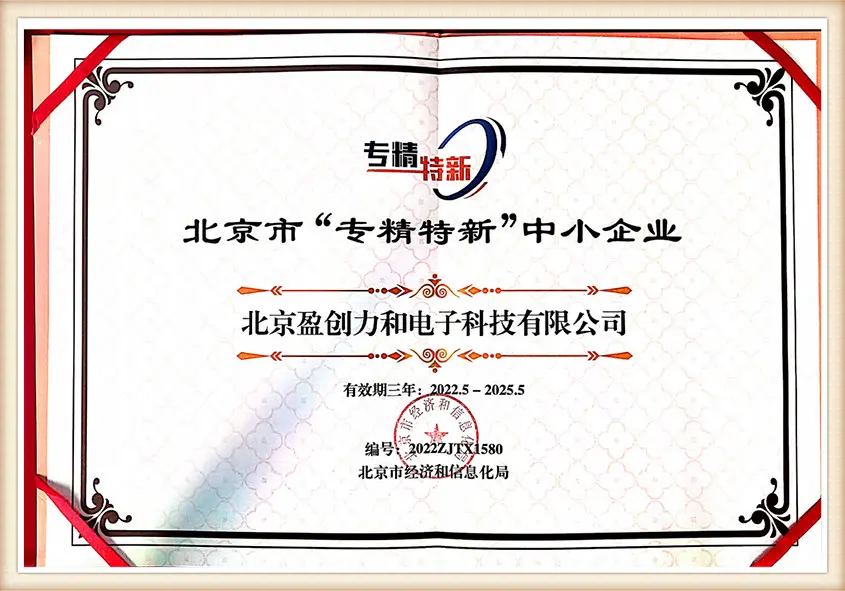
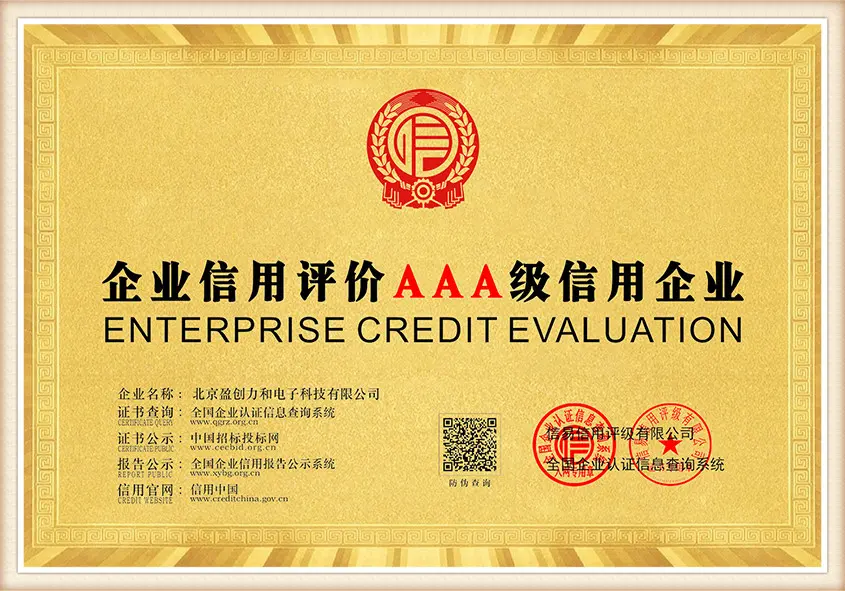
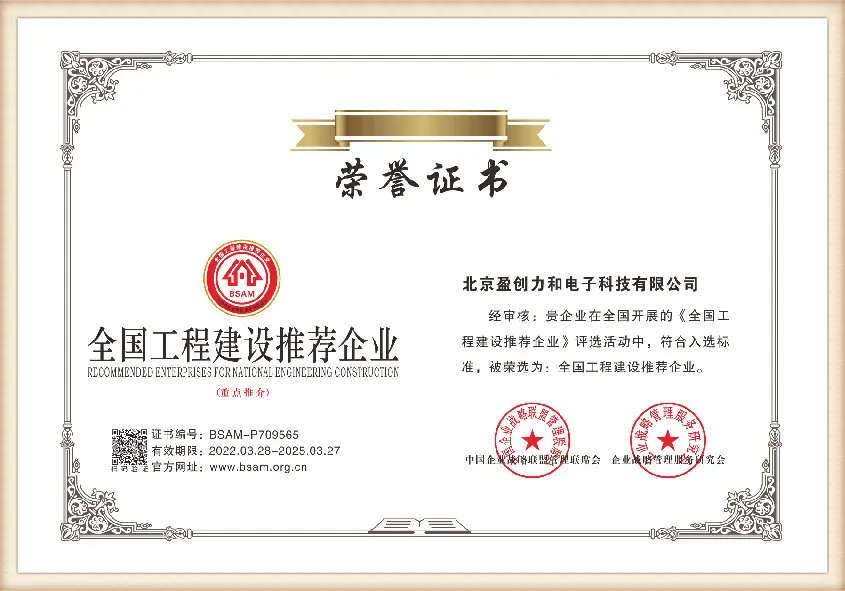

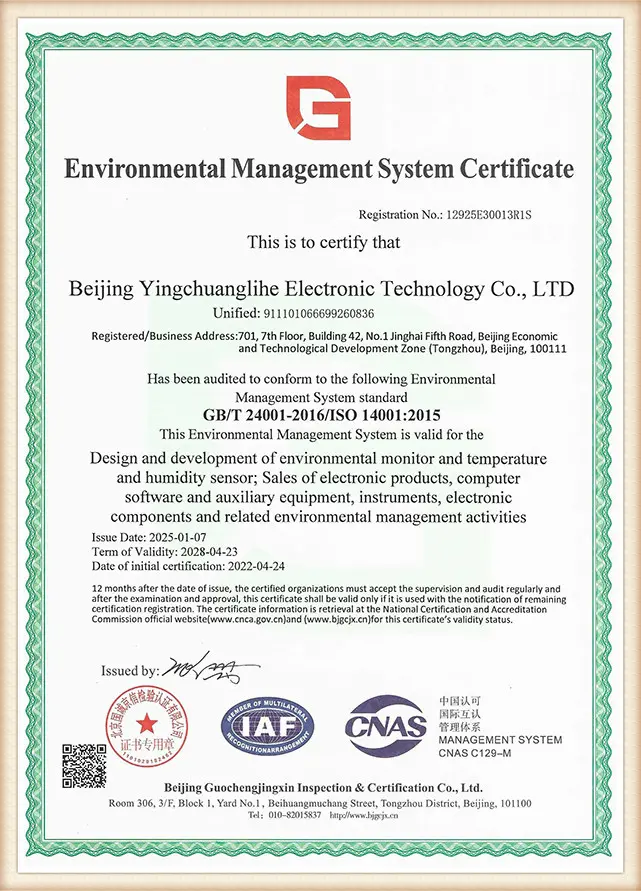
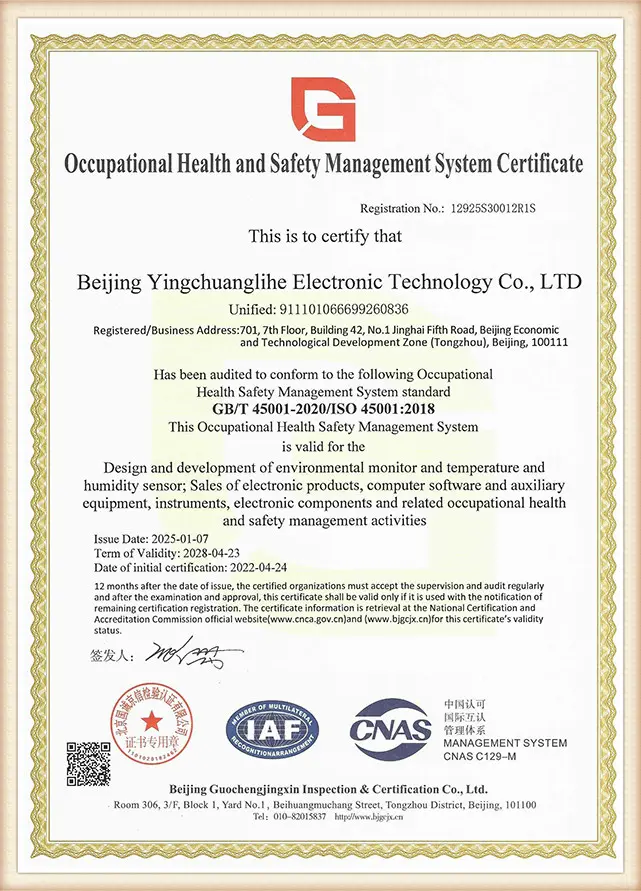
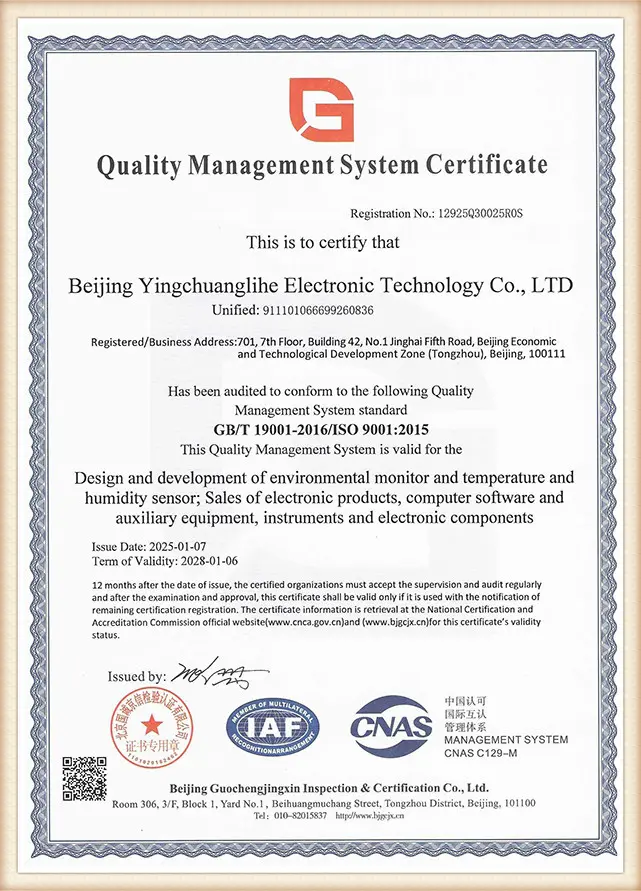
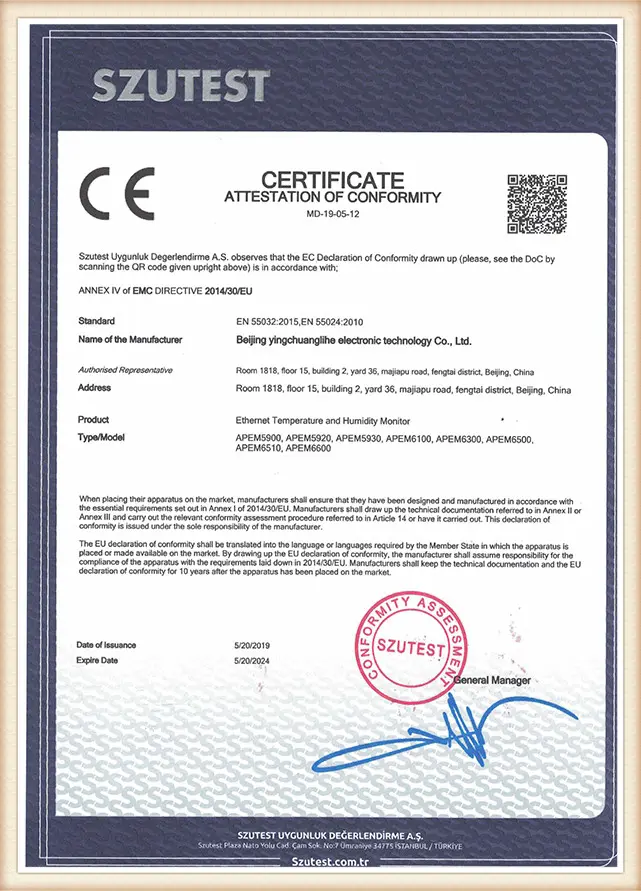
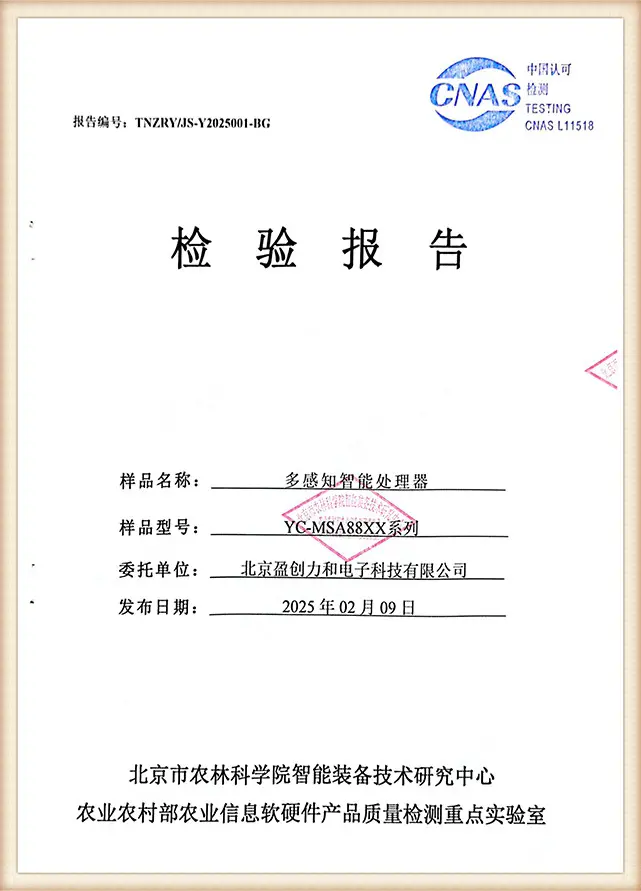
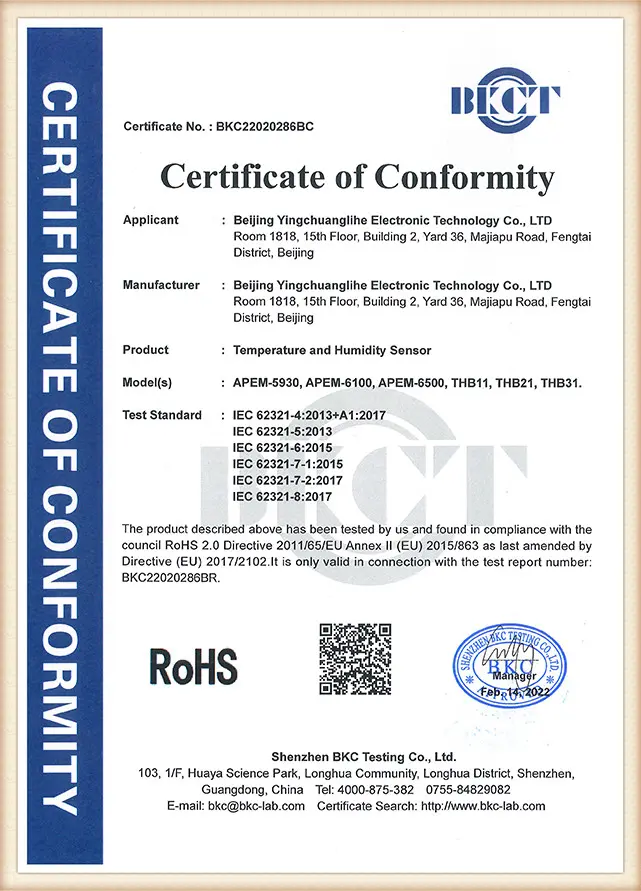
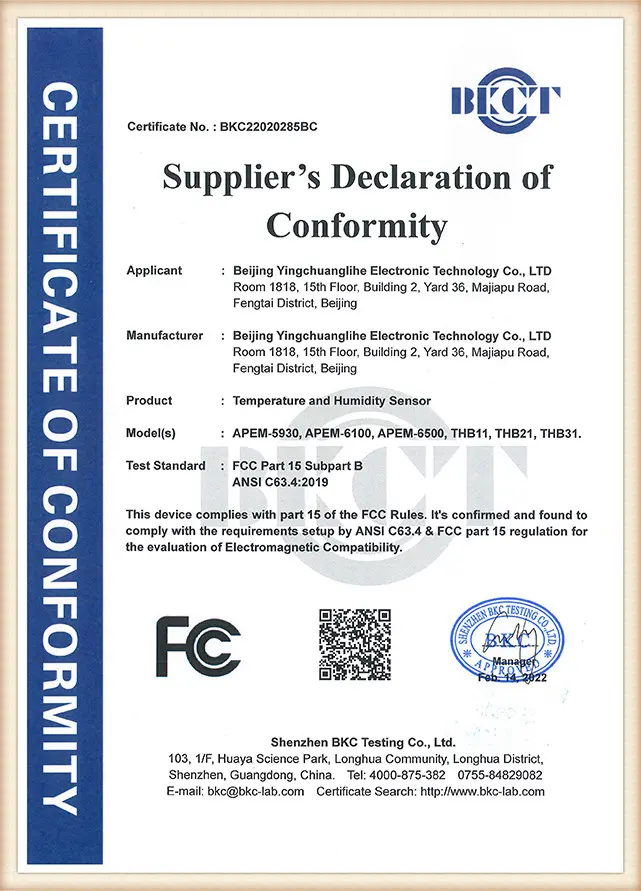
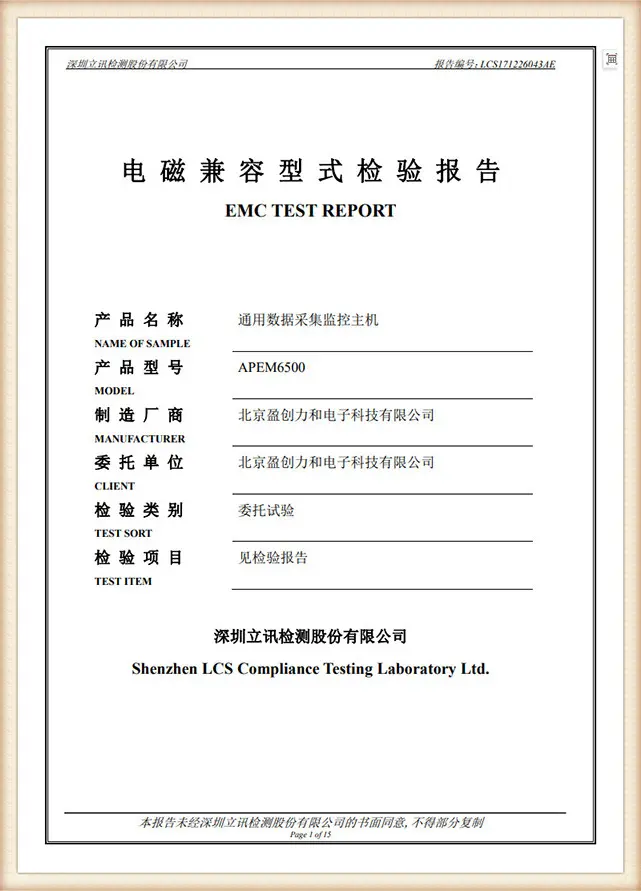
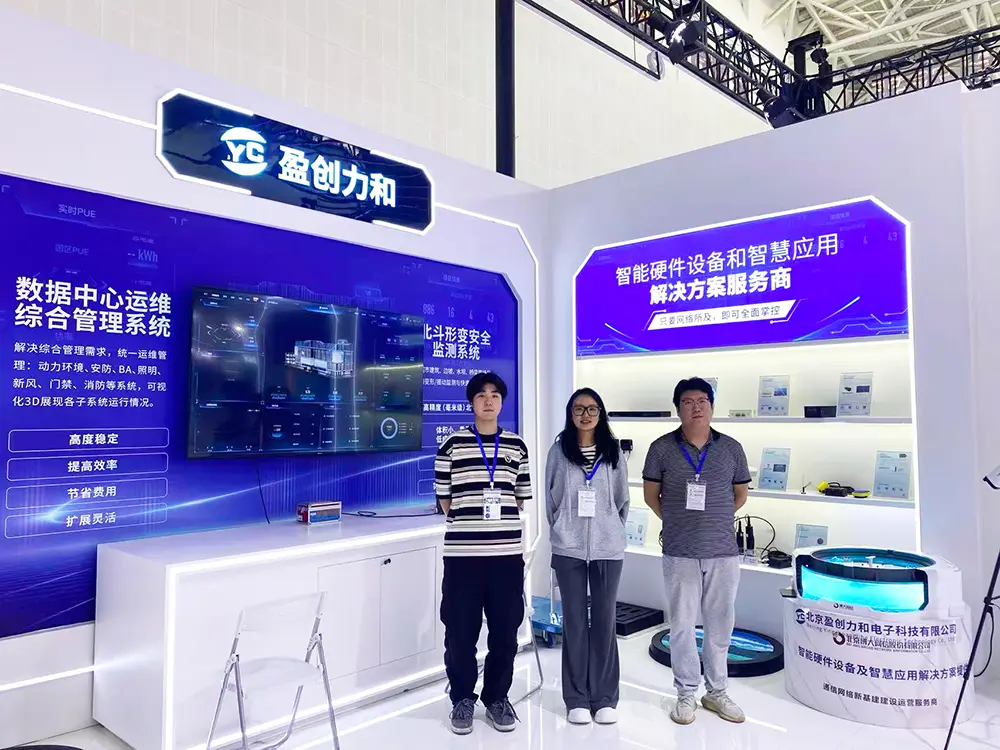
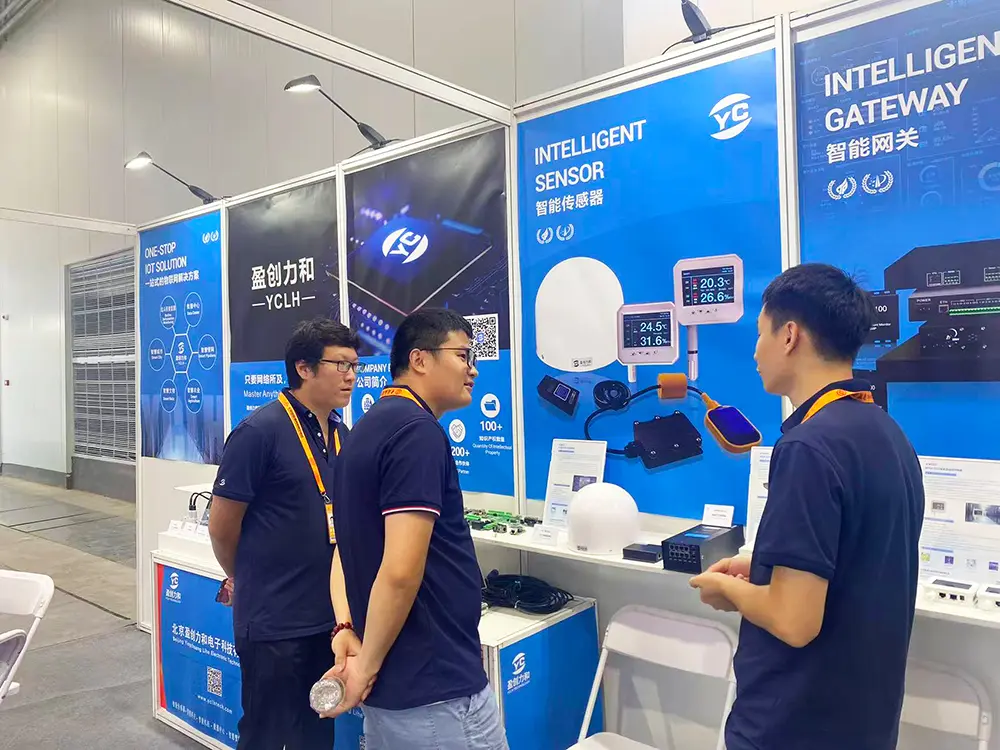
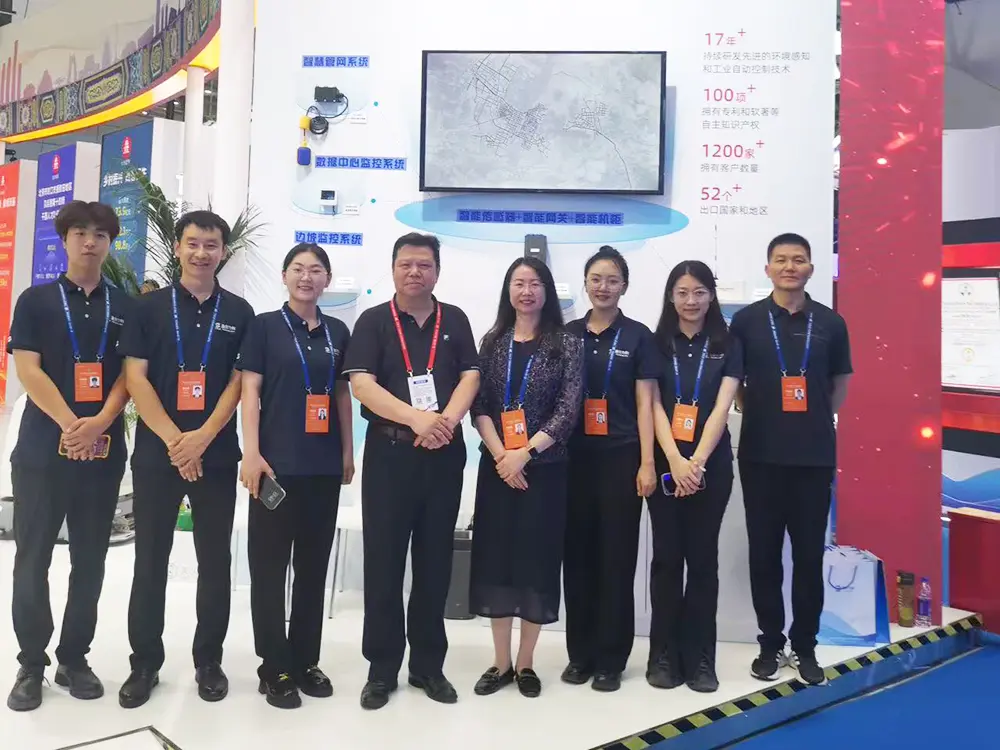
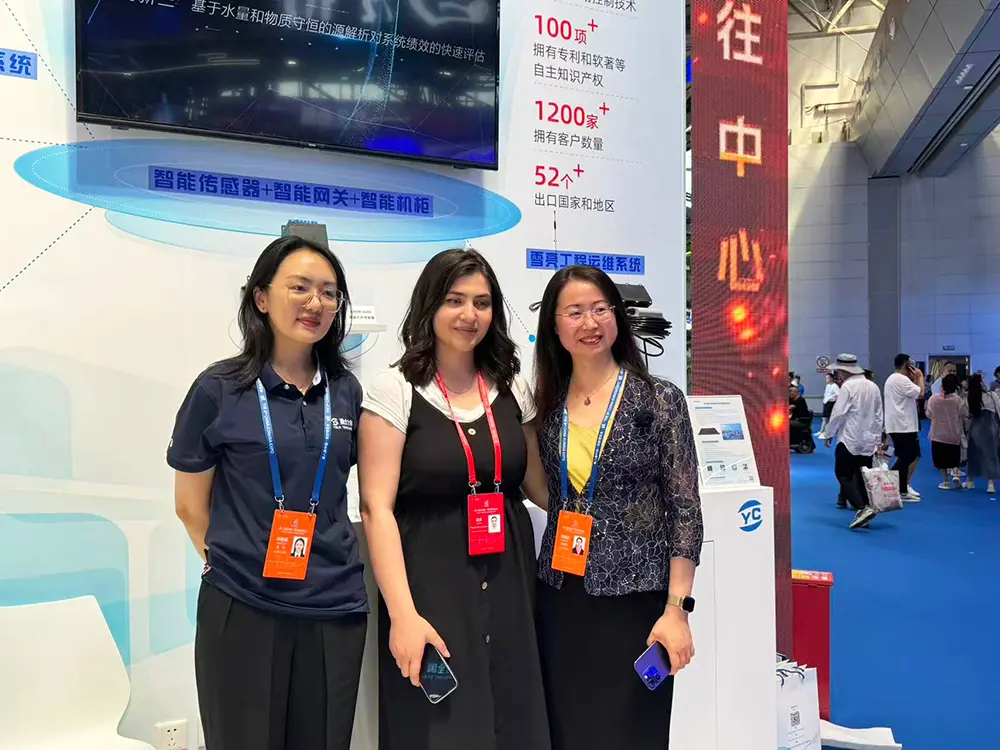
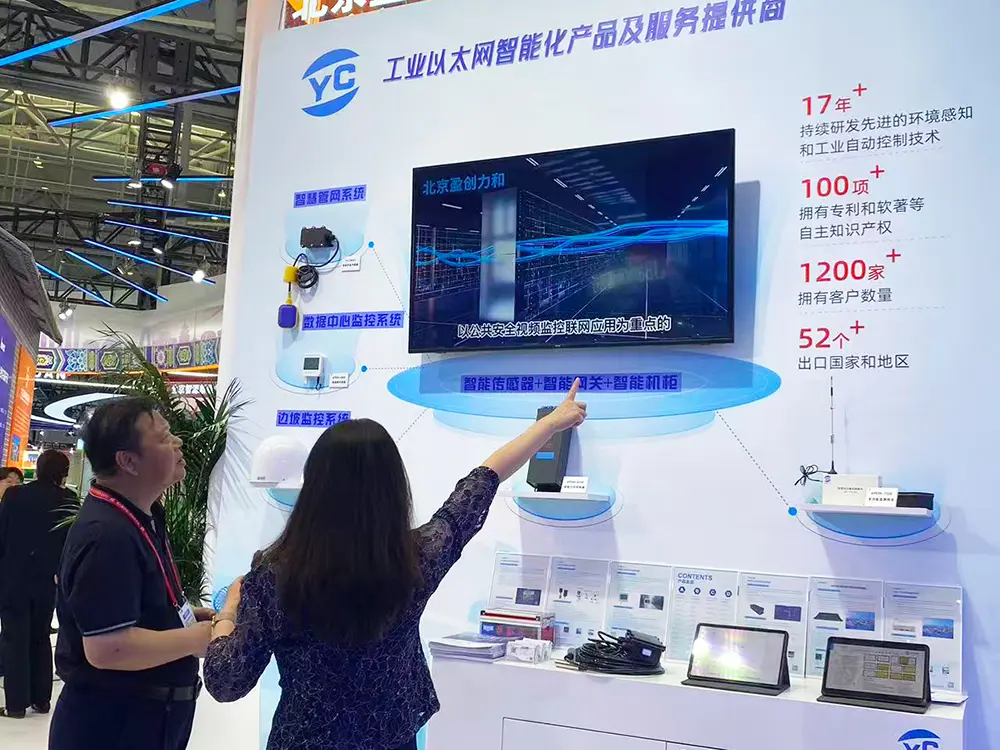
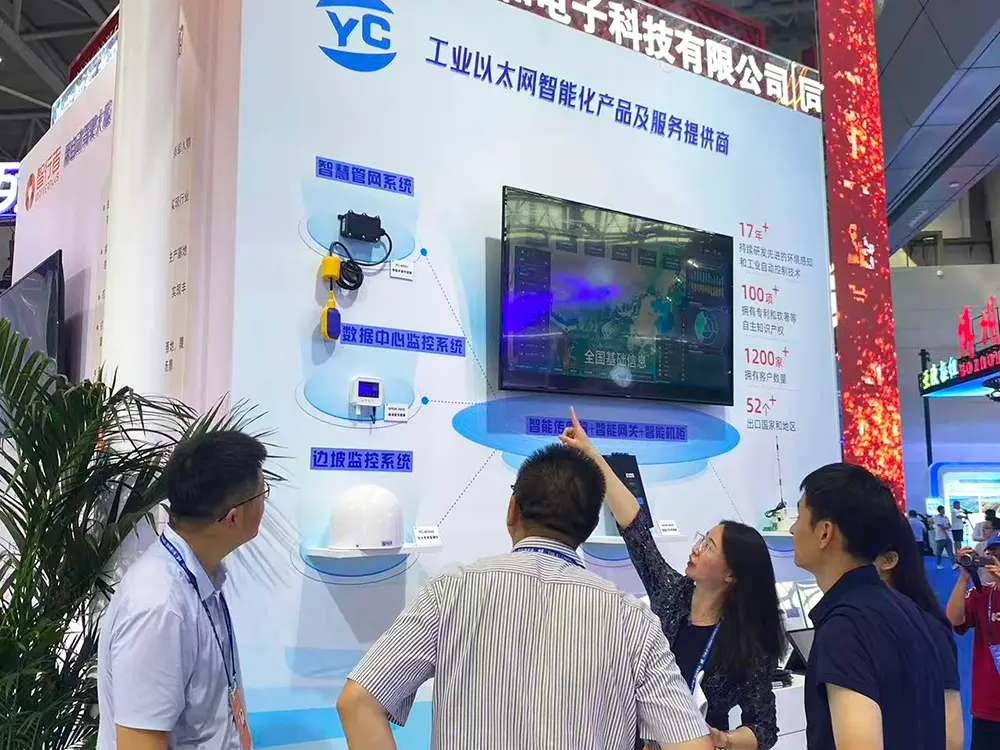
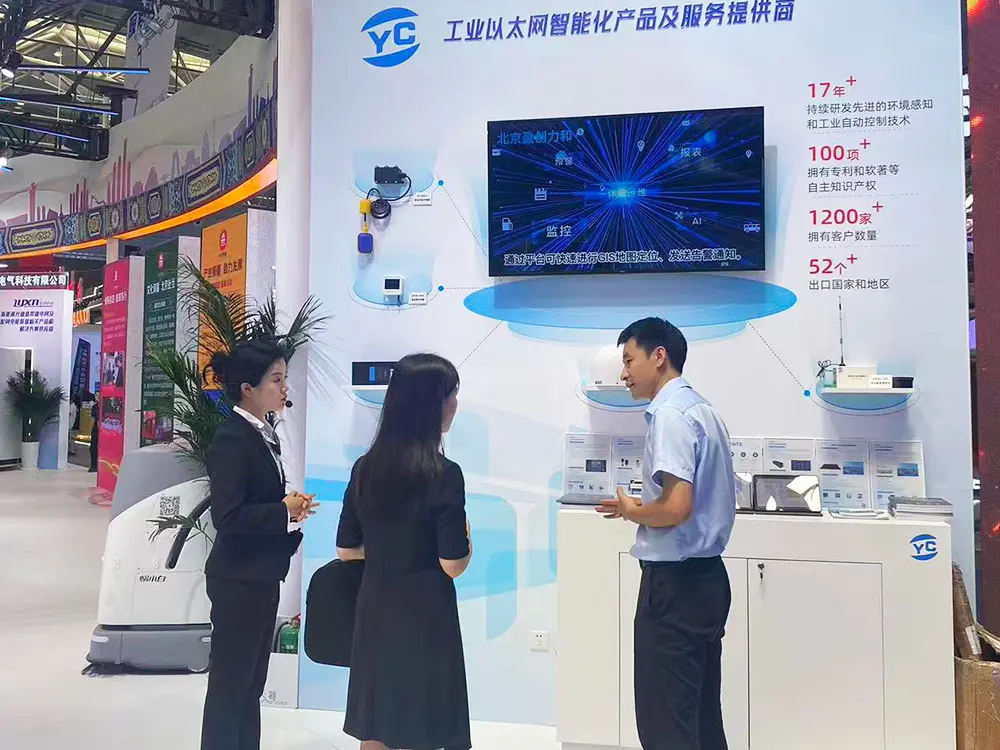
In modern industrial and urban management, sensor data acts as the peripheral nervous system. Our line of dual-gas combination transmitters and high-precision environmental sensors is built to address critical requirements across diverse application sectors:
High-density computing servers release massive heat loads and are extremely sensitive to humidity and gaseous contaminants. Excess humidity can trigger trace-level condensation and shorts, while dry air leads to ESD (Electrostatic Discharge). Furthermore, corrosive gases like sulfur dioxide can compromise gold and copper connections on microchips. Yingchuanglihe cooperated directly with search engine leader Baidu, supplying thousands of network-enabled sensors to monitor server bays at the Yangquan Data Center. Our systems continuously stream real-time temperature, dew point, and air metrics to the central building automation system over SNMP and Modbus TCP protocols, preventing hardware failures before they manifest.
Semiconductor manufacturing and pharmaceutical cleanrooms require strict environment control. In these clean spaces, TVOCs (Total Volatile Organic Compounds) and Ozone (O₃) concentrations must be monitored to ensure chemical processes aren't compromised and that technicians remain safe from chemical fumes. Devices like our APEM-5930G-TVOC-O₃ integrate TVOC and ozone detectors, outputting real-time data directly to cleanroom HVAC systems for active air exchange rate adjustments.
Wastewater pumping facilities and pipeline vaults frequently accumulate lethal levels of Hydrogen Sulfide (H₂S) alongside oxygen-deprived zones. Deploying our APEM-5930G-O₂-H₂S gateway ensures that maintenance crews are protected. With dynamic dual-channel relays, the sensor can trigger exhaust fans locally if H₂S breaches safety thresholds or if oxygen levels drop below 19.5%—all while communicating telemetry back to municipal control centers via Ethernet.
Autonomous vehicle networks rely on edge computing roadside boxes that process high-frequency spatial telemetry. These roadside enclosures are subject to heavy solar loading, ambient moisture, and high levels of roadside emissions (such as Nitrogen Dioxide and Carbon Monoxide). Yingchuanglihe's ruggedized sensors provide the environmental monitoring and safety warnings needed to keep edge processing systems running reliably under challenging ambient conditions.
Sourcing your environmental instrumentation from our Beijing manufacturing plant offers distinct competitive advantages for global systems integrators, distributors, and industrial clients:
Find answers to common technical, installation, and integration questions from our engineering department.
For electrochemical cells, we recommend a calibration cycle of 12 months in standard operations. In harsh or highly contaminated industrial environments, 6-month checks are advised to offset baseline drift.
Yes, our Ethernet and WiFi transmitters support native MQTT protocols. They can publish environmental data directly to cloud platforms like AWS IoT, Microsoft Azure, or private MQTT brokers without requiring intermediate gateways.
Our units support standard IEEE 802.3af PoE (typically 48V). Simply plug the sensor into a PoE-enabled switch port to transmit Modbus/SNMP data and power the sensor over a single RJ45 Ethernet cable.
The Swiss temperature and humidity chips are designed for 8 to 10+ years of operation. The electrochemical gas sensors (such as O₂, H₂S, CO) typically have an operating life of 2 to 5 years, depending on average target gas exposure levels.
Complete your environmental monitoring system with our multi-gas loggers, long-range wireless transmitters, and digital gateways.
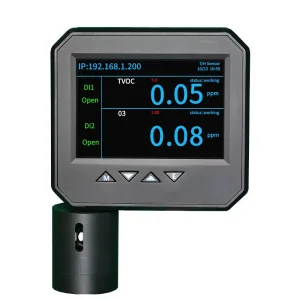
 YCLH Sensor