Industrial-grade temperature, humidity, and gas analyzers compliant with CE directives, manufactured for real-time edge node telemetry.
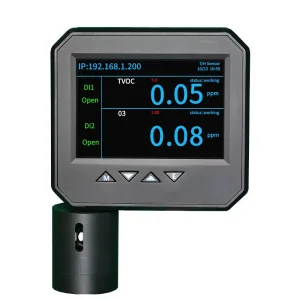
Designed for simultaneous assessment of gaseous chemical risks and atmospheric metrics. High-stability Swiss transducers inside.
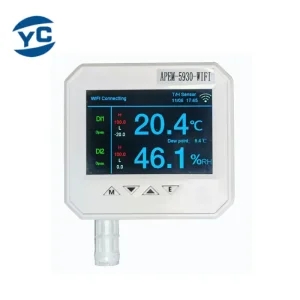
Supports a dual network architecture combining hardwired RJ45 interface with IEEE 802.11b/g/n wireless standard failover.
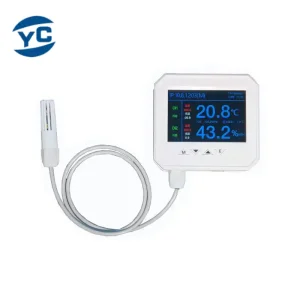
Features a separate probe assembly connected via rugged cabling to monitor hard-to-reach ducts and HVAC system components.
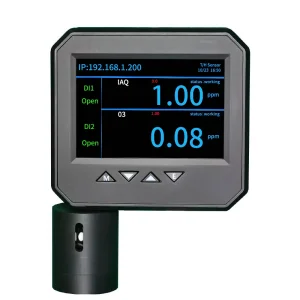
Features an integrated ozone module and data logger system designed for pharmaceutical cleanrooms and water purification monitoring.
Tailored multi-parameter interface supporting customization parameters, firmware protocols, and OEM branding for distribution.
Equipped with non-volatile local storage capabilities, ensuring data continuity during complete network outages.
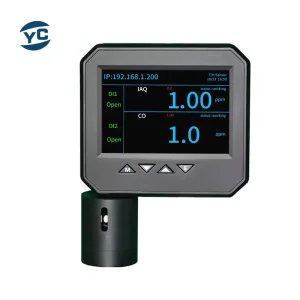
Combines carbon monoxide sensing technology with standard climate registers. Ideal for parking structures and labs.
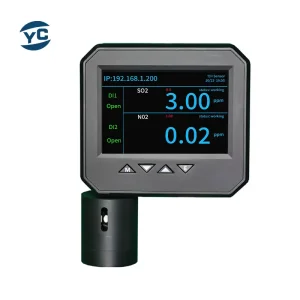
Industrial emissions monitoring unit designed with targeted sub-sensors for volatile nitrogen and sulfur gases.
In modern industrial automation, data center engineering, autonomous transport, and environmental safety management, the accuracy and reliability of climate telemetry are paramount. Sensors that do not conform to standardized electrical safety and electromagnetic shielding criteria present severe points of failure inside system networks. CE Certification ensures that sensors designed and produced by manufacturers comply with strict regulatory directives of the European Union, specifically covering Electromagnetic Compatibility (EMC) Directive 2014/30/EU, Low Voltage Directive (LVD) 2014/35/EU, and RoHS Directive 2011/65/EU.
As a leading Chinese environmental sensor developer and OEM/ODM manufacturer, Beijing Yingchuanglihe Electronic Technology Co., Ltd. (est. 2007) implements rigorous testing procedures to achieve these benchmarks. This white paper highlights how sensor specifications—including resolution, thermal drift, sensor communication protocols, and physical layout architectures—are certified to protect enterprise infrastructure from structural downtime, compliance audits, and telemetry inaccuracies.
"Reliability is not merely an engineering parameter; it is a regulatory demand. A CE-certified multi-parameter sensor ensures that electromagnetic interference from variable frequency drives, power systems, and switching units will not corrupt the analog-to-digital signal chain of your primary monitoring infrastructure."
B2B procurement teams, plant engineers, and IoT integrators evaluate sensor nodes based on core hardware metrics. Precision sensing chips imported from industry-leading manufacturers in Switzerland and Germany provide the raw measurement data. Below is a structural matrix comparing standard options for industrial environmental integration:
| Feature/Parameter | Ethernet (PoE) Sensor Series | Wi-Fi / Wired Combo (APEM-5930W) | LoRaWAN (APEM-5736 / 5616) | RS-485 Modbus RTU Series |
|---|---|---|---|---|
| Primary Power Supply | PoE (802.3af, DC 12-48V) | DC 12V-24V / USB 5V | Internal Battery / DC 12V | DC 9V-36V Bus Line |
| Communication Range | Up to 100 meters per cable drop | Up to 50 meters (indoor line-of-sight) | Up to 5-10 km (long range wireless) | Up to 1200 meters via twisted pair |
| Telemetry Latency | < 50 ms (Real-time updates) | < 200 ms (Real-time updates) | Duty cycle dependent (e.g., 5-15 min) | < 10 ms (High-speed industrial poll) |
| Chemical Gas Integration | TVOC, CO, O₃, SO₂, NO₂, H₂S | TVOC, CO, IAQ Parameters | Temp, Humidity, IAQ index | Co-processed multi-gas arrays |
| Data Logging Capacity | 65,000+ local records (Flash) | 32,000 local records | Buffered transmission queues | Dependent on PLC / Host logger |
From an integration perspective, CE-certified Ethernet temperature and humidity sensors represent the standard for modern Data Centers. Power over Ethernet (PoE) eliminates localized power bricks, allowing network infrastructure switches to deliver both stable low-voltage DC power and high-speed data transmission over a single Category 5e/6 connection. In contrast, wireless systems like LoRaWAN are favored in wide-area setups such as smart agriculture, logistics, and large-scale manufacturing yards where routing communication cabling is impractical.
Deploying certified environmental sensing grids across complex industrial and high-performance computing topographies.
Maintaining micro-climates inside server rows. Yingchuanglihe sensors integrate directly with Building Management Systems (BMS) via Modbus TCP and SNMP protocols, preventing thermal hotspots, condenser malfunctions, and static electrical discharges.
Deployed in edge-computing gateways and road-test integrated enclosures. High electromagnetic shielding prevents sensor signal decay amidst radar, LiDAR, and cellular communications arrays present on modern intelligent streets.
Accurate monitoring of air pressure differentials, temperature stability, and trace volatile organic compounds (TVOCs) to meet global GMP standards. Swiss imported sensing chips prevent sensor drift in cleanroom environments.
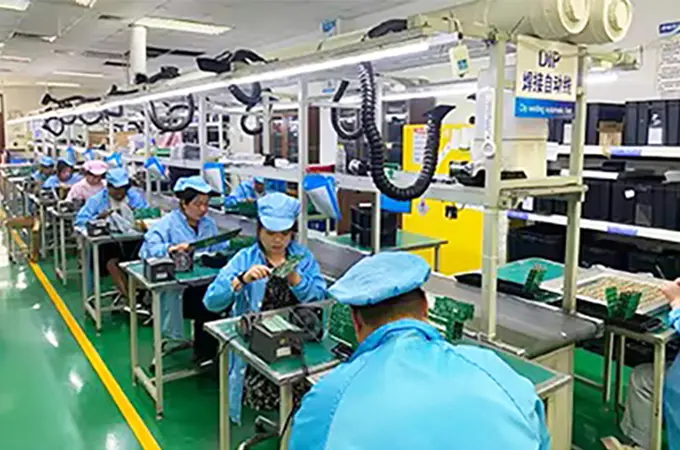
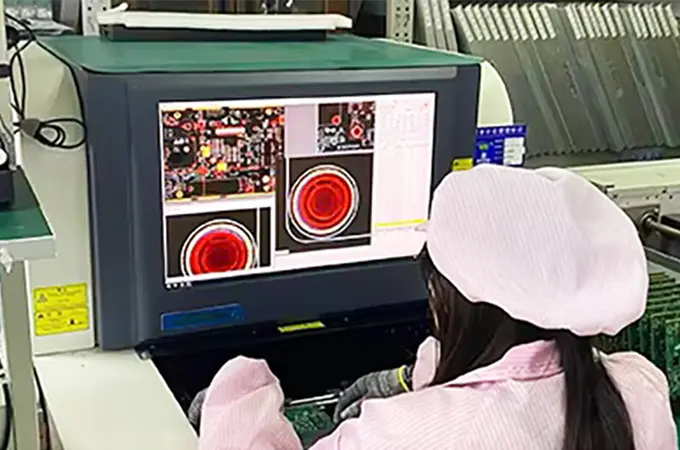
A timeline of technical milestones from a specialized startup to an industrial partner for Fortune 500 enterprises.
Beijing Yingchuanglihe founded; introduced our first TCP/IP network protocol-based environmental monitoring terminal and proprietary control software.
Partnered with Mocha Software to launch the TH-5939 SNMP protocol environmental management series for telecom servers.
Cooperated with COMLAB (Switzerland) to launch the TH-5869 high-protection environmental sensor, deployed across Wuhan-Guangzhou and Beijing-Shanghai high-speed rail networks.
Co-developed APEM-6100 series with Founder Technology, introducing early commercial Power over Ethernet (PoE) integration to the industrial market.
Collaborated with Foxconn to establish our sensors as the standard for ambient monitoring inside clean-room semiconductor production facilities.
Collaborated with Baidu on the APEM-5900 series, deploying units at the Yangquan Cloud Computing Data Center, and updated our software suite to support multi-parameter tracking.
Launched our integrated smart outdoor cabinet diagnostics systems for road monitoring, partnered with Huawei and China Merchants Huaruan for ETC expressway setups.
Contributed to autonomous driving road test sensor integration in Beijing, deploying edge computing climate nodes resistant to high mechanical vibration.
Established joint business divisions with Beijing Enterprises Water Group, launched Beidou high-precision structural deformation tracking, and secured Internet Data Center (IDC) qualifications.
To deliver accurate data over long operating lifespans, our sensors utilize CMOSens® sensing modules from Switzerland and high-performance thin-film gas elements from Germany. These chips combine humidity and temperature transducers on a single silicon micro-carrier, allowing for real-time digital calculations of dew point and absolute humidity without signal degradation.
Every sensor deployed inside a factory floor or server environment is vulnerable to drift over time. This drift is caused by airborne organic contaminants, thermal fluctuations, and residual outgassing. Yingchuanglihe combats drift through structural calibration measures:
Furthermore, our multi-parameter gas sensor, APEM-5930G, features built-in electrochemical and photoionization detection (PID) cells. These modules allow simultaneous readings of TVOC, O₃, Carbon Monoxide (CO), SO₂, and NO₂ over standard Ethernet networks, providing comprehensive environmental tracking on a single IP address.
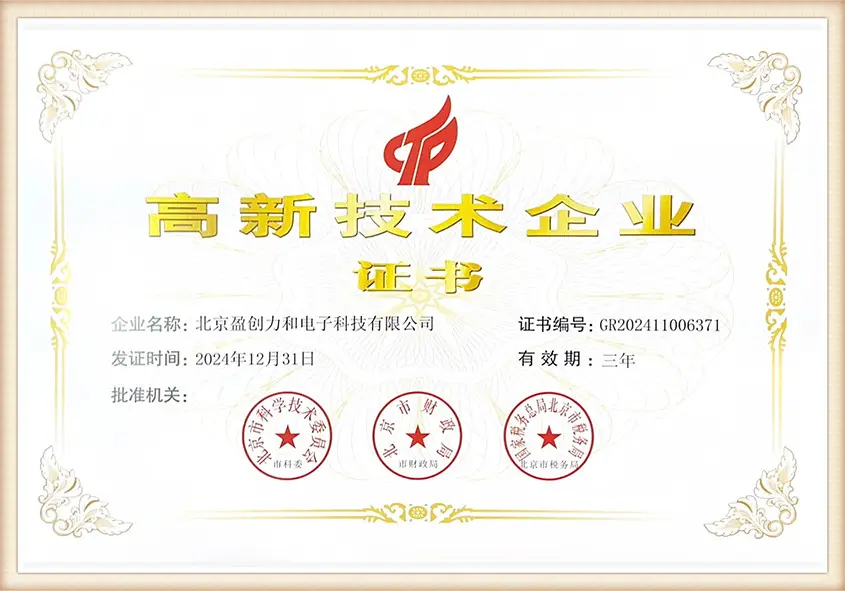
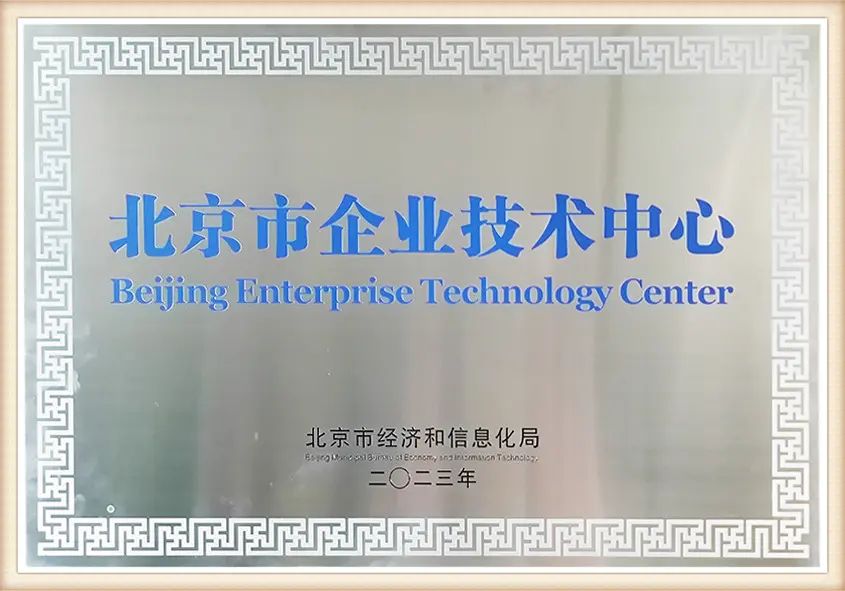
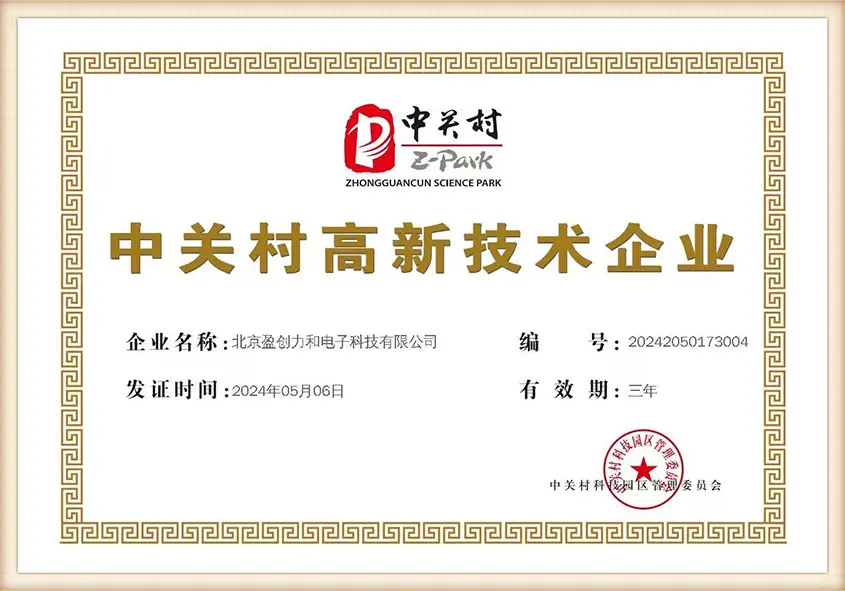
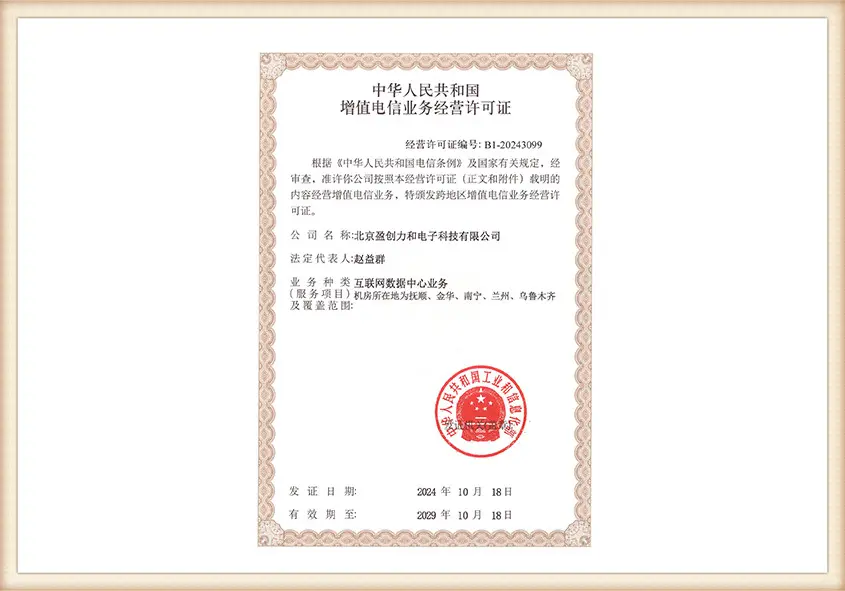
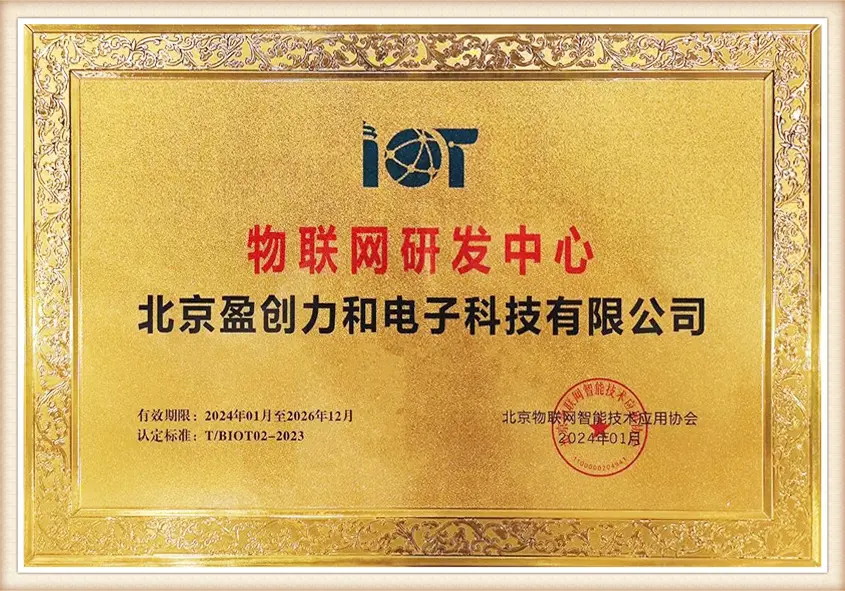
E-E-A-T Certified manufacturing processes that guarantee structural safety and regulatory compliance.
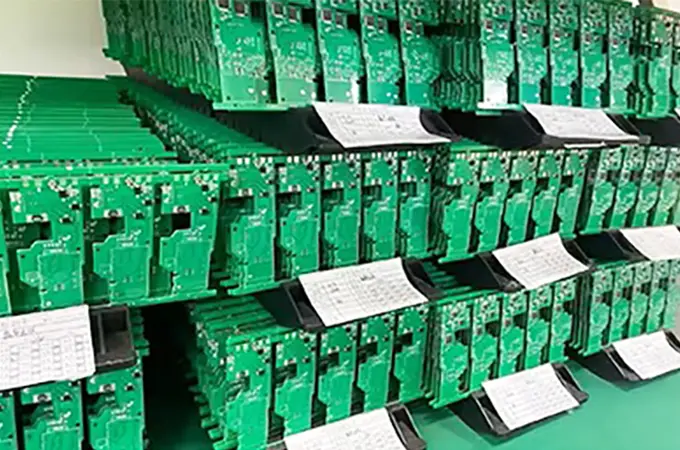
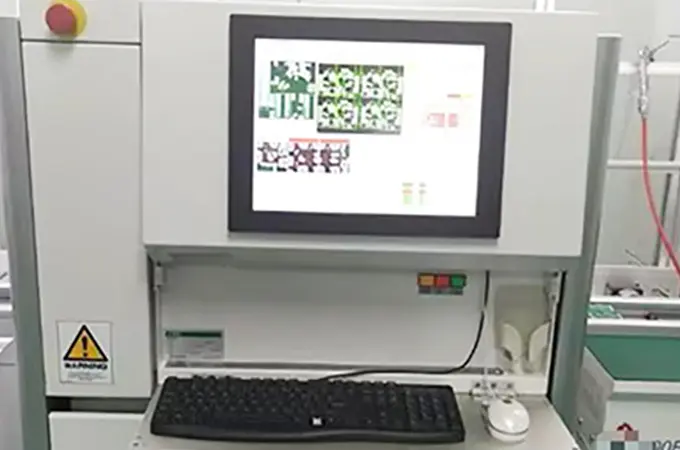
Every single sensor unit produced is logged with a unique serial number, tracking its calibration parameters, chip batch origin, and SMT processing timestamps.
Enterprise support engineers reply to technical integration inquiries within 8 hours. We assist with custom Modbus register programming and custom firmware configurations.
All sensor enclosures and internal lead-free SMT solder points comply with European RoHS directives, eliminating hazardous substances from high-stress environments.
Explore further configurations for pressure, high-sensitivity gas limits, long-range wireless networks, and multi-node systems.
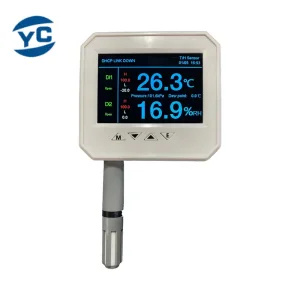
Designed for Cleanrooms and Labs. Incorporates high-resolution pressure tracking to control airflow between containment zones.
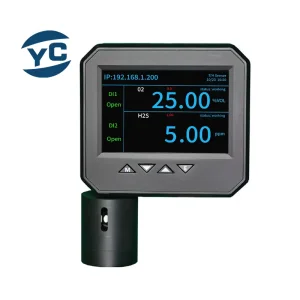
Designed for harsh industrial environments, sewage system hubs, and refinery plants, featuring robust gas monitoring sensors.
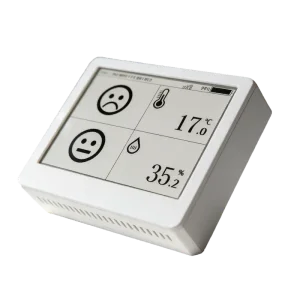
Ultra-low power wireless sensor node designed to transmit ambient data over several kilometers to a central LoRa gateway.
Precision environmental tracking unit that detects ozone concentration in processing warehouses, labs, and cleanroom facilities.
Designed for smart building automation, tracking both HVAC efficiency and carbon monoxide levels in parking levels.
Precision environmental tracking unit designed to measure nitrogen dioxide and sulfur dioxide levels in industrial zones.
Meets all European emissions tracking rules, offering high signal shielding against electromagnetic interference.
Designed for smart office buildings, logistics facilities, and archival libraries requiring continuous environmental records.
Answering technical queries regarding sensor certifications, system integration protocols, and calibration practices.
 YCLH Sensor