Direct from our certified ISO9001:2015 production lines. View our primary series of Ethernet, LoRa, and multi-gas IoT tracking units.
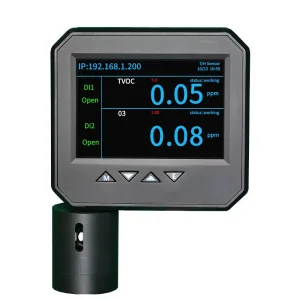
Application: IAQ & Ozone tracking
Interface: Ethernet / Modbus TCP
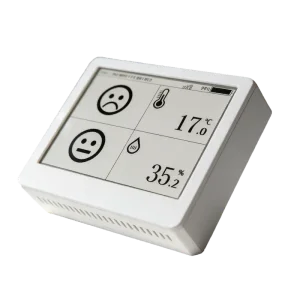
Application: Smart warehouse & logistics
Wireless: LoRaWAN / Long Range
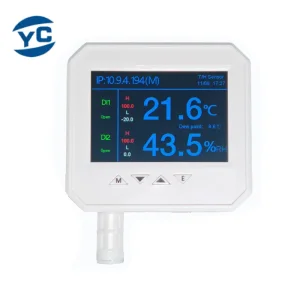
Power: PoE 802.3af / DC 12-48V
Precision: Swiss Sensirion Chip
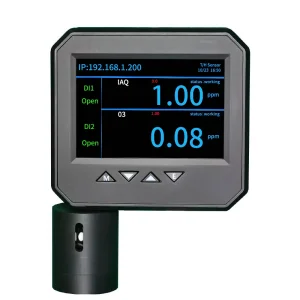
Parameters: Temp, Humidity, IAQ, Ozone
Logging: Local Data Logger & SD Storage
Application: Intelligent ventilation systems
Protocol: Modbus TCP/IP & MQTT
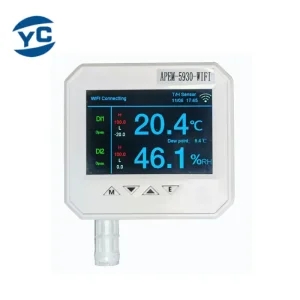
Network: Dual-Mode Wired Ethernet & WiFi
Integration: Easy SCADA/BMS configuration
Parameters: TVOC, Ozone, Temp, Humidity
Compliance: CE, FCC, RoHS certified
Enclosure: Industrial wall mount, IP54
Processor: High-speed 32-bit ARM MCU
A comprehensive analysis of Modbus TCP/IP sensor integration, global certification importance, and technical performance in high-stakes environments.
In modern industrial automation, the network layer serves as the central nervous system. Modbus TCP/IP acts as a bridge, bringing classic serial Modbus communication over standard Ethernet networks using TCP port 502. For process control, data centers, and cleanrooms, the deployment of a CE Certified Modbus TCP/IP Temperature and Humidity Sensor removes the configuration limits associated with traditional RS-485 connections. Field technicians no longer need to worry about bus polarization, correct daisy-chaining, or termination resistors. Instead, sensors integrate directly into standard Ethernet switches, reducing cable management steps and speeding up installation.
By packaging measurement packets into TCP/IP frames, sensor networks become highly immune to electromagnetically noisy environments—a common challenge in factories with variable frequency drives (VFDs) and high-power switchgear. Furthermore, integrating native Modbus TCP/IP mapping tables into PLCs (such as Siemens S7-1500, Allen-Bradley ControlLogix, or Schneider Modicon) simplifies the telemetry process. Data registers containing raw values for temperature, relative humidity, dew point, and barometric pressure are polled directly at sub-second intervals, providing real-time data to support automated logic controls.
Globally, modern facilities are moving away from proprietary legacy systems toward open protocols. The adoption of Power over Ethernet (PoE) technology (IEEE 802.3af/at) has changed how sensors are deployed. A single Category 6 Ethernet cable provides both power and high-speed data transmission to the sensor. This eliminates the need for localized step-down power transformers or secondary DC cabling, saving up to 40% in installation costs for commercial HVAC system retrofits.
Additionally, the rise of Edge Computing and Industrial IoT (IIoT) requires field sensors to support multiple protocols. Yingchuanglihe sensors meet this demand by supporting Modbus TCP/IP, MQTT (for direct cloud integration with AWS IoT Core or Microsoft Azure), and SNMP (for data center monitoring tools like PRTG or Nagios). This flexibility helps prevent vendor lock-in, allowing operators to scale their systems smoothly as new technology becomes available.
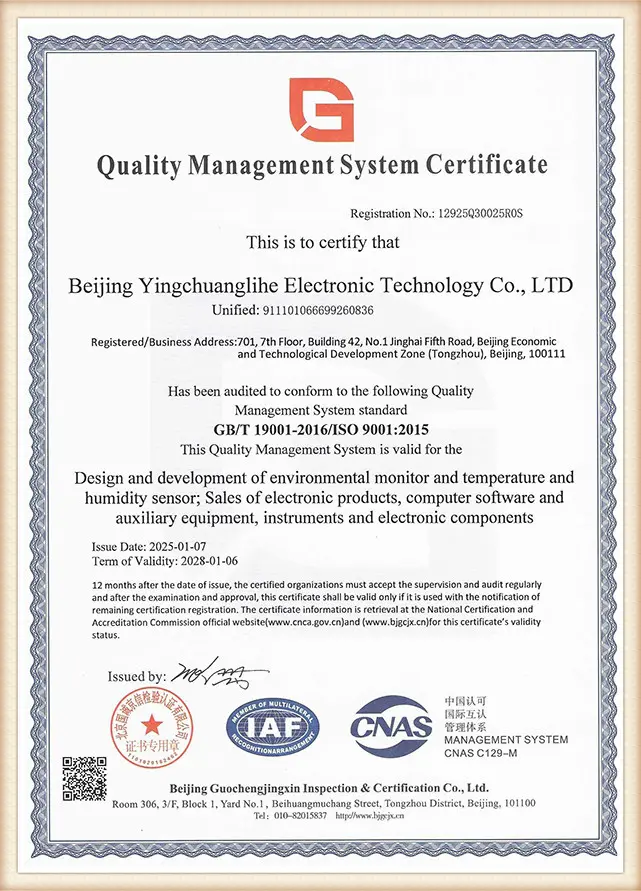
For international system integrators and engineers, CE compliance is a key requirement for project approval. A valid CE Mark demonstrates that the sensor meets the essential safety and performance requirements of European directives, including the Electromagnetic Compatibility (EMC) Directive 2014/30/EU and the Low Voltage Directive (LVD) 2014/35/EU.
Without proper compliance, sensors can cause problems in industrial environments. Electromagnetically unshielded units can produce false data readings or disrupt nearby sensitive electronics. Yingchuanglihe’s CE-certified devices undergo strict tests, including electrostatic discharge (ESD) immunity, radio frequency electromagnetic field immunity, and surge protection. This ensures stable, long-term performance under demanding operating conditions.
Beijing Yingchuanglihe Electronic Technology Co., Ltd. is a professional manufacturer of environmental monitoring sensors.
Since its establishment in 2007, the company has been committed to providing customers with a full range of temperature, humidity, and multi-parameter sensors. Our primary goal is to offer accurate, stable, and reliable environmental data to support intelligent monitoring across all industries. Headquartered in Beijing, China, we operate a modern production base covering over 1,500 square meters. As an integrated high-tech enterprise, we bring R&D, manufacturing, quality control, and technical support together under one roof.
A history of engineering innovation, partnerships with industry leaders, and continuous technological expansion.
How Yingchuanglihe Modbus TCP/IP and wireless sensor networks protect critical parameters across key industries.






Explore our international system approvals, safety certifications, and historic global exhibition showcases.
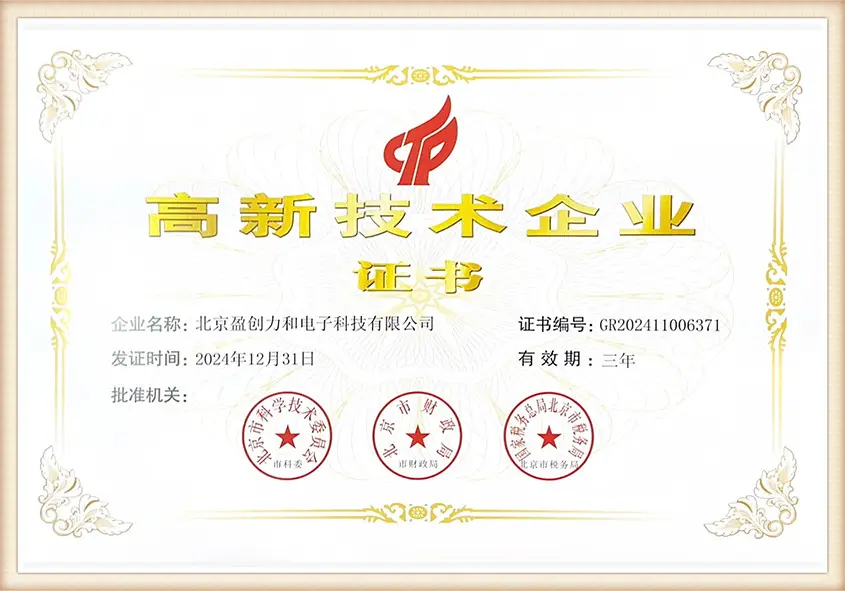
System Approval A
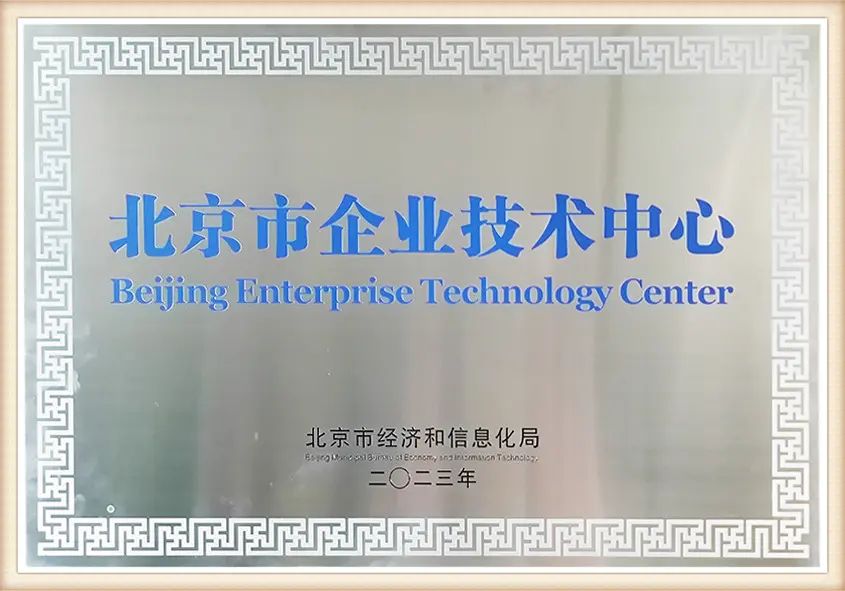
System Approval B
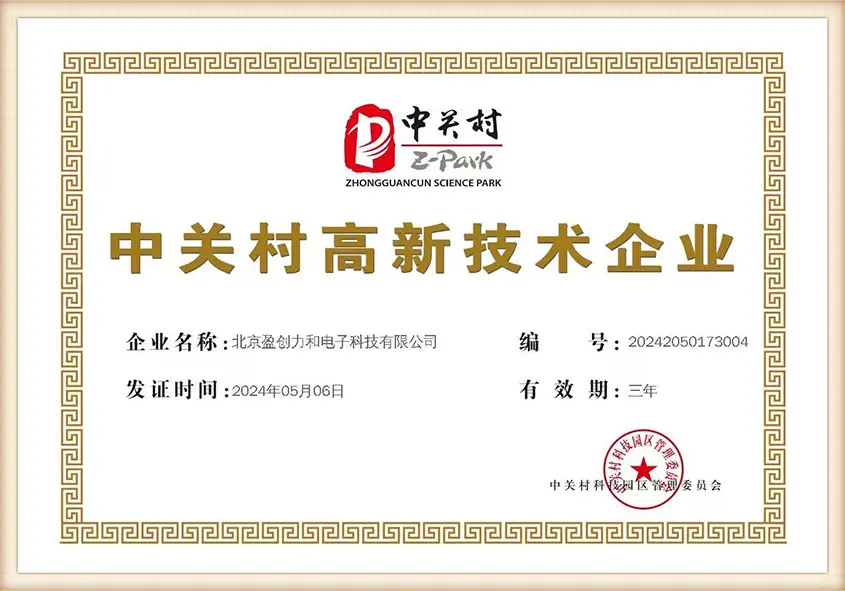
System Approval C
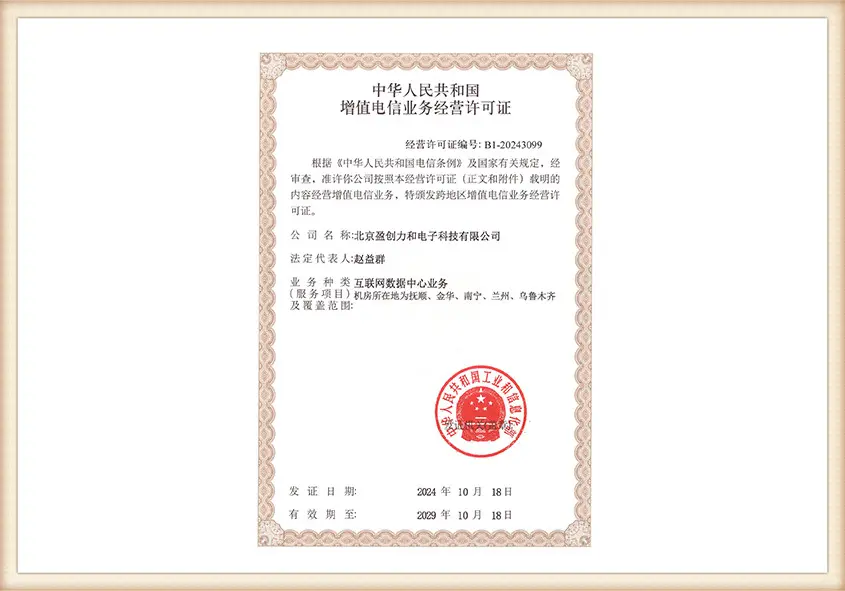
Compliance Approval D
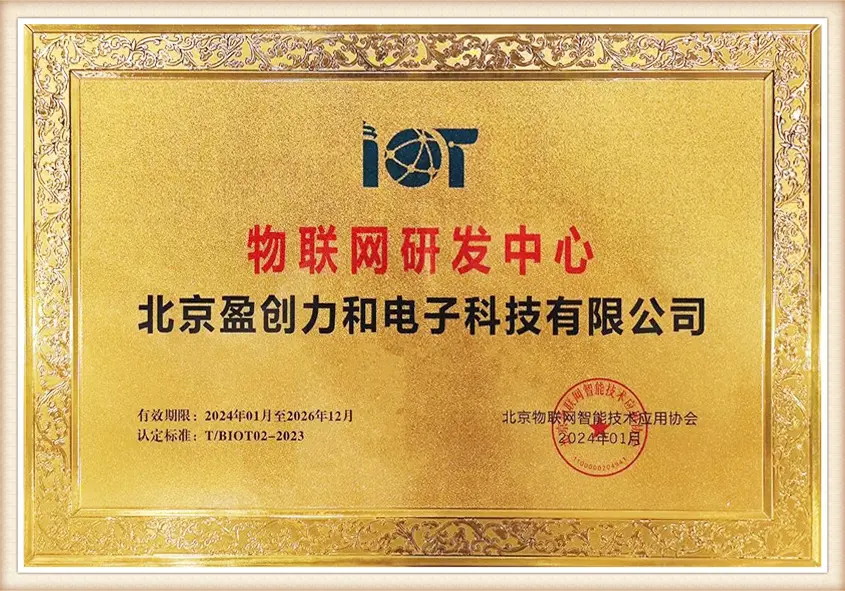
Compliance Approval E
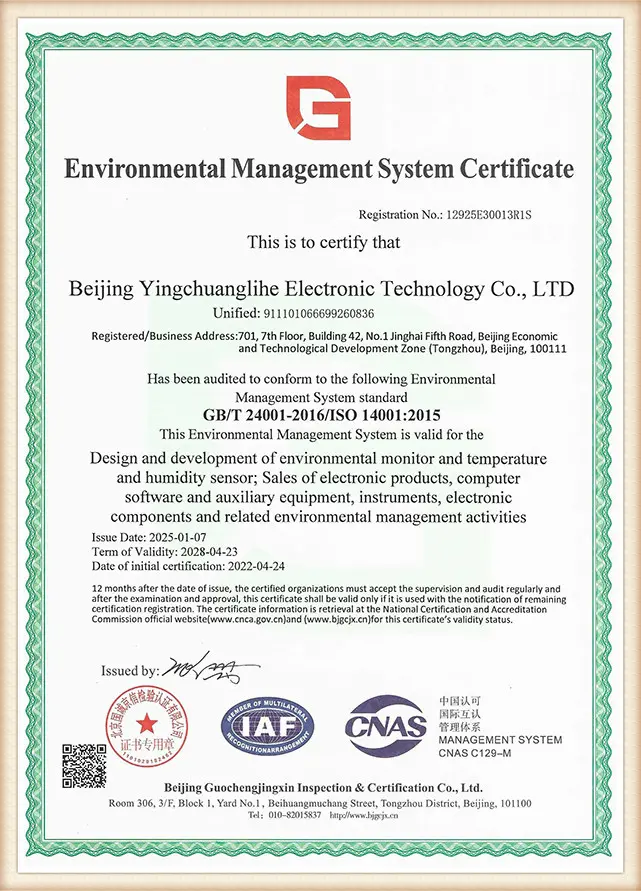
Product Approval A
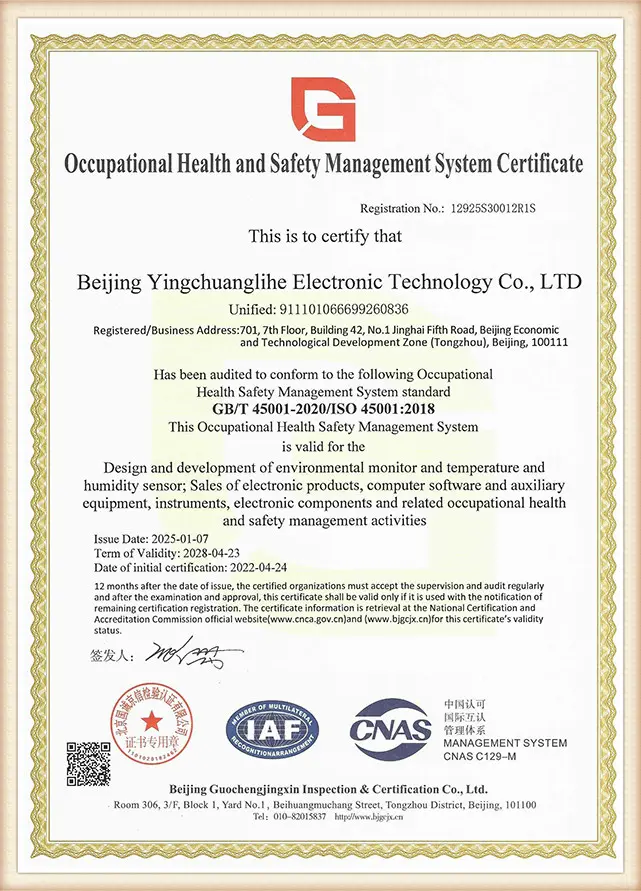
Product Approval B
Product Approval C
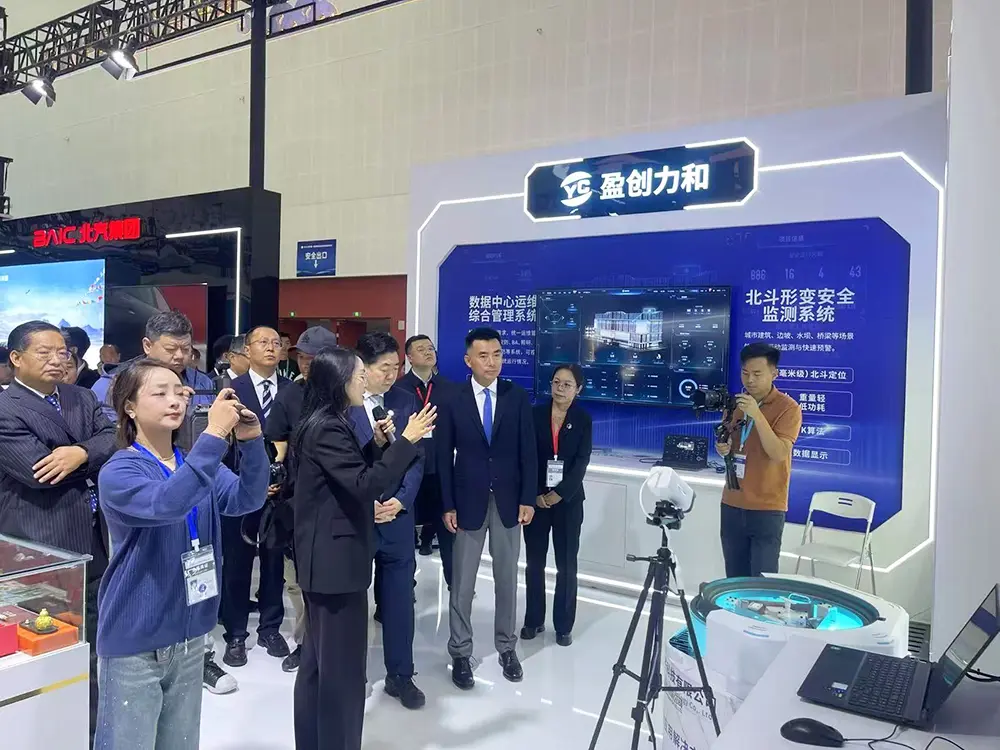
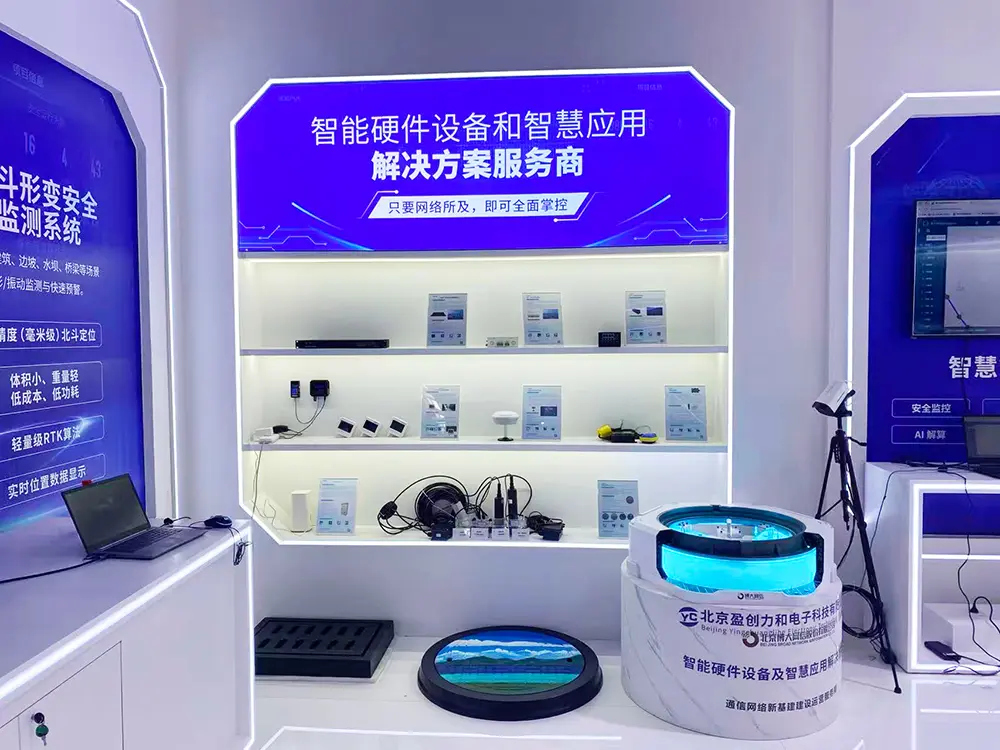
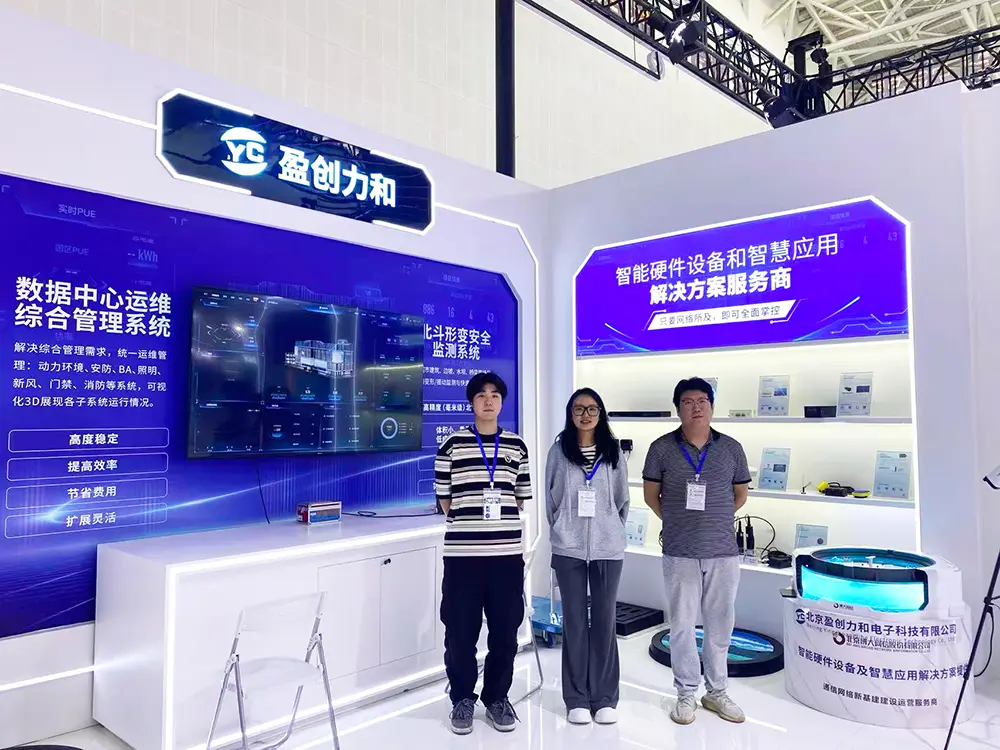
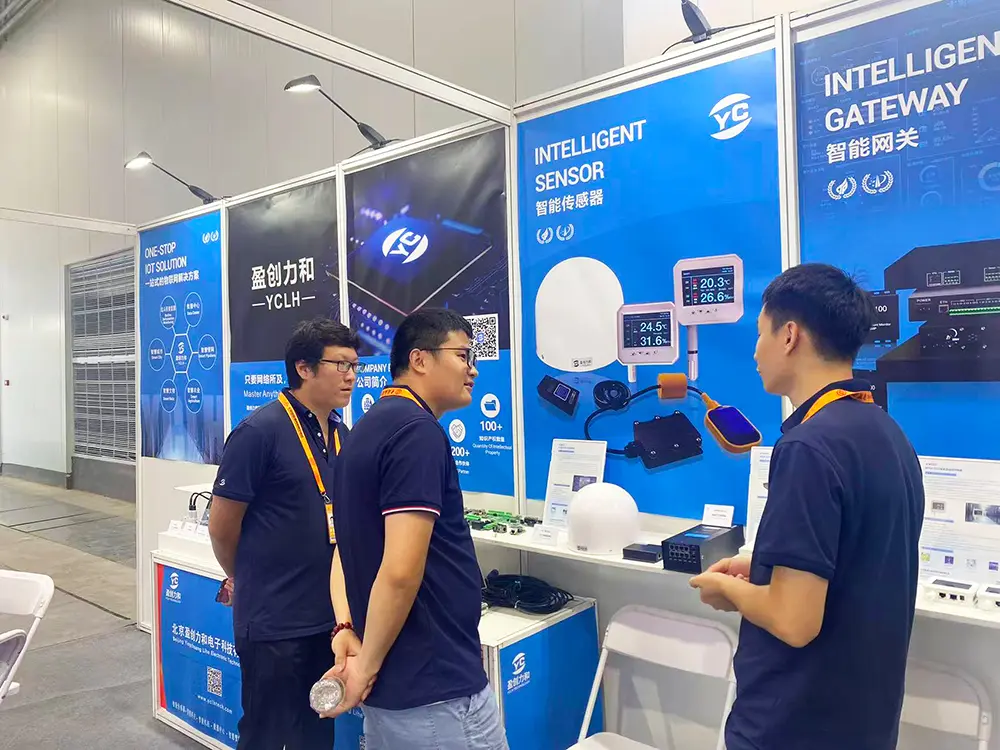
How Beijing Yingchuanglihe integrates next-generation protocols and positioning systems into environmental monitoring.
Industrial environmental monitoring is evolving beyond simple data collection. The future lies in edge intelligence, where sensors do more than report data—they analyze it at the point of measurement. Beijing Yingchuanglihe is developing upgraded edge computing gateways that use historical telemetry patterns to predict local dew point risks and condensation. By analyzing data locally, these sensors can detect issues immediately, reducing reliance on central cloud processing.
Additionally, our collaboration with the Beijing University of Civil Engineering and Architecture focuses on combining Beidou high-precision deformation tracking with environmental data. This is particularly valuable for structural health monitoring in smart pipeline networks, municipal bridges, and high-speed rail lines, where physical shifts and moisture changes must be tracked together to ensure structural integrity.
Detailed technical answers to common integration, calibration, and network configuration questions.
Choose from our specialized Ethernet, LoRa, and multi-gas monitoring units designed for industrial applications.
Power: Low-power battery operation
Wireless: Custom LoRa configuration
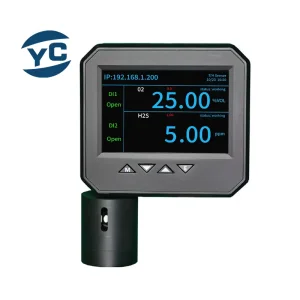
Gases: Oxygen & Hydrogen Sulfide
Ports: Relay Output / 2-ch DI / RS-485
Interface: Ethernet RJ45 / PoE support
Options: Fully customizable configurations
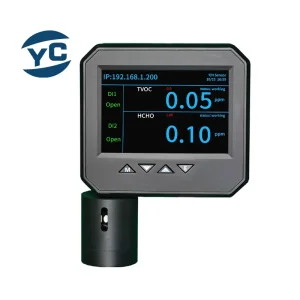
Pollutants: TVOC / HCHO / Temp / RH
Features: Local data logging & alarms
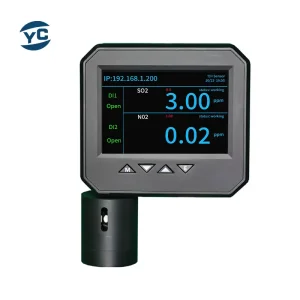
Safety: Sulfur Dioxide & Nitrogen Dioxide
Integration: Modbus TCP/IP protocol
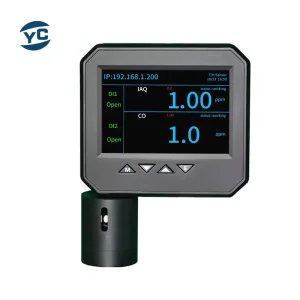
Features: Carbon Monoxide / IAQ / Temp
Power: PoE 802.3af / DC 12-48V
Gases: Ozone (O₃) / Air Quality
Output: Direct Ethernet telemetry
Accuracy: Switzerland high-precision core
Network: Modbus TCP/IP & JSON API
 YCLH Sensor