Explore our core CE-certified Ethernet, Wi-Fi, and LoRaWAN environmental monitoring hardware engineered for continuous data collection in demanding industrial settings.
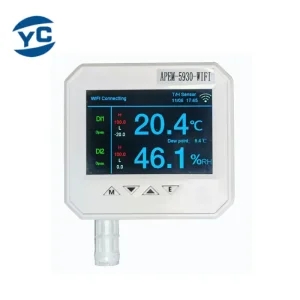
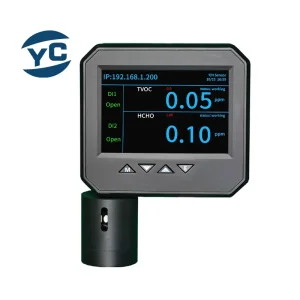
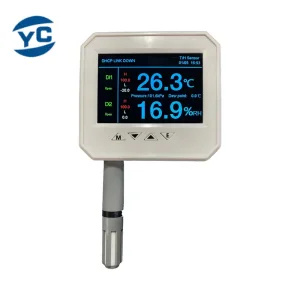
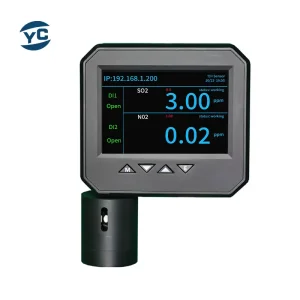
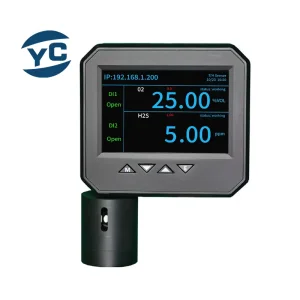
A strategic overview of industrial digitisation, showing how hardware and standards are driving efficiency, quality, and compliance in the global market.
The global industrial sector is undergoing a profound digital transformation, commonly referred to as Industry 4.0. At the center of this transformation lies the capability to reliably acquire, process, and transmit data from raw physical environments to enterprise-level analytical platforms. From automated production floors to critical hyper-scale data centers, Industrial IoT (IIoT) Data Acquisition Systems serve as the central nervous system, translating physical conditions—such as temperature, relative humidity, atmospheric pressure, and specific gas concentrations—into actionable digital data streams.
As smart manufacturing adoption accelerates across North America, Europe, and the Asia-Pacific region, the demand for high-reliability acquisition hardware has skyrocketed. Modern operators are moving away from proprietary, isolated legacy protocols in favor of unified, IP-based networks like Ethernet (Modbus TCP, SNMP) and wireless protocols (Wi-Fi, LoRaWAN). This evolution reduces the cost of installation, enables remote configuration, and ensures real-time visibility. However, deploying these devices in harsh electromagnetic and high-vibration industrial settings requires a rigorous emphasis on hardware quality, signal isolation, and international certifications.
In this context, CE Certification is not merely a regional regulatory requirement for the European Economic Area; it has become a global benchmark for safety, electromagnetic compatibility (EMC), and operational reliability. Buyers, system integrators, and engineers worldwide demand CE compliance to guarantee that sensitive environmental monitoring devices can withstand voltage surges, electrostatic discharges (ESD), and radio-frequency interference without suffering data loss or physical component degradation. Partnering with a fully certified Chinese manufacturer ensures that you obtain cost-efficient, high-performance hardware that meets these strict international standards.
We source only high-precision, factory-calibrated sensing components imported directly from Switzerland and Germany (e.g., Sensirion). This guarantees long-term drift-free accuracy, even under continuous, extreme operational conditions.
Our units natively support Modbus TCP, SNMP, and MQTT protocols. This allows seamless integration into third-party SCADA systems, custom web dashboards, or high-tier ERP platforms without expensive converter boxes.
With CE, FCC, and RoHS certifications fully in hand, our hardware is tested against strict EMC directive guidelines, ensuring low emissions and high immunity to external electrical interference.
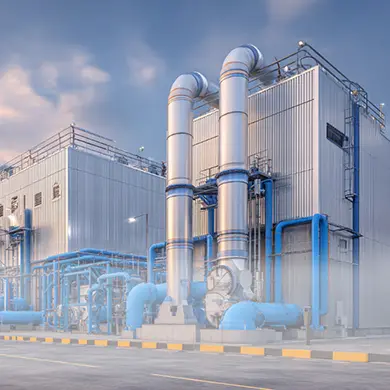
Engineered to adapt to the specialized challenges of key industries, ensuring high operational uptime and compliance across diverse settings.
Different industrial sectors require distinct parameters of environmental control. Our versatile APEM-5930 series devices are tailored to address these dynamic needs, offering integrated environmental data loggers and smart edge controllers. By deploying decentralized data acquisition gateways, businesses can protect physical assets, ensure workers' occupational health, and lower energy consumption through smarter automation.


A leading manufacturer of high-precision environmental sensors, delivering reliable data solutions to smart industries worldwide since 2007.
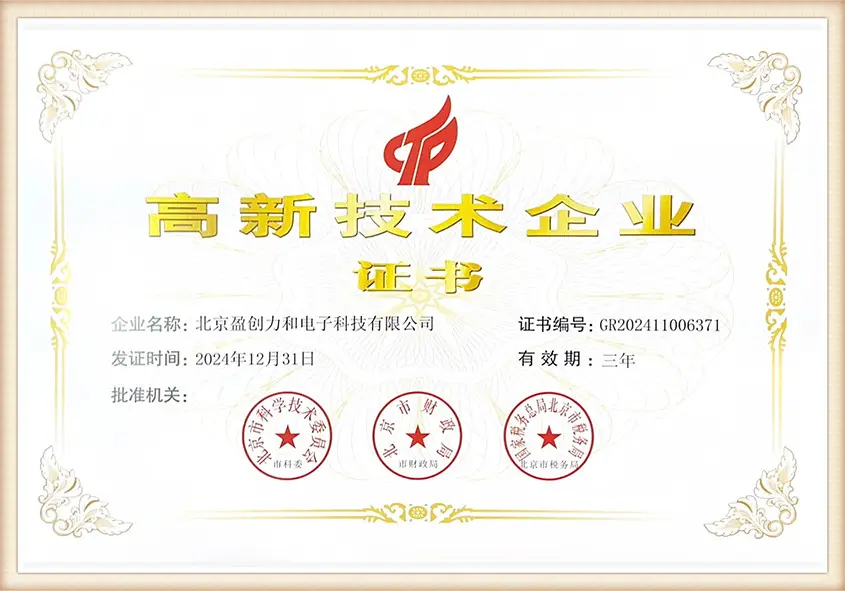
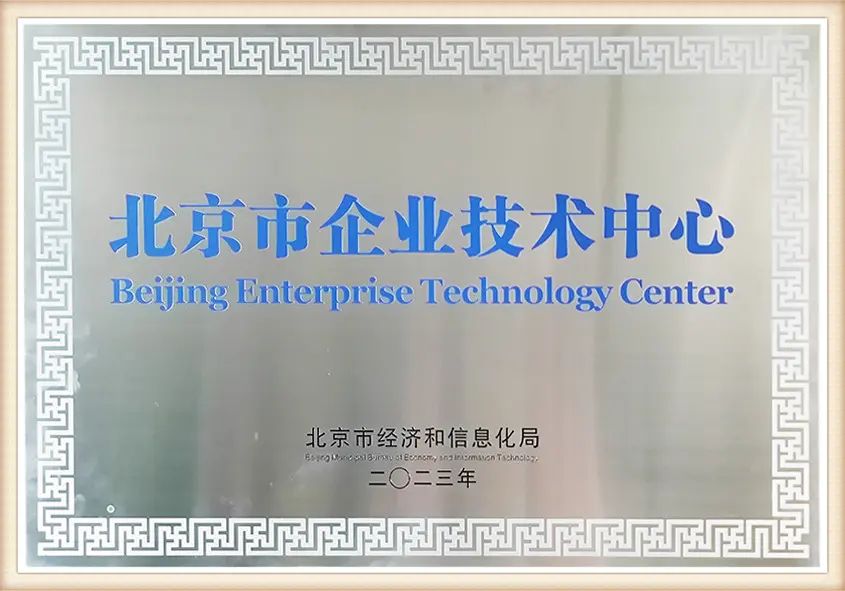
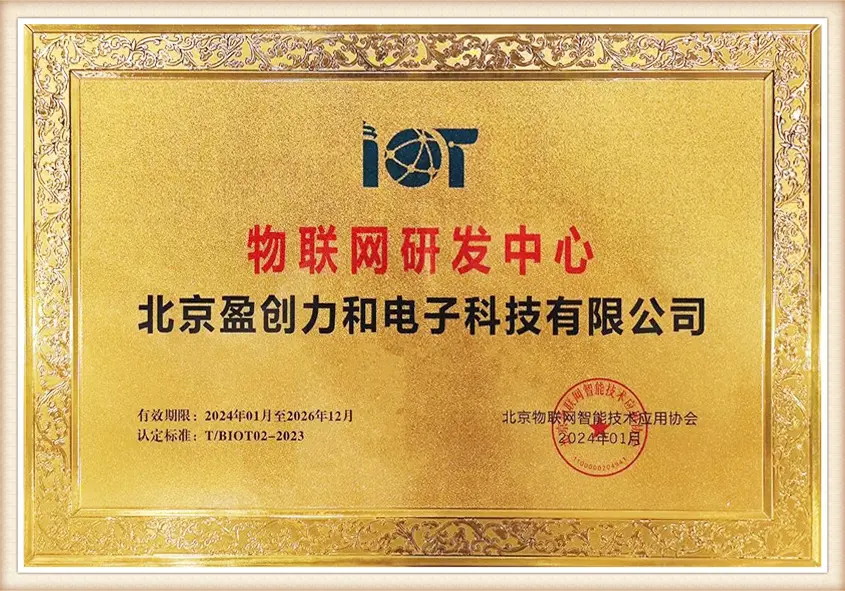
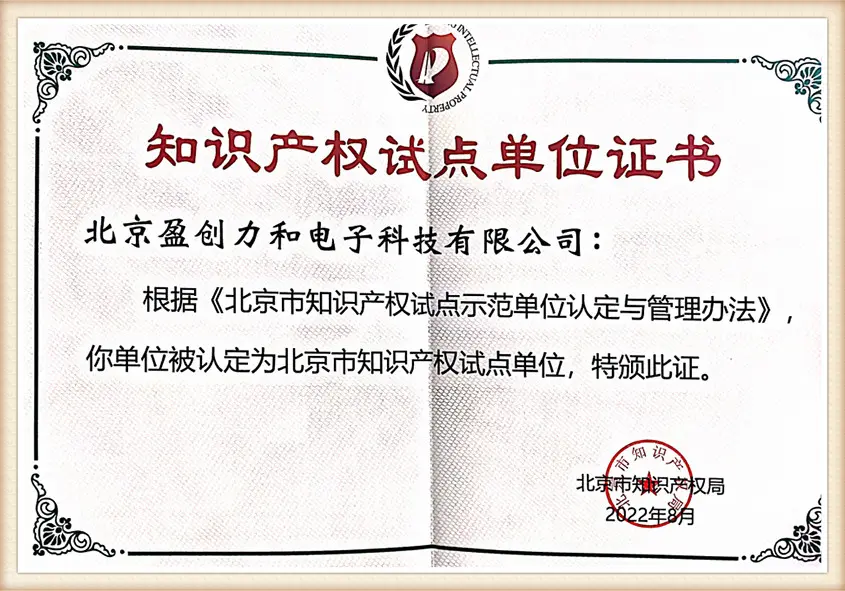
Beijing Yingchuanglihe Electronic Technology Co., Ltd. is a recognized high-tech enterprise integrating research and development, manufacturing, and distribution of premium industrial environmental sensors. Operating a state-of-the-art production base exceeding 1,500 square meters in Beijing and backed by more than 100 dedicated technical personnel, we specialize in delivering temperature, humidity, atmospheric pressure, and multi-parameter gas sensing gateways. Our core engineering strength, reliable supply chain, and dedication to customer success make us the chosen OEM/ODM partner for major enterprises globally.
Founded with a focus on developing intelligent environmental monitoring terminals based on TCP/IP networks, launching our first-generation monitoring software suite.
Partnered with Mocha Software to co-develop and deploy the TH-5939 series of network-managed monitoring products supporting SNMP protocols.
Collaborated with Switzerland's COMLAB to produce the TH-5869 protective Ethernet terminal, successfully implemented on China's high-speed rail lines (Beijing-Kowloon, Wuhan-Guangzhou).
Partnered with Founder Technology to deploy the APEM-6100 Ethernet monitoring system, leading early integration of Power over Ethernet (PoE) in sensors.
Established a long-term supply relationship with Foxconn, solidifying our equipment designs as standard benchmarks for cleanroom monitoring systems.
Cooperated with Baidu to launch the APEM-5900 intelligent terminal, deployed at Baidu's Yangquan Data Center. Expanded software compatibility to multi-parameter gas systems.
Launched unified smart cabinet monitoring systems for Huawei and China Merchants Huaruan ETC expressway initiatives, expanding our smart-city product lines.
Deeply involved in Beijing's autonomous driving test lanes, designing edge computing gateways and integrated boxes to collect roadside environmental data.
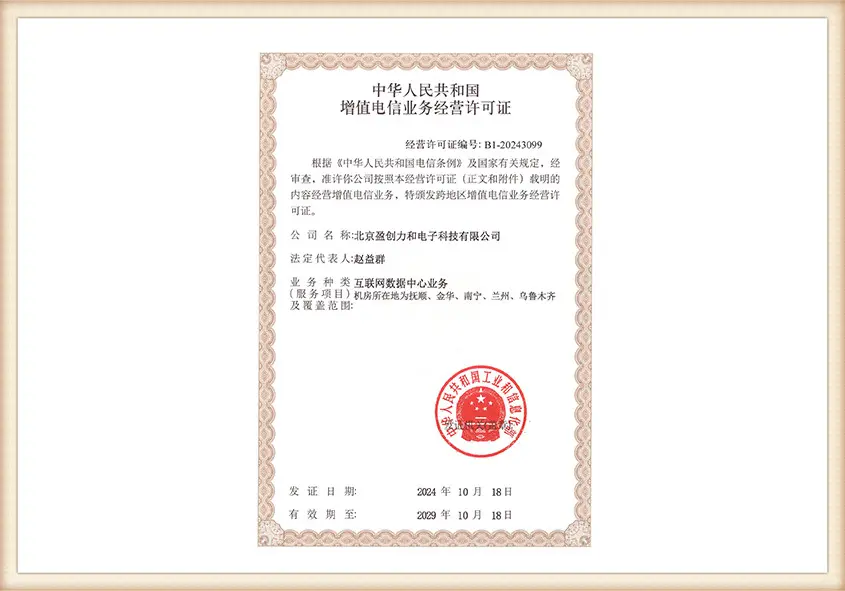
Formed joint divisions with Beijing Enterprises Water Group for smart water network monitoring and Beidou deformation monitoring. Earned official Internet Data Center (IDC) operating qualifications.
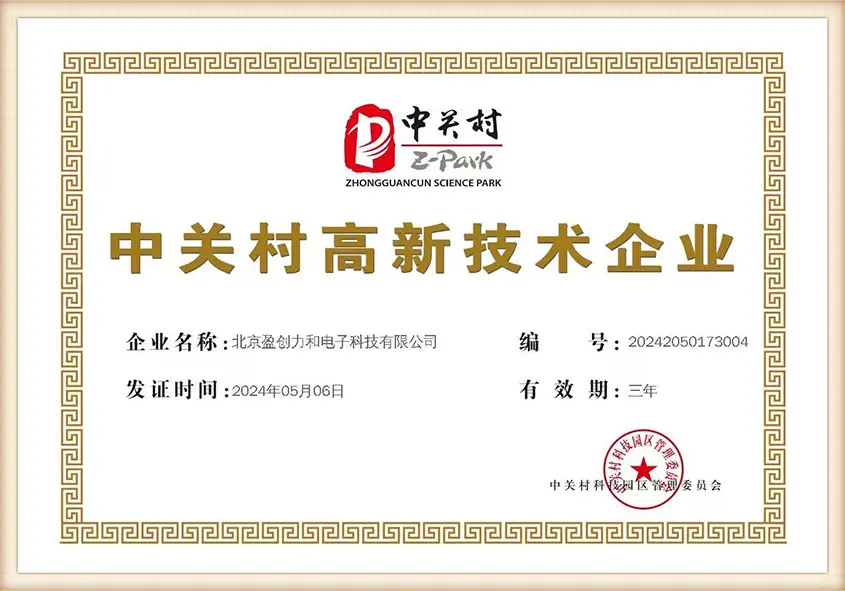
We implement a strict ISO9001 quality system, ensuring all sensor lines comply with CE, FCC, and RoHS standards for seamless integration in international markets.
Our commitment to reliability is backed by our certifications. Yingchuanglihe designs products to pass strict testing for electromagnetic emissions and immunity. This ensures our hardware operates reliably in demanding industrial environments near high-voltage motor starters, variable frequency drives (VFDs), and wireless field transmitters.
How we are preparing next-generation hardware designs to meet the evolving demands of edge analytics, AI integration, and extreme deployment conditions.
As the industrial sector continues to digitize, data collection architecture is shifting toward hybrid edge-cloud models. Rather than operating as passive conduits, sensors are taking on local processing tasks. Yingchuanglihe's engineering roadmap focuses on three main pillars to address these evolving requirements:
Detailed explanations regarding system integration, hardware durability, compliance requirements, and customization possibilities.
Why is CE Certification critical for Ethernet and wireless environmental sensors?
CE Certification ensures that industrial IoT devices comply with EU health, safety, and environmental protection standards. It proves the hardware can handle electrical surges, electrostatic discharges (ESD), and electromagnetic interference common in industrial settings, preventing data loss or hardware damage.
How do your sensors maintain long-term accuracy and stability?
We use high-precision sensing chips imported from Switzerland and Germany. These components feature integrated temperature compensation algorithms and protective filters, reducing drift and ensuring reliable readings even in high-humidity or mildly corrosive environments.
Which network communication protocols do the APEM-5930 gateways support?
Our Ethernet and WiFi-enabled hardware natively supports Modbus TCP, SNMP (v1/v2c/v3), and MQTT. This enables simple, driver-free integration with various SCADA suites, network management systems, and cloud-hosted data storage platforms.
Can we request customized sensor configurations for specific gas or pressure parameters?
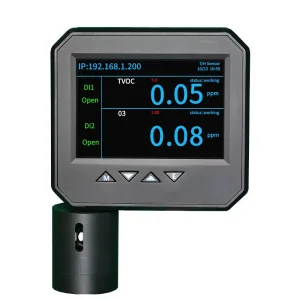
Yes. Through our comprehensive OEM/ODM services, we can customize gas sensing configurations (e.g., O₂, CO, H₂S, SO₂, TVOC) or add pressure sensors, dew point calculations, and dual-mode networks to meet your project's specific requirements.
What power supply configurations are supported on your wired Ethernet sensors?
Our models feature dual power redundancy. They support standard Power over Ethernet (PoE IEEE 802.3af, DC12~48V) and auxiliary DC terminal inputs, ensuring continuous operation even during primary network power fluctuations.
What is your typical production lead time and capacity for volume orders?
Our Beijing facility operates five automated assembly lines capable of producing thousands of calibrated sensors weekly. Standard orders ship within 1–2 weeks, while customized OEM/ODM projects are delivered within 4–6 weeks, complete with documentation and calibration certificates.
Explore more high-reliability environmental monitoring devices, designed to deliver exceptional precision in diverse industrial setups.
 YCLH Sensor