Leading-edge hardware implementations from our certified factories. Empowering system integrators and global enterprises with secure, high-range LPWAN telemetry configurations.
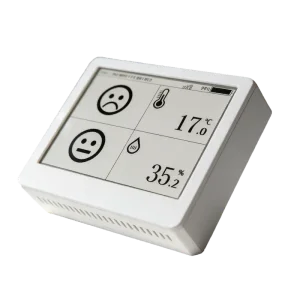
Model: APEM-5736
Interface: Low-Power Wireless LoRa System
High sensitivity monitoring designed for warehouse environments.
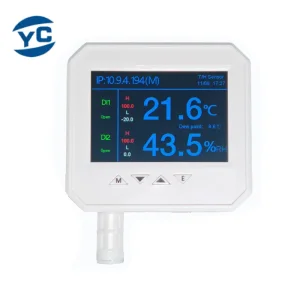
Model: APEM-5930
Power: POE (Power over Ethernet)
Delivers reliable wired telemetry backup and high-speed logging.
Model: APEM-5930
Sensors: High Precision Switzerland Temp & Humidity Core
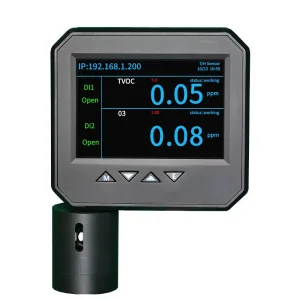
Parameters: TVOC, O₃, Temp, Humidity
Certified for advanced environmental monitoring standards.
Frequency: Custom RF LoRa Bands
Optimal long-range RF capabilities with industrial stability.
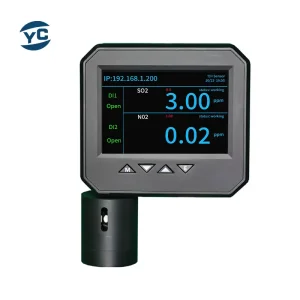
Gases: SO₂ & NO₂ Industrial Detection
High electrochemical sensor longevity for severe environments.
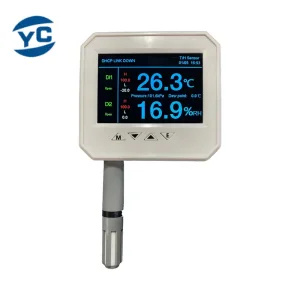
Features: Differential & Atmospheric Pressure
Optimized for cleanrooms and laboratory isolation rooms.
Sensors: Premium Swiss integrated sensor module
Multi-sensor integrated architecture with reliable RS485 option.
An Industrial Analysis of Long Range Low-Power Wide Area Networks (LPWAN) in Modern Enterprise Ecosystems
Unlike legacy FSK systems, LoRa leverages CSS technology to maintain communication signals below thermal noise floors. This creates exceptional signal budgets (up to -148 dBm), rendering LoRa sensors immune to common electromagnetic interference found inside heavy metal fabrication plants and concrete high-rise infrastructures.
By intelligently modulating Spreading Factors (SF7 to SF12) and transmission power parameters based on proximity to gateways, Yingchuanglihe's LoRa product lineups systematically balance battery longevity and network congestion. Our APEM series sensors achieve cell lifespan configurations spanning over 5 to 8 years without external intervention.
Enterprise data transmission security is ensured utilizing AES-128 cryptographic algorithms at two discrete levels: Network Session Key (NwkSKey) to maintain system integrity against malicious packet injection, and AppSKey (Application Session Key) to enforce pure payload privacy across cloud routing infrastructures.
Beijing Yingchuanglihe Electronic Technology Co., Ltd. — Since 2007
We possess fully integrated industrial certifications, ensuring compliance with demanding market entry guidelines across North America, Europe, and Asia-Pacific.
Strategic hardware considerations for massive-scale environmental sensing deployment
Multinational organizations are integrating micro-environmental sensors to gather exact metrics for Scope 1, 2, and 3 emission evaluations. Continuous indoor temperature and relative humidity tracking permit modern Building Management Systems (BMS) to optimize HVAC operations dynamically. Deploying LoRa wireless systems minimizes the cabling overhead typical of conventional legacy installations, saving up to 65% on commissioning costs.
Under strict regulations (FDA 21 CFR Part 11, GAMP 5), cold storage assets, scientific cleanrooms, and medical transport systems demand unbroken, highly reliable tracking channels. The APEM series sensor models provide redundant logging capability, using Ethernet networks for constant data ingestion alongside robust internal storage failover capacities to maintain absolute telemetry preservation during power outages.
Procurement directors seek sensor systems that integrate easily with third-party software structures. Supporting open APIs and industrial messaging transport protocols (MQTT, JSON-RPC, Modbus TCP) eliminates vendor-locking hurdles. Yingchuanglihe works with leading global platform systems to deliver plug-and-play integrations with Microsoft Azure IoT, AWS IoT Core, and private deployments.
Enterprise blueprints delivering physical precision across mission-critical facilities
Utilizing our dual-mode APEM-5930W and PoE-equipped environmental sensors, system architects construct continuous, rack-level thermal profiles. Integrating ambient dew-point calculations prevents electrostatic hazards and condensational damage, while real-time differential pressure telemetry maintains hot/cold aisle isolation chambers in optimal balance.
In deep refrigeration nodes (below -40°C), wiring layouts pose significant challenges. Our customized APEM-5736 LoRaWAN wireless sensor models use high-capacity lithium thionyl chloride batteries, transmitting through thick insulation barriers directly to centralized gateways, eliminating structural penetration requirements.
Integrating our APEM-5930G multi-gas modules enables real-time electrochemical tracking of critical chemicals (CO, SO₂, NO₂, TVOC, O₃, H₂S) alongside precise temperature and humidity logging. Early warnings prevent chemical exposure risks and preserve production safety parameters.
Two Decades of Technological Engineering, Collaboration, and High-Precision Innovation
The company was founded and developed an intelligent environmental monitoring terminal based on the TCP/IP network protocol. In the same year, the initial version of environmental monitoring software was developed.
In collaboration with Mocha Software, a leading domestic network management software company, a series of SNMP protocol-supported environmental monitoring products, TH-5939, were launched.
In partnership with Switzerland's COMLAB, the TH-5869 protective Ethernet environmental monitoring device was introduced, successfully applied in high-speed rail projects such as the Beijing-Kowloon Line, Beijing-Shanghai Line, and Wuhan-Guangzhou Line.
Cooperating with Founder Technology, the APEM-6100 Ethernet environmental monitoring device was launched. This product was among the early environmental monitoring devices to adopt Power over Ethernet (PoE) technology.
Collaboration with Taiwan's Foxconn, combined with the influence of clients in the industry, established the company's products as one of the industry standards for environmental monitoring in production workshops.
In partnership with Baidu, the next-generation APEM-5900 Ethernet intelligent environmental monitoring terminal was launched, successfully deployed at Baidu's Yangquan Data Center. The environmental monitoring software was also upgraded that year to support a multi-parameter environmental monitoring system, further expanding its functional range.
A smart solutions system was introduced, adopting and implementing multi-scenario project cases. The monitoring system expanded horizontally, starting with smart data centers.
An integrated outdoor cabinet monitoring system was launched, successfully applied in projects such as Huawei and China Merchants Huaruan ETC expressway initiatives.
Deep involvement in the research, design, and development of Beijing's high-level autonomous driving road test integrated boxes and edge computing gateways, providing highly reliable road test equipment solutions.
Participation in the construction of intelligent computing center projects, providing key technical support in core areas such as the establishment of intelligent computing infrastructure.
The company established joint business divisions with Beijing Enterprises Water Group and co-founded a Beidou business division with Beijing University of Civil Engineering and Architecture. Technological breakthroughs were achieved in the fields of smart pipeline network monitoring and Beidou high-precision deformation monitoring. Additionally, the company obtained Internet Data Center (IDC) business qualifications in the same year.
Navigating dynamic local telecommunications parameters and global standard alignments
Because LoRaWAN operates over unlicensed Industrial, Scientific, and Medical (ISM) radio bands, our factory designs and builds tailored RF profiles matching local requirements: US915 for North America, EU868 for Europe, AS923 for Asia Pacific, and IN865 for Indian markets.
Building on our 2024 technology milestones, our upcoming sensor generation integrates Beidou satellite components to deliver high-precision structural deformation tracking alongside atmospheric pressure and environmental metrics for open mining and structural monitoring projects.
Our future developments incorporate low-power edge processing chips directly into sensor nodes. By analyzing metrics locally, sensors only transmit packets when abnormal variances occur, reducing power use by up to 40% in high-frequency monitoring zones.
Exhibiting continuous innovation, verified credentials, and rigorous operational control standards
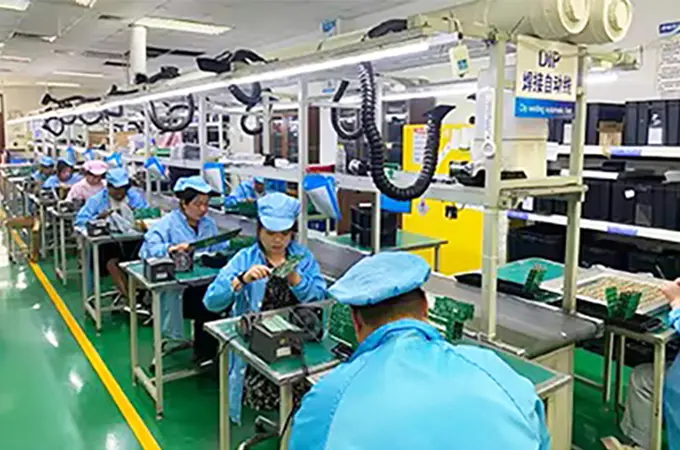
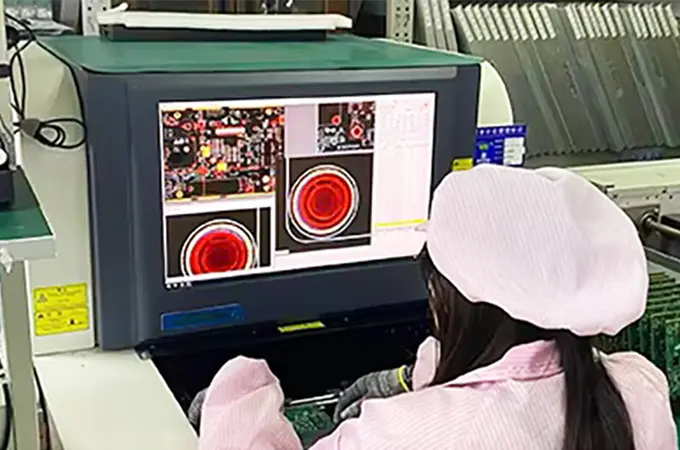
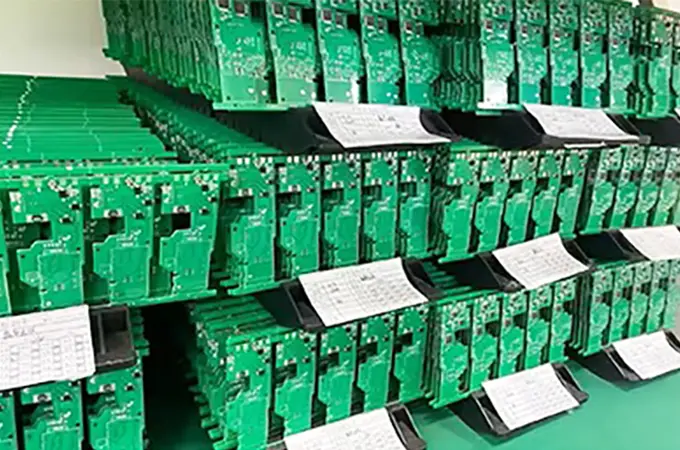
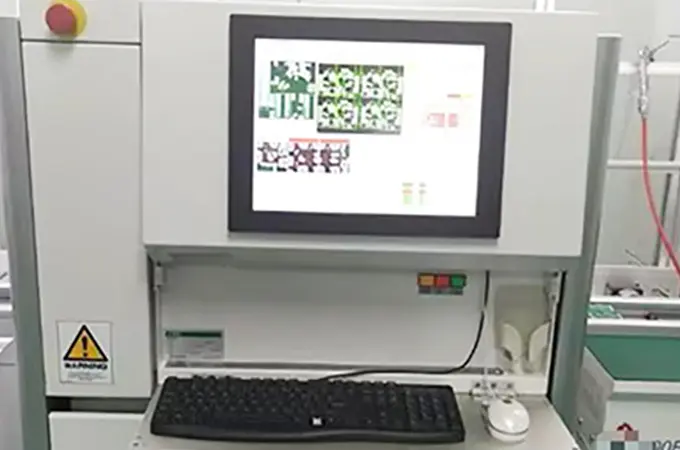
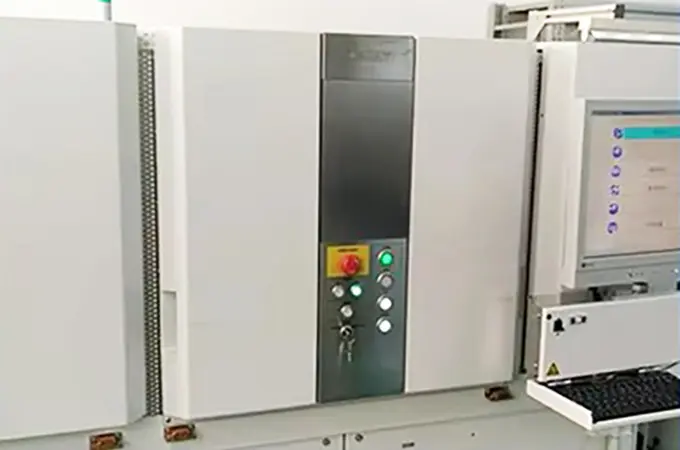
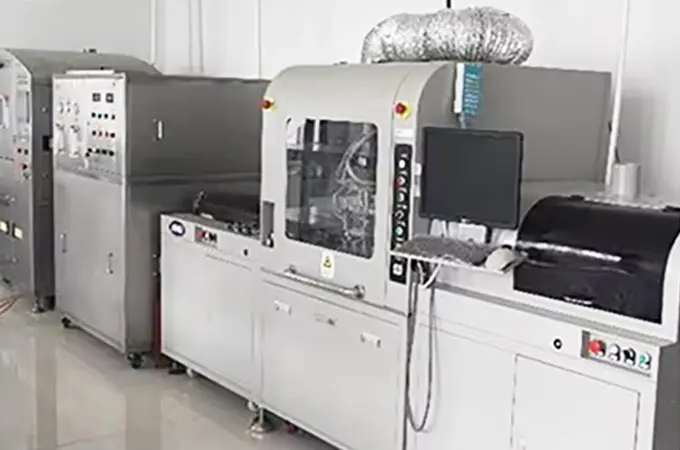
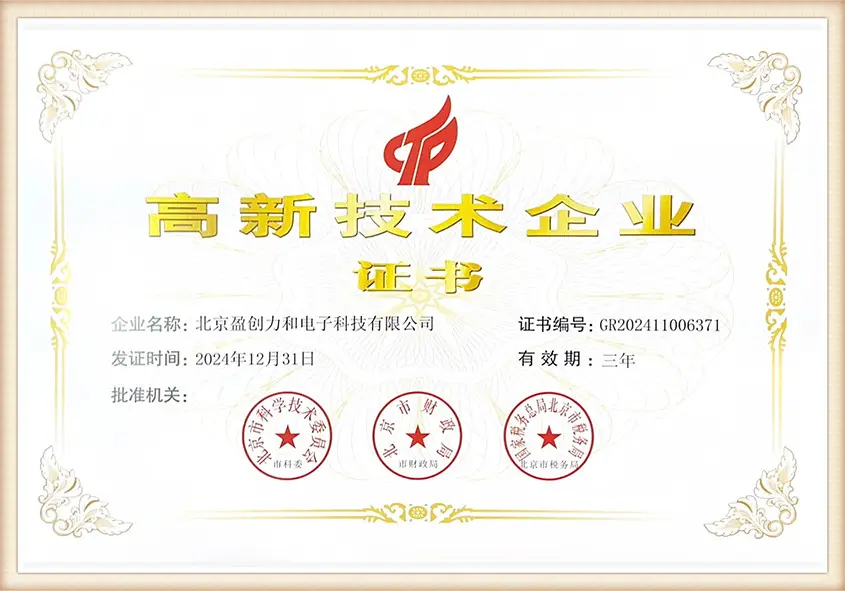
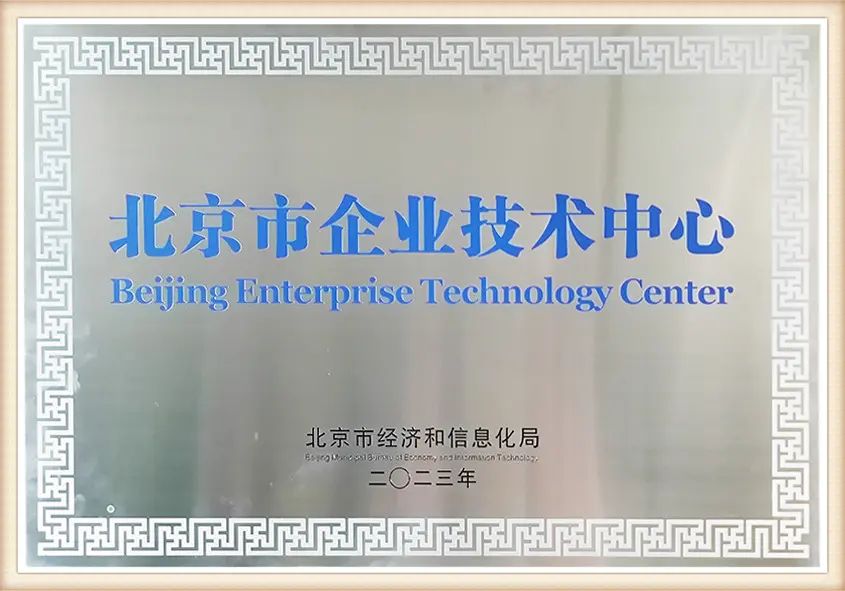
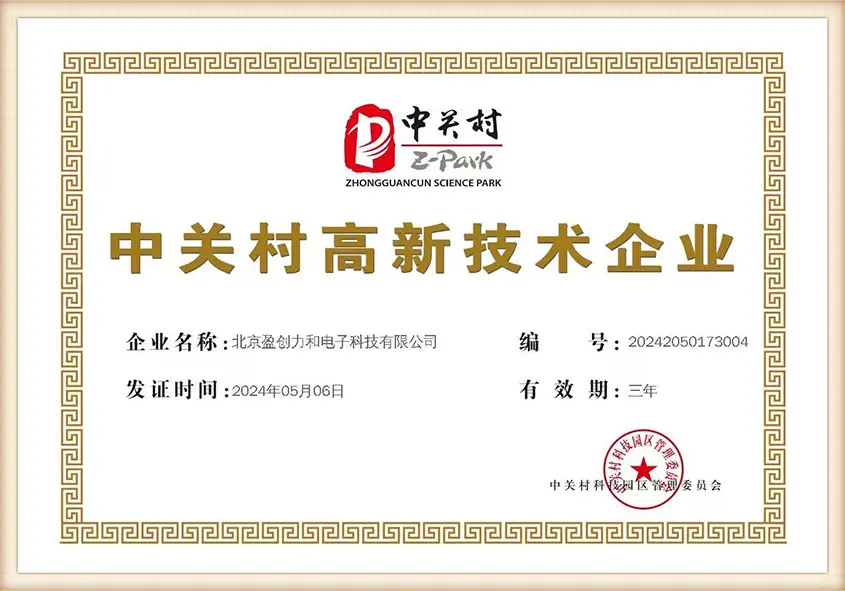
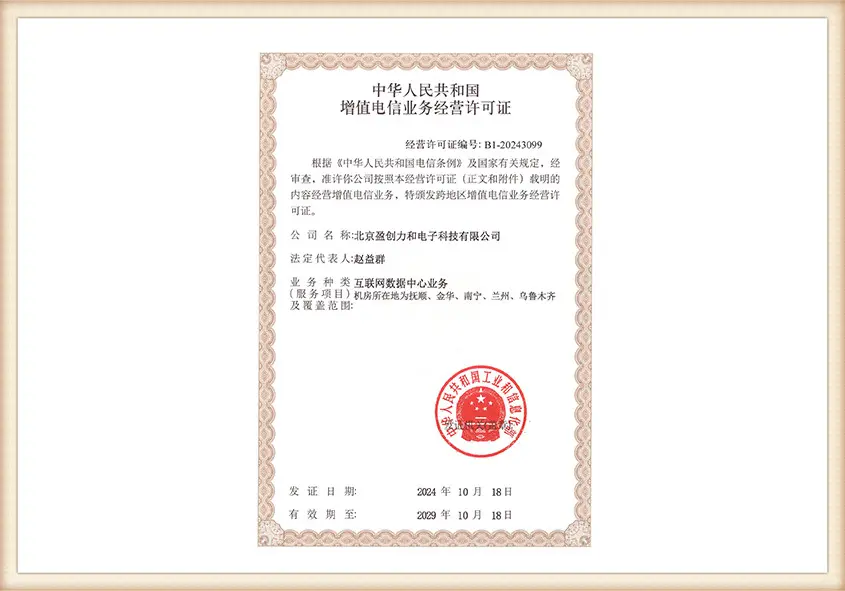
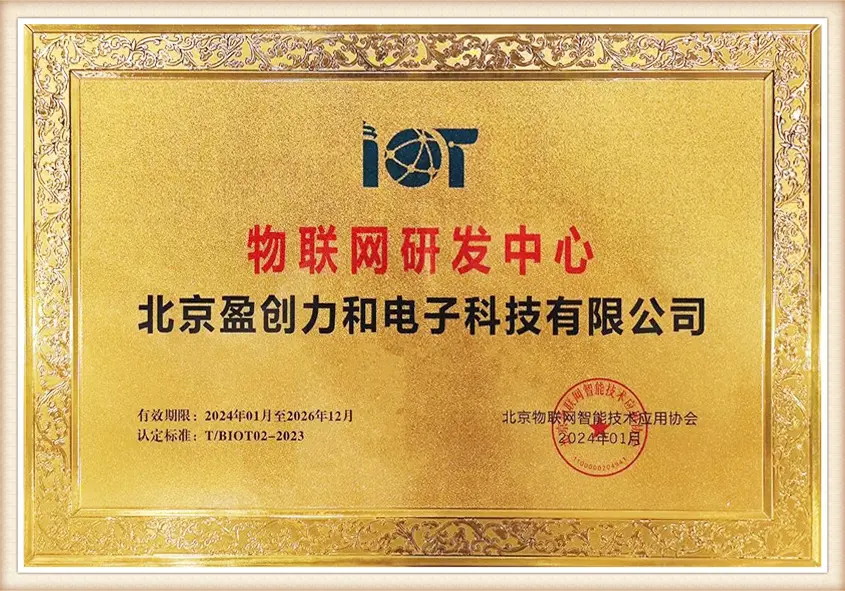

Multi-sensor platforms providing robust system integrations for facilities safety, HVAC optimization, and industrial air parameter tracking.
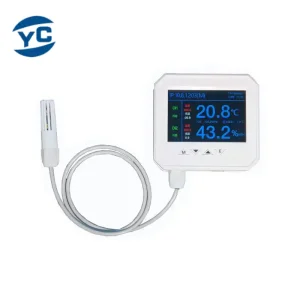
Model: APEM-5930E
Extension Probe: Optional External Cable Sensors
Isolated design ideal for duct tracking and tight cabinet enclosures.
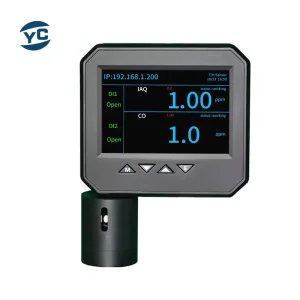
Model: APEM-5930G-IAQ-CO
Tracking: Carbon Monoxide & Ambient Air Quality
Integrated data logger with local warning relay configurations.
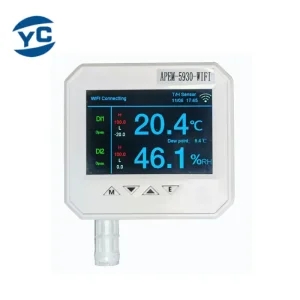
Model: APEM-5930W
Communication: Dual-Mode WiFi & Wired Ethernet
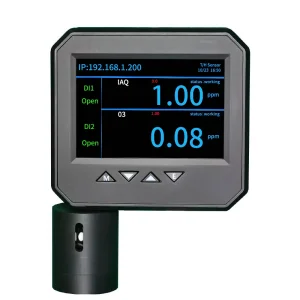
Model: APEM-5930G-IAQ-O₃
Highly sensitive ozone electrochemical measuring elements.
Network: Integrated Redundant Failover Routing
Maintains solid telemetry connections in environments prone to path loss.
Adaptability: Flexible OEM firmware options
Direct integration into high-performance industrial BMS systems.
Sensors: Advanced O3 and electrochemical gas cells
Reliable baseline stability for public space air validation.
Probes: High stability 1-3m cabling elements
Easy calibration routing and high industrial endurance.
Crucial integration details and hardware guidelines from our environmental engineering team
Under open sky conditions with ideal line-of-sight, our LoRaWAN devices can transmit signals up to 15 kilometers. In dense urban structures or indoor manufacturing settings with thick concrete and metallic partitions, typical indoor penetration spans between 1.5 to 3 kilometers depending on spreading factors and gateway positioning.
Our company uses imported sensor chips (like Swiss Sensirion elements). These components feature integrated temperature and relative humidity tracking cells, offering auto-calibration and high immunity to common pollutants, which minimizes baseline drift over long operational cycles.
Yes. APEM model systems feature redundant power configurations, supporting standard PoE (IEEE 802.3af) alongside auxiliary DC input terminals (9V to 48V). If one power source drops, the device switches power lines seamlessly to prevent telemetry interruptions.
Yes. Our sensors support the standard LoRaWAN specification, allowing them to connect with private network configurations (including ChirpStack, The Things Network, and Actility) by setting customized AppEUI, DevEUI, and AppKey configurations.
With five automated production lines, our typical delivery cycle for standard configurations spans 2 to 3 weeks. For heavily customized OEM modifications (including custom firmware or hardware alterations), timelines range from 4 to 6 weeks, with an engineering team responding to technical queries within 8 hours.
 YCLH Sensor