Premium OEM monitoring nodes leveraging high-precision imported chips and dynamic, energy-saving RS485 communication protocols.
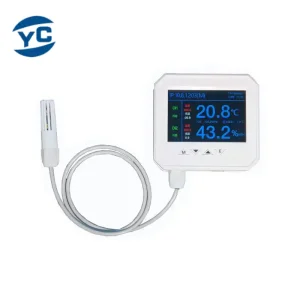
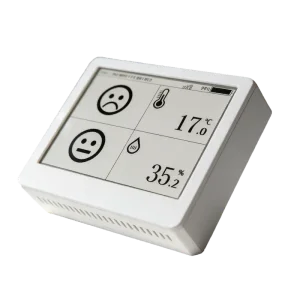
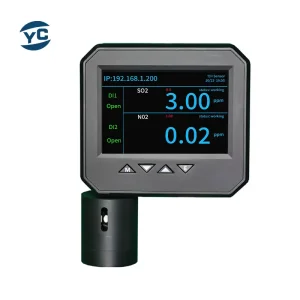
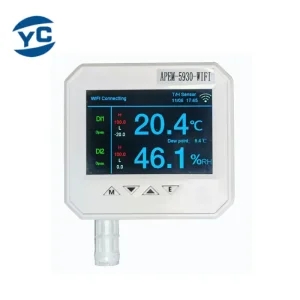
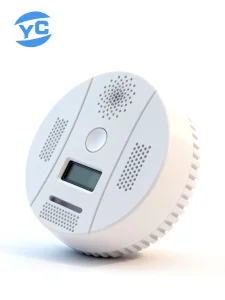
In the modern Industrial Internet of Things (IIoT), legacy RS485 communication structures are undergoing a massive technological disruption. Traditionally, RS485 transceivers require significant electrical power due to the continuous termination line loads (typically 120-ohm resistors) and high standby bias currents. However, as global applications shift towards autonomous telemetry, remote pipeline monitoring, and off-grid solar-powered installations, the industry demand has strictly focused on **OEM low power consumption RS485 sensors**.
At Yingchuanglihe, we address this critical trade-off through custom electrical design improvements. Our low-power RS485 sensor architecture integrates a highly efficient microcontroller unit (MCU) that operates in deep-sleep mode, drawing less than 5µA of quiescent current. The RS485 driver physical layer (PHY) is dynamically isolated and powered down between data transmission packets. When the master device initiates a Modbus-RTU query, our high-speed hardware wake-up circuit enables the transceiver in micro-seconds, executes the measurement, and immediately drops back to micro-ampere sleep levels.
Traditional sensors maintain the communication board energized continuously. Our dynamic scheduling cuts power usage by up to 92% depending on measurement and query cycles.
Our sensor modules leverage high-performance sensing arrays imported from Switzerland and Germany, providing rapid response times without burning unnecessary current.
Verified lab test parameters of Yingchuanglihe low-power RS485 sensing nodes compared to industry standard units:
Analyzing key global commercial challenges, industrial telemetry requirements, and why top enterprise system integrators rely on robust Chinese manufacturing partnerships.
Modern system integrators across Europe and North America manage massive, sprawling networks of sub-stations, water utility pipelines, and remote agricultural developments. Pulling high-voltage grid lines to these nodes is financially unfeasible. Thus, utilizing ultra-low power consumption sensors running on battery, energy-harvesting, or solar panels has transitioned from a localized preference to a critical global standard.
Leveraging our advanced 1,500m² facility in Beijing, Yingchuanglihe integrates advanced engineering practices. Through strategic supply chain integration, we insulate our global OEM partners from raw component bottlenecks. From localized calibration chambers to rigorous automated printed circuit board (PCB) assembly lines, our manufacturing systems guarantee high repeatability and cost-effective output.
Industrial sensing units must withstand electrical surges, severe environmental temperature fluctuations, and electromagnetic interference. Our complete product lines are backed by CE, FCC, and RoHS certifications, offering unmatched reliability and allowing trouble-free implementation in high-risk zones, military bases, medical labs, and complex smart infrastructure layouts.
Established in 2007, delivering robust environmental and trace-gas monitoring technologies to elite data centers, high-speed rail lines, and intelligent industrial installations.
How our low-power RS485 and multi-parameter Ethernet sensors solve actual deployment challenges across sensitive industrial environments.
Isolated telecom masts require robust sensor nodes capable of running indefinitely off solar cells. Our ultra-low standby current and hardened surge protection secure uninterrupted Modbus feedback loops under intense heat and electrical noise.
Massive computing clusters require micro-climate analytics at the rack level. High-density Ethernet or daisy-chained RS485 temperature, humidity, and dew point sensors monitor micro-thermal environments without draining server sub-system resources.
Pharmaceutical processing plants require zero air-flow disturbance and absolute biological safety. High-precision Swiss sensors detect tiny atmospheric changes, tracing humidity and atmospheric pressure to maintain sterile pressure differentials.
Underground infrastructure is inherently humid and lacks stable electrical feeds. Our ingress-protected enclosures prevent moisture entry, utilizing optimized battery operations and RS485 protocols to deliver years of structural stability.
Military command vaults and defense storage houses rely on deep isolation from commercial webs. Our secure RS485 wire-based sensors communicate physical-layer telemetry with absolute local-loop security and robust EMC noise isolation.
Searing high heat, ambient chemical vapors, and heavy mechanical vibration make sensor longevity difficult. We apply high-grade conformal coatings on our PCBA to defend critical microchips against particulate and corrosive contamination.
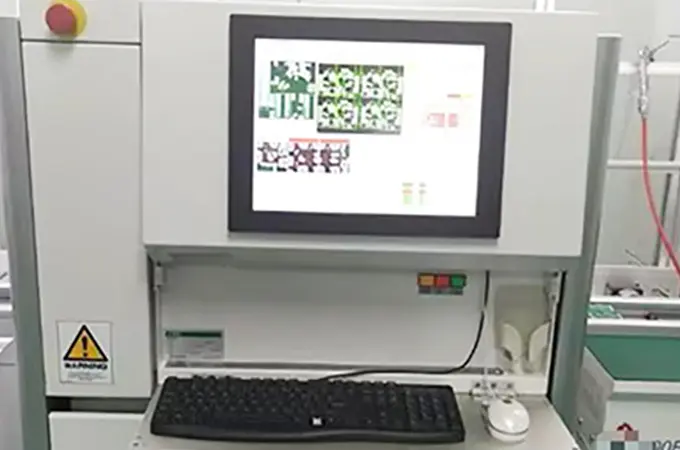
Operating from our centralized Beijing facility, Yingchuanglihe coordinates five independent automated assembly lines designed to handle the complex, multi-stage production of sensitive environmental sensors. To ensure compliance with strict international quality regulations (ISO 9001, CE, FCC), every single printed circuit assembly (PCBA) passes automated optical inspection (AOI) and detailed manual performance testing.
Unlike standard consumer sensors, industrial-grade RS485 and Ethernet instruments must operate drift-free for decades. To ensure high precision, our sensors are placed in specialized temperature-controlled calibration chambers. Over an extended test period, the sensors are cross-referenced with internationally certified calibration references. Only sensors that demonstrate zero deviation under diverse conditions are approved for shipment to our global OEM partners.
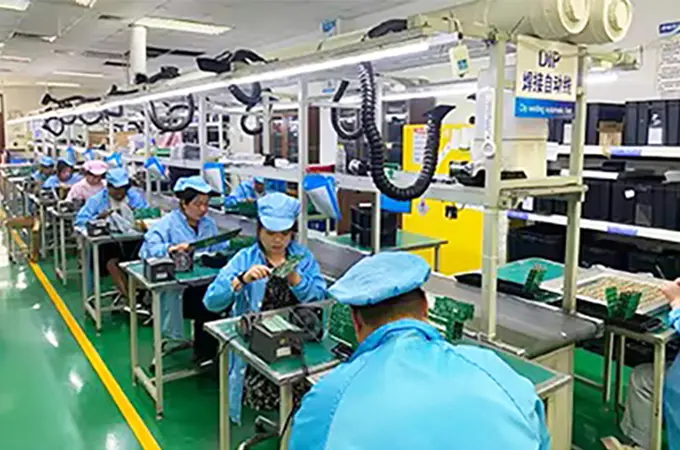
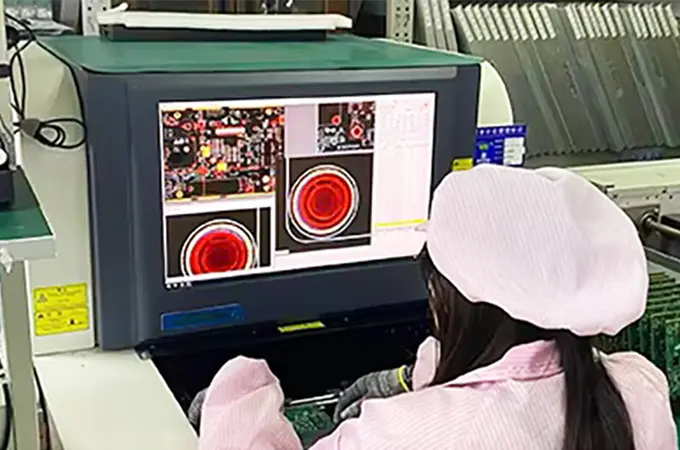
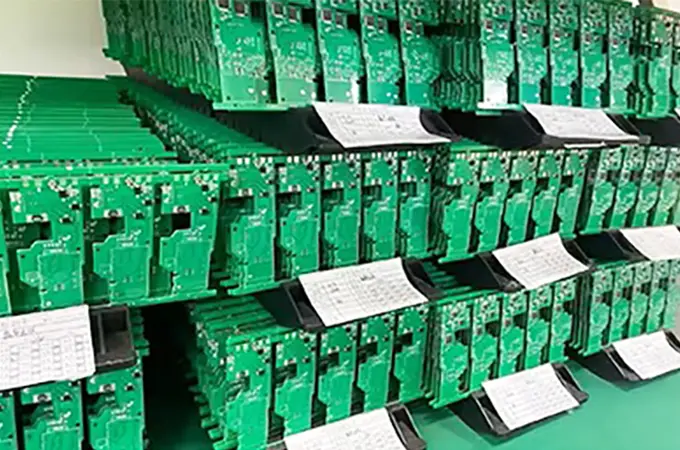
How we engineer proprietary configurations tailored exactly to your local market needs:
In-depth, technically sound answers to complex engineering, networking, and system-level sensing inquiries.
Explore our complete range of certified environmental logging platforms, trace-gas analyzers, and smart gateways.
 YCLH Sensor