Explore our flagship high-reliability LoRaWAN and Ethernet sensor assemblies built for critical telemetry, smart storage, and facility controls.
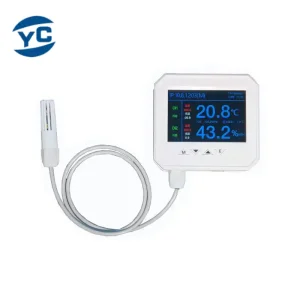
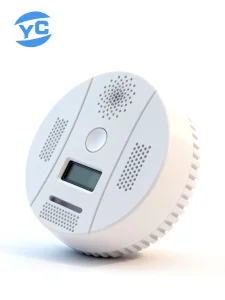
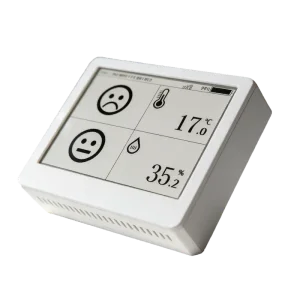
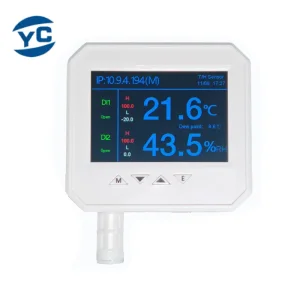
A white paper overview on long-range RF metrics, calibration integrity, and why customized LoRaWAN nodes surpass traditional wireline setups in hostile electromagnetic environments.
Modern smart structures, industrial operations, and cleanroom environments necessitate real-time, non-disruptive monitoring of ambient metrics. As organizations transition toward dense cyber-physical ecosystems, wireline configurations become economically prohibitive and physically restrictive. Herein lies the value of Low-Range Wide Area Network (LoRaWAN) technology. Utilizing spread-spectrum modulation derived from Chirp Spread Spectrum (CSS) technology, our custom LoRaWAN sensor arrays (such as the APEM-5736 and APEM-5616 Pro) optimize link budget parameters, ensuring transmission distances exceeding 15 km in Line-of-Sight (LoS) environments, and up to 3 km in highly dense structural zones.
By bypassing standard wired architectures, our custom deployments mitigate ground-loop risks, eliminate electrical drift across long cable runs, and drastically lower capital expenditure. Whether deployed in autonomous vehicle processing zones, deep smart wells, or pharmaceutical storage environments, our devices utilize premium imported chipsets from Switzerland and Germany to guarantee drift-free calibration profiles over extended life cycles.
Deploying multi-parameter telemetry across complex sectors, from autonomous roadway boxes to water supply pipeline networks.
Providing micro-climate mapping across data server racks. Our legacy deployment at Baidu's Yangquan Data Center monitors rack intake air velocity, absolute humidity, and dew point variables to prevent electrostatic accumulation or condensing humidity, thereby maximizing energy metrics under PUE targets.
In collaboration with Beijing Enterprises Water Group, we deploy hermetically sealed sensors within smart well systems, tracking relative humidity, water leakage, and potential gas accumulations (H2S, CO) to secure maintenance technicians and ensure pipeline system integrity.
Edge computing boxes deployed along autonomous driving test routes operate under harsh, fluctuating environments. Our ruggedized sensors are embedded within these roadside enclosures to trace thermal profiles, preventing component failures in critical real-time communication modules.
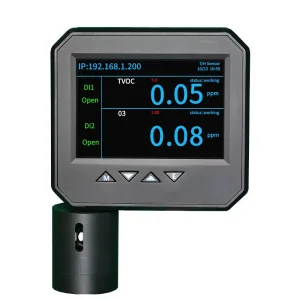
Delivering hyper-precise measurement with Swiss Sensirion micro-chips. Museums, cleanrooms, and medical storage sectors utilize our multi-parameter assemblies to log humidity and chemical pollutants (TVOC, Formaldehyde, O3) and secure strict regulatory compliance.
Combining proprietary designs, advanced calibration, and high-volume capability to serve system integrators worldwide.
Operating a state-of-the-art 1,500 square meter ISO-compliant production floor in Beijing, Yingchuanglihe integrates design, SMT, wave soldering, sensor calibration, environmental chamber aging tests, and multi-step QC checking protocols. Our technical infrastructure supports complete customization: from bespoke casing geometries (IP65, IP67, IP68 rated), custom communication protocols (Modbus, LoRaWAN, SNMP, MQTT, PoE), to integrated multi-sensor modules tracking TVOC, Formaldehyde, SO2, CO, and atmospheric pressure.
Our commitment to reliability is demonstrated through direct calibration processes traceable to national measurement standards. We deploy automated test equipment (ATE) systems on our five production lines, maintaining rapid deployment turnarounds while retaining individual device verification files for CE, FCC, and RoHS audits. Standard technical inquiries are parsed and responded to by certified engineers within an 8-hour window.
From our founding in 2007 to high-precision Beidou positioning integrations in 2024, exploration of our major milestones.
Beijing Yingchuanglihe was founded, pioneering intelligent environmental monitoring terminals based on the TCP/IP network protocol alongside our initial environmental monitoring software engine.
Collaborated with Mocha Software, a key local IT management platform developer, launching the TH-5939 series of network-monitoring devices featuring direct SNMP native communication support.
Partnered with Switzerland's COMLAB to design and supply the TH-5869 ruggedized environmental monitoring system, deployed in challenging high-speed rail lines including the Beijing-Kowloon and Wuhan-Guangzhou railway links.
Cooperated with Founder Technology to deploy the APEM-6100 series, pioneering Power over Ethernet (PoE) utility integrations across dense campus local networks.
Collaborated with Taiwan's Foxconn, setting new benchmarks for real-time temperature, humidity, and micro-climate compliance checks inside automated SMT production facilities.
In partnership with Baidu, launched the APEM-5900 series for Yangquan Data Center, optimizing compute infrastructure control using high-granularity thermodynamic monitoring systems.
Horizontal expansion of our central environmental monitoring software, establishing multi-node cloud systems handling thousands of devices in complex industrial installations.
Introduced the integrated outdoor cabinet monitoring system, deployed across complex networks such as Huawei and China Merchants Huaruan ETC expressway initiatives.
Advanced road test equipment design, integrating autonomous vehicle test track communication boxes and high-throughput edge computing gateway nodes.
Participated in national intelligent computing center buildouts, providing core temperature/humidity sensors to optimize computing center energy efficiency.
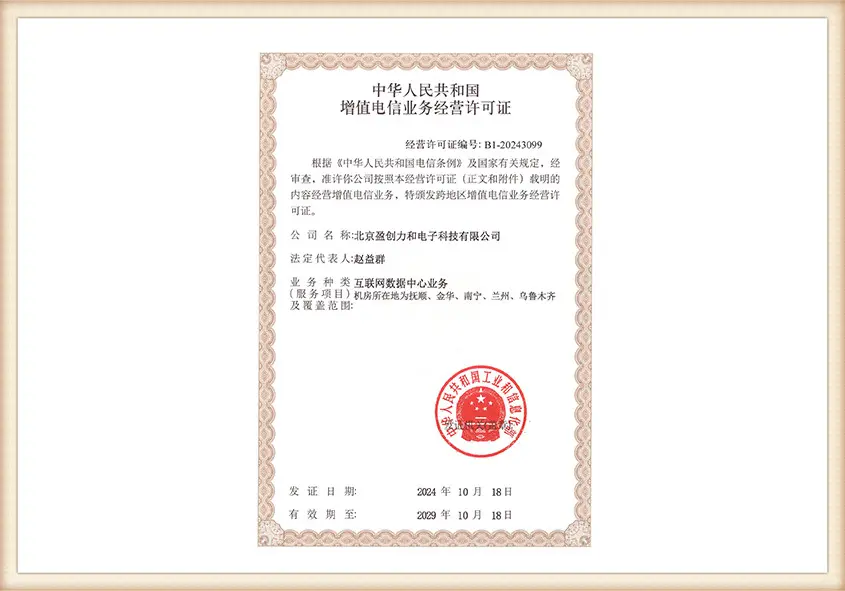
Established the Beijing Enterprises Water Group joint division and co-founded a Beidou business division with BUCEA. Advanced pipeline monitoring and Beidou-integrated high-precision deformation tracking, alongside obtaining our IDC business license.
Driving the transition toward intelligent edge processing, low-power optimization, and localization safety.
As the Internet of Things shifts towards edge processing, our R&D team is embedding micro-Machine Learning (tinyML) algorithms onto our ARM Cortex-M4 microcontroller architectures. This enables our future LoRaWAN nodes to evaluate thermodynamic anomalies at the node level before routing telemetry packages, saving transmission energy and optimizing bandwidth usage.
Moreover, coupling Beidou Satellite high-precision positioning coordinates with pipeline and structural deformation monitoring allows our sensors to track not only ambient temperatures but also physical displacement, providing comprehensive multi-dimensional data for smart city systems and geological hazard detection structures.
Supply chain integrity remains our cornerstone. We maintain long-term partnerships with leading semiconductor and sensor die manufacturers (including Sensirion in Switzerland and Bosch in Germany), shielding our clients from silicon shortage cycles. Our local manufacturing capability in Beijing ensures that standard or modified-off-the-shelf OEM runs bypass long shipping timelines, securing timely delivery even for challenging projects.
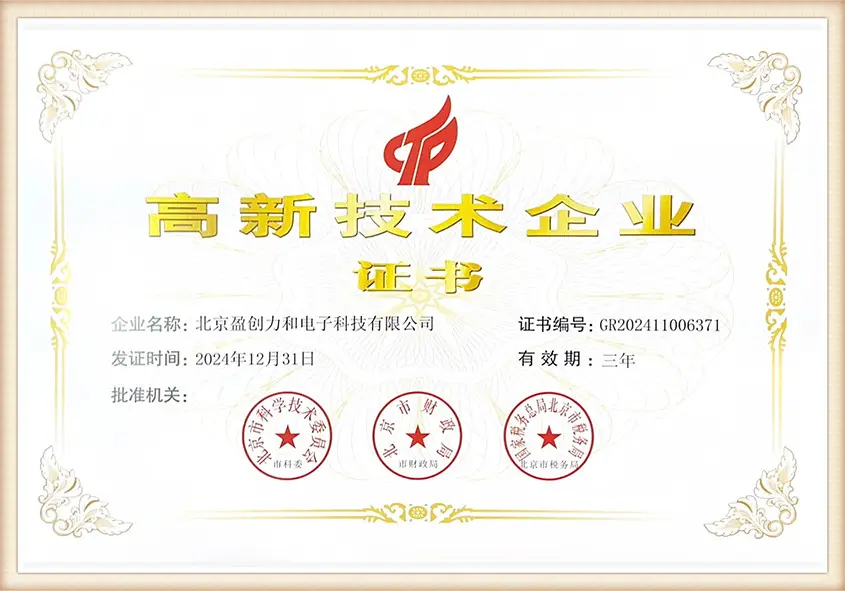
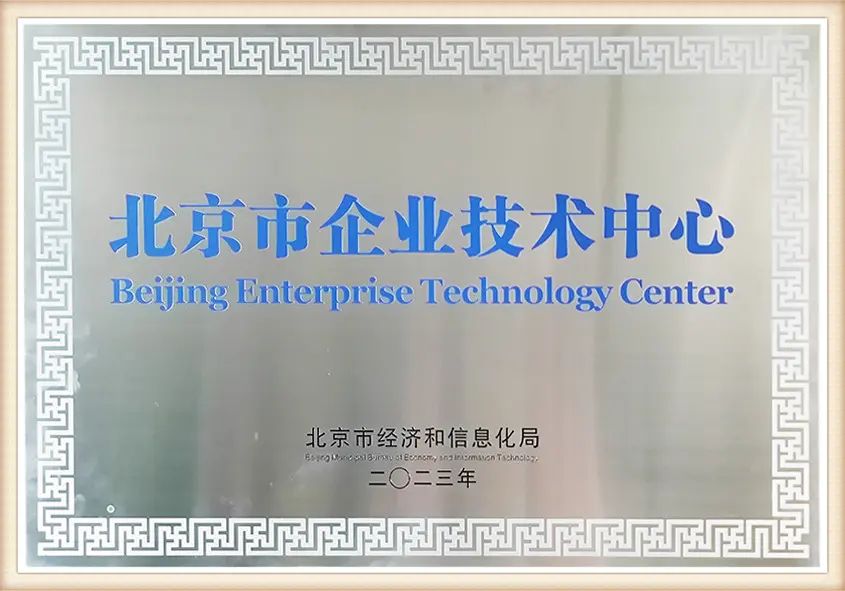
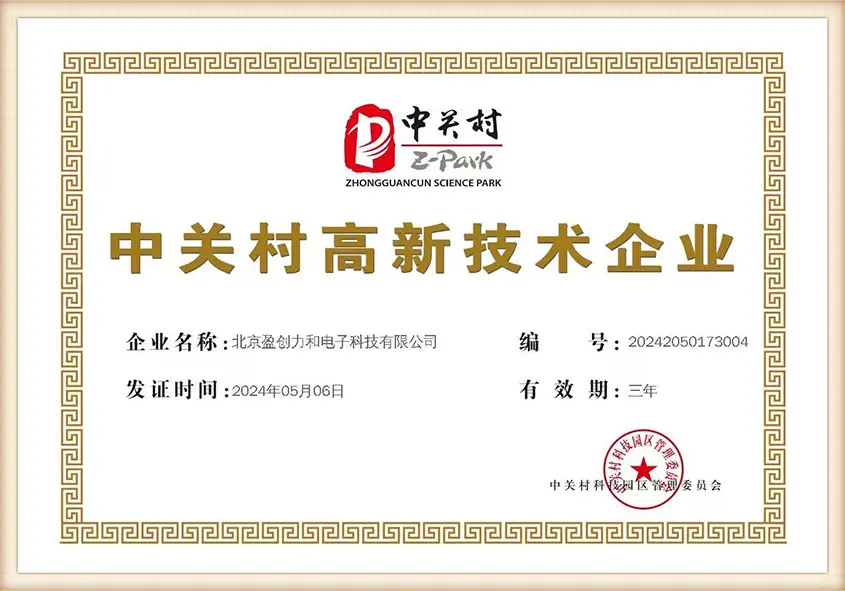
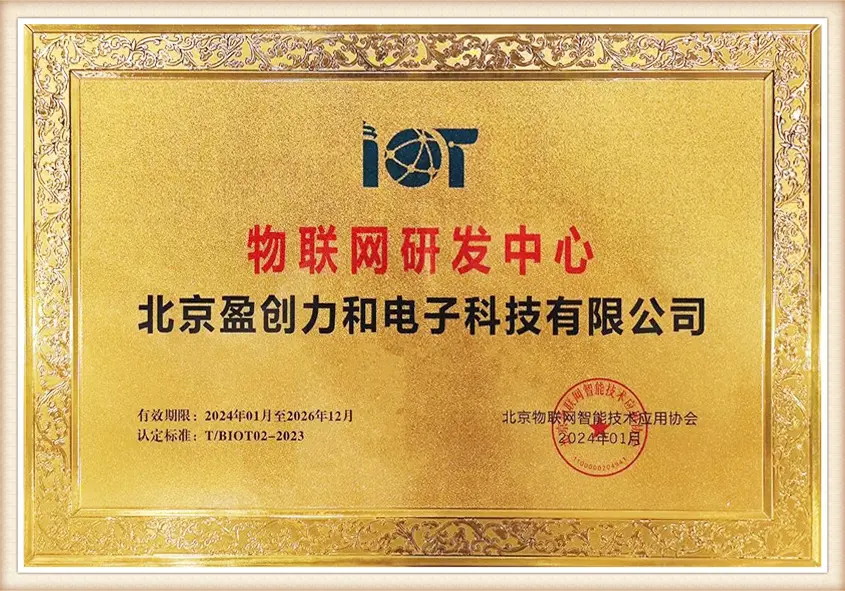
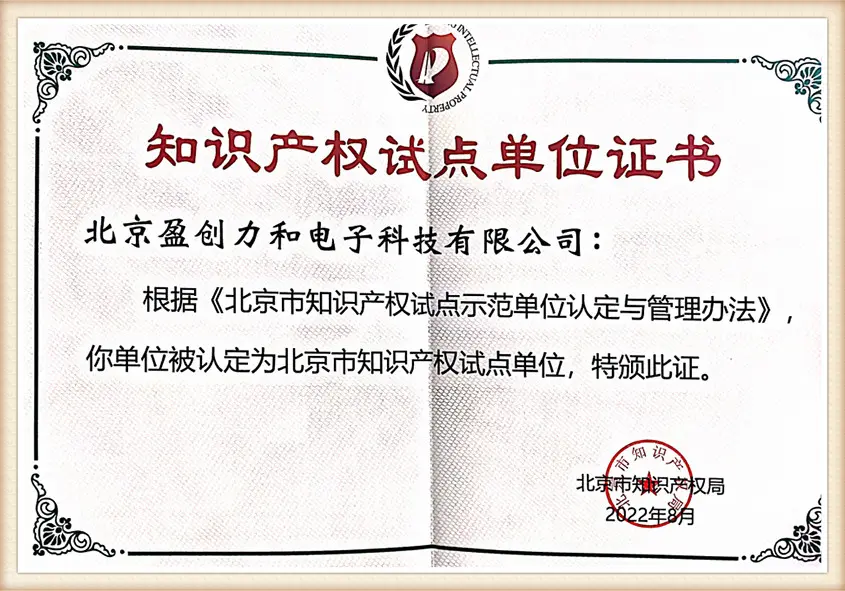
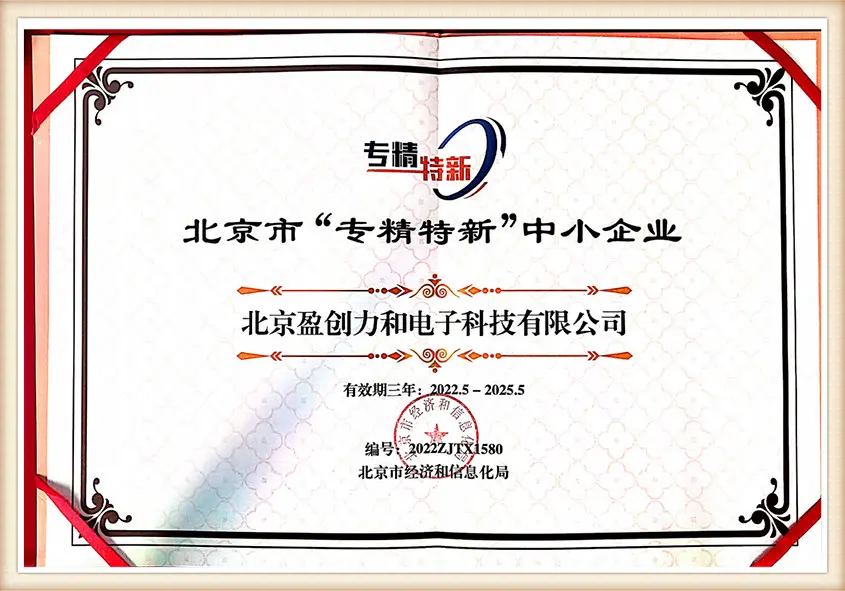
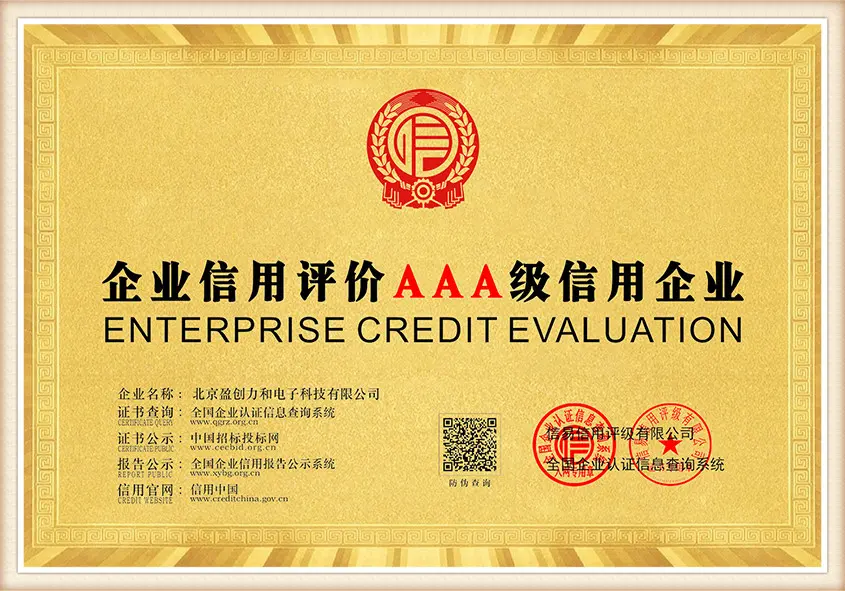
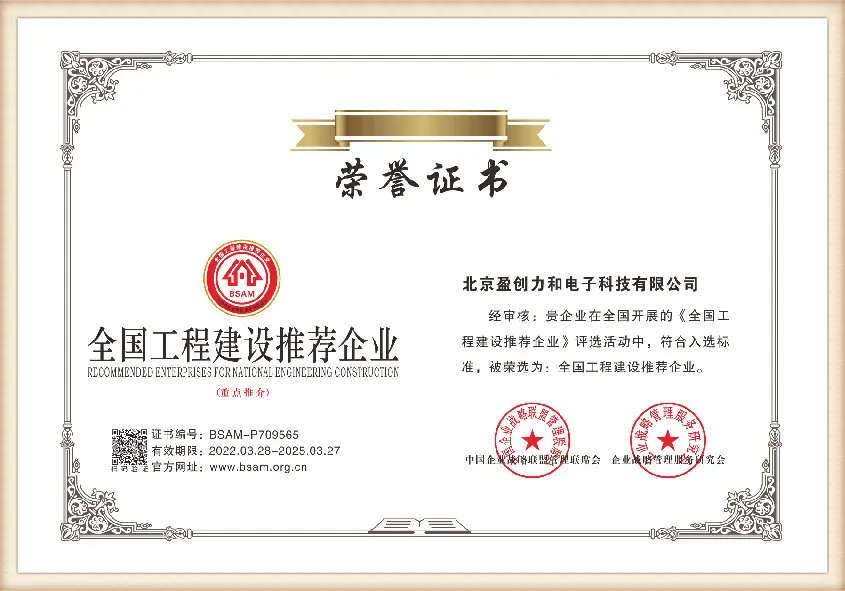
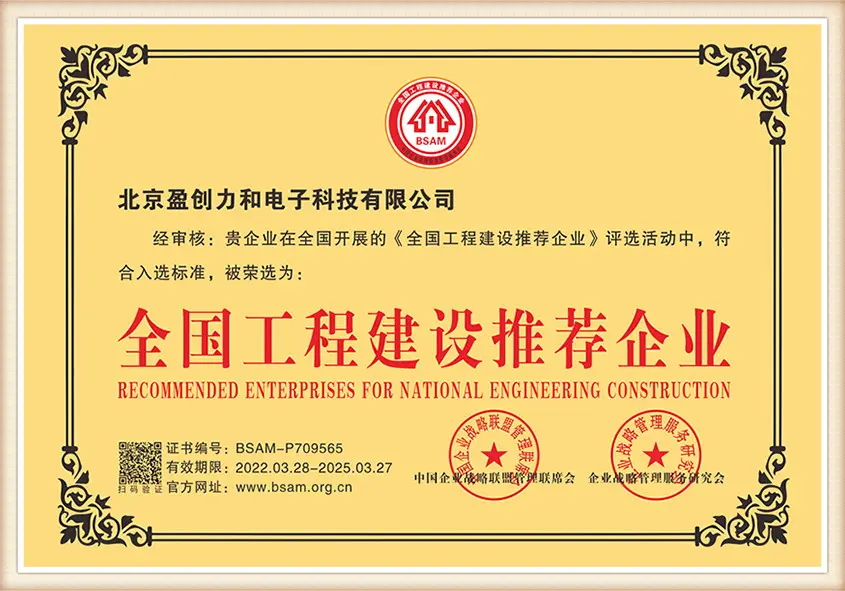
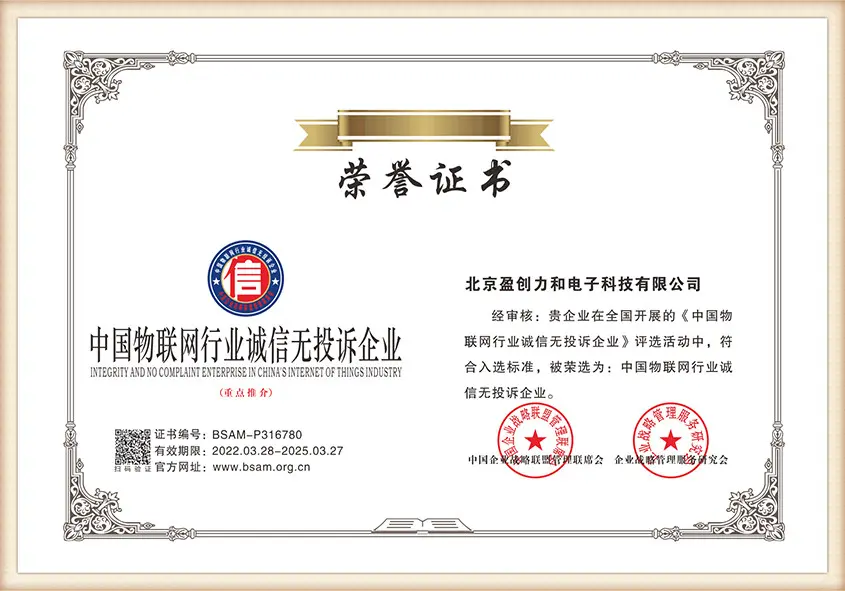
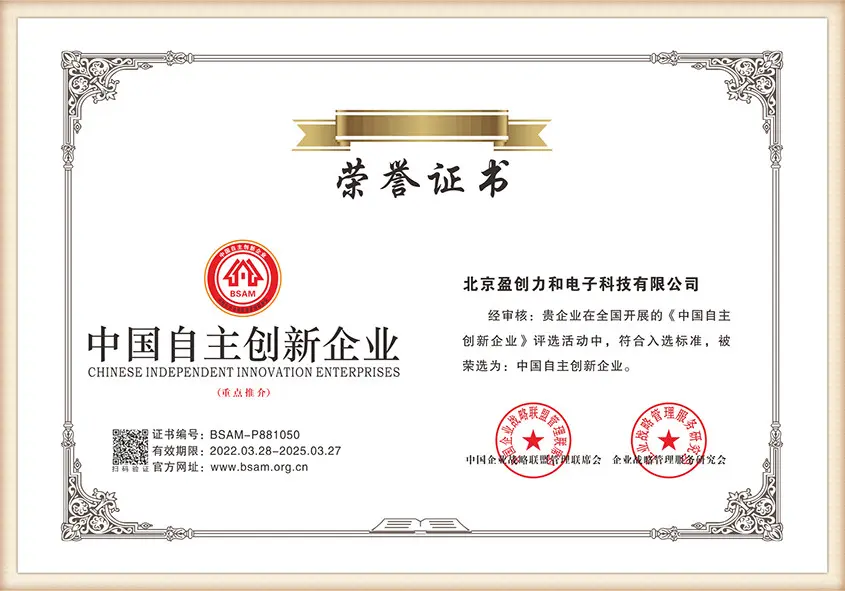
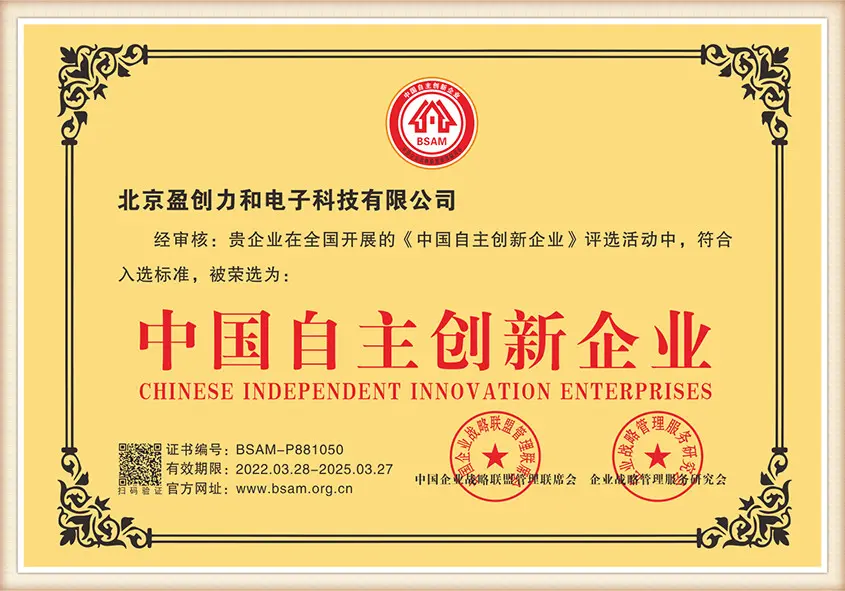
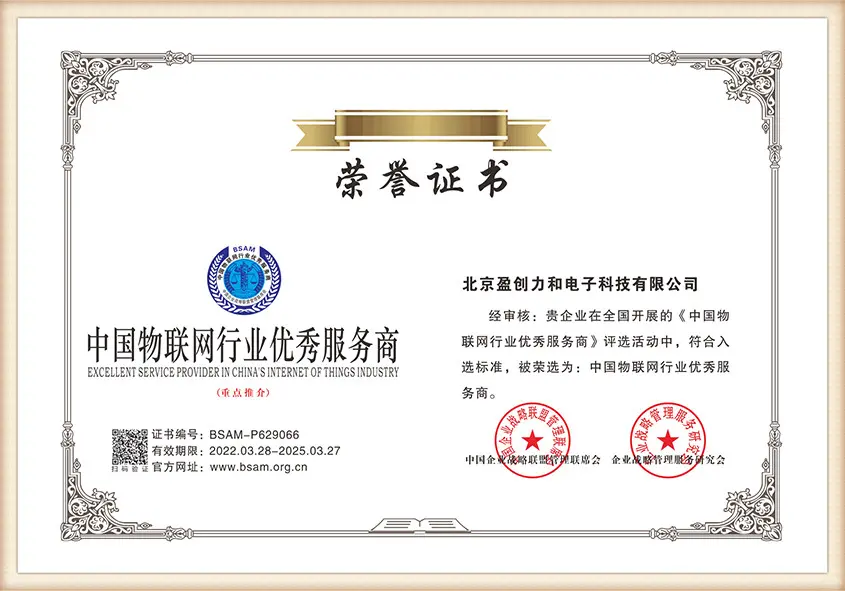
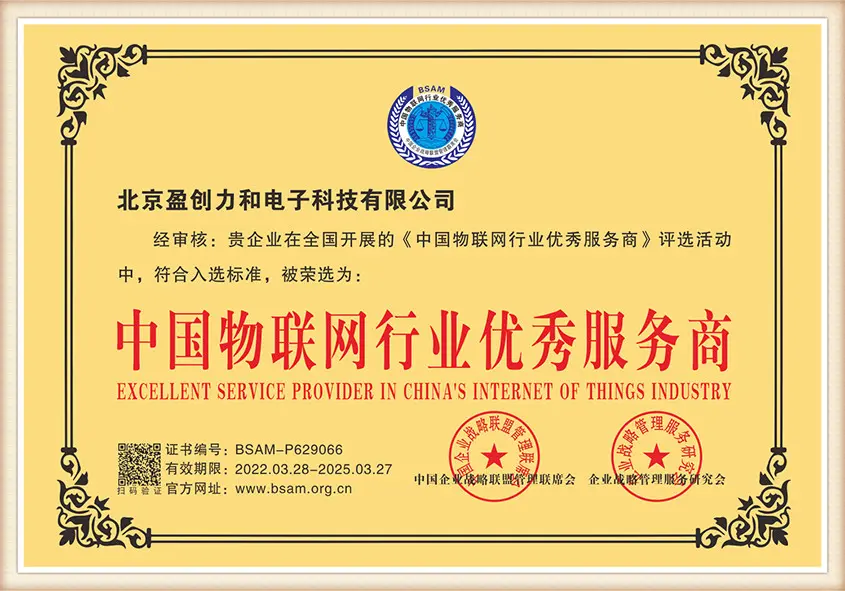
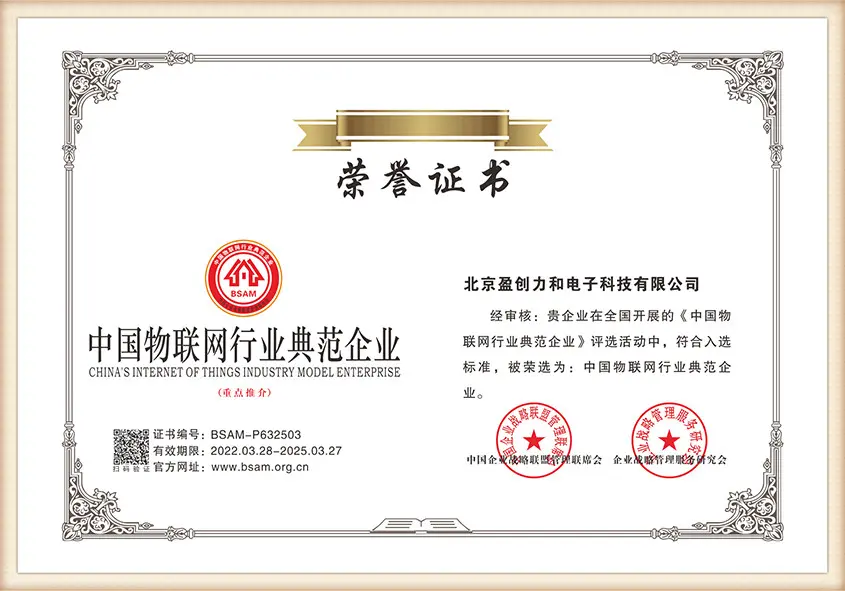
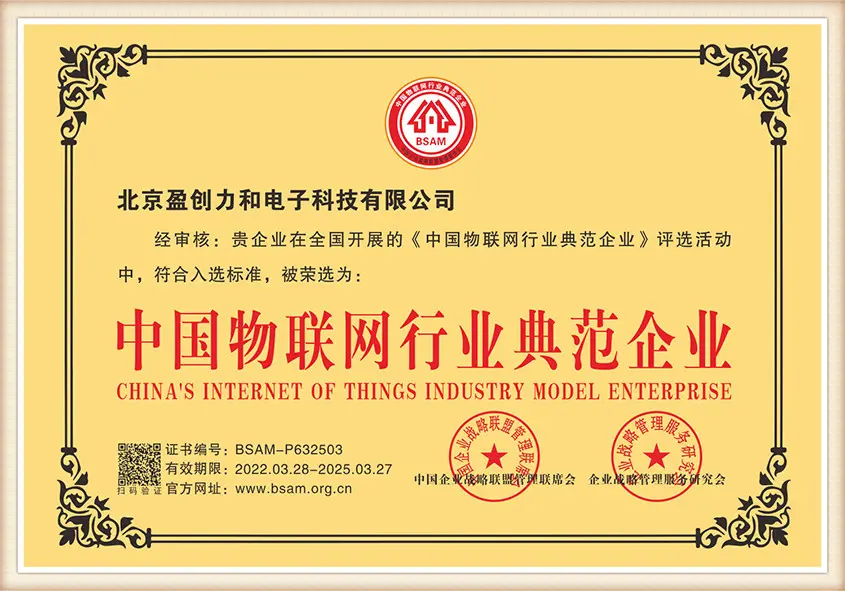
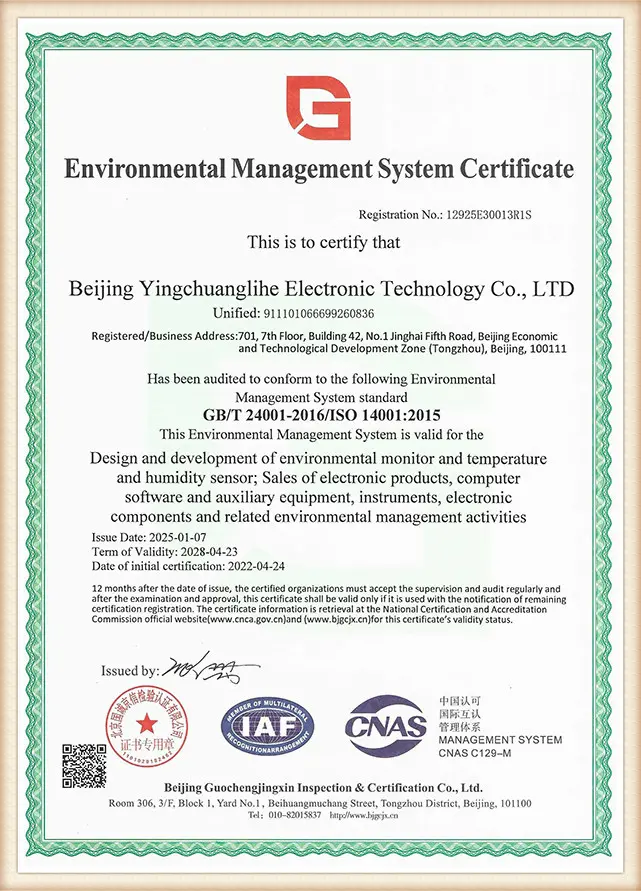
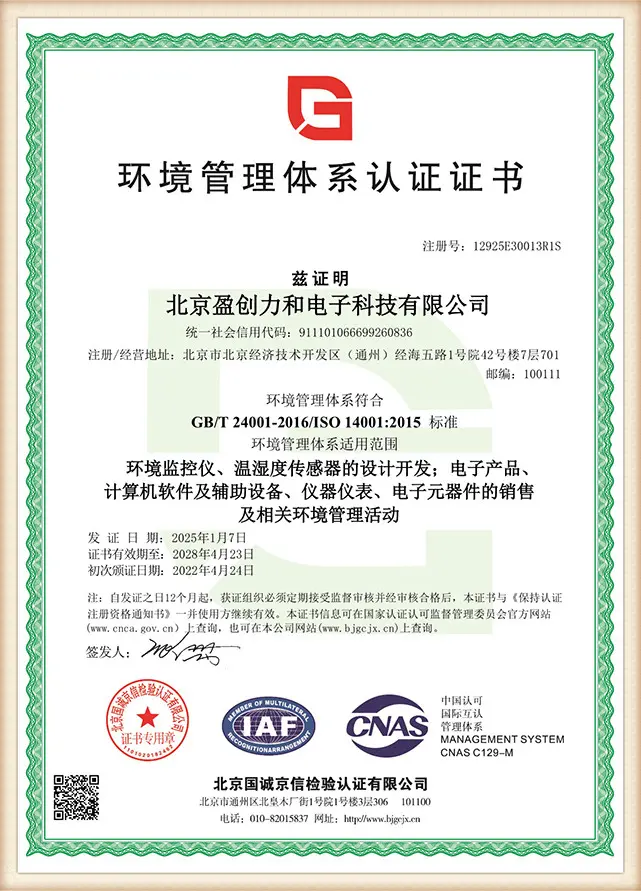
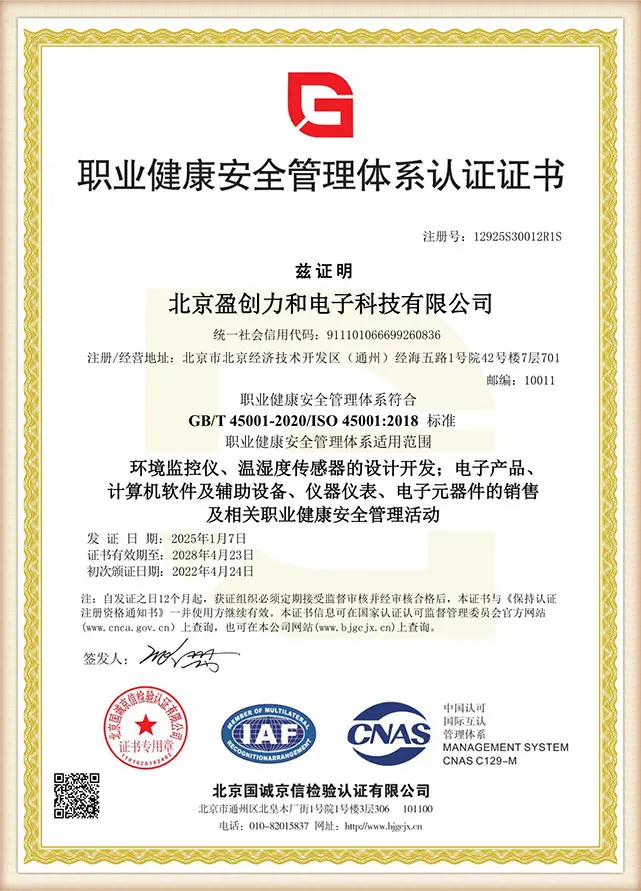
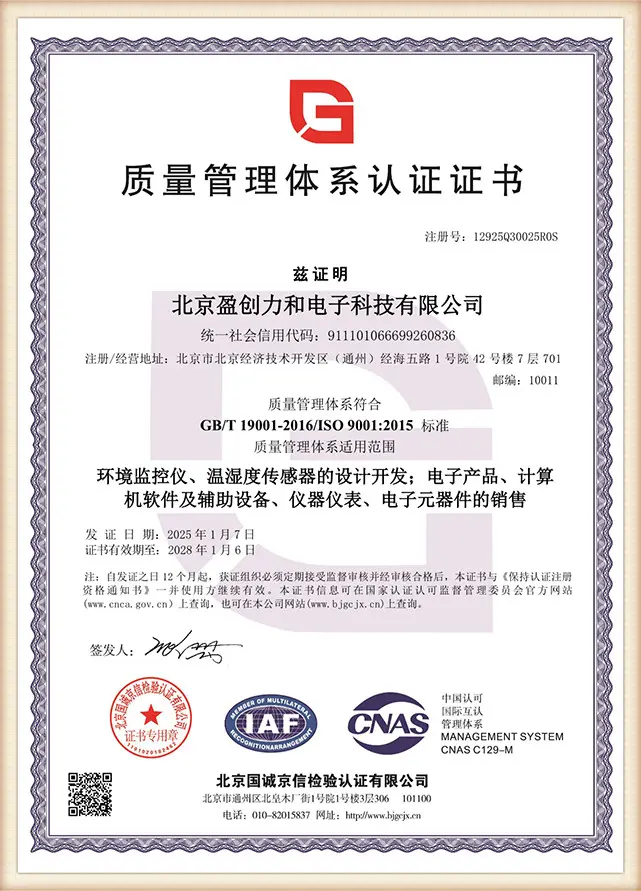
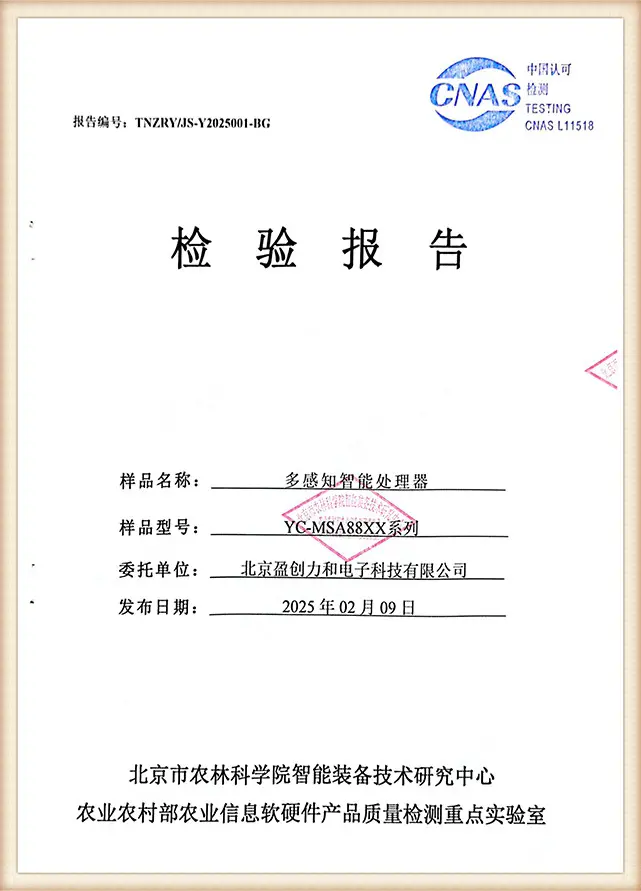
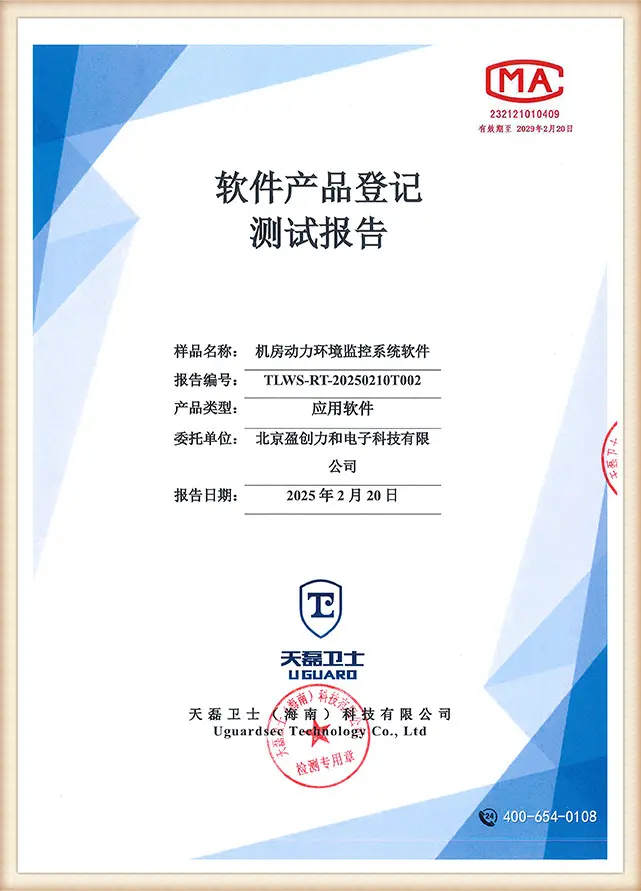
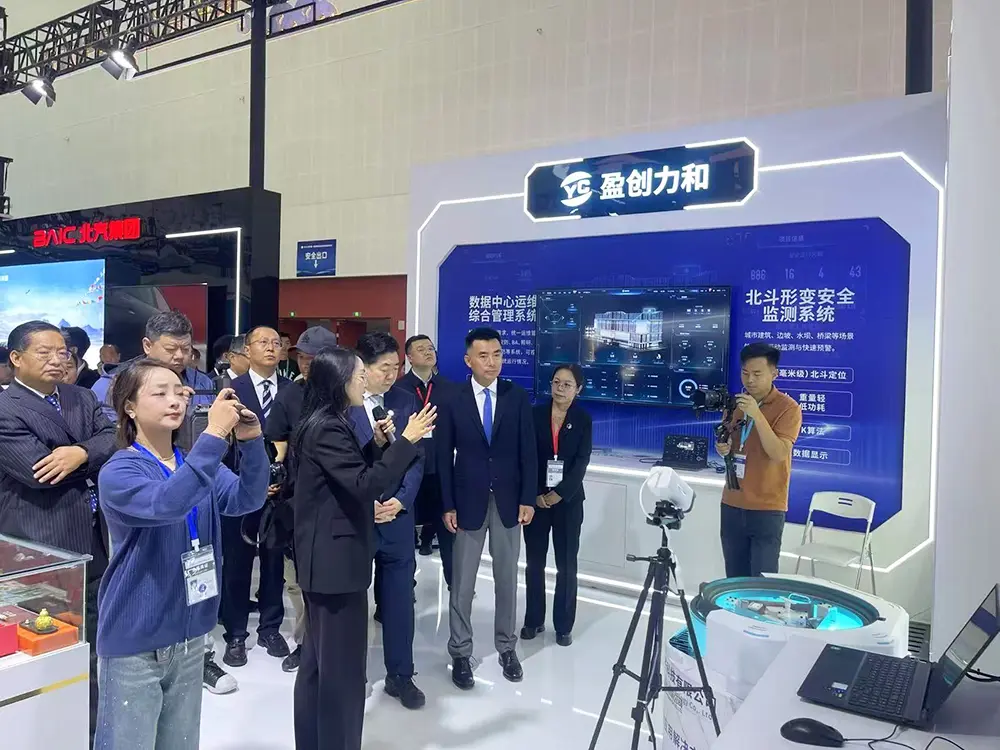
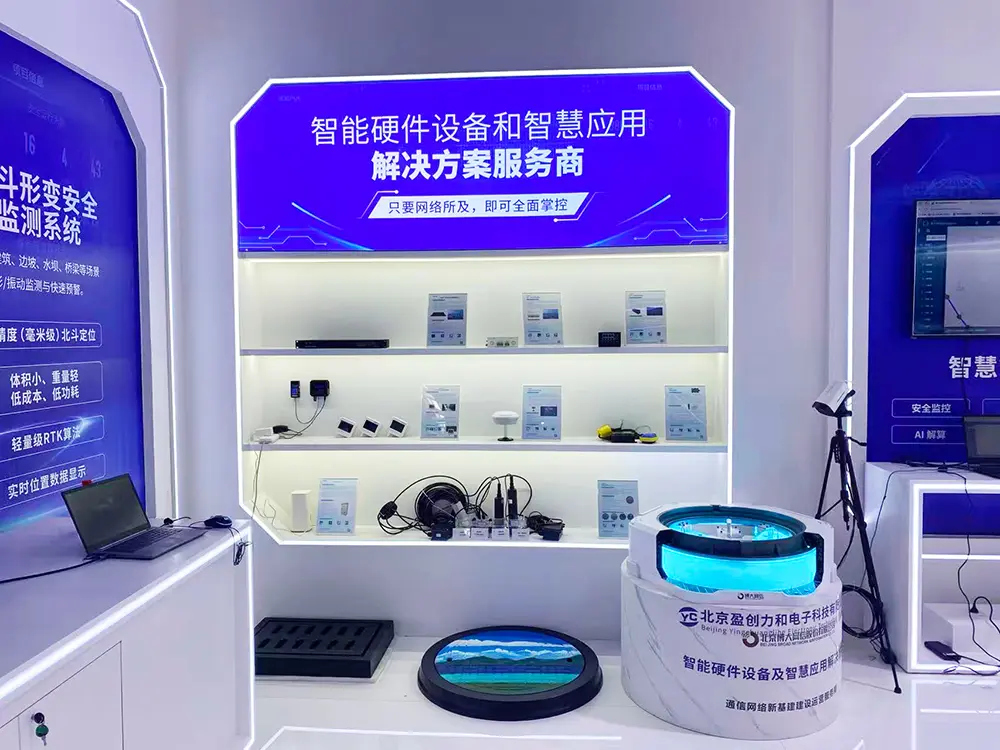
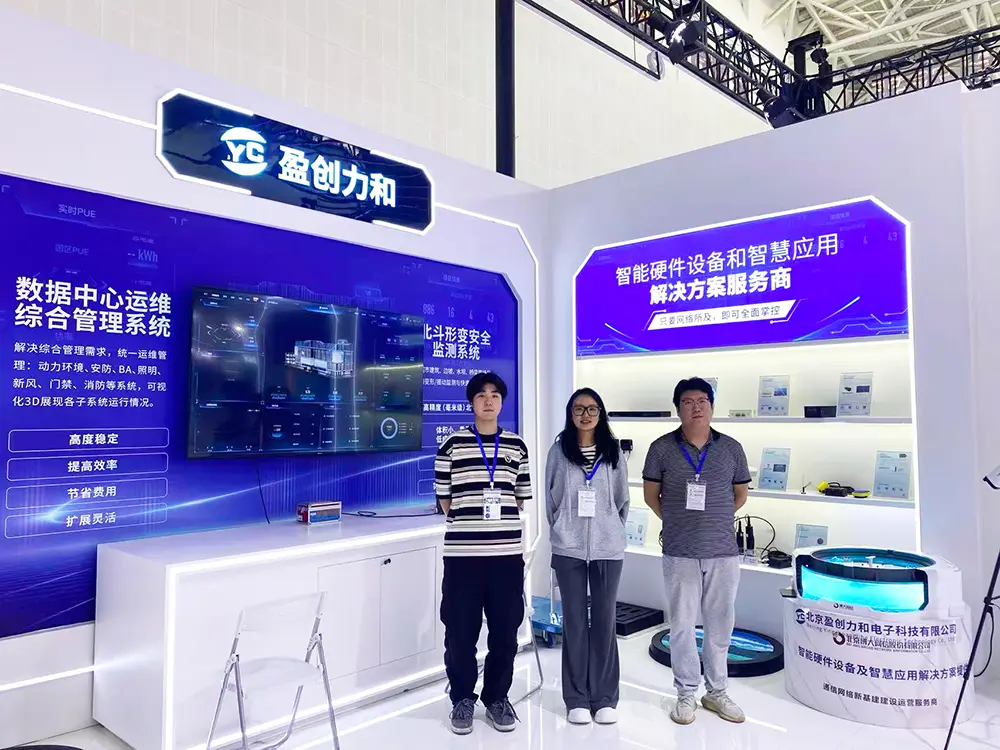
Our global footprint and compliance credentials, reflecting a commitment to international standards.

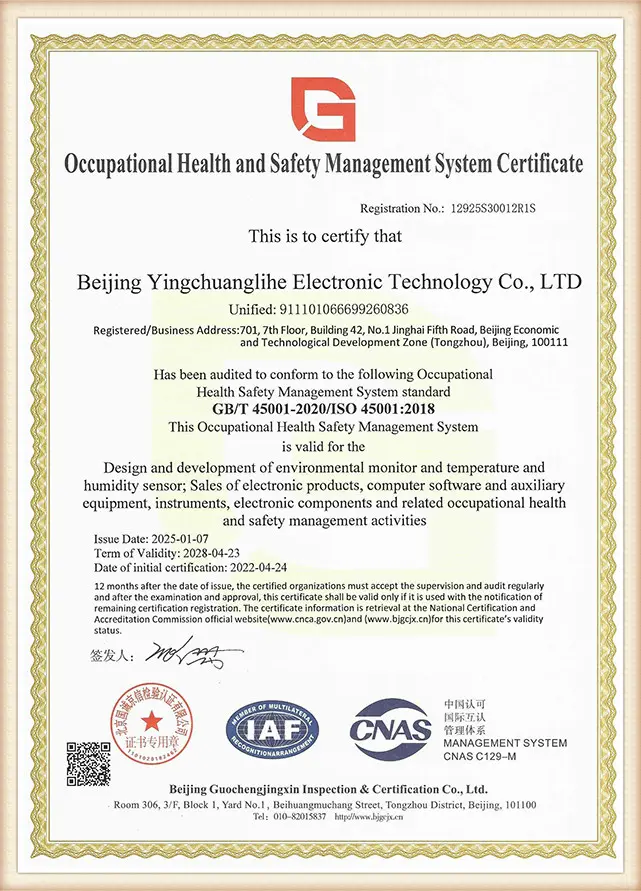
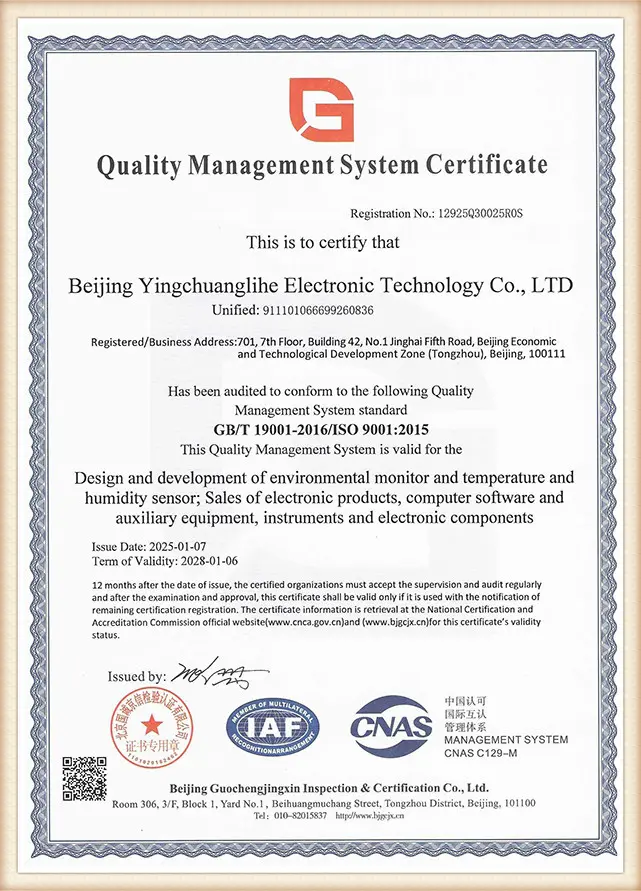
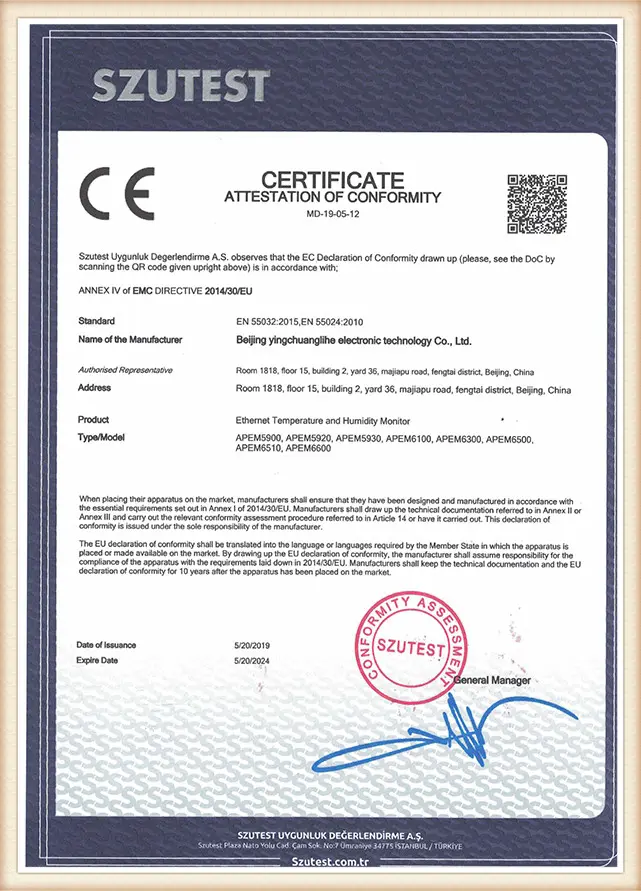
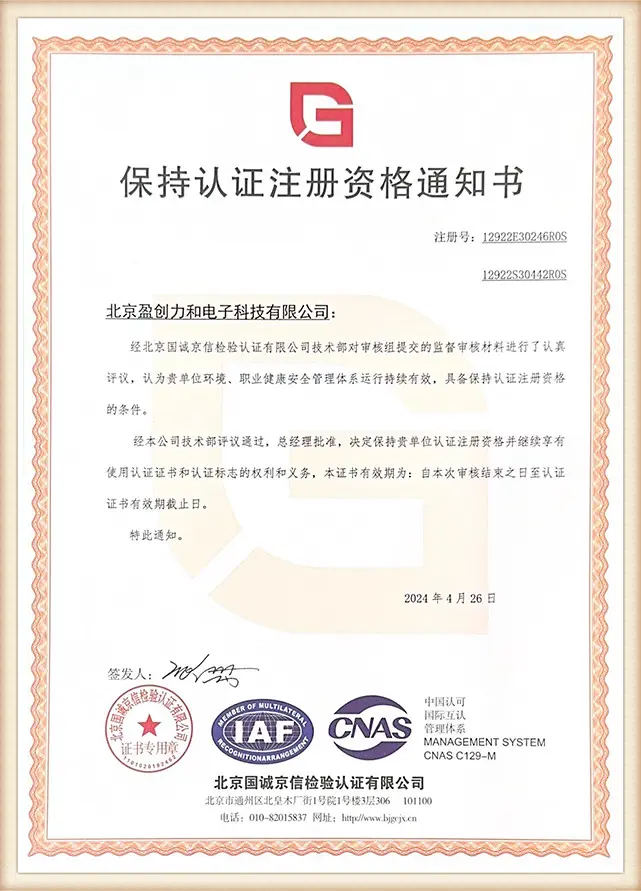
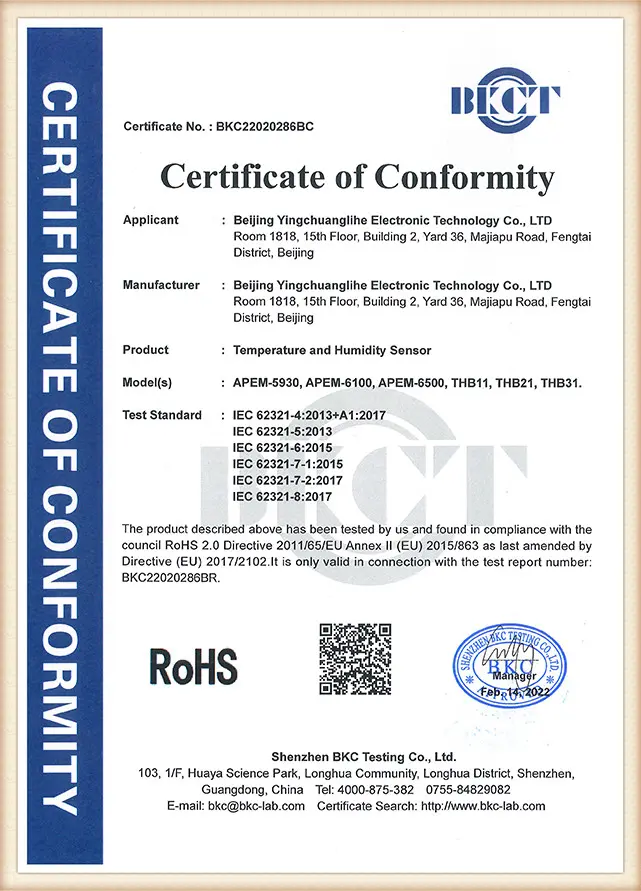
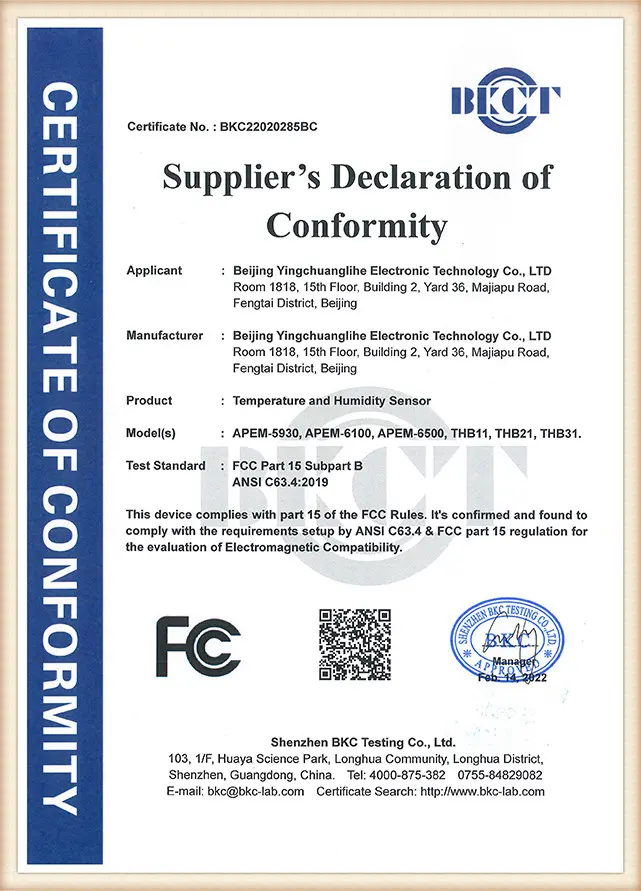
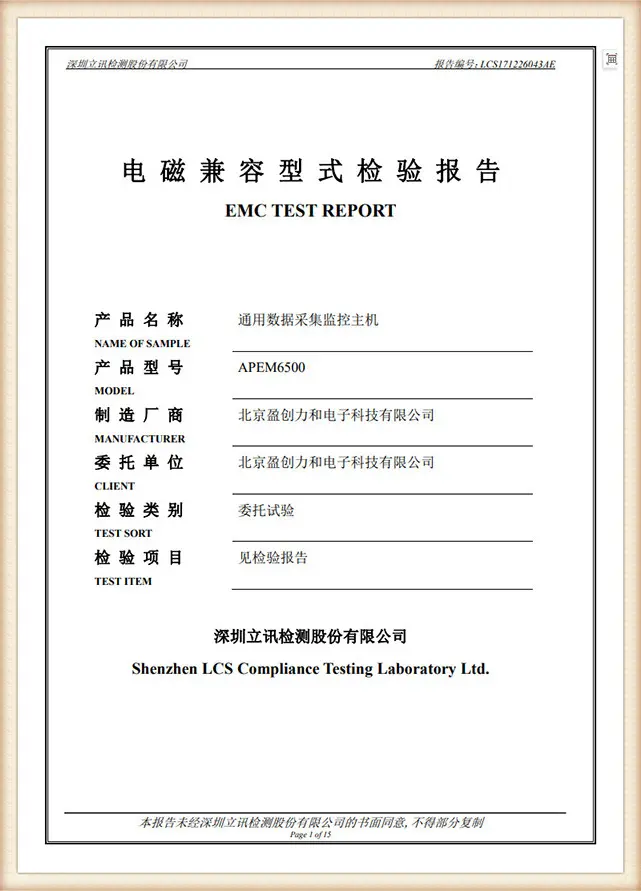
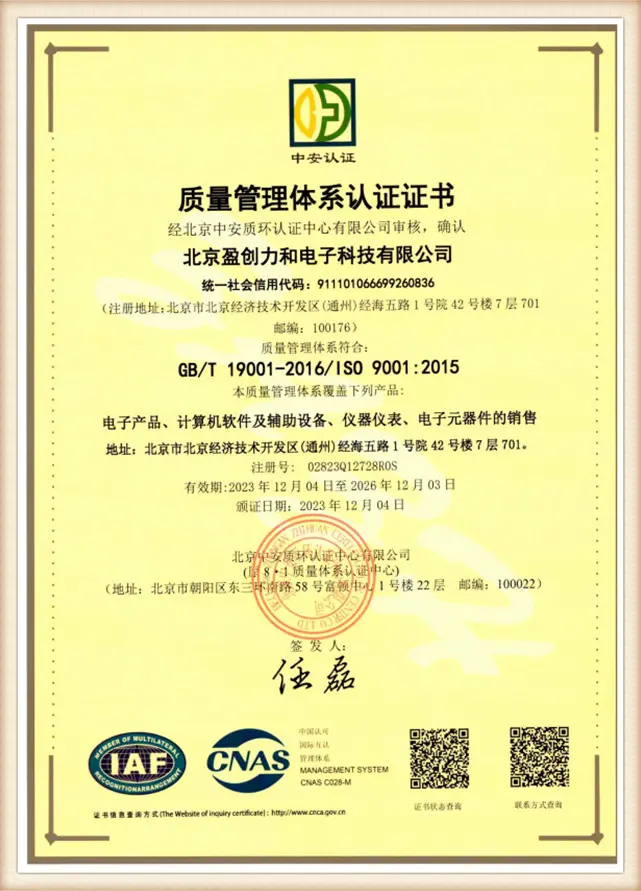
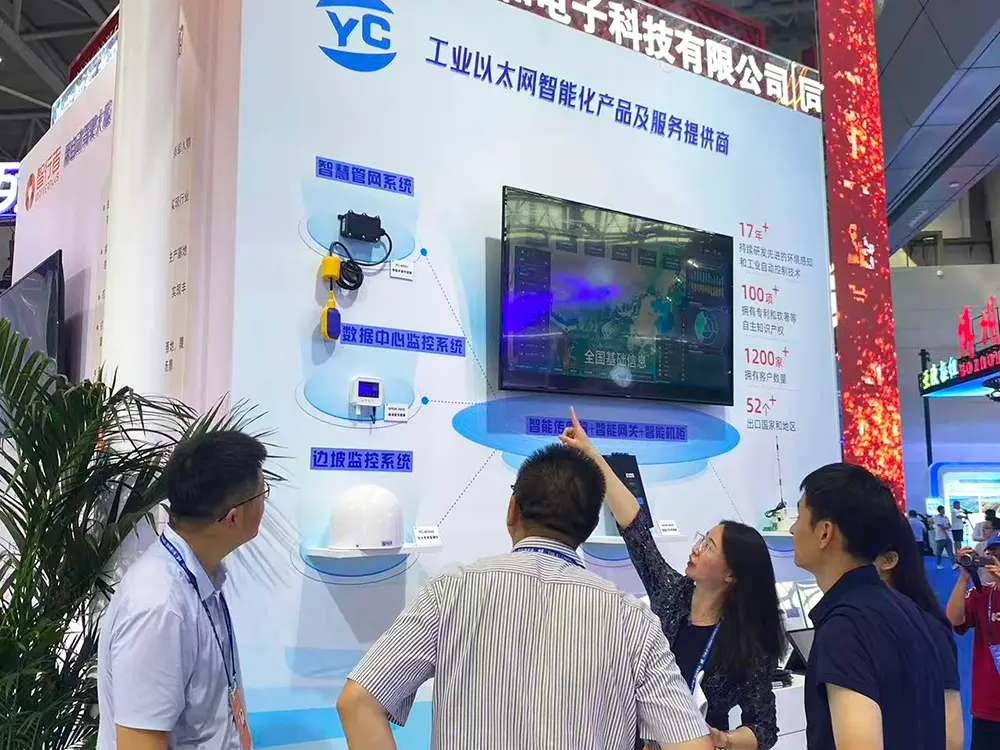
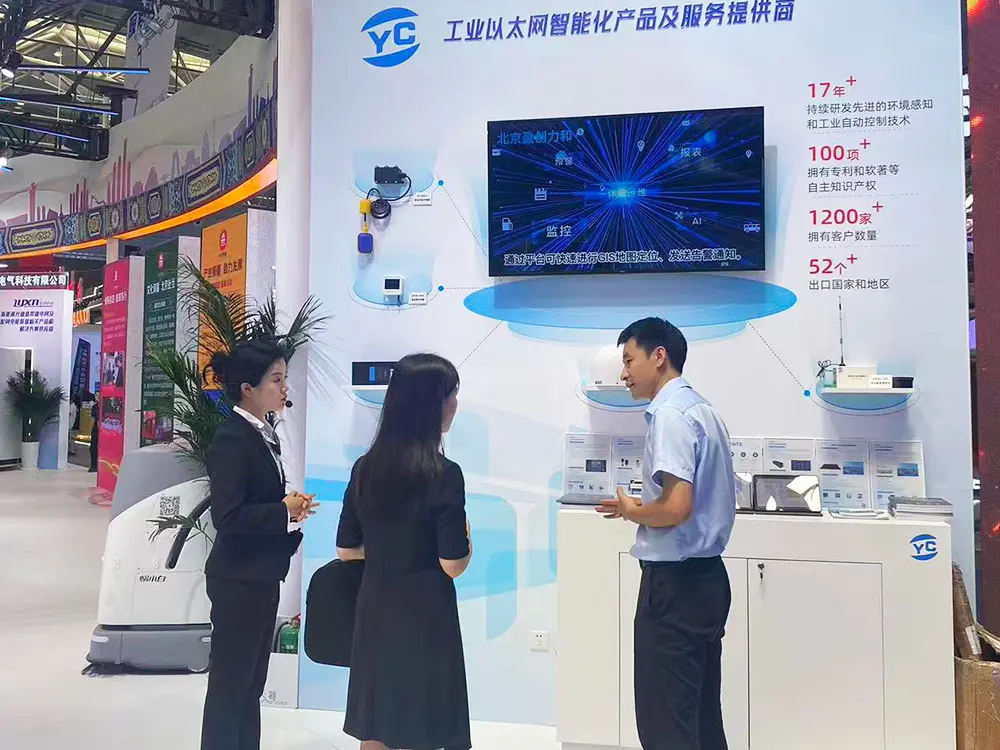
Addressing critical engineering inquiries regarding LoRaWAN configuration, power management, and integration.
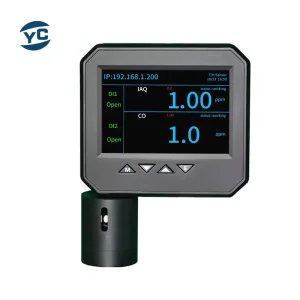
From multi-parameter sensors monitoring TVOC and ozone to high-precision remote probe extensions.
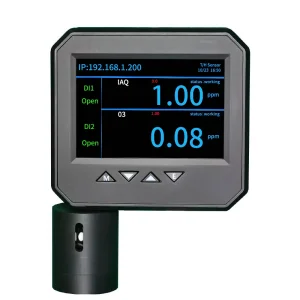
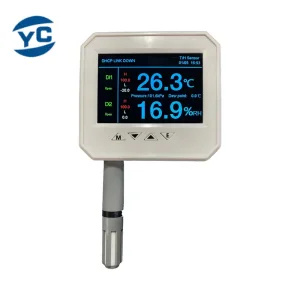
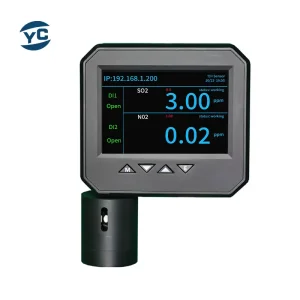
 YCLH Sensor