Choosing the right Multi-Parameter Data Logger can be a daunting task. Experts in the field recognize its importance for accurate data collection. Dr. Emily Carter, a leading researcher in environmental monitoring, once noted, "A reliable Multi-Parameter Data Logger is essential for precise measurements across various parameters." Her insights underline the significance of choosing well.
When selecting a Multi-Parameter Data Logger, one must consider several key factors. Accuracy, reliability, and ease of use should be top priorities. Additionally, understanding the specific parameters you'll be monitoring is crucial. Not every data logger will suit your needs. Often, organizations overlook these factors and end up with devices that do not meet their requirements.
Ultimately, selecting the right device requires careful thought. Reflecting on past experiences can guide future decisions. A data logger may appear ideal but could fall short in practice. A meticulous approach ensures you invest in a Multi-Parameter Data Logger that truly serves your purposes.
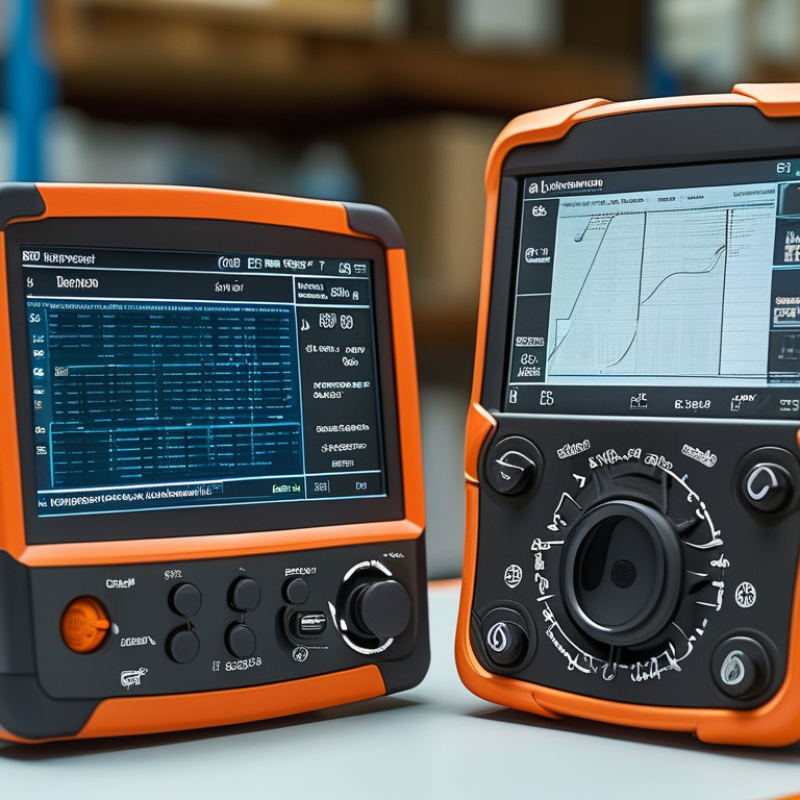
Multi-parameter data loggers serve a critical role in monitoring various environmental factors. They can track temperature, humidity, pressure, and more. Understanding their functions is essential before making a choice. These devices collect data over time, providing insights into conditions that can affect processes or products.
Many users overlook specific needs when selecting a data logger. For example, the intended application can dictate the parameters you need. A logger ideal for food storage may require precise temperature and humidity tracking. Meanwhile, a logger for industrial use might need robust pressure and vibration monitoring. Consider environmental conditions too. This affects sensor performance and longevity.
Choosing a high-quality data logger comes with challenges. Users may feel overwhelmed by options and features. Some loggers may offer excessive functions that remain unused. Reflecting on your needs is vital. Focus on the parameters that truly matter to your operations. A tailored solution will yield the most reliable data over time.
Selecting the right multi-parameter data logger involves understanding critical specifications. Measurement range, accuracy, and sampling rate are essential. A broad measurement range allows for diverse applications but can lead to increased costs. Reports indicate that most reliable data loggers offer ranges from -40°C to 125°C. For specialized needs, consider models with extended ranges, as they may better suit extreme environments.
Accuracy is paramount in data logging. A typical high-quality device offers accuracy levels of ±0.1°C, especially for temperature measurements. Lower accuracy can introduce significant errors, especially in sensitive fields like pharmaceuticals and food safety. Data from industry studies show that even a small accuracy deviation can lead to compliance issues. Thus, while searching for data loggers, always evaluate their calibration standards.
Sampling rate is another key factor. Faster sampling rates capture rapid changes more effectively. Some applications demand rates as high as 1Hz or more. However, higher rates can increase data volume, complicating analysis. Balancing your needs is crucial. Evaluate how often you're analyzing data to determine your ideal rate. Consider this carefully; sometimes less data can yield clearer insights.
When selecting a multi-parameter data logger, connectivity options play a crucial role. The right choice can significantly enhance data accessibility and usability. USB connections are traditional yet reliable. They provide quick data transfer without the need for networking setups. However, their mobility is limited, restricting the logger's usage to nearby locations.
Wi-Fi and Bluetooth offer flexibility. Wi-Fi enables greater range and access to cloud services. Reports indicate that 72% of users prefer Wi-Fi for real-time monitoring. Cloud integration is essential for storing large amounts of data. Users can access data from any device, anywhere. Meanwhile, Bluetooth provides convenient connections for short distances, ideal for quick, localized data logging.
Before making a choice, assess your specific needs. Consider where and how often you will use the logger. Ensure it meets the requirements for real-time data access. Pay attention to battery life and connectivity stability. This is important in environments with frequent interruptions. Keep in mind that your needs might evolve, so choose options that allow for future updates or enhancements. Evaluate the compatibility of devices you already possess; this could save time and resources.
| Connectivity Option | Advantages | Disadvantages | Best Use Case |
|---|---|---|---|
| USB | Fast data transfer, reliable connection | Limited mobility, requires physical connection | Laboratory settings |
| Wi-Fi | Wireless access, remote monitoring | Potential signal interference | Large facilities, IoT applications |
| Bluetooth | Low power consumption, easy pairing | Limited range, slower data rates | Personal use, short-range applications |
| Cloud Integration | Access data from anywhere, data backup | Dependent on internet connection | Global monitoring and data analysis |
When selecting a multi-parameter data logger, software compatibility is crucial. Different applications have varying requirements. Some tools excel in environmental monitoring, while others are tailored for industrial processes. Understanding the specific needs of your operation can help inform your choice. If your focus is temperature and humidity, ensure the software supports real-time data analysis for accurate insights.
User-friendliness can also vary between software platforms. Some interfaces are intuitive, making it easy for users to navigate. Others may require training or come with a steep learning curve. It’s important to assess the capabilities of the data analysis tools offered. Do they provide visual aids like graphs? Can they handle complex datasets effectively? These elements can significantly affect the efficiency of your data analysis process.
Consider the compatibility of the software with existing systems. Integration can streamline workflows or lead to frustration with data silos. Occasional glitches may occur, so having reliable technical support is vital. Ultimately, ensuring that the software aligns with your operational needs will lead to more effective data management. Evaluate these aspects carefully to make a well-informed decision.
Choosing the right multi-parameter data logger for environmental monitoring requires careful consideration of specific needs. Different industries have unique requirements. Agriculture might prioritize soil moisture and temperature. In contrast, pharmaceuticals may focus on tracking temperature and humidity for product integrity.
When selecting a data logger, consider the environment in which it will operate. Will it be exposed to extreme temperatures or humidity levels? Understanding the operational conditions is vital. The durability and accuracy of the device will significantly impact its performance in various settings.
It's essential to evaluate the features that matter most for your application. Some loggers offer cloud connectivity, while others provide local storage. Assess how often data needs to be recorded. Continuous monitoring may require more robust solutions. Reflecting on these aspects can help streamline your choice. The process can be complex, and sometimes, trial and error is needed to identify the best fit.
This chart visualizes the performance of multi-parameter data loggers in various environmental monitoring applications, showing the values measured for temperature, humidity, air quality, soil moisture, and water quality.
: Focus on measurement range, accuracy, and sampling rate to ensure the right choice.
Most reliable data loggers have a range from -40°C to 125°C.
Accuracy is crucial; a typical high-quality logger has ±0.1°C accuracy for temperature.
Faster sampling rates capture changes more effectively, but they can complicate data analysis.
Options include USB, Wi-Fi, Bluetooth, and cloud integration, each with unique benefits.
Wi-Fi offers greater range and cloud access, preferred by 72% of users for monitoring.
Bluetooth provides quick, localized connections for short distances, ideal for immediate logging.
Understanding your requirements ensures the logger meets your real-time access needs effectively.
Battery life and connectivity stability are vital, especially in environments with interruptions.
Choose devices that allow for future enhancements to adapt to evolving requirements.
When selecting a Multi-Parameter Data Logger, it is essential to understand its basic functions and specifications. Key specifications such as measurement range, accuracy, and sampling rate play a vital role in ensuring the device meets your specific needs. Additionally, evaluating connectivity options, including USB, Wi-Fi, Bluetooth, and cloud integration, is crucial for seamless data transfer and accessibility.
Software compatibility is another important factor, as different applications may require specific data analysis tools. Finally, consider the industry-specific applications for which the Multi-Parameter Data Logger will be used, particularly in fields like environmental monitoring. By carefully assessing these elements, you will be better equipped to choose the most suitable data logger for your needs.

YCLH Sensor