China Top 10 Ethylene Oxide Sensor Manufacturers?

Time:2026-09-21 Author:Oliver
0%

Choosing a reliable Ethylene Oxide Sensor manufacturer requires more than comparing product pages or counting years in business. Ethylene oxide is a colorless, highly reactive gas, so detection equipment must provide stable readings in demanding industrial environments. This guide introduces ten notable manufacturers in China and examines how their products may serve hospitals, sterilization facilities, chemical plants, laboratories, and workplace safety programs.

The selection focuses on practical indicators, including sensor technology, detection range, response time, calibration support, alarm functions, enclosure design, and documented quality controls. Manufacturer experience also matters. A supplier that explains sampling methods, cross-sensitivity, maintenance intervals, and replacement procedures is usually easier to evaluate. Clear technical documents help buyers avoid costly misunderstandings. Real-world details matter.

However, no ranking can represent every buyer’s needs. A portable monitor may suit inspection teams, while a fixed system may better protect a sterilization room. Some manufacturers provide strong customization but limited public documentation. Others offer polished specifications yet provide less information about field performance. These differences deserve careful review, not automatic trust.

Readers should verify certifications, test reports, factory capabilities, warranty terms, and after-sales response before making a purchase. Independent calibration and professional installation may also be necessary. This article is intended as a practical starting point, not a substitute for site-specific risk assessment. Information can change. Product availability, specifications, and service coverage should be confirmed directly with each manufacturer. That small step can prevent a serious decision.
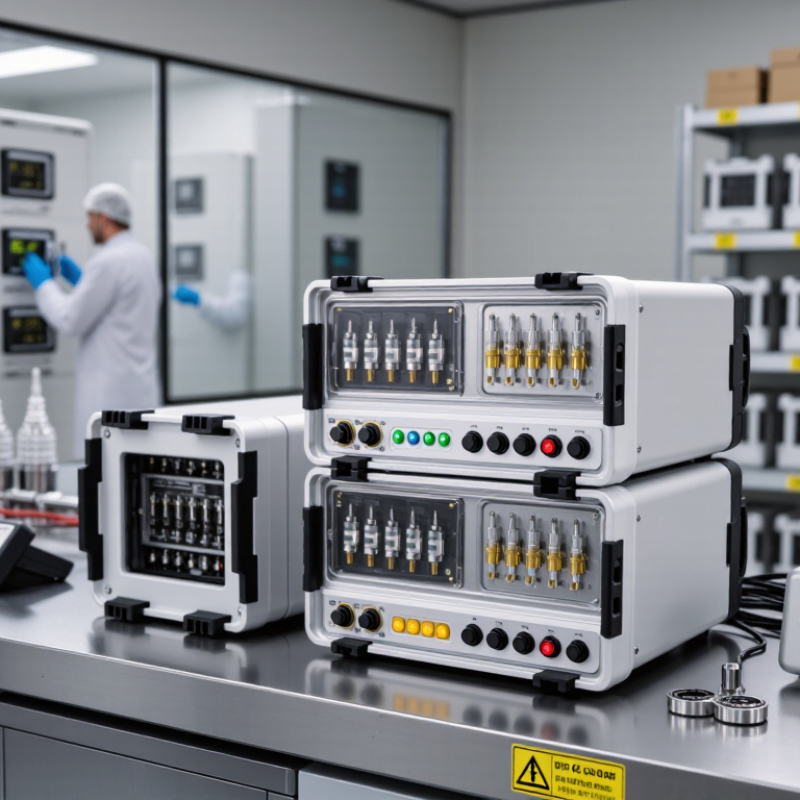
China Top 10 Ethylene Oxide Sensor Manufacturers?

Ethylene Oxide Sensor Basics: 1 ppm OSHA PEL and 800 ppm IDLH

Ethylene oxide sensor selection begins with two critical exposure figures. OSHA sets an 8-hour permissible exposure limit of 1 ppm for ethylene oxide. Its action level is 0.5 ppm, based on an eight-hour time-weighted average. These values come from OSHA’s Ethylene Oxide Standard, 29 CFR 1910.1047. A sensor must detect well below 1 ppm, not merely display high concentrations.

NIOSH lists 800 ppm as the immediately dangerous to life or health concentration in its Pocket Guide to Chemical Hazards. That level is not a normal alarm target. It represents an emergency condition requiring supplied-air respiratory protection and rapid evacuation procedures. NIOSH also identifies ethylene oxide as a potential occupational carcinogen. Odor is unreliable here. A worker may notice little warning before exposure becomes serious.

For China’s ethylene oxide sensor manufacturers, buyers should examine independent calibration data, response time, humidity performance, and alarm stability. A practical design often uses low-range electrochemical detection with a clear 0.5 ppm warning threshold and a 1 ppm exposure alarm. High-range measurement still matters during leak investigations. However, one instrument may not perform perfectly across both ranges. That limitation deserves honest review. OSHA inspection guidance, NIOSH exposure criteria, and laboratory calibration records should support every specification. Field logs also matter, especially near sterilization chambers, cylinder connections, and exhaust ducts.

China Top 10 Ethylene Oxide Sensor Manufacturers? - Ethylene Oxide Sensor Basics: 1 ppm OSHA PEL and 800 ppm IDLH
No. Evaluation Dimension Verified Technical Reference Relevance to Ethylene Oxide Sensor Selection
1 OSHA Permissible Exposure Limit 1 ppm as an 8-hour time-weighted average The sensor should provide reliable low-level monitoring around the occupational exposure limit and should support time-weighted exposure evaluation.
2 OSHA Action Level 0.5 ppm as an 8-hour time-weighted average A suitable alarm strategy should identify concentrations at or below the action level so that corrective measures can begin before the OSHA PEL is exceeded.
3 NIOSH Immediately Dangerous to Life or Health Level 800 ppm High-range measurement and rapid alarm response are essential for emergency assessment because 800 ppm represents an IDLH atmosphere.
4 Typical Measurement Range Requirement Low-ppm sensitivity with an application-defined upper range No single range suits every installation. Routine workplace monitoring and emergency leak detection may require different sensor ranges, alarm thresholds, or instrument configurations.
5 Sensor Technology Common options include electrochemical and photoionization-based detection Technology should be selected according to the required detection limit, expected concentration, response time, environmental conditions, and possible interfering gases.
6 Selectivity and Interference Control Must be validated for the actual gas mixture Ethylene oxide sensors can respond differently to other chemicals. Cross-sensitivity data and site-specific validation are necessary where solvents, sterilants, or process gases are present.
7 Response and Alarm Performance Fast response with adjustable low and high alarms Rapid indication is important for leak detection. Alarm settings should be based on the applicable occupational limits, facility risk assessment, and emergency procedures rather than on the IDLH value alone.
8 Calibration and Bump Testing Use a documented procedure with certified ethylene oxide test gas Regular calibration and functional bump testing help confirm sensor response, alarm operation, sampling integrity, and instrument readiness before use.
9 Environmental Suitability Check temperature, humidity, pressure, dust, and enclosure requirements Environmental factors can affect sensor accuracy and service life. The instrument should be rated for the intended indoor, outdoor, process, or hazardous-area application.
10 Data, Maintenance, and Compliance Support Event logging, calibration records, service intervals, and documented specifications Traceable records support exposure investigations, preventive maintenance, worker training, and compliance audits. Manufacturer documentation should state performance limits and maintenance requirements clearly.
Reference basis: OSHA Ethylene Oxide standard, including the 1 ppm 8-hour PEL and 0.5 ppm action level; NIOSH Immediately Dangerous to Life or Health value of 800 ppm. Sensor ranges, alarm settings, calibration intervals, and installation requirements should be confirmed against the applicable local regulations and the instrument manufacturer’s documentation.

China’s EO Sensor Market: 10 Manufacturers by Technology and Industry

China’s EO Sensor Market: 10 Manufacturers by Technology and Industry

China’s ethylene oxide sensor market includes manufacturers serving sterilization, healthcare, chemical processing, and laboratory safety. A useful top-ten review should compare technology, not popularity alone. Electrochemical sensors remain common for compact monitors and routine room checks. Infrared systems suit continuous measurement and stronger resistance to some interfering gases. Catalytic designs may support industrial applications, but they require careful maintenance and controlled testing.

The ten manufacturers in this market can be grouped by practical strengths. Some focus on fixed alarm systems for sterilization chambers and ventilation rooms. Others develop portable instruments for maintenance teams and emergency inspections. Several suppliers integrate sensors with factory control panels, data logging, and remote alerts. Sampling pumps, filter cartridges, response time, and operating temperature matter greatly. Small details matter.

From field experience, calibration records often reveal more than a product brochure. A sensor should respond predictably to certified reference gas and recover without excessive delay. Housing materials also need review, especially near humid equipment or cleaning processes. Public specifications can be incomplete. That is a weakness. Buyers should verify detection range, cross-sensitivity, replacement intervals, factory quality procedures, and service coverage. Independent testing adds credibility, although it may increase procurement time. The best comparison also considers technician training, spare-part availability, alarm stability, and installation guidance for each industry.

EO Detection Technologies: Electrochemical, PID, IR, and Semiconductor Sensors

Choosing among China’s top 10 ethylene oxide sensor manufacturers requires more than comparing prices. EO detection technology determines response time, selectivity, maintenance, and field reliability. Electrochemical sensors are compact and energy efficient. They suit personal monitors and fixed points with moderate concentrations. Their electrolyte can age faster in heat, humidity, or contaminated air. That detail is easy to overlook. PID sensors respond quickly to volatile compounds, but EO response depends on lamp energy and calibration methods. They may need careful correction for interfering vapors.

Infrared sensors measure absorption at selected wavelengths and support continuous monitoring. They usually offer stable performance with fewer consumable parts. However, optical windows can become dirty in dusty process areas. A clean signal is not guaranteed. Semiconductor sensors are affordable and sensitive, making them useful for alarms or preliminary screening. Yet humidity, temperature, and background gases can shift their baseline. Practical evaluations often show that low purchase costs create higher calibration workloads. That trade-off should be recorded, not hidden.

A credible manufacturer should provide traceable calibration data, detection limits, cross-sensitivity tests, and service procedures. Ask how each sensor performs during startup, cleaning, and ventilation changes. Check enclosure ratings, data logging, alarm relays, and replacement intervals. Independent testing matters when readings influence worker protection decisions. No technology is perfect. Site trials should compare readings against a validated reference method under real airflow conditions. A practical shortlist balances sensor physics, maintenance access, operator training, and documented quality controls.

Ranking the Top 10: Accuracy, Response Time, Range, and Certifications

A credible China Top 10 ranking should measure more than price and production capacity. Accuracy deserves priority because OSHA sets an ethylene oxide permissible exposure limit of 1 ppm over eight hours, with a 0.5 ppm action level (OSHA 29 CFR 1910.1047). Each manufacturer should report error at 0.5, 1, and 10 ppm, under stated humidity and temperature conditions. Laboratory figures alone can mislead. Field calibration matters.

Response time is equally practical. High-performing sensors often specify T90 response within 30 seconds, helping operators react to a leaking valve or open cylinder. Detection range must also match the workplace. A useful instrument may cover low-ppm exposure monitoring while supporting higher emergency readings. The ranking should examine repeatability, drift, sensor life, and calibration intervals, not just headline range.

Certifications separate dependable suppliers from attractive brochures. Reviewers should verify model-specific IECEx, ATEX, UL, or CSA documentation, plus ISO 9001 manufacturing controls. MarketsandMarkets’ 2024 gas sensor analysis projects growth from about USD 2.1 billion in 2024 to USD 3.3 billion by 2029, indicating stronger demand for validated sensing systems. Still, certification does not guarantee field accuracy. A sensible scorecard should weight accuracy, response time, range, and certification evidence equally. No ranking is perfect. Humidity interference and aging sensors remain uncomfortable variables.

Selecting an EO Sensor: ATEX, IECEx, GB Standards, Calibration, and TCO

Choosing an ethylene oxide sensor requires more than comparing detection ranges. The installation environment matters. A sterilization room may have heat, humidity, airflow, and limited ventilation. These conditions can affect response time and reading stability.

Check the required certification before purchase. ATEX applies to certain explosive atmospheres within relevant European markets. IECEx supports international equipment acceptance through a recognized certification system. In China, applicable GB standards and conformity documents must match the site classification. Do not assume one certificate covers every application. Small details matter. Confirm gas range, alarm settings, enclosure protection, electrical interfaces, and operating temperature.

Calibration deserves equal attention. Ask whether calibration can be traced to certified reference gas. Review zero checks, span checks, calibration intervals, and sensor replacement procedures. A bump test can reveal a blocked inlet or failed alarm, but it does not replace full calibration. Cross-sensitivity also needs testing, especially where disinfectants or solvents are present. Field experience shows that maintenance access often gets overlooked. A sensor may perform well, yet become costly when calibration requires long downtime.

Total cost of ownership includes consumables, labor, software, ventilation integration, spare sensors, and disposal. The lowest purchase price can be misleading. However, expensive features are not automatically useful. Calculate annual service hours and expected replacement cycles. Leave room for uncertainty; real sites rarely behave like laboratory conditions. A practical selection uses certificates, test records, lifecycle costs, and feedback from operators who will maintain the equipment.

China Top 10 Ethylene Oxide Sensor Manufacturers? — Selecting an EO Sensor

Reference concentration values for ethylene oxide selection and alarm design. The limits below are not manufacturer specifications; they come from different occupational-health references and must not be compared without considering their averaging periods.

Selection guidance: Confirm that the complete detector assembly is suitable for the intended hazardous area under ATEX or IECEx requirements, and verify applicable Chinese GB/GB/T requirements for the installation. Select a sensor range and alarm strategy that can measure low occupational limits while also addressing emergency concentrations. Calibration should use traceable ethylene oxide gas or an approved equivalent method, with the interval defined by the manufacturer, site conditions, and performance history. Total cost of ownership includes sensor replacement, calibration gas, bump testing, maintenance, verification, and certification requirements.

FAQS

What industries use ethylene oxide sensors?

Sterilization rooms, healthcare facilities, chemical plants, and laboratories commonly use them. They support alarms, routine checks, and continuous monitoring. Small details matter.

Which sensor technologies are common for ethylene oxide detection?

Electrochemical, infrared, PID, catalytic, and semiconductor technologies appear in the market. Each technology differs in response time, selectivity, maintenance, and operating stability.

When are electrochemical sensors a practical choice?

Electrochemical sensors are compact and energy efficient. They suit portable monitors and fixed points with moderate concentrations. Heat, humidity, and contaminated air may shorten electrolyte life.

What advantages do infrared sensors provide?

Infrared sensors support continuous measurement and resist some interfering gases. They usually have fewer consumable parts. Dirty optical windows can weaken readings in dusty areas.

Are low-cost semiconductor sensors reliable?

Semiconductor sensors can support alarms and preliminary screening. Their baseline may shift with humidity, temperature, and background gases. Low prices can create more calibration work.

What performance details should buyers compare?

Compare accuracy, response time, detection range, repeatability, drift, and sensor life. Check readings at low, normal, and higher reference concentrations. Headline range alone is insufficient.

Why do calibration records matter?

Calibration records show whether a sensor responds predictably to certified reference gas. They also reveal recovery delays and long-term drift. Brochures may hide weaknesses.

What environmental conditions can affect sensor readings?

Heat, humidity, dust, cleaning vapors, and changing airflow can influence performance. Housing materials and enclosure ratings need review near wet equipment. Clean air is not guaranteed.

What documents should a manufacturer provide?

Request detection limits, cross-sensitivity results, calibration data, replacement intervals, and service procedures. Also review quality controls and model-specific certification documents. Public specifications may be incomplete.

How should a workplace evaluate a sensor before purchase?

Conduct a site trial under real airflow, startup, cleaning, and ventilation conditions. Compare readings with a validated reference method. No ranking is perfect.

Conclusion

This article provides a practical overview of China’s Ethylene Oxide Sensor market, focusing on how different manufacturers and technologies serve healthcare, sterilization, chemical processing, and workplace safety applications. It explains the importance of monitoring ethylene oxide near the 1 ppm OSHA permissible exposure limit and the 800 ppm IDLH level, while emphasizing that sensor selection should prioritize worker protection, stable performance, and reliable alarm response.

The guide compares electrochemical, photoionization (PID), infrared (IR), and semiconductor sensing technologies according to accuracy, response time, detection range, durability, and certification options. It also outlines how to evaluate the top 10 manufacturers by calibration support, compliance with ATEX, IECEx, and relevant GB standards, maintenance requirements, and total cost of ownership. By considering installation conditions, gas concentration, environmental interference, and service availability, users can select an appropriate Ethylene Oxide Sensor for dependable long-term monitoring.


Oliver

Oliver

Oliver is a seasoned marketing professional with a wealth of expertise in driving brand awareness and engagement. With a deep understanding of our company's product offerings, he consistently delivers high-quality content that enriches our professional blog. His insights not only shed light on......