Choosing the best China Ethernet Gas Data Logger is not simply a matter of comparing prices, channels, or screen sizes. The right device must produce trustworthy measurements under real industrial conditions. In a chemical plant, a cabinet may experience vibration, dust, temperature changes, and unstable network traffic. A logger that works in a laboratory may fail beside a compressor.
The need for dependable gas monitoring is becoming more urgent. The International Energy Agency’s Global Methane Tracker 2024 estimates that the energy sector released nearly 120 million tonnes of methane in 2023. The report also identifies monitoring and faster leak detection as practical priorities. China’s Energy Statistical Yearbook and related industrial energy reports show the continuing scale of gas use across manufacturing, utilities, and processing facilities. Better records matter. They support maintenance, energy analysis, emissions control, and safer decision-making.
A capable Ethernet Gas Data Logger should support stable sensor inputs, accurate timestamps, local memory, remote access, and common protocols such as Modbus TCP. Compatibility with 4–20 mA, RS485, and digital alarm signals can simplify existing installations. It should also provide clear calibration records and exportable data, not just attractive graphs. ISO 50001 offers a useful framework for managing energy information, while IEC-based electrical practices help guide reliable installation. Still, compliance labels alone cannot prove field performance. That is an uncomfortable gap. Buyers should test recovery after network loss, compare readings against a calibrated reference, and inspect support quality in China. The “best” model is therefore not universal; it is the one that remains accurate, traceable, and useful when the plant becomes noisy, busy, and imperfect.
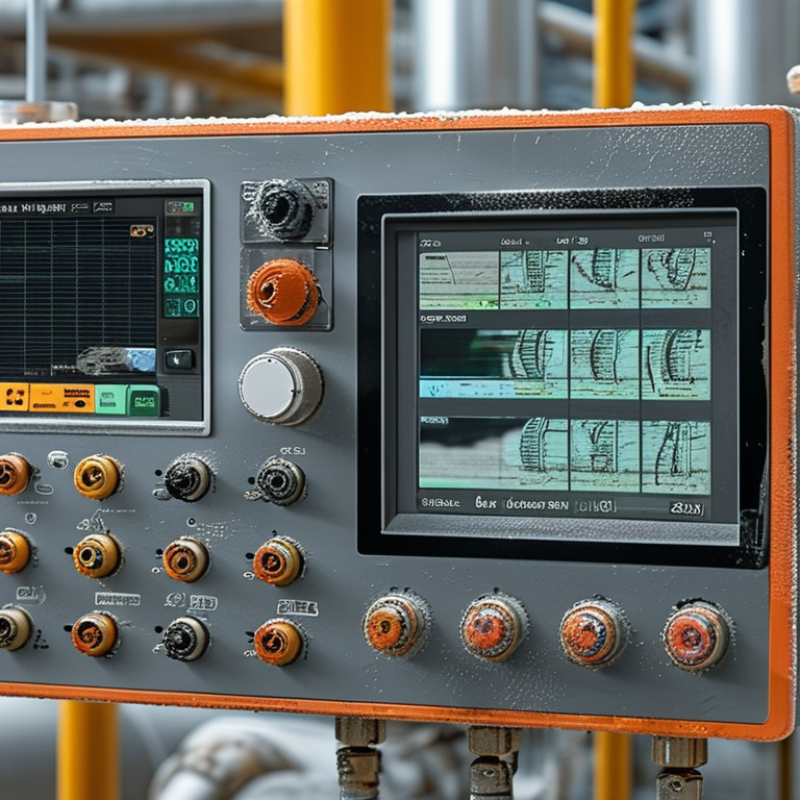
The best China Ethernet gas data logger should be judged by measurement evidence, not appearance or connection speed. In practice, ISO 8573-1 provides the right framework for evaluating compressed gas quality. It classifies particles, water, and oil separately. A logger should therefore record each parameter with clear units, timestamps, and calibration information.
Ethernet connectivity makes continuous monitoring practical in factories, laboratories, and medical-air systems. A technician can view pressure dew point trends from a control room while the sensor remains near the dryer outlet. Short alarms can identify a sudden moisture rise after maintenance. However, an Ethernet logger does not automatically prove ISO compliance. The connected sensors must match the required measurement class, range, and uncertainty.
That distinction matters.
For particles, the system should support the ISO 8573-1 size channels and concentration limits required by the process. Water measurement usually depends on pressure dew point, while oil monitoring may require a dedicated analyzer rather than a general gas sensor. Class selection must follow the actual application, not a convenient default. Calibration certificates should be traceable, and network records should resist accidental overwriting.
Field experience also reveals a weakness: data can look precise while installation errors remain unnoticed. Leaks, poor sampling lines, temperature changes, and contaminated filters can distort results. Reviewing sensor response against a portable reference instrument is worthwhile. A reliable logger supports that review with exportable records, stable time settings, and visible alarm history. I would still question any specification that promises every ISO class through one universal sensor.
: It should record particles, water, and oil separately. Each record needs units, timestamps, and calibration information. One sensor may not measure everything correctly.
No. Ethernet only supports data transfer and remote monitoring. The connected sensors must match the required measurement class, range, and uncertainty. It is not automatic.
Check whether the system supports the required particle-size channels. Compare recorded concentrations with the process limits. Do not accept a convenient default class without reviewing the application.
Water is usually evaluated through pressure dew point. Place the sensor near the dryer outlet when practical. A sudden moisture rise may appear after maintenance.
Often, yes. A general gas sensor may not measure oil reliably. Confirm the required oil method, range, and uncertainty before installation. The shortcut can mislead.
On a 0–100 kPa sensor, ±1% full-scale allows about ±1 kPa deviation. That error may hide small pressure changes. Check calibration records and operating conditions.
A one-second interval can capture slow pressure drift. It may miss a brief startup surge. Choose the interval according to process changes, not display speed.
The logger should store readings locally when communication fails. Review timestamp stability, packet loss, and exportable records. A dashboard alone is insufficient.
Leaks, contaminated filters, temperature changes, and poor sampling lines can distort measurements. Compare the sensor with a portable reference meter. Data can deceive.
Test near the lower, middle, and upper measurement ranges. Inspect raw records instead of relying only on the dashboard. I would still question long-term stability after vibration and installation.
Choosing the best Ethernet Gas Data Logger requires more than comparing basic connectivity features. The right device should support reliable measurement aligned with ISO 8573-1 classes, allowing users to monitor gas quality with clearly defined performance expectations. Compatibility with Modbus TCP and IEEE 802.3 Ethernet connectivity is also important for smooth integration into industrial networks and control systems. Accuracy, sampling speed, and performance within ±1% of full scale should be evaluated according to the application’s monitoring requirements.
Long-term data reliability is equally essential. A suitable logger should provide sufficient storage, accurate time synchronization, and continuous 24/7 data recording to protect measurement history and support traceability. For demanding industrial environments, IP65 protection can help defend against dust and water exposure, while IEC 61010 compliance indicates that safety considerations have been addressed in the equipment’s design. By assessing measurement capability, communication, durability, storage, and safety together, users can select an Ethernet Gas Data Logger that delivers dependable performance and practical integration.

 YCLH Sensor